

How to Estimate 3D Printing Price Without Costly Mistakes
Estimating 3D printing price accurately is essential for buyers, distributors, and sourcing teams trying to avoid hidden costs and poor supplier decisions. On an online trade platform, comparing quotes for custom parts often involves factors similar to sheet metal fabrication, home improvement tools, or even MRI scanners cost analysis—materials, complexity, volume, and lead time all matter. This guide helps you evaluate 3D printing price with confidence and make smarter business decisions.
If your goal is to estimate 3D printing price without costly mistakes, the key is simple: do not judge a quote by size alone. For most B2B buyers, the real cost is driven by material choice, printing technology, part geometry, tolerance requirements, finishing, order quantity, and delivery expectations. The biggest pricing mistakes happen when sourcing teams compare suppliers using incomplete specifications or focus only on the lowest unit price without checking total project cost, defect risk, and lead-time reliability.
What Is the Core Intent Behind a 3D Printing Price Search?
Most readers searching for this topic are not looking for a vague overview. They want a practical way to estimate 3D printing cost before requesting quotes, validate whether supplier pricing is reasonable, and avoid budget surprises after design submission. For procurement teams, business evaluators, and distributors, this usually means answering five urgent questions:
- What factors actually affect 3D printing price?
- How can I estimate cost before contacting suppliers?
- Why do quotes from different vendors vary so much?
- Where do hidden charges usually appear?
- How can I reduce cost without creating quality or delivery problems?
That is why the most useful approach is not a generic definition of additive manufacturing, but a buyer-oriented pricing framework that supports sourcing decisions.
What Buyers and Sourcing Teams Care About Most
For business readers, the question is rarely just “How much does 3D printing cost?” It is more often “How do I know whether this price makes commercial sense?” That distinction matters.
The target audience typically cares about:
- Budget accuracy: avoiding underestimation at RFQ stage
- Supplier comparison: understanding why one quote is 30% to 200% higher than another
- Total landed value: including quality consistency, scrap risk, post-processing, and shipping
- Application fit: choosing the right process for prototype, bridge production, or end-use parts
- Commercial risk: preventing delays, design revisions, or failed parts that increase total cost
In other words, readers want a decision tool, not just price ranges.
The Main Factors That Determine 3D Printing Price
To estimate 3D printing price correctly, start with the variables that suppliers use when building a quote.
1. Printing technology
Different 3D printing processes have very different cost structures. FDM is often cheaper for simple prototypes. SLA can be cost-effective for high-detail resin parts. SLS, MJF, DMLS, and other industrial methods may carry higher machine and material costs but can offer better accuracy, durability, or production efficiency depending on the application.
A part that seems “small” may still be expensive if it requires a premium process.
2. Material selection
Material is one of the biggest cost drivers. Standard PLA or ABS parts are very different from nylon, TPU, high-temperature polymers, resins, stainless steel, titanium, or aluminum powders. Buyers should also remember that material cost is not only about raw feedstock price, but also print difficulty, waste rate, handling requirements, and post-processing needs.
3. Part geometry and complexity
More complex parts usually mean higher cost. Internal channels, overhangs, thin walls, support structures, precision surfaces, and intricate features can increase machine time, setup time, and post-processing labor. Two parts with the same dimensions can have very different prices if one is hollow and optimized while the other is solid and difficult to print.
4. Part volume and build efficiency
Suppliers do not only look at your part’s dimensions. They often assess how efficiently it fits into a build chamber and whether multiple parts can be nested in one run. A part with awkward orientation requirements may reduce machine utilization and increase price.
5. Surface finish and post-processing
This is where many buyers underestimate cost. Sanding, polishing, dyeing, painting, vapor smoothing, heat treatment, support removal, machining, and inspection can significantly raise the final quote. In many industrial projects, post-processing is the difference between a low initial print estimate and a much higher final invoice.
6. Quantity ordered
Unit cost often falls as order volume rises, but not always in a straight line. For some technologies, batch production improves efficiency. For others, setup and post-processing may still dominate. This is why comparing prototype pricing to low-volume production pricing can be misleading.
7. Tolerances and quality requirements
If the part needs tight tolerances, dimensional verification, material certification, or specific testing, the quote will reflect that. Buyers in medical, industrial equipment, automotive, or aerospace-related supply chains should pay special attention here.
8. Lead time and shipping urgency
Rush orders almost always cost more. Faster production may require schedule priority, overtime labor, express logistics, or separate batch planning. A cheap quote with unrealistic lead time may actually create higher downstream cost if it delays production or customer delivery.
How to Estimate 3D Printing Price Before Asking for Quotes
If you want a useful internal estimate, use a structured approach instead of relying on online calculators alone.
Step 1: Define the application clearly
Ask whether the part is for concept validation, functional testing, customer demo, tooling, bridge production, or final use. The intended application determines the acceptable process, material, finish, and tolerance level. Without this, price estimation will be unreliable.
Step 2: Review the CAD model for cost-sensitive features
Check wall thickness, overhangs, unsupported sections, excessive solid mass, unnecessary cosmetic surfaces, and features that may require extensive support or post-processing. Design optimization is one of the fastest ways to reduce 3D printing price.
Step 3: Select a realistic process-material combination
Do not estimate based on the cheapest process if the application needs engineering-grade performance. At the same time, do not over-specify a high-end process for a simple visual prototype. Cost mistakes often come from mismatching performance needs and process capability.
Step 4: Estimate total cost, not print cost only
Your working estimate should include:
- Printing
- Material
- Setup or engineering review
- Support removal or finishing
- Inspection
- Packaging
- Shipping
- Possible redesign or iteration cost
Step 5: Compare at least three suppliers on the same specification set
If the RFQ inputs differ, the quotes will not be comparable. Standardize drawing files, tolerances, quantity, finish expectations, delivery target, and quality requirements before comparing prices.
Why 3D Printing Quotes Vary So Much Between Suppliers
Large quote differences are common in the 3D printing market. This does not always mean one supplier is overcharging. It often means the underlying assumptions are different.
Here are the main reasons:
- Different machines: industrial systems and desktop systems produce different quality, speed, and consistency
- Different material grades: certified material costs more than generic options
- Different finishing levels: one quote may include smoothing, inspection, or painting while another does not
- Different rejection assumptions: experienced suppliers may price in quality control and remake risk
- Different service models: some vendors offer engineering support and DFM input, others provide print-only execution
- Different geographic cost structures: labor, electricity, compliance, and logistics vary by region
For B2B buyers, the lesson is clear: a low quote is only meaningful if you know exactly what is included.
Hidden Cost Areas That Cause the Most Expensive Mistakes
If you want to avoid costly mistakes, pay attention to the charges that are often missed in early-stage estimation.
Design revisions
A part that looks printable may still fail functional testing or require geometry changes. If your project is likely to need iterations, that should be part of your budget expectation.
Post-processing upgrades
Many buyers request a basic quote, then later add cosmetic or technical finishing. This can change the economics substantially.
Tolerance tightening after quotation
Suppliers may quote based on standard tolerances. If your team later requires higher precision, machining, or secondary inspection, cost rises quickly.
Minimum order or setup charges
Even if the part is small, a supplier may apply engineering review fees, machine setup fees, or minimum billing thresholds.
Packaging and international shipping
Especially on global trade platforms, freight, customs handling, damage protection, and rush delivery can materially affect the real procurement cost.
Supplier quality failures
The most expensive hidden cost is often not on the quote at all. It appears later as rejected parts, production delays, customer complaints, or emergency resourcing.
How to Reduce 3D Printing Price Without Sacrificing Business Value
Cost reduction should focus on smarter specification, not just aggressive price negotiation.
- Simplify geometry: remove unnecessary complexity that adds support, time, or finishing labor
- Reduce material volume: use hollowing, lattice structures, or optimized wall thickness where appropriate
- Choose fit-for-purpose materials: avoid premium materials unless the application truly needs them
- Align finish level with actual use: customer-facing parts may need premium surfaces, internal test parts may not
- Consolidate order planning: batching parts can improve pricing efficiency
- Allow realistic lead times: avoiding rush production can cut cost significantly
- Request DFM feedback early: supplier input before production often prevents expensive revisions
For distributors and sourcing professionals, the best savings usually come from preventing specification mismatch rather than forcing a supplier to cut margin.
How to Judge Whether a 3D Printing Price Is Reasonable
A reasonable price is not simply the lowest one. It is the price that matches your technical needs, risk tolerance, and business objective.
Use this checklist when evaluating a quote:
- Is the process suitable for the part’s actual function?
- Is the material grade clearly specified?
- Are tolerance and finish expectations documented?
- Does the quote include post-processing and inspection?
- Is lead time realistic and contractually clear?
- Has the supplier explained any engineering concerns?
- Is freight included or separate?
- What is the supplier’s remake or defect policy?
If a supplier cannot answer these questions clearly, the quote may be incomplete even if the number looks attractive.
When Higher 3D Printing Price May Actually Save Money
In B2B procurement, a higher quote can sometimes produce lower total cost. This is especially true when the supplier offers better process control, stronger engineering review, more reliable material traceability, and lower defect risk.
You may benefit from paying more when:
- The part is function-critical
- The order supports downstream assembly or customer delivery deadlines
- Certification or traceability matters
- You need dimensional consistency across batches
- Delays or part failure would create larger commercial losses
For commercial buyers, this is the right lens: evaluate 3D printing price in terms of procurement risk and business outcome, not only piece cost.
Final Takeaway for Buyers, Distributors, and Evaluation Teams
To estimate 3D printing price without costly mistakes, focus on the full quote logic behind the number. Material, process, geometry, finishing, volume, tolerances, and lead time all shape cost—and hidden issues usually appear when specifications are incomplete or suppliers are compared unfairly.
The most effective approach is to define the application clearly, standardize RFQ inputs, ask what is included, and judge suppliers on total project value rather than the lowest visible quote. For procurement teams, distributors, and market evaluators, that is the difference between a smart sourcing decision and an expensive correction later.
In a competitive global trade environment, better cost estimation is not just a technical advantage. It is a commercial advantage.
Recommended News
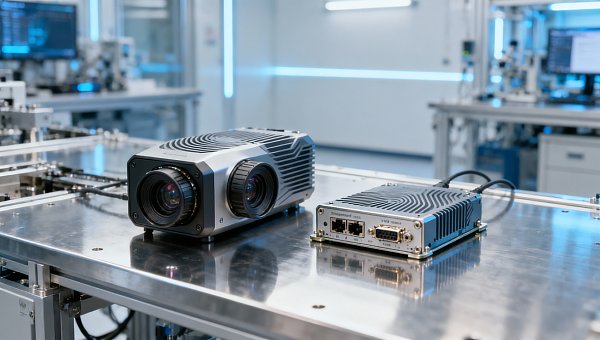
 China’s 10-Dept AI Export Ethics Review Rule Takes EffectChina’s new 10-dept AI export ethics rule mandates algorithmic bias review for AI hardware bound for the EU, US, Canada, Japan & SK—key for smart cameras, voice assistants & industrial vision exporters.
 Red Sea Detour Now Standard: $1,850 TEU Premium on Asia-Europe RoutesRed Sea detour premium now standard: $1,850/TEU surcharge embedded in Asia-Europe freight rates — vital intel for exporters, importers & logistics teams.
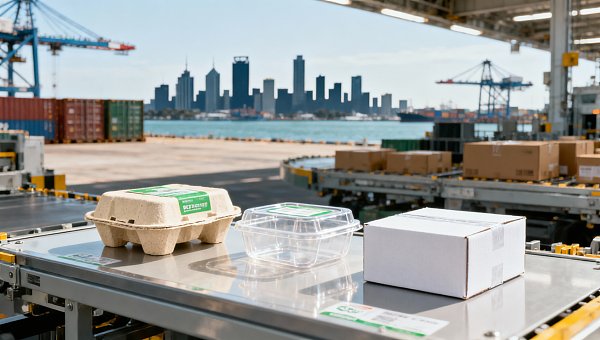
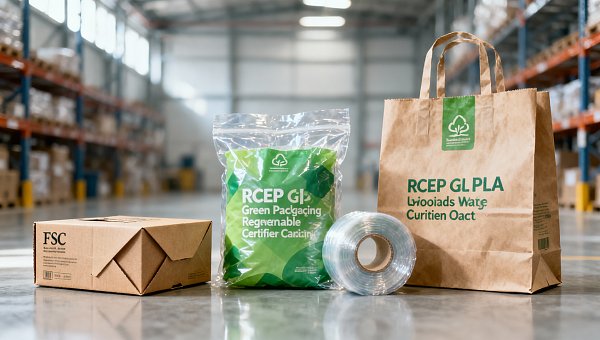
 RCEP Green Packaging Mutual Recognition Takes EffectRCEP Green Packaging Mutual Recognition takes effect Apr 22, 2026—streamline exports to AU, NZ, JP, KR with GB/T 37629–2019 certified molded fiber & PLA packaging.
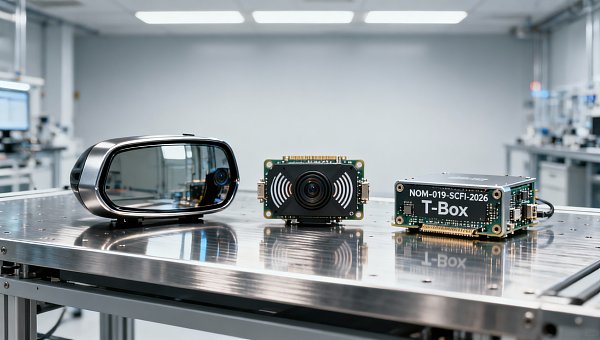
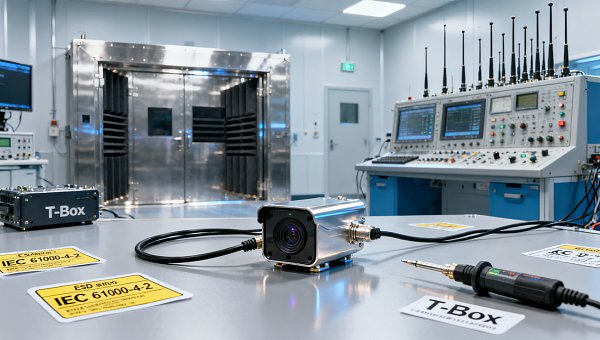
 Mexico NOM-019-SCFI-2026 Effective: EMC Certification Required for Auto Electronics ExportsEMC certification is now mandatory for auto electronics exports to Mexico under NOM-019-SCFI-2026. Ensure compliance for rearview mirrors, radar sensors & T-Box units—avoid shipment delays and order cancellations.
") TÜV Rheinland Updates CE Requirements for Servo Drives (PLd + EMC Joint Validation)TÜV Rheinland now mandates joint PLd + EMC validation for servo drives under CE marking—learn how this impacts certification timelines, lab selection, and EU market access.
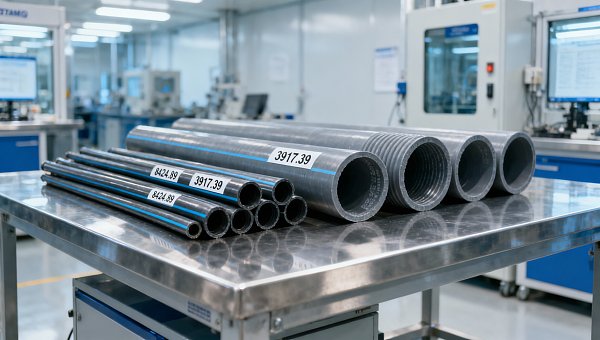
TÜV Rheinland Updates CE Requirements for Servo Drives (PLd + EMC Joint Validation)TÜV Rheinland now mandates joint PLd + EMC validation for servo drives under CE marking—learn how this impacts certification timelines, lab selection, and EU market access. Vietnam Suspends SASO Mutual Recognition for Chinese Irrigation EquipmentVietnam suspends SASO mutual recognition for Chinese irrigation equipment—urgent compliance updates for drip tapes & PE pipes (HS 8424.89/3917.39). Act now to avoid delays.
 FDA Finalizes AI Diagnostic Device Rules for ImportersFDA finalizes AI diagnostic device rules for importers: New bias assessment mandate impacts ultrasound, glucose analyzers & dermatoscopes. Act now to ensure U.S. market access.
 SABER Phase II Live: Saudi Building Hardware Requires Digital Type Test Reports & PIDSABER Phase II is live: Building hardware exports to Saudi Arabia now require digital type test reports & a mandatory, immutable Product ID (PID). Act now to avoid customs delays!
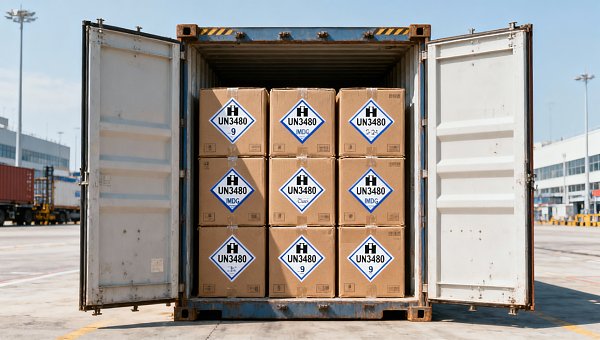
 IMDG Code 41-24 Enforced: UN3480 Lithium Battery Labeling Mandatory from Apr 2026IMDG Code 41-24 enforcement starts Apr 2026: UN3480 lithium battery labeling & ISO 17363 docs are now mandatory—avoid port rejections!
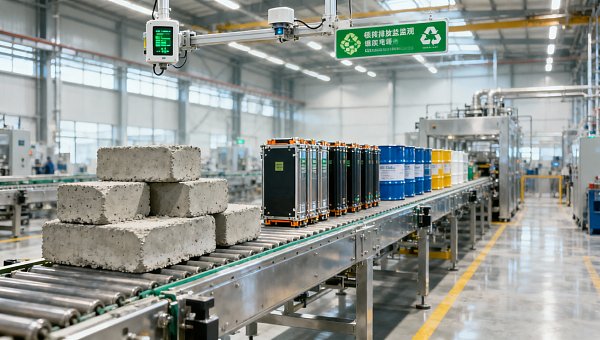
 CBAM Carbon Tax Launch: Low CBAM Reporting Rate Among Chinese ExportersCBAM Carbon Tax is live—only 36.8% of Chinese exporters reported. Discover why, which industries are at risk, and how to secure EU market access now.
 China’s 10 Agencies Issue AI Export Ethics Review RulesChina’s 10 agencies launch AI export ethics rules—mandating bias reviews for visual inspection, warehouse AI & defect detection systems. Stay compliant & competitive.
 RCEP Green Packaging Mutual Recognition Takes EffectRCEP Green Packaging Mutual Recognition is now in effect—unlock faster customs clearance in Australia, NZ, Japan & Korea for GB/T 37659–2019-certified eco-packaging.
 Mexico NOM-019-SCFI-2026 Effective Apr 10, 2026: EMC Certification Required for Automotive ElectronicsNOM-019-SCFI-2026 EMC certification is now mandatory for automotive electronics entering Mexico — act before the July 1, 2026 customs ban.
 Red Sea Rerouting Normalized, EBA at $1,850/TEURed Sea rerouting normalized with EBA fixed at $1,850/TEU—learn how this structural shift impacts Asia-Europe freight costs, lead times & supply chain strategy.
 FDA AI Diagnostic Device Draft Rules: Bias Assessment for ImportsFDA AI diagnostic device draft rules require bias assessment for imports—learn how portable ultrasound, glucose, and dermatoscopic AI devices are affected & what to do next.
") TÜV Rheinland Updates CE Requirements for Servo Drives (PLd + EMC)TÜV Rheinland updates CE requirements for servo drives: PLd (ISO 13849-1) + EMC immunity (IEC 61000-6-2 Ed.4) now mandatory together — act now to avoid EU market delays!
TÜV Rheinland Updates CE Requirements for Servo Drives (PLd + EMC)TÜV Rheinland updates CE requirements for servo drives: PLd (ISO 13849-1) + EMC immunity (IEC 61000-6-2 Ed.4) now mandatory together — act now to avoid EU market delays! SABER Phase II Launch: Building Hardware Must Submit Digital Type Test Reports & Unique Product IDSABER Phase II now mandates digital type test reports & unique product IDs for building hardware—fasteners, scaffolding, door/window components. Ensure compliance to avoid customs rejection & SCOC delays.
 Vietnam Suspends SASO Mutual Recognition for Chinese Irrigation EquipmentVietnam suspends SASO mutual recognition for Chinese irrigation equipment—TCVN testing now mandatory. Act now to avoid 8–12 week delays and customs holdups.
 IMDG Code 41-24 Enforced: UN3480 Lithium Battery Labeling UpdateIMDG Code 41-24 enforcement starts April 2026: UN3480 lithium battery labeling updates are mandatory for global maritime shipments — avoid port delays, detention & penalties.
 EU CBAM Enters Full Enforcement on Jan 1, 2026EU CBAM full enforcement starts Jan 1, 2026 — mandatory quarterly reporting & certificate purchases for batteries, steel, cement, aluminum, fertilizers & chemicals. Act now to ensure EU market access.
 EU CBAM Carbon Tariff Starts Oct 2026 for Chinese Battery, Cement, Chemical ExportsEU CBAM carbon tariff hits Chinese battery, cement & chemical exports from Oct 2026 — mandatory emissions reporting starts now. Avoid €98/t default fees.













Popular Tags
Global Trade Insights & Industry
Our mission is to empower global exporters and importers with data-driven insights that foster strategic growth.
Search News
Popular Tags
Industry Overview
The global commercial kitchen equipment market is projected to reach $112 billion by 2027. Driven by urbanization, the rise of e-commerce food delivery, and strict hygiene regulations.