

Low 3D Printing Price, Poor Results? Where Quality Usually Slips
A low 3D printing price can look attractive on any online trade platform, but the cheapest quote often hides compromises in material quality, print accuracy, finishing, and delivery reliability. For buyers, distributors, and sourcing teams comparing suppliers alongside products like home improvement tools or sheet metal fabrication services, understanding where quality slips is essential to avoid costly rework and protect long-term procurement value.
In global B2B sourcing, price is rarely a standalone indicator of value. A quotation that is 15% to 30% lower than market norms may reflect leaner operations, but it may also point to lower-grade resin, insufficient machine calibration, weak post-processing, or limited inspection control. For procurement teams working across multiple industrial categories, these hidden variables can turn a low unit cost into a higher total landed cost.
This matters even more when 3D printed parts are used for prototyping, small-batch manufacturing, product validation, tooling aids, or distributor sampling. If the printed part arrives with dimensional drift, rough surfaces, weak structural integrity, or delayed shipping, the impact is not limited to one order. It can disrupt engineering timelines, customer demonstrations, and downstream purchasing decisions across the supply chain.
Why Extremely Low 3D Printing Prices Often Signal Quality Trade-Offs
A low 3D printing price is usually achieved by reducing one or more production inputs. In practice, suppliers most often cut cost in 4 areas: material selection, machine time, labor-intensive finishing, and inspection procedures. When a quote looks unusually low, buyers should assume something has been simplified and ask exactly where that simplification occurs.
Material substitution is one of the most common issues. A part quoted as nylon may actually be produced with a lower-grade polymer blend, or a resin part may use a lower-cost material with weaker UV stability and lower impact resistance. On appearance-driven jobs, this may not be obvious on day 1, but after 2 to 6 weeks of handling, exposure, or testing, failure signs can emerge.
Another hidden cost driver is machine utilization. A supplier under pressure to offer a very low price may run outdated printers, increase layer height to speed output, or over-pack the print chamber to improve capacity per cycle. These decisions can reduce production cost by 10% to 20%, yet they often increase warping risk, support marks, and dimensional inconsistency.
Finishing is also frequently compressed. Sanding, bead blasting, dyeing, polishing, support removal, and edge cleanup all require time. When this step is minimized, parts may still be functional, but they can look commercially unacceptable for distributor samples, customer presentations, or retail-facing prototypes. In B2B trade, the visual impression of a sample often affects approval speed as much as technical compliance.
The table below shows where price reductions most commonly come from and how they affect procurement outcomes.
For sourcing teams, the key lesson is simple: a low quote is not automatically a bad quote, but it should trigger deeper technical validation. A price difference of 8% may be operational efficiency; a difference of 25% or more often requires a line-by-line review of material grade, print process, tolerance, finishing scope, and inspection method.
What Buyers Should Ask Before Approving a Cheap Quote
- What exact material grade is being used, and is it virgin, blended, or recycled input?
- What tolerance can be maintained for critical dimensions, such as ±0.1 mm, ±0.3 mm, or ±0.5 mm?
- Which finishing steps are included in the quoted price, and which are charged separately?
- Is inspection performed on 100% of parts, on key dimensions only, or by random sampling?
- What is the standard lead time for samples and for repeat batches of 50 to 500 units?
Where Quality Usually Slips in Low-Cost 3D Printing Orders
When buyers compare multiple suppliers, quality problems tend to cluster around a few repeat points. These are not always obvious in a quotation sheet, especially when the supplier lists only material, quantity, and lead time. The actual performance gap often appears in tolerance control, mechanical behavior, surface finish, and delivery consistency.
Dimensional Accuracy and Fit
If a printed part is intended for assembly, fixture testing, or enclosure validation, dimensional accuracy is critical. A low-cost supplier may quote the same model at a lower price by allowing a broader tolerance range. For visual mockups, ±0.5 mm may be acceptable, but for snap-fit parts, housings, or mating surfaces, buyers may need ±0.1 mm to ±0.2 mm on key dimensions.
A part that is only 0.4 mm out of tolerance can still look acceptable in a photo. Yet in practical use, it may fail assembly, create uneven gaps, or require hand modification. For distributors or sourcing agents managing cross-border projects, this creates hidden time loss because the defect may only be discovered after the part reaches the end user.
Material Integrity and Mechanical Reliability
Mechanical quality can slip when suppliers use inconsistent feedstock, old powder ratios, or under-cured resin. On non-critical display parts, this may not be serious. But on jigs, brackets, housings, or trial-use components, poor layer bonding or brittle material can shorten service life dramatically. A part expected to survive 1,000 handling cycles may crack after 100 to 200 cycles if the material is compromised.
The risk rises in export environments where temperature and humidity fluctuate during transit. Some low-cost resins are especially vulnerable to sunlight or heat above 40°C. If packaging and material choice are not aligned, the part may arrive deformed, yellowed, or brittle, leading to disputes over whether the damage occurred in production or logistics.
Surface Finish and Commercial Presentation
Surface quality is one of the first places suppliers cut corners because it is labor-intensive. A rough print with support scars may technically match the CAD model, but it can be unsuitable for showroom samples, distributor catalogs, or client approvals. In many B2B transactions, a sample is not just a technical part; it is a sales tool.
The following comparison helps buyers understand which quality areas most often suffer when the 3D printing price is pushed too low.
The practical takeaway is that buyers should define the use case before selecting the lowest bidder. A visual sample, a fit-check model, a distributor demo unit, and a small-batch production part all require different quality thresholds. Price only becomes meaningful when measured against the intended application.
Delivery Reliability Matters as Much as Part Quality
A cheap supplier with unstable scheduling can cost more than a premium supplier with predictable output. If the promised lead time is 5 to 7 days but the actual shipment leaves after 12 days, the procurement impact may include delayed approvals, missed launch dates, and extra air freight. For sourcing teams, reliability should be treated as a measurable quality metric, not a service bonus.
How Procurement Teams Can Evaluate Real Value Instead of Unit Price Alone
Smart sourcing decisions compare total value, not just nominal price. In 3D printing procurement, the most useful evaluation method is to score suppliers across 5 dimensions: material transparency, print capability, finishing scope, inspection discipline, and delivery performance. This approach is especially helpful for importers and distributors managing multiple suppliers across regions.
A simple supplier review can reduce costly surprises. For example, a quote that is 12% higher may still produce a lower total project cost if it avoids one reprint cycle, one customer complaint, or one emergency reshipment. In low-volume manufacturing, even a single failed batch of 20 to 50 parts can erase the apparent savings from choosing the cheapest source.
A Practical 5-Step Evaluation Framework
- Confirm the exact application: visual model, engineering prototype, functional test part, or repeat batch production.
- Define technical thresholds: tolerance, material type, wall thickness, finish level, and acceptable cosmetic defects.
- Request sample evidence: close-up photos, inspection reports, packaging examples, and previous part references of similar geometry.
- Compare lead times by stage: quotation response within 24 to 48 hours, sample production within 3 to 7 days, repeat orders within 1 to 3 weeks.
- Calculate total risk cost: likely rework, communication delay, defect replacement, and logistics impact.
The table below can be used internally by buyers, business evaluators, and category managers when screening suppliers.
When sourcing through global B2B channels, this structured method is more reliable than comparing price columns alone. It supports faster supplier alignment, better negotiation, and clearer expectations for both first samples and recurring orders.
Useful Procurement Benchmarks
As a broad market guide, buyers can treat 3D printing quotes in three bands. A low-cost quote may fit concept models or low-risk display parts. A mid-range quote usually supports better repeatability and basic finishing. A premium quote is more common where cosmetic control, functional testing, or strict fit validation is required. These bands are not absolute, but they help frame supplier discussions and reduce unrealistic expectations.
Best Practices for Importers, Distributors, and Cross-Category Sourcing Teams
Companies that source across categories such as fabrication, tools, hardware, industrial components, and rapid prototyping often face a common problem: they apply the same price-first logic to very different manufacturing processes. But 3D printing is unusually sensitive to process settings, geometry, and finishing detail. That means supplier comparison needs more technical nuance than many commodity purchases.
For distributors, the biggest mistake is evaluating only the first sample. A supplier may provide one attractive prototype at a low 3D printing price, then struggle to maintain consistency when the order grows to 30, 80, or 200 parts. Batch repeatability, packaging standards, and response speed should be tested before a supplier is approved for wider distribution or resale support.
Risk Controls That Improve Procurement Outcomes
- Start with a pilot batch of 3 to 10 units before placing repeat production quantities.
- Mark 2 to 5 critical dimensions on the drawing instead of assuming the full model needs the same tolerance.
- Ask for packaged sample photos before dispatch, especially for fragile or cosmetic parts.
- Separate “appearance acceptable” from “functional acceptable” in the approval checklist.
- Track supplier response time; a reliable partner should typically confirm technical questions within 24 hours on business days.
These controls are useful not only for direct buyers but also for sourcing consultants and business evaluators who need to compare vendor maturity. They create an audit trail that supports decisions across regions and departments, particularly when engineering, purchasing, and sales teams all influence the final selection.
FAQ for B2B Buyers
How low is too low for a 3D printing quote?
If a quote is more than 20% to 30% below several comparable offers, buyers should investigate carefully. The price gap may reflect efficiency, but it may also mean lower-grade material, reduced finishing, or weaker quality control. The right response is not immediate rejection; it is deeper verification.
What lead time is realistic for custom 3D printed parts?
For standard sample jobs, 3 to 7 working days is common after file confirmation. More complex parts, larger builds, or finished presentation samples may require 7 to 15 days. Repeat batches often need 1 to 3 weeks depending on quantity, finishing, and export packaging requirements.
Which metric matters more: surface quality or tolerance?
It depends on use case. For investor demos, distributor displays, and customer presentations, surface quality may matter more. For assemblies, fixtures, and product validation, dimensional tolerance usually has higher priority. Buyers should define the top 2 or 3 acceptance metrics before asking for quotations.
Can low-cost 3D printing still be a good sourcing option?
Yes, especially for concept models, internal visual reviews, or early-stage design checks. The important point is to align the price level with the application. Low cost can be efficient when requirements are simple, but it becomes risky when parts need repeatability, durability, or strong presentation quality.
Making Better Supplier Decisions in a Global Trade Environment
In international sourcing, the most successful buyers do not chase the lowest 3D printing price in isolation. They evaluate how pricing connects to quality discipline, communication speed, process transparency, and the supplier’s ability to deliver consistent results across shipments and reorder cycles. This broader view supports more stable procurement and fewer downstream surprises.
For information researchers, procurement managers, and channel partners, the goal is not simply to identify the cheapest supplier. It is to identify the supplier whose quote aligns with the intended application, technical risk, and commercial expectation. A part used for internal review has one value profile; a part used for customer-facing approval has another. Smart sourcing starts by separating those scenarios clearly.
Platforms that aggregate industrial intelligence across sectors can help decision-makers benchmark supplier claims, compare manufacturing practices, and understand the trade-offs behind attractive quotations. That is especially valuable when buyers evaluate 3D printing alongside adjacent services such as metal fabrication, tooling, or product development support.
If your team is assessing suppliers, validating manufacturing quality, or planning cross-border sourcing strategies, use a structured comparison model instead of relying on headline price alone. To explore more supplier insights, procurement intelligence, and practical B2B sourcing guidance, contact us, request a tailored solution, or learn more about industry-focused trade visibility and market analysis.
Recommended News
 China’s 10-Dept AI Export Ethics Review Rule Takes EffectChina’s new 10-dept AI export ethics rule mandates algorithmic bias review for AI hardware bound for the EU, US, Canada, Japan & SK—key for smart cameras, voice assistants & industrial vision exporters.
 Red Sea Detour Now Standard: $1,850 TEU Premium on Asia-Europe RoutesRed Sea detour premium now standard: $1,850/TEU surcharge embedded in Asia-Europe freight rates — vital intel for exporters, importers & logistics teams.
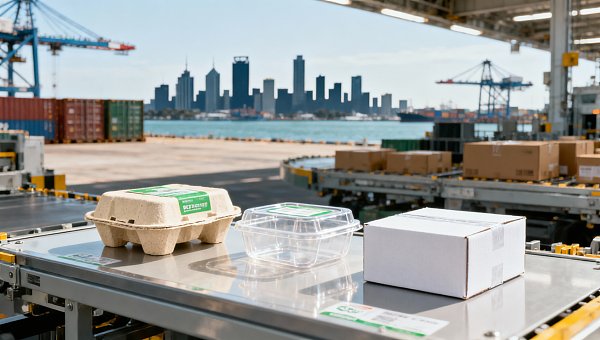
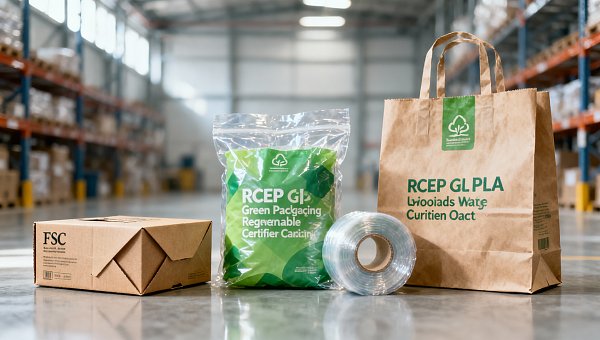
 RCEP Green Packaging Mutual Recognition Takes EffectRCEP Green Packaging Mutual Recognition takes effect Apr 22, 2026—streamline exports to AU, NZ, JP, KR with GB/T 37629–2019 certified molded fiber & PLA packaging.
 Mexico NOM-019-SCFI-2026 Effective: EMC Certification Required for Auto Electronics ExportsEMC certification is now mandatory for auto electronics exports to Mexico under NOM-019-SCFI-2026. Ensure compliance for rearview mirrors, radar sensors & T-Box units—avoid shipment delays and order cancellations.
") TÜV Rheinland Updates CE Requirements for Servo Drives (PLd + EMC Joint Validation)TÜV Rheinland now mandates joint PLd + EMC validation for servo drives under CE marking—learn how this impacts certification timelines, lab selection, and EU market access.
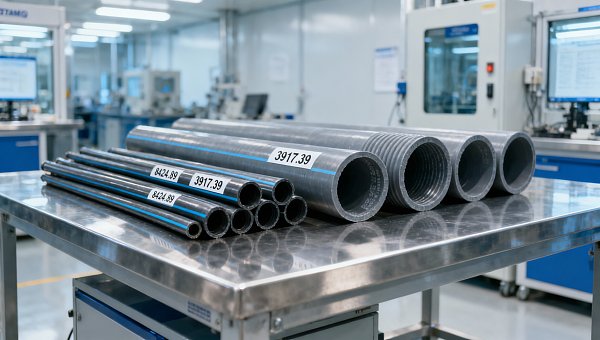
TÜV Rheinland Updates CE Requirements for Servo Drives (PLd + EMC Joint Validation)TÜV Rheinland now mandates joint PLd + EMC validation for servo drives under CE marking—learn how this impacts certification timelines, lab selection, and EU market access. Vietnam Suspends SASO Mutual Recognition for Chinese Irrigation EquipmentVietnam suspends SASO mutual recognition for Chinese irrigation equipment—urgent compliance updates for drip tapes & PE pipes (HS 8424.89/3917.39). Act now to avoid delays.
 FDA Finalizes AI Diagnostic Device Rules for ImportersFDA finalizes AI diagnostic device rules for importers: New bias assessment mandate impacts ultrasound, glucose analyzers & dermatoscopes. Act now to ensure U.S. market access.
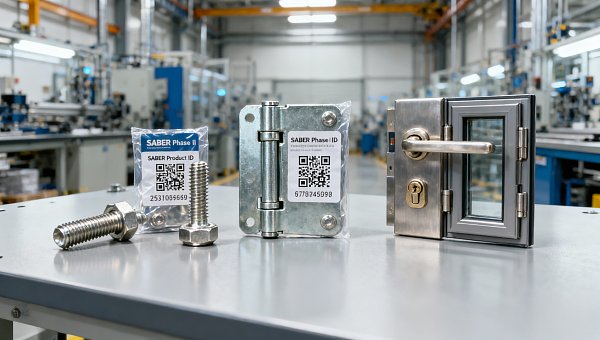
 SABER Phase II Live: Saudi Building Hardware Requires Digital Type Test Reports & PIDSABER Phase II is live: Building hardware exports to Saudi Arabia now require digital type test reports & a mandatory, immutable Product ID (PID). Act now to avoid customs delays!
 IMDG Code 41-24 Enforced: UN3480 Lithium Battery Labeling Mandatory from Apr 2026IMDG Code 41-24 enforcement starts Apr 2026: UN3480 lithium battery labeling & ISO 17363 docs are now mandatory—avoid port rejections!
 CBAM Carbon Tax Launch: Low CBAM Reporting Rate Among Chinese ExportersCBAM Carbon Tax is live—only 36.8% of Chinese exporters reported. Discover why, which industries are at risk, and how to secure EU market access now.
 China’s 10 Agencies Issue AI Export Ethics Review RulesChina’s 10 agencies launch AI export ethics rules—mandating bias reviews for visual inspection, warehouse AI & defect detection systems. Stay compliant & competitive.
 RCEP Green Packaging Mutual Recognition Takes EffectRCEP Green Packaging Mutual Recognition is now in effect—unlock faster customs clearance in Australia, NZ, Japan & Korea for GB/T 37659–2019-certified eco-packaging.
 Mexico NOM-019-SCFI-2026 Effective Apr 10, 2026: EMC Certification Required for Automotive ElectronicsNOM-019-SCFI-2026 EMC certification is now mandatory for automotive electronics entering Mexico — act before the July 1, 2026 customs ban.
 Red Sea Rerouting Normalized, EBA at $1,850/TEURed Sea rerouting normalized with EBA fixed at $1,850/TEU—learn how this structural shift impacts Asia-Europe freight costs, lead times & supply chain strategy.
 FDA AI Diagnostic Device Draft Rules: Bias Assessment for ImportsFDA AI diagnostic device draft rules require bias assessment for imports—learn how portable ultrasound, glucose, and dermatoscopic AI devices are affected & what to do next.
") TÜV Rheinland Updates CE Requirements for Servo Drives (PLd + EMC)TÜV Rheinland updates CE requirements for servo drives: PLd (ISO 13849-1) + EMC immunity (IEC 61000-6-2 Ed.4) now mandatory together — act now to avoid EU market delays!
TÜV Rheinland Updates CE Requirements for Servo Drives (PLd + EMC)TÜV Rheinland updates CE requirements for servo drives: PLd (ISO 13849-1) + EMC immunity (IEC 61000-6-2 Ed.4) now mandatory together — act now to avoid EU market delays! SABER Phase II Launch: Building Hardware Must Submit Digital Type Test Reports & Unique Product IDSABER Phase II now mandates digital type test reports & unique product IDs for building hardware—fasteners, scaffolding, door/window components. Ensure compliance to avoid customs rejection & SCOC delays.
 Vietnam Suspends SASO Mutual Recognition for Chinese Irrigation EquipmentVietnam suspends SASO mutual recognition for Chinese irrigation equipment—TCVN testing now mandatory. Act now to avoid 8–12 week delays and customs holdups.
 IMDG Code 41-24 Enforced: UN3480 Lithium Battery Labeling UpdateIMDG Code 41-24 enforcement starts April 2026: UN3480 lithium battery labeling updates are mandatory for global maritime shipments — avoid port delays, detention & penalties.
 EU CBAM Enters Full Enforcement on Jan 1, 2026EU CBAM full enforcement starts Jan 1, 2026 — mandatory quarterly reporting & certificate purchases for batteries, steel, cement, aluminum, fertilizers & chemicals. Act now to ensure EU market access.
 EU CBAM Carbon Tariff Starts Oct 2026 for Chinese Battery, Cement, Chemical ExportsEU CBAM carbon tariff hits Chinese battery, cement & chemical exports from Oct 2026 — mandatory emissions reporting starts now. Avoid €98/t default fees.

















Popular Tags
Global Trade Insights & Industry
Our mission is to empower global exporters and importers with data-driven insights that foster strategic growth.
Search News
Popular Tags
Industry Overview
The global commercial kitchen equipment market is projected to reach $112 billion by 2027. Driven by urbanization, the rise of e-commerce food delivery, and strict hygiene regulations.