

Commercial LED Lighting Retrofits: Where Savings Fall Short
Commercial LED lighting retrofits promise lower energy bills and faster payback, but the financial outcome is not always as strong as proposals suggest. For budget owners and financial approvers, hidden installation costs, maintenance assumptions, operating hours, and rebate uncertainty can narrow projected returns. This article examines where savings often fall short and how to evaluate retrofit claims with greater confidence.
Why Financial Approvers Should Use a Checklist Before Approving Commercial LED Lighting
For finance teams, the risk in a Commercial LED lighting project is rarely the technology itself. The risk is in overestimated savings, underestimated implementation cost, and weak assumptions hidden inside a proposal. A checklist-based review helps decision-makers move beyond headline payback claims and test whether the retrofit will actually deliver measurable value.
This matters across offices, warehouses, retail sites, factories, schools, and mixed-use facilities. In each case, Commercial LED lighting may reduce energy use, but the size of the benefit depends on controls, operating schedules, ceiling height, labor access, utility tariffs, and replacement strategy. A structured review protects capital budgets and improves confidence in project approval.
Start Here: The First Five Checks That Often Change the Business Case
- Confirm the baseline energy use is real, not estimated from generic wattages.
- Verify actual annual operating hours by area, shift, and season.
- Separate fixture cost from installation, lift rental, rewiring, disposal, and controls commissioning.
- Ask whether projected maintenance savings are based on current failure history or broad assumptions.
- Treat rebates and incentives as uncertain until eligibility, funding timing, and documentation are confirmed.
If even one of these items is weak, the expected return from Commercial LED lighting can decline sharply. A proposal with an attractive two-year payback can become a four-year or five-year project once field conditions and administrative costs are included.
Core Review Checklist: Where Savings Commonly Fall Short
1. Baseline Wattage and Inventory Errors
Many retrofit models start with fixture counts from outdated drawings or partial audits. That creates immediate distortion. If the current site already has lower-wattage lamps, partial delamping, or occupancy controls, the baseline may be inflated. Financial approvers should request a site-level inventory showing fixture type, quantity, ballast or driver condition, operating pattern, and verified input wattage. For Commercial LED lighting, accurate baseline data is the foundation of any credible savings claim.
2. Operating Hours That Look Good on Paper but Not in Practice
Operating hours are one of the biggest swing factors in project economics. Proposals sometimes assume lights run 12 to 16 hours per day across all zones, even when conference rooms, corridors, storage areas, or back offices see far less use. In industrial settings, one production line may run continuously while another is idle part of the week. Ask for operating hour assumptions by area rather than by building. In Commercial LED lighting, a small hour mismatch multiplied across hundreds of fixtures can materially overstate annual savings.
3. Installation Complexity Hidden Outside the Product Price
Product pricing is often the cleanest line item, but the full installed cost may include night work, high-bay access equipment, asbestos protocols, electrical corrections, emergency circuit modifications, permit fees, and tenant coordination. Some facilities also need phased installation to avoid downtime. These costs can erode the return from Commercial LED lighting faster than energy savings can recover them. Every approval package should separate material, labor, controls setup, testing, and post-install punch-list costs.
4. Maintenance Savings Assumptions That Are Too Broad
Maintenance savings are real in many Commercial LED lighting upgrades, but they are often overstated. If a site already has an organized relamping program, low labor rates, or easy fixture access, the avoided cost may be modest. If replacement stock is already owned, the immediate maintenance benefit may be delayed. A credible proposal should estimate avoided lamp, ballast, labor, lift, and disruption cost using actual site history rather than generic industry benchmarks.
5. Rebate and Incentive Dependence
Some Commercial LED lighting projects only meet internal hurdle rates because rebates are included as if guaranteed. That is risky. Utility programs may change, funding caps may be reached, and paperwork errors can reduce payout. In some regions, pre-approval is mandatory before purchase. Finance teams should ask for two return models: one with incentives and one without. If the project fails without the rebate, treat the approval as conditional.
6. Controls Savings That Depend on User Behavior
Daylight sensors, occupancy sensors, and networked controls can improve the Commercial LED lighting business case, but only when configured properly and accepted by users. Poor sensor placement, manual overrides, commissioning gaps, or staff complaints can reduce actual savings. Controls should not be valued as a fixed add-on percentage unless the site has a commissioning plan, training process, and a clear strategy for exception areas.
Quick Comparison Table for Financial Review
Scenario-Based Checks: What Changes by Facility Type
Office and Commercial Buildings
In office environments, the biggest issue is often overestimated operating hours. Hybrid work patterns, meeting room intermittency, and daylight availability can reduce the baseline. For Commercial LED lighting in offices, review tenant schedules, control zoning, comfort complaints, and any requirement for color consistency across visible public areas.
Warehouses and Logistics Sites
Warehouse retrofits may show strong energy savings, but installation cost can increase due to lift access, aisle restrictions, and the need to avoid inventory disruption. If the site operates multiple shifts, ask whether the work must occur overnight or in phases. Commercial LED lighting in high-bay applications should also be evaluated for optics, glare, and sensor reliability at mounting height.
Industrial and Manufacturing Sites
Factories present more technical variables. Heat, dust, vibration, washdown requirements, or hazardous classifications can raise fixture cost and reduce vendor choice. Production downtime may cost more than the lighting itself. In these settings, Commercial LED lighting should be reviewed as an operational project, not just an energy project.
Retail and Public-Facing Spaces
Retailers may lose savings if visual merchandising standards require higher light levels or premium color rendering. Store managers may reject aggressive dimming settings if they affect customer experience. For Commercial LED lighting in retail, financial review should include visual performance risks and the cost of after-hours installation.
Commonly Missed Risk Items That Deserve Extra Attention
- Disposal costs for old lamps, ballasts, or hazardous materials are excluded from the quote.
- Warranty terms cover product replacement but not labor to reinstall failed units.
- Power quality issues or incompatible dimming systems create rework after installation.
- Savings calculations ignore demand charges or use the wrong utility rate structure.
- Light loss assumptions are inconsistent between existing fixtures and new LED options.
- Projects bundle low-performing areas with high-performing areas, masking weak returns.
Execution Guide: What to Request Before Final Approval
Before signing off on Commercial LED lighting capital expenditure, financial approvers should request a short but disciplined approval package. It should include a verified asset inventory, area-by-area operating hours, installed cost breakdown, utility rate basis, incentive status, maintenance savings logic, and post-install measurement plan. If a supplier cannot provide this level of transparency, the projected return should be discounted.
It is also useful to ask for sensitivity analysis. For example, what happens if operating hours are 15% lower than projected, labor is 10% higher, or the rebate is delayed? A resilient Commercial LED lighting project should still remain acceptable under moderate downside scenarios.
FAQ for Budget Owners Reviewing Commercial LED Lighting Proposals
Should payback be the only approval metric?
No. Payback is useful, but it can hide long-term maintenance exposure, performance risk, and implementation complexity. Net present value, internal hurdle rates, and downside-case modeling provide a fuller picture.
When are maintenance savings most credible?
They are most credible when supported by service records, actual replacement frequency, lift usage, and labor history for the specific facility rather than portfolio-wide estimates.
Are controls always worth adding?
Not always. Controls improve many Commercial LED lighting projects, but their value depends on space usage, commissioning quality, user acceptance, and whether the baseline already includes some control strategy.
Final Decision Framework and Next-Step Questions
Commercial LED lighting can absolutely produce meaningful savings, but only when the proposal is tested against real site conditions. For financial approvers, the right approach is simple: trust the opportunity, but verify the assumptions. Strong projects survive detailed scrutiny on hours, cost, rebates, maintenance, and controls. Weak ones depend on optimistic modeling.
If your organization is preparing to evaluate Commercial LED lighting across one site or a multi-location portfolio, the most useful next step is to gather the parameters that drive actual return: current fixture inventory, utility tariffs, operating schedules, access constraints, maintenance records, and incentive eligibility. For businesses seeking broader market intelligence, supplier visibility, and stronger digital trust signals in the global trade ecosystem, platforms such as GTIIN and TradeVantage can support more informed sourcing, benchmarking, and partnership discussions. In practical terms, the right approval conversation should start with these questions: What are the verified savings drivers, what assumptions remain unproven, what risks could delay payback, and what evidence is available before capital is committed?
Recommended News
 Portable oxygen concentrators are quieter now, but not always lighterPortable oxygen concentrators are getting quieter, but not always lighter. Explore the trade-offs in weight, battery life, comfort, and daily usability before you compare today’s top options.
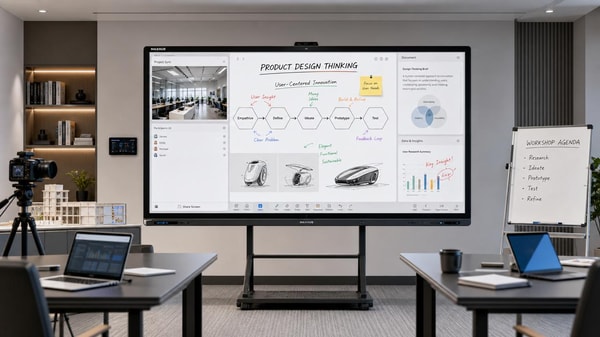
 Interactive whiteboards are improving, but software still decides valueInteractive whiteboards deliver real value when software matches the scenario. Explore how usability, integration, security, and updates shape smarter buying decisions.
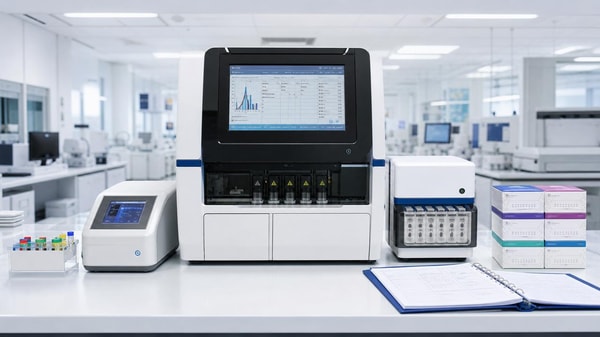
 Medical diagnostic equipment downtime often starts with calibration neglectMedical diagnostic equipment downtime often starts with missed calibration. Learn the warning signs, checklist priorities, and practical steps to prevent failures and keep healthcare operations reliable.
 Eco-friendly building materials are easier to specify than to sourceEco-friendly building materials are easier to specify than source. Learn how procurement teams can verify claims, reduce risk, and find reliable suppliers faster.
 Ergonomic workspace design can fail if chair fit comes lastErgonomic workspace design starts with chair fit. Learn how the right seat improves posture, comfort, and focus—and why fixing it first can transform your workspace.
 Outdoor garden supplies demand shifts faster than many expectOutdoor garden supplies demand is shifting faster than expected. Discover key B2B trends, smarter sourcing insights, and practical strategies to stay competitive and capture growth.
 Sustainable home decor sells better when materials are clearly disclosedSustainable home decor sells better when brands clearly disclose materials, finishes, and sourcing. Discover why transparency builds trust, justifies price, and drives more confident buying.
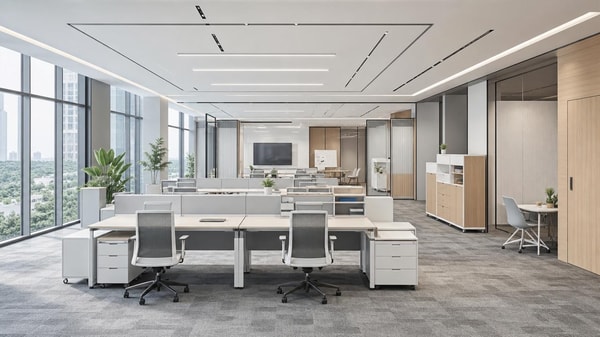
 Modern office furniture trends now favor modular over fixed layoutsModern office furniture is shifting to modular layouts for flexibility, lower lifecycle costs, and better hybrid work performance. See why enterprises are moving away from fixed office design.
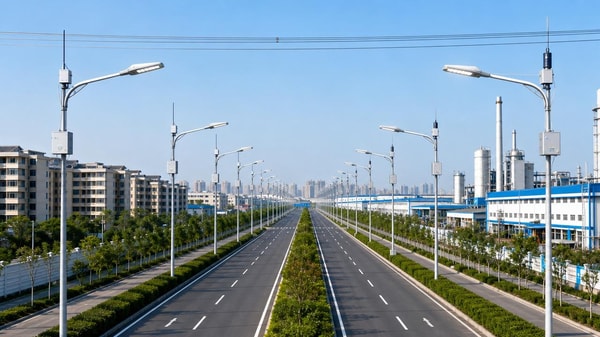
 Smart street lighting projects stall when controls are overcomplicatedSmart street lighting projects often stall when controls become too complex. Learn how to simplify deployment, reduce risk, and scale citywide with practical, maintainable systems.
 Solid-state battery breakthroughs look promising, but scale is harderSolid-state battery breakthroughs promise safer, higher-density energy storage, but scaling remains the real challenge. Explore what this means for supply chains, investment, and market advantage.
 Commercial LED lighting upgrades often save less than expectedCommercial LED lighting upgrades can underdeliver when baseline data, controls, and installation costs are misjudged. Learn how to assess real savings, reduce ROI risk, and make smarter investment decisions.
 Lithium battery storage payback can change with one policy updateLithium battery storage payback can shift fast after one policy update. See how tariffs, tax credits, grid pricing, and incentives change ROI—and how finance teams can approve smarter.
 Photovoltaic solar panels now compete on output in low lightPhotovoltaic solar panels now compete on low-light output. Discover how buyers can compare yield, risk, and supplier value to source smarter and boost project returns.
 Plant-based protein processing changes texture more than many expectPlant-based protein processing reshapes texture, stability, and safety more than expected. Explore key risks, QC checkpoints, and smarter sourcing insights for consistent results.
 Foldable screen technology is improving, but crease concerns remainFoldable screen technology is evolving fast with slimmer designs and stronger hinges, but crease concerns still shape buying decisions. Explore where it matters most.
 Next-gen wireless charging still faces a heat management problemNext-gen wireless charging promises faster, more flexible power delivery, but heat remains the key barrier. Discover how thermal limits impact safety, efficiency, and market readiness.
 Wearable technology adoption drops when comfort gets overlookedWearable technology adoption falls fast when comfort is ignored. Discover how fit, materials, weight, and battery life shape long-term use and smarter buying decisions.
 Smart home devices wholesale is no longer just about low pricingSmart home devices wholesale now goes beyond low pricing. Discover how reliability, compatibility, and supply chain confidence help distributors choose profitable, trusted partners.
 Agri-PV systems make sense only when land use is planned wellAgri-PV systems deliver real value only when land use is planned well. Discover how smart site, crop, grid, and compliance decisions turn dual-use solar into a bankable, sustainable project.
 Organic fertilizers may improve soil slower, but results last longerOrganic fertilizers improve soil slowly but deliver longer-lasting results. Learn how they boost soil health, support safer growing, and help you choose the right option for sustainable planting success.
 Smart classroom solutions fail when teachers need too many appsSmart classroom solutions fail when teachers juggle too many apps. Discover why integrated, easy-to-use platforms drive adoption, ROI, and scalable learning success.












Popular Tags
Global Trade Insights & Industry
Our mission is to empower global exporters and importers with data-driven insights that foster strategic growth.
Search News
Popular Tags
Industry Overview
The global commercial kitchen equipment market is projected to reach $112 billion by 2027. Driven by urbanization, the rise of e-commerce food delivery, and strict hygiene regulations.