

Car maintenance tools that save time but get overlooked
In a market where every minute affects procurement cost and fleet uptime, overlooked car maintenance tools can deliver outsized value. From dash cams with night vision that support incident records to practical workshop essentials, the right car maintenance tools help buyers, distributors, and evaluation teams improve efficiency, reduce risk, and make smarter sourcing decisions across the automotive supply chain.
Why do overlooked car maintenance tools matter in B2B sourcing?
For many procurement teams, the focus stays on major equipment such as lifts, tire changers, diagnostic scanners, or inventory software. Yet daily workflow is often slowed by smaller car maintenance tools that are inexpensive, easy to deploy, and critical for repeatable service quality. In fleet support, dealership aftersales, independent workshops, and distribution networks, these tools can shorten inspection time by 5–15 minutes per vehicle and reduce preventable handling errors during routine maintenance.
The issue is not only operational. Information researchers and business evaluators also need to identify which overlooked tools have stable cross-border demand, acceptable replacement cycles, and clear use cases. A tool that sits in the low-ticket category can still create strategic value if it is reordered every 3–6 months, fits multiple vehicle segments, and has low training requirements for end users.
For distributors and agents, overlooked car maintenance tools often perform well because they solve visible pain points without requiring capital-intensive installation. Products such as creepers, magnetic trays, inspection mirrors, fluid transfer pumps, battery memory savers, torque angle gauges, and compact dash cams with night vision can move faster than premium equipment in markets where buyers need practical gains first.
This is where structured market intelligence becomes useful. GTIIN and TradeVantage help exporters, importers, and sourcing teams connect product demand with trade visibility, industrial trends, and content signals that support brand discovery. Instead of comparing tools by price alone, buyers can evaluate turnover potential, application breadth, and sourcing risk in a more disciplined way.
What makes a tool “overlooked” but commercially important?
An overlooked tool usually has four characteristics: low unit cost, frequent use, broad compatibility, and weak marketing exposure despite strong workshop utility. These tools rarely lead a catalog page, but they often influence technician productivity and service consistency more than expected. In practical procurement, that means they deserve a separate review category rather than being treated as incidental accessories.
- They support routine tasks performed weekly or daily, such as fluid checks, fastener handling, battery servicing, or underbody viewing.
- They usually require short onboarding, often less than 1 working day for basic use in a workshop environment.
- They fit multi-brand vehicle service, which is valuable for distributors serving mixed fleets and general repair channels.
- They can be bundled into aftermarket kits, improving average order value without creating heavy freight complexity.
Which car maintenance tools save the most time in real service scenarios?
Not every workshop needs the same tool mix, but several categories consistently stand out in sourcing reviews because they reduce search time, prevent rework, or improve process documentation. The most effective car maintenance tools are not always the most technical ones. Many simply remove friction from inspection, disassembly, fluid handling, and record keeping across 3 common settings: quick service bays, fleet maintenance facilities, and mobile service teams.
A good example is the use of magnetic parts trays and flexible grabber tools. Losing one clip, fastener, or socket during a brake or battery job can add 10–20 minutes of unnecessary interruption. Likewise, low-profile creepers and LED inspection mirrors help technicians reach and verify tight areas without repeated vehicle repositioning. These are small interventions, but over 20–30 vehicles per week, the productivity gain becomes material.
Another overlooked area is digital support. Dash cams with night vision are not a repair tool in the traditional sense, yet they play a useful role in fleet operations, road testing, insurance documentation, and incident review. For evaluators comparing total operating risk, this kind of tool helps connect maintenance workflow with vehicle accountability and service record quality.
The table below summarizes practical tool categories, their common use cases, and the type of time savings they typically support in workshop or fleet environments.
The key takeaway is that time-saving car maintenance tools are often hybrid in value: they improve labor flow, reduce preventable errors, and strengthen documentation. That combination matters to procurement teams because the benefit is not tied to one vehicle model or one workshop size. It can scale from small service centers to regional fleet operators.
Application scenarios by buyer type
For procurement managers
Focus on tools with repeat purchasing logic, modest freight burden, and broad SKU compatibility. A practical target is to shortlist items that fit at least 2–3 service categories, such as inspection, fluid handling, and battery support. This reduces dead stock while improving bundle opportunities.
For distributors and agents
Choose products that can be demonstrated quickly and explained in one sales conversation. Car maintenance tools with visible pain-point relief tend to convert faster in channel sales. A compact tool that saves one technician 8–12 minutes per job is easier to position than a specialized tool with narrow application.
For business evaluators
Map the tool to measurable workflow impact. Review durability, replacement cycle, packaging suitability, and complaint risk. In cross-border trade, a simple tool with stable quality and low return complexity may outperform a higher-value item that creates more aftersales friction.
How should buyers compare overlooked tools before placing orders?
When buyers assess car maintenance tools, the common mistake is to compare only unit price and visible material quality. A better method uses 5 core dimensions: task frequency, vehicle compatibility, handling safety, storage and transport efficiency, and replacement or reorder rhythm. This helps avoid overbuying niche tools while underbuying fast-moving essentials.
Comparisons should also reflect the intended sales channel. A distributor supplying garages may prefer tools with low explanation cost and easy shelf presentation. A fleet buyer may prioritize service consistency and durability over packaging. An importer building private-label ranges may care more about carton efficiency, barcode readiness, and documentation completeness over a 6–12 month sales cycle.
The following comparison table is useful for sourcing teams that need to rank candidate products before requesting samples, quotations, or compliance files.
Using a structured matrix prevents a common sourcing error: selecting tools that look attractive in a catalog but do not survive repeated workshop use or channel turnover. For many B2B buyers, a slightly higher cost is acceptable if the tool reduces returns, repacking issues, or technician dissatisfaction over the next 2–4 quarters.
A practical 4-step procurement checklist
- Define the task cluster first: inspection, fluid service, electrical memory retention, underbody access, or recording and documentation.
- Ask for sample evaluation on real workshop tasks, not only visual inspection at desk level.
- Review packing, labeling, and reorder practicality for 3–6 month replenishment cycles.
- Confirm whether the supplier can support model adaptation, documentation, and consistent batch quality.
This approach is especially helpful for cross-border buyers who need to align technical fit with channel readiness. It also gives distributors better grounds for comparing private-label and unbranded supply options without relying on price alone.
What technical and compliance points should not be ignored?
Even simple car maintenance tools require disciplined review. The exact checklist depends on whether the item is mechanical, chemical-contact, or electronic. For example, a fluid transfer pump should be checked for seal material compatibility with commonly handled fluids, while a dash cam with night vision requires closer review of power stability, memory support, and low-light performance. Procurement problems often arise when buyers treat all small tools as low-risk items.
For mechanical tools, attention usually centers on wear points, fastener quality, anti-slip surfaces, and corrosion resistance in workshop conditions. For electronic tools, buyers should verify instruction clarity, connector fit, operating temperature range where relevant, and transport protection. If batteries, chargers, or vehicle power interfaces are involved, additional import and transport checks may be needed depending on the target market.
Documentation is another overlooked area. Importers and evaluators benefit when suppliers can provide at least 4 document categories where applicable: product specification sheet, user instruction, packaging details, and material or electrical declarations. The absence of these basics can delay customs review, channel onboarding, or distributor approval even when the tool itself is commercially promising.
Trade-focused intelligence platforms add value here by helping businesses identify which product attributes are attracting demand across regions and which compliance questions are becoming more common in buyer inquiries. For exporters, visibility is no longer only about product exposure. It is also about presenting reliable product information that reduces buyer hesitation.
Common compliance-minded review points
- Material-contact tools should specify where they are suitable for oils, brake fluid, coolant, or cleaning agents, rather than using vague “multi-use” language.
- Electronic accessories should have clear voltage input information, connector description, and operating guidance for workshop use.
- Packaging should protect the product through typical export handling stages, often including pallet storage, inner carton stacking, and last-mile delivery stress.
- Instructions should identify misuse risk, especially for tools that may contact hot components, moving parts, or electrical systems.
Risk reminder for buyers
Do not assume that low-value tools are low-impact purchases. In many service environments, failure of a small tool causes disproportionate disruption because the task stops immediately. A broken hose seal, unstable mirror joint, weak magnet, or unreliable camera mount can interrupt workflow faster than the failure of a less frequently used machine.
That is why quality review should be linked to use frequency. If a tool is expected to be used every day, sample testing across 20–50 repetitions is often more informative than a one-time appearance check. For buyers planning recurring imports, this simple discipline can reduce complaint handling later.
FAQ: what do buyers and distributors ask most about these car maintenance tools?
Search behavior around overlooked car maintenance tools is usually practical. Buyers want to know which tools deliver fast impact, how to shortlist them, and what hidden risks may affect resale or workshop adoption. The questions below reflect common procurement and channel concerns.
How do I choose car maintenance tools for mixed vehicle fleets?
Start with universal-service tasks rather than brand-specific repairs. Inspection mirrors, fluid transfer devices, magnetic trays, battery memory savers, and compact recording tools often work across passenger cars, vans, and light commercial vehicles. A useful rule is to prioritize products that fit at least 70% of your routine service demand before adding specialized items.
What order size makes sense for first-time procurement?
That depends on channel strategy, but many first-time buyers begin with a sample batch and one trial reorder cycle. In practice, the first 30–90 days should test packaging reliability, user feedback, and repeat demand. For distributors, it is usually better to validate 3–5 fast-use SKUs than to launch a broad low-turnover assortment all at once.
Are dash cams with night vision really relevant to maintenance procurement?
In fleet and service operations, yes. They support road-test documentation, delivery evidence, and incident review in low-light conditions. While they are not a wrench or diagnostic device, they still contribute to maintenance accountability. For buyers evaluating total service workflow, documentation tools can be as valuable as repair-support tools in reducing disputes and clarifying responsibility.
What are the most common sourcing mistakes?
Three mistakes appear often: choosing by price only, ignoring packaging and instructions, and failing to test repeat-use durability. Another common issue is overestimating demand for specialized tools while underestimating reorder demand for simple, universal car maintenance tools. The result is slow-moving inventory and missed replenishment opportunities.
How long is the usual lead time for these products?
Lead time varies by product type, packaging complexity, and whether customization is required. For standard accessories, buyers often plan around a 2–6 week production window plus shipping time. If private labeling, multilingual packaging, or bundled kits are involved, additional confirmation rounds may extend the schedule, so early specification alignment is important.
Why work with us when evaluating sourcing opportunities?
When you are assessing overlooked car maintenance tools, the challenge is rarely product discovery alone. The harder part is deciding which tools deserve sourcing attention, which ones have stronger cross-market relevance, and how to present them to buyers, partners, or internal decision makers. GTIIN and TradeVantage help close that gap by combining industrial information aggregation, market visibility, and trade-oriented editorial intelligence.
Our value is especially practical for information researchers, procurement teams, business evaluators, and channel partners. We track industrial developments across more than 50 sectors, helping users connect product categories with demand signals, sourcing trends, and competitive positioning. For exporters and suppliers, this also supports stronger brand exposure and trusted visibility in international search and discovery environments.
If you are reviewing car maintenance tools for import, distribution, or market expansion, you can consult us on several decision-critical topics: parameter confirmation, product selection logic, likely delivery windows, customization direction, documentation readiness, sample support, and quotation communication priorities. These are the issues that often delay orders when they are not clarified early.
Contact us if you need a clearer sourcing path for practical automotive aftermarket tools. We can help you organize product comparison points, identify commercially relevant tool categories, evaluate packaging and compliance questions, and improve how your offering is positioned for global trade exposure. For buyers and suppliers alike, better information turns overlooked tools into measurable business opportunities.
Recommended News
 China’s 10-Dept AI Export Ethics Review Rule Takes EffectChina’s new 10-dept AI export ethics rule mandates algorithmic bias review for AI hardware bound for the EU, US, Canada, Japan & SK—key for smart cameras, voice assistants & industrial vision exporters.
 Red Sea Detour Now Standard: $1,850 TEU Premium on Asia-Europe RoutesRed Sea detour premium now standard: $1,850/TEU surcharge embedded in Asia-Europe freight rates — vital intel for exporters, importers & logistics teams.
 RCEP Green Packaging Mutual Recognition Takes EffectRCEP Green Packaging Mutual Recognition takes effect Apr 22, 2026—streamline exports to AU, NZ, JP, KR with GB/T 37629–2019 certified molded fiber & PLA packaging.
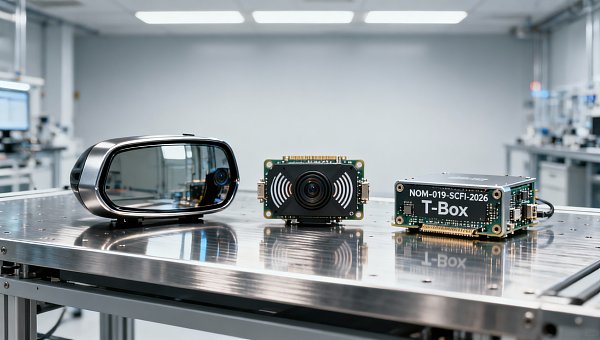
 Mexico NOM-019-SCFI-2026 Effective: EMC Certification Required for Auto Electronics ExportsEMC certification is now mandatory for auto electronics exports to Mexico under NOM-019-SCFI-2026. Ensure compliance for rearview mirrors, radar sensors & T-Box units—avoid shipment delays and order cancellations.
") TÜV Rheinland Updates CE Requirements for Servo Drives (PLd + EMC Joint Validation)TÜV Rheinland now mandates joint PLd + EMC validation for servo drives under CE marking—learn how this impacts certification timelines, lab selection, and EU market access.
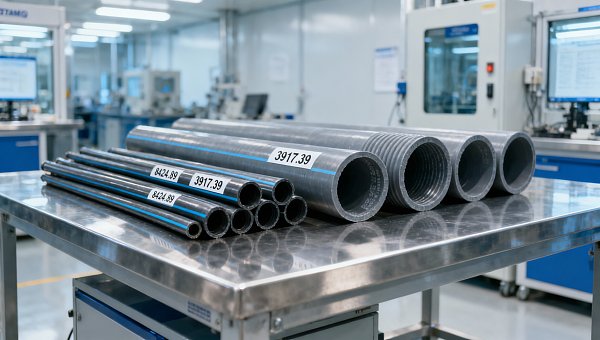
TÜV Rheinland Updates CE Requirements for Servo Drives (PLd + EMC Joint Validation)TÜV Rheinland now mandates joint PLd + EMC validation for servo drives under CE marking—learn how this impacts certification timelines, lab selection, and EU market access. Vietnam Suspends SASO Mutual Recognition for Chinese Irrigation EquipmentVietnam suspends SASO mutual recognition for Chinese irrigation equipment—urgent compliance updates for drip tapes & PE pipes (HS 8424.89/3917.39). Act now to avoid delays.
 FDA Finalizes AI Diagnostic Device Rules for ImportersFDA finalizes AI diagnostic device rules for importers: New bias assessment mandate impacts ultrasound, glucose analyzers & dermatoscopes. Act now to ensure U.S. market access.
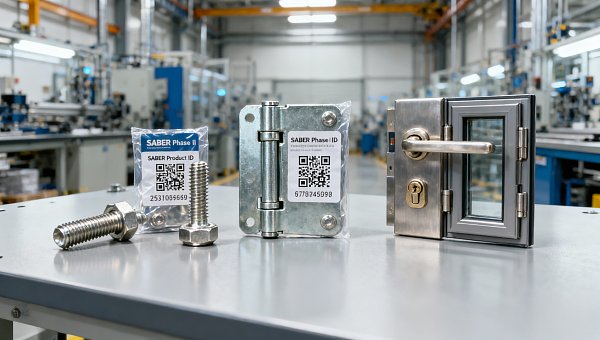
 SABER Phase II Live: Saudi Building Hardware Requires Digital Type Test Reports & PIDSABER Phase II is live: Building hardware exports to Saudi Arabia now require digital type test reports & a mandatory, immutable Product ID (PID). Act now to avoid customs delays!
 IMDG Code 41-24 Enforced: UN3480 Lithium Battery Labeling Mandatory from Apr 2026IMDG Code 41-24 enforcement starts Apr 2026: UN3480 lithium battery labeling & ISO 17363 docs are now mandatory—avoid port rejections!
 CBAM Carbon Tax Launch: Low CBAM Reporting Rate Among Chinese ExportersCBAM Carbon Tax is live—only 36.8% of Chinese exporters reported. Discover why, which industries are at risk, and how to secure EU market access now.
 China’s 10 Agencies Issue AI Export Ethics Review RulesChina’s 10 agencies launch AI export ethics rules—mandating bias reviews for visual inspection, warehouse AI & defect detection systems. Stay compliant & competitive.
 RCEP Green Packaging Mutual Recognition Takes EffectRCEP Green Packaging Mutual Recognition is now in effect—unlock faster customs clearance in Australia, NZ, Japan & Korea for GB/T 37659–2019-certified eco-packaging.
 Mexico NOM-019-SCFI-2026 Effective Apr 10, 2026: EMC Certification Required for Automotive ElectronicsNOM-019-SCFI-2026 EMC certification is now mandatory for automotive electronics entering Mexico — act before the July 1, 2026 customs ban.
 Red Sea Rerouting Normalized, EBA at $1,850/TEURed Sea rerouting normalized with EBA fixed at $1,850/TEU—learn how this structural shift impacts Asia-Europe freight costs, lead times & supply chain strategy.
 FDA AI Diagnostic Device Draft Rules: Bias Assessment for ImportsFDA AI diagnostic device draft rules require bias assessment for imports—learn how portable ultrasound, glucose, and dermatoscopic AI devices are affected & what to do next.
") TÜV Rheinland Updates CE Requirements for Servo Drives (PLd + EMC)TÜV Rheinland updates CE requirements for servo drives: PLd (ISO 13849-1) + EMC immunity (IEC 61000-6-2 Ed.4) now mandatory together — act now to avoid EU market delays!
TÜV Rheinland Updates CE Requirements for Servo Drives (PLd + EMC)TÜV Rheinland updates CE requirements for servo drives: PLd (ISO 13849-1) + EMC immunity (IEC 61000-6-2 Ed.4) now mandatory together — act now to avoid EU market delays! SABER Phase II Launch: Building Hardware Must Submit Digital Type Test Reports & Unique Product IDSABER Phase II now mandates digital type test reports & unique product IDs for building hardware—fasteners, scaffolding, door/window components. Ensure compliance to avoid customs rejection & SCOC delays.
 Vietnam Suspends SASO Mutual Recognition for Chinese Irrigation EquipmentVietnam suspends SASO mutual recognition for Chinese irrigation equipment—TCVN testing now mandatory. Act now to avoid 8–12 week delays and customs holdups.
 IMDG Code 41-24 Enforced: UN3480 Lithium Battery Labeling UpdateIMDG Code 41-24 enforcement starts April 2026: UN3480 lithium battery labeling updates are mandatory for global maritime shipments — avoid port delays, detention & penalties.
 EU CBAM Enters Full Enforcement on Jan 1, 2026EU CBAM full enforcement starts Jan 1, 2026 — mandatory quarterly reporting & certificate purchases for batteries, steel, cement, aluminum, fertilizers & chemicals. Act now to ensure EU market access.
 EU CBAM Carbon Tariff Starts Oct 2026 for Chinese Battery, Cement, Chemical ExportsEU CBAM carbon tariff hits Chinese battery, cement & chemical exports from Oct 2026 — mandatory emissions reporting starts now. Avoid €98/t default fees.

















Popular Tags
Global Trade Insights & Industry
Our mission is to empower global exporters and importers with data-driven insights that foster strategic growth.
Search News
Popular Tags
Industry Overview
The global commercial kitchen equipment market is projected to reach $112 billion by 2027. Driven by urbanization, the rise of e-commerce food delivery, and strict hygiene regulations.