

What to Ask a First Aid Kits Supplier Before You Place a Bulk Order
Choosing a first aid kits supplier for a bulk order is not just about finding the lowest quote. For procurement teams, distributors, and business evaluators, the real decision comes down to risk control: Can the supplier meet compliance requirements, deliver consistent quality, support customization, and maintain stable supply when demand changes? If you ask the right questions before signing a purchase order, you can avoid costly delays, rejected shipments, customer complaints, and margin erosion later.
For most buyers, the strongest suppliers are not simply the cheapest. They are the ones that can prove regulatory compliance, explain their manufacturing and quality systems clearly, offer transparent lead times, and support your business model—whether you are importing for resale, supplying institutions, or building a private-label line. This article outlines the most important questions to ask a first aid kits supplier before placing a bulk order, with a focus on the practical issues that matter most in B2B sourcing.
Start with the most important question: Is the supplier compliant for your target market?
If you are placing a bulk order, compliance should be your first screening filter. A low-cost supplier is not a good supplier if the products cannot legally enter your market or fail customer audits after arrival.
Ask the supplier:
- Which countries or regions are your first aid kits currently exported to?
- What certifications or compliance documents can you provide?
- Do the kit components meet the standards required in my destination market?
- Can you share test reports, declarations, or regulatory documentation for review?
- Are the products suitable for workplace, travel, industrial, automotive, school, or retail use?
This matters because first aid kit requirements often vary by market and use case. A kit sold for general retail may not satisfy workplace safety expectations. Likewise, a kit designed for one region may not fully align with another region’s packaging, labeling, or component rules.
Buyers should not assume that “export quality” means “market compliant.” Request evidence. If the supplier hesitates, offers incomplete paperwork, or cannot explain how its products meet your intended application, treat that as a warning sign.
What exactly is inside the kit, and is the content specification consistent?
One of the most common sourcing mistakes is ordering based on a product photo or a basic quotation sheet without locking down a detailed bill of materials. In bulk procurement, specification clarity protects both cost and quality.
Ask the supplier:
- Can you provide a full component list for each kit model?
- What are the material specifications, sizes, quantities, and grades of each item?
- Are there any substitute components used during shortages?
- Can you guarantee specification consistency across all production batches?
- How do you control expiration-sensitive items where applicable?
This is especially important for distributors and resellers. A first aid kit is not a single product—it is a packaged system of many components. If gauze thickness changes, scissors quality drops, or adhesive bandages underperform, the end user may blame your brand rather than the manufacturer.
Request a master specification sheet and confirm that it becomes part of the purchase agreement. If substitutions are allowed, define the acceptable range in writing before production begins.
Can the supplier handle your order volume without compromising lead time or quality?
Bulk buyers need to know whether a supplier can scale reliably. A supplier may perform well on samples or a trial order but struggle with larger production runs.
Ask the supplier:
- What is your monthly production capacity for first aid kits?
- What percentage of your capacity is currently booked?
- What is the standard lead time for my expected order size?
- How do lead times change during peak seasons?
- Do you have backup production plans if raw material shortages occur?
Procurement teams often compare many industrial products—from radiators price benchmarks to lawn mowers cost structures or sheet metal ductwork sourcing specs—using the same logic: supply stability matters as much as unit cost. The same principle applies here. A delayed first aid kit shipment can disrupt retail launches, contract fulfillment, or institutional supply agreements.
Ask for realistic timelines, not ideal-case promises. A credible supplier should be able to explain production scheduling, packaging time, inspection stages, and shipping handoff clearly.
How strong is the supplier’s quality control system?
Quality control is one of the clearest separators between a dependable bulk supplier and a risky one. Since first aid kits contain multiple items sourced, assembled, and packed together, quality failures can happen at several points in the process.
Ask the supplier:
- What quality checks are performed on incoming materials?
- Do you inspect products during assembly and before shipment?
- Can you share your defect rate or quality benchmark data?
- Do you support third-party inspection before shipment?
- How do you handle non-conforming products or customer complaints?
The best suppliers usually have documented inspection procedures, batch traceability, and a clear corrective action process. That does not mean defects never happen. It means problems are identified early, isolated properly, and resolved systematically.
If you are a distributor, agent, or importer building long-term supply relationships, this point deserves extra attention. Product inconsistency can damage your reputation faster than a slightly higher purchase price ever will.
Can the supplier support customization, branding, and market positioning?
Many bulk buyers are not just sourcing functional stock—they are building a product line, serving a vertical market, or strengthening brand presence. In that case, customization matters.
Ask the supplier:
- Do you offer private label or OEM services?
- Can you customize the bag, box, color, logo, inserts, or packaging design?
- Can kit contents be tailored for different industries or buyer segments?
- What are the minimum order quantities for custom options?
- Can you provide packaging mockups or pre-production samples?
This is where a supplier can add strategic value. A capable manufacturer should be able to help you adapt first aid kits for automotive, industrial, travel, home, school, hospitality, or promotional markets. That flexibility can improve differentiation and support stronger margins.
However, always confirm whether custom packaging affects lead times, compliance labeling, carton dimensions, or freight cost. A highly customized order may be profitable, but only if the supply chain remains manageable.
What are the real total costs beyond the unit price?
Too many buyers compare suppliers only by quoted price per kit. In practice, total landed cost determines procurement value.
Ask the supplier:
- What is included in the quoted price?
- Are packaging, labeling, manuals, barcodes, and export cartons included?
- Are there tooling, design, sample, or compliance-related charges?
- What shipping terms do you offer?
- How do payment terms work for bulk orders?
A slightly higher factory quote may still be the better deal if the supplier reduces defect risk, improves carton efficiency, offers stable packaging standards, or supports consolidated shipping. Procurement professionals should evaluate total commercial value, not just initial unit cost.
Request a detailed quotation structure and compare suppliers on a like-for-like basis. This helps prevent hidden cost surprises after order confirmation.
How transparent is the supplier about sourcing, production, and communication?
Transparency often predicts long-term supplier performance. Buyers do not need every internal detail, but they do need clear and timely communication.
Ask the supplier:
- Who will be my main point of contact during sampling, production, and shipping?
- How often will you provide production updates?
- Can you share photos, inspection records, or production milestones?
- How quickly do you typically respond to technical or order-related questions?
- What happens if there is a delay or a material change?
This is especially critical for overseas sourcing. A supplier that answers vaguely before the order often becomes even less responsive after deposit payment. On the other hand, a supplier with structured communication can save your team significant time and reduce internal friction across procurement, quality, and sales departments.
What proof is there that the supplier is reliable over time?
Reliability should be verified, not assumed. Before placing a bulk order, ask for evidence that the supplier can support repeat business.
Useful questions include:
- How long have you been manufacturing or exporting first aid kits?
- Can you share customer references, export records, or case examples?
- What industries do your current B2B clients serve?
- What is your repeat order rate?
- Have you handled distributor or importer programs similar to ours?
You do not always need confidential customer names. But you do need enough evidence to judge whether the supplier is experienced in your type of business. A company serving promotional gift buyers may not be the best choice for industrial safety distribution, and vice versa.
If possible, review trade presence, audit records, production visuals, customer feedback, and consistency of business communication. These signals help you assess whether the supplier is positioned for a long-term relationship or just trying to close a one-time order.
Which warning signs should make you pause before placing the order?
Even if pricing looks attractive, some supplier behaviors should trigger caution. Common red flags include:
- Unclear or missing compliance documents
- Frequent changes in quotation details
- Inconsistent product specifications between sample and quote
- Reluctance to support inspections
- Unrealistically short lead time promises
- Poor communication after technical questions are raised
- No clear answer on substitution policy or quality complaints
In bulk sourcing, small early warning signs often become expensive operational problems later. A cautious review before order placement is far cheaper than product rejection, delayed customs clearance, or customer returns after launch.
A practical supplier evaluation checklist before you commit
Before issuing a purchase order, buyers can use a simple evaluation framework:
- Compliance: Confirm product legality and documentation for your target market.
- Specification: Lock the exact component list, materials, and packing details.
- Capacity: Verify volume capability and realistic lead times.
- Quality control: Review inspection processes and defect handling.
- Customization: Assess branding and application-specific flexibility.
- Commercial terms: Compare total cost, payment terms, and shipping terms.
- Communication: Evaluate responsiveness and order visibility.
- Reliability: Check experience, references, and repeat business signals.
If a supplier performs well across these areas, you are not just buying first aid kits—you are building a lower-risk supply relationship that supports stable margins and customer trust.
Conclusion
The best questions to ask a first aid kits supplier before placing a bulk order are the ones that reveal risk, consistency, and long-term fit. Price matters, but it should come after compliance, specification control, production reliability, and quality assurance. For procurement professionals, business evaluators, and distributors, the goal is not simply to secure inventory—it is to secure dependable supply.
When you evaluate suppliers through that lens, you make better purchasing decisions, reduce downstream problems, and create stronger commercial outcomes. A good supplier should be able to answer your questions with clarity, evidence, and confidence. If they can, they may be worth far more than the cheapest quote on your comparison sheet.
Recommended News
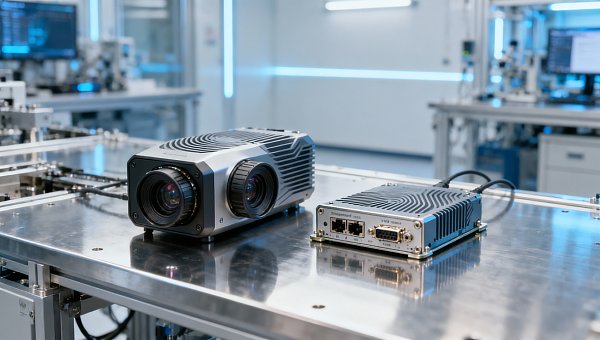
 China’s 10-Dept AI Export Ethics Review Rule Takes EffectChina’s new 10-dept AI export ethics rule mandates algorithmic bias review for AI hardware bound for the EU, US, Canada, Japan & SK—key for smart cameras, voice assistants & industrial vision exporters.
 Red Sea Detour Now Standard: $1,850 TEU Premium on Asia-Europe RoutesRed Sea detour premium now standard: $1,850/TEU surcharge embedded in Asia-Europe freight rates — vital intel for exporters, importers & logistics teams.
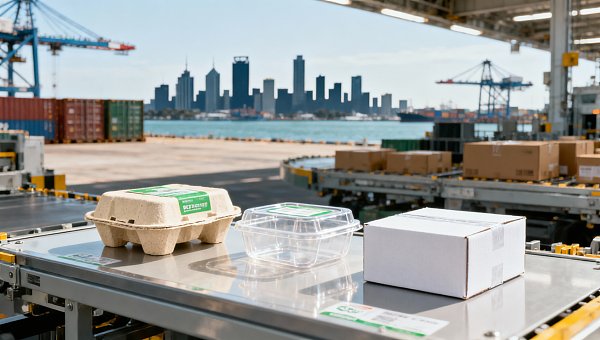
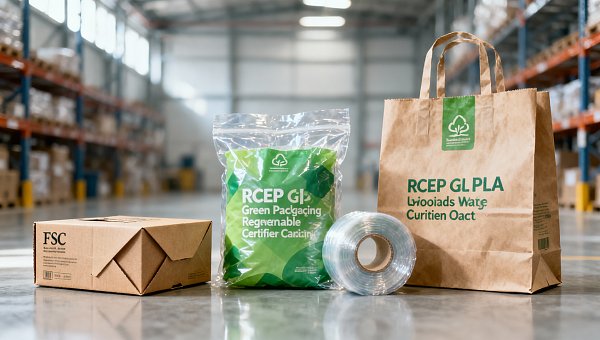
 RCEP Green Packaging Mutual Recognition Takes EffectRCEP Green Packaging Mutual Recognition takes effect Apr 22, 2026—streamline exports to AU, NZ, JP, KR with GB/T 37629–2019 certified molded fiber & PLA packaging.
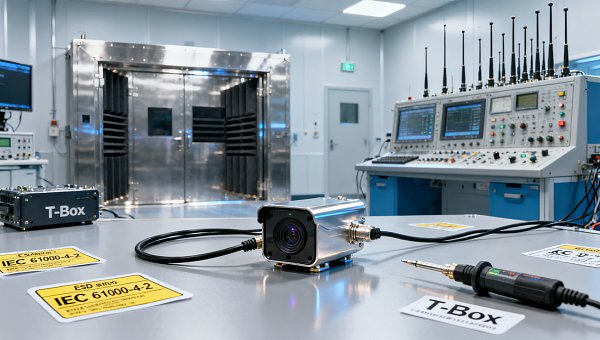
 Mexico NOM-019-SCFI-2026 Effective: EMC Certification Required for Auto Electronics ExportsEMC certification is now mandatory for auto electronics exports to Mexico under NOM-019-SCFI-2026. Ensure compliance for rearview mirrors, radar sensors & T-Box units—avoid shipment delays and order cancellations.
") TÜV Rheinland Updates CE Requirements for Servo Drives (PLd + EMC Joint Validation)TÜV Rheinland now mandates joint PLd + EMC validation for servo drives under CE marking—learn how this impacts certification timelines, lab selection, and EU market access.
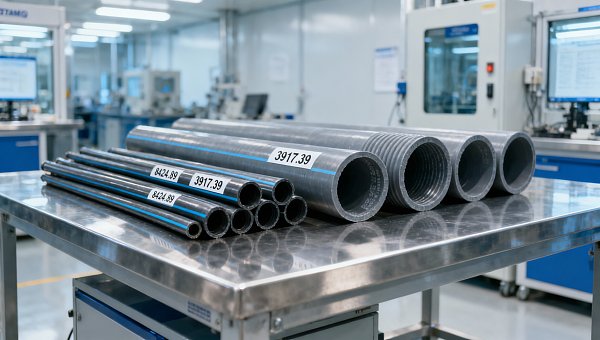
TÜV Rheinland Updates CE Requirements for Servo Drives (PLd + EMC Joint Validation)TÜV Rheinland now mandates joint PLd + EMC validation for servo drives under CE marking—learn how this impacts certification timelines, lab selection, and EU market access. Vietnam Suspends SASO Mutual Recognition for Chinese Irrigation EquipmentVietnam suspends SASO mutual recognition for Chinese irrigation equipment—urgent compliance updates for drip tapes & PE pipes (HS 8424.89/3917.39). Act now to avoid delays.
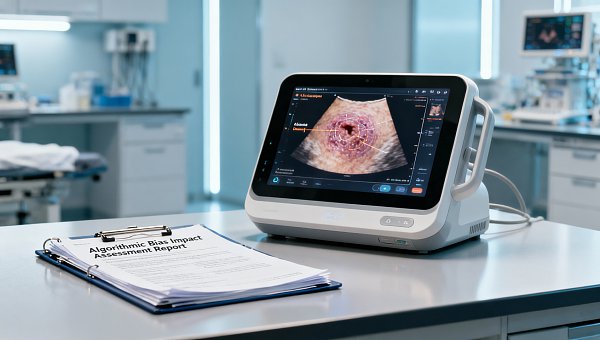
 FDA Finalizes AI Diagnostic Device Rules for ImportersFDA finalizes AI diagnostic device rules for importers: New bias assessment mandate impacts ultrasound, glucose analyzers & dermatoscopes. Act now to ensure U.S. market access.
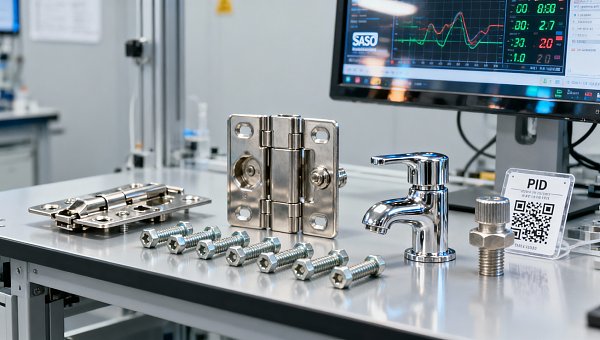
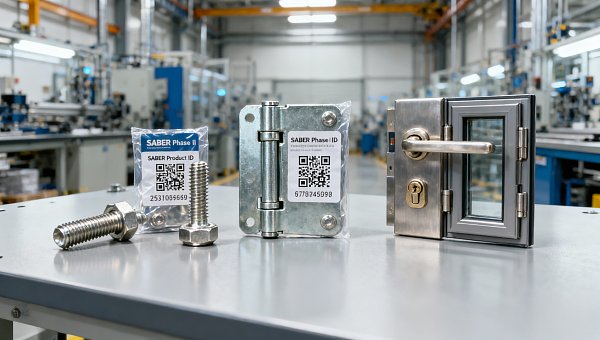
 SABER Phase II Live: Saudi Building Hardware Requires Digital Type Test Reports & PIDSABER Phase II is live: Building hardware exports to Saudi Arabia now require digital type test reports & a mandatory, immutable Product ID (PID). Act now to avoid customs delays!
 IMDG Code 41-24 Enforced: UN3480 Lithium Battery Labeling Mandatory from Apr 2026IMDG Code 41-24 enforcement starts Apr 2026: UN3480 lithium battery labeling & ISO 17363 docs are now mandatory—avoid port rejections!
 CBAM Carbon Tax Launch: Low CBAM Reporting Rate Among Chinese ExportersCBAM Carbon Tax is live—only 36.8% of Chinese exporters reported. Discover why, which industries are at risk, and how to secure EU market access now.
 China’s 10 Agencies Issue AI Export Ethics Review RulesChina’s 10 agencies launch AI export ethics rules—mandating bias reviews for visual inspection, warehouse AI & defect detection systems. Stay compliant & competitive.
 RCEP Green Packaging Mutual Recognition Takes EffectRCEP Green Packaging Mutual Recognition is now in effect—unlock faster customs clearance in Australia, NZ, Japan & Korea for GB/T 37659–2019-certified eco-packaging.
 Mexico NOM-019-SCFI-2026 Effective Apr 10, 2026: EMC Certification Required for Automotive ElectronicsNOM-019-SCFI-2026 EMC certification is now mandatory for automotive electronics entering Mexico — act before the July 1, 2026 customs ban.
 Red Sea Rerouting Normalized, EBA at $1,850/TEURed Sea rerouting normalized with EBA fixed at $1,850/TEU—learn how this structural shift impacts Asia-Europe freight costs, lead times & supply chain strategy.
 FDA AI Diagnostic Device Draft Rules: Bias Assessment for ImportsFDA AI diagnostic device draft rules require bias assessment for imports—learn how portable ultrasound, glucose, and dermatoscopic AI devices are affected & what to do next.
") TÜV Rheinland Updates CE Requirements for Servo Drives (PLd + EMC)TÜV Rheinland updates CE requirements for servo drives: PLd (ISO 13849-1) + EMC immunity (IEC 61000-6-2 Ed.4) now mandatory together — act now to avoid EU market delays!
TÜV Rheinland Updates CE Requirements for Servo Drives (PLd + EMC)TÜV Rheinland updates CE requirements for servo drives: PLd (ISO 13849-1) + EMC immunity (IEC 61000-6-2 Ed.4) now mandatory together — act now to avoid EU market delays! SABER Phase II Launch: Building Hardware Must Submit Digital Type Test Reports & Unique Product IDSABER Phase II now mandates digital type test reports & unique product IDs for building hardware—fasteners, scaffolding, door/window components. Ensure compliance to avoid customs rejection & SCOC delays.
 Vietnam Suspends SASO Mutual Recognition for Chinese Irrigation EquipmentVietnam suspends SASO mutual recognition for Chinese irrigation equipment—TCVN testing now mandatory. Act now to avoid 8–12 week delays and customs holdups.
 IMDG Code 41-24 Enforced: UN3480 Lithium Battery Labeling UpdateIMDG Code 41-24 enforcement starts April 2026: UN3480 lithium battery labeling updates are mandatory for global maritime shipments — avoid port delays, detention & penalties.
 EU CBAM Enters Full Enforcement on Jan 1, 2026EU CBAM full enforcement starts Jan 1, 2026 — mandatory quarterly reporting & certificate purchases for batteries, steel, cement, aluminum, fertilizers & chemicals. Act now to ensure EU market access.
 EU CBAM Carbon Tariff Starts Oct 2026 for Chinese Battery, Cement, Chemical ExportsEU CBAM carbon tariff hits Chinese battery, cement & chemical exports from Oct 2026 — mandatory emissions reporting starts now. Avoid €98/t default fees.













Popular Tags
Global Trade Insights & Industry
Our mission is to empower global exporters and importers with data-driven insights that foster strategic growth.
Search News
Popular Tags
Industry Overview
The global commercial kitchen equipment market is projected to reach $112 billion by 2027. Driven by urbanization, the rise of e-commerce food delivery, and strict hygiene regulations.