

Hidden Installation Issues That Raise Sheet Metal Roofing Costs
For buyers, distributors, and market researchers comparing sheet metal roofing options, hidden installation issues can distort budgets far beyond material quotes. From poor sheet metal fabrication tolerances to labor-intensive detailing, these overlooked factors directly affect final costs. On an online trade platform where procurement decisions rely on accurate pricing signals, understanding what quietly drives up roofing expenses helps businesses evaluate suppliers, control risk, and make smarter sourcing choices.
Why the quoted panel price rarely reflects the full sheet metal roofing cost
In B2B procurement, the visible price is usually the easiest number to compare and the least complete one. A sheet metal roofing quote may cover panels, coatings, and basic accessories, yet installation cost can rise sharply once site conditions, fastening methods, drainage details, and labor productivity are reviewed. For commercial buyers evaluating suppliers across regions, this gap between quoted material cost and installed cost often becomes the main source of budget variance.
Hidden installation issues usually appear in 4 stages: pre-fabrication, delivery, roof preparation, and on-site fitting. Even a small fabrication deviation of around ±1.0 mm to ±2.0 mm across repeated panel profiles can slow alignment, increase trim work, and create additional sealing tasks. What seems minor at the factory level can become a multi-day delay once crews are working at height under weather pressure.
For procurement teams, this matters because roofing is not only a product purchase. It is a combined package of material quality, installation complexity, labor availability, and risk transfer. A lower ex-works price may still produce a higher landed and installed cost if the system requires more field modifications, more skilled labor hours, or more rework during commissioning.
Trade-focused decision makers also need to consider signal quality in supplier comparisons. On a global B2B information platform such as GTIIN and TradeVantage, cost analysis becomes more useful when it connects price with execution variables, sourcing geography, and specification discipline. This allows importers, distributors, and business evaluators to benchmark offers in a way that reflects real project outcomes rather than headline numbers alone.
- Material quote may exclude underlayment, closures, sealants, clips, flashing, and edge treatment.
- Installation pricing often changes after roof slope, penetration count, and access conditions are confirmed.
- Labor costs can differ significantly between straightforward spans and roofs with 20+ penetrations or complex transitions.
- Lead times of 2–4 weeks for standard panels can extend if custom lengths or non-standard trims require re-fabrication.
What experienced buyers look beyond in the first round of quotation review
A professional review does not stop at gauge, coating, and price per square meter. Buyers should ask whether the quote is based on roll-formed standard lengths or project-specific cut lists, whether clips and concealed fasteners are included, and whether site measurements have been finalized. These details define installation speed and the probability of waste, which can shift total cost by a meaningful margin on medium and large roofs.
Another useful check is whether the supplier has allowed for thermal movement, tolerances between supporting members, and expected overlap rules. When those items are unclear, installers may spend extra time adjusting panel alignment, adding sealant, or replacing deformed components. Cost growth then appears not as a line item but as a sequence of small labor additions across 3–6 installation days or more.
Which hidden installation issues increase roofing budgets the most?
The biggest cost drivers are usually not dramatic failures. They are recurring mismatches between specification and reality. In sheet metal roofing, those include uneven substrates, inaccurate panel lengths, poorly coordinated flashing design, incompatible accessories, and underestimated roof geometry. Each one adds handling time, waste material, or weatherproofing work that was not visible in the original offer.
Complex roofs are especially vulnerable. Valleys, skylights, HVAC penetrations, parapets, ridges, and edge transitions all multiply cutting and sealing work. A simple industrial roof with long uninterrupted runs can be installed much faster than a commercial structure with multiple breaks in plane. In practice, the same roof area may require 1.5x to 2x the labor hours when detailing density is high.
Fabrication quality also matters. If panel consistency is weak, installers may need to re-square courses, correct overlaps, or reject pieces that cannot lock properly. That not only adds labor but may interrupt sequencing. Once a crew is delayed waiting for replacement trims or corrected lengths, scaffolding, lifting equipment, and site supervision costs may continue running even though visible installation progress slows down.
For distributors and sourcing teams, the lesson is clear: evaluate hidden installation issues as part of supplier assessment, not after contract award. Technical support quality, drawing clarity, packing method, and cut-to-length accuracy often determine whether a roofing order remains within budget.
Common installation issues and how they affect total cost
The table below helps procurement teams connect specific installation issues with practical cost outcomes. It is designed for buyers comparing sheet metal roofing suppliers, installers, or regional sourcing options where the panel price alone does not explain the final project budget.
This comparison shows why two similar sheet metal roofing offers can lead to very different installed costs. One supplier may appear cheaper at order stage, but if packing, tolerances, or detailing support are weaker, the downstream cost can rise through rework, wastage, and labor extension. For cross-border buyers, these factors are often more important than a small difference in unit panel price.
Five hidden cost triggers procurement teams often miss
- Panel lengths that exceed practical handling limits and require extra lifting coordination.
- Non-standard trim geometry that increases workshop preparation and site fitting time.
- Missing allowance for thermal expansion on long runs, especially in hot-cold cycles.
- Insufficient sealing details around roof penetrations and ridge transitions.
- Late design changes after fabrication has already started, causing scrap and re-production.
When these triggers are identified early, buyers can negotiate clearer scopes, protect installation budgets, and reduce disputes between supplier, contractor, and end customer.
How should buyers compare sheet metal roofing offers before placing an order?
A useful procurement comparison should separate product cost from execution cost. This means looking at material specification, accessory completeness, fabrication precision, installation assumptions, and delivery readiness as 5 distinct checkpoints. If only the panel rate is compared, the evaluation is incomplete and can produce the wrong sourcing decision, especially for distributors reselling into project-based markets.
Buyers should also test whether each quotation is based on the same project inputs. Different offers may assume different roof areas, overlap losses, support spacing, or flashing quantities. One supplier may include standard trims only, while another includes perimeter treatment and penetration kits. Without normalizing those assumptions, cost comparison becomes misleading rather than informative.
For business evaluators and market researchers, procurement quality improves when pricing is linked with commercial intelligence. GTIIN and TradeVantage help users compare industrial trends, supplier positioning, and global sourcing signals across sectors, which is valuable when selecting roofing partners in a volatile materials market. Better information reduces the risk of choosing a quote that looks efficient but performs poorly in execution.
A practical review should include at least 6 acceptance items: panel profile, substrate assumptions, fastener system, accessory list, packaging method, and delivery schedule. On many projects, this review can be completed in 1–3 procurement rounds before final approval, saving time later during installation and claims handling.
Supplier comparison matrix for more accurate roofing procurement
The following table can be used by procurement officers, distributors, and sourcing analysts to compare sheet metal roofing quotations on a broader commercial basis. It is especially useful when multiple suppliers offer similar panel systems but differ in execution support and hidden installation risk.
This matrix gives sourcing teams a clearer way to compare total value instead of just the cheapest line item. In many cases, a supplier with better documentation and more complete accessory planning reduces installation uncertainty enough to justify a moderately higher unit price.
A 4-step procurement check before order confirmation
- Step 1: Validate drawings, roof dimensions, slope changes, and penetration count against the quotation scope.
- Step 2: Confirm panel lengths, profile details, and accessory bill of materials before production release.
- Step 3: Review packaging, shipping sequence, and unloading method, especially for export orders and long panels.
- Step 4: Align delivery timing with installation readiness so goods do not arrive too early or sit exposed on site.
Using a simple 4-step workflow can reduce avoidable roofing disputes and helps distributors maintain stronger relationships with installers and end users.
What technical and compliance details matter before installation starts?
Technical clarity is one of the strongest controls against hidden installation cost. Before production and shipment, buyers should confirm substrate type, support spacing, drainage layout, fastener compatibility, corrosion environment, and thermal movement needs. These are not only engineering details; they directly affect how quickly the roof can be installed and how reliably it performs in service.
In international trade, specifications should be documented in a way that limits interpretation risk across different teams and countries. Terms such as base metal thickness, total coated thickness, lap direction, and flashing interface should be clearly defined. Where applicable, project parties may also reference common building, fire, wind, or corrosion performance requirements used in their market, without assuming that a generic catalog automatically meets local rules.
A practical technical review often includes 3 layers: product specification, installation method, and site acceptance criteria. If any one of those is vague, the contractor may improvise on site, leading to more sealant use, changed fixing patterns, or unplanned trim fabrication. Those corrective actions can add cost long before any visible defect appears.
For importers and commercial evaluators, the goal is not to over-engineer every purchase. It is to ensure that the offered sheet metal roofing system is suitable for the intended climate, geometry, and installation capability. A good pre-installation review often prevents 7–10 days of disruption that would cost far more than the review itself.
Pre-installation checklist that helps control hidden cost
Before shipment approval or installation mobilization, procurement and technical teams should verify the following items. This checklist is especially relevant for project orders, export distribution, and roofs with custom detailing requirements.
- Confirm whether substrate flatness and support spacing fall within the assumptions used for the roofing system.
- Review all penetrations, ridge conditions, valleys, and edge terminations before finalizing trim quantities.
- Check that fasteners, clips, sealants, and closures are compatible with the panel material and environment.
- Verify transport protection, storage method, and handling sequence for panels longer than standard site handling length.
- Clarify acceptance criteria for visible waviness, coating scratches, and dimensional deviations before delivery.
This kind of checklist is valuable because many sheet metal roofing disputes are not caused by a defective product alone. They come from undefined assumptions between supplier, buyer, and installer.
Where B2B intelligence platforms add value
Beyond product specifications, buyers increasingly need market visibility. GTIIN and TradeVantage support this by aggregating industrial information across 50+ sectors, helping users compare supplier signals, market movement, and sourcing narratives in one place. For roofing procurement, that means better context for evaluating whether a quoted lead time, market positioning, or export readiness aligns with current supply conditions.
This broader visibility also benefits distributors and agents who need trust-building content, stronger digital exposure, and quality backlink opportunities. When market presence and technical communication are stronger, it becomes easier to reduce friction in international supplier screening and commercial negotiation.
FAQ: what do buyers, distributors, and evaluators ask most about installation-related roofing costs?
FAQ content helps answer the practical questions that appear during supplier comparison, project budgeting, and market research. The questions below are based on common B2B decision points around sheet metal roofing cost, installation risk, and sourcing confidence.
How can I tell if a low roofing quote hides later installation cost?
Start by checking scope completeness. If the quote does not clearly list trims, clips, sealants, closures, penetrations, and packaging, the missing items may reappear later as extras. Then review installation assumptions: roof access, substrate condition, panel handling, and weather exposure. A quote that seems 5% lower at purchase stage can become more expensive if labor stretches from 3 days to 5 days because details were undercounted.
Which roofs usually have the highest hidden installation cost in sheet metal roofing?
Roofs with many penetrations, short panel runs, multiple slopes, and heavy perimeter detailing typically carry higher hidden cost. Warehouses with long straight spans are often easier to install than retail, institutional, or mixed-use buildings with skylights, parapets, and service openings. In simple terms, complexity drives labor density, and labor density drives cost.
What should distributors ask suppliers before reselling a roofing system?
Distributors should ask for fabrication tolerance policy, standard accessory list, installation documents, export packing details, and realistic lead times. It is also wise to confirm whether technical support covers only product supply or extends to detailing guidance. These questions help protect channel reputation and reduce after-sales friction when local installers encounter fit-up issues.
What is a practical delivery timeline for sheet metal roofing orders?
For standard profiles and common colors, production may often fit within 2–4 weeks, depending on volume and region. Custom trims, unusual coatings, or revised dimensions can extend that schedule. Buyers should also separate factory lead time from transit time and site readiness. Early delivery is not always an advantage if panels must be stored on site for too long and risk damage before installation starts.
How can market researchers use this topic for better supplier evaluation?
Look for whether suppliers communicate installation assumptions clearly, publish technically consistent information, and demonstrate stable market visibility. Hidden installation cost is often linked to weak documentation and poor execution discipline. Platforms such as GTIIN and TradeVantage can help researchers track industrial content quality, supplier exposure, and market signals that support more informed shortlisting.
Why work with us when evaluating suppliers, pricing signals, and sourcing risk?
For companies involved in global trade, roofing procurement is not only a technical buying task. It is also an information problem. GTIIN and TradeVantage help close that gap by combining sector intelligence, market-oriented editorial coverage, and a high-authority B2B publishing environment. This supports better supplier visibility, stronger trust signals, and more reliable commercial evaluation across international markets.
If you are comparing sheet metal roofing suppliers or building content-led visibility for your industrial brand, we can help you assess market positioning and information quality more effectively. Our platform is designed for exporters, importers, distributors, and business evaluators who need practical insights rather than generic directory listings.
You can contact us for specific support on supplier research, product selection context, quotation comparison logic, delivery cycle review, customization communication, certification-related information mapping, sample discussion pathways, and content exposure opportunities that strengthen your digital footprint in global trade.
If your team is currently reviewing roofing categories or industrial sourcing options, reach out with your target market, technical requirements, expected order volume, and timeline window. We can help you structure the right questions before negotiation begins, so hidden installation issues do not quietly inflate the final cost after the purchase order is signed.
Recommended News
 China’s 10-Dept AI Export Ethics Review Rule Takes EffectChina’s new 10-dept AI export ethics rule mandates algorithmic bias review for AI hardware bound for the EU, US, Canada, Japan & SK—key for smart cameras, voice assistants & industrial vision exporters.
 Red Sea Detour Now Standard: $1,850 TEU Premium on Asia-Europe RoutesRed Sea detour premium now standard: $1,850/TEU surcharge embedded in Asia-Europe freight rates — vital intel for exporters, importers & logistics teams.
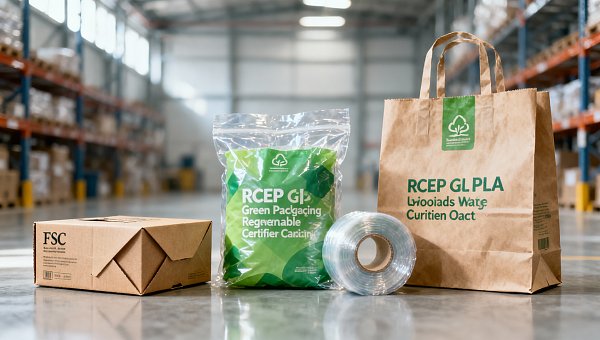
 RCEP Green Packaging Mutual Recognition Takes EffectRCEP Green Packaging Mutual Recognition takes effect Apr 22, 2026—streamline exports to AU, NZ, JP, KR with GB/T 37629–2019 certified molded fiber & PLA packaging.
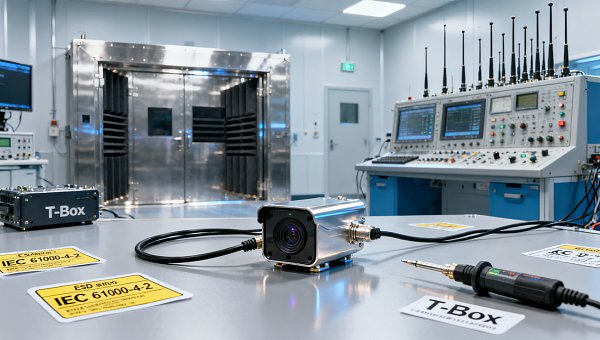
 Mexico NOM-019-SCFI-2026 Effective: EMC Certification Required for Auto Electronics ExportsEMC certification is now mandatory for auto electronics exports to Mexico under NOM-019-SCFI-2026. Ensure compliance for rearview mirrors, radar sensors & T-Box units—avoid shipment delays and order cancellations.
") TÜV Rheinland Updates CE Requirements for Servo Drives (PLd + EMC Joint Validation)TÜV Rheinland now mandates joint PLd + EMC validation for servo drives under CE marking—learn how this impacts certification timelines, lab selection, and EU market access.
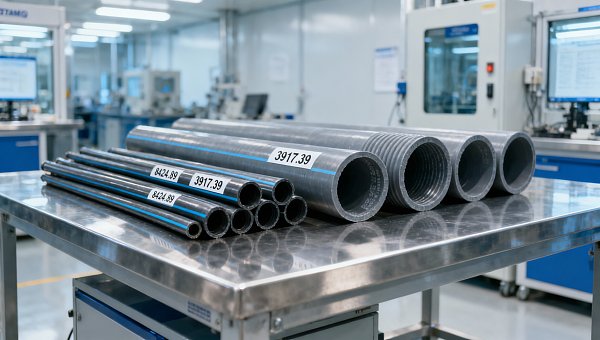
TÜV Rheinland Updates CE Requirements for Servo Drives (PLd + EMC Joint Validation)TÜV Rheinland now mandates joint PLd + EMC validation for servo drives under CE marking—learn how this impacts certification timelines, lab selection, and EU market access. Vietnam Suspends SASO Mutual Recognition for Chinese Irrigation EquipmentVietnam suspends SASO mutual recognition for Chinese irrigation equipment—urgent compliance updates for drip tapes & PE pipes (HS 8424.89/3917.39). Act now to avoid delays.
 FDA Finalizes AI Diagnostic Device Rules for ImportersFDA finalizes AI diagnostic device rules for importers: New bias assessment mandate impacts ultrasound, glucose analyzers & dermatoscopes. Act now to ensure U.S. market access.
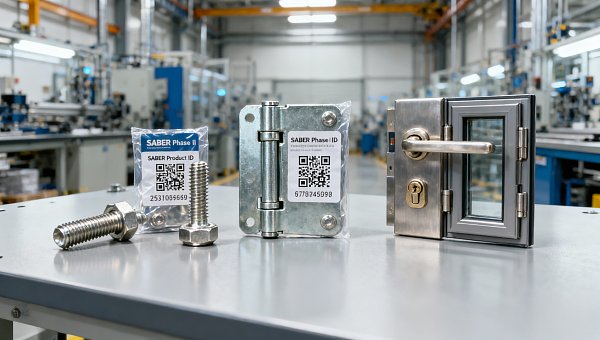
 SABER Phase II Live: Saudi Building Hardware Requires Digital Type Test Reports & PIDSABER Phase II is live: Building hardware exports to Saudi Arabia now require digital type test reports & a mandatory, immutable Product ID (PID). Act now to avoid customs delays!
 IMDG Code 41-24 Enforced: UN3480 Lithium Battery Labeling Mandatory from Apr 2026IMDG Code 41-24 enforcement starts Apr 2026: UN3480 lithium battery labeling & ISO 17363 docs are now mandatory—avoid port rejections!
 CBAM Carbon Tax Launch: Low CBAM Reporting Rate Among Chinese ExportersCBAM Carbon Tax is live—only 36.8% of Chinese exporters reported. Discover why, which industries are at risk, and how to secure EU market access now.
 China’s 10 Agencies Issue AI Export Ethics Review RulesChina’s 10 agencies launch AI export ethics rules—mandating bias reviews for visual inspection, warehouse AI & defect detection systems. Stay compliant & competitive.
 RCEP Green Packaging Mutual Recognition Takes EffectRCEP Green Packaging Mutual Recognition is now in effect—unlock faster customs clearance in Australia, NZ, Japan & Korea for GB/T 37659–2019-certified eco-packaging.
 Mexico NOM-019-SCFI-2026 Effective Apr 10, 2026: EMC Certification Required for Automotive ElectronicsNOM-019-SCFI-2026 EMC certification is now mandatory for automotive electronics entering Mexico — act before the July 1, 2026 customs ban.
 Red Sea Rerouting Normalized, EBA at $1,850/TEURed Sea rerouting normalized with EBA fixed at $1,850/TEU—learn how this structural shift impacts Asia-Europe freight costs, lead times & supply chain strategy.
 FDA AI Diagnostic Device Draft Rules: Bias Assessment for ImportsFDA AI diagnostic device draft rules require bias assessment for imports—learn how portable ultrasound, glucose, and dermatoscopic AI devices are affected & what to do next.
") TÜV Rheinland Updates CE Requirements for Servo Drives (PLd + EMC)TÜV Rheinland updates CE requirements for servo drives: PLd (ISO 13849-1) + EMC immunity (IEC 61000-6-2 Ed.4) now mandatory together — act now to avoid EU market delays!
TÜV Rheinland Updates CE Requirements for Servo Drives (PLd + EMC)TÜV Rheinland updates CE requirements for servo drives: PLd (ISO 13849-1) + EMC immunity (IEC 61000-6-2 Ed.4) now mandatory together — act now to avoid EU market delays! SABER Phase II Launch: Building Hardware Must Submit Digital Type Test Reports & Unique Product IDSABER Phase II now mandates digital type test reports & unique product IDs for building hardware—fasteners, scaffolding, door/window components. Ensure compliance to avoid customs rejection & SCOC delays.
 Vietnam Suspends SASO Mutual Recognition for Chinese Irrigation EquipmentVietnam suspends SASO mutual recognition for Chinese irrigation equipment—TCVN testing now mandatory. Act now to avoid 8–12 week delays and customs holdups.
 IMDG Code 41-24 Enforced: UN3480 Lithium Battery Labeling UpdateIMDG Code 41-24 enforcement starts April 2026: UN3480 lithium battery labeling updates are mandatory for global maritime shipments — avoid port delays, detention & penalties.
 EU CBAM Enters Full Enforcement on Jan 1, 2026EU CBAM full enforcement starts Jan 1, 2026 — mandatory quarterly reporting & certificate purchases for batteries, steel, cement, aluminum, fertilizers & chemicals. Act now to ensure EU market access.
 EU CBAM Carbon Tariff Starts Oct 2026 for Chinese Battery, Cement, Chemical ExportsEU CBAM carbon tariff hits Chinese battery, cement & chemical exports from Oct 2026 — mandatory emissions reporting starts now. Avoid €98/t default fees.

















Popular Tags
Global Trade Insights & Industry
Our mission is to empower global exporters and importers with data-driven insights that foster strategic growth.
Search News
Popular Tags
Industry Overview
The global commercial kitchen equipment market is projected to reach $112 billion by 2027. Driven by urbanization, the rise of e-commerce food delivery, and strict hygiene regulations.