

Sheet Metal Roofing or Shingles: Which Holds Up Better?
When comparing sheet metal roofing with shingles, durability is only part of the decision. Buyers and market researchers also weigh long-term maintenance, climate performance, and installation economics alongside related costs such as home improvement tools, sheet metal fabrication, and even broader sourcing benchmarks on an online trade platform. This guide helps procurement teams, distributors, and business evaluators understand which roofing option delivers better value and resilience over time.
What really determines whether sheet metal roofing or shingles hold up better?
For B2B buyers and market evaluators, the better roofing system is not simply the one with the longest theoretical lifespan. It is the one that matches climate load, project budget, installation capacity, and maintenance expectations over a 15–50 year decision horizon. In many commercial sourcing discussions, sheet metal roofing is associated with higher durability, while shingles are favored for lower upfront cost and simpler labor requirements.
Sheet metal roofing usually refers to steel, aluminum, zinc-coated steel, or other formed panels installed in standing seam, corrugated, or exposed-fastener systems. Shingles often refer to asphalt shingles in 3-tab or architectural formats, though some markets also include composite or fiberglass-backed versions. The comparison becomes more useful when decision-makers separate material life from system life, because fasteners, underlayment, flashing, and installation quality often decide field performance.
In practical procurement, there are 4 core durability questions: how the roof reacts to wind uplift, how it handles water ingress, how often it needs service, and how easy it is to repair after localized damage. A warehouse in a coastal zone, a distribution center in a snow region, and a residential development in a temperate market may all arrive at different conclusions even when comparing the same two categories.
This is why roofing comparisons matter on a trade intelligence platform. Importers, distributors, and business assessment teams often need more than a material description. They need sourcing context, performance ranges, market positioning, and a way to compare specifications across suppliers, regions, and project types without relying on vague marketing language.
- Durability should be reviewed at system level, not only at material level.
- Installation quality can shift real-world performance by several years.
- Climate exposure, roof pitch, and maintenance schedule are major buying variables.
- For B2B sourcing, total lifecycle value often matters more than initial unit cost.
A quick durability definition for procurement teams
When buyers ask which roofing option holds up better, they usually mean one of 3 things: longer service life, lower failure frequency, or lower cost of ownership. Those are related but not identical. A roof can last 30 years but still generate repeated maintenance expense, or it can require a larger initial budget while reducing disruption over multiple operating cycles.
Why this question matters beyond residential construction
Although the topic is common in home improvement, it also matters to distributors, export-oriented suppliers, and business evaluators tracking demand signals. Roofing choices affect inventory mix, regional product positioning, aftermarket tools, fastening systems, sheet metal fabrication demand, and contractor service opportunities. That makes roofing materials a relevant category within broader industrial and trade analysis.
Side-by-side comparison: sheet metal roofing vs shingles in real operating conditions
A direct comparison helps purchasing teams avoid overly general claims. The table below summarizes common field considerations such as lifespan ranges, maintenance intervals, weather exposure, and sourcing implications. These are typical market ranges rather than fixed guarantees, because regional installation practice and substrate conditions can change outcomes.
The strongest pattern is clear: sheet metal roofing generally holds up better over a longer time frame, especially in demanding weather conditions, but that advantage depends on proper detailing and installer competence. Shingles remain competitive where capital efficiency, simpler logistics, and easier replacement are the main decision drivers.
For trade-focused buyers, this comparison also affects sourcing strategy. Metal roofing may require tighter control over panel profile consistency, coating specification, and fabrication tolerance. Shingle procurement often places more emphasis on palletized distribution, local code fit, and replenishment speed across multiple dealer channels.
Where sheet metal roofing usually wins
Sheet metal roofing tends to outperform shingles in high wind zones, snow-prone regions, and properties where long replacement cycles matter. It is also attractive in projects where downtime is costly, because a more durable roof can reduce intervention frequency over 20–40 years. For commercial users, that matters when roofing is tied to operations, tenant continuity, or facility reputation.
Where shingles still make commercial sense
Shingles remain practical for budget-sensitive residential developments, regional distributor networks, and projects where installer availability is more important than maximum lifespan. They also fit phased replacement programs, where a property owner expects shorter holding periods or values low initial capital outlay over long-term resilience.
Which roofing option fits specific climates, building types, and buyer scenarios?
Durability changes by climate and use case. A procurement team evaluating roofing for detached housing, mixed-use development, agricultural facilities, or light industrial buildings should avoid one-size-fits-all conclusions. A roof that performs well in moderate conditions may face accelerated wear in coastal humidity, freeze-thaw cycles, or high UV exposure over 12–18 months of seasonal stress.
The application matrix below helps information researchers and distributors map roofing type to operating environment. It is especially useful when a company is comparing export markets or building a product portfolio for multiple climate zones.
The table shows that durability leadership belongs to sheet metal roofing in more demanding environments, while shingles remain viable in cost-controlled and speed-sensitive programs. This distinction is important for distributors building region-specific inventory strategies and for business evaluators estimating replacement cycles across property portfolios.
Three buyer scenarios that change the answer
First, if the building owner expects a 20+ year hold period, sheet metal roofing often delivers stronger long-term value. Second, if the project must meet a compressed installation window of 7–15 days with widely available labor, shingles may be easier to deploy. Third, if the market faces repeated storms, hail, or salt exposure, metal systems deserve closer evaluation despite higher initial cost.
Why distributors should care about climate segmentation
Distributors and agents rarely sell into one uniform market. A portfolio serving inland residential dealers, coastal contractors, and light industrial users may need at least 3 roofing tiers: entry-level shingle products, upgraded architectural shingles, and premium metal roofing systems with accessories. Climate segmentation reduces stock mismatch and improves sales relevance.
On a B2B intelligence platform such as GTIIN and TradeVantage, this kind of segmentation helps companies benchmark demand, identify supply gaps, and understand how roofing materials align with broader construction sourcing trends. That is particularly useful when evaluating new export destinations or comparing supplier ecosystems across multiple regions.
What should procurement teams check before choosing metal roofing or shingles?
A durable roofing decision starts with a structured buying checklist. Procurement teams should verify not only the material category but also substrate, coating, underlayment, fastener system, ventilation, flashing details, and installer capability. In practice, 5 overlooked checks often explain why two similar roofs perform very differently after 3–8 years.
Five key checks before issuing RFQs
- Confirm climate exposure, including wind, freeze-thaw cycles, salt air, and seasonal rainfall intensity. Material choice without exposure mapping creates avoidable risk.
- Define expected service horizon. A buyer planning for 10 years may prioritize capital efficiency, while a 25–40 year horizon favors lifecycle durability.
- Check available installation skill. Metal roofing performance can drop sharply if seams, trims, and penetrations are poorly executed.
- Review accessory ecosystem. Ridge caps, sealants, fasteners, flashing components, and repair parts affect long-term serviceability.
- Assess maintenance access and replacement strategy. Some owners can tolerate routine repairs; others need lower-touch systems due to labor or operational constraints.
For commercial procurement and international sourcing, it is also useful to request 3 document groups from suppliers: material specification sheets, installation guidance, and coating or weather-resistance information where applicable. These documents help buyers compare more than price and reduce ambiguity during technical review.
Cost is not just product price
Shingles typically win on initial budget. However, procurement teams should calculate replacement interval, maintenance frequency, labor cost, downtime exposure, and disposal implications over 2 or 3 lifecycle phases. A lower purchase price can become more expensive if the roof requires earlier replacement or more frequent patching.
Sheet metal roofing often requires higher early-stage spend for panels, trims, fabrication precision, and skilled labor. Yet for long-hold assets, premium housing, or weather-sensitive sites, that cost can be justified by fewer intervention cycles and stronger retention of performance over time. The best decision depends on whether the buyer values short-term cash efficiency or long-term resilience.
Common standards and compliance points
Specific requirements vary by market, but buyers commonly review local building codes, fire classification requirements, wind uplift provisions, corrosion considerations, and manufacturer installation compatibility. International distributors should verify what is mandatory in each destination market rather than assuming one specification package works everywhere.
Common misconceptions, risk signals, and FAQ for business evaluators
Many roofing comparisons fail because they rely on broad statements such as “metal roofs last forever” or “shingles always leak sooner.” Neither claim is reliable. Roof performance depends on design, workmanship, climate, accessories, and maintenance discipline. For sourcing teams, the better approach is to identify failure modes early and match them to the project’s actual risk profile.
Is sheet metal roofing always the best long-term choice?
Not always. It is often the stronger durability choice, but only when the buyer can support correct design and installation. In markets with limited installer skill, exposed fastening errors, poor flashing work, or low accessory availability, the theoretical advantage of metal roofing can be reduced. In some projects, a well-installed shingle system may outperform a poorly executed metal roof over the first 10–15 years.
Are shingles only for low-end projects?
No. Shingles are widely used because they balance appearance, installer availability, replacement simplicity, and capital control. Architectural shingles in particular can serve mainstream residential and light commercial needs effectively. The issue is not whether shingles are low-end, but whether the project’s climate and ownership horizon justify their maintenance and replacement profile.
What are the most common procurement mistakes?
Three mistakes are common. First, buyers compare only square-meter price and ignore lifecycle cost. Second, they fail to verify accessory and installation compatibility. Third, they source for average conditions rather than peak weather events. In many cases, the roof fails during the 2–3 most extreme weather periods in a year, not during normal conditions.
How long is the usual sourcing and delivery cycle?
Typical lead times vary by region and customization. Standard shingles may be sourced more quickly through local channels, while formed metal roofing with custom trims or fabrication can require longer planning. For trade buyers, a realistic cycle may include 1–2 weeks for specification review, 2–4 weeks for production or consolidation, and additional time for freight and local coordination depending on the supply route.
This is where industry intelligence adds value. On GTIIN and TradeVantage, buyers and researchers can compare supplier positioning, monitor industrial trends, and evaluate how roofing-related categories connect with fabrication, construction materials, hardware, logistics, and regional demand shifts. That wider view supports more grounded procurement decisions than price-only screening.
Why work with TradeVantage for roofing market research and sourcing intelligence?
For importers, distributors, procurement teams, and business evaluators, the challenge is not only choosing between sheet metal roofing and shingles. The real challenge is validating suppliers, understanding regional demand, comparing commercial positioning, and identifying which product mix will hold up in target markets over the next 12–36 months. That requires reliable cross-sector information, not isolated product claims.
GTIIN and TradeVantage support this need by aggregating real-time B2B information, industrial trends, and supply chain intelligence across more than 50 sectors. For roofing-related decisions, that means users can evaluate material direction, adjacent manufacturing activity, sourcing benchmarks, and market visibility opportunities in one place. This is especially useful for exporters, importers, and channel partners expanding into new regions.
If you are assessing whether sheet metal roofing or shingles fit your market, you can use our platform to narrow supplier lists, compare category signals, and plan outreach with stronger context. If you are a foreign trade enterprise, TradeVantage also helps improve digital exposure and backlink value, which can strengthen brand trust across international search and discovery channels.
You can contact us for practical support on 6 decision areas: roofing category comparison, supplier screening, market-entry research, delivery cycle expectations, specification alignment, and content-driven brand exposure. Whether you need help confirming product selection, understanding regional demand for shingles or sheet metal roofing, reviewing sourcing risks, or discussing quotation and partnership opportunities, our team can help you move from information gathering to confident action.
- Ask about parameter confirmation for roofing type, climate fit, and accessory requirements.
- Request support on supplier comparison, lead-time planning, and market benchmarking.
- Discuss distributor strategy, export visibility, and backlink-oriented brand exposure.
- Explore custom research for procurement, channel development, and quotation preparation.
Recommended News
 China’s 10-Dept AI Export Ethics Review Rule Takes EffectChina’s new 10-dept AI export ethics rule mandates algorithmic bias review for AI hardware bound for the EU, US, Canada, Japan & SK—key for smart cameras, voice assistants & industrial vision exporters.
 Red Sea Detour Now Standard: $1,850 TEU Premium on Asia-Europe RoutesRed Sea detour premium now standard: $1,850/TEU surcharge embedded in Asia-Europe freight rates — vital intel for exporters, importers & logistics teams.
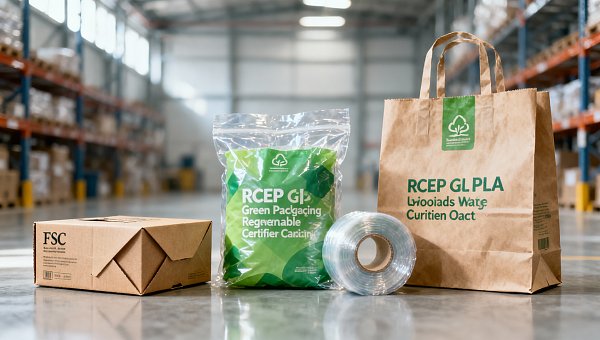
 RCEP Green Packaging Mutual Recognition Takes EffectRCEP Green Packaging Mutual Recognition takes effect Apr 22, 2026—streamline exports to AU, NZ, JP, KR with GB/T 37629–2019 certified molded fiber & PLA packaging.
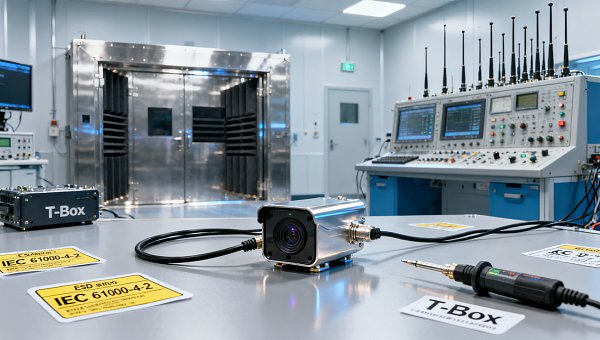
 Mexico NOM-019-SCFI-2026 Effective: EMC Certification Required for Auto Electronics ExportsEMC certification is now mandatory for auto electronics exports to Mexico under NOM-019-SCFI-2026. Ensure compliance for rearview mirrors, radar sensors & T-Box units—avoid shipment delays and order cancellations.
") TÜV Rheinland Updates CE Requirements for Servo Drives (PLd + EMC Joint Validation)TÜV Rheinland now mandates joint PLd + EMC validation for servo drives under CE marking—learn how this impacts certification timelines, lab selection, and EU market access.
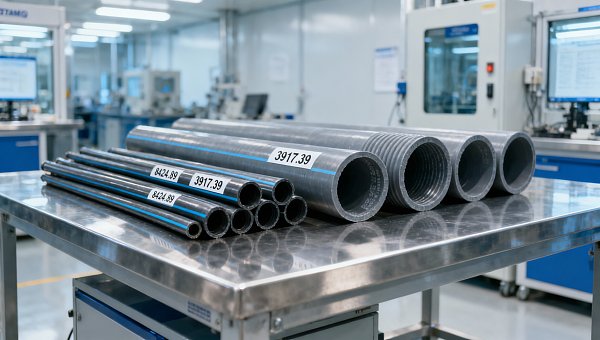
TÜV Rheinland Updates CE Requirements for Servo Drives (PLd + EMC Joint Validation)TÜV Rheinland now mandates joint PLd + EMC validation for servo drives under CE marking—learn how this impacts certification timelines, lab selection, and EU market access. Vietnam Suspends SASO Mutual Recognition for Chinese Irrigation EquipmentVietnam suspends SASO mutual recognition for Chinese irrigation equipment—urgent compliance updates for drip tapes & PE pipes (HS 8424.89/3917.39). Act now to avoid delays.
 FDA Finalizes AI Diagnostic Device Rules for ImportersFDA finalizes AI diagnostic device rules for importers: New bias assessment mandate impacts ultrasound, glucose analyzers & dermatoscopes. Act now to ensure U.S. market access.
 SABER Phase II Live: Saudi Building Hardware Requires Digital Type Test Reports & PIDSABER Phase II is live: Building hardware exports to Saudi Arabia now require digital type test reports & a mandatory, immutable Product ID (PID). Act now to avoid customs delays!
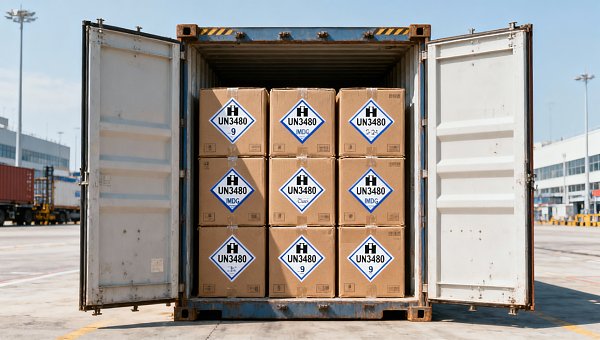
 IMDG Code 41-24 Enforced: UN3480 Lithium Battery Labeling Mandatory from Apr 2026IMDG Code 41-24 enforcement starts Apr 2026: UN3480 lithium battery labeling & ISO 17363 docs are now mandatory—avoid port rejections!
 CBAM Carbon Tax Launch: Low CBAM Reporting Rate Among Chinese ExportersCBAM Carbon Tax is live—only 36.8% of Chinese exporters reported. Discover why, which industries are at risk, and how to secure EU market access now.
 China’s 10 Agencies Issue AI Export Ethics Review RulesChina’s 10 agencies launch AI export ethics rules—mandating bias reviews for visual inspection, warehouse AI & defect detection systems. Stay compliant & competitive.
 RCEP Green Packaging Mutual Recognition Takes EffectRCEP Green Packaging Mutual Recognition is now in effect—unlock faster customs clearance in Australia, NZ, Japan & Korea for GB/T 37659–2019-certified eco-packaging.
 Mexico NOM-019-SCFI-2026 Effective Apr 10, 2026: EMC Certification Required for Automotive ElectronicsNOM-019-SCFI-2026 EMC certification is now mandatory for automotive electronics entering Mexico — act before the July 1, 2026 customs ban.
 Red Sea Rerouting Normalized, EBA at $1,850/TEURed Sea rerouting normalized with EBA fixed at $1,850/TEU—learn how this structural shift impacts Asia-Europe freight costs, lead times & supply chain strategy.
 FDA AI Diagnostic Device Draft Rules: Bias Assessment for ImportsFDA AI diagnostic device draft rules require bias assessment for imports—learn how portable ultrasound, glucose, and dermatoscopic AI devices are affected & what to do next.
") TÜV Rheinland Updates CE Requirements for Servo Drives (PLd + EMC)TÜV Rheinland updates CE requirements for servo drives: PLd (ISO 13849-1) + EMC immunity (IEC 61000-6-2 Ed.4) now mandatory together — act now to avoid EU market delays!
TÜV Rheinland Updates CE Requirements for Servo Drives (PLd + EMC)TÜV Rheinland updates CE requirements for servo drives: PLd (ISO 13849-1) + EMC immunity (IEC 61000-6-2 Ed.4) now mandatory together — act now to avoid EU market delays! SABER Phase II Launch: Building Hardware Must Submit Digital Type Test Reports & Unique Product IDSABER Phase II now mandates digital type test reports & unique product IDs for building hardware—fasteners, scaffolding, door/window components. Ensure compliance to avoid customs rejection & SCOC delays.
 Vietnam Suspends SASO Mutual Recognition for Chinese Irrigation EquipmentVietnam suspends SASO mutual recognition for Chinese irrigation equipment—TCVN testing now mandatory. Act now to avoid 8–12 week delays and customs holdups.
 IMDG Code 41-24 Enforced: UN3480 Lithium Battery Labeling UpdateIMDG Code 41-24 enforcement starts April 2026: UN3480 lithium battery labeling updates are mandatory for global maritime shipments — avoid port delays, detention & penalties.
 EU CBAM Enters Full Enforcement on Jan 1, 2026EU CBAM full enforcement starts Jan 1, 2026 — mandatory quarterly reporting & certificate purchases for batteries, steel, cement, aluminum, fertilizers & chemicals. Act now to ensure EU market access.
 EU CBAM Carbon Tariff Starts Oct 2026 for Chinese Battery, Cement, Chemical ExportsEU CBAM carbon tariff hits Chinese battery, cement & chemical exports from Oct 2026 — mandatory emissions reporting starts now. Avoid €98/t default fees.

















Popular Tags
Global Trade Insights & Industry
Our mission is to empower global exporters and importers with data-driven insights that foster strategic growth.
Search News
Popular Tags
Industry Overview
The global commercial kitchen equipment market is projected to reach $112 billion by 2027. Driven by urbanization, the rise of e-commerce food delivery, and strict hygiene regulations.