

Patios and decks materials compared by climate and upkeep
Choosing between patio and deck materials is rarely just a design decision. For buyers, distributors, and commercial evaluators, the better question is this: which material performs reliably in a given climate without creating excessive upkeep, warranty issues, or lifecycle cost? In most cases, there is no single best option for every market. Wood can remain attractive and cost-effective in moderate climates if maintenance is acceptable. Composite often wins where buyers prioritize lower routine upkeep and predictable appearance. Concrete performs well in many regions but can face cracking risks in freeze-thaw zones if poorly installed. Natural stone offers premium durability and strong long-term value, but sourcing, weight, and installation costs matter more than many first-time buyers expect.
For companies evaluating patios and decks materials compared by climate and upkeep, the smartest approach is to balance four factors together: weather exposure, maintenance burden, expected service life, and local supply economics. This guide focuses on those decision points so procurement teams, market researchers, and channel partners can compare materials in a practical way rather than relying on generic product claims.
What matters most when comparing patio and deck materials
Searchers looking for a climate-based comparison usually want a fast answer to three business-critical questions:
- Which material holds up best in the target climate?
- How much maintenance will end users realistically accept?
- Which option creates the best long-term value after installation, repairs, and replacement are considered?
For trade and sourcing decisions, upfront cost alone is not enough. Materials that look economical at purchase can become expensive if they require frequent sealing, repainting, board replacement, or callbacks related to warping, fading, mold, or surface damage. Likewise, premium materials can still be poor choices if they are difficult to source consistently or if installation complexity limits channel adoption.
A useful comparison framework includes:
- Climate fit: resistance to moisture, UV exposure, heat, freezing, and salt air
- Upkeep intensity: cleaning frequency, sealing, staining, refinishing, and repair needs
- Lifecycle cost: installation cost plus maintenance and replacement over time
- End-user expectations: natural look, barefoot comfort, slip resistance, and color retention
- Supply considerations: material availability, price volatility, transport weight, and product consistency
How wood performs in different climates and maintenance conditions
Wood remains one of the most familiar decking choices because it offers natural appearance, broad market recognition, and a range of price points. However, climate has a major impact on how well it performs and how much upkeep it demands.
Best fit: temperate climates, buyers who value natural aesthetics, projects where ongoing maintenance is accepted.
Challenges: moisture absorption, rot risk, insect damage, UV fading, splintering, and regular refinishing needs.
In humid or rainy climates, untreated or poorly maintained wood can deteriorate quickly. Mold, mildew, swelling, and decay become more likely, especially where drainage and airflow are inadequate. In hot, sunny regions, UV exposure can dry out boards, fade surface color, and increase cracking unless the material is protected. In freeze-thaw climates, repeated wetting and temperature cycling can accelerate splitting and surface wear.
Maintenance is the key tradeoff. Wood decks and wood-adjacent patio structures usually need periodic staining, sealing, or painting to preserve appearance and extend service life. For residential end users, this can be manageable. For larger developments, hospitality properties, or buyers sensitive to long-term upkeep, it can be a disadvantage.
From a sourcing perspective, wood also introduces species-specific variation. Pressure-treated lumber, cedar, redwood, and tropical hardwoods each carry different cost, durability, and regulatory implications. Importers and distributors should pay attention to:
- Certification and legality of forest origin
- Moisture content consistency
- Treatment standards
- Regional acceptance and installer familiarity
- Price fluctuation linked to timber supply cycles
Business takeaway: wood is viable when natural appearance is a strong selling point and maintenance is part of the expected ownership model. It is less attractive where low upkeep is the primary buying trigger.
Why composite decking often appeals in harsh sun and low-upkeep markets
Composite materials are frequently selected when the market values lower maintenance and more stable long-term appearance. Made from a blend of wood fibers and plastics or fully synthetic formulations, composite decking products are designed to reduce many of the weaknesses associated with traditional wood.
Best fit: markets with strong demand for low maintenance, high UV exposure areas, residential upgrades, and premium retail channels.
Challenges: higher upfront cost, potential heat retention, quality variation between brands, and occasional concerns about staining or surface scratching.
In wet climates, composite generally performs better than standard wood because it is less vulnerable to rot and insect attack. In sunny climates, many premium composite products offer strong fade resistance, though lower-grade products may still discolor over time. In coastal areas, composite can be attractive because it avoids some of the corrosion and degradation concerns associated with exposed fasteners and untreated wood components, although substructure choices still matter.
The main commercial advantage is reduced maintenance. Composite typically does not require staining or sealing, which lowers ongoing labor and ownership friction. That makes it highly attractive for buyers comparing total lifecycle cost rather than initial purchase price.
Still, not all composites perform equally. Procurement teams should assess:
- Capped versus uncapped construction
- UV and moisture resistance testing
- Slip resistance performance
- Thermal behavior in hot climates
- Warranty credibility and claim history
- Color consistency across production batches
For distributors and agents, composite also offers a strategic margin story. It often sits in a higher-value category and aligns well with premium positioning, especially in urban residential, renovation, and outdoor living segments.
Business takeaway: composite is often the most balanced answer where climate is demanding and upkeep tolerance is low, but specification quality matters greatly.
When concrete patios make more sense than decks
Concrete is often compared with deck materials because many buyers are not simply choosing a surface material, but deciding between an elevated deck system and a ground-level patio solution. In many projects, especially at scale, concrete deserves serious consideration because of its durability and broad climate adaptability.
Best fit: ground-level outdoor spaces, commercial projects, dry climates, and markets prioritizing structural stability and lower routine upkeep.
Challenges: cracking risk, surface heat in hot sun, harder underfoot feel, and repair visibility if damage occurs.
Concrete performs well in a wide range of climates, but installation quality is critical. In freeze-thaw regions, inadequate base preparation, poor drainage, or substandard mix design can lead to cracking and heaving. In very hot climates, darker concrete surfaces may become uncomfortable under direct sun. In wet regions, surface texture and drainage design are important to reduce slipperiness and water pooling.
Maintenance is generally lighter than wood. Concrete patios do not need staining or sealing as frequently as wood needs refinishing, although sealers may still be recommended depending on the finish and exposure. Compared with deck systems, concrete also avoids some framing and ventilation issues.
For buyers evaluating upkeep and long-term cost, concrete can be highly competitive because:
- It has a long service life when installed correctly
- Routine cleaning is straightforward
- It supports many finishes, from broomed to stamped surfaces
- It fits both entry-level and decorative price tiers
However, concrete is not always the preferred channel product for every distributor because transport, local labor practices, and project execution can vary significantly by market. The product opportunity may be stronger in admixtures, decorative systems, sealers, or surface technologies than in basic slab material alone.
Business takeaway: concrete is often a strong practical choice for patios, especially where low routine maintenance matters more than warmth or natural visual texture.
How natural stone compares for premium durability and climate resilience
Natural stone is typically positioned as a premium patio material, and in many climates it supports that reputation. It offers strong durability, long service life, and a high-end visual profile that can justify a higher installed cost in the right market.
Best fit: premium residential and commercial landscapes, luxury developments, hot climates, and projects where long-term appearance and material prestige matter.
Challenges: higher material and installation cost, weight, variable porosity by stone type, and more complex sourcing requirements.
Stone performance depends heavily on the specific material. Granite, slate, limestone, travertine, and sandstone all respond differently to moisture, freezing, and wear. In freeze-thaw climates, porosity matters greatly. A stone with poor resistance to water absorption can deteriorate faster if temperatures cycle below freezing. In hot climates, some lighter stones remain more comfortable underfoot than many artificial materials, which can be a meaningful user benefit.
Maintenance is usually moderate rather than minimal. Many stone patios benefit from periodic sealing, especially where staining, moisture penetration, or salt exposure is an issue. Still, compared with wood, the upkeep burden is often lower and less frequent.
For importers and B2B evaluators, natural stone raises sourcing questions beyond surface performance:
- Consistency of color and thickness across lots
- Country-of-origin reliability
- Packing and breakage risk during shipment
- Compliance with market expectations for finish and calibration
- Freight cost sensitivity due to weight
Business takeaway: natural stone can deliver excellent climate resilience and premium appeal, but it is best suited to markets that can absorb its higher procurement and installation complexity.
Which materials work best in specific climate zones
For readers wanting a quick comparative view, the following climate-based guidance is often the most actionable.
Hot and sunny climates
Composite and certain natural stones generally perform well, provided heat buildup is assessed. Wood can fade and dry out faster without regular treatment. Concrete is durable but may become very hot depending on color and finish.
Humid and rainy climates
Composite and properly selected stone usually outperform standard wood on moisture resistance. Wood requires disciplined maintenance. Concrete can work well if drainage is good and surface slipperiness is addressed.
Cold and freeze-thaw climates
High-quality composite, durable stone with low water absorption, and properly installed concrete are all viable. Wood can work, but weather cycling increases maintenance pressure. Installation quality is especially important for concrete and stone.
Coastal and salt-air environments
Composite often has strong appeal due to moisture resistance and lower maintenance. Stone can perform well depending on porosity and installation system. Wood is more vulnerable unless carefully maintained. Hardware and substructure corrosion resistance must be considered regardless of surface choice.
Mild or temperate climates
Nearly all major materials can perform acceptably. In these regions, the decision often shifts from climate survival to maintenance preference, design goals, and budget positioning.
Upkeep costs often change the real value equation
One of the most common evaluation mistakes is comparing only installed cost instead of ownership cost. A lower-cost material may become less competitive once labor, cleaning, refinishing, repairs, and replacement frequency are included.
In simple terms:
- Wood: usually lower to moderate upfront cost, but higher ongoing maintenance
- Composite: higher upfront cost, but lower routine upkeep
- Concrete: moderate installed cost with relatively low routine maintenance, but repair appearance can be an issue
- Stone: high upfront cost with long-term durability, though sealing and installation costs must be considered
For business buyers, this matters in several ways:
- It affects customer satisfaction and repeat purchase patterns
- It changes how products should be positioned by sales teams
- It influences warranty exposure and after-sales service costs
- It shapes which materials best fit value, mid-market, or premium channels
If the target buyer is a developer, hospitality operator, or property owner managing multiple sites, lower upkeep often has outsized value because labor predictability matters as much as material durability.
What procurement teams and distributors should check before choosing a material category
Beyond climate and maintenance, commercial decisions should include operational filters. A material can test well in theory and still underperform as a business line if supply, quality, or market fit is unstable.
Before selecting or expanding a patios and decks materials category, assess:
- Supply reliability: Can the supplier deliver consistent volume and quality?
- Specification transparency: Are performance claims supported by recognized testing?
- Regional demand fit: Does the material align with local climate and buyer expectations?
- Installation ecosystem: Do contractors know how to install it correctly?
- Claim risk: Are fading, cracking, swelling, or delamination complaints common?
- Margin potential: Is the category differentiated enough to support profitable resale?
For international trade participants, climate-fit messaging can also strengthen go-to-market strategy. A distributor selling composite into humid or coastal markets, for example, should highlight low upkeep and moisture resistance rather than relying only on appearance claims. Likewise, a stone supplier targeting hot regions may gain more traction by emphasizing thermal comfort, longevity, and premium project positioning.
A practical decision guide for buyers evaluating patios and decks materials
If a buyer needs a simplified selection logic, the following approach is useful:
- Start with climate stress. Identify the dominant risk: moisture, UV, freezing, salt, or heat.
- Define acceptable upkeep. Decide whether the end user will realistically seal, stain, or refinish the surface.
- Match to price positioning. Entry-level, mid-market, and premium projects have different tolerance for upfront cost and maintenance.
- Review lifecycle economics. Include cleaning, repair, replacement, and callback costs.
- Check supply confidence. Ensure product consistency, lead time stability, and technical support.
In many cases:
- Choose wood when natural appearance matters most and maintenance is acceptable.
- Choose composite when low upkeep and broad climate resilience are the priority.
- Choose concrete when a practical, durable patio surface is needed at ground level.
- Choose natural stone when premium aesthetics and long-term value justify higher initial investment.
Conclusion
Comparing patios and decks materials by climate and upkeep is ultimately a lifecycle decision, not just a product selection exercise. Wood offers timeless appeal but demands more maintenance. Composite often provides the best balance for low-upkeep, climate-resilient performance. Concrete remains a strong option for practical patio applications, especially where cost control and durability matter. Natural stone stands out for premium positioning and long-term resilience, though sourcing and installation complexity are higher.
For procurement professionals, distributors, and market researchers, the most reliable choice comes from matching climate conditions with realistic maintenance expectations and total ownership cost. That approach leads to better purchasing decisions, stronger product positioning, and fewer downstream performance surprises.
Recommended News
 China-France Nuclear Cooperation Advances at Beijing ExpoChina-France nuclear cooperation advances: mutual recognition for nuclear-grade seals, cables & radiation monitors boosts export readiness for suppliers targeting EU and BRI projects.
 Vietnam’s 4 Provinces Seek AI Tourism Tech in NanningAI tourism tech in demand: Vietnam’s 4 provinces seek AI-guided terminals, multilingual interpretation, AI-CCTV & smart ticketing in Nanning—key opportunity for B2G exporters.
 Q1 2026 China Power Market Trading Up 25.6%: Smart Meters, Storage Export Demand RisesSmart meters, energy storage exports surge as China’s Q1 2026 power market trading jumps 25.6% — key signal for global manufacturers & channel partners.
 China First Country with 5M+ Active Invention PatentsChina first country with 5M+ active invention patents—key for buyers in AI, solar, lithium battery & energy storage. Discover IP implications for sourcing, compliance & supplier vetting.
 Shenneng Etorkeqi Green Ammonia Project: Deionized Water Station OperationalShenneng Etorkeqi Green Ammonia Project’s deionized water station is now operational—ISO 8502-3 compliant, fully integrated, and a key milestone for global green hydrogen developers and exporters.
 China Launches 'Model-Data Resonance' Initiative for AI+Manufacturing InteroperabilityModel-Data Resonance initiative boosts AI+manufacturing interoperability—learn how GB/T XXXX–2026 aligns with VDI 2182 & ISA-95 for smoother global factory deployments.
 China’s First Embodied AI Robot Insurance Launched in GuangxiChina’s first embodied AI robot insurance launched in Guangxi—key for robotics exporters, AI hardware makers & global compliance teams. CE-recognized, EU/UK/AU-ready.
 IMDG Code 41-24 Enforced: UN3480 Lithium Battery Labeling Now MandatoryIMDG Code 41-24 is now mandatory: UN3480 lithium battery labeling, documentation & packaging rules are enforced globally as of 28 April 2026 — avoid port rejections!
 State Grid’s $680M Embodied AI Procurement Signals Export OpportunityEmbodied AI, IEC 61850 & IEC 62443: State Grid’s $680M procurement unlocks export opportunities for compliant industrial robots and smart vision systems in emerging markets.
 IMDG Code 41-24 Enforces UN3480 Class 9 Labeling for Lithium Battery Sea FreightIMDG Code 41-24 mandates UN3480 lithium battery sea freight to display durable Class 9 labels from April 27, 2026—avoid delays & port rejections.
 ESS Key Component Prices Drop ~80%: Quality & Compliance RiseESS key component prices dropped ~80%—but quality & compliance demands surged. Discover how UL 9540A, AS/NZS 5139, and certified BMS/inverters now define market access.
 Mexico NOM-019-SCFI-2026 Effective July 2026: EMC Certification Mandatory for Auto ElectronicsMexico NOM-019-SCFI-2026 mandates EMC certification for auto electronics from July 2026 — ensure compliance now to avoid supply chain disruption & customs delays.
 Red Sea Rerouting Normalized, ECA Surcharge Hits $1,850/TEURed Sea rerouting normalized: ECA surcharge hits $1,850/TEU — 47% of total freight cost. Impacting hand tools, building materials & furniture exporters to Europe. Act now.
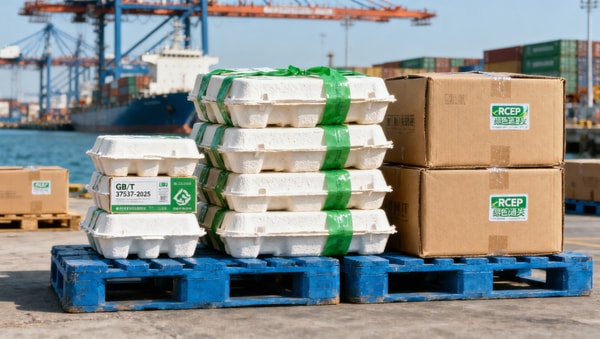
 RCEP Green Packaging Mutual Recognition Takes EffectRCEP Green Packaging Mutual Recognition is live—GB/T 37537-2025–certified packaging now enjoys fast-track clearance in Australia, NZ, Japan & Korea. Save time, cut costs, and boost export efficiency.
 Vietnam Suspends SASO Mutual Recognition for Chinese Irrigation EquipmentVietnam suspends SASO mutual recognition for Chinese irrigation equipment—drip tapes, PE fittings, auto valves now require VINAQ-IR certification. Act now to avoid delays & customs hold.
 Pool equipment maintenance warning signs before a breakdownPool equipment maintenance warning signs before a breakdown: spot early pump, filter, and control issues, improve pool equipment installation decisions, and reduce downtime with smarter sourcing insights.
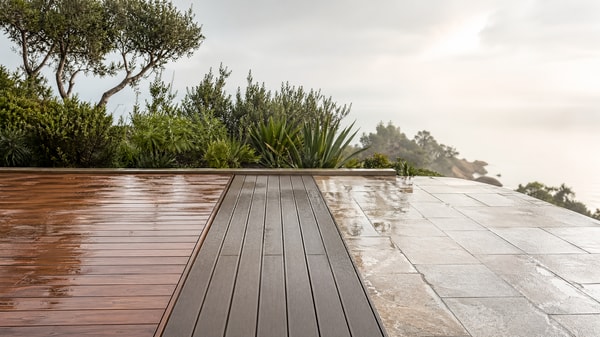
 Patios and decks materials that age badly in humid climatesPatios and decks materials that age badly in humid climates: learn which patios and decks materials fail fast, how patios and decks construction choices affect durability, and how to source smarter.
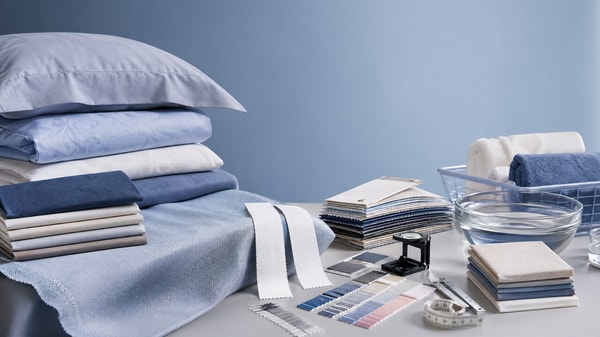
 Textile home fabrics buyers now ask more about wash durabilityTextile home fabrics buyers now prioritize wash durability, consistency, and long-term value. Explore sourcing insights, production line optimization, and smarter textile home accessories decisions.
 What recurring waste says about production line efficiencyProduction line efficiency starts with recurring waste. Discover how production line optimization and production line automation reveal supplier risk, cut hidden costs, and improve sourcing decisions across textiles, jewelry, and agrochemicals.
 Agrochemicals export rules causing delays in new marketsAgrochemicals export delays explained with agrochemicals industry analysis and agrochemicals market trends—learn compliance risks, supplier selection tips, and smarter market entry strategies.
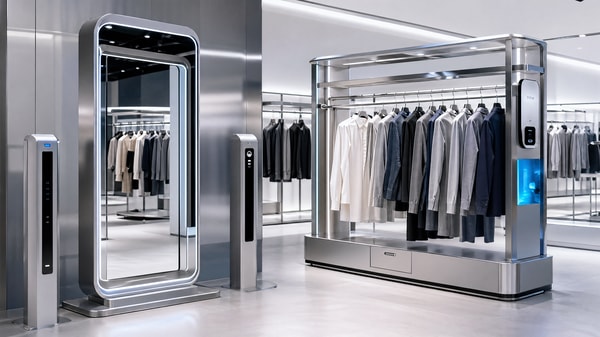
 Fashion tech applications brands are testing in physical storesFashion tech applications and fashion tech startups are transforming physical stores with smarter fitting, data-led production line optimization, and scalable retail innovation—explore key trends now.

















Popular Tags
Global Trade Insights & Industry
Our mission is to empower global exporters and importers with data-driven insights that foster strategic growth.
Search News
Popular Tags
Industry Overview
The global commercial kitchen equipment market is projected to reach $112 billion by 2027. Driven by urbanization, the rise of e-commerce food delivery, and strict hygiene regulations.