

Sheet metal roofing mistakes that lead to early leak problems
Early leaks in sheet metal roofing rarely happen because metal roofing is inherently unreliable. In most cases, the problem starts with avoidable mistakes in specification, fabrication, installation, detailing, or supplier selection. For buyers, sourcing teams, distributors, and commercial evaluators, that means leak risk is often a procurement and quality-control issue as much as it is a construction issue. If you are comparing sheet metal fabrication suppliers or evaluating roofing-related products on a trade platform, understanding the most common failure points can help you reduce callbacks, warranty disputes, premature maintenance costs, and long-term project risk.
For decision-makers, the key takeaway is simple: early leak problems usually come from poor detailing around fasteners, seams, penetrations, flashing transitions, panel movement, and incompatible materials. The most valuable way to assess roofing options is not to focus only on panel price, but to verify system design, manufacturing tolerances, coating quality, installation capability, and after-sales accountability.
What usually causes early leaks in sheet metal roofing?
The biggest misconception in the market is that a thicker panel or a lower unit price automatically means better roofing performance. In reality, early leaks often result from a combination of small mistakes that compound over time. A roof may look acceptable on delivery yet still fail early if the seams are poorly formed, the panel profile is unsuitable for local weather, or the flashing details were never engineered correctly.
The most common causes include:
- Incorrect panel overlap or seam design
- Improper fastener placement or overdriven screws
- Low-quality sealants or failed sealant application
- Poorly detailed flashing at edges, valleys, skylights, vents, and wall transitions
- Insufficient allowance for thermal expansion and contraction
- Mismatch between substrate, underlayment, and metal roofing system
- Galvanic corrosion caused by incompatible metals
- Panels damaged during transport, storage, or installation
- Fabrication tolerances that lead to imperfect fit on site
- Unqualified installers working outside manufacturer guidelines
For procurement professionals, these are not just technical details. They directly affect lifecycle cost, supplier reliability, claims exposure, and project reputation.
Which mistakes matter most when buyers and sourcing teams evaluate sheet metal roofing suppliers?
From a commercial perspective, not all mistakes carry equal weight. Some issues are cosmetic or repairable, while others create recurring leaks that are expensive to diagnose and difficult to fix. The most important evaluation areas are the ones that influence water entry paths early in the roof’s service life.
1. Poor seam design and seam execution
Sheet metal roofing depends heavily on how panels connect. If seams are not mechanically sound, properly locked, or correctly sealed where required, water can penetrate under wind-driven rain conditions. This becomes a major issue in projects exposed to coastal weather, heavy rainfall, freeze-thaw cycles, or long roof slopes.
What buyers should check:
- Whether the panel system is standing seam, exposed fastener, or concealed fastener
- Whether the seam type is suitable for the climate and slope
- Whether fabrication accuracy is consistent across batches
- Whether the supplier can provide installation tolerances and seam performance data
2. Fastener errors that become leak points
Fasteners are one of the most common sources of early roof leaks. Problems occur when screws are installed at the wrong angle, driven too deep, left too loose, or paired with inferior washers that degrade quickly under UV exposure. Exposed fastener systems are especially vulnerable if workmanship is inconsistent.
What to verify:
- Fastener material and corrosion resistance
- Washer quality and UV durability
- Recommended torque and installation method
- Compatibility between fasteners and panel material
3. Flashing details are treated as secondary, when they are often the main problem
Many leak complaints blamed on metal roof panels are actually flashing failures. Roof penetrations, parapet walls, ridges, eaves, valleys, curbs, and transitions require precise detailing. If the supplier cannot support these details with shop drawings, accessory packages, or technical guidance, leak risk rises sharply.
This is especially relevant for distributors and agents selling into varied project types, because flashing quality often determines whether the full roofing package performs as promised.
4. No allowance for thermal movement
Metal expands and contracts significantly with temperature changes. If the roof system restricts movement, panels can deform, seams can open, and fastener holes can elongate. These problems may not show up immediately, but they often produce early leak symptoms after seasonal weather cycles.
Buyers should look for suppliers that understand panel length limitations, clip systems, expansion provisions, and regional climate demands.
How do material selection mistakes lead to premature roof leaks?
Material selection is a major commercial risk because the wrong specification may pass initial budget review yet fail in service. Buyers often focus on visible metal grade or coating claims, but early leak resistance depends on the whole assembly, not just the face metal.
Choosing the wrong metal for the environment
Galvanized steel, galvalume steel, aluminum, zinc, and other sheet metal roofing materials behave differently under moisture, salt exposure, industrial pollution, and contact with dissimilar metals. A material that performs well inland may deteriorate quickly in coastal or chemically aggressive environments.
Questions to ask suppliers:
- What environments is this roofing material designed for?
- What coating weight or protection level is provided?
- What test standards support corrosion resistance claims?
- Are there restrictions regarding nearby materials, runoff, or chemical exposure?
Ignoring underlayment and substrate compatibility
A roof system fails when one layer undermines another. Condensation, trapped moisture, poor ventilation, or underlayment breakdown can create conditions that resemble panel leaks. In many cases, water enters at one point and appears elsewhere, making diagnosis difficult.
That is why serious sourcing teams should evaluate:
- Underlayment type and temperature rating
- Deck condition and flatness requirements
- Moisture management strategy
- Ventilation design assumptions
- System-level compatibility documentation
Using incompatible accessories
Low-cost accessories often create high-cost failures. Sealants, closures, fasteners, clips, tapes, and flashings must work together. If a supplier offers attractive panel pricing but lacks quality accessories or approved system components, the leak risk can outweigh the initial savings.
What installation mistakes create the highest long-term cost for commercial buyers?
For commercial evaluators, the most expensive mistakes are not always the most visible during project handover. Some installation errors stay hidden until the first heavy rain, temperature swing, or warranty claim. These failures drive repair costs, business disruption, and contractor-supplier disputes.
Misalignment during installation
If the first panels are not laid accurately, the problem can cascade across the roof. Misalignment stresses seams, distorts flashing connections, and creates uneven water paths. Even minor dimensional errors in fabrication can become major installation issues on large roofs.
Improper treatment of penetrations
Vents, pipes, HVAC curbs, skylights, solar attachments, and equipment supports are frequent leak sources. Generic field fixes often fail because penetrations need purpose-built detailing. Buyers involved in industrial or commercial projects should pay close attention to whether the roofing supplier can coordinate with mechanical and electrical penetrations.
Panel damage before commissioning
Panels may be scratched, bent, oil-canned, or edge-damaged during transport and handling. Protective coatings compromised before installation can accelerate corrosion and eventually contribute to leaks. This is why supplier quality should be judged not only by manufacturing, but also by packaging, logistics, and handling instructions.
On-site improvisation due to missing technical support
Many early leak issues begin when installers have to improvise because drawings are incomplete, accessories are delayed, or dimensions do not match site conditions. Strong suppliers reduce this risk by providing clear documentation, technical consultation, and accessory coordination before installation starts.
How can procurement teams spot leak risk before placing an order?
For sourcing professionals using a B2B information platform, the best protection against early roofing leaks is a structured supplier evaluation process. Instead of comparing only price quotes, compare technical completeness and execution reliability.
A practical pre-purchase checklist should include the following:
- Panel profile, thickness, coating, and intended application
- System suitability for local wind, rain, snow, and temperature conditions
- Seam type, fastening method, and thermal movement design
- Availability of full accessory package, not just panels
- Flashing design support and shop drawing capability
- Installation manuals and field training support
- Material certifications and relevant test reports
- Warranty scope, exclusions, and claim procedures
- Lead time consistency and packaging quality
- Track record in similar projects or export markets
This approach is especially useful for importers, distributors, and agents who need to protect downstream customers from quality complaints. A lower initial sheet metal roofing price may not translate into lower project cost if the system lacks support at critical leak-prone details.
Why supplier credibility matters as much as product specification
In international trade and cross-border sourcing, the risk is rarely limited to the product sample. Early leak problems often emerge when scale production differs from approved samples, when accessory quality is inconsistent, or when the supplier cannot provide post-sale support. That makes supplier credibility central to purchasing decisions.
Reliable suppliers usually demonstrate:
- Consistent manufacturing standards
- Traceable quality control procedures
- Technical documentation that matches shipped goods
- Responsive support during project execution
- Clear warranty language and accountability
For readers using a global trade intelligence platform, this is where market insight becomes valuable. The right supplier is not simply the one with the most competitive quote, but the one capable of supporting performance across fabrication, logistics, installation, and lifecycle maintenance.
What should distributors, agents, and project evaluators recommend to reduce early leak claims?
If you advise buyers or resell roofing products, your value lies in reducing failure risk before it reaches the end user. The strongest recommendation is to promote system-based purchasing rather than component-only purchasing. Leaks typically happen where project teams mix products, skip detailing, or treat roofing accessories as interchangeable commodities.
Best-practice recommendations include:
- Select roofing systems based on climate and building use, not price alone
- Require full compatibility between panels, fasteners, sealants, and flashings
- Review penetration details before installation begins
- Confirm thermal movement provisions for long-panel applications
- Use trained installers with documented experience in sheet metal roofing
- Inspect packaging and panel condition upon delivery
- Document installation quality at critical stages
These steps are practical, commercially relevant, and far more useful than relying on generic claims about durability.
Conclusion
Sheet metal roofing mistakes that lead to early leak problems are usually preventable. The highest-risk issues are poor seam execution, fastener mistakes, weak flashing details, wrong material selection, incompatible accessories, and inadequate allowance for thermal movement. For information researchers, procurement teams, business evaluators, and distribution partners, the most important insight is that leak prevention begins long before installation starts.
The smartest buying decision is to evaluate sheet metal roofing as a complete performance system backed by a capable supplier, not as a standalone commodity panel. When product specification, fabrication quality, technical support, and installation discipline are aligned, early leaks become far less likely and long-term project value becomes much easier to protect.
Recommended News
 China’s 10-Dept AI Export Ethics Review Rule Takes EffectChina’s new 10-dept AI export ethics rule mandates algorithmic bias review for AI hardware bound for the EU, US, Canada, Japan & SK—key for smart cameras, voice assistants & industrial vision exporters.
 Red Sea Detour Now Standard: $1,850 TEU Premium on Asia-Europe RoutesRed Sea detour premium now standard: $1,850/TEU surcharge embedded in Asia-Europe freight rates — vital intel for exporters, importers & logistics teams.
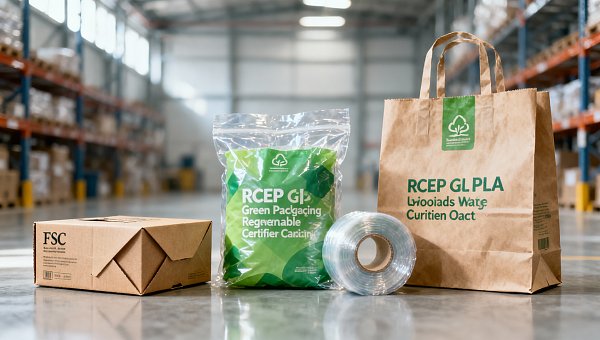
 RCEP Green Packaging Mutual Recognition Takes EffectRCEP Green Packaging Mutual Recognition takes effect Apr 22, 2026—streamline exports to AU, NZ, JP, KR with GB/T 37629–2019 certified molded fiber & PLA packaging.
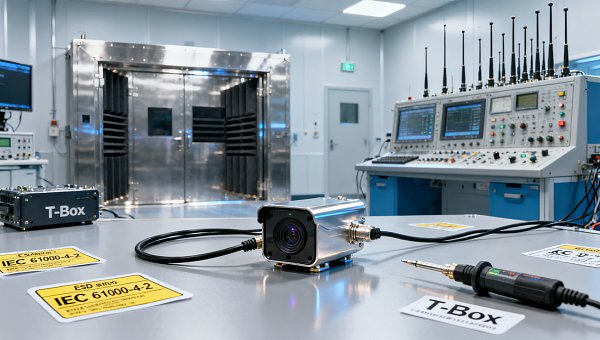
 Mexico NOM-019-SCFI-2026 Effective: EMC Certification Required for Auto Electronics ExportsEMC certification is now mandatory for auto electronics exports to Mexico under NOM-019-SCFI-2026. Ensure compliance for rearview mirrors, radar sensors & T-Box units—avoid shipment delays and order cancellations.
") TÜV Rheinland Updates CE Requirements for Servo Drives (PLd + EMC Joint Validation)TÜV Rheinland now mandates joint PLd + EMC validation for servo drives under CE marking—learn how this impacts certification timelines, lab selection, and EU market access.
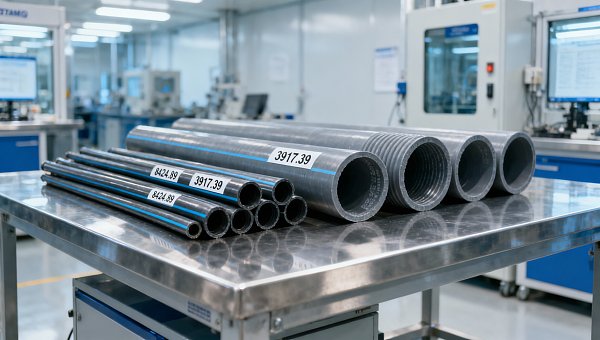
TÜV Rheinland Updates CE Requirements for Servo Drives (PLd + EMC Joint Validation)TÜV Rheinland now mandates joint PLd + EMC validation for servo drives under CE marking—learn how this impacts certification timelines, lab selection, and EU market access. Vietnam Suspends SASO Mutual Recognition for Chinese Irrigation EquipmentVietnam suspends SASO mutual recognition for Chinese irrigation equipment—urgent compliance updates for drip tapes & PE pipes (HS 8424.89/3917.39). Act now to avoid delays.
 FDA Finalizes AI Diagnostic Device Rules for ImportersFDA finalizes AI diagnostic device rules for importers: New bias assessment mandate impacts ultrasound, glucose analyzers & dermatoscopes. Act now to ensure U.S. market access.
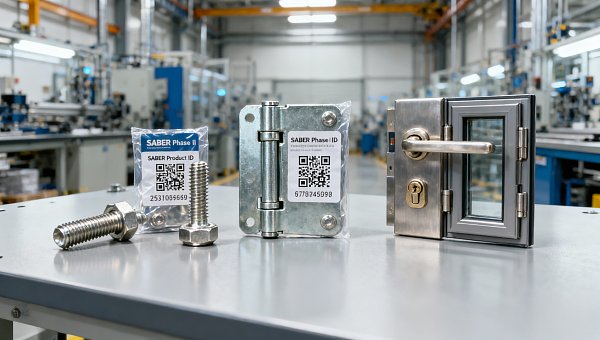
 SABER Phase II Live: Saudi Building Hardware Requires Digital Type Test Reports & PIDSABER Phase II is live: Building hardware exports to Saudi Arabia now require digital type test reports & a mandatory, immutable Product ID (PID). Act now to avoid customs delays!
 IMDG Code 41-24 Enforced: UN3480 Lithium Battery Labeling Mandatory from Apr 2026IMDG Code 41-24 enforcement starts Apr 2026: UN3480 lithium battery labeling & ISO 17363 docs are now mandatory—avoid port rejections!
 CBAM Carbon Tax Launch: Low CBAM Reporting Rate Among Chinese ExportersCBAM Carbon Tax is live—only 36.8% of Chinese exporters reported. Discover why, which industries are at risk, and how to secure EU market access now.
 China’s 10 Agencies Issue AI Export Ethics Review RulesChina’s 10 agencies launch AI export ethics rules—mandating bias reviews for visual inspection, warehouse AI & defect detection systems. Stay compliant & competitive.
 RCEP Green Packaging Mutual Recognition Takes EffectRCEP Green Packaging Mutual Recognition is now in effect—unlock faster customs clearance in Australia, NZ, Japan & Korea for GB/T 37659–2019-certified eco-packaging.
 Mexico NOM-019-SCFI-2026 Effective Apr 10, 2026: EMC Certification Required for Automotive ElectronicsNOM-019-SCFI-2026 EMC certification is now mandatory for automotive electronics entering Mexico — act before the July 1, 2026 customs ban.
 Red Sea Rerouting Normalized, EBA at $1,850/TEURed Sea rerouting normalized with EBA fixed at $1,850/TEU—learn how this structural shift impacts Asia-Europe freight costs, lead times & supply chain strategy.
 FDA AI Diagnostic Device Draft Rules: Bias Assessment for ImportsFDA AI diagnostic device draft rules require bias assessment for imports—learn how portable ultrasound, glucose, and dermatoscopic AI devices are affected & what to do next.
") TÜV Rheinland Updates CE Requirements for Servo Drives (PLd + EMC)TÜV Rheinland updates CE requirements for servo drives: PLd (ISO 13849-1) + EMC immunity (IEC 61000-6-2 Ed.4) now mandatory together — act now to avoid EU market delays!
TÜV Rheinland Updates CE Requirements for Servo Drives (PLd + EMC)TÜV Rheinland updates CE requirements for servo drives: PLd (ISO 13849-1) + EMC immunity (IEC 61000-6-2 Ed.4) now mandatory together — act now to avoid EU market delays! SABER Phase II Launch: Building Hardware Must Submit Digital Type Test Reports & Unique Product IDSABER Phase II now mandates digital type test reports & unique product IDs for building hardware—fasteners, scaffolding, door/window components. Ensure compliance to avoid customs rejection & SCOC delays.
 Vietnam Suspends SASO Mutual Recognition for Chinese Irrigation EquipmentVietnam suspends SASO mutual recognition for Chinese irrigation equipment—TCVN testing now mandatory. Act now to avoid 8–12 week delays and customs holdups.
 IMDG Code 41-24 Enforced: UN3480 Lithium Battery Labeling UpdateIMDG Code 41-24 enforcement starts April 2026: UN3480 lithium battery labeling updates are mandatory for global maritime shipments — avoid port delays, detention & penalties.
 EU CBAM Enters Full Enforcement on Jan 1, 2026EU CBAM full enforcement starts Jan 1, 2026 — mandatory quarterly reporting & certificate purchases for batteries, steel, cement, aluminum, fertilizers & chemicals. Act now to ensure EU market access.
 EU CBAM Carbon Tariff Starts Oct 2026 for Chinese Battery, Cement, Chemical ExportsEU CBAM carbon tariff hits Chinese battery, cement & chemical exports from Oct 2026 — mandatory emissions reporting starts now. Avoid €98/t default fees.

















Popular Tags
Global Trade Insights & Industry
Our mission is to empower global exporters and importers with data-driven insights that foster strategic growth.
Search News
Popular Tags
Industry Overview
The global commercial kitchen equipment market is projected to reach $112 billion by 2027. Driven by urbanization, the rise of e-commerce food delivery, and strict hygiene regulations.