

Why Some Sheet Metal Fabrication Quotes Look Cheap at First
At first glance, a low quote for sheet metal fabrication can seem like a smart buy—especially when buyers are also comparing benchmarks like 3D printing price, car batteries price, or MRI scanners cost across an online trade platform. But behind the numbers, material grade, tolerances, tooling, finishing, and hidden service fees can quickly reshape the true value. Understanding these details helps procurement teams avoid costly surprises and make better sourcing decisions.
Why do some sheet metal fabrication quotes look cheap in the first place?
A low sheet metal fabrication quote usually reflects what is included, what is excluded, and what has been simplified. In B2B sourcing, two suppliers may quote the same drawing but interpret the scope differently. One may price only raw cutting and bending, while another includes engineering review, tooling checks, surface finishing, inspection records, and export packing. The headline number looks attractive, but the final landed cost may move significantly once those missing items are added.
This matters across the broader industrial buying cycle. Information researchers, procurement officers, commercial evaluators, and distributors often compare sheet metal fabrication quotes the same way they compare 3D printing price or car batteries price on a trade platform. The challenge is that fabricated metal parts are highly specification-sensitive. A difference of ±0.5 mm versus ±0.1 mm, a finish upgrade from powder coating to plating, or a change from mild steel to stainless steel can alter cost, lead time, and rejection risk within 7–15 working days.
In practical sourcing, “cheap” may come from four common sources: lower material grade, wider tolerances, incomplete process coverage, or unpriced downstream services. It can also result from assumptions about order volume. A supplier may quote aggressively for 5,000 units but the buyer actually needs 300 units in the first batch. The price gap is not always a warning sign, but it always deserves technical and commercial review before approval.
For cross-border buyers, the issue is even more important because freight, repacking, customs documents, and nonconformance handling can amplify small quote omissions. A sourcing decision based only on the initial number can create a chain of hidden costs later in the project.
The most common reasons a quote appears lower
- Material is priced as a lower grade or thinner gauge than the buyer expects, such as commercial-grade steel instead of a specified corrosion-resistant option.
- Tolerance assumptions are loose, reducing machining, setup, inspection, and scrap control costs.
- Secondary processes such as deburring, tapping, welding cleanup, powder coating, silk screening, and assembly are excluded.
- Tooling, sample validation, packaging, and documentation are treated as separate charges rather than included in the base quote.
Which cost elements usually change the real price?
A sheet metal fabrication quote should be read as a structured cost model, not just a unit price. Buyers who understand the cost drivers can compare suppliers more accurately and reduce re-quotation cycles. In most industrial projects, the real price is shaped by 5 key categories: material, fabrication process, tooling and setup, finishing and inspection, and logistics or commercial handling.
Material is often the first source of misunderstanding. Stainless steel, aluminum, galvanized steel, cold rolled steel, and copper alloys all behave differently in cutting, bending, welding, and finishing. Thickness also matters. A change from 1.0 mm to 2.0 mm is not a simple doubling of material use; it may affect laser speed, press brake tonnage, bend radius limits, and packaging weight. When the quote does not specify alloy, temper, finish, or thickness tolerance, comparison becomes unreliable.
Process complexity adds another layer. A flat bracket with 2 bends and 4 holes is fundamentally different from a housing with 16 bends, PEM fasteners, welded corners, and cosmetic coating. Even if both parts fit in the same carton, setup hours, inspection effort, and failure risk are different. For low-volume orders, setup can represent a significant portion of total cost over a 1–3 batch launch period.
Commercial services also matter. Buyers often focus on manufacturing cost but overlook PP samples, dimensional reports, certificate requests, export cartons, barcode labels, pallet standards, and payment terms. These services affect total procurement economics, especially for distributors and agents managing multiple SKUs across several markets.
A practical cost breakdown for quote review
The table below helps procurement teams identify where an apparently cheap sheet metal fabrication quote may differ from a complete commercial offer.
When buyers review quotes through this lens, price differences become easier to explain. A supplier is not necessarily expensive because the number is higher; the supplier may simply be pricing the full manufacturing and delivery reality from day one.
Three signs the quote needs clarification
- The quotation references a drawing number but does not list material grade, thickness, finish, or tolerance assumptions.
- The lead time is unusually short, such as 3–5 days, for parts that clearly need tooling, finishing, and export packing.
- The unit price changes dramatically between 100, 500, and 1,000 pieces without explanation of setup recovery or process optimization.
How should buyers compare sheet metal fabrication quotes fairly?
A fair comparison starts with quote normalization. This means aligning scope, assumptions, and commercial terms before judging the price. In sourcing teams, one buyer may focus on unit cost while another cares more about delivery risk or complaint handling. Without a common comparison framework, low quotes can win internally even when they carry higher downstream cost.
For practical procurement, compare at least 6 dimensions: material compliance, process completeness, tolerance capability, sample and inspection support, packaging standard, and lead-time commitment. If the project is export-oriented, add document readiness and communication responsiveness. These factors are especially relevant for distributors and agents who need repeatability across multiple customer accounts rather than just a one-time purchase.
Volume should be reviewed separately. A supplier may be very competitive for medium or large runs but not for prototypes or bridge production. For example, laser cutting plus CNC bending may suit 50–500 units, while progressive tooling becomes more economical at much higher annual demand. If the procurement cycle includes prototype, pilot, and mass production in 3 stages, the cheapest quote for one stage may be the wrong long-term choice.
Commercial evaluators should also assess communication quality. If a supplier does not ask clarifying questions about burr direction, coating thickness, flatness, or weld appearance, the low quote may be based on risky assumptions rather than real capability.
A quote comparison table for procurement teams
Use the following comparison framework when evaluating sheet metal fabrication quotes from multiple vendors on a B2B sourcing platform.
A structured comparison reveals the true sourcing position of each supplier. In many cases, the “lowest” quote becomes mid-range after normalization, while the “higher” quote proves more stable for ongoing procurement.
Five practical checks before approving a low quote
- Request a marked-up drawing or process note showing what is included and excluded.
- Confirm whether the quoted price is valid for prototype, pilot, or repeat production volume.
- Ask whether fixtures, tooling wear, or hardware insertion costs are one-time or recurring.
- Verify packaging method, especially if parts have cosmetic surfaces or sharp edges.
- Clarify nonconformance handling time, such as replacement, rework, or credit within an agreed service window.
What technical and compliance details are often overlooked?
In sheet metal fabrication sourcing, technical omissions often create bigger losses than the original price gap. A buyer may save on the quote but lose time through fit issues, coating defects, or incomplete documentation. This is especially relevant for components used in enclosures, medical device housings, electrical cabinets, automotive support parts, retail displays, and industrial brackets where dimensional consistency and surface condition matter.
Tolerance control is a typical example. Not every feature needs precision, but critical interfaces do. Hole position, bend angle, flatness, and thread quality can affect assembly yield. If the supplier quotes using general workshop tolerance but the application needs tighter control on 3–5 key dimensions, the apparent savings can disappear in inspection time, field fitting, or assembly line delay.
Finishing requirements are another blind spot. Powder coating, zinc plating, anodizing, brushing, and passivation each carry different cost and performance implications. Buyers should define color reference, texture, coating thickness range when relevant, masking areas, and cosmetic side requirements. Otherwise, a lower-cost finish may meet the quote but fail the commercial expectation.
Documentation and compliance should also be addressed early. Depending on product type and destination market, buyers may need material traceability, coating declarations, packaging labels, inspection reports, or supplier process records. These are normal commercial and technical controls in global trade, and they should be reflected in quotation discussions rather than added later under time pressure.
Technical checkpoints that deserve written confirmation
Before sample approval
- Confirm material grade, thickness, grain direction if relevant, and acceptable substitutions.
- Identify 3–6 critical dimensions and define the measurement method for each one.
- State the required surface treatment and whether appearance standards apply on one side or all sides.
Before mass production
- Confirm packaging count per carton, palletization method, labeling format, and moisture protection if needed.
- Define inspection frequency, such as first article, in-process checks, and final sampling for repeat orders.
- Agree on the response window for defects, rework decisions, and shipment replacement handling.
For buyers who manage supplier discovery across regions, these details are easier to track through an information platform that combines market intelligence, industrial content, and supplier visibility. GTIIN and TradeVantage support this process by helping decision-makers compare industrial categories, evaluate sourcing signals, and reduce information gaps before commercial engagement begins.
Common misconceptions, FAQ, and what smart buyers do next
Many buyers assume a low quote means operational efficiency or factory scale. Sometimes that is true. But in sheet metal fabrication, low pricing can also reflect narrower scope, optimistic assumptions, or lower service depth. The right question is not “Who is cheapest?” but “Which quote is complete, technically aligned, and commercially sustainable over the next 1–4 order cycles?”
This distinction matters in modern B2B trade, where sourcing decisions are influenced by product visibility, supplier credibility, and the ability to verify information quickly. That is why industry intelligence platforms matter. By aggregating cross-sector data, market updates, and supplier-facing content, GTIIN and TradeVantage help exporters, importers, distributors, and procurement teams make more informed judgments before they commit time to RFQs or negotiation.
For companies trying to build stronger sourcing pipelines or improve global digital exposure, trusted industrial publishing and trade visibility are not side issues. They support better supplier discovery, better buyer confidence, and stronger search presence in competitive manufacturing categories.
Below are several frequently asked questions that often arise when evaluating sheet metal fabrication quotes, especially in international procurement and distribution scenarios.
How can I tell whether a sheet metal fabrication quote is incomplete?
Check whether the quote clearly lists material grade, thickness, finish, tolerance assumptions, process steps, inspection scope, packaging, and lead time. If more than 2–3 of these items are missing, the quote is likely incomplete for fair comparison. A complete RFQ response should also identify exclusions, such as tooling, freight, or documentation charges.
What lead time is common for fabricated sheet metal parts?
Lead time depends on complexity and batch size. Simple sample parts may move in about 7–15 working days, while coated or welded assemblies can take longer, especially when material sourcing or custom packaging is involved. Repeat orders are often faster than first orders because tooling, setup logic, and inspection criteria have already been validated.
Is a higher quote always better for quality?
No. A higher quote is not automatically better. It may include broader service scope, stricter inspection, or more suitable material. The correct approach is to normalize the quotes and compare on the same commercial and technical basis. Some suppliers are genuinely more efficient, but that efficiency should be visible in their assumptions, process clarity, and delivery credibility.
What should distributors and agents focus on when reviewing quotes?
Distributors and agents should prioritize repeatability, labeling, packaging consistency, complaint response time, and the supplier’s ability to support multiple SKUs. Unit price matters, but channel stability often depends more on predictable quality across monthly or quarterly replenishment orders than on a small one-time price advantage.
Why work with us when evaluating industrial sourcing and market visibility?
GTIIN and TradeVantage are built for companies that need more than isolated price checks. We help information researchers, procurement managers, business evaluators, distributors, and global trade teams understand industrial categories in context. That includes market movement, supplier visibility, content credibility, and the commercial signals that influence sourcing decisions across 50+ sectors.
If you are reviewing sheet metal fabrication quotes, expanding into new supply markets, or comparing manufacturing categories such as 3D printing price, car batteries price, and other industrial benchmarks, we can support the information side of that process. Our platform is designed to reduce fragmented research and improve decision quality with structured industrial content and global trade insight.
You can contact us for focused support on supplier discovery, quote comparison research, product category exposure, market trend tracking, backlink-oriented brand visibility, and trade content planning. We can also help clarify what buyers commonly expect around specification confirmation, delivery cycle communication, application positioning, and category-level search presence.
For businesses aiming to strengthen international reach, this means practical help with parameter confirmation, sourcing-oriented content strategy, quotation communication topics, certification-related information framing, sample support messaging, and global brand exposure in industrial search environments. When better information comes first, better procurement and better commercial outcomes usually follow.
Recommended News
 China’s 10-Dept AI Export Ethics Review Rule Takes EffectChina’s new 10-dept AI export ethics rule mandates algorithmic bias review for AI hardware bound for the EU, US, Canada, Japan & SK—key for smart cameras, voice assistants & industrial vision exporters.
 Red Sea Detour Now Standard: $1,850 TEU Premium on Asia-Europe RoutesRed Sea detour premium now standard: $1,850/TEU surcharge embedded in Asia-Europe freight rates — vital intel for exporters, importers & logistics teams.
 RCEP Green Packaging Mutual Recognition Takes EffectRCEP Green Packaging Mutual Recognition takes effect Apr 22, 2026—streamline exports to AU, NZ, JP, KR with GB/T 37629–2019 certified molded fiber & PLA packaging.
 Mexico NOM-019-SCFI-2026 Effective: EMC Certification Required for Auto Electronics ExportsEMC certification is now mandatory for auto electronics exports to Mexico under NOM-019-SCFI-2026. Ensure compliance for rearview mirrors, radar sensors & T-Box units—avoid shipment delays and order cancellations.
") TÜV Rheinland Updates CE Requirements for Servo Drives (PLd + EMC Joint Validation)TÜV Rheinland now mandates joint PLd + EMC validation for servo drives under CE marking—learn how this impacts certification timelines, lab selection, and EU market access.
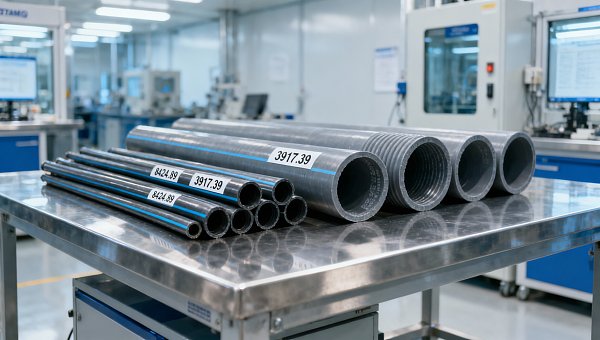
TÜV Rheinland Updates CE Requirements for Servo Drives (PLd + EMC Joint Validation)TÜV Rheinland now mandates joint PLd + EMC validation for servo drives under CE marking—learn how this impacts certification timelines, lab selection, and EU market access. Vietnam Suspends SASO Mutual Recognition for Chinese Irrigation EquipmentVietnam suspends SASO mutual recognition for Chinese irrigation equipment—urgent compliance updates for drip tapes & PE pipes (HS 8424.89/3917.39). Act now to avoid delays.
 FDA Finalizes AI Diagnostic Device Rules for ImportersFDA finalizes AI diagnostic device rules for importers: New bias assessment mandate impacts ultrasound, glucose analyzers & dermatoscopes. Act now to ensure U.S. market access.
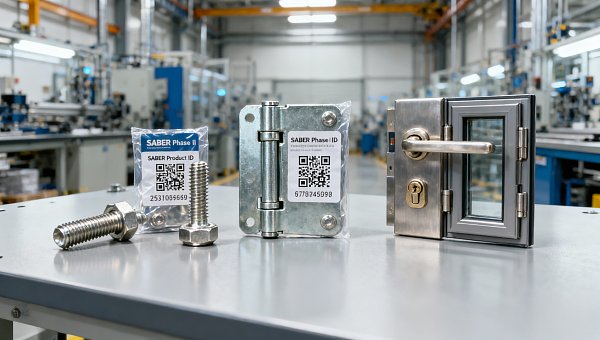
 SABER Phase II Live: Saudi Building Hardware Requires Digital Type Test Reports & PIDSABER Phase II is live: Building hardware exports to Saudi Arabia now require digital type test reports & a mandatory, immutable Product ID (PID). Act now to avoid customs delays!
 IMDG Code 41-24 Enforced: UN3480 Lithium Battery Labeling Mandatory from Apr 2026IMDG Code 41-24 enforcement starts Apr 2026: UN3480 lithium battery labeling & ISO 17363 docs are now mandatory—avoid port rejections!
 CBAM Carbon Tax Launch: Low CBAM Reporting Rate Among Chinese ExportersCBAM Carbon Tax is live—only 36.8% of Chinese exporters reported. Discover why, which industries are at risk, and how to secure EU market access now.
 China’s 10 Agencies Issue AI Export Ethics Review RulesChina’s 10 agencies launch AI export ethics rules—mandating bias reviews for visual inspection, warehouse AI & defect detection systems. Stay compliant & competitive.
 RCEP Green Packaging Mutual Recognition Takes EffectRCEP Green Packaging Mutual Recognition is now in effect—unlock faster customs clearance in Australia, NZ, Japan & Korea for GB/T 37659–2019-certified eco-packaging.
 Mexico NOM-019-SCFI-2026 Effective Apr 10, 2026: EMC Certification Required for Automotive ElectronicsNOM-019-SCFI-2026 EMC certification is now mandatory for automotive electronics entering Mexico — act before the July 1, 2026 customs ban.
 Red Sea Rerouting Normalized, EBA at $1,850/TEURed Sea rerouting normalized with EBA fixed at $1,850/TEU—learn how this structural shift impacts Asia-Europe freight costs, lead times & supply chain strategy.
 FDA AI Diagnostic Device Draft Rules: Bias Assessment for ImportsFDA AI diagnostic device draft rules require bias assessment for imports—learn how portable ultrasound, glucose, and dermatoscopic AI devices are affected & what to do next.
") TÜV Rheinland Updates CE Requirements for Servo Drives (PLd + EMC)TÜV Rheinland updates CE requirements for servo drives: PLd (ISO 13849-1) + EMC immunity (IEC 61000-6-2 Ed.4) now mandatory together — act now to avoid EU market delays!
TÜV Rheinland Updates CE Requirements for Servo Drives (PLd + EMC)TÜV Rheinland updates CE requirements for servo drives: PLd (ISO 13849-1) + EMC immunity (IEC 61000-6-2 Ed.4) now mandatory together — act now to avoid EU market delays! SABER Phase II Launch: Building Hardware Must Submit Digital Type Test Reports & Unique Product IDSABER Phase II now mandates digital type test reports & unique product IDs for building hardware—fasteners, scaffolding, door/window components. Ensure compliance to avoid customs rejection & SCOC delays.
 Vietnam Suspends SASO Mutual Recognition for Chinese Irrigation EquipmentVietnam suspends SASO mutual recognition for Chinese irrigation equipment—TCVN testing now mandatory. Act now to avoid 8–12 week delays and customs holdups.
 IMDG Code 41-24 Enforced: UN3480 Lithium Battery Labeling UpdateIMDG Code 41-24 enforcement starts April 2026: UN3480 lithium battery labeling updates are mandatory for global maritime shipments — avoid port delays, detention & penalties.
 EU CBAM Enters Full Enforcement on Jan 1, 2026EU CBAM full enforcement starts Jan 1, 2026 — mandatory quarterly reporting & certificate purchases for batteries, steel, cement, aluminum, fertilizers & chemicals. Act now to ensure EU market access.
 EU CBAM Carbon Tariff Starts Oct 2026 for Chinese Battery, Cement, Chemical ExportsEU CBAM carbon tariff hits Chinese battery, cement & chemical exports from Oct 2026 — mandatory emissions reporting starts now. Avoid €98/t default fees.



















Popular Tags
Global Trade Insights & Industry
Our mission is to empower global exporters and importers with data-driven insights that foster strategic growth.
Search News
Popular Tags
Industry Overview
The global commercial kitchen equipment market is projected to reach $112 billion by 2027. Driven by urbanization, the rise of e-commerce food delivery, and strict hygiene regulations.