

Organic fertilizers: when higher cost brings better soil results
Organic fertilizers often cost more upfront, but many consumers are discovering that the long-term benefits can outweigh the price. From improving soil structure to supporting healthier plant growth, these natural inputs may deliver lasting value in home gardens and small-scale farming. Understanding when higher cost leads to better soil results can help buyers make smarter, more sustainable choices.
Why are Organic fertilizers usually more expensive, and does that higher price always mean better results?
The first question most buyers ask is simple: if Organic fertilizers cost more per bag or per kilogram, what exactly are they paying for? In many retail and small-farm settings, the price reflects slower production cycles, raw material sourcing, composting or fermentation time, lower nutrient concentration by volume, and more complex storage and transport conditions. A synthetic fertilizer may deliver a high nitrogen number quickly, while an organic option often delivers a broader soil-building effect over 4 to 12 weeks instead of just a fast visual response.
That does not mean every higher-priced product is automatically better. The real value of Organic fertilizers depends on soil condition, crop type, watering habits, local climate, and user expectations. For example, a consumer growing leafy greens in containers for one short season may focus on speed, while a homeowner improving compacted garden beds over 2 to 3 seasons may benefit much more from organic matter, microbial support, and reduced nutrient leaching.
In practical terms, the buyer is not only purchasing nutrients. They are often purchasing carbon-rich material, better soil texture, improved moisture retention, and a more gradual feeding pattern. In sandy soils, that difference can be noticeable within one growing cycle. In depleted soils, meaningful improvement often becomes clearer after 6 to 18 months of repeated use.
What are consumers really paying for?
When comparing labels, it helps to separate immediate plant feeding from long-term soil performance. Organic fertilizers often contain lower NPK numbers, but they may also contribute humus-forming material and support the biological activity that helps roots access nutrients naturally. That is especially valuable in home gardens where soil is reused year after year rather than replaced each season.
- Raw material quality, such as composted manure, plant meal, seaweed, bone meal, or blended organic inputs
- Processing time, which may range from several weeks to several months
- Lower risk of nutrient burn when used at recommended rates
- Added value for soil structure, especially in beds with poor drainage or low organic matter
A quick comparison helps clarify the cost question
The table below compares common differences consumers notice when choosing between Organic fertilizers and conventional synthetic feeding options.
The key takeaway is that price alone does not tell the full story. Organic fertilizers make the most financial sense when the buyer values both plant nutrition and soil improvement. If the goal is only a short-term visual boost, the premium may feel unnecessary. If the goal is stronger soil year after year, the higher cost can become easier to justify.
When do Organic fertilizers produce better soil results for home gardens and small-scale growers?
Organic fertilizers tend to show their best performance in soils that need rebuilding, not just feeding. That includes compacted urban garden soil, sandy beds that dry too fast, raised beds used continuously, and small plots where repeated chemical feeding has not improved tilth or water-holding capacity. In these settings, the organic matter component can matter as much as the nutrient content.
Consumers often notice the greatest benefits over 2 or more growing cycles. During the first season, changes may appear as steadier moisture levels, easier digging, and less nutrient shock. By the second season, root development and plant resilience can become more visible, especially for tomatoes, herbs, fruiting vegetables, flowering borders, and perennial beds.
Organic fertilizers can also perform well where environmental conditions create nutrient loss. In regions with heavy rainfall, nutrients from quick-release products may wash out faster. A slower-release organic formula may reduce the need for frequent reapplication, although exact schedules still depend on product type, soil temperature, and crop demand.
Which situations favor the higher-cost option?
Not every buyer needs to pay more, but certain situations increase the chance that Organic fertilizers will provide better overall value.
- Long-term garden beds used for 2 or more seasons without full soil replacement
- Vegetable plots where flavor, soil health, and balanced growth matter more than rapid size gain
- Sandy or tired soils that benefit from improved moisture retention and organic matter
- Households trying to reduce runoff risk or avoid repeated high-salt fertilizer use
Typical use-case comparison
This simple scenario table helps end consumers judge when higher-cost Organic fertilizers are more likely to generate visible soil results.
This is why many experienced growers treat Organic fertilizers as part of a soil program rather than a one-time input. The benefit becomes clearer when the product is matched to a realistic growing horizon of at least one full season, and often closer to 12 months for meaningful soil recovery.
How can consumers judge whether an Organic fertilizer is worth buying?
A common mistake is to compare products by price only, without checking concentration, application rate, or intended use. One bag may look expensive but require only 1 application every 6 to 8 weeks. Another may seem cheaper but need frequent top-ups. Real cost should be evaluated per season, per square meter, or per planting cycle, not only per package.
Consumers should also look beyond marketing phrases such as “natural” or “eco-friendly.” The more useful questions are practical: Is the product meant for vegetables, flowers, lawns, or general soil conditioning? Is it pelletized, powdered, or liquid? How quickly is it expected to release nutrients? Can it be used in containers, open beds, or both? A product designed for broad-acre soil conditioning may not be ideal for balcony planters.
For many households, the best purchase is not necessarily the strongest formula. It is the one that fits the crop, climate, soil texture, and maintenance routine. Someone who can feed every 7 days may choose differently from someone who prefers an application every 30 to 45 days.
What should you check on the label or product sheet?
Even in a consumer setting, a basic checklist helps avoid poor purchasing decisions. This is especially relevant in global retail and cross-border product sourcing, where packaging styles and terminology can vary.
- Check the nutrient ratio and whether the product is aimed at leafy growth, flowering, rooting, or general use.
- Review the recommended application frequency, such as weekly liquid feeding or granular feeding every 4 to 8 weeks.
- Confirm suitability for edible crops, indoor plants, containers, or outdoor beds.
- Look for storage guidance, odor expectations, and moisture sensitivity, especially for bulk buying.
- Check whether the product is primarily fertilizer, soil amendment, or a blended formula serving both roles.
Consumer buying checklist table
The table below organizes the most useful selection points for buyers comparing Organic fertilizers in stores or online marketplaces.
For end consumers, this checklist can prevent overpaying for branding while missing the details that actually determine performance. In many cases, a mid-priced Organic fertilizer with a clear use guide and sensible dosage delivers better value than a premium product with vague claims.
What are the most common mistakes people make with Organic fertilizers?
One major misconception is assuming “organic” means “use as much as you want.” That is not true. Organic fertilizers can still cause problems if overapplied, poorly timed, or used in unsuitable conditions. Excess material may attract pests, create odor issues, or release nutrients too slowly for a crop with urgent feeding needs.
Another mistake is expecting instant results. Organic fertilizers often work through biological activity, which depends on moisture, temperature, and soil life. In cool soil, nutrient release may slow down. In dry beds, microbes become less active. That means performance can differ significantly between a spring garden at 12°C and a midsummer bed at 24°C.
A third error is using one product for every purpose. A liquid organic feed for herbs is not the same as a granular amendment for fruit trees or a compost-based conditioner for a lawn renovation. Matching form and release rate to the growing system is often more important than chasing the highest organic content claim.
Which warning signs should buyers keep in mind?
Shoppers can reduce risk by paying attention to a few practical warning signs before purchase and during use.
- No clear dosage instructions for pots, beds, or square-meter coverage
- No guidance on timing, such as every 2 weeks versus every 6 weeks
- Claims that sound absolute, such as guaranteed maximum growth in all conditions
- Strong mismatch between product form and intended use, such as dense pellets for tiny indoor containers
FAQ-style problem and response guide
This summary table answers common user concerns in a quick, practical format.
For consumers, the lesson is straightforward: Organic fertilizers are not magic products, but they can be highly effective when expectations, timing, and application methods are realistic. Avoiding these mistakes often matters just as much as selecting the right brand or formulation.
How should buyers think about cost, timing, and long-term value before making a decision?
The most useful way to evaluate Organic fertilizers is to compare total seasonal value instead of shelf price alone. A higher-cost product may still be economical if it reduces application frequency, improves soil for the next season, and lowers the need for additional conditioners. In a home garden of 10 to 30 square meters, even a modest reduction in rework can save both money and labor over time.
Timing is equally important. If a buyer needs a quick correction for visible nutrient deficiency right now, a slow-release organic option may not be the best standalone choice. If the buyer is planning ahead for a 3-month growing cycle or a full-year soil improvement strategy, then the gradual effect becomes more attractive. The decision should match the urgency of the plant need.
For consumers exploring products through global trade platforms, retail channels, or cross-border supply listings, it also helps to ask practical sourcing questions. Delivery lead time can vary from a few days in domestic retail to several weeks in international sourcing. Storage stability, moisture sensitivity, and minimum order size can all affect the real purchasing decision.
What questions should you ask before you buy?
Before choosing among Organic fertilizers, buyers can make a much better decision by clarifying a few points in advance.
- Am I trying to fix an immediate feeding problem or improve soil over the next 6 to 12 months?
- Will I use this in containers, open soil, raised beds, or mixed settings?
- How often am I realistically willing to apply fertilizer during the season?
- Do I need a general formula, or something targeted for vegetables, flowers, or fruiting crops?
- What is the true cost per season after dosage and reapplication are considered?
Why choose us when you need better product insight and sourcing support?
For buyers and businesses navigating the wider market, reliable information matters as much as the product itself. GTIIN and TradeVantage help bridge that gap by aggregating global B2B intelligence, industry updates, and practical market signals across more than 50 sectors. That broader view can be especially useful when comparing Organic fertilizers, reviewing supplier positioning, or understanding how product claims fit into real trade and retail conditions.
If you need support beyond general reading, you can contact us to discuss product selection logic, application scenarios, sourcing direction, delivery cycle expectations, packaging options, sample support, and quotation communication. We also help users and trade-focused businesses assess supplier information, compare market offerings, and identify the details that matter before committing to a purchase or cooperation plan.
When higher cost may lead to better soil results, the real advantage comes from informed decision-making. If you want to confirm parameters, compare Organic fertilizers for different garden uses, understand lead times, or explore a more suitable sourcing path, contact us for a focused discussion built around your actual needs.
Recommended News
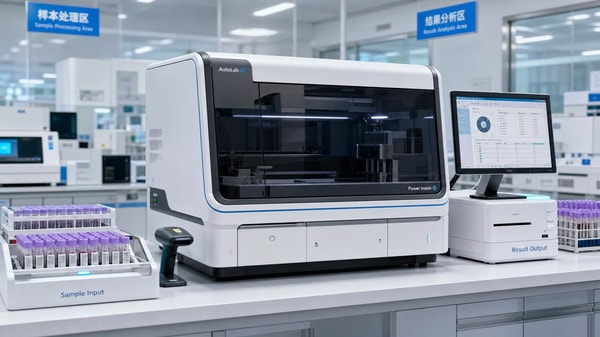
 Medical diagnostic equipment buying mistakes often start with workflowMedical diagnostic equipment buying mistakes often begin with workflow gaps. Learn how to compare systems, uncover hidden costs, and choose suppliers that fit real clinical operations.
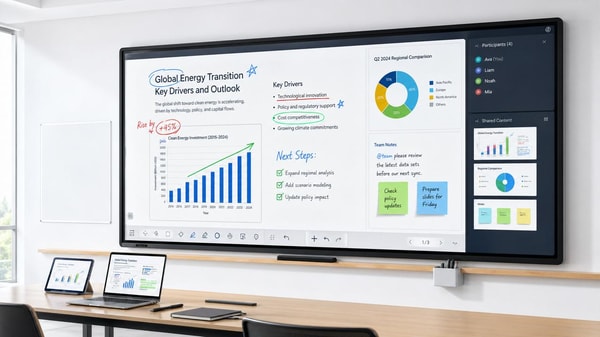
 Interactive whiteboards are improving, but teacher adoption is unevenInteractive whiteboards are improving fast, but teacher adoption remains uneven. Explore what drives classroom success, ROI, and smarter edtech implementation.
 Portable oxygen concentrators: what noise levels feel acceptable?Portable oxygen concentrators: discover what noise levels feel acceptable for sleep, travel, work, and home use, with practical guidance to choose a quieter, more comfortable model.
 Car electronics failures often start with power instabilityCar electronics issues often begin with hidden power instability. Learn how voltage drops, ripple, and weak grounds cause faults—and how smarter diagnostics cut repair time and repeat failures.
 Telemedicine hardware works best when setup friction is lowTelemedicine hardware works best with low setup friction. Discover how faster deployment, easier operation, and scenario-based selection improve care efficiency and service quality.
 Are light-weighting vehicle materials worth the repair tradeoff?Light-weighting vehicle materials: Are efficiency gains worth higher repair costs? Explore lifecycle impact, EV value, downtime risks, and smarter sourcing decisions.
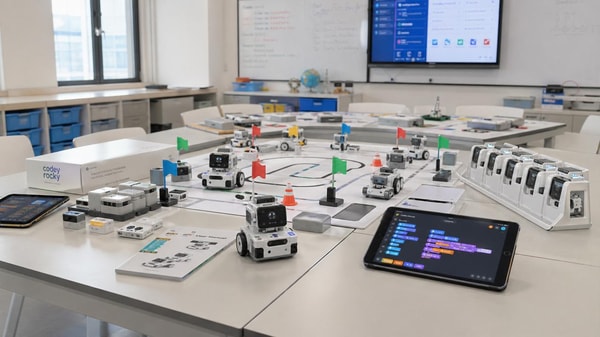
 Educational robots in class: novelty or lasting value?Educational robots are moving beyond classroom novelty. Discover how they create lasting value through STEM learning, scalability, and smarter school purchasing decisions.
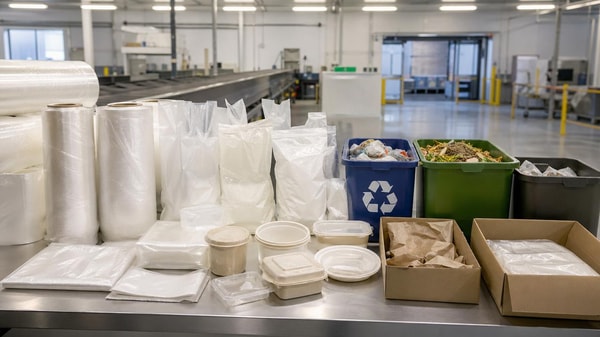
 Biodegradable plastics fail when disposal assumptions are wrongBiodegradable plastics can fail when real disposal systems do not match design assumptions. Learn the compliance, contamination, and claim risks before they damage trust.
 Office stationery wholesale margins depend on boring detailsOffice stationery wholesale margins are won in the details—packaging, MOQ, freight, and SKU rotation. Learn how distributors protect profit and reduce hidden cost leakage.
 Carbon capture materials are improving, but durability still mattersCarbon capture materials are improving, but durability still decides ROI. Explore cycle stability, regeneration resilience, and supplier evaluation factors for reliable industrial deployment.
 Which graphene applications in industry are moving beyond pilots?Graphene applications in industry are moving beyond pilots fastest in coatings, composites, thermal management, sensors, and energy storage. See where commercialization is gaining traction.
 Precision farming drones need better data, not just better flight timePrecision farming drones deliver more value through accurate maps, crop insights, and faster decisions than longer flight time alone. See how better data improves farm efficiency.
 Smart classroom solutions often disappoint for one simple reasonSmart classroom solutions often fail when complexity is ignored. Discover how project leaders can improve adoption, scalability, ROI, and long-term classroom performance.
 Organic fertilizers: when higher cost brings better soil resultsOrganic fertilizers may cost more, but they can improve soil structure, moisture retention, and long-term plant health. Learn when the higher price delivers better garden results.
 Agri-PV systems can raise land efficiency, but not everywhereAgri-PV systems can improve land efficiency, but only in the right conditions. Explore where they work, key risks, and how to evaluate profitable deployment.
 Smart home devices wholesale gets risky when standards do not matchSmart home devices wholesale becomes risky when standards, protocols, and certifications do not align. Learn how to reduce sourcing errors, control costs, and protect buyer trust.
 Wearable technology users quit when comfort is overlookedWearable technology users quit when comfort is ignored. Discover the checklist for fit, weight, skin safety, and long-term wear to choose devices that improve adoption and user satisfaction.
 Next-gen wireless charging still faces a heat management gapNext-gen wireless charging still faces a critical heat management gap. Explore how thermal risks affect efficiency, safety, lifecycle, and product readiness.
 Foldable screen technology looks mature until repair costs appearFoldable screen technology looks premium and practical, but are repair costs too high? Discover the real tradeoff between innovation, durability, and long-term value before you buy.
 Plant-based protein processing bottlenecks start after extractionPlant-based protein processing bottlenecks often begin after extraction. Discover downstream risks, supplier evaluation tips, and cost-saving insights for better sourcing decisions.
 Photovoltaic solar panels lose value when degradation is underestimatedPhotovoltaic solar panels can lose value fast when degradation is underestimated. Learn how realistic modeling protects ROI, asset valuation, and smarter solar investment decisions.










Popular Tags
Global Trade Insights & Industry
Our mission is to empower global exporters and importers with data-driven insights that foster strategic growth.
Search News
Popular Tags
Industry Overview
The global commercial kitchen equipment market is projected to reach $112 billion by 2027. Driven by urbanization, the rise of e-commerce food delivery, and strict hygiene regulations.