

Foldable screen technology looks mature until repair costs appear
Foldable screen technology has reached a point where it looks polished, premium, and almost mainstream. Devices are thinner than early models, displays are brighter, hinges feel smoother, and durability claims sound more reassuring than ever. But for many consumers, the real question is no longer whether foldables are impressive. It is whether they remain a smart purchase once repair costs, warranty limits, and long-term reliability enter the picture.
The short answer is this: foldable phones are technologically mature enough to use with confidence for many buyers, but they are not yet financially mature in the same way as conventional smartphones. A foldable can deliver genuine benefits in productivity, portability, and novelty. Yet one damaged inner screen, one hinge issue, or one out-of-warranty failure can quickly turn a premium purchase into an expensive lesson.
That gap between engineering progress and ownership reality is exactly what consumers need to understand before buying. The best decision is not simply choosing the newest foldable. It is judging whether the value of a larger flexible display outweighs the higher risk of repair, the more delicate structure, and the possibility of shorter practical lifespan compared with a traditional flagship phone.
What are buyers really trying to find out before buying a foldable?
When people search for information about Foldable screen technology, they are usually not looking for a broad history lesson. They want a practical answer to a simple concern: is foldable tech finally reliable enough to justify the price, especially when something breaks? Most consumers are standing at the edge of a purchase decision. They are curious, interested, and perhaps impressed by the design, but they are also worried about hidden ownership costs.
That means the core search intent is transactional and evaluative at the same time. Buyers want help comparing promise versus risk. They want to know whether today’s foldables are durable in everyday use, whether the crease or hinge gets worse over time, whether repairs are painfully expensive, and whether an extended warranty is practically mandatory rather than optional.
For end consumers, the most useful content is not marketing language about innovation. It is honest guidance on durability, repair pricing, resale value, warranty fine print, and who should or should not buy one right now. In other words, the real issue is not whether foldables work. It is whether they make financial and practical sense after the excitement of unboxing fades.
Why foldable phones feel mature now
There is a reason foldables now attract serious attention instead of just curiosity. Hardware has improved in visible ways. Devices are slimmer, lighter, and easier to carry. Hinges feel more refined, and the outer displays on many models are now large enough to use like a normal smartphone. That removes one of the biggest usability complaints from early generations.
Display quality has also improved. Colors are richer, brightness is stronger, and touch responsiveness feels more natural than before. In day-to-day use, many modern foldables no longer feel like prototypes. They feel premium. For tasks such as multitasking, reading, watching video, browsing documents, or managing travel and work apps, the larger unfolded screen can deliver a real upgrade over standard phones.
Manufacturers have also improved durability messaging. Water resistance has become more common. Hinge structures are marketed as stronger. Ultra-thin glass layers and protective film systems sound more advanced. Taken together, these improvements make foldables appear mature enough for mainstream use. And in many ways, they are. The problem is that maturity in user experience does not automatically mean maturity in repair economics.
Where the ownership risk begins: the hidden cost of repair
The central consumer concern with Foldable screen technology is not usually the purchase price alone. Premium buyers are often already prepared for a high upfront cost. What catches them off guard is the repair bill after a drop, pressure damage, display failure, or hinge-related problem. A foldable device can be expensive to fix in a way that feels disproportionate even in the flagship category.
The inner flexible display is the biggest reason. Unlike a standard slab phone screen, the foldable inner panel is part of a more complex structure involving flexible layers, protective materials, and precise integration with the hinge area. Damage is not always limited to a simple glass replacement. In some cases, a repair may involve replacing a costly display assembly, which pushes service pricing far above what many consumers expect.
Even when the problem seems minor, repair pathways can be limited. Some issues cannot be handled by small local shops with confidence, especially if genuine parts are restricted or specialized tools are required. That means owners may depend heavily on authorized service channels. While this can improve repair quality, it can also increase cost, turnaround time, and inconvenience.
Why foldable repairs cost more than most consumers expect
Consumers often underestimate repair costs because they compare foldables with traditional phones. That comparison is understandable but incomplete. Conventional flagship phones may also be expensive to repair, yet their structure is more familiar, their replacement parts are often more widely available, and independent repair ecosystems are better developed. Foldables still sit in a more specialized category.
Another factor is lower scale. While foldables are growing in popularity, they still do not ship at the same volume as standard smartphones. Lower volume can mean higher component costs and fewer repair efficiencies. Manufacturers may also price parts conservatively because flexible displays and hinge systems remain premium components with tighter engineering tolerances.
Then there is the uncertainty factor. A cracked outer screen on a normal phone is straightforward. But with a foldable, a visible issue on the display may be connected to stress around the hinge, pressure points under the panel, or damage to internal layers. That complexity can make diagnosis and repair more expensive. For consumers, the result is simple: the total cost of ownership can be much higher than the launch price suggests.
How durable are modern foldables in everyday use?
This is where nuance matters. Modern foldables are not fragile toys. Many people use them daily without major issues. They survive ordinary commuting, office use, messaging, media consumption, and casual travel. If treated carefully, a current foldable can feel dependable enough for regular life. That is an important point, because outdated assumptions still make some buyers think all foldables fail quickly.
At the same time, they are usually less forgiving than traditional phones. The inner display remains more vulnerable to pressure, sharp objects, and accidental misuse. A conventional phone can often tolerate rougher handling, tighter pockets, or more casual placement on hard surfaces. A foldable asks for more awareness. Even if the hardware has improved, the margin for careless use is still smaller.
Hinges also introduce a different type of long-term concern. They may work well for years, but they are moving mechanical systems in a category where consumers expect reliability similar to sealed slab phones. Dust resistance, long-cycle wear, and impact tolerance are all areas where real-world performance matters more than spec-sheet confidence. So yes, foldables are durable enough for many buyers, but not durable enough to ignore risk.
What should consumers check before buying one?
The most important step is to research the warranty and service policy before comparing camera samples or processor benchmarks. Many buyers do the opposite. They fall in love with the design first and only discover the repair terms after purchase. That is a mistake, because after-sales support is a major part of the value proposition for any foldable device.
Look closely at what the standard warranty covers and what it excludes. Does it include one-time discounted screen replacement? Are accidental drops excluded? Does the manufacturer clearly explain what happens if the protective layer lifts, the crease changes, or pixels fail near the folding area? Ambiguous language should be treated as a warning sign, not a minor detail.
Also check how easy it is to access authorized repair in your region. A good warranty means less if you need to mail the device away for weeks. Buyers should also compare the price of official protection plans. On a foldable, extra coverage may not be an upsell gimmick. It may be one of the smartest parts of the purchase if you intend to keep the device for several years.
Who should buy a foldable right now?
Foldables make the most sense for consumers who will genuinely use the form factor advantage. If you multitask heavily, read long documents, watch a lot of video, use split-screen apps, or want a tablet-like experience without carrying a tablet, the value is real. In that case, the larger screen is not just a novelty. It changes how the device fits into your day.
They also suit early adopters who understand the tradeoff and accept the risk. Some buyers simply enjoy living with new technology and are comfortable paying a premium for it. If that describes you, then a foldable can be a satisfying purchase as long as you budget not only for the device itself but also for protection, careful use, and potential repair.
But foldables are harder to recommend for users who keep phones for many years, hand devices to children, work in rough environments, or strongly prioritize low-cost ownership. For these consumers, even the best Foldable screen technology may still feel too expensive once long-term durability and repair exposure are considered. A conventional premium phone often remains the safer financial choice.
Who should wait a little longer?
If you are interested in foldables mainly because they look futuristic, waiting may be wise. The category is improving fast, and prices, durability, and repair options will likely continue to evolve. Buying later may mean getting a thinner device, stronger hinge, better battery efficiency, and more mature service support at a similar or lower price point.
You should also wait if your buying decision depends on strong resale value. Foldables can lose value quickly when a newer generation addresses visible weaknesses in the previous one. Concerns about screen wear, hinge lifespan, and future repair costs can make secondhand buyers more cautious. That can hurt trade-in confidence more than with established flagship phone formats.
Finally, wait if you know that repair anxiety will overshadow your enjoyment. Some consumers are constantly aware of risk. If you would worry every time the device goes into a bag, every time a child touches it, or every time you hear a small sound from the hinge, then the product may not fit your lifestyle yet. Technology should solve problems, not create daily tension.
How to decide if the premium is worth it
A useful way to evaluate a foldable is to divide the decision into three questions. First, will the larger flexible screen improve your daily use often enough to matter? Second, can you afford not just the purchase but the likely protection plan and a possible expensive repair? Third, are you comfortable accepting more ownership risk than with a conventional flagship phone?
If the answer to all three is yes, then a foldable may be worth buying today. The category is no longer just experimental. For the right user, it can be genuinely productive, enjoyable, and even practical. But if one of those answers is no, the premium may be paying for excitement more than for sensible long-term value.
That is the key consumer lesson. New technology often becomes “mature” in marketing language before it becomes mature in ownership economics. Foldables are approaching the first milestone faster than the second. Buyers should not confuse a refined showroom experience with low-risk long-term value.
Final verdict: mature enough to use, not mature enough to ignore repair reality
Foldable phones have advanced far enough to deserve serious consideration. They are better designed, more usable, and more reliable than early models. For some consumers, they already offer a superior experience. In that sense, Foldable screen technology is no longer a gimmick. It is a real product category with clear strengths.
But the technology still carries a practical warning label. Repair costs remain high, service paths can be restrictive, and long-term ownership risk is still meaningfully above that of traditional smartphones. That does not make foldables a bad purchase. It simply means they should be bought with clearer expectations and more careful financial thinking.
For most consumers, the smartest mindset is neither blind excitement nor blanket skepticism. It is selective optimism. If the form factor brings obvious everyday value to you and you are prepared for the repair reality, a foldable can be worth it. If not, the better choice may be to admire the progress, skip this generation, and wait for the day when innovation and repairability finally mature together.
Recommended News
 Medical diagnostic equipment buying mistakes often start with workflowMedical diagnostic equipment buying mistakes often begin with workflow gaps. Learn how to compare systems, uncover hidden costs, and choose suppliers that fit real clinical operations.
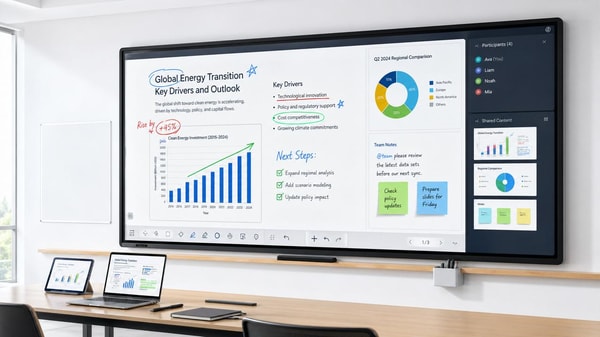
 Interactive whiteboards are improving, but teacher adoption is unevenInteractive whiteboards are improving fast, but teacher adoption remains uneven. Explore what drives classroom success, ROI, and smarter edtech implementation.
 Portable oxygen concentrators: what noise levels feel acceptable?Portable oxygen concentrators: discover what noise levels feel acceptable for sleep, travel, work, and home use, with practical guidance to choose a quieter, more comfortable model.
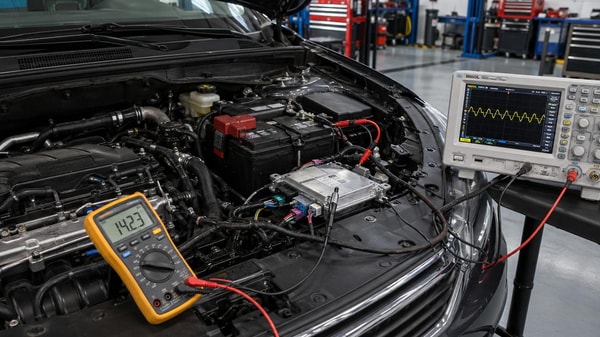
 Car electronics failures often start with power instabilityCar electronics issues often begin with hidden power instability. Learn how voltage drops, ripple, and weak grounds cause faults—and how smarter diagnostics cut repair time and repeat failures.
 Telemedicine hardware works best when setup friction is lowTelemedicine hardware works best with low setup friction. Discover how faster deployment, easier operation, and scenario-based selection improve care efficiency and service quality.
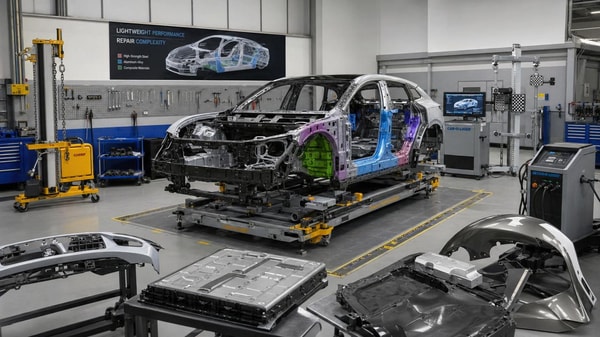
 Are light-weighting vehicle materials worth the repair tradeoff?Light-weighting vehicle materials: Are efficiency gains worth higher repair costs? Explore lifecycle impact, EV value, downtime risks, and smarter sourcing decisions.
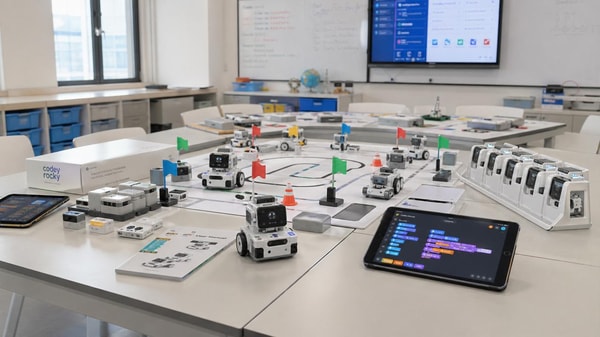
 Educational robots in class: novelty or lasting value?Educational robots are moving beyond classroom novelty. Discover how they create lasting value through STEM learning, scalability, and smarter school purchasing decisions.
 Biodegradable plastics fail when disposal assumptions are wrongBiodegradable plastics can fail when real disposal systems do not match design assumptions. Learn the compliance, contamination, and claim risks before they damage trust.
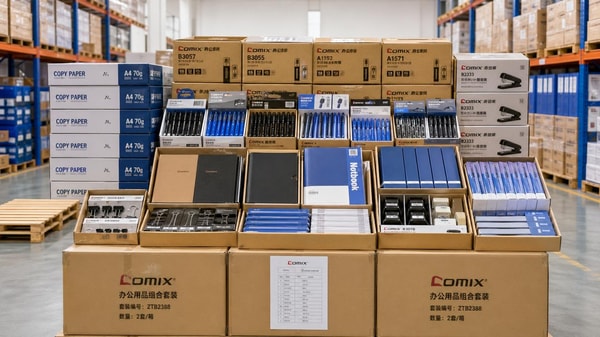
 Office stationery wholesale margins depend on boring detailsOffice stationery wholesale margins are won in the details—packaging, MOQ, freight, and SKU rotation. Learn how distributors protect profit and reduce hidden cost leakage.
 Carbon capture materials are improving, but durability still mattersCarbon capture materials are improving, but durability still decides ROI. Explore cycle stability, regeneration resilience, and supplier evaluation factors for reliable industrial deployment.
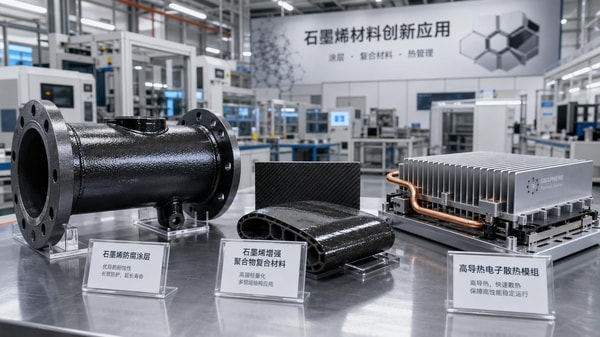
 Which graphene applications in industry are moving beyond pilots?Graphene applications in industry are moving beyond pilots fastest in coatings, composites, thermal management, sensors, and energy storage. See where commercialization is gaining traction.
 Precision farming drones need better data, not just better flight timePrecision farming drones deliver more value through accurate maps, crop insights, and faster decisions than longer flight time alone. See how better data improves farm efficiency.
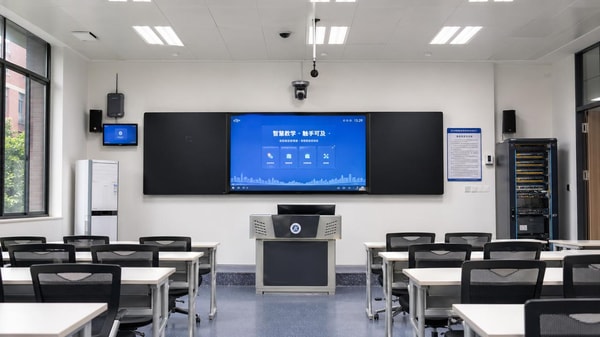
 Smart classroom solutions often disappoint for one simple reasonSmart classroom solutions often fail when complexity is ignored. Discover how project leaders can improve adoption, scalability, ROI, and long-term classroom performance.
 Organic fertilizers: when higher cost brings better soil resultsOrganic fertilizers may cost more, but they can improve soil structure, moisture retention, and long-term plant health. Learn when the higher price delivers better garden results.
 Agri-PV systems can raise land efficiency, but not everywhereAgri-PV systems can improve land efficiency, but only in the right conditions. Explore where they work, key risks, and how to evaluate profitable deployment.
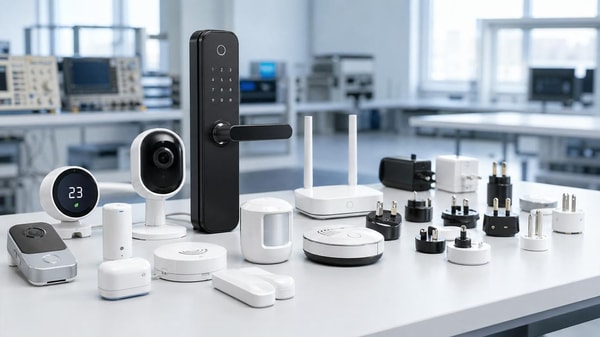
 Smart home devices wholesale gets risky when standards do not matchSmart home devices wholesale becomes risky when standards, protocols, and certifications do not align. Learn how to reduce sourcing errors, control costs, and protect buyer trust.
 Wearable technology users quit when comfort is overlookedWearable technology users quit when comfort is ignored. Discover the checklist for fit, weight, skin safety, and long-term wear to choose devices that improve adoption and user satisfaction.
 Next-gen wireless charging still faces a heat management gapNext-gen wireless charging still faces a critical heat management gap. Explore how thermal risks affect efficiency, safety, lifecycle, and product readiness.
 Foldable screen technology looks mature until repair costs appearFoldable screen technology looks premium and practical, but are repair costs too high? Discover the real tradeoff between innovation, durability, and long-term value before you buy.
 Plant-based protein processing bottlenecks start after extractionPlant-based protein processing bottlenecks often begin after extraction. Discover downstream risks, supplier evaluation tips, and cost-saving insights for better sourcing decisions.
 Photovoltaic solar panels lose value when degradation is underestimatedPhotovoltaic solar panels can lose value fast when degradation is underestimated. Learn how realistic modeling protects ROI, asset valuation, and smarter solar investment decisions.












Popular Tags
Global Trade Insights & Industry
Our mission is to empower global exporters and importers with data-driven insights that foster strategic growth.
Search News
Popular Tags
Industry Overview
The global commercial kitchen equipment market is projected to reach $112 billion by 2027. Driven by urbanization, the rise of e-commerce food delivery, and strict hygiene regulations.