

Plant-based protein processing bottlenecks start after extraction
Plant-based protein processing does not end at extraction—it becomes more complex. For technical evaluators, the real bottlenecks often emerge in downstream stages such as purification, drying, functionality control, and scale-up consistency. Understanding these post-extraction challenges is essential for assessing process efficiency, product quality, and commercial viability in an increasingly competitive protein market.
Why do plant-based protein processing bottlenecks intensify after extraction?
In many sourcing discussions, extraction is treated as the headline step in plant-based protein processing. Yet technical assessment teams know that extraction only creates an intermediate material. The real test begins when that protein slurry, curd, or concentrate must be refined into a stable ingredient with target purity, acceptable flavor, predictable functionality, and scalable production economics.
Post-extraction stages usually involve 4 critical process blocks: separation and washing, concentration, drying, and final functionality adjustment. Each block introduces its own loss points. A process that looks efficient in a pilot run of 20–100 kg may behave very differently at commercial throughput, where residence time, thermal load, shear exposure, and cleaning frequency all increase.
For technical evaluators working across a global B2B supply chain, the challenge is not only technical feasibility but comparability. Different suppliers may describe plant-based protein processing with similar marketing terms while relying on very different downstream designs. One producer may prioritize protein content, another may optimize solubility, while a third may sacrifice functionality to reduce drying cost or shorten a 2–4 week delivery window.
This is where information quality matters. GTIIN and TradeVantage help buyers and industrial decision-makers move beyond surface claims by tracking manufacturing trends, technology shifts, and supplier positioning across 50+ sectors. For technical screening, that broader industry lens helps evaluators judge whether a plant-based protein processing route is commercially realistic, not just technically possible.
- Extraction yield alone does not predict final saleable output.
- Downstream losses can accumulate across 3–5 unit operations.
- Functional consistency often matters more than peak laboratory purity.
- Commercial viability depends on energy use, fouling rate, and batch-to-batch repeatability.
What changes between lab success and industrial reality?
At bench scale, operators can manually correct pH drift, filtration slowdown, or foam formation. At industrial scale, those corrections become system constraints. A membrane line that performs well for 3 hours may show severe flux decline after 8–12 hours of continuous run time. A drying profile that preserves solubility in test lots may create denaturation when inlet temperature, feed solids, and hold time fluctuate in full production.
Technical evaluators should therefore treat plant-based protein processing as a chain of linked tolerances rather than a single extraction event. The more complex the protein source—pea, fava, mung, chickpea, oat, or blended raw materials—the greater the need to evaluate downstream sensitivity, not just upstream recovery.
Which downstream stages create the most risk in plant-based protein processing?
The most common bottlenecks appear after extraction because proteins are then exposed to repeated concentration, phase adjustment, and thermal history. These stages shape whether the ingredient can meet end-use requirements for beverages, meat alternatives, bakery systems, nutrition blends, or hybrid formulations. A technically acceptable concentrate may still fail if sedimentation, off-notes, or poor emulsification appear within 7–30 days of storage.
For procurement and technical review, it helps to map risk by unit operation rather than by broad process description. The table below summarizes where plant-based protein processing commonly encounters losses, instability, or hidden cost burdens during downstream execution.
This breakdown matters because technical buyers often compare suppliers on headline protein percentage while missing process fragility. In practice, a lower-purity ingredient with stronger dispersibility and lower fouling history may deliver better plant performance than a high-purity powder with unstable hydration behavior.
Purification: where yield and purity begin to conflict
After extraction, removing non-protein fractions sounds straightforward, but every wash or separation step risks losing soluble protein. Evaluators should review how suppliers balance purity improvement against total recovery. In some processes, pushing purity upward by a few percentage points can sharply increase water use, centrifuge load, and effluent treatment demands.
Another common issue is lot variability caused by raw material seasonality. Protein from different harvests may respond differently to pH shift, ionic strength, or separation speed. If a supplier cannot explain how plant-based protein processing is stabilized across harvest windows of 3–6 months, consistency risk remains high.
Drying: the stage that can erase earlier gains
Drying often looks like a finishing step, but it can determine whether the ingredient retains value. Excess thermal stress may lower solubility, damage color, or intensify beany notes. Under-drying creates shelf-life and flow issues. Technical teams should ask whether the process target is optimized for storage stability, dispersibility, or downstream blending speed, because these goals are not always aligned.
In high-throughput production, residence time and powder handling are also critical. Sticky or hygroscopic fractions can increase cleaning downtime and reduce effective output over a 24-hour cycle. This is especially important when comparing pilot-friendly technologies with full-scale commercial lines.
Three warning signs for technical screening
- The supplier reports extraction yield but not saleable powder yield after drying and screening.
- Functionality data is limited to one application, such as neutral beverage use only.
- Cleaning intervals, membrane replacement cycles, or batch rejection criteria are not disclosed.
How should technical evaluators compare suppliers and process routes?
A practical supplier review should combine process understanding, application fit, and supply-chain realism. In plant-based protein processing, the best route depends on the end market. A protein intended for ready-to-mix beverages may need fast hydration and low sedimentation. A protein for extruded meat analogues may prioritize water holding and textural response under high shear. One route does not fit all.
Technical evaluators usually benefit from a structured matrix covering at least 5 dimensions: output consistency, application functionality, operating robustness, compliance readiness, and delivery reliability. This approach reduces the risk of selecting a process that performs well on paper but creates recurring formulation or supply interruptions later.
The comparison table below can be used during supplier qualification, pilot validation, or internal procurement review when multiple plant-based protein processing options are under discussion.
The goal is not to force every supplier into the same template, but to reveal process maturity. A supplier that can discuss plant-based protein processing in terms of operating windows, cleaning rhythm, specification drift, and application limits is generally easier to assess than one that only highlights broad sustainability claims.
What should be included in a technical evaluation checklist?
A useful checklist should move from raw material behavior to final use performance. For many B2B teams, the first review can be completed in 6 key checks before requesting trial material or a factory audit.
- Clarify the protein source, seasonal variation pattern, and any blending strategy used to stabilize input quality.
- Review post-extraction unit operations and identify where major yield losses or heat exposure occur.
- Match functionality claims to specific applications rather than generic performance language.
- Check standard documents for food safety, allergens, traceability, and export suitability where relevant.
- Assess normal lead time, minimum order logic, and sample turnaround, often ranging from 7–15 days for evaluation lots.
- Request evidence of scale-up behavior, especially if the supplier moved recently from pilot to commercial production.
This checklist is especially valuable when sourcing internationally, where technical documents, terminology, and commercial assumptions may vary by region. TradeVantage’s role as a global industry intelligence and B2B visibility platform can help teams shortlist suppliers whose market communication, documentation discipline, and export readiness appear aligned with serious industrial buyers.
What hidden costs and compliance issues appear after extraction?
In plant-based protein processing, hidden cost does not always show up in the quoted ingredient price. It often sits in water use, energy demand, filtration maintenance, powder loss, storage sensitivity, and customer-side reformulation work. A lower price per kilogram can become a higher total cost if the ingredient needs extra stabilizers, longer mixing time, or more frequent lot adjustments.
Technical evaluators should also consider compliance readiness early. Requirements vary by destination market and application, but common review points include allergen statements, contaminant controls, traceability records, labeling support, and standard food safety documentation. For export-oriented businesses, incomplete documentation can delay onboarding more than process complexity itself.
The table below highlights cost and compliance issues that are often underestimated when evaluating plant-based protein processing suppliers or technologies.
For cross-border trade, these issues connect directly to commercial timing. A supplier may offer a competitive base cost, but if sample confirmation, document review, and shipment release stretch over 3–5 weeks, launch schedules can slip. That is why market intelligence platforms matter: they help buyers interpret not just technology claims, but supplier responsiveness, positioning, and operational seriousness in a wider industry context.
Common misconceptions that distort cost evaluation
One common mistake is assuming that higher protein content automatically lowers total usage rate. In reality, if solubility is weak or flavor masking is required, formulation cost can increase. Another mistake is treating all concentrates and isolates as interchangeable. The downstream path used in plant-based protein processing strongly affects hydration speed, mouthfeel, and process tolerance in the customer’s plant.
A third misconception is ignoring scale-up history. New capacity announcements do not always mean stable production. Technical teams should ask how long the current line has been running commercially, whether operation is continuous or campaign-based, and how many validation lots have been supplied under normal production conditions.
How can teams use market intelligence to make better plant-based protein processing decisions?
Technical evaluation does not happen in isolation. Ingredient sourcing, application development, compliance review, and commercial launch all intersect. That is why buyers increasingly need both process-level analysis and broader trade intelligence. When a category is evolving quickly, a single supplier conversation rarely reveals whether a claimed advantage is differentiated, common, or already becoming outdated.
GTIIN and TradeVantage support that decision process by aggregating industrial updates, sector trends, and market signals from a global network. For teams assessing plant-based protein processing, this means faster visibility into manufacturing developments, regional shifts in demand, supplier narratives, and competitive positioning across export markets. The result is a stronger basis for pre-qualification and internal investment discussions.
Instead of relying only on isolated product sheets, technical evaluators can compare process maturity, communication quality, and market relevance. That is particularly useful when lead times are compressed, budgets are limited, or internal teams need to justify why one supplier should advance to trial stage while another should remain under observation for 1–2 quarters.
FAQ for technical evaluators
How should plant-based protein processing be evaluated beyond extraction yield?
Review the full chain: purification loss, concentration stability, drying behavior, and final application performance. At minimum, compare 4 areas—saleable yield, specification consistency, functionality in target applications, and operational robustness over extended production runs such as 8–12 hours.
Which applications are most sensitive to downstream processing differences?
Beverages, dairy alternatives, and nutrition systems are highly sensitive because solubility, sedimentation, and flavor carryover become visible quickly. Extruded products and bakery systems may tolerate different protein structures, but they are still affected by water binding, particle profile, and heat history.
What is a realistic sample and evaluation timeline?
For many international B2B projects, sample dispatch and initial technical review may take 7–15 days if documents are ready. If compliance screening, application trials, and cross-functional approval are included, the first meaningful decision cycle often extends to 2–4 weeks.
What should trigger caution during supplier discussions?
Be cautious if a supplier cannot explain downstream bottlenecks, avoids discussing cleaning frequency or line stability, or provides only broad claims about purity and sustainability. In plant-based protein processing, vague answers usually indicate either limited process control or limited readiness for technical B2B buyers.
Why work with us when evaluating suppliers, trends, and sourcing options?
For technical teams, the problem is rarely a lack of data. The problem is fragmented data. GTIIN and TradeVantage bring together market intelligence, sector tracking, and global B2B visibility so you can assess plant-based protein processing with greater speed and context. Instead of reviewing isolated claims, you gain access to a broader picture of manufacturing developments, supplier communication strength, and market-facing credibility.
This is especially valuable for exporters, importers, and industrial buyers operating across multiple regions. When documentation quality, brand exposure, and trust signals influence commercial outcomes, access to a high-authority information platform can improve both supplier discovery and strategic positioning. For foreign trade enterprises, it also supports backlink acquisition, market visibility, and stronger digital presence in competitive international search environments.
If you are screening plant-based protein processing solutions, you can contact us to discuss specific evaluation needs such as parameter confirmation, supplier shortlisting, delivery lead-time comparison, documentation readiness, application-oriented content positioning, and industry trend monitoring across target export markets. We can also help you identify which questions should be raised before requesting samples, audits, or commercial quotations.
For companies seeking stronger market exposure, TradeVantage can support content-driven brand visibility built around real industrial demand signals. That means more than promotion: it means aligning your technical message with what global buyers actually search, compare, and validate before making procurement decisions.
Recommended News
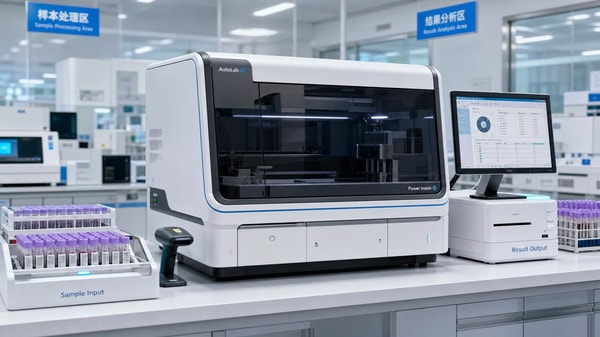
 Medical diagnostic equipment buying mistakes often start with workflowMedical diagnostic equipment buying mistakes often begin with workflow gaps. Learn how to compare systems, uncover hidden costs, and choose suppliers that fit real clinical operations.
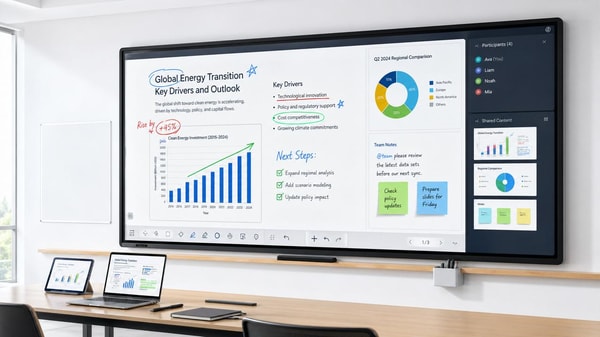
 Interactive whiteboards are improving, but teacher adoption is unevenInteractive whiteboards are improving fast, but teacher adoption remains uneven. Explore what drives classroom success, ROI, and smarter edtech implementation.
 Portable oxygen concentrators: what noise levels feel acceptable?Portable oxygen concentrators: discover what noise levels feel acceptable for sleep, travel, work, and home use, with practical guidance to choose a quieter, more comfortable model.
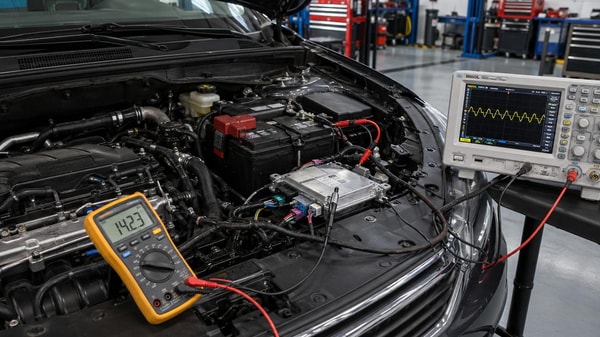
 Car electronics failures often start with power instabilityCar electronics issues often begin with hidden power instability. Learn how voltage drops, ripple, and weak grounds cause faults—and how smarter diagnostics cut repair time and repeat failures.
 Telemedicine hardware works best when setup friction is lowTelemedicine hardware works best with low setup friction. Discover how faster deployment, easier operation, and scenario-based selection improve care efficiency and service quality.
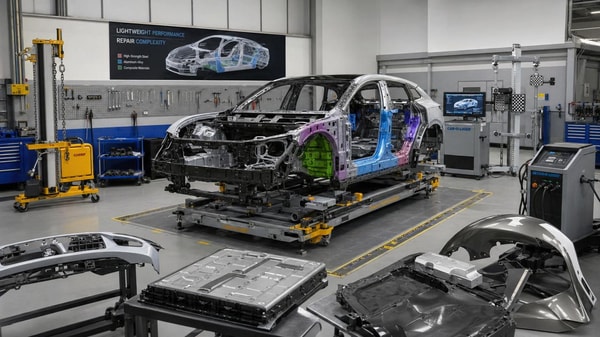
 Are light-weighting vehicle materials worth the repair tradeoff?Light-weighting vehicle materials: Are efficiency gains worth higher repair costs? Explore lifecycle impact, EV value, downtime risks, and smarter sourcing decisions.
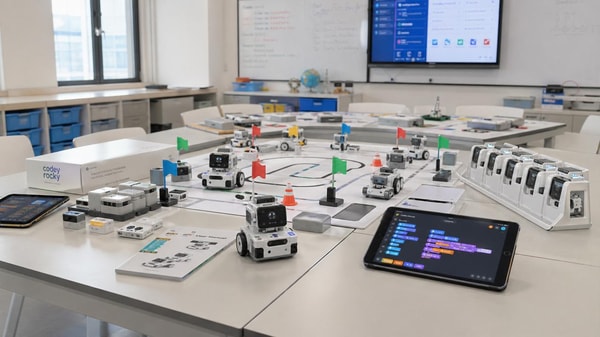
 Educational robots in class: novelty or lasting value?Educational robots are moving beyond classroom novelty. Discover how they create lasting value through STEM learning, scalability, and smarter school purchasing decisions.
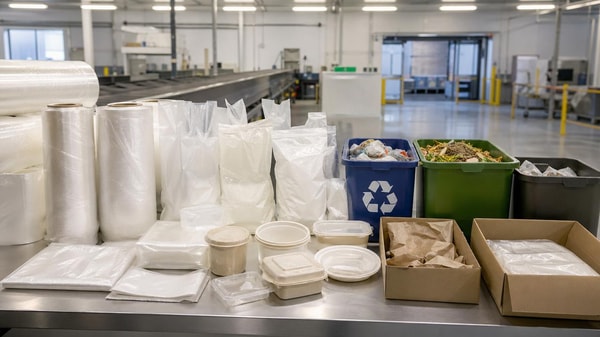
 Biodegradable plastics fail when disposal assumptions are wrongBiodegradable plastics can fail when real disposal systems do not match design assumptions. Learn the compliance, contamination, and claim risks before they damage trust.
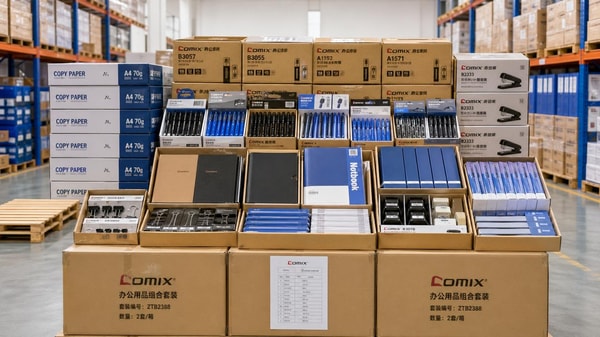
 Office stationery wholesale margins depend on boring detailsOffice stationery wholesale margins are won in the details—packaging, MOQ, freight, and SKU rotation. Learn how distributors protect profit and reduce hidden cost leakage.
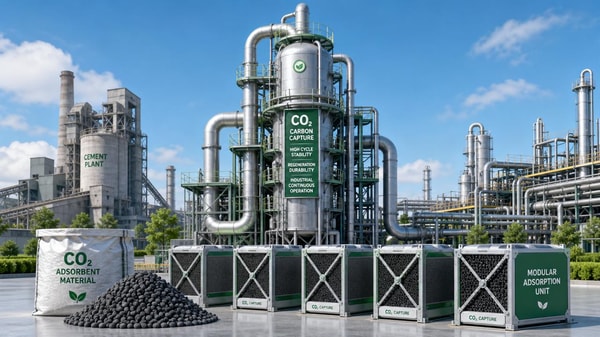
 Carbon capture materials are improving, but durability still mattersCarbon capture materials are improving, but durability still decides ROI. Explore cycle stability, regeneration resilience, and supplier evaluation factors for reliable industrial deployment.
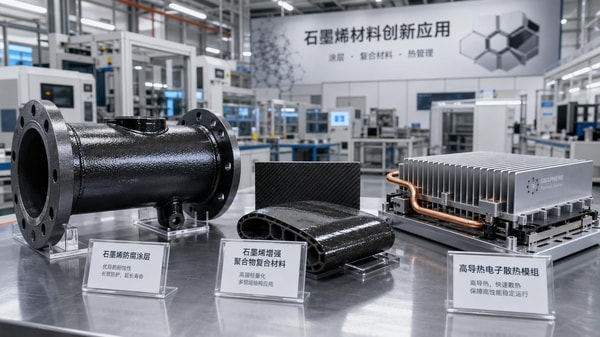
 Which graphene applications in industry are moving beyond pilots?Graphene applications in industry are moving beyond pilots fastest in coatings, composites, thermal management, sensors, and energy storage. See where commercialization is gaining traction.
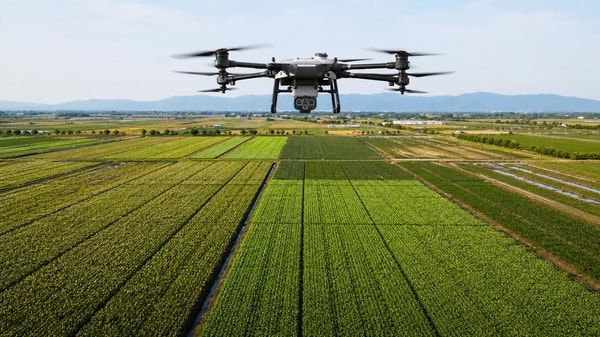
 Precision farming drones need better data, not just better flight timePrecision farming drones deliver more value through accurate maps, crop insights, and faster decisions than longer flight time alone. See how better data improves farm efficiency.
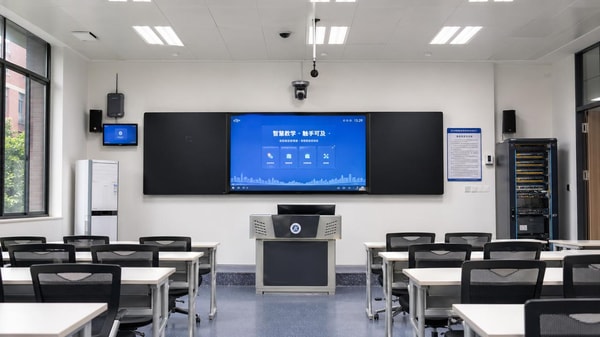
 Smart classroom solutions often disappoint for one simple reasonSmart classroom solutions often fail when complexity is ignored. Discover how project leaders can improve adoption, scalability, ROI, and long-term classroom performance.
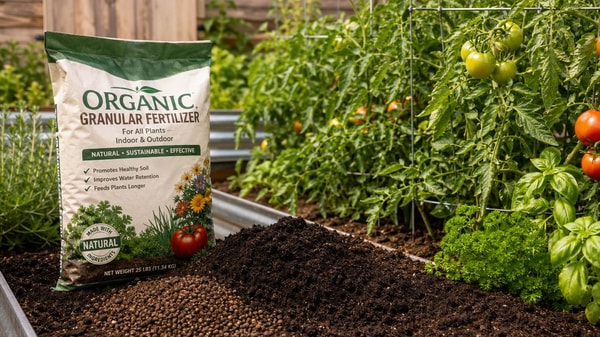
 Organic fertilizers: when higher cost brings better soil resultsOrganic fertilizers may cost more, but they can improve soil structure, moisture retention, and long-term plant health. Learn when the higher price delivers better garden results.
 Agri-PV systems can raise land efficiency, but not everywhereAgri-PV systems can improve land efficiency, but only in the right conditions. Explore where they work, key risks, and how to evaluate profitable deployment.
 Smart home devices wholesale gets risky when standards do not matchSmart home devices wholesale becomes risky when standards, protocols, and certifications do not align. Learn how to reduce sourcing errors, control costs, and protect buyer trust.
 Wearable technology users quit when comfort is overlookedWearable technology users quit when comfort is ignored. Discover the checklist for fit, weight, skin safety, and long-term wear to choose devices that improve adoption and user satisfaction.
 Next-gen wireless charging still faces a heat management gapNext-gen wireless charging still faces a critical heat management gap. Explore how thermal risks affect efficiency, safety, lifecycle, and product readiness.
 Foldable screen technology looks mature until repair costs appearFoldable screen technology looks premium and practical, but are repair costs too high? Discover the real tradeoff between innovation, durability, and long-term value before you buy.
 Plant-based protein processing bottlenecks start after extractionPlant-based protein processing bottlenecks often begin after extraction. Discover downstream risks, supplier evaluation tips, and cost-saving insights for better sourcing decisions.
 Photovoltaic solar panels lose value when degradation is underestimatedPhotovoltaic solar panels can lose value fast when degradation is underestimated. Learn how realistic modeling protects ROI, asset valuation, and smarter solar investment decisions.





Popular Tags
Global Trade Insights & Industry
Our mission is to empower global exporters and importers with data-driven insights that foster strategic growth.
Search News
Popular Tags
Industry Overview
The global commercial kitchen equipment market is projected to reach $112 billion by 2027. Driven by urbanization, the rise of e-commerce food delivery, and strict hygiene regulations.