

Wearable technology users quit when comfort is overlooked
Wearable technology promises convenience, health tracking, and seamless connectivity, but many users stop using it when comfort is ignored. From poor fit and skin irritation to battery weight and awkward design, discomfort quickly turns innovation into frustration. Understanding why comfort matters is essential for improving user satisfaction, long-term adoption, and the real-world value of wearable devices.
Why a checklist approach works better for evaluating wearable technology
For product users and operators, comfort problems with wearable technology are rarely caused by one issue alone. A device may perform well in short demonstrations yet fail after 3 to 7 days of continuous use because pressure points, heat buildup, charging frequency, or strap friction become more noticeable over time. That is why a checklist-based review is more practical than judging a device by features alone.
In many sectors, from consumer wellness to logistics, healthcare support, field service, and light industrial operations, the same pattern appears: users accept limited inconvenience for a few minutes, but not for 8 to 12 hours per shift or for repeated daily wear over 4 to 6 weeks. Wearable technology succeeds only when comfort supports routine behavior instead of interrupting it.
A structured evaluation also helps buyers, supervisors, and end users speak the same language. Rather than saying a product feels “bad” or “bulky,” they can identify measurable factors such as weight range, skin contact area, charging interval, movement restriction, and fit adjustment points. This creates clearer feedback for suppliers and helps businesses avoid costly returns, poor adoption, and underused inventory.
First questions users should ask before accepting any device
- Can the device be worn comfortably for the actual use period, such as 2 hours, 8 hours, or a full workday?
- Does the material touching the skin remain stable under sweat, motion, and temperature changes?
- Is the battery size or charging design adding too much weight in one location?
- Can the wearable technology be adjusted for different body sizes without causing over-tightening?
- Will users need to remove it repeatedly during work, travel, exercise, or machine operation?
These questions matter because wearable technology is used on the body, not beside it. The adoption threshold is therefore higher than for many ordinary digital products. If the product creates distraction every 20 to 30 minutes, users will not care how advanced the sensors or software are.
Core comfort checklist: what must be checked before long-term use
The most useful way to evaluate wearable technology is to break comfort into specific checkpoints. Users often focus on visible design, but the real decision should include pressure distribution, movement compatibility, thermal behavior, and wear duration. A device that looks compact on a table may still feel heavy after 90 minutes on the wrist, head, chest, or waist.
The checklist below can be used by operators, procurement teams, trial users, and product managers. It is especially useful during pilot testing, sample review, and supplier comparison. Instead of relying on one quick fitting session, use the list across at least 2 to 3 operating conditions such as walking, sitting, repetitive arm movement, and moderate perspiration.
The goal is not to find a perfect product. The goal is to identify whether the wearable technology remains acceptable during normal use cycles and whether any discomfort will increase enough to trigger abandonment.
Primary inspection checklist
This checklist shows why comfort in wearable technology is operational, not cosmetic. Even one weak factor can shorten average wear time from a full shift to less than 2 hours. For users, the most reliable signal is cumulative discomfort. If several minor issues appear together, the dropout risk increases quickly.
Quick pass-fail signs during a trial period
- If users loosen or reposition the device more than 3 times per hour, fit is likely not stable enough.
- If skin marks remain for 15 to 30 minutes after removal, pressure may be too concentrated.
- If charging is required more often than the real operating schedule allows, users will perceive the device as burdensome.
- If the device interferes with gloves, eyewear, uniforms, or helmets, adoption will be lower in practical settings.
How comfort priorities change across use scenarios
Not all wearable technology is judged the same way. A smartwatch for casual wellness use, smart glasses for picking operations, and a body-mounted sensor for field service each create different comfort pressures. Users should therefore avoid a generic review and instead match comfort criteria to the environment, wear time, and movement profile.
In low-movement settings such as desk work, heat and static pressure may be more important than impact resistance. In active environments, retention, sweat handling, and freedom of motion become more critical. For devices worn near the head or chest, even a small increase in front-loaded weight can feel more disruptive than the same mass placed elsewhere.
This is one reason why some wearable technology pilots look successful in meetings but fail during deployment. A 20-minute demo cannot represent 6 to 10 hours of repetitive use, equipment interaction, and environmental exposure.
Scenario-based comfort priorities
Recommended News
 Medical diagnostic equipment buying mistakes often start with workflowMedical diagnostic equipment buying mistakes often begin with workflow gaps. Learn how to compare systems, uncover hidden costs, and choose suppliers that fit real clinical operations.
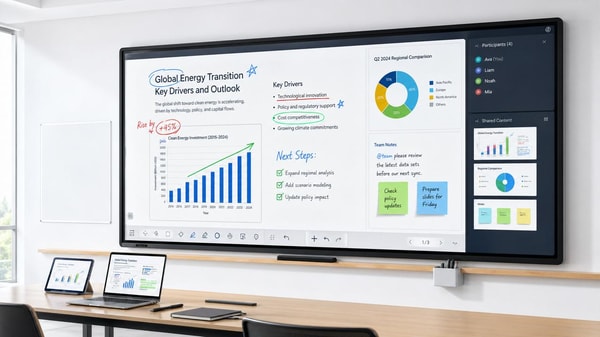
 Interactive whiteboards are improving, but teacher adoption is unevenInteractive whiteboards are improving fast, but teacher adoption remains uneven. Explore what drives classroom success, ROI, and smarter edtech implementation.
 Portable oxygen concentrators: what noise levels feel acceptable?Portable oxygen concentrators: discover what noise levels feel acceptable for sleep, travel, work, and home use, with practical guidance to choose a quieter, more comfortable model.
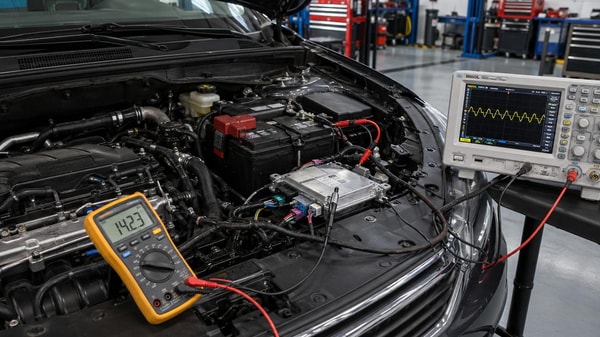
 Car electronics failures often start with power instabilityCar electronics issues often begin with hidden power instability. Learn how voltage drops, ripple, and weak grounds cause faults—and how smarter diagnostics cut repair time and repeat failures.
 Telemedicine hardware works best when setup friction is lowTelemedicine hardware works best with low setup friction. Discover how faster deployment, easier operation, and scenario-based selection improve care efficiency and service quality.
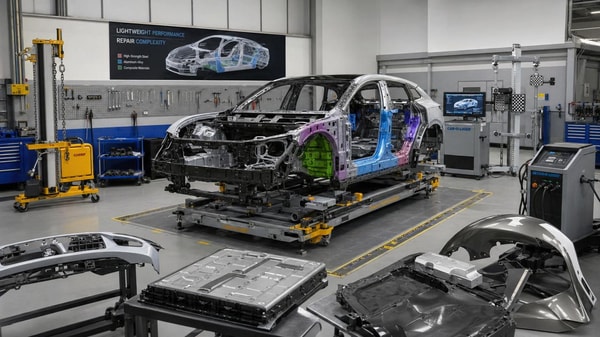
 Are light-weighting vehicle materials worth the repair tradeoff?Light-weighting vehicle materials: Are efficiency gains worth higher repair costs? Explore lifecycle impact, EV value, downtime risks, and smarter sourcing decisions.
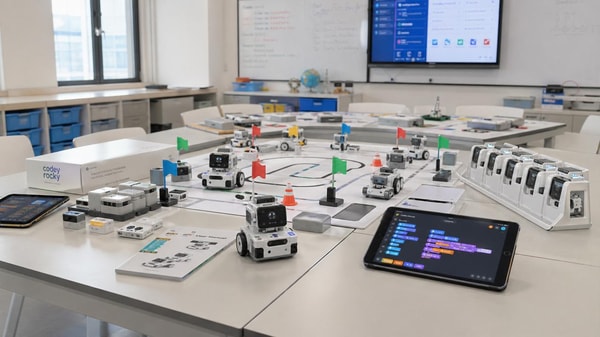
 Educational robots in class: novelty or lasting value?Educational robots are moving beyond classroom novelty. Discover how they create lasting value through STEM learning, scalability, and smarter school purchasing decisions.
 Biodegradable plastics fail when disposal assumptions are wrongBiodegradable plastics can fail when real disposal systems do not match design assumptions. Learn the compliance, contamination, and claim risks before they damage trust.
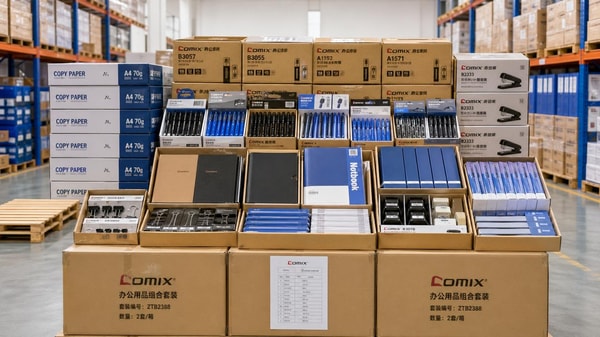
 Office stationery wholesale margins depend on boring detailsOffice stationery wholesale margins are won in the details—packaging, MOQ, freight, and SKU rotation. Learn how distributors protect profit and reduce hidden cost leakage.
 Carbon capture materials are improving, but durability still mattersCarbon capture materials are improving, but durability still decides ROI. Explore cycle stability, regeneration resilience, and supplier evaluation factors for reliable industrial deployment.
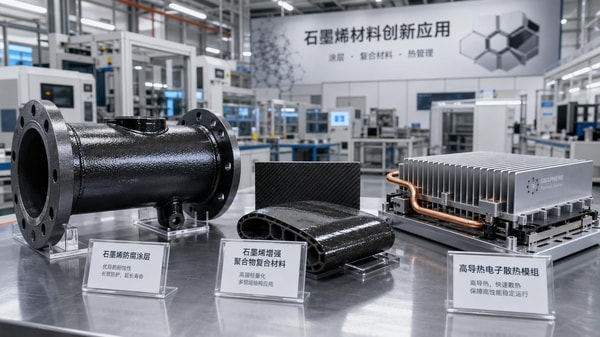
 Which graphene applications in industry are moving beyond pilots?Graphene applications in industry are moving beyond pilots fastest in coatings, composites, thermal management, sensors, and energy storage. See where commercialization is gaining traction.
 Precision farming drones need better data, not just better flight timePrecision farming drones deliver more value through accurate maps, crop insights, and faster decisions than longer flight time alone. See how better data improves farm efficiency.
 Smart classroom solutions often disappoint for one simple reasonSmart classroom solutions often fail when complexity is ignored. Discover how project leaders can improve adoption, scalability, ROI, and long-term classroom performance.
 Organic fertilizers: when higher cost brings better soil resultsOrganic fertilizers may cost more, but they can improve soil structure, moisture retention, and long-term plant health. Learn when the higher price delivers better garden results.
 Agri-PV systems can raise land efficiency, but not everywhereAgri-PV systems can improve land efficiency, but only in the right conditions. Explore where they work, key risks, and how to evaluate profitable deployment.
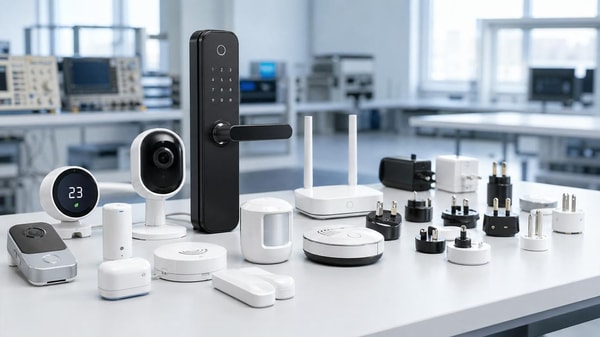
 Smart home devices wholesale gets risky when standards do not matchSmart home devices wholesale becomes risky when standards, protocols, and certifications do not align. Learn how to reduce sourcing errors, control costs, and protect buyer trust.
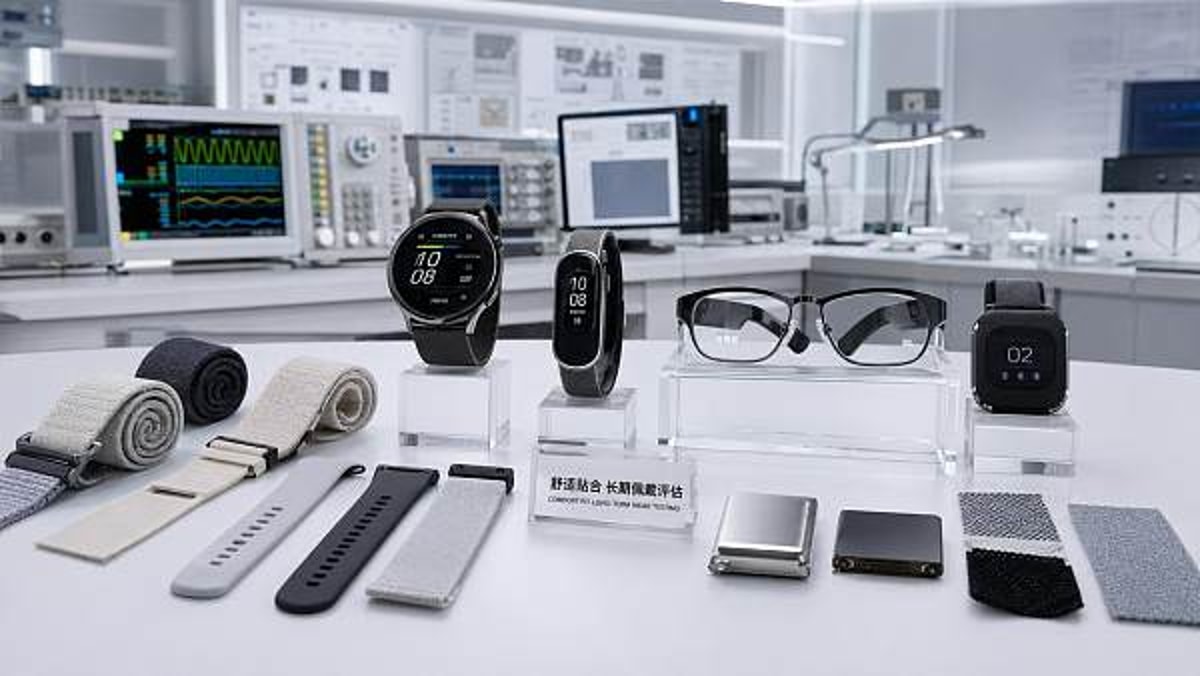
 Wearable technology users quit when comfort is overlookedWearable technology users quit when comfort is ignored. Discover the checklist for fit, weight, skin safety, and long-term wear to choose devices that improve adoption and user satisfaction.
 Next-gen wireless charging still faces a heat management gapNext-gen wireless charging still faces a critical heat management gap. Explore how thermal risks affect efficiency, safety, lifecycle, and product readiness.
 Foldable screen technology looks mature until repair costs appearFoldable screen technology looks premium and practical, but are repair costs too high? Discover the real tradeoff between innovation, durability, and long-term value before you buy.
 Plant-based protein processing bottlenecks start after extractionPlant-based protein processing bottlenecks often begin after extraction. Discover downstream risks, supplier evaluation tips, and cost-saving insights for better sourcing decisions.
 Photovoltaic solar panels lose value when degradation is underestimatedPhotovoltaic solar panels can lose value fast when degradation is underestimated. Learn how realistic modeling protects ROI, asset valuation, and smarter solar investment decisions.












Popular Tags
Global Trade Insights & Industry
Our mission is to empower global exporters and importers with data-driven insights that foster strategic growth.
Search News
Popular Tags
Industry Overview
The global commercial kitchen equipment market is projected to reach $112 billion by 2027. Driven by urbanization, the rise of e-commerce food delivery, and strict hygiene regulations.