

Agri-PV systems can raise land efficiency, but not everywhere
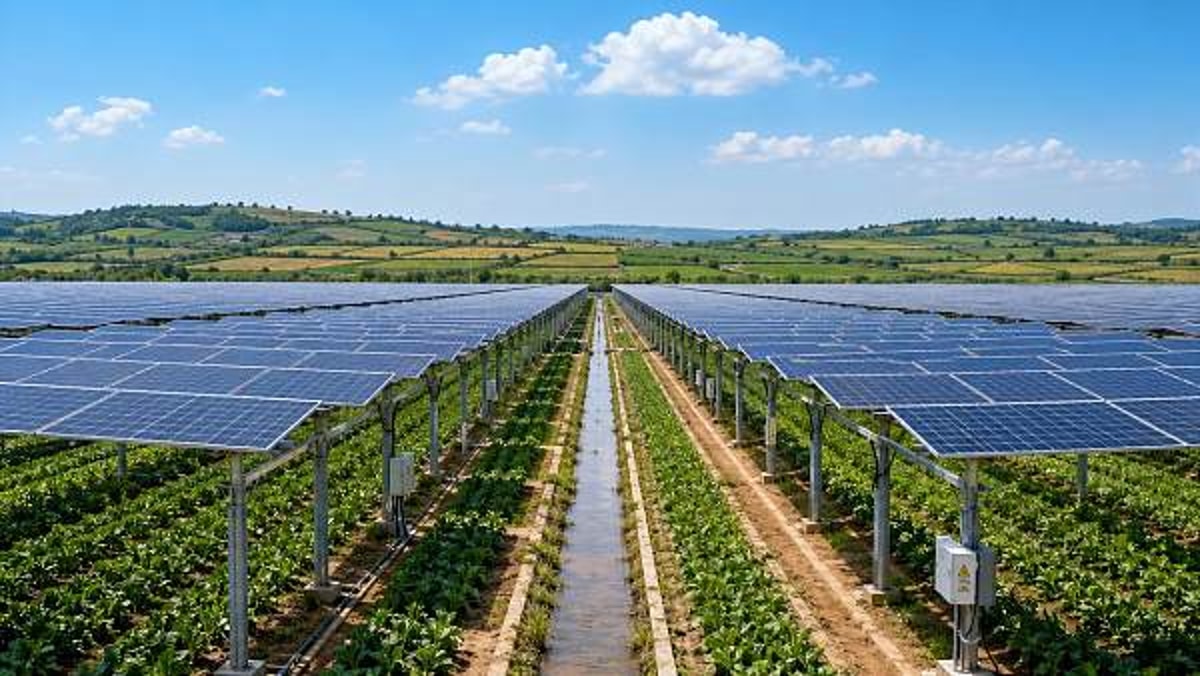
Agri-PV systems are gaining traction as a promising way to boost land efficiency by combining solar generation with agricultural use. Yet for project managers and engineering leads, the real question is not whether the model works in theory, but where, when, and under what conditions it delivers measurable value. This article explores the practical limits, site-specific factors, and strategic considerations that determine successful deployment.
Why Agri-PV systems are drawing more attention now
The recent rise in interest around Agri-PV systems reflects several overlapping changes rather than a single technology breakthrough. Land prices remain under pressure in many regions, solar developers face tighter site approval standards, and agricultural operators are looking for more resilient income models as weather volatility increases. In that environment, a dual-use land strategy looks increasingly attractive to both public planners and private investors.
For project leaders, the shift is important because Agri-PV systems are no longer treated only as pilot concepts. They are moving into the early commercial scaling phase in selected markets, especially where farmland conversion rules are strict, energy demand is rising, and land-use efficiency is now measured against both revenue per hectare and broader sustainability outcomes. A 20- to 30-year asset life means that early design assumptions can shape operating performance for decades.
At the same time, the market is becoming more selective. The conversation has moved from “Can agriculture and solar coexist?” to “Which crop systems, structural layouts, and climate conditions justify the extra capital and management complexity?” That shift matters for engineering teams because not every site can support the added height, row spacing, drainage planning, machinery clearance, and crop-light balance that Agri-PV systems require.
Key signals shaping current deployment decisions
A few signals are appearing repeatedly in cross-sector project screening. First, more land evaluations now compare single-use solar, conventional agriculture, and mixed-use layouts side by side. Second, developers are under stronger pressure to demonstrate local value, not just installed megawatts. Third, the most viable projects tend to emerge where irrigation, crop stress reduction, or farm electrification can be linked directly to the solar design rather than treated as secondary benefits.
- Site reviews increasingly include both energy yield and agricultural continuity over a 12- to 24-month planning horizon.
- More projects are using preliminary shading and crop-compatibility studies before moving to full engineering.
- Stakeholder scrutiny is rising, especially from local authorities, landowners, and farm operators who need clear operating responsibilities.
These signals suggest that Agri-PV systems are entering a more disciplined phase. The opportunity is real, but the margin for weak assumptions is narrowing. For decision-makers managing project schedules, procurement windows, and multi-party coordination, this is the stage where feasibility discipline becomes more valuable than general enthusiasm.
The core trend: land efficiency is becoming a quality metric, not a slogan
One of the strongest trend shifts is the redefinition of land efficiency. In earlier solar development cycles, efficiency was often discussed mainly in terms of energy output per square meter. Now, in the case of Agri-PV systems, land efficiency is increasingly judged through a combined lens: power generation, agricultural continuity, water performance, operational access, and long-term land acceptance. This broader metric changes how projects should be evaluated from day one.
That broader definition is particularly relevant in regions where agricultural land carries social, political, or regulatory sensitivity. A project that preserves partial crop output while generating electricity may outperform a standard solar layout in permitting or community acceptance, even if the pure energy yield is slightly lower. In practical terms, a 5% to 15% reduction in solar density may still be acceptable if the land retains usable agricultural value and faces fewer approval barriers.
However, the reverse is also true. If the agricultural layer becomes tokenistic, with poor crop compatibility or unworkable farm access, the land-efficiency claim weakens quickly. This is where many Agri-PV systems risk underperforming in reality. Land efficiency is not created by stacking two functions on paper; it depends on whether the two functions can operate together over seasonal cycles without excessive compromise.
How the evaluation framework is changing
The table below outlines how project evaluation is shifting from a traditional single-use solar view to a more integrated Agri-PV systems perspective. For project managers, the message is simple: screening criteria are becoming multi-dimensional, and early-stage decisions now need input from both engineering and agricultural operations.
This shift does not make Agri-PV systems universally better than standard solar. It means they should be judged by a different performance logic. Teams that continue to use only conventional PV metrics may either reject good hybrid opportunities too early or approve weak projects that later struggle operationally.
What this means for engineering planning
Engineering planning now needs to treat farm operations as a design input, not a post-installation adjustment. Typical design considerations include ground clearance that may range from roughly 2.1 to 5 meters depending on crop type and machinery, row spacing calibrated for light distribution, and drainage patterns that do not create waterlogging or erosion around support structures. These variables can materially affect steel volume, foundation strategy, and maintenance routes.
The implication is that Agri-PV systems can raise land efficiency, but only when the design envelope reflects the agricultural reality of the site. Otherwise, the project may carry higher capex without delivering durable dual-use value.
Why Agri-PV systems work well in some places and struggle in others
The most important practical trend is growing recognition that Agri-PV systems are highly site-specific. Their success depends on the local mix of climate, crop type, soil conditions, farm equipment, labor patterns, and power-market economics. A layout that performs well for shade-tolerant crops in a hot, dry region may be unsuitable for broad-acre mechanized farming in a wetter climate. This is why replication across regions is slower than many early forecasts assumed.
For project managers, this means the screening stage should be stricter than in standard PV development. A location may have strong irradiance and grid access, yet still be a weak Agri-PV systems candidate if local crops require full sun, if farm machinery needs wide uninterrupted turning lanes, or if labor coordination between the energy operator and farm tenant is unrealistic. The wrong site can absorb months of feasibility effort before those conflicts become obvious.
In contrast, the right site usually shows alignment across several variables at once. These may include moderate to high sunlight, crops that can tolerate partial shading during peak hours, irrigation stress that can benefit from microclimate changes, and a landowner willing to support a mixed operating model over a long contract period. Where at least 4 or 5 of these conditions align, project confidence tends to improve significantly.
Typical fit factors by project context
The table below summarizes common fit factors that influence where Agri-PV systems may be more or less practical. It is not a substitute for site-specific analysis, but it helps engineering and commercial teams eliminate poor-fit locations earlier.
A useful takeaway is that Agri-PV systems are not only a technology decision. They are also a land-management and operating-model decision. Regions that support stable land tenure, coordinated farm scheduling, and predictable permitting are often more important than regions with the strongest raw solar resource alone.
Common reasons projects miss expectations
- Crop selection is decided too late, after structural design has already fixed shading patterns.
- The project assumes agricultural use will continue, but no operator is contractually committed to it.
- Foundation and access design do not match seasonal field operations during planting, spraying, or harvest windows.
- Financial models underestimate the 6- to 18-month coordination effort required across developers, landowners, engineers, and growers.
These are execution problems rather than conceptual flaws. But they explain why Agri-PV systems can show strong promise at conference level and still produce uneven outcomes at project level.
What project managers and engineering leads should evaluate first
Because Agri-PV systems introduce more interfaces than standard ground-mounted solar, project teams need a different order of diligence. Instead of starting solely from maximum installable capacity, it is often more effective to begin with operational compatibility: what the land must continue doing, what equipment must pass through, what seasonal constraints apply, and how the solar structure changes those routines. That sequence reduces late-stage redesign risk.
A practical early screen should cover at least five dimensions within the first 30 to 60 days of concept review: agronomic suitability, structural feasibility, electrical yield implications, permitting pathways, and commercial responsibility allocation. If one of those elements remains unresolved, the project can still move forward, but only with explicit contingency planning. Agri-PV systems fail most often when teams assume missing answers will sort themselves out during EPC execution.
It is also important to separate demonstration goals from bankable project goals. A pilot can tolerate more uncertainty if it is designed to generate operational learning. A utility-scale or export-market-backed project cannot rely on that same risk posture. For teams managing investor expectations, the distinction between “technically possible” and “commercially repeatable” should be made early and documented clearly.
A practical screening checklist for Agri-PV systems
- Confirm the agricultural objective in specific terms, such as crop retention, livestock access, microclimate benefit, or irrigation support.
- Map machinery dimensions, turning radius, seasonal traffic frequency, and clearance needs before fixing row geometry.
- Model both energy yield and shade distribution under seasonal sun angles, not just annual averages.
- Review soil, drainage, and foundation interactions, especially where compaction or water channeling could affect crop performance.
- Define who manages vegetation, safety access, irrigation interfaces, and crop damage claims during the operating life.
This kind of checklist is valuable because it converts a broad trend into a manageable workflow. It also supports clearer procurement decisions. When the use case is defined precisely, module choice, structure height, corrosion protection, cable routing, and maintenance planning can all be aligned with the actual field condition rather than a generic template.
Where procurement strategy is changing
Procurement for Agri-PV systems is gradually moving away from purely lowest-cost sourcing toward fit-for-purpose sourcing. In many projects, the critical variables are not only module efficiency or steel price per ton, but also availability of adaptable mounting systems, lead times for custom clearances, spare-part access over 10 to 15 years, and supplier willingness to coordinate with non-energy stakeholders. That shift matters for global trade and industrial sourcing teams handling cross-border project packages.
For B2B buyers and engineering leads using market intelligence platforms, the most useful supplier information often includes configuration range, delivery cycle, material traceability, after-sales responsiveness, and compatibility with local standards or documentation needs. In hybrid projects, procurement mistakes are often expensive because rework affects both the power plant and the farming calendar.
The next phase of the market will favor disciplined, evidence-based deployment
Looking ahead, the Agri-PV systems market is likely to become more segmented rather than uniformly expanding. Some applications will mature into repeatable deployment models, especially where crop type, climate, and operating structure are already well understood. Other applications may remain niche because the engineering trade-offs are too site-specific or the agricultural value is too uncertain. This is a normal market progression as early enthusiasm gives way to operational filtering.
For project managers, that means the winning strategy is not to chase every opportunity labeled dual-use. It is to identify where the combined value proposition can be demonstrated with measurable discipline over at least one full seasonal cycle, and preferably longer. A 12-month dataset on crop behavior, maintenance access, shading effects, and local stakeholder response often tells more than a large theoretical slide deck.
It also means the information environment matters. As Agri-PV systems move from concept to execution, teams need faster access to supplier developments, regional policy shifts, component availability signals, and cross-sector case patterns. That is especially true for exporters, importers, and industrial firms managing equipment sourcing across multiple geographies. Better information reduces the risk of building around assumptions that no longer match the market.
Priority signals to watch over the next 12 to 24 months
- Whether permitting frameworks begin to distinguish serious agricultural integration from nominal dual-use claims.
- Which crop categories show repeatable compatibility under different climate bands and structure heights.
- How mounting system suppliers adapt designs for easier farm access, drainage control, and long-term serviceability.
- Whether financing and insurance practices begin to reflect hybrid operating risks more explicitly.
These signals will help determine which Agri-PV systems opportunities become mainstream project categories and which remain specialized solutions. For engineering decision-makers, the lesson is clear: treat dual-use solar as a strategic option that requires sharper filtering, not as an automatic upgrade path.
Why choose us for market insight and next-step evaluation
For teams evaluating Agri-PV systems, the challenge is rarely a lack of headlines. The challenge is turning fragmented information into workable project judgment. GTIIN and TradeVantage support global B2B decision-makers with real-time industry updates, cross-sector intelligence, and practical visibility into supplier, market, and regional development trends across more than 50 sectors. That makes it easier to compare technology direction with sourcing reality.
If your company is assessing whether Agri-PV systems fit a specific market, crop context, or engineering model, we can help you focus the right questions before major time and capital are committed. That may include parameter confirmation for project layouts, product and component selection logic, expected delivery cycles, regional sourcing signals, documentation expectations, and broader industrial trend tracking that affects execution planning.
Contact us if you want support in clarifying configuration options, supplier-screening priorities, customized research direction, lead-time expectations, or quotation communication for related industrial solutions. For project managers and engineering leads, better decisions start with better signal quality, and that is where our global information platform is built to deliver value.
Recommended News
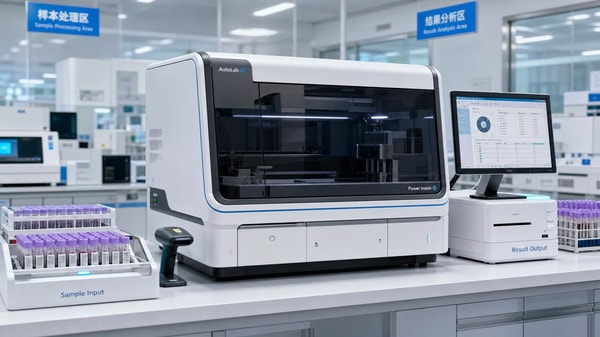
 Medical diagnostic equipment buying mistakes often start with workflowMedical diagnostic equipment buying mistakes often begin with workflow gaps. Learn how to compare systems, uncover hidden costs, and choose suppliers that fit real clinical operations.
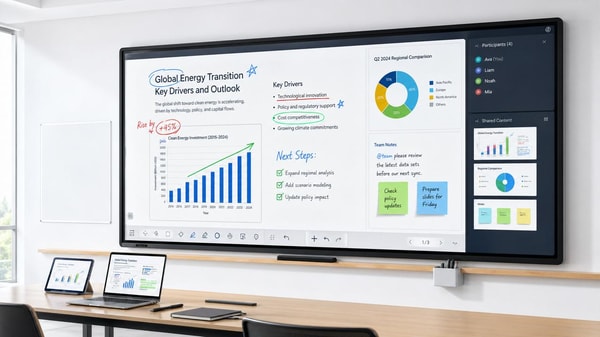
 Interactive whiteboards are improving, but teacher adoption is unevenInteractive whiteboards are improving fast, but teacher adoption remains uneven. Explore what drives classroom success, ROI, and smarter edtech implementation.
 Portable oxygen concentrators: what noise levels feel acceptable?Portable oxygen concentrators: discover what noise levels feel acceptable for sleep, travel, work, and home use, with practical guidance to choose a quieter, more comfortable model.
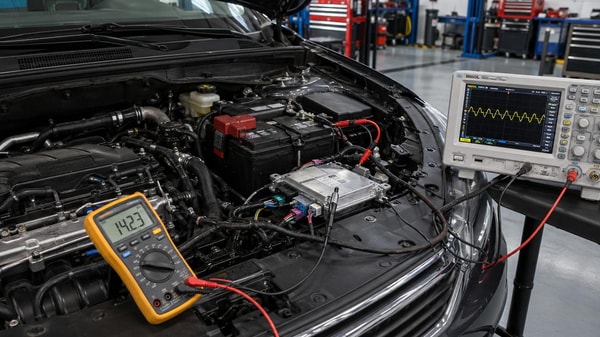
 Car electronics failures often start with power instabilityCar electronics issues often begin with hidden power instability. Learn how voltage drops, ripple, and weak grounds cause faults—and how smarter diagnostics cut repair time and repeat failures.
 Telemedicine hardware works best when setup friction is lowTelemedicine hardware works best with low setup friction. Discover how faster deployment, easier operation, and scenario-based selection improve care efficiency and service quality.
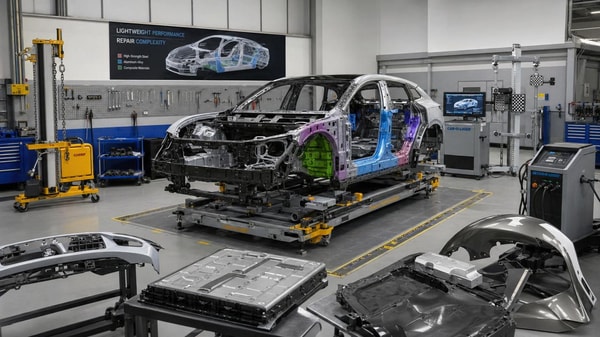
 Are light-weighting vehicle materials worth the repair tradeoff?Light-weighting vehicle materials: Are efficiency gains worth higher repair costs? Explore lifecycle impact, EV value, downtime risks, and smarter sourcing decisions.
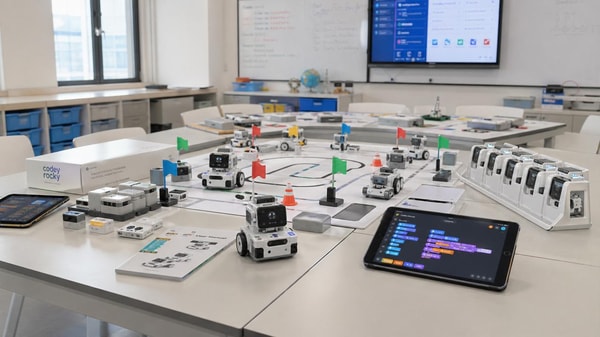
 Educational robots in class: novelty or lasting value?Educational robots are moving beyond classroom novelty. Discover how they create lasting value through STEM learning, scalability, and smarter school purchasing decisions.
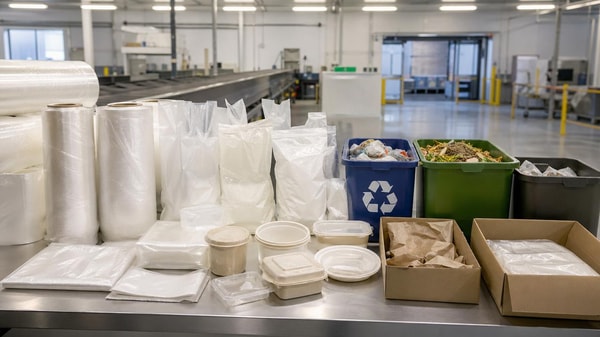
 Biodegradable plastics fail when disposal assumptions are wrongBiodegradable plastics can fail when real disposal systems do not match design assumptions. Learn the compliance, contamination, and claim risks before they damage trust.
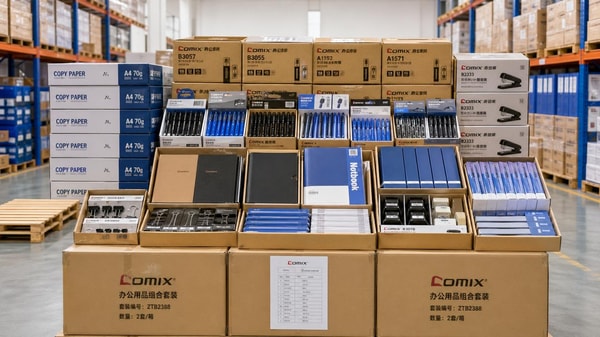
 Office stationery wholesale margins depend on boring detailsOffice stationery wholesale margins are won in the details—packaging, MOQ, freight, and SKU rotation. Learn how distributors protect profit and reduce hidden cost leakage.
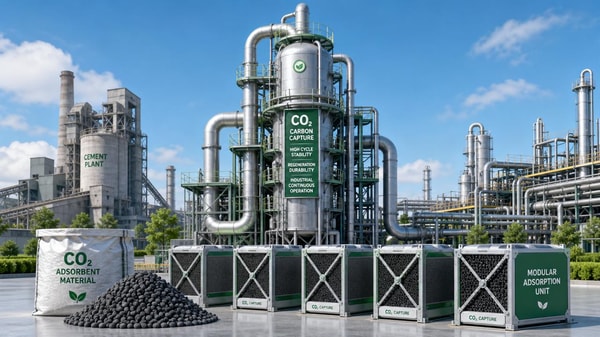
 Carbon capture materials are improving, but durability still mattersCarbon capture materials are improving, but durability still decides ROI. Explore cycle stability, regeneration resilience, and supplier evaluation factors for reliable industrial deployment.
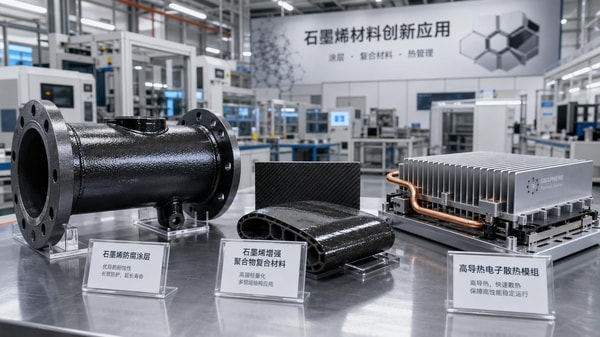
 Which graphene applications in industry are moving beyond pilots?Graphene applications in industry are moving beyond pilots fastest in coatings, composites, thermal management, sensors, and energy storage. See where commercialization is gaining traction.
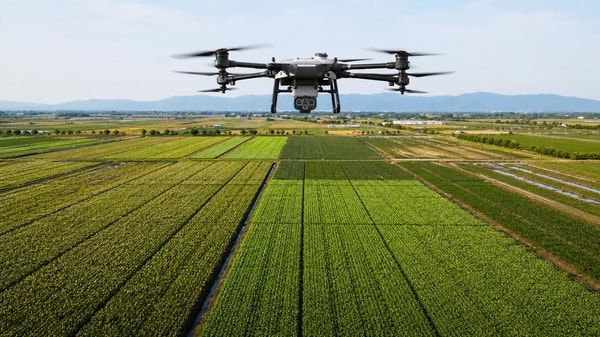
 Precision farming drones need better data, not just better flight timePrecision farming drones deliver more value through accurate maps, crop insights, and faster decisions than longer flight time alone. See how better data improves farm efficiency.
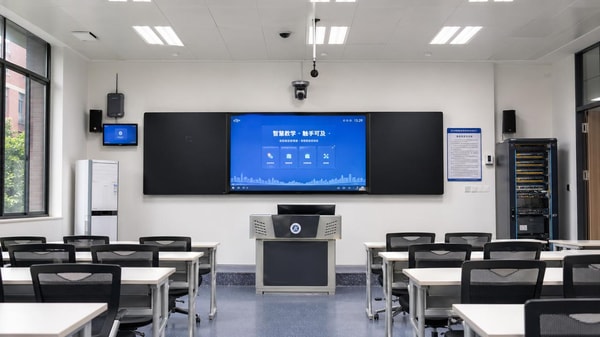
 Smart classroom solutions often disappoint for one simple reasonSmart classroom solutions often fail when complexity is ignored. Discover how project leaders can improve adoption, scalability, ROI, and long-term classroom performance.
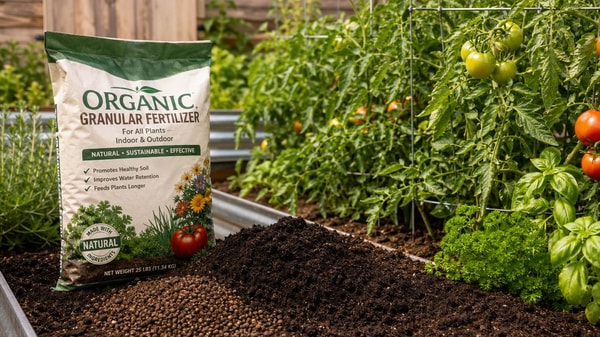
 Organic fertilizers: when higher cost brings better soil resultsOrganic fertilizers may cost more, but they can improve soil structure, moisture retention, and long-term plant health. Learn when the higher price delivers better garden results.
 Agri-PV systems can raise land efficiency, but not everywhereAgri-PV systems can improve land efficiency, but only in the right conditions. Explore where they work, key risks, and how to evaluate profitable deployment.
 Smart home devices wholesale gets risky when standards do not matchSmart home devices wholesale becomes risky when standards, protocols, and certifications do not align. Learn how to reduce sourcing errors, control costs, and protect buyer trust.
 Wearable technology users quit when comfort is overlookedWearable technology users quit when comfort is ignored. Discover the checklist for fit, weight, skin safety, and long-term wear to choose devices that improve adoption and user satisfaction.
 Next-gen wireless charging still faces a heat management gapNext-gen wireless charging still faces a critical heat management gap. Explore how thermal risks affect efficiency, safety, lifecycle, and product readiness.
 Foldable screen technology looks mature until repair costs appearFoldable screen technology looks premium and practical, but are repair costs too high? Discover the real tradeoff between innovation, durability, and long-term value before you buy.
 Plant-based protein processing bottlenecks start after extractionPlant-based protein processing bottlenecks often begin after extraction. Discover downstream risks, supplier evaluation tips, and cost-saving insights for better sourcing decisions.
 Photovoltaic solar panels lose value when degradation is underestimatedPhotovoltaic solar panels can lose value fast when degradation is underestimated. Learn how realistic modeling protects ROI, asset valuation, and smarter solar investment decisions.





Popular Tags
Global Trade Insights & Industry
Our mission is to empower global exporters and importers with data-driven insights that foster strategic growth.
Search News
Popular Tags
Industry Overview
The global commercial kitchen equipment market is projected to reach $112 billion by 2027. Driven by urbanization, the rise of e-commerce food delivery, and strict hygiene regulations.