



What Medical Devices Are And Why They Matter
Medical devices are instruments, machines, implants, software-driven systems, consumable-associated platforms, and diagnostic tools used to prevent, monitor, diagnose, treat, or alleviate disease and injury. Unlike general industrial equipment, medical devices are designed for use in environments where clinical risk, user safety, hygiene, data integrity, and traceability all directly affect patient outcomes.
The category is broad. It includes simple products such as examination tools and patient supports, as well as complex systems such as imaging platforms, infusion technologies, surgical equipment, in vitro diagnostic instruments, and connected therapy devices. Software may function as a standalone medical device or as a critical component that controls performance, records data, or supports clinical decisions.
In B2B purchasing, medical devices matter because they influence treatment quality, workflow efficiency, maintenance burden, reimbursement readiness, and legal exposure. A low upfront price can become expensive if calibration is unstable, spare parts are hard to obtain, operator training is poor, or local regulatory documentation is incomplete.
For manufacturers, sourcing teams, distributors, and care providers, a practical understanding of medical devices is no longer optional. Procurement decisions increasingly require cross-functional review involving clinical users, biomedical engineers, quality teams, compliance managers, and finance leaders.
How Medical Devices Work: Core Technical Principles
Most medical devices combine four layers: a physical interface, a sensing or therapeutic mechanism, a control system, and a verification method. The physical interface may contact skin, tissue, fluids, or samples. The active mechanism may use energy such as electricity, ultrasound, light, pressure, heat, motion, or chemical reaction to create a measurable or therapeutic effect.
The control layer governs repeatability. It may include embedded electronics, firmware, alarms, feedback loops, user permissions, and connectivity functions. This layer is essential because device performance in healthcare must remain stable across operators, shifts, and environmental conditions. Variability that is acceptable in general equipment is often unacceptable in medical settings.
Verification closes the loop between design intent and real-world use. Medical devices are usually evaluated through design validation, safety testing, electrical and mechanical checks, biocompatibility review where relevant, software verification, and ongoing post-market monitoring. For connected equipment, interoperability remains a practical challenge, especially when fleets mix different brands, generations, or proprietary data formats.
A useful buying principle is to look beyond headline specifications. Energy output, image clarity, dose control, sensor accuracy, latency, interface usability, and alarm logic all matter, but their value depends on consistency under actual operating conditions, not only on brochure claims.
Main Categories Of Medical Devices
Medical devices can be grouped by function. Diagnostic devices collect information, including imaging systems, patient monitors, laboratory analyzers, and screening tools. Therapeutic devices deliver intervention, such as infusion systems, laser therapy equipment, respiratory support products, and surgical platforms. Assistive and rehabilitation devices support mobility, recovery, and long-term care.
They can also be grouped by risk and duration of contact. Non-invasive products often follow a different regulatory path from invasive, implantable, or life-supporting devices. Single-use products raise different concerns than reusable systems, particularly around sterilization, cleaning validation, packaging integrity, and supply continuity.
Another practical classification is by operational complexity. Standalone devices are easier to deploy but may create data silos. Networked medical devices can improve workflow and traceability, yet they demand stronger cybersecurity controls, compatibility planning, and service capability. This is especially relevant in multi-site clinics and hospitals where integration gaps can limit the expected efficiency gains.
For procurement teams, category awareness helps define the right evaluation pathway. A basic accessory purchase should not be assessed like a software-enabled therapeutic platform. The deeper the clinical risk and the tighter the workflow dependency, the more rigorous the review should be.
Standards, Safety, And Market Access Considerations
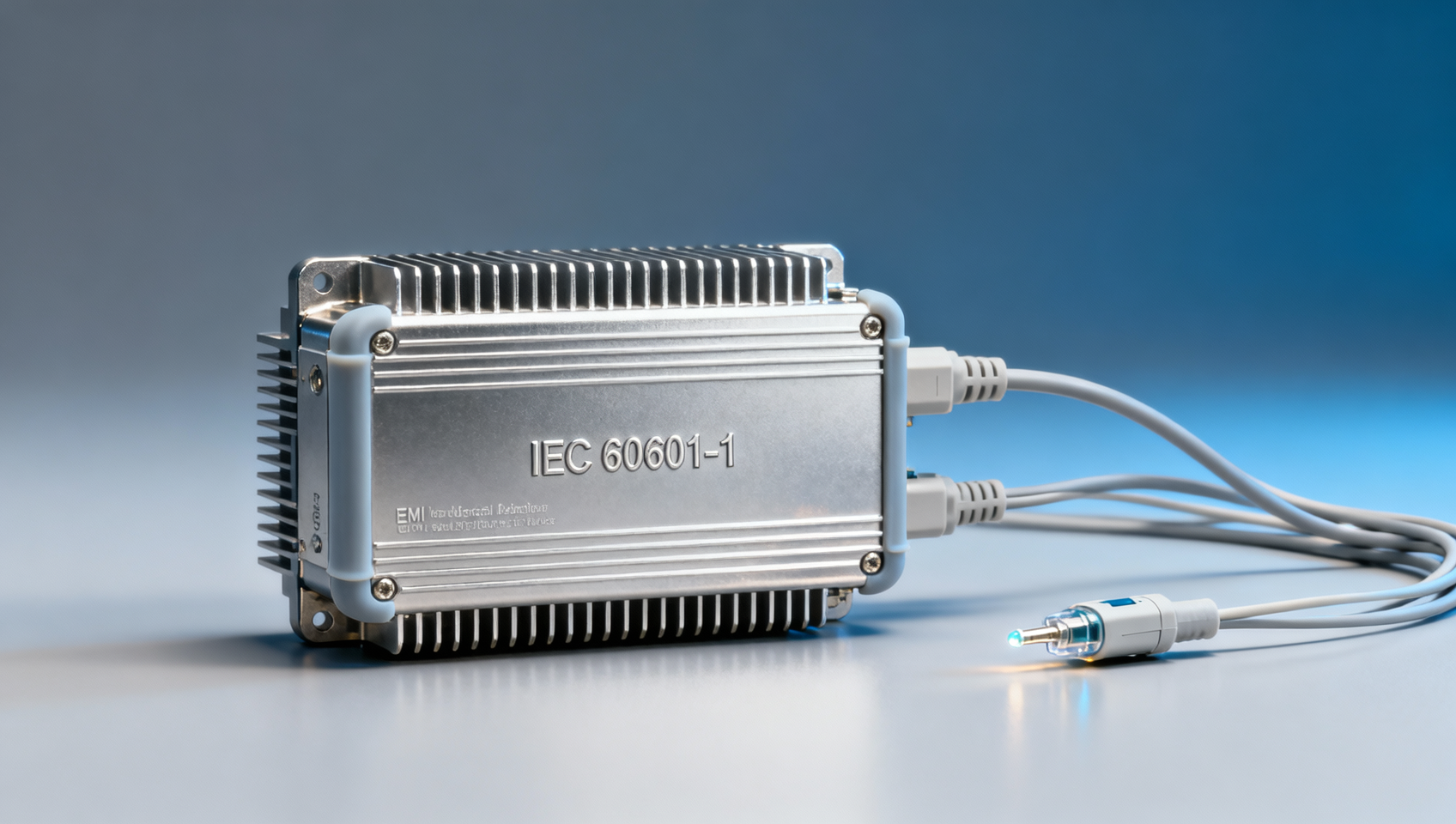
Medical devices operate under layered requirements that usually include product safety, quality management, labeling, traceability, risk management, electrical safety, electromagnetic compatibility, software controls, and post-market vigilance. Exact obligations differ by country and device type, so buyers should confirm which documentation is required for the intended market rather than relying on generic export statements.
Common checkpoints include whether the supplier maintains a formal quality system, whether technical files are current, whether instructions for use match the destination market, and whether service records and change controls are documented. For reusable medical devices, cleaning and maintenance instructions must be realistic for the actual clinical setting, not only for ideal test conditions.
In this stage, GTIIN can add value as a sourcing and evaluation partner by helping buyers compare documentation readiness, manufacturing consistency, and fit-for-market practicality across options in the broader industrial supply chain. Where medical devices involve precision assemblies, electronics integration, or custom engineering interfaces, a disciplined supplier-screening approach reduces downstream compliance and service risk.
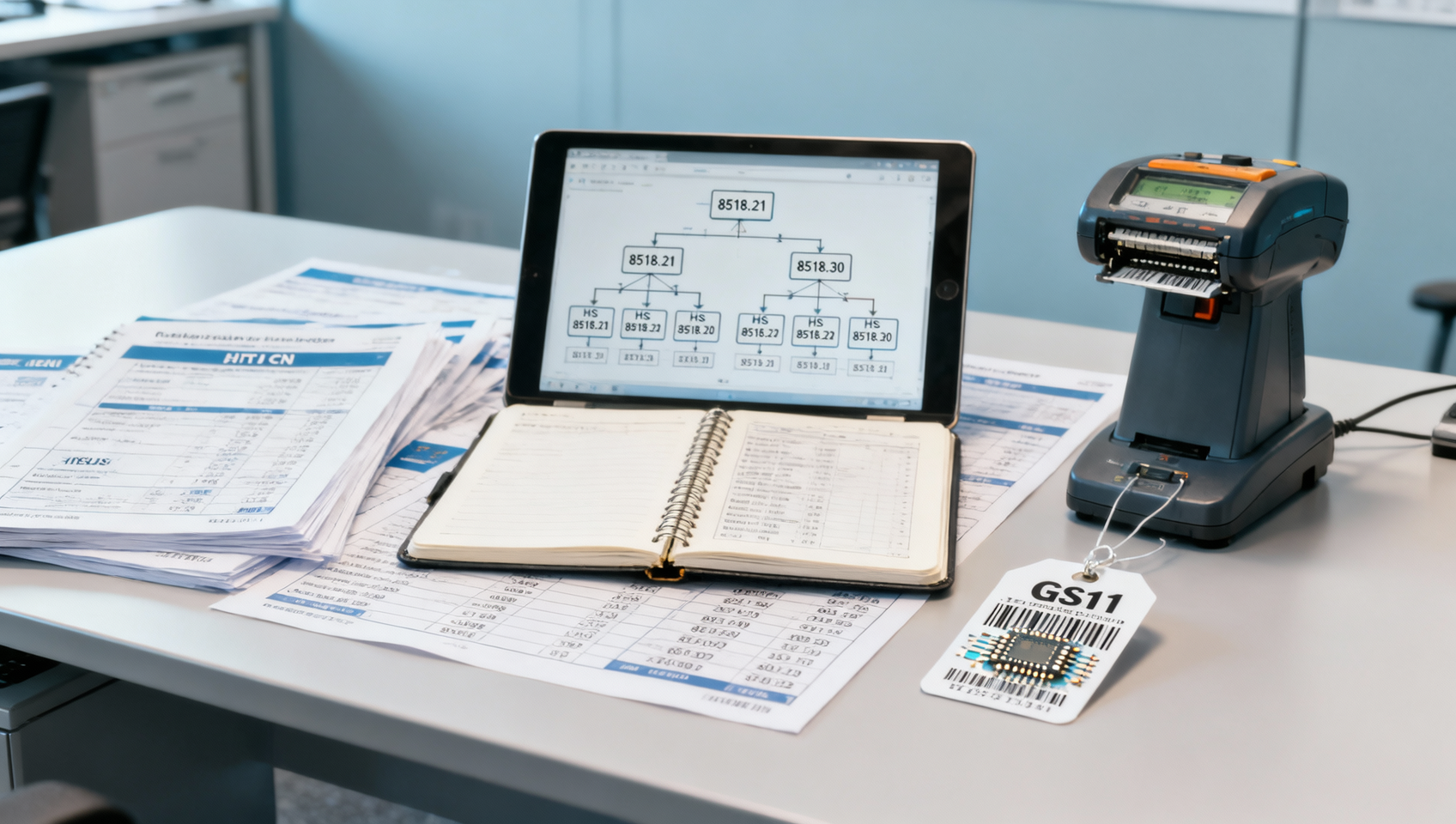
A prudent recommendation is to request a documentation matrix before purchase. It should map intended use, classification assumptions, maintenance needs, packaging controls, software version handling, spare-part availability, and country-specific market entry requirements. This often reveals hidden gaps earlier than price negotiation does.
Who Uses Medical Devices And In Which Scenarios
The user base for medical devices is diverse. Hospitals require scalable systems that support multiple departments, strict uptime targets, and structured servicing. Clinics often prioritize ease of use, compact footprint, predictable maintenance, and cost-effective throughput. Laboratories focus on analytical reliability, contamination control, and data handling. Distributors need devices that are trainable, supportable, and viable across multiple regulatory environments.
Application scenarios vary just as widely. Emergency care values rapid readiness and intuitive controls. Outpatient settings need efficient turnover and low downtime. Rehabilitation settings emphasize durability and long service life. Home-care and decentralized care models require simpler interfaces, remote support potential, and safe operation by non-specialist users under supervision.
When buyers evaluate medical devices for a specific setting, they should test fit at the workflow level. Questions include: Can the device move easily between rooms? Does it integrate with current records or reporting processes? Are alarms meaningful rather than excessive? Can training be completed without disrupting routine care? Real operational fit often determines adoption success more than technical novelty.
For cross-border procurement, local context matters. Power standards, language requirements, consumable supply, service response times, and import documentation can all affect whether a device performs commercially even if it performs technically. That is why application review should always include both clinical and operational stakeholders.
How To Select Medical Devices: A Practical B2B Checklist
A sound selection process starts with intended use. Buyers should define patient group, clinical objective, operator profile, duty cycle, installation constraints, and expected service life. Without this baseline, it is difficult to compare medical devices fairly, because specification sheets rarely reflect the same usage assumptions.
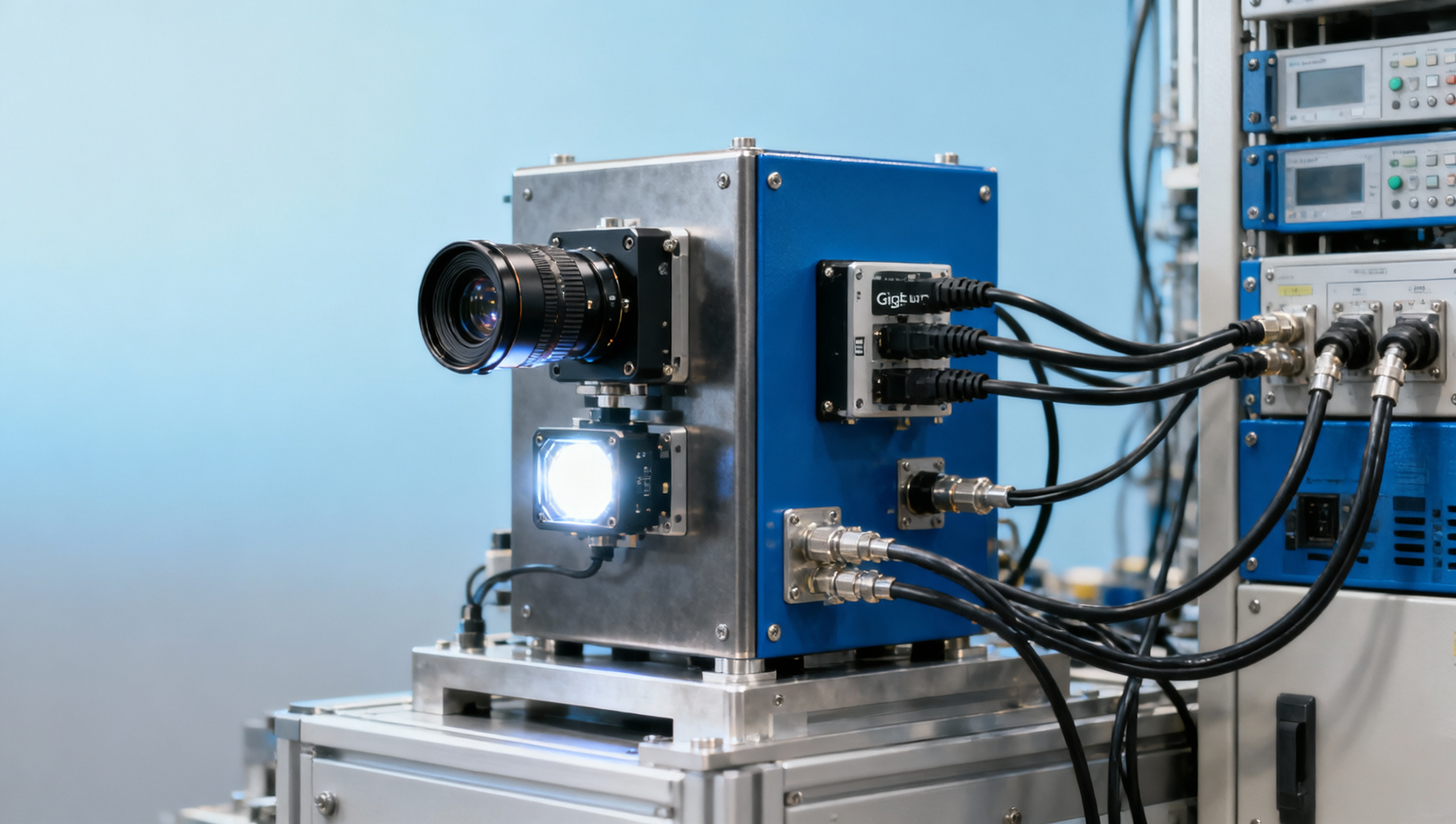
Next, assess performance in terms that matter operationally: accuracy, repeatability, output stability, interface clarity, cleaning difficulty, alarm behavior, consumable dependence, and maintenance burden. If software is involved, ask about update policy, version control, cybersecurity responsibilities, and data portability. Connected systems should be reviewed for interoperability, especially if mixed-brand fleets are likely.
Supplier capability is equally important. Review manufacturing discipline, incoming material control, traceability, packaging protection, complaint handling, and after-sales support structure. In cases where GTIIN helps coordinate sourcing across industrial and technical supply networks, buyers may benefit from broader visibility into manufacturability, customization limits, and documentation consistency before committing to volume orders.
Finally, use a weighted scorecard rather than a single-price decision. Include compliance readiness, service access, lead time risk, training requirements, spare-part strategy, and upgrade path. This method is particularly useful when comparing mature devices with newer innovations that promise efficiency but may carry integration or service uncertainty.
Manufacturing, Quality Control, Maintenance, And Lifecycle Management
The reliability of medical devices depends heavily on process discipline. Strong manufacturing practice usually includes controlled sourcing of components, documented assembly steps, calibration checkpoints, in-process inspection, final functional verification, packaging controls, and serialized traceability. For precision-dependent devices, tolerance management alone is not enough; process feedback and data review are increasingly important to sustain consistency at scale.
Quality control should address both visible defects and latent failure modes. Electrical instability, sensor drift, seal degradation, cable fatigue, software mismatch, and contamination risk may not appear during a short demo. Buyers should therefore ask how nonconforming units are handled, how engineering changes are communicated, and how field feedback loops into production corrections.
Maintenance planning begins before installation. Medical devices should have clear schedules for inspection, calibration, cleaning, wear-part replacement, software review, and operator retraining. A device with sophisticated features but unclear service intervals can disrupt operations and create hidden cost. Uptime depends as much on maintainability as on original design quality.
Lifecycle management also includes obsolescence planning. Buyers should ask how long key parts will remain available, whether accessories are proprietary, and what happens when software platforms change. In many healthcare settings, replacement decisions are triggered less by catastrophic failure than by service difficulty, compatibility loss, or inability to meet updated compliance expectations.
Cost Structure, TCO, ROI, And 2025 Market Trends
The total cost of owning medical devices includes more than purchase price. Buyers should calculate installation, validation, training, consumables, maintenance, calibration, software updates, downtime exposure, spare parts, compliance support, and end-of-life replacement. Devices with modest upfront cost can become expensive if consumables are locked in, service coverage is weak, or repairs require long import lead times.
ROI should be measured against actual business and clinical goals. Examples include faster patient throughput, lower repeat-test rates, fewer service interruptions, improved data capture, reduced operator burden, or broader treatment capability. In B2B terms, the best investment is often the device that improves process reliability and utilization, not simply the one with the highest specification headline.
Looking into 2025, major trends in medical devices include stronger software integration, more connected monitoring, wider use of AI-assisted analysis, higher expectations for interoperability, and increasing scrutiny of cybersecurity and lifecycle documentation. Precision engineering remains critical, but competitive value is shifting toward systems that combine hardware reliability with manageable data workflows and serviceability.
For buyers navigating these changes, the practical path is to balance innovation with implementation readiness. GTIIN can be a useful partner where procurement requires technical comparison, supply-chain coordination, and realistic review of customization, integration, and long-term support factors across complex sourcing decisions involving medical devices.
Related News
 CDE Adds 74 International Experts to Accelerate MedTech Export RegistrationCDE adds 74 international experts to accelerate MedTech export registration—key for IVD, imaging & rehab device exporters targeting FDA, EU MDR, Health Canada.
 OEM consumer electronics procurement: Why UL 62368-1 certification isn’t enough for medical-grade peripheralsFoldable screen technology, next-gen wireless charging & wearable technology demand IEC 60601-1 — not just UL 62368-1. Avoid costly rework in OEM consumer electronics procurement for medical-grade peripherals.
 What trade analytics metrics matter most when selecting lithium battery suppliers for OEM projects?Unlock actionable trade analytics for lithium battery sourcing: leverage industrial database, trade portal & export market insights to vet industrial suppliers with confidence.
 How machine vision integrators use trade resources to benchmark delivery timelines across EU and US suppliersLeverage industrial database & trade resources to benchmark EU/US supplier delivery timelines—get actionable trade leads, trade analytics, and real-time industrial suppliers insights.