



What Air Freight Means In Global Trade
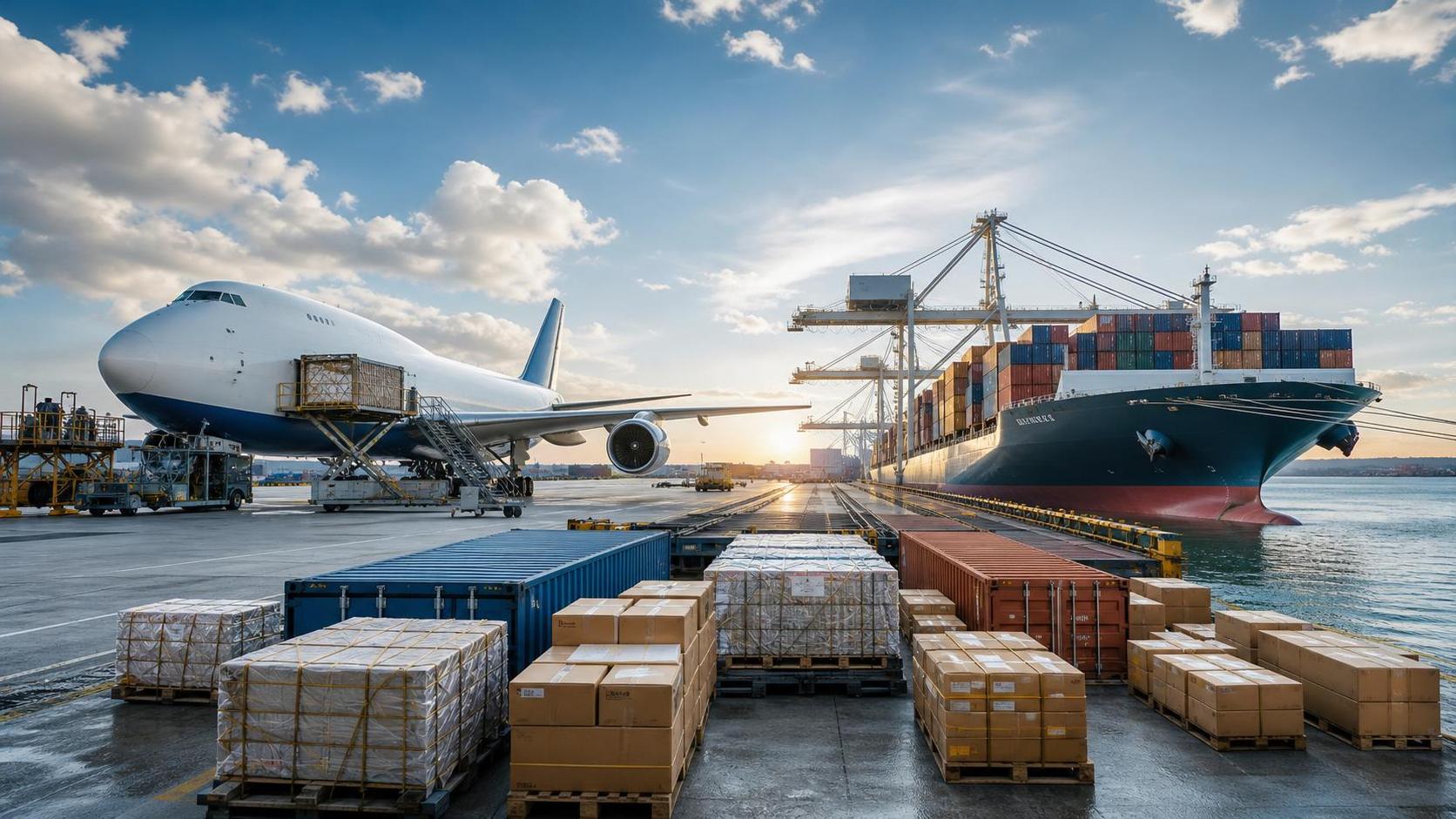
Air freight refers to cargo transported by aircraft within scheduled or chartered airline networks. In B2B trade, it is usually chosen when transit time, product value, shelf life, launch deadlines, or supply chain continuity matter more than the lower unit cost of ocean shipping. The term covers airport-to-airport transport as well as broader door-to-door solutions arranged through freight forwarders.
From an operational viewpoint, air freight is not only about loading cartons onto a plane. It includes booking, cargo acceptance, screening, documentation review, export customs clearance, airline handling, import clearance, and final delivery. Buyers often focus on flight time, but actual performance depends just as much on cut-off times, transfer hubs, destination handling, and local customs efficiency.
Air cargo is commonly measured by gross weight and chargeable weight. Airlines compare actual weight with volumetric weight because aircraft capacity is limited by both mass and space. This is why light but bulky cargo can become expensive. Understanding this basic rule helps procurement teams compare quotes more accurately and avoid surprises after packing is finalized.
In global sourcing, air freight is especially relevant for electronics, spare parts, medical supplies, fashion replenishment, perishables, samples, and urgent industrial inputs. It is less suitable for low-value, heavy, non-urgent cargo unless stockout risk or contractual penalties make fast delivery economically justified.
Key Terms And Technical Principles Buyers Should Know
Several core terms shape every air freight shipment. The air waybill, often called AWB, is the primary transport document used by airlines and forwarders. Chargeable weight determines the billed quantity. ETD and ETA indicate planned departure and arrival times. Cut-off is the latest time cargo and documents must be delivered before flight handling begins. ULD refers to unit load devices used to secure cargo on aircraft.
The pricing principle is straightforward but commercially important. Volumetric weight is calculated from package dimensions using an airline conversion factor. If volumetric weight exceeds actual weight, the higher figure becomes the chargeable weight. For shippers, this creates a strong incentive to optimize carton size, pallet height, and internal void space before booking air freight.
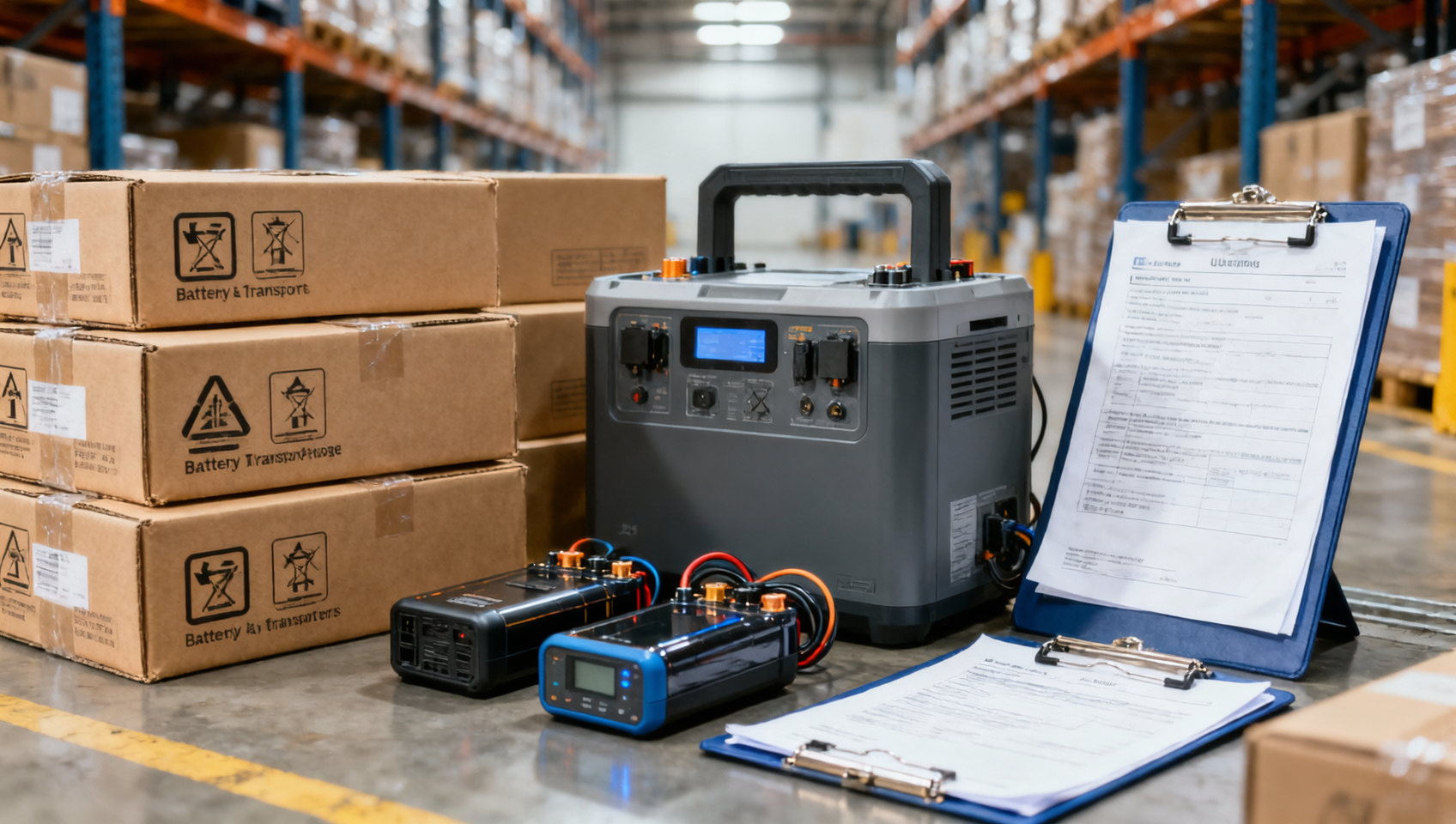
Security and cargo compatibility are also critical technical factors. Airlines and airports may require screening, X-ray inspection, document checks, and special declarations for sensitive goods. Dangerous goods, batteries, liquids, temperature-sensitive items, and oversized cargo all require additional review. A shipment that is technically acceptable in one lane may face restrictions in another due to airline policy or local regulation.
Transit reliability depends on network design. Direct flights usually reduce handling risk, while transshipment routes may lower cost or improve capacity access during peak seasons. Buyers should distinguish between airport-to-airport timing and full supply chain lead time, because trucking, warehousing, and customs activities can add meaningful delay around the flight itself.
Main Types Of Air Freight Services
The most common classification is by service speed. Standard air freight balances cost and transit time through regular airline capacity. Express air freight prioritizes urgent movement and often includes tighter operational control, but at a higher rate. Deferred or economy air cargo may use less favorable flight schedules while still arriving much faster than sea freight in most trade lanes.
Shipments can also be divided by booking structure. Consolidated cargo combines multiple shippers into one master movement, which can reduce costs for smaller consignments. Direct or back-to-back shipments are handled more independently and may offer better control for time-critical or high-value goods. Charter solutions are used when regular airline capacity cannot meet size, urgency, or routing requirements.
Another practical classification concerns cargo nature. General cargo is the broadest category. Perishables require temperature management and fast handling. Dangerous goods need compliant packaging and declaration. High-value cargo may need enhanced security. Oversized or project cargo requires early feasibility review because aircraft door size, loading equipment, and airport infrastructure can become limiting factors.
In a cross-border sourcing environment, GTIIN can add value by helping buyers compare these service types against urgency, packaging profile, and destination handling realities rather than choosing solely on headline freight rate. This is especially useful when cargo characteristics make the lowest quote operationally risky or commercially misleading.
Who Uses Air Freight And When It Makes Sense
Air freight is best suited to companies that place a high financial value on time. This includes manufacturers facing line stoppage risk, distributors replenishing fast-moving inventory, exporters of fresh or temperature-sensitive goods, and brands managing seasonal launches. It is also common for sample development, replacement parts, warranty shipments, and recovery plans when ocean freight has been disrupted.
The right timing for air freight is not limited to emergencies. It can be a planned strategy during product introductions, demand spikes, quality rework cycles, or when lead-time compression creates more profit than the freight premium costs. In some sectors, a partial air shipment paired with a larger ocean shipment is a balanced way to protect sales without overspending on logistics.
Market signals also matter. Recent trade developments such as rising fresh produce exports and the expansion of cold chain routes across regional trade frameworks show how air cargo can become more attractive when perishability, market access, and route connectivity improve together. These shifts affect not only agriculture but also pharmaceuticals, specialty ingredients, and premium consumer goods.
For procurement teams in a broad industrial environment, the key question is not whether air freight is fast, but whether the speed protects revenue, service levels, or production continuity. If delay costs exceed the freight premium, air cargo can be commercially justified even when the per-kilogram rate appears high.
Step-By-Step Process And Quality Control Points
A typical air freight process starts with shipment planning. The shipper confirms cargo dimensions, weight, commodity description, origin readiness date, and destination requirements. The forwarder then selects routing, carrier space, and service level. Early data accuracy matters because errors in dimensions, battery content, or consignee information can create rebooking costs and customs problems later.
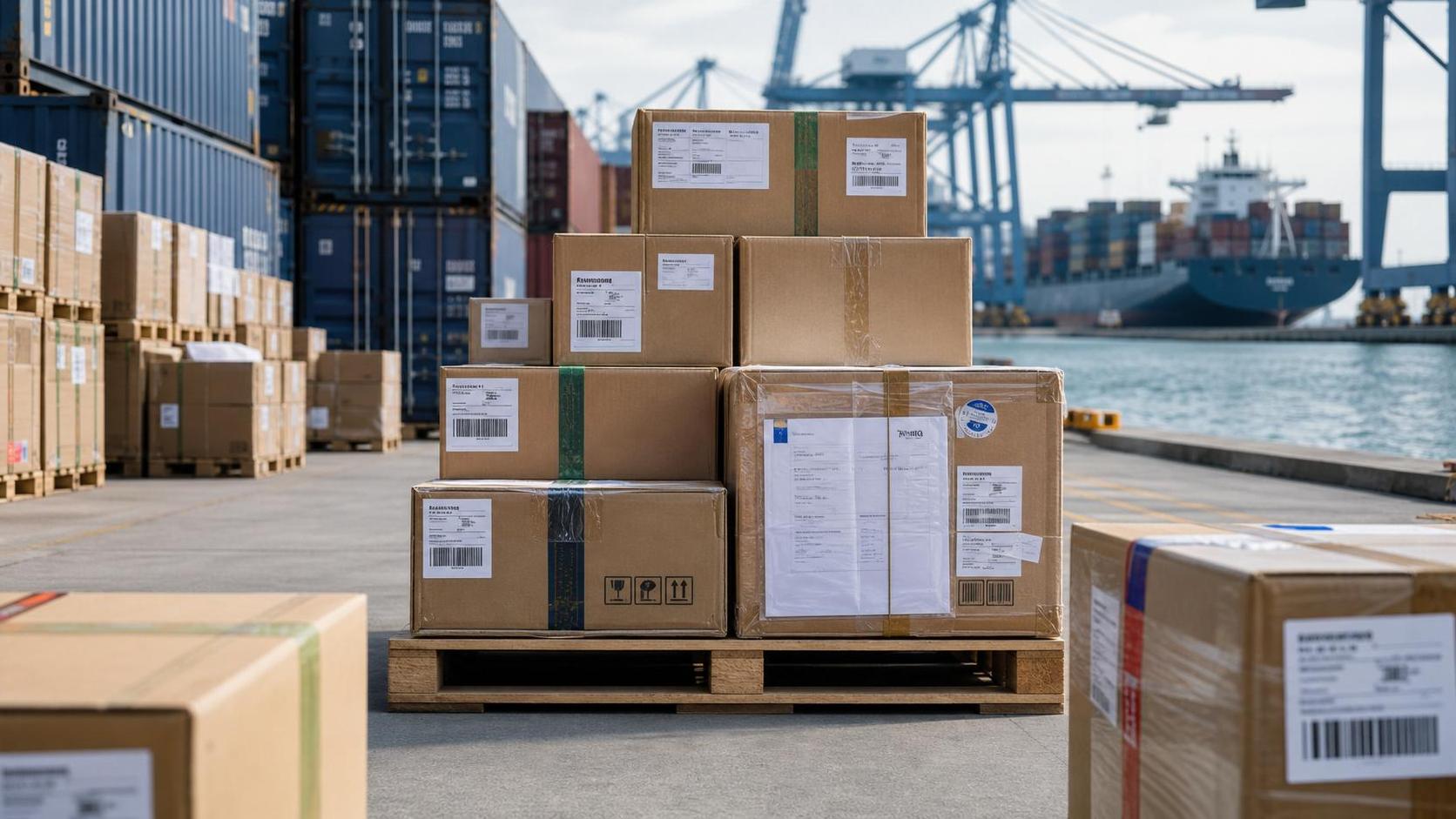
Next comes packing and cargo preparation. Good air cargo packaging must protect goods through handling, stacking, and transfer while also minimizing wasted volume. Labels should be clear, shipping marks consistent, and carton counts verifiable. If pallets are used, pallet height and stability should match airline and warehouse handling limits. For sensitive cargo, temperature, shock, and orientation controls may be needed.
After cargo reaches the airport or origin warehouse, document review, screening, and export customs procedures take place. Once accepted by the airline, the shipment moves through loading, flight departure, transfer if required, arrival handling, import clearance, and final delivery. At each stage, milestone visibility is valuable because many delays occur on the ground rather than in the air.
GTIIN can support buyers by aligning shipment data, packaging logic, and routing decisions before cargo reaches the airport. In practice, this reduces avoidable issues such as chargeable weight disputes, missed cut-offs, or preventable compliance flags. The most effective air freight execution is usually achieved through disciplined pre-shipment control rather than last-minute expediting.
How To Choose The Right Air Freight Solution
Selection should begin with business requirements, not carrier names. Buyers should define target transit time, acceptable risk level, cargo sensitivity, destination clearance complexity, and the financial impact of delay. A shipment for a production line restart should be evaluated differently from a routine stock replenishment, even if both move through the same airport pair.
Route quality is a major decision factor. Direct flights often offer lower handling risk, but capacity may be tighter or more expensive. Multi-leg routes can work well for general cargo if transit buffers are acceptable. During peak season, choosing a reliable second-best route early may be wiser than waiting for preferred space that is unlikely to materialize in time.
Documentation readiness should be treated as a selection criterion. A supplier that packs quickly but provides incomplete invoice data, inconsistent HS coding, or weak dangerous goods declarations can destroy the time advantage of air freight. Buyers should also review destination import rules, because customs bottlenecks can make a premium flight schedule commercially meaningless.
When comparing partners, ask how they manage exceptions, not only normal shipments. A capable logistics partner should explain cut-off discipline, milestone reporting, repacking support, contingency routing, and coordination across origin and destination teams. For companies using GTIIN as a sourcing or coordination reference point, this structured evaluation can help narrow the gap between quoted service and actual delivered performance.
Costs, Total Landed Cost, And ROI Thinking
The visible price of air freight usually includes freight rate plus fuel, security, terminal handling, documentation, customs brokerage, pickup, and delivery charges. Depending on the lane, peak season surcharges and special handling fees can materially change the final invoice. For this reason, buyers should compare all-in landed cost rather than only the line-haul rate per kilogram.
Chargeable weight is often the largest hidden lever. Poor packaging efficiency can inflate freight cost dramatically, especially for light industrial products, garments, and consumer goods with oversized cartons. Re-engineering packaging may produce better savings than aggressive rate negotiation. It can also improve pallet utilization and reduce handling damage, creating value beyond freight alone.
A sound ROI analysis compares freight premium against business outcomes. Air freight may reduce stockouts, protect launch dates, shorten cash conversion cycles, or avoid line-down penalties. On the other hand, using air cargo to compensate for weak forecasting or chronic supplier delays can become an expensive habit. The right question is whether speed solves a high-value problem or merely masks a process weakness.
For purchasing teams, best practice is to segment shipments by urgency and value density. Use air freight selectively for critical SKUs, replenishment bridges, or high-margin items, while shifting stable demand to sea or multimodal transport. This portfolio view usually delivers stronger logistics economics than treating every urgent request as equally important.
Future Trends And Best Practices For Air Freight Management
Air freight is evolving through digital visibility, stricter compliance expectations, and growing demand for resilient supply chains. Buyers increasingly expect milestone tracking, faster exception alerts, and cleaner shipment data across multiple parties. As trade patterns shift, route diversification and better origin planning are becoming more valuable than relying on a single preferred hub or carrier relationship.
Specialized cargo segments are likely to gain importance. Cold chain development, regional trade integration, and the need for rapid replenishment in industries with short product cycles all support continued use of air cargo in selected categories. At the same time, cost pressure means companies will be more disciplined about deciding which shipments truly deserve premium transport.
Best practice starts with planning earlier than the booking stage. Improve carton design, verify commodity data, classify urgency correctly, and create backup routing options before a disruption occurs. Buyers should also review suppliers on logistics readiness, not only product cost, because shipping performance often depends on packaging quality and documentation control at origin.
For companies seeking practical support rather than generic speed claims, GTIIN can be used as a coordination partner to assess routing logic, packaging efficiency, and shipment suitability in broader sourcing decisions. In air freight, the strongest results usually come from combining fast transport with disciplined process design, realistic cost analysis, and clear exception management.
Related News
 CBP Tightens U.S. Lithium Battery Entry RulesCBP Tightens U.S. Lithium Battery Entry Rules: learn how new UN38.3 report and 49 CFR labeling requirements may affect U.S.-bound shipments from August 1, 2026.
 Air Freight vs Sea Freight: How to Choose Based on Lead Time, Cargo Value, and CostAir freight or sea freight? Learn how to choose based on lead time, cargo value, and total landed cost to cut risk, control spend, and keep shipments moving.
 Food Packaging Cost Breakdown: What Affects Material, Printing, and ShippingFood packaging cost breakdown: learn how material choice, printing specs, and shipping impact total cost. Compare quotes smarter, cut hidden expenses, and source with more confidence.
 Global Trade Patterns in Consumer Goods: What Buyers Should Watch in Supply ChainsGlobal trade patterns are reshaping consumer goods supply chains. Learn what buyers should watch in sourcing, compliance, freight risk, and resilience to make smarter decisions.