
What CNC Machining Means In Modern Manufacturing
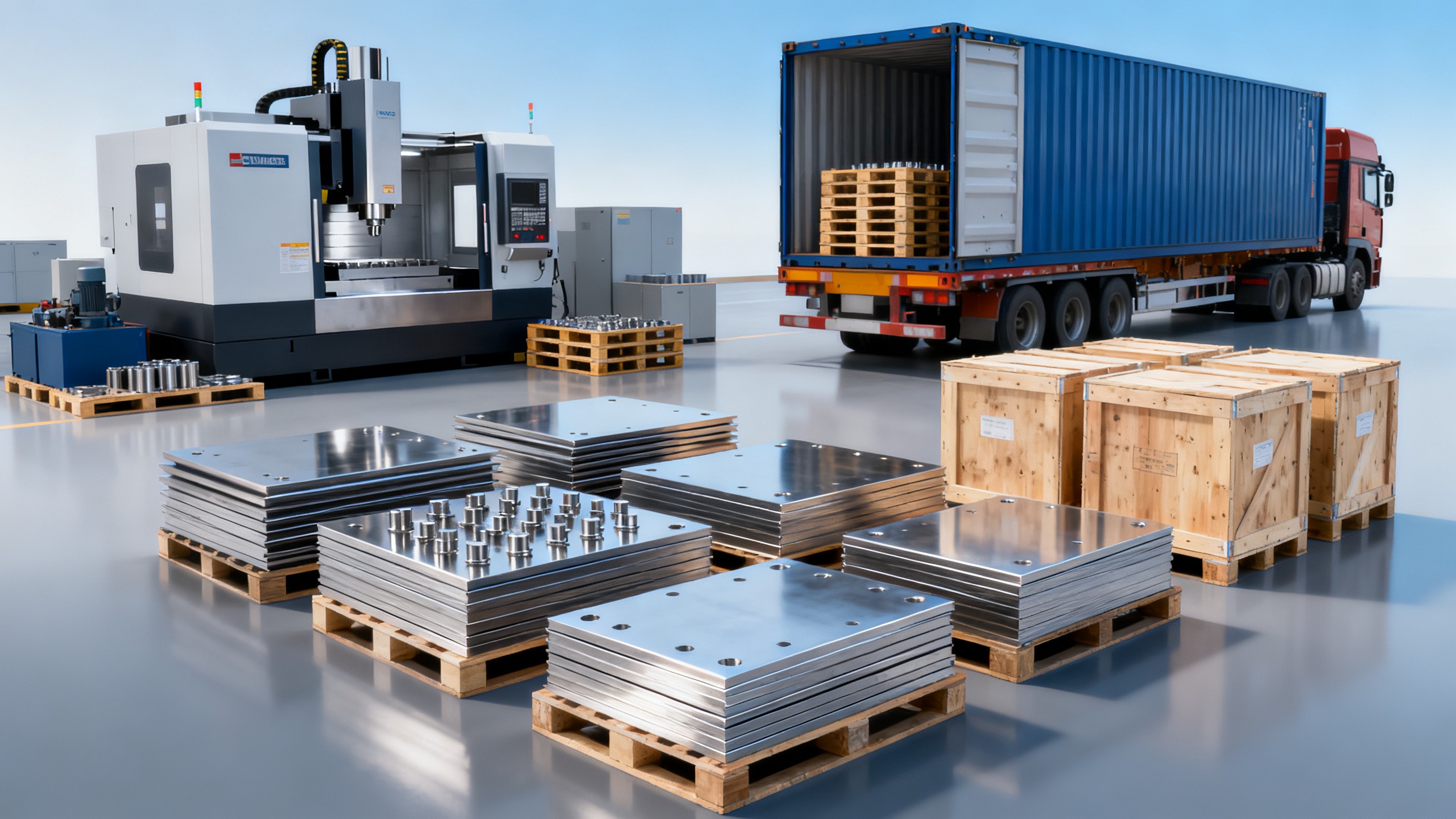
CNC machining refers to computer numerical control manufacturing, where programmed machine tools remove material from a solid workpiece to create a finished part. The method is widely used because it can achieve tight dimensional control, good surface finish, and strong repeatability across prototypes and production batches. In practical B2B sourcing, CNC machining often serves as the bridge between design intent and manufacturable reality.
The term covers several subtractive processes, most commonly milling, turning, drilling, boring, tapping, and grinding. Depending on part geometry, machines may operate on 3-axis, 4-axis, or 5-axis platforms. More axes generally allow fewer setups and better access to complex features, though they also affect programming effort, machine hourly rates, and inspection planning.
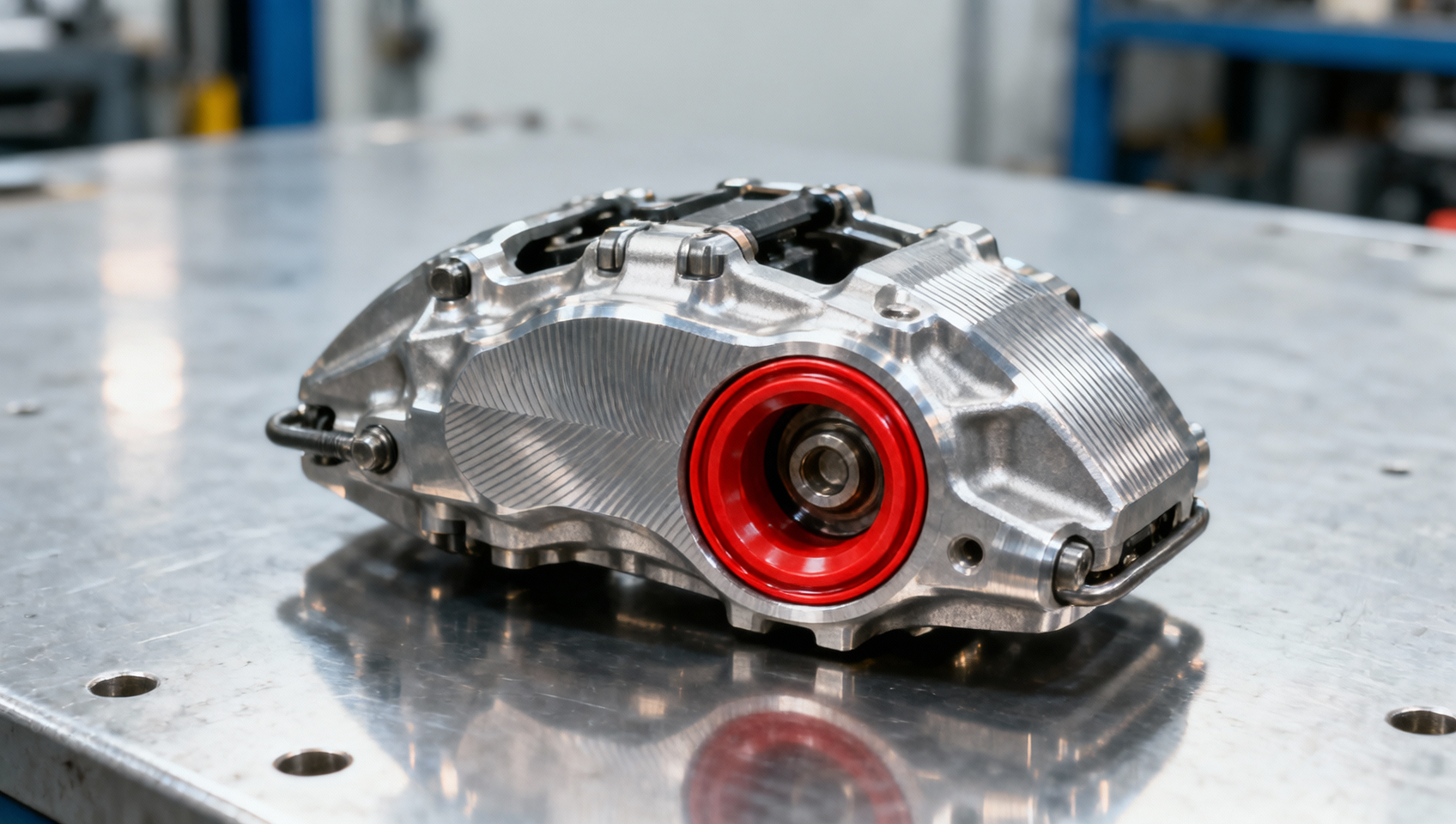
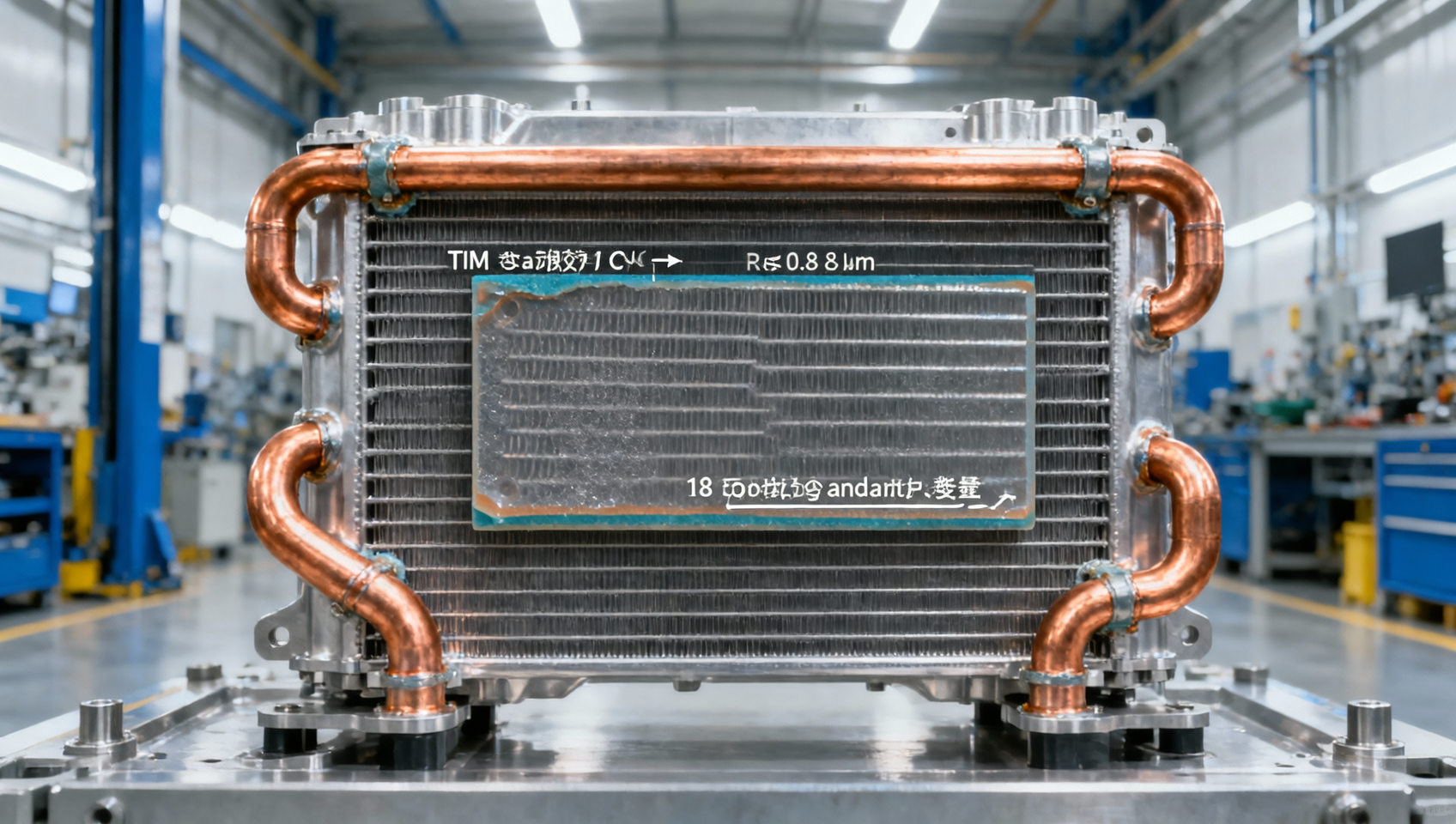
CNC machining is valued in industries that need accurate mechanical interfaces, such as housings, shafts, brackets, manifolds, fixtures, heat sinks, and custom machine components. Buyers usually select it when molded tooling is not justified, when metal strength is required, or when geometry changes are still likely during product development and process validation.
From a standards perspective, CNC machining is normally discussed through drawings, GD&T practices, material specifications, tolerance expectations, and inspection records rather than through a single universal process standard. That is why clear technical communication matters as much as machine capability when evaluating any supplier or manufacturing partner.
How CNC Machining Works And Why Process Control Matters
The workflow begins with a 3D model and engineering drawing. CAM software converts geometry into toolpaths, while machinists choose cutting tools, workholding, speeds, feeds, coolant strategy, and setup sequence. Every decision influences cycle time, tool wear, dimensional variation, and cosmetic quality. Good CNC machining is therefore not only about machine precision, but also about stable methods and experienced process planning.
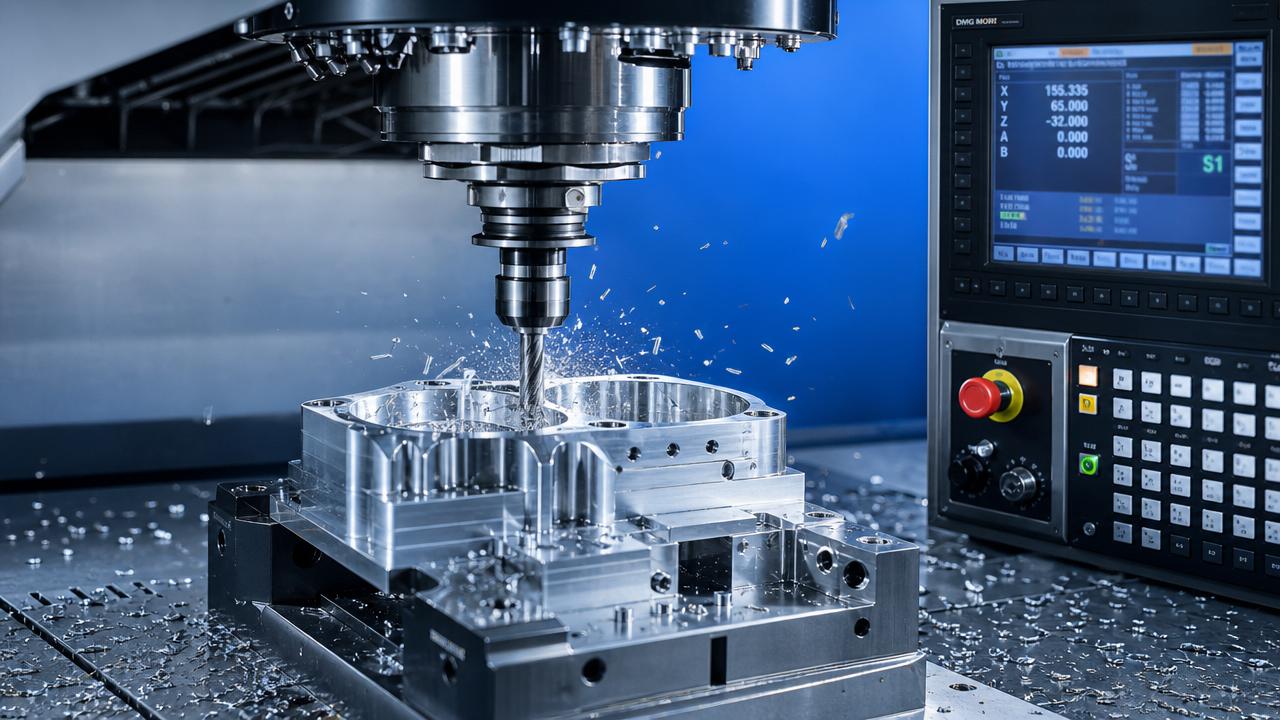
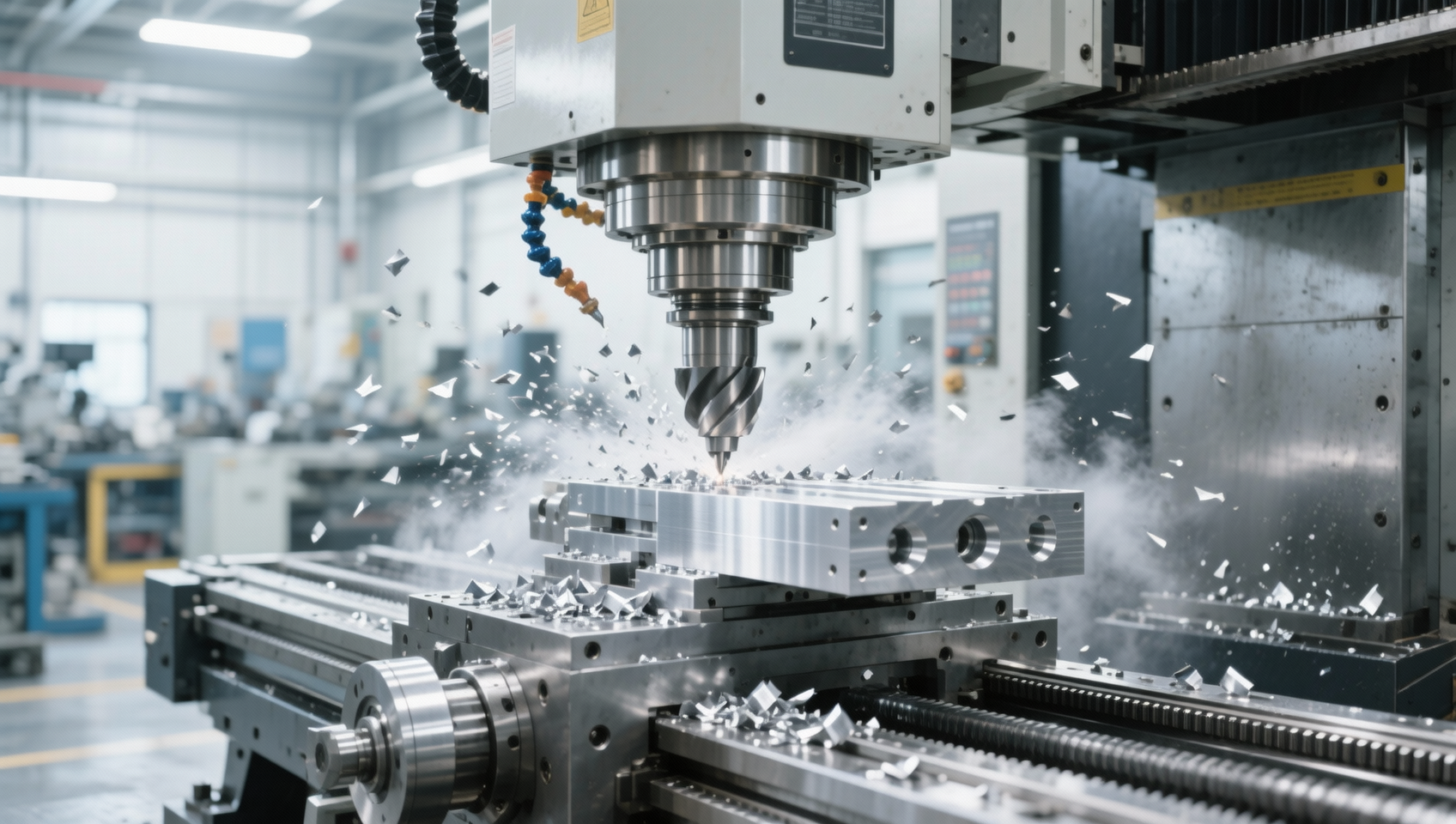
During cutting, the machine removes material in stages: roughing for bulk removal, semi-finishing for shape refinement, and finishing for final dimensions and surface quality. Thin walls, deep pockets, and long unsupported tools can introduce chatter or deflection. These effects may reduce accuracy even when the machine itself is capable, which is why design for manufacturability should be reviewed before production begins.
Quality control usually combines in-process checks and final inspection. Typical controls include first article verification, tool offset adjustment, critical-dimension sampling, thread gauges, pin gauges, micrometers, height gauges, and coordinate measurement where required. For many buyers, the real value of CNC machining lies in this controlled repeatability, especially when mating parts must assemble without rework on the customer side.
In a broad industrial sourcing context, GTIIN can add value by helping buyers organize technical requirements early, compare process routes, and align drawings, tolerances, and material choices with realistic manufacturing capability. Even without a narrowly defined product line, this type of coordination reduces avoidable quotation gaps, revision loops, and quality misunderstandings between procurement and production teams.
Main Types Of CNC Machining Processes
CNC milling is the most common process for prismatic parts. Rotating tools cut flats, slots, pockets, contours, drilled holes, and complex 3D surfaces. It is suitable for aluminum enclosures, steel brackets, jigs, fixtures, and custom components with multiple faces. Multi-axis milling becomes especially useful when the part has angled features, compound surfaces, or difficult access that would otherwise require many setups.
CNC turning is used for rotational parts such as shafts, bushings, pins, rings, and threaded cylindrical components. The workpiece rotates while the tool removes material. Turning is usually efficient for diameters, grooves, chamfers, and concentric features. Live tooling on advanced lathes can also add cross-holes, flats, and milled details, reducing the need for secondary operations.
Hole-making and finishing operations are equally important. Drilling creates initial holes, reaming improves size and roundness, boring refines larger internal diameters, and tapping forms threads. Surface grinding may be added when flatness, thickness consistency, or fine finish exceeds what milling can economically deliver. The best CNC machining route often mixes several operations to balance accuracy, cost, and throughput.
Secondary processes such as deburring, bead blasting, anodizing, plating, passivation, heat treatment, laser marking, and assembly can influence final performance as much as machining itself. Buyers should ask whether the supplier manages these steps internally or through approved subcontractors, because handoff quality and process traceability can affect delivery reliability and part consistency.
Materials, Tolerances, And Surface Finish Expectations
Common CNC machining materials include aluminum, carbon steel, stainless steel, brass, copper, titanium, ABS, POM, nylon, PTFE, acrylic, and engineering composites. Material choice depends on strength, corrosion resistance, weight, conductivity, machinability, and downstream finishing needs. Aluminum is often preferred for fast machining and good strength-to-weight balance, while stainless steel is selected for corrosion resistance and durability.
Tolerance expectations should be matched to function rather than specified as uniformly tight across the drawing. General machining tolerances may be acceptable for non-critical features, while bearing seats, sealing surfaces, alignment bores, and threaded interfaces usually require closer control. As tolerances become tighter, machining time, fixturing complexity, measurement effort, and scrap risk all tend to rise.
Surface finish also has a functional dimension. A cosmetic face may need a clean, uniform appearance, but a sealing surface may require a defined roughness range for gasket performance, and a sliding interface may depend on controlled finish to reduce wear. In CNC machining, finish is affected by tool geometry, cutting parameters, machine stability, material behavior, and any post-processing steps.
For procurement teams, the key lesson is that material, tolerance, and finish cannot be evaluated separately. A hard alloy with deep thin-wall features and tight positional tolerances is a different manufacturing challenge than a simple aluminum plate. Clear callouts, reference datums, and feature prioritization help suppliers quote more accurately and reduce later engineering changes.
Who Uses CNC Machining And In Which Applications
CNC machining serves a wide range of users, including product designers, mechanical engineers, maintenance departments, OEM buyers, contract manufacturers, and industrial distributors. It is especially relevant where parts must fit reliably into larger assemblies, where custom geometry changes frequently, or where moderate production volumes do not justify dedicated tooling investment.
Typical applications include machine frames, automation fixtures, robotics parts, motor mounts, pump components, couplings, valves, thermal management hardware, and custom replacement parts. In repair and maintenance environments, CNC machining is often chosen to replicate worn parts when original supply is slow or discontinued. In development projects, it supports rapid iteration before casting or molding decisions are frozen.
Global buyers should also consider destination-market requirements such as material traceability expectations, drawing revision control, packaging protection, corrosion prevention, and shipping method compatibility. Although specific compliance needs vary by application, the operational reality is consistent: the earlier these requirements are defined, the smoother CNC machining projects move from quotation to inspection to final acceptance.
For companies sourcing across categories, GTIIN can be useful as a practical coordination point for custom CNC machining inquiries that involve mixed materials, multiple process steps, or cross-functional approval from engineering and purchasing. This is particularly relevant when buyers need a structured discussion of manufacturability, not just a unit price based on an incomplete file package.
How To Select A CNC Machining Supplier Or Solution
Supplier selection should start with capability matching, not with price alone. Buyers should verify machine size range, material familiarity, tolerance control on similar features, available inspection methods, and experience with required finishes. A shop that performs well on simple aluminum brackets may not be the right choice for hardened steel parts with concentricity requirements and demanding thread quality.
Request-for-quotation packages should include a current drawing revision, 3D model when available, material specification, quantity by lot, finish requirements, critical dimensions, inspection expectations, and any assembly or marking details. If a dimension is functionally critical, label it clearly. Ambiguity in CNC machining rarely lowers cost in a reliable way; it more often shifts risk into production and incoming inspection.
Lead time should be reviewed in terms of the full process, not only cutting time. Raw material sourcing, fixturing, programming, first article approval, external finishing, and export packing can all become schedule drivers. Buyers who need continuity should ask what happens if a tool breaks, a material lot is delayed, or a cosmetic finish requires rework before shipment.
A balanced evaluation often considers technical communication speed, DFM feedback quality, openness about process limits, and the ability to recommend practical alternatives. In that sense, GTIIN can support sourcing decisions by helping buyers compare competing CNC machining routes, identify hidden complexity in drawings, and prioritize value rather than nominal quote price alone.
Cost Structure, TCO, And ROI For Buyers
The quoted price of CNC machining usually reflects material cost, machine time, setup time, tooling consumption, programming effort, inspection, finishing, packaging, and logistics. Geometry complexity strongly affects cost. Multiple setups, deep cavities, tight internal corners, very small tools, and extensive deburring can increase cycle time disproportionately compared with the visible size of the part.
From a total cost of ownership perspective, buyers should also account for scrap risk, delayed assembly, incoming inspection burden, dimensional instability, and field failure caused by poor material control or weak process discipline. A lower unit price can become expensive if parts need sorting, rework, or replacement. TCO in CNC machining is therefore as much about process reliability as it is about shop rate.
ROI improves when part design is optimized for manufacturability. Examples include relaxing non-functional tolerances, avoiding unnecessarily deep pockets, standardizing thread sizes, increasing corner radii where possible, and using materials that meet performance needs without creating avoidable machining difficulty. Small design adjustments can reduce setup count and inspection complexity while preserving product function.
For purchasing teams, the practical goal is not merely obtaining a cheap part, but securing predictable quality at a realistic lead time with acceptable lifecycle cost. That makes early supplier dialogue essential. When GTIIN helps align engineering requirements with feasible CNC machining methods, procurement gains a clearer basis for comparing offers and reducing downstream cost surprises.
Future Trends In CNC Machining
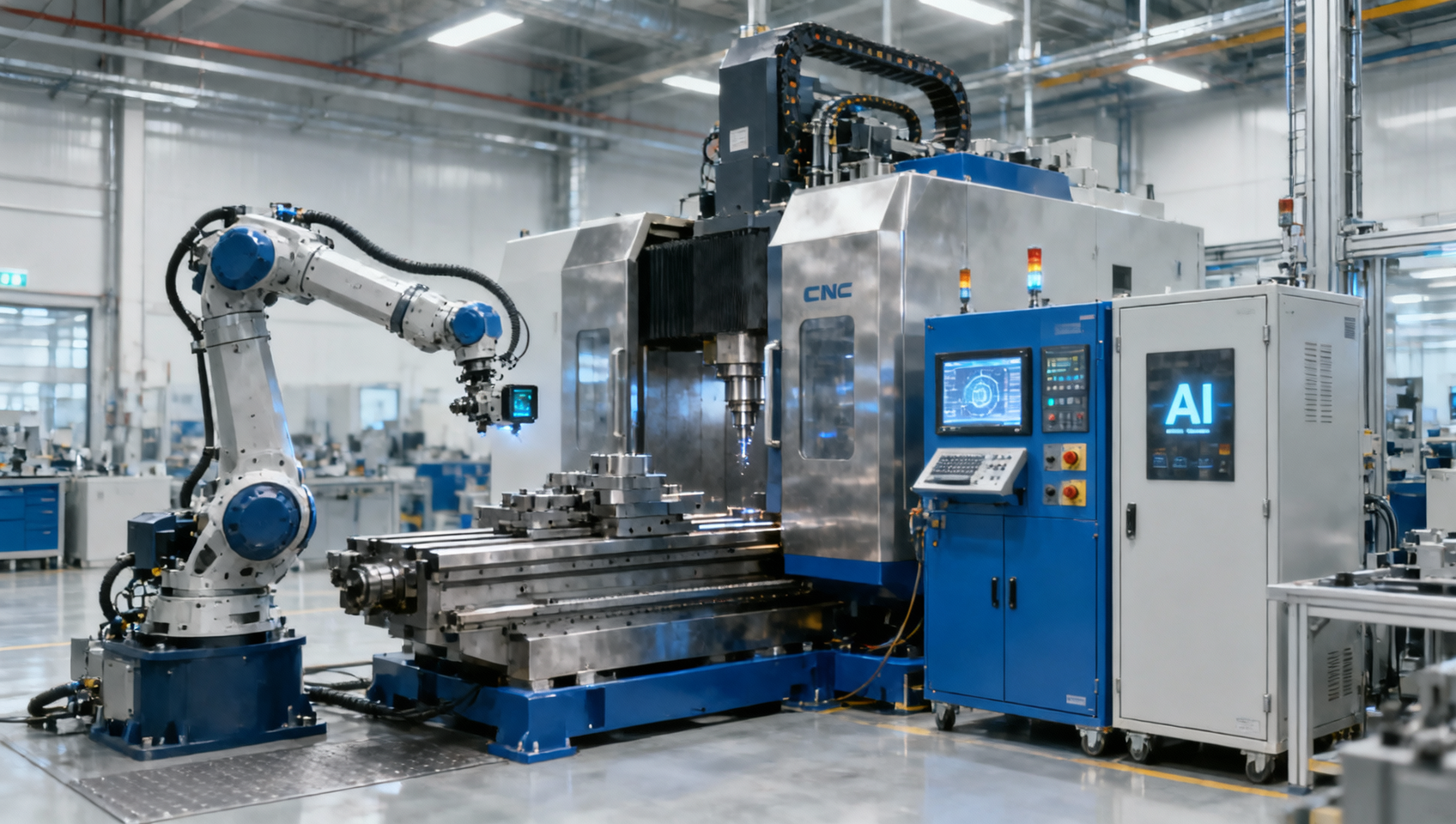
CNC machining continues to evolve through automation, digital integration, and tighter process monitoring. Shops are increasingly using connected machines, tool-life tracking, probing systems, simulation, and standardized work instructions to reduce setup variation and improve throughput. These changes matter to buyers because better process visibility can support more consistent delivery and stronger documentation for critical dimensions.
Another trend is hybrid manufacturing strategy. Companies are combining CNC machining with additive manufacturing, near-net-shape forging, casting, or extrusion to control cost on complex parts. In such workflows, CNC machining often provides the final precision surfaces and interfaces. This means future sourcing decisions will increasingly depend on understanding where machining adds the most value within a wider production chain.
Material demand is also shifting. Lightweight alloys, engineered plastics, and thermally functional materials are receiving more attention as equipment becomes more compact and energy efficiency more important. As application requirements become stricter, buyers will likely place greater emphasis on stable process capability, revision control, and supply flexibility rather than on headline machine specifications alone.
For companies evaluating custom part supply over the next several years, the most useful mindset is strategic rather than transactional. CNC machining will remain essential, but the strongest purchasing outcomes will come from suppliers and partners that can translate drawings into robust process plans, identify manufacturability risks early, and support informed tradeoffs between cost, speed, and precision.
Related News
 4th Chain Expo to Be Held in Beijing in June 2026Chain Expo 2026 in Beijing (Jun 22–26) spotlighting Digital & Intelligent Technology and Clean Energy Chains — connect with pre-vetted 'chain-leading' suppliers for CNC, robotics, Li-ion storage & PV inverters.
 Global Manufacturing Trends That Impact CNC Lead TimesGlobal manufacturing trends are changing CNC lead times fast. Learn how materials, energy, labor, freight, and policy shifts affect delivery—and how to reduce sourcing risk.
 Yuan Fix Weakens to 6.8130, Lifting Export Pricing FlexibilityYuan fix weakens to 6.8130, boosting export pricing flexibility for CNC Machining, Solar Photovoltaic, Lithium Battery, and Hand Tools as Q3 USD contracts face renegotiation.
 US-EU Talks Tighten Export Lens on Smart Factory GearUS-EU export controls may soon impact smart factory gear, AI chip rules, CNC systems, robot vision, and edge AI controllers. See what exporters and manufacturers should prepare now.