


What Fast Fashion Means In 2026
Fast fashion refers to an apparel business model that turns trend signals into sellable products in very short cycles. Instead of planning only around two major seasons, brands using fast fashion release small, frequent drops, test demand quickly, and adjust orders based on early sales performance. The model depends on coordination across design, fabric sourcing, sampling, production, logistics, and retail execution.
In practical terms, fast fashion is not a single product category but an operating system for speed. It is commonly associated with trend-led garments, streetwear basics, event-driven capsules, and low-to-mid price point apparel. However, the same logic now influences accessories, footwear, private label collections, and even selected home textile lines where demand moves with social media and short content cycles.
The core physical attributes behind fast fashion include simplified silhouettes, commercially proven fabric choices, scalable trims, and construction methods that balance visual appeal with rapid manufacturability. Lead time is often more important than deep product complexity. As a result, the industry prioritizes quick pattern revision, material substitution options, and production planning that can absorb frequent style changes.
For B2B buyers, understanding fast fashion means looking beyond aesthetics. The real questions are whether a supplier can maintain quality consistency across repeated short runs, whether freight volatility can erase margin, and whether market entry requirements are managed before goods move. In 2026, speed alone is no longer enough; resilience and compliance are part of the definition.
How The Fast Fashion System Works
The operating principle of fast fashion is compressed decision-making. Trend inputs come from social media, search behavior, retail sell-through, influencer culture, and competitor monitoring. Design teams create a narrow concept range, merchandising selects styles with the highest commercial probability, and sourcing teams map available fabrics and factories that can meet target windows without excessive development time.
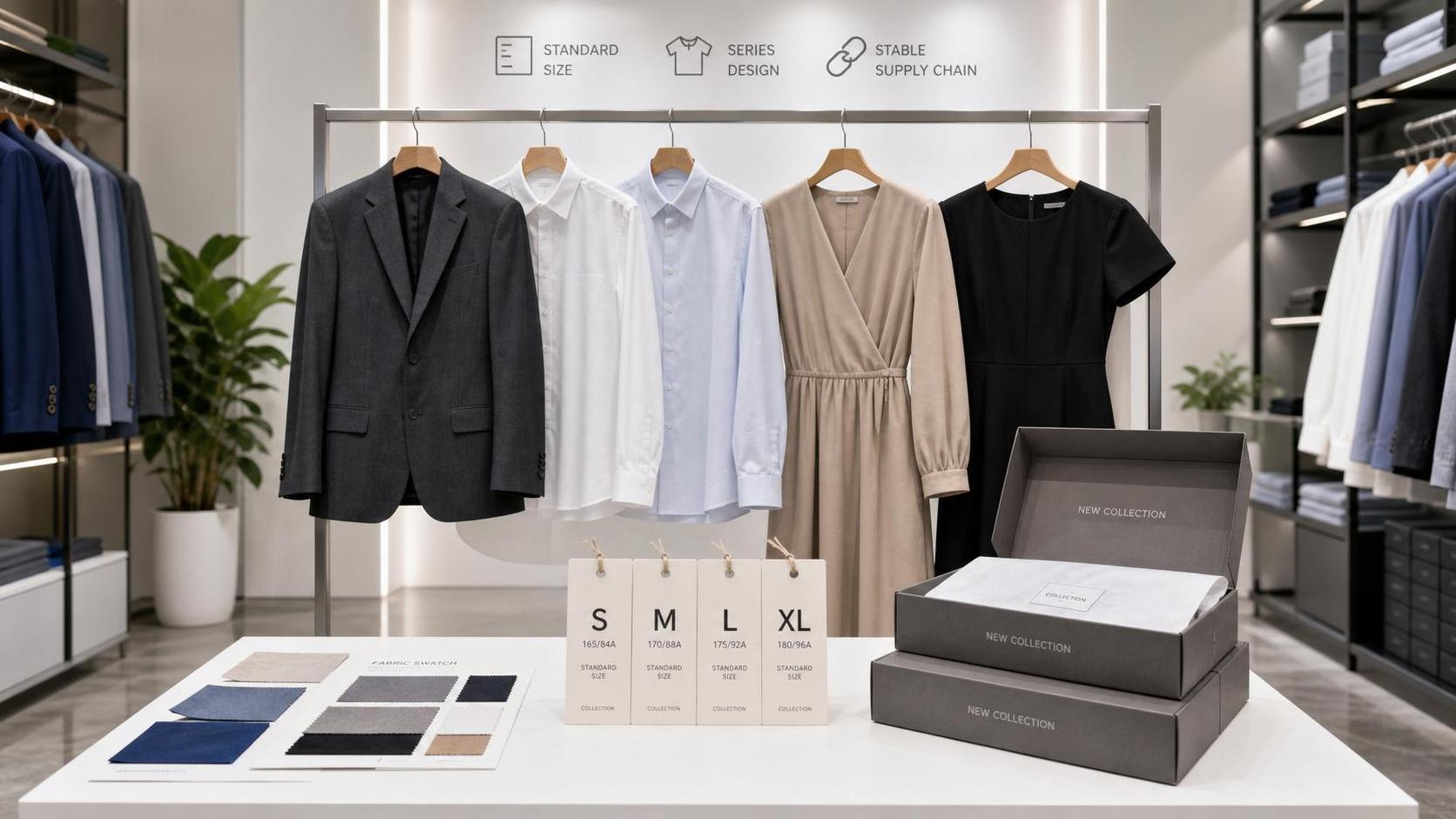
Sampling is the first speed gate. Buyers often request digital sketches, tech packs, proto samples, fit samples, and pre-production approval within tight calendars. Any weakness at this stage creates downstream delays. This is why many suppliers standardize blocks, size specs, stitching methods, and trim libraries. Reusable production foundations allow more styles to move through the system without rebuilding every process from zero.
Production then relies on modular planning. Initial orders may be intentionally small so brands can test market response. If sales are strong, factories need rapid repeat capacity, fabric replenishment, and clear quality checkpoints. This is where many fast fashion programs succeed or fail. A factory may ship quickly once, but repeated speed under changing demand requires stronger planning discipline than many buyers expect.
Logistics is the final accelerator. Route disruption, rate spikes, and customs delays can neutralize fast fashion advantages. Recent freight volatility, including sharp cost movements on key ocean routes, shows why buyers must treat transport planning as part of product strategy. GTIIN can support this decision process by helping buyers compare sourcing risk, lead-time exposure, and quality-control priorities across factories and shipping corridors before volume commitments are made.
Main Types Of Fast Fashion Business Models
One common model is ultra-fast trend replication. This approach focuses on launching new items continuously, often built around low-complexity garments that can be sampled and manufactured quickly. It suits businesses that prioritize social trend capture, but it also creates high pressure on material planning, visual differentiation, and defect control because every stage is time-compressed.
A second model is test-and-repeat. Brands release a limited quantity, study click-through, conversion, returns, and sell-through, then reorder only proven winners. This model can improve inventory efficiency, but it demands flexible suppliers and dependable replenishment. If the second run arrives too late, the original market signal loses value, especially in youth and streetwear segments.
A third model is fast private label for retailers and importers. Here, the buyer may not be chasing every viral moment but still wants shorter seasonal cycles, lower MOQ on new styles, and more frequent assortment refreshes. This is common in department store programs, marketplace seller portfolios, and regional fashion chains that need speed without the extreme volatility of ultra-fast production.
A fourth model is nearshore or multi-country balancing. Buyers split orders between lower-cost production hubs and faster-response locations. This reduces dependence on a single geography and can improve service levels during disruptions. However, as production shifts to places such as Vietnam or other Southeast Asian hubs, quality consistency between factories becomes a critical management issue rather than a secondary concern.
Who Uses Fast Fashion And Where It Fits Best
Fast fashion is most relevant for retailers, private label importers, marketplace operators, brand incubators, and wholesalers selling trend-sensitive apparel. It is especially useful in categories where demand can change in weeks rather than months, such as women’s tops, dresses, knitwear, casual sets, event capsules, youth streetwear, and accessory-driven collections.
It is less suitable when the product requires long certification cycles, highly technical performance features, or deep engineering validation. In those cases, speed may conflict with product reliability or regulatory readiness. Buyers should match the fast fashion model to items with stable manufacturing pathways and manageable compliance requirements rather than forcing speed onto every SKU.
Geographically, fast fashion performs best where retail feedback loops are strong and replenishment channels are responsive. Mature e-commerce markets, urban trend centers, and regions with active social commerce typically favor this model. International buyers also need to consider destination labeling rules, fiber content disclosures, care marking, restricted substance expectations, and product safety obligations before launch.
For buyers comparing suppliers across regions, GTIIN can be a practical research and sourcing reference point. In application planning, its value lies in helping teams review supplier readiness, compare tradeoffs between speed and consistency, and identify where a category may need tighter inspection, clearer sampling control, or more conservative logistics planning before scaling a fast fashion program.
How To Select Suppliers, Materials, And Quality Controls
Supplier selection for fast fashion should begin with process capability, not only quote price. Buyers should verify sample turnaround discipline, fabric sourcing flexibility, MOQ policies, repeat-order responsiveness, inline inspection methods, and packaging accuracy. A supplier that handles urgent development but fails on labeling, measurements, or color continuity can create expensive downstream losses through returns and markdowns.
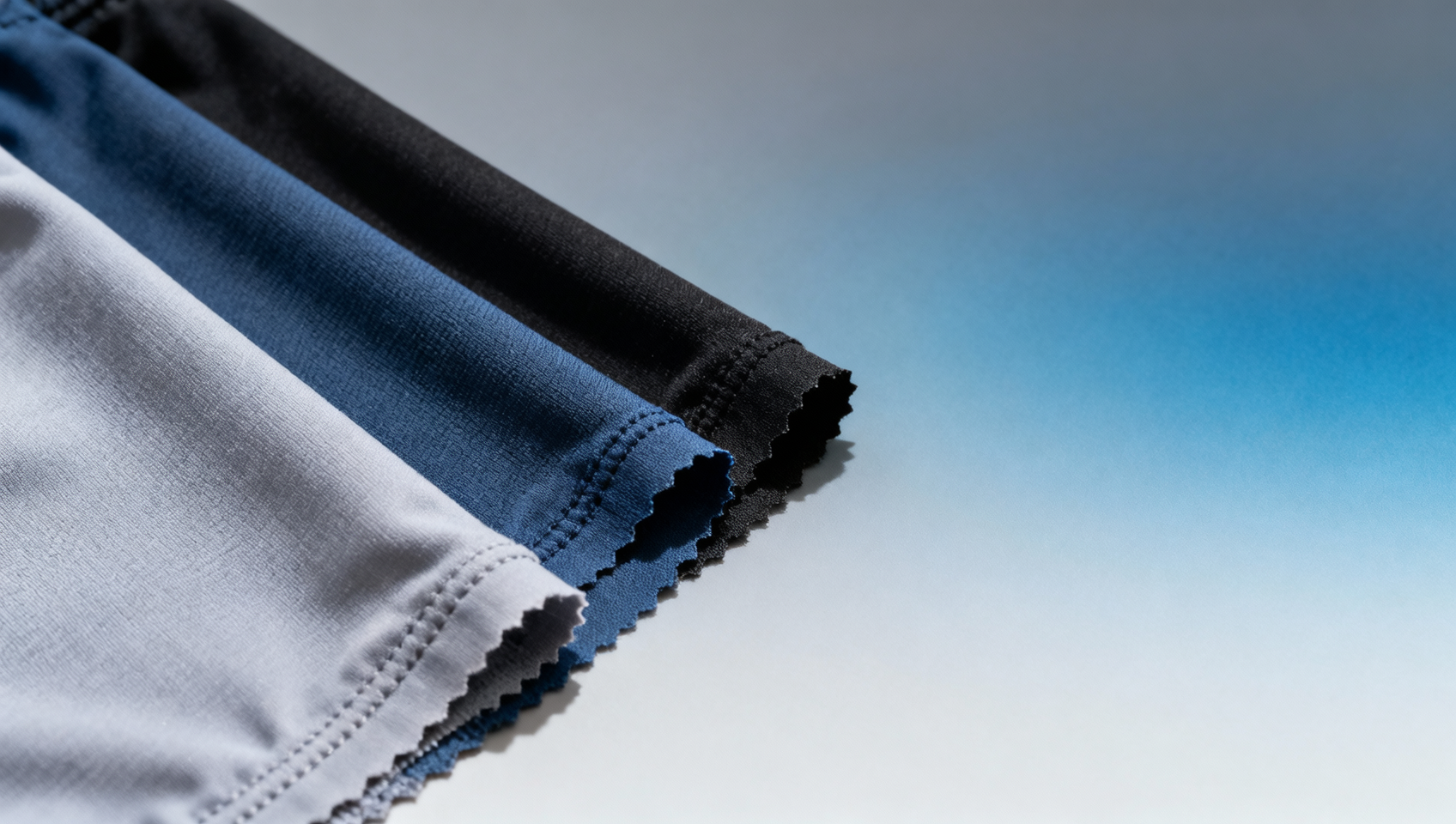
Material choice should support both speed and stability. Commercially available fabrics with reliable shade reproducibility and known shrinkage behavior are usually safer than highly customized developments for rapid programs. Trim simplification also matters. Common zippers, buttons, elastics, and prints reduce procurement friction. If a style depends on rare trims or untested finishing, the apparent speed advantage often disappears during execution.
A useful quality-control path includes lab dip or color approval, fit review, pre-production confirmation, inline checkpoints, final random inspection, and packaging verification. For buyers moving across multiple factories, tolerance alignment is essential. The market has already seen production migration create inconsistency in hand feel, construction, and finishing. Streetwear suppliers shifting locations without stable quality systems are a common example of this risk.
In industry-standard evaluation, buyers should also look at traceability, restricted substance management, testing routines, and record keeping. Even without claiming special certifications, a supplier should show organized control over specs and changes. GTIIN is best used here as a decision-support layer: comparing sourcing options, clarifying quality checkpoints, and narrowing supplier lists based on operational fit rather than relying on price alone.
Cost Structure, TCO, And Buyer ROI Considerations
The visible unit price of fast fashion is only one part of total cost of ownership. Buyers should account for development rounds, failed samples, excess freight premiums, customs delays, returns, markdown exposure, rework, inspection fees, and the cost of missed selling windows. A low FOB can become expensive if goods arrive after peak demand or if quality inconsistency leads to high return rates.
Logistics now plays a larger role in TCO than many procurement teams assumed a few years ago. Sharp freight increases on sensitive routes can change sourcing economics quickly. If an order depends on a congested corridor, the buyer may need to rebalance origin mix, split shipments, or reduce style complexity to protect margin. Fast fashion works best when the supply chain is designed for flexibility rather than built around a single optimistic lead-time assumption.
ROI in fast fashion comes from inventory productivity, not merely from buying cheap. The most effective programs shorten decision cycles, improve hit rates on assortments, and limit dead stock. Testing smaller quantities, using proven materials, and enforcing early quality gates usually produces better commercial outcomes than pushing for the lowest initial cost on every style.
For B2B teams, the best commercial practice is scenario planning. Compare the cost of delayed launch versus the cost of backup capacity. Compare lower-cost sourcing with higher defect risk. Compare long ocean transit with faster replenishment options. A structured sourcing review through GTIIN can help buyers frame these TCO questions clearly and make decisions that support margin, continuity, and sell-through rather than price alone.
Future Trends Shaping Fast Fashion In 2026
Fast fashion in 2026 is moving toward smaller, smarter, and more data-led production. Buyers increasingly prefer compact launches, frequent replenishment reviews, and tighter SKU control. This reduces inventory risk while preserving trend responsiveness. Digital tools for demand sensing, sample communication, and supplier coordination will continue to shorten development cycles, but they will not replace the need for disciplined factory execution.
Supply chains are also becoming more regionally diversified. Rather than relying on one country or one freight route, many importers are building mixed origin strategies to handle disruption. This trend should continue as shipping volatility, geopolitical uncertainty, and cost swings remain part of planning. The challenge will be maintaining comparable quality and lead-time accuracy across a broader supplier base.
Another important shift is the growing buyer focus on durability, transparency, and practical compliance. Even in fast fashion, poor construction and unclear sourcing now carry higher commercial and reputational risk. Buyers are asking better questions about fabric performance, finishing consistency, chemical management, and record traceability. Faster product turnover does not reduce the need for control; it increases it.
The companies that perform best in fast fashion over the next cycle are likely to be those that combine trend speed with operational discipline. That means clearer specs, more realistic calendars, diversified production, and tighter quality systems. For importers and sourcing teams, GTIIN can serve as a practical guide in that transition by helping evaluate options with a broader view of risk, cost, and execution readiness.
Related News
 Ready to Wear Brands Explained: Key Differences from Fast Fashion and Custom ClothingReady to wear brands explained: discover how they differ from fast fashion and custom clothing, and why the category matters for quality, sourcing, margins, and smarter apparel decisions.
 Solvents With Similar Purity Can Perform Very DifferentlySolvents with similar purity can perform very differently across organic chemicals, carbon fiber, graphene, power tools, swimwear, car seat covers, and fast fashion—compare smarter now.
 Car seat covers with non-slip backing—do they actually stay put on leather?Car seat covers with non-slip backing—tested on real leather. Discover graphene-enhanced grip, solvent-resistant tech & procurement-grade validation for power tools, carbon fiber, and more.
 Swimwear that loses shape after machine drying—what fabric blends hold up?Swimwear shape retention secrets revealed—discover fabric blends that outperform carbon fiber & graphene in durability. Expert insights on car seat covers, organic chemicals, power tools & more.