What Industrial Automation Means In Modern Industry
Industrial automation refers to the use of control systems, machines, software, and connected devices to perform production and process tasks with limited manual intervention. In practical terms, it links field equipment, control logic, and operational data so factories can improve repeatability, reduce human error, and respond faster to changing demand.
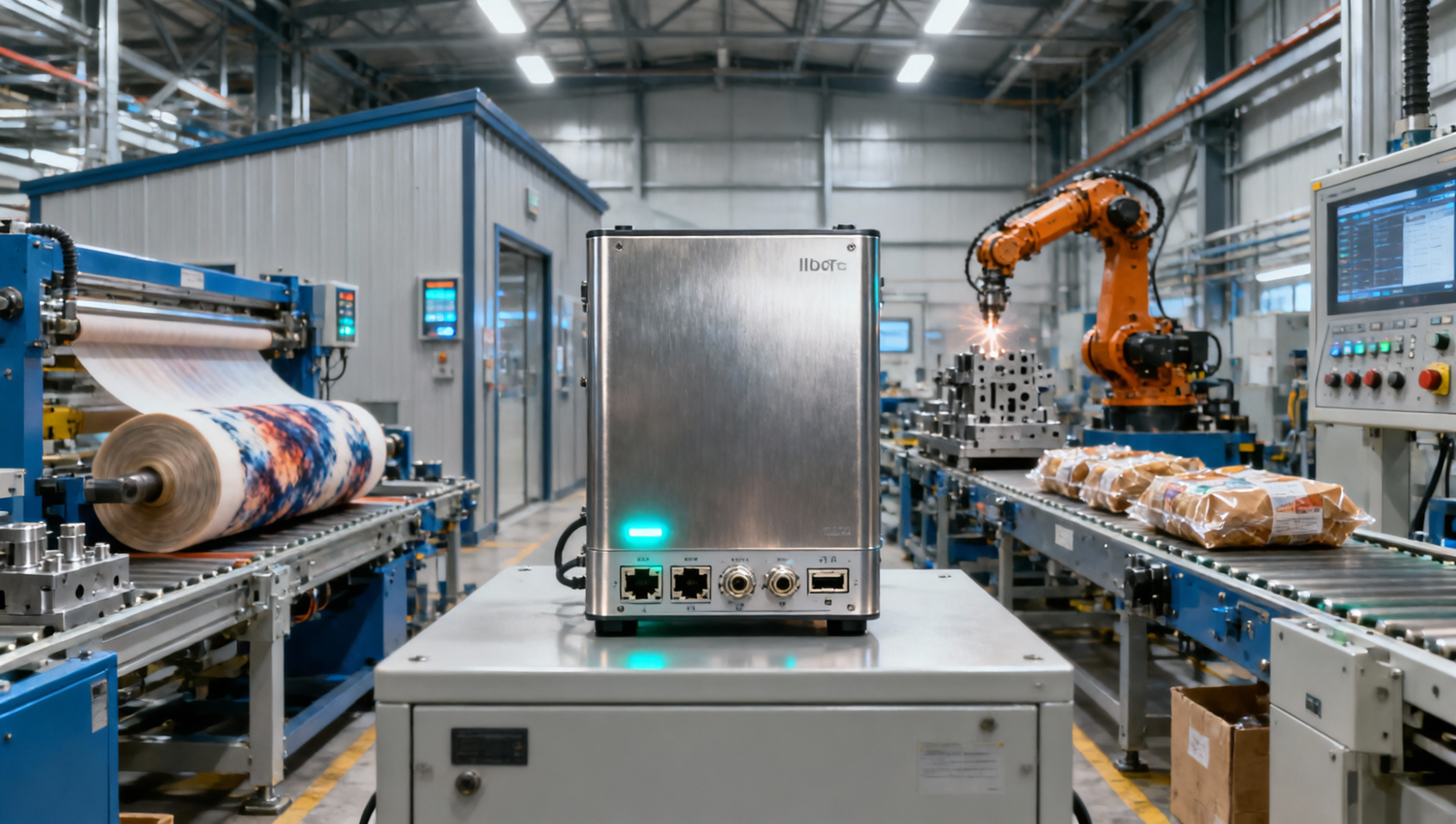
The scope of industrial automation ranges from a single automated workstation to a plant-wide architecture that includes PLCs, HMIs, SCADA, drives, robots, machine vision, and industrial communication networks. It is relevant across discrete manufacturing, process industries, warehousing, packaging, inspection, and utility operations.
A useful way to understand industrial automation is by its main goals: control, consistency, traceability, safety, and productivity. Instead of relying on operator judgment alone, automated systems execute predefined logic, collect real-time signals, and trigger actions based on measurable conditions, tolerances, and production targets.
For B2B buyers, industrial automation is not only a technology topic but also a business system decision. It affects throughput, labor structure, maintenance planning, quality assurance, compliance documentation, and long-term competitiveness in markets where delivery speed and stable output matter.
How Industrial Automation Works: Core Principles And Architecture
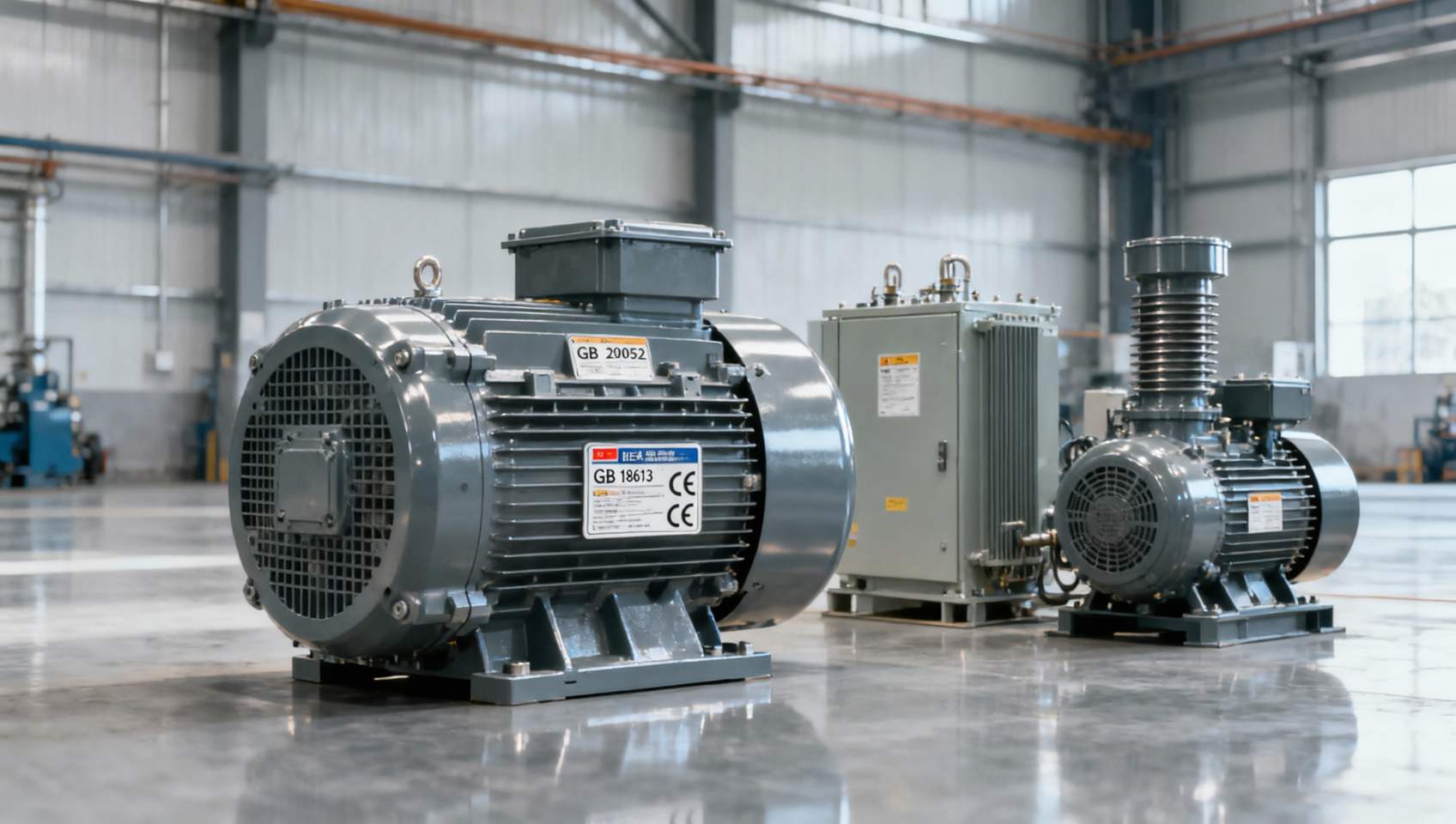
At the equipment level, industrial automation begins with inputs and outputs. Sensors detect temperature, pressure, proximity, position, vibration, flow, or visual features. Controllers interpret those signals against programmed logic. Outputs then activate motors, valves, relays, conveyors, servo systems, or robotic movements to maintain the desired process condition.
The control layer is often built around PLCs, PACs, DCS platforms, or embedded controllers, depending on process complexity and required scalability. Human-machine interfaces allow operators to monitor status, change recipes, acknowledge alarms, and review trends. Higher-level software may aggregate production data for scheduling, reporting, and performance analysis.
Communication is another critical principle. Industrial automation depends on reliable exchange between devices through protocols commonly used in industrial environments. The exact protocol matters less than compatibility, diagnostics, response time, cybersecurity, and supportability across the full system life cycle.
A mature architecture usually follows a layered model: field devices, control hardware, supervisory systems, and enterprise integration. This structure helps companies isolate faults, standardize maintenance, and expand capacity without redesigning every machine. It also supports data-driven decisions, which are increasingly important as factories pursue digitalization and predictive maintenance.
Main Types And Components Of Industrial Automation
Industrial automation is commonly grouped into fixed automation, programmable automation, flexible automation, and integrated automation. Fixed automation suits high-volume, repetitive production with stable product design. Programmable automation works better when changeovers occur between batches. Flexible automation supports faster product variation with less downtime between models or recipes.
Integrated automation extends beyond individual machines and connects production, inspection, material handling, and information systems. This approach is increasingly important for companies that need end-to-end visibility from raw material intake to final packaging, labeling, warehousing, and shipment readiness.
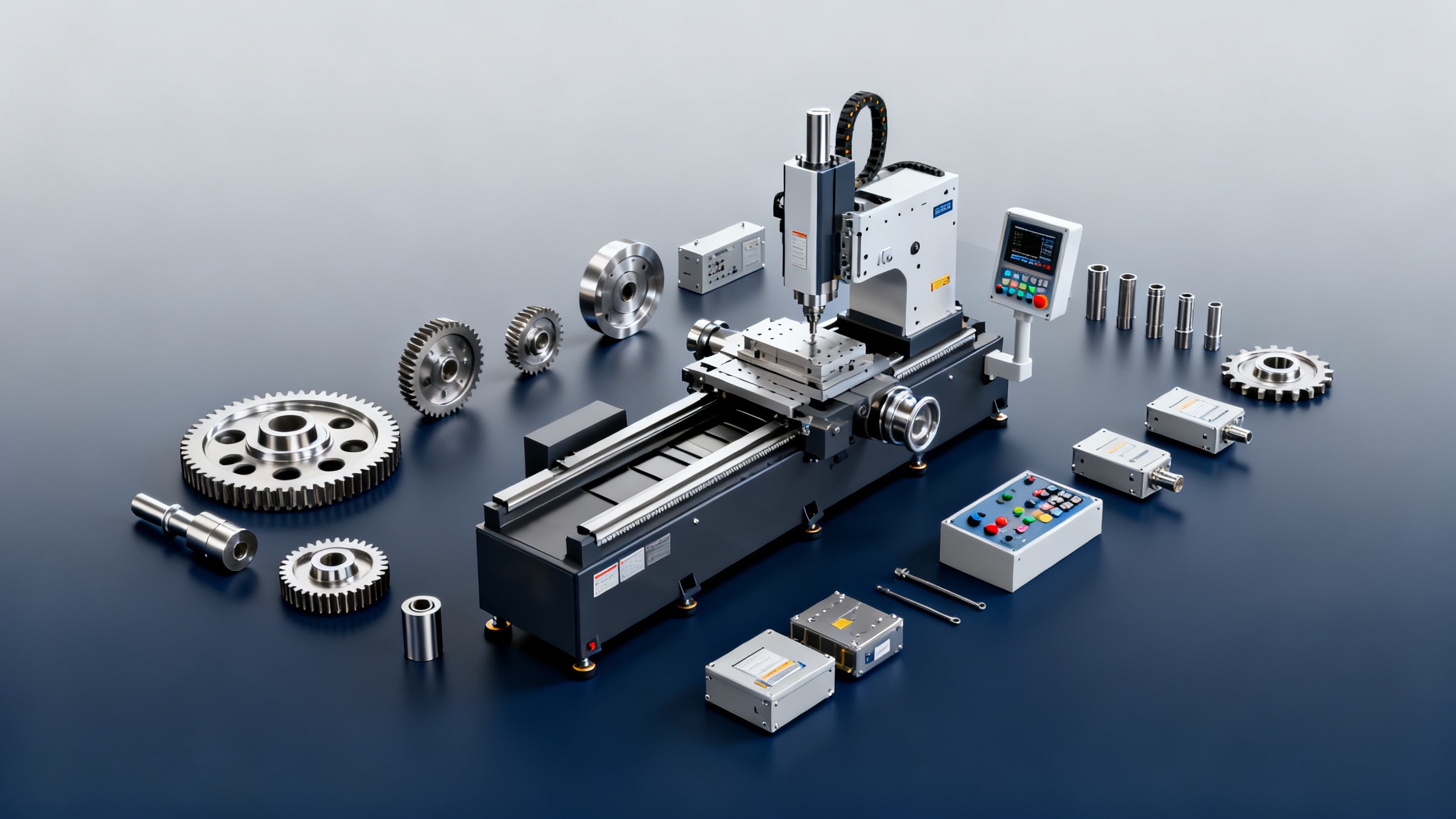
The main components include sensors, actuators, motors, drives, robots, conveyors, safety devices, control cabinets, industrial PCs, HMIs, and software for monitoring and analytics. Machine vision and AI-assisted inspection are becoming more common where precision, defect detection, and traceability are critical, especially in electronics, automotive, aerospace-related production, and export-oriented manufacturing.
System design quality depends on how well these components work together. Good industrial automation is not defined by the number of devices installed, but by stable control logic, maintainable wiring and panel design, clean data flow, practical operator interfaces, and realistic support for spare parts, training, and future upgrades.
Who Uses Industrial Automation And Where It Delivers Value
Industrial automation is used by plant owners, OEMs, system integrators, contract manufacturers, engineering teams, and procurement managers. It is especially valuable for operations facing labor shortages, frequent quality variation, high scrap rates, strict process windows, or customer demands for faster delivery and better documentation.
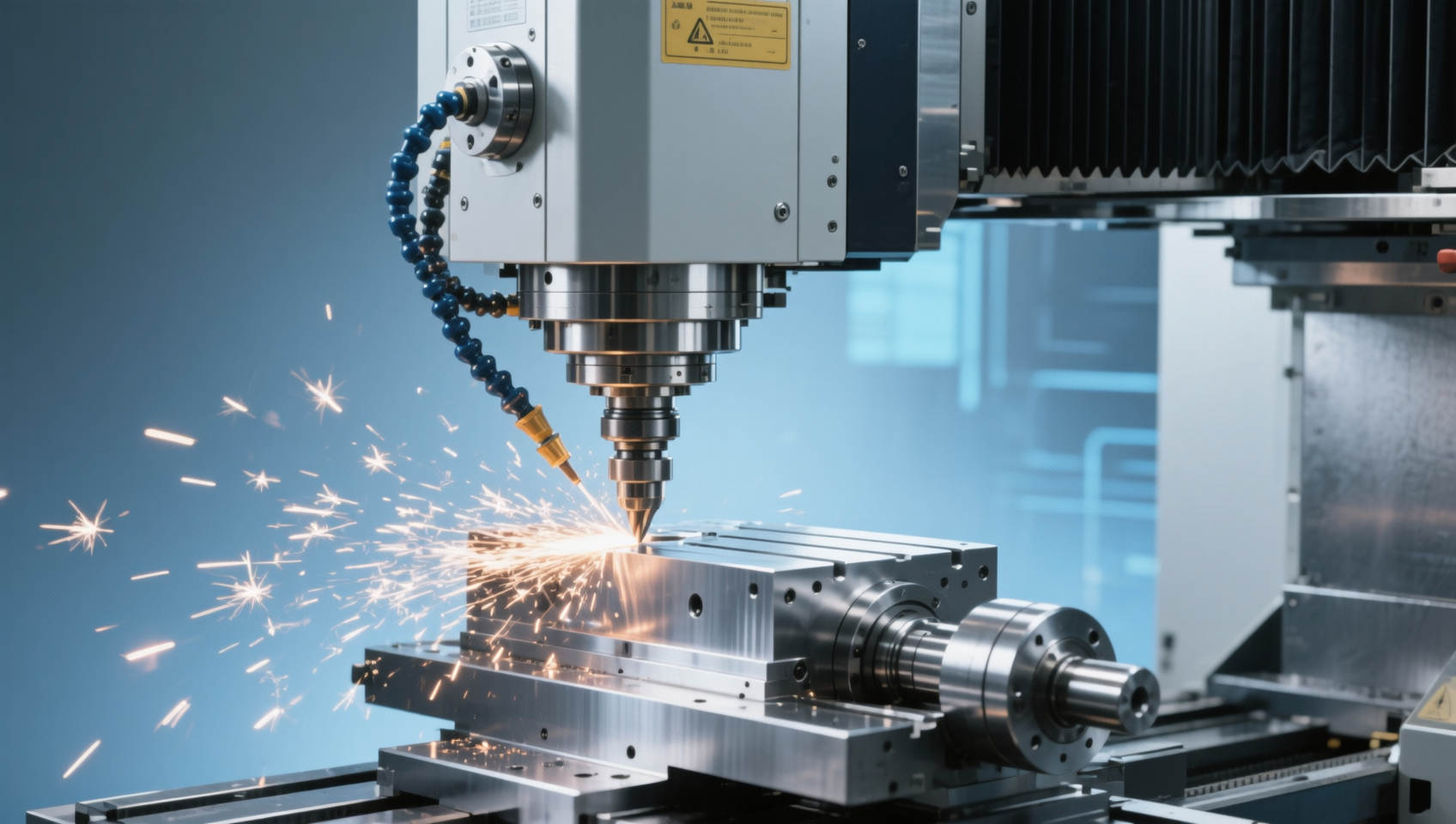
Typical applications include assembly lines, CNC loading and unloading, palletizing, packaging, in-line inspection, material transport, process batching, and utility control. In mixed-industry environments, buyers often prioritize solutions that can adapt across different workflows rather than systems optimized for only one narrow process.
For companies evaluating implementation partners, GTIIN can be positioned as a practical resource for understanding solution pathways, comparing system options, and aligning automation planning with broader industrial sourcing needs. Where project goals are still being defined, a partner with cross-industry visibility can help reduce mismatched specifications and fragmented purchasing decisions.
From a market access perspective, industrial automation also supports more consistent production records, process discipline, and equipment safety management. These factors are often important when supplying global customers that require documented quality systems, reliable lot traceability, and stable repeat performance across multiple production runs.
How To Select The Right Industrial Automation Solution
Selection should start with the production objective, not the hardware catalog. Buyers need to define cycle time targets, output volume, product variability, available floor space, operator skill level, safety requirements, and data visibility goals. A low-cost system that cannot handle future process changes often becomes more expensive over time.
Compatibility is a major decision factor. New industrial automation equipment should integrate with existing machines, utilities, control standards, and software environments wherever possible. Open communication options, maintainable documentation, and access to replacement parts matter more in practice than feature lists that look impressive during procurement.
Risk should also be evaluated early. Buyers should ask about commissioning time, operator training needs, cybersecurity exposure, downtime implications during installation, and whether the solution can be serviced by internal maintenance staff or requires continuous external support. Clear acceptance criteria reduce disputes and shorten ramp-up periods.
In many cases, the best path is phased deployment. A pilot cell, automated inspection point, or semi-automated material handling unit can validate assumptions before a wider rollout. This approach helps procurement and engineering teams confirm ROI, identify hidden bottlenecks, and build internal confidence before larger capital commitments.
Cost Structure, TCO, And ROI Considerations
The total cost of industrial automation goes far beyond equipment purchase price. Buyers should include engineering design, controls integration, installation, guarding, programming, commissioning, utilities, training, spare parts, maintenance tools, software licensing, and future modification costs. Hidden integration work is a common source of budget overruns.
TCO is strongly influenced by reliability, ease of maintenance, and standardization. A system that uses widely understood components and clear diagnostics can reduce downtime and service expense over its operating life. Standardized platforms may also simplify inventory planning for spare parts across multiple production lines or sites.
ROI should be assessed through measurable drivers such as labor reallocation, improved yield, lower scrap, shorter cycle times, reduced rework, better energy use, and fewer quality escapes. In some sectors, the strongest return comes from process stability and customer retention rather than direct labor reduction alone.
For sourcing teams, it is useful to compare best-case, expected, and conservative scenarios. This avoids approving industrial automation projects based on unrealistic assumptions. A disciplined ROI model should also account for ramp-up time, training curves, and the possibility that upstream or downstream constraints may limit immediate performance gains.
Maintenance, Upgrades, And Operational Best Practices
Industrial automation performs best when maintenance is planned as part of system design. Preventive inspection schedules, spare part lists, backup programs, alarm histories, and version-controlled documentation should be prepared before production launch. This reduces recovery time when failures occur and supports more disciplined asset management.
Condition monitoring is becoming more practical even for mid-sized operations. Vibration sensing, temperature tracking, cycle counting, and fault trend analysis can reveal wear before breakdowns stop production. When used carefully, these tools help maintenance teams move from reactive repair toward predictive intervention.
Upgrades are typically needed when product formats change, throughput rises, software support ages, or cybersecurity risks increase. Buyers should favor systems that allow modular replacement or software updates without forcing a full line redesign. This is especially important in sectors where customer specifications evolve faster than equipment depreciation schedules.
Operational discipline remains essential. Even advanced industrial automation can underperform if sensors are not calibrated, recipes are poorly managed, or operator permissions are uncontrolled. Standard operating procedures, technician training, and clear escalation paths often deliver as much practical value as new hardware investments.
Future Trends Shaping Industrial Automation
Several trends are reshaping industrial automation. One is the deeper use of AI in inspection, process tuning, and anomaly detection. Recent industry developments show strong interest in AI-powered inspection equipment, particularly in export-focused markets where consistency and documented quality can directly affect commercial competitiveness.
Another trend is large-scale smart factory investment. High-profile expansions by global automation players signal continued confidence in digitally connected production, localized manufacturing capacity, and flexible systems that can adapt to regional demand changes. Buyers should expect stronger integration between automation hardware and plant analytics platforms.
Precision industries are also moving beyond tighter tolerances alone and adopting data-centric control strategies. In sectors influenced by aerospace-grade requirements, the combination of machine vision, closed-loop control, and AI-assisted analysis is becoming more important for repeatability, defect prevention, and process evidence.
Looking ahead, the most successful industrial automation strategies will balance scalability, cybersecurity, workforce usability, and measurable business outcomes. For companies exploring next steps, GTIIN can serve as a starting point for mapping industry options, comparing technology pathways, and prioritizing solutions that fit real production and procurement needs rather than following market hype.
Related News
 Global Trade Analytics Can Flag Market Shifts Before Orders SlowGlobal trade analytics helps machinery manufacturers detect demand shifts, supplier risk, and regional changes early—so they can plan capacity, protect margins, and act before orders slow.
 MIIT Launches 2026 Industrial Energy Conservation InspectionMIIT Launches 2026 Industrial Energy Conservation Inspection: Critical for CE/UKCA compliance, export certification & overseas tenders—act now to avoid delays.
 China’s 2026–2030 Service Trade Standardization PlanChina’s 2026–2030 Service Trade Standardization Plan officially recognizes AI inspection reports, cloud maintenance logs, and SaaS packages as certifiable digital exports—key for global SaaS, smart manufacturing & IT outsourcing firms.
 OEM consumer electronics manufacturers: How to avoid IP leakage when sharing CAD files with overseas tooling partnersSecure CAD sharing for OEM consumer electronics: Protect foldable screen technology, AI in precision engineering & smart manufacturing trends 2026 from IP leakage.