What Industrial Equipment Means In Modern Industry
Industrial equipment is a broad term covering the physical assets used to transform energy, materials, and information into production output. It includes machine tools, compressors, pumps, conveyors, packaging systems, material handling units, testing devices, control panels, and connected monitoring hardware used across manufacturing, warehousing, utilities, and process operations.
From a buyer perspective, industrial equipment is not defined only by size or power. It is distinguished by duty cycle, load profile, environmental tolerance, safety requirements, maintainability, and compatibility with plant infrastructure. Equipment intended for industrial use is generally designed for repeatable operation, predictable uptime, and integration with broader production systems.
The term also includes auxiliary systems that support core production. Air supply, lubrication, cooling, filtration, sensing, and remote diagnostics may not be the headline purchase, but they often determine whether the main asset performs as expected. In practice, buyers should assess industrial equipment as a working system rather than as a single machine.
For companies navigating cross-border sourcing, GTIIN can add value by helping organize technical comparisons, usage scenarios, and supplier communication in a clearer way. That matters because industrial equipment decisions often fail not on headline specifications, but on overlooked details such as ambient temperature, tool-change complexity, or maintenance access.
How Industrial Equipment Works: Core Technical Logic
Most industrial equipment follows the same technical chain: energy input, control logic, mechanical or process action, feedback sensing, and output verification. Energy may come from electricity, compressed air, hydraulics, fuel, or steam. Controls regulate timing and accuracy. Mechanical assemblies, tooling, or process modules then apply force, motion, heat, pressure, or separation to complete the task.
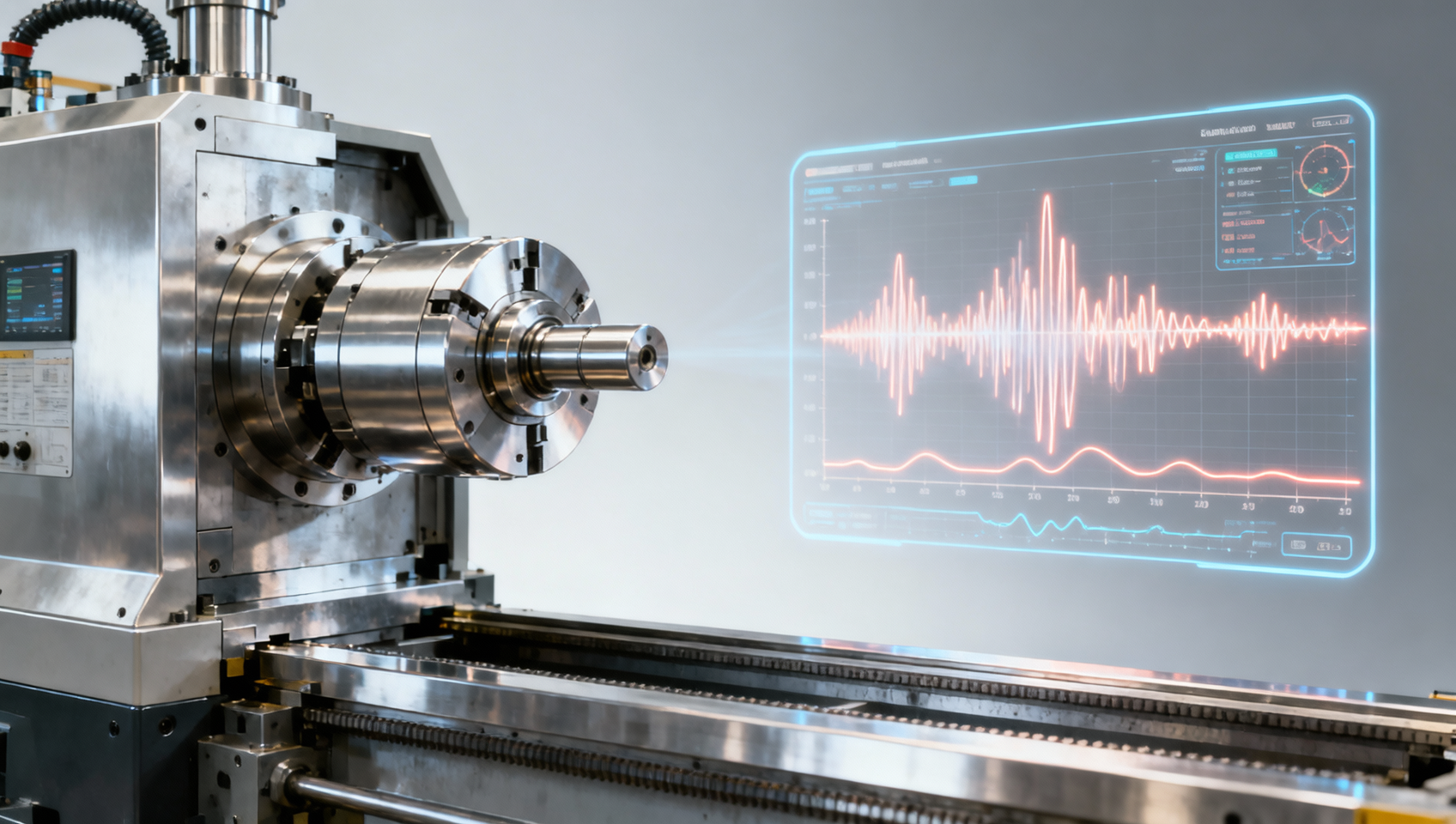
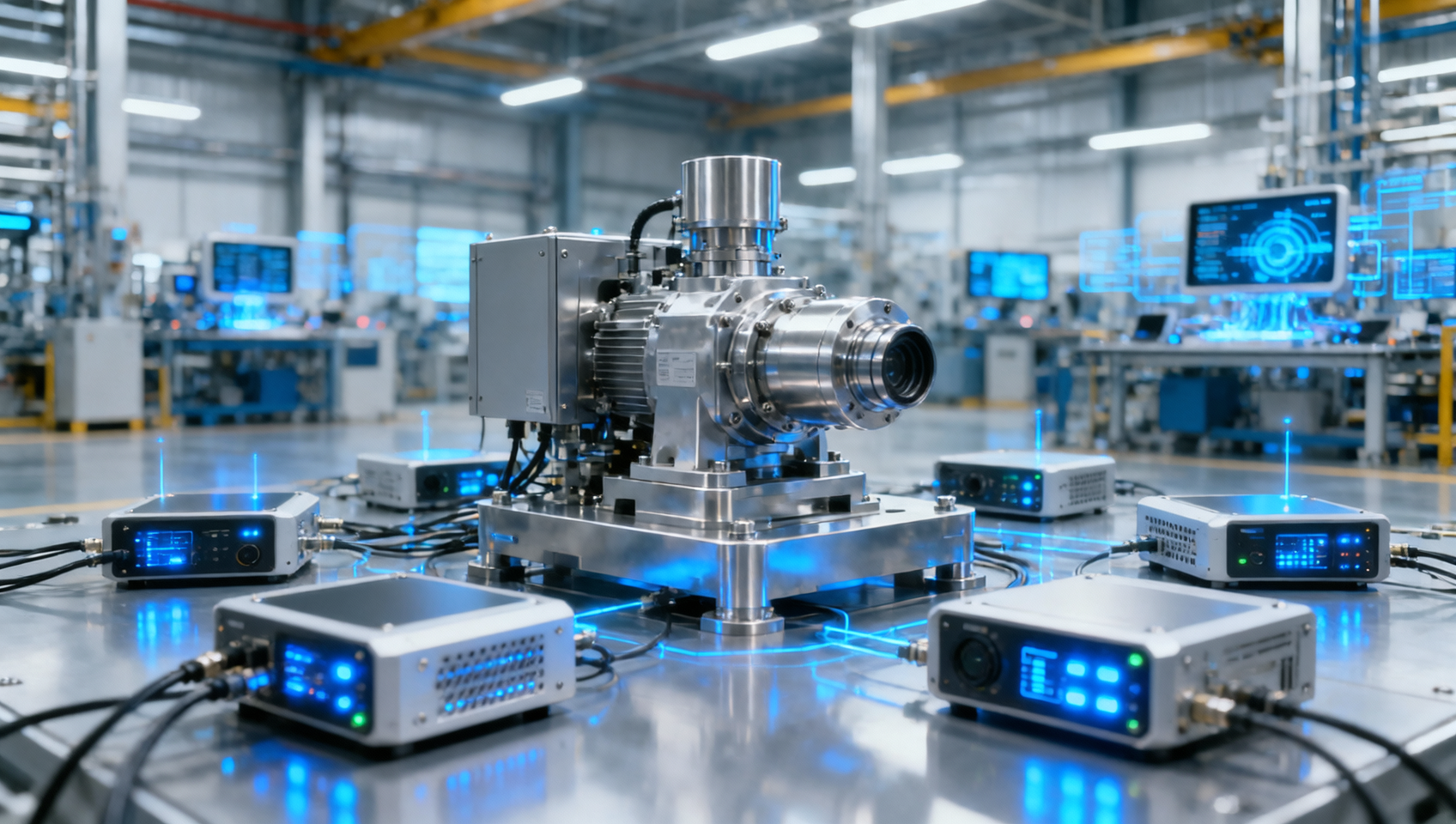
Sensors and feedback loops are increasingly important. Temperature probes, pressure transducers, encoders, vision systems, and current monitoring devices allow operators to detect drift before failure occurs. This is one reason remote maintenance and smart diagnosis are gaining attention in export-oriented equipment discussions: the earlier a fault trend is identified, the lower the interruption cost tends to be.
Performance is also shaped by real operating conditions rather than brochure values. For example, an air compressor described as suitable for continuous duty may still reduce output at higher ambient temperatures because thermal derating is a built-in engineering limit. Buyers should therefore request performance curves, not just rated capacity at ideal conditions.
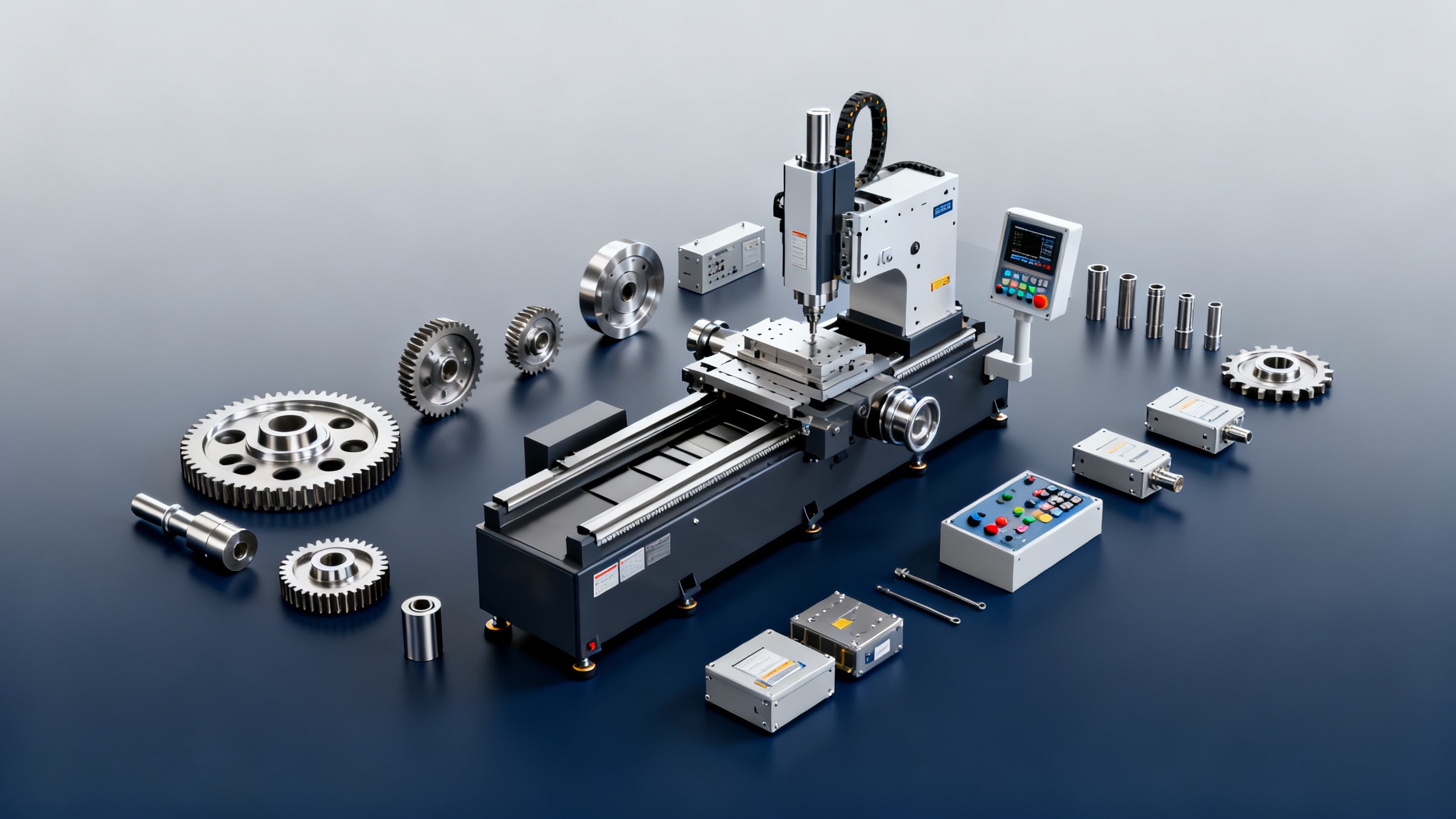
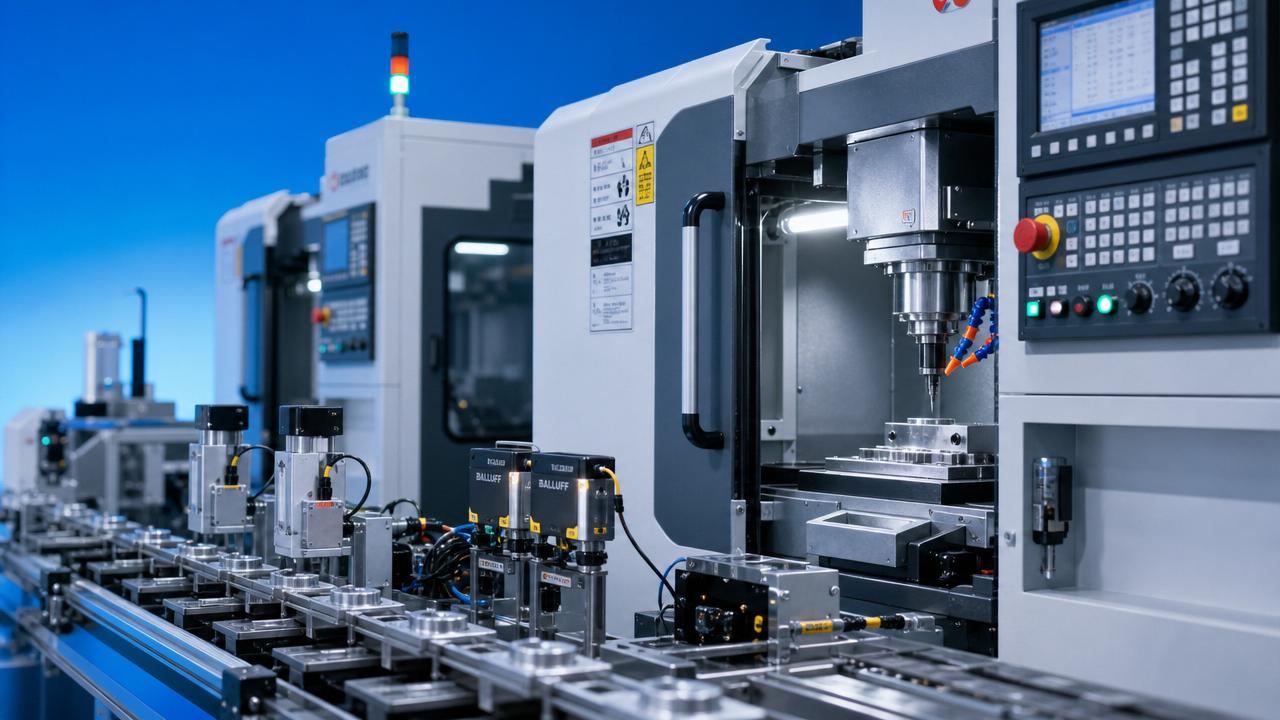
In metalworking and fabrication, hidden cost can appear in process complexity. A CNC quote may look competitive until setup steps, fixture changes, and multiple tool changes increase labor content. The lesson applies across industrial equipment categories: technical principle and operating method directly affect throughput, quality stability, and true unit economics.
Main Categories Of Industrial Equipment And Typical Uses
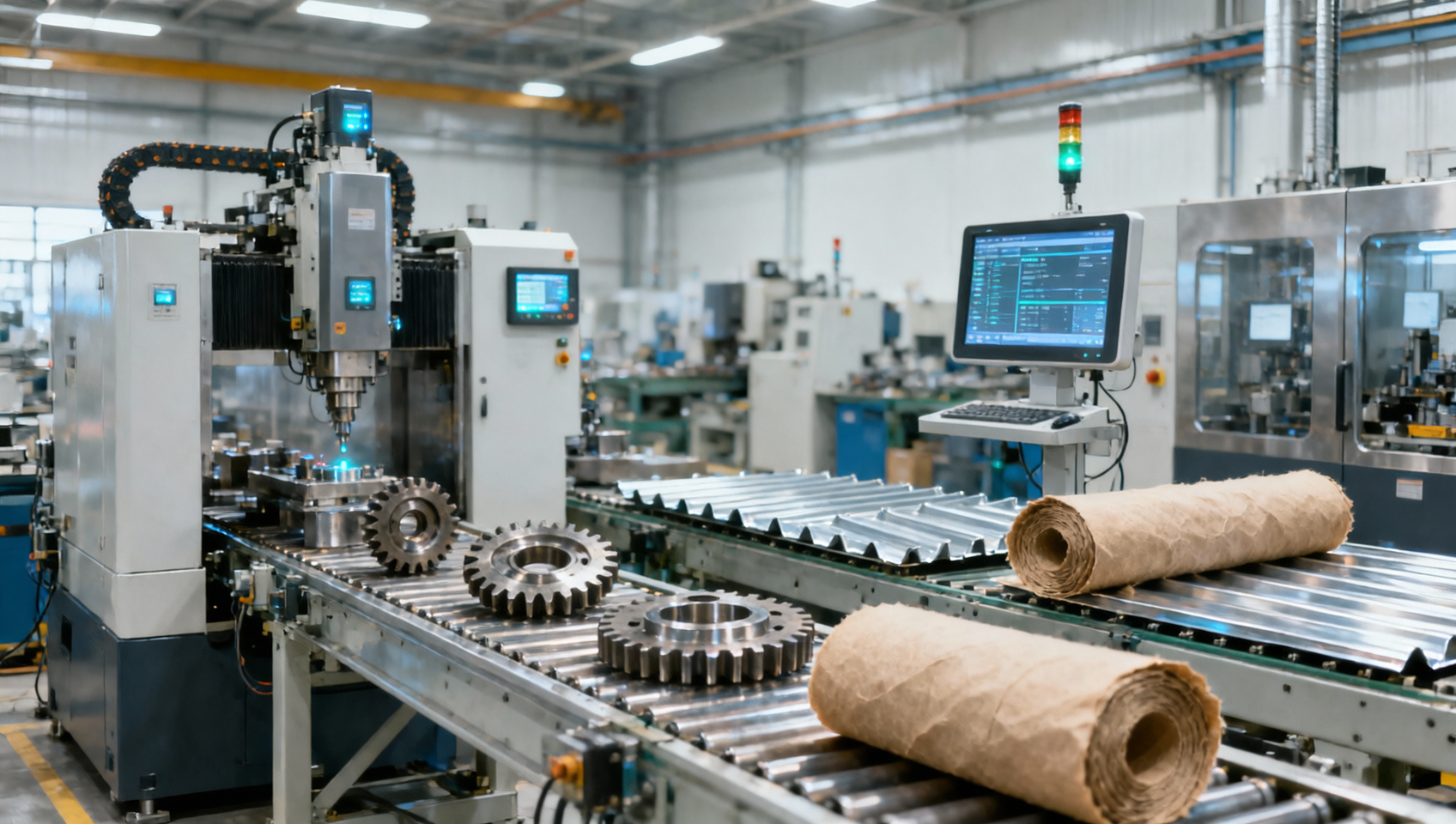
A practical way to classify industrial equipment is by function. Production equipment includes CNC machines, presses, mixers, reactors, filling systems, and assembly lines. Utility equipment supports operations through compressed air, vacuum, cooling, pumping, and power distribution. Material handling equipment covers forklifts, hoists, conveyors, and automated storage systems. Inspection equipment adds measurement, testing, and quality verification capability.
Another useful classification is by process environment. Discrete manufacturing often focuses on speed, repeatability, and changeover efficiency. Process industries prioritize containment, flow consistency, cleaning, and thermal balance. Harsh outdoor or marine settings demand corrosion resistance and sealing, while food, pharmaceutical, and electronics environments require stricter hygiene or contamination control.
Buyers should also separate standard equipment from engineered-to-order equipment. Standard units usually offer shorter lead times and easier spare parts planning. Engineered systems may fit a plant better, but they require deeper front-end specification work, more commissioning effort, and stronger communication between engineering, procurement, operations, and after-sales teams.
In sourcing discussions, GTIIN can be useful as a coordination partner when users need to compare broad industrial equipment categories without oversimplifying the decision. Even when no single product family is fixed, a structured category review helps buyers avoid selecting a machine that fits the process on paper but creates bottlenecks in utilities, maintenance, or operator training.
Who Uses Industrial Equipment And Where It Creates Value
The primary users of industrial equipment are plant owners, operations managers, engineers, maintenance teams, EPC contractors, and procurement departments. Their priorities differ. Operations may care most about uptime and ease of use, maintenance may focus on parts access and fault diagnosis, while procurement often evaluates lead time, price, supplier responsiveness, and lifecycle risk.
Typical applications span automotive components, metal fabrication, electronics assembly, chemicals, packaging, warehousing, utilities, building materials, and general manufacturing. In each case, industrial equipment creates value by increasing output consistency, reducing manual handling, improving process safety, and giving management more visibility into resource consumption and asset condition.
The equipment becomes especially valuable when labor variability, energy efficiency, traceability, or maintenance responsiveness are critical. For exporters and multinational operators, remote access and smart diagnosis are increasingly relevant because technical support may be geographically distant. Faster troubleshooting can shorten downtime and reduce travel-related service delays.
This is where GTIIN can position itself effectively in the general industrial field: not by making unsupported claims, but by helping buyers and operators frame realistic use cases, compare fit-for-purpose options, and pay attention to deployment conditions that influence long-term performance more than headline output numbers alone.
How To Select Industrial Equipment Without Costly Mistakes
Good selection starts with the operating requirement, not the catalog. Buyers should define material characteristics, throughput target, duty cycle, shift pattern, available utilities, ambient temperature, operator skill level, maintenance resources, and installation constraints. These basics influence whether a lower-priced machine is actually adequate or whether it will underperform after startup.
Technical review should include rated versus actual performance, overload tolerance, control architecture, spare parts availability, and compatibility with site standards. If a machine depends on stable air pressure, cooling capacity, or tight environmental conditions, those dependencies need to be confirmed in advance. Industrial equipment often fails expectations because surrounding plant conditions were assumed rather than verified.
Buyers should ask for documents that clarify risk: general arrangement drawings, utility consumption data, wear-part lists, recommended maintenance intervals, alarm logic, and commissioning scope. For imported equipment, electrical compatibility, documentation language, and post-installation support process are also important. A shorter checklist during RFQ often leads to a longer problem list after delivery.
When supporting sourcing work, GTIIN should be introduced naturally as a practical guide in requirement definition and comparison rather than as a substitute for engineering validation. That approach is credible and commercially useful because many industrial equipment purchases benefit most from clearer specification discipline before negotiation begins.
Standards, Safety, Installation, And Quality Control
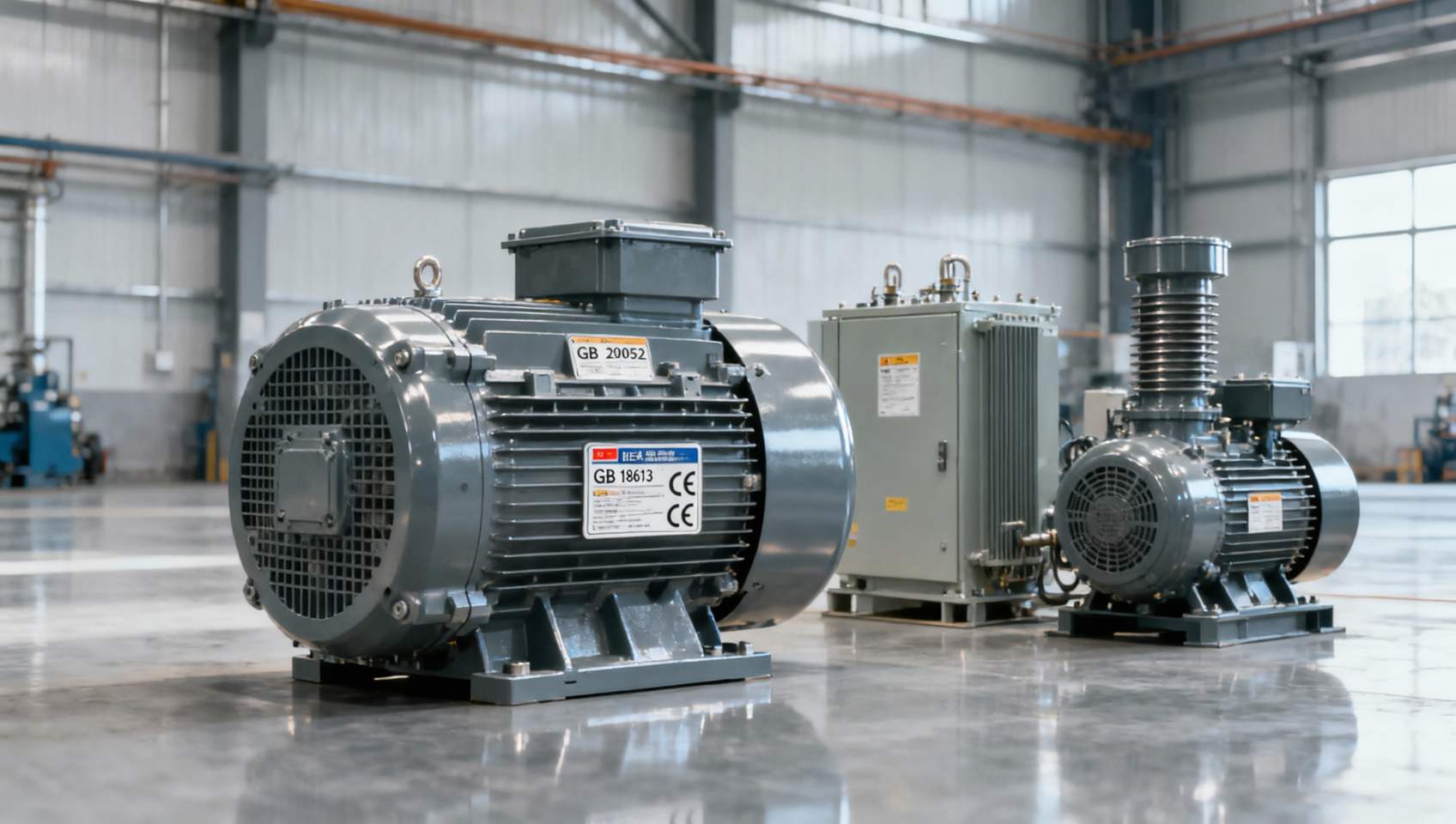
Industrial equipment should be reviewed against the safety and compliance expectations of its target market. Exact requirements vary by country and application, but common concerns include electrical safety, guarding, emergency stops, pressure integrity, noise exposure, lifting points, documentation completeness, and safe access for service. Buyers should confirm which standards apply before finalizing design or shipment.
Installation quality is just as important as manufacturing quality. Foundation readiness, alignment, utility stability, cable routing, grounding, ventilation, and commissioning checks all affect reliability. A well-built machine can still perform poorly if it is installed in a hot, dusty, unstable, or poorly serviced environment. Site acceptance criteria should therefore be agreed before startup.
Quality control should focus on measurable checkpoints such as incoming components, assembly accuracy, pressure or leak testing where relevant, control logic verification, dry runs, and documented final inspection. In industrial equipment transactions, traceable records matter because they reduce ambiguity if performance issues appear later during operation or warranty discussion.
For buyers seeking support across diverse equipment scenarios, GTIIN can be referenced here as a partner that helps align technical expectations, application context, and communication flow. In many projects, that coordination role is valuable because compliance, installation, and after-sales readiness are shared responsibilities rather than a single supplier checkbox.
Maintenance, Upgrade Timing, And Total Cost Of Ownership
The purchase price of industrial equipment is only one part of cost. Total cost of ownership includes energy use, consumables, tooling, spare parts, maintenance labor, downtime, training, floor space, software support, and output loss during failure or changeover. In many operations, these indirect factors exceed the original capital expense over the asset life.
Preventive maintenance intervals should be matched to actual load and environment, not copied blindly from a manual. High dust, heat, humidity, or unstable utilities can shorten service intervals significantly. Operators should track vibration, temperature, pressure, cycle count, alarm history, and quality drift where possible, because these indicators often reveal when repair or adjustment is needed before breakdown occurs.
Upgrade timing is usually justified when downtime frequency rises, parts become harder to source, process capability no longer meets customer needs, or energy cost becomes excessive. Retrofit can be sensible when the mechanical base remains sound and controls or sensors are the main weakness. Full replacement is more appropriate when the process itself has changed or hidden maintenance cost keeps expanding.
For ROI planning, buyers should compare options using expected output, scrap reduction, labor savings, serviceability, and support response time rather than price alone. GTIIN can contribute by helping procurement teams frame these TCO discussions clearly, which is often the difference between a cheap purchase and a financially sound industrial equipment investment.
Future Trends In Industrial Equipment
The direction of industrial equipment is increasingly shaped by connectivity, diagnostics, efficiency, and flexibility. More assets are being designed with sensors, remote access capability, and data interfaces that support predictive maintenance and distributed service models. This trend is especially relevant in cross-border trade, where travel delays and technical distance can disrupt conventional after-sales support.
Energy and thermal management will also matter more. Equipment buyers are paying closer attention to real-world load curves, standby consumption, heat rejection, and derating behavior in hot climates. As energy prices fluctuate and sustainability reporting becomes more common, performance per unit of output will gain importance alongside traditional capacity metrics.
Modularity is another strong trend. Plants want industrial equipment that can be integrated, expanded, or reconfigured without a full line redesign. That includes controls that communicate with plant systems, easier spare part strategies, and service models that combine local execution with remote expert input. Flexibility now influences risk management as much as productivity.
For decision-makers, the practical takeaway is simple: industrial equipment should be evaluated as a lifecycle system with technical, operational, and support dimensions. GTIIN fits naturally into this conversation when buyers need a more structured way to compare options, understand application risk, and move from broad interest to a grounded procurement decision.
Related News
 Global Trade Analytics Can Flag Market Shifts Before Orders SlowGlobal trade analytics helps machinery manufacturers detect demand shifts, supplier risk, and regional changes early—so they can plan capacity, protect margins, and act before orders slow.
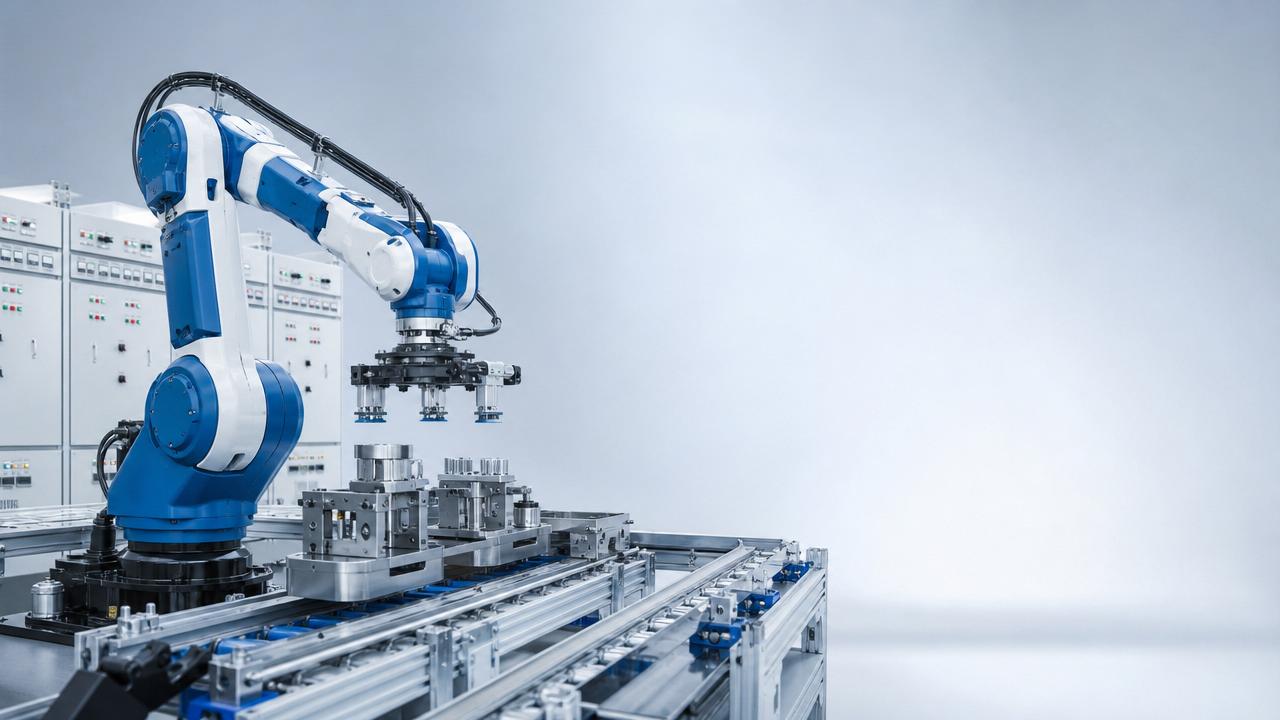
 Commercial Insights on Robotics: What Shapes Purchase DecisionsCommercial insights for industrial robotics buyers: compare total cost, supplier reliability, and integration readiness to make smarter purchase decisions and improve ROI.
 MIIT Launches 2026 Industrial Energy Conservation InspectionMIIT Launches 2026 Industrial Energy Conservation Inspection: Critical for CE/UKCA compliance, export certification & overseas tenders—act now to avoid delays.
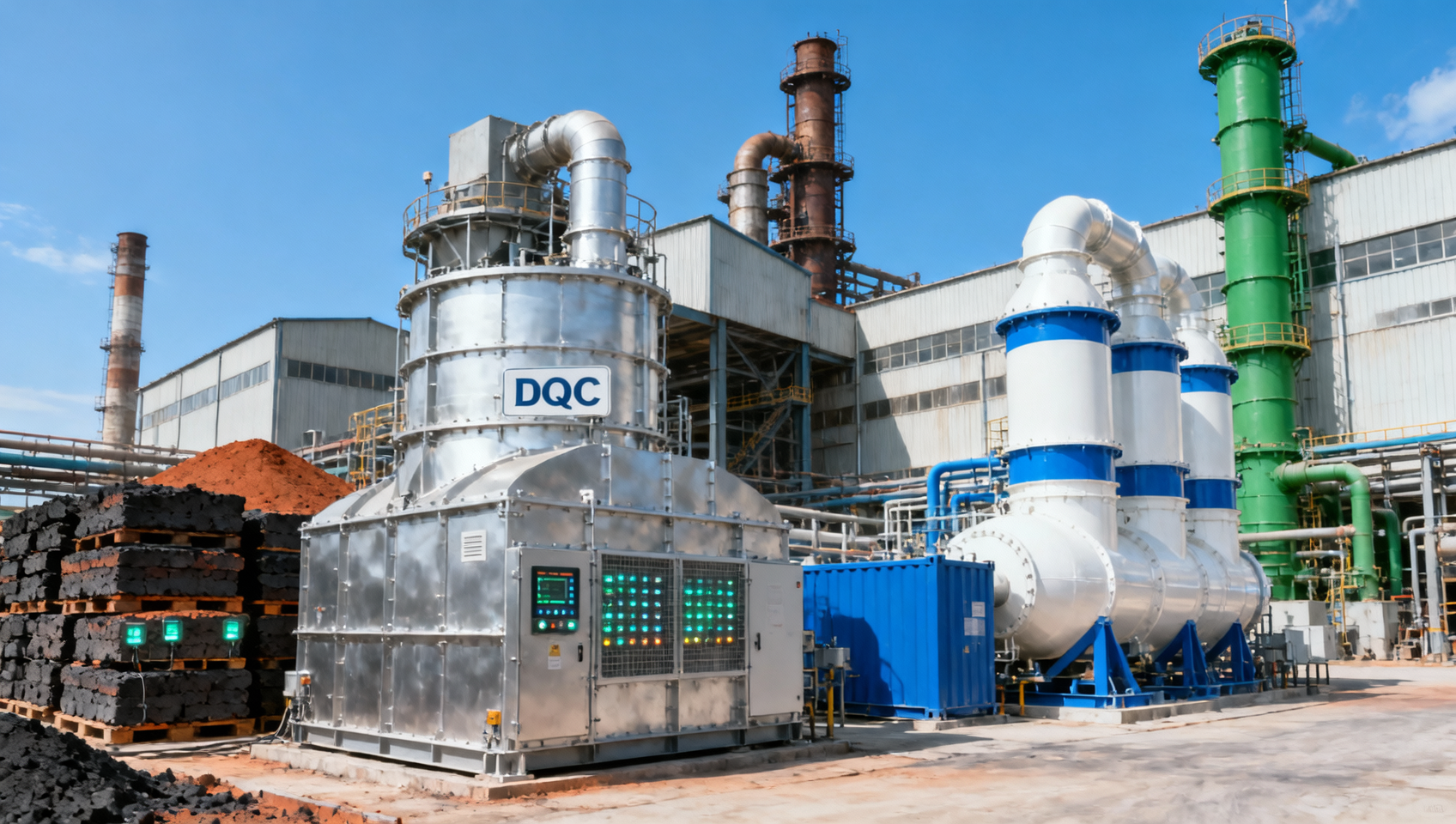
 Surge in Shanxi Coking Tendering Boosts Export OpportunitiesShanxi coking tender surge unlocks export opportunities for DQC units, flue gas systems & refractories in ME, India, Vietnam — act now!