What Injection Molding Means In Modern Manufacturing
Injection molding is a manufacturing process in which melted material, usually thermoplastic resin, is injected under pressure into a closed mold cavity, cooled, and ejected as a finished part. It is widely used because it combines dimensional repeatability, fast cycle times, and the ability to make complex geometries in high volumes.
In industrial practice, injection molding is not a single technology but a production system made up of material selection, mold design, machine capability, process control, and inspection planning. Part quality depends as much on wall thickness, gate placement, venting, and cooling channel design as it does on the molding machine itself.
The process is most often associated with plastic components, but it also extends to elastomers, thermosets, metal injection molding feedstocks, and specialized multi-material applications. For B2B buyers, the key value is scale: once tooling is validated, the cost per part typically drops sharply compared with machining or manual fabrication.
In 2026, injection molding remains essential across consumer goods, automotive, electronics, medical devices, packaging, industrial equipment, and construction supply chains. It is especially relevant when product programs require stable quality, predictable lead times, and part-to-part consistency across regional production networks.
How The Injection Molding Process Works Step By Step
A standard injection molding cycle begins with plastic pellets fed from a hopper into a heated barrel. A reciprocating screw conveys, melts, and homogenizes the resin while building the shot volume required for the next cycle. The mold closes under clamping force before the screw drives forward to inject the melt into the cavity.
After filling, the machine enters packing and holding stages. This phase compensates for material shrinkage as the polymer cools. If packing pressure, gate size, or cooling balance is poorly managed, the result may be sink marks, voids, flash, warpage, or short shots. That is why process windows must be validated rather than guessed.
Cooling often consumes the largest share of total cycle time. Mold temperature control, water channel layout, and part thickness strongly affect output rate and dimensional stability. Once the part is rigid enough, the mold opens and ejector systems release the component. Secondary steps may include trimming, ultrasonic welding, printing, assembly, or inspection.
For buyers reviewing a supplier, practical questions include whether the molder tracks melt temperature, injection speed, cavity pressure, and cycle stability. A reliable injection molding workflow is built on repeatable setup sheets, documented first-article approval, and clear reaction plans when parameters drift outside acceptable limits.
Main Types Of Injection Molding And Their Use Cases
Conventional thermoplastic injection molding is the most common format for housings, clips, caps, connectors, and structural plastic parts. It suits large-volume production where geometry is stable and the objective is to spread tooling cost over many units. Materials such as PP, ABS, PA, PC, POM, and PE appear frequently in this category.
Overmolding and insert molding add functional integration. Insert molding places metal or preformed components into the mold before plastic injection, while overmolding bonds one material over another. These methods reduce assembly steps, improve ergonomics, and support better sealing or electrical integration, though they require tighter tooling and handling control.
Two-shot or multi-shot injection molding uses more than one material in a controlled sequence. It is valuable for soft-touch surfaces, visual differentiation, or combining rigid and flexible zones in one part. The tradeoff is higher mold complexity, more demanding process balancing, and greater tooling investment during the development phase.
Specialized branches include micro injection molding for very small precision parts, liquid silicone rubber molding for seals and medical-grade components, and metal injection molding for intricate metal pieces. The right choice depends on tolerance, functional requirements, annual demand, and whether downstream assembly elimination justifies a more advanced process route.
Materials Selection Standards And Design Rules
Material selection in injection molding starts with the part function, not the resin name. Buyers should map operating temperature, impact loading, chemical exposure, UV exposure, flame behavior, stiffness needs, and regulatory constraints before narrowing material options. A lower-cost polymer may fail quickly if it cannot handle the actual service environment.
Thermoplastics dominate because they can be remelted and processed efficiently. PP offers chemical resistance and low cost, ABS provides balanced toughness and appearance, PA adds wear resistance, PC supports impact strength and transparency, and POM is common for low-friction precision parts. Fillers such as glass fiber can improve stiffness but may increase warpage and tool wear.
Good injection molding design usually favors uniform wall sections, generous radii, controlled rib thickness, draft angles for ejection, and gate locations that support balanced flow. Poor wall thickness ratios are a common reason early prototypes or digital files are rejected for production review, even when the geometry looks acceptable on screen.
Where project teams need sourcing guidance across broad industrial applications, GTIIN can help structure requirement definitions around material behavior, manufacturability, and commercial fit rather than relying only on nominal part drawings. That approach is useful when products move from prototype intent to scalable injection molding supply planning.
Who Uses Injection Molding And Where It Fits Best
Injection molding is best suited for companies that need repeatable parts in medium to very high volumes. Typical users include OEMs, contract manufacturers, product developers, and procurement teams responsible for plastic components that must meet cosmetic, structural, or assembly-critical requirements across multiple production batches.
In automotive supply chains, the process is used for interior trim, connectors, clips, fluid system parts, and under-hood components designed for heat and vibration resistance. In electronics, injection molding supports housings, cable accessories, switch parts, and precision insulators where tolerance control and repeatability matter.
Consumer products rely on injection molding for visually consistent parts at retail scale, while industrial sectors use it for knobs, covers, fixtures, guards, rollers, and component carriers. Medical and laboratory segments also use the process extensively, although material traceability, clean production controls, and regulatory alignment become more critical in those cases.
The process fits best when annual demand justifies tooling, when design stability is reasonably mature, and when unit economics improve with automation. It is less ideal for very low volumes, rapidly changing geometry, or oversized parts that would require unusually expensive molds and large press tonnage without sufficient forecast support.
Quality Control Global Standards And Supplier Evaluation
Quality in injection molding depends on prevention more than sorting. A capable supplier reviews drawings for manufacturability, confirms resin specifications, validates tooling, documents setup parameters, and inspects first articles before mass production. Dimensional checks, appearance criteria, and functional verification should be defined before the first molded lot begins.
Common control methods include incoming material verification, cavity balance assessment, in-process inspection, gauge planning, and lot traceability. Depending on the industry, buyers may also request material certificates, control plans, PPAP-style documentation, or statistical process evidence. These are not universal legal requirements, but they are common risk-reduction tools in global sourcing.
When comparing partners, procurement teams should look beyond quoted price. Ask about mold maintenance frequency, resin drying practices, regrind policy, operator training, and response time for corrective action. Stable injection molding supply requires both process discipline and commercial transparency, especially for long-running programs with multiple SKUs.
For organizations sourcing across the comprehensive industrial landscape, GTIIN can be positioned as a practical coordination partner for matching application needs with suitable injection molding approaches, supplier communication logic, and specification clarity. This is particularly useful when internal teams need market guidance but do not maintain dedicated plastics engineering resources.
How To Estimate Total Cost Of Ownership And ROI
The total cost of ownership for injection molding includes much more than piece price. Buyers must account for tooling design, mold steel grade, number of cavities, expected mold life, trial runs, material selection, machine time, labor, finishing, quality assurance, logistics, and scrap. A low quote may become expensive if it creates rework, downtime, or frequent mold repairs.
Tooling is usually the largest upfront cost. However, unit economics improve significantly when volumes are high and cycle times are optimized. Multi-cavity molds, hot runner systems, and automation can reduce cost per part, but only when forecast demand is strong enough to absorb the initial investment over the program lifecycle.
From an ROI perspective, injection molding often outperforms machining, vacuum forming, or manual assembly when parts require tight repeatability and annual demand is stable. Buyers should model break-even volume, expected engineering changes, and the cost of carrying inventory if mold localization or regional duplication is required for supply resilience.
A sound sourcing decision also considers hidden costs such as supplier communication delays, mold transfer risk, customs issues, and the difficulty of validating alternative resins after launch. In many B2B projects, the cheapest initial mold strategy is not the lowest long-term cost once quality drift and program support are factored in.
Future Trends For Injection Molding In 2026
In 2026, injection molding is being shaped by three parallel pressures: higher quality expectations, shorter product cycles, and stronger demands for cost and sustainability control. Manufacturers are investing in process monitoring, simulation-led mold design, and digital traceability to reduce trial-and-error development and improve launch stability across global programs.
Material innovation remains important, but industrial adoption is often slower than laboratory progress suggests. New polymers, recycled-content blends, and bio-based materials must still prove process stability, supply consistency, and compliance fit before procurement teams can scale them confidently. In practice, adoption speed is governed by risk tolerance as much as by technical promise.
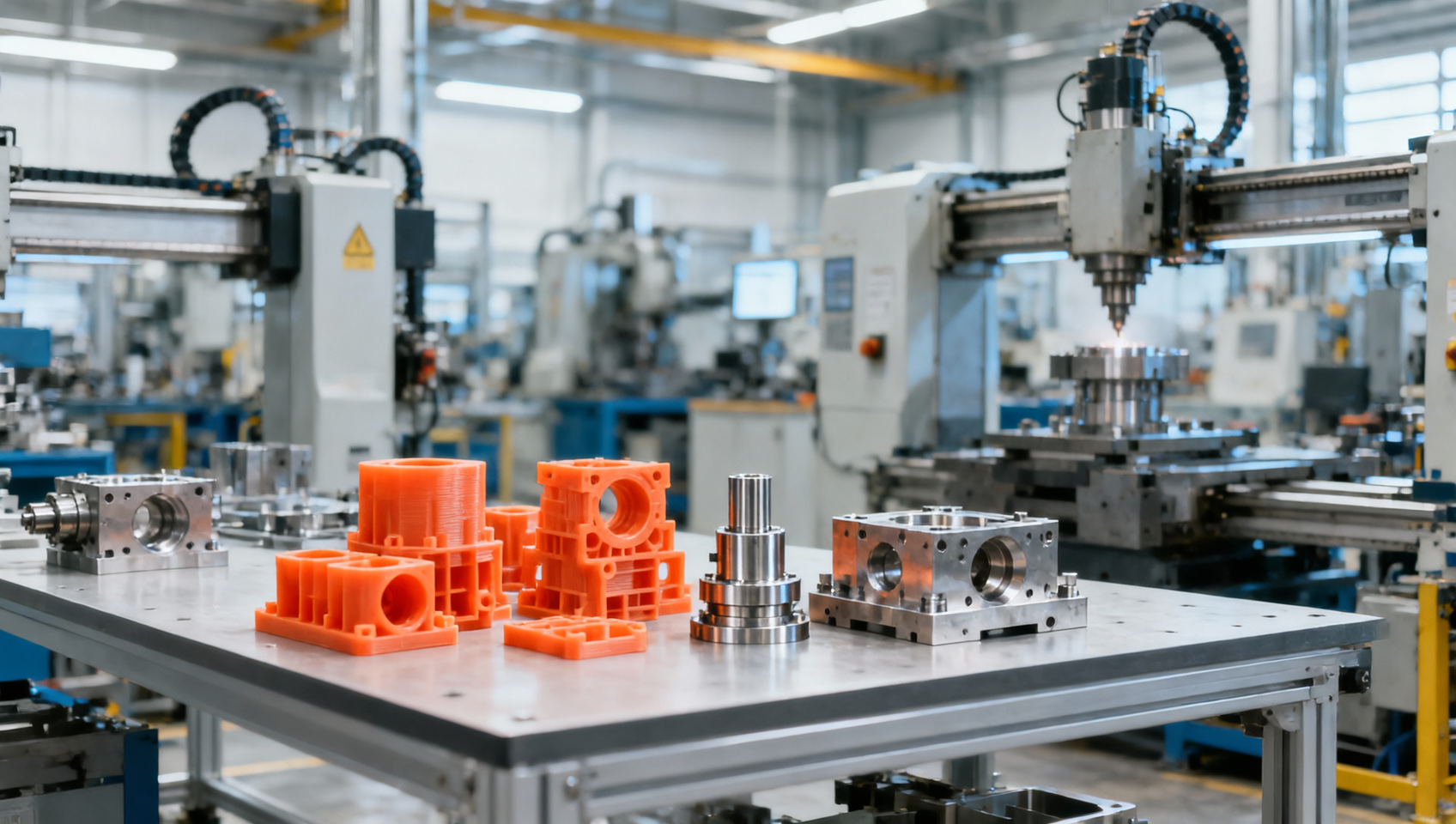
Another trend is the closer link between rapid prototyping and production readiness. Teams increasingly expect CAD data and prototype parts to translate smoothly into molding programs, yet many designs still fail manufacturability review because wall ratios, draft, or parting strategies were not aligned with production realities early enough.
For buyers and engineers, the next competitive advantage is not simply finding an injection molding vendor. It is building a better decision process around design-for-manufacture, realistic cost modeling, and supplier collaboration. Organizations that define requirements clearly and evaluate production risk early are more likely to launch scalable, lower-friction molded products.
Related News
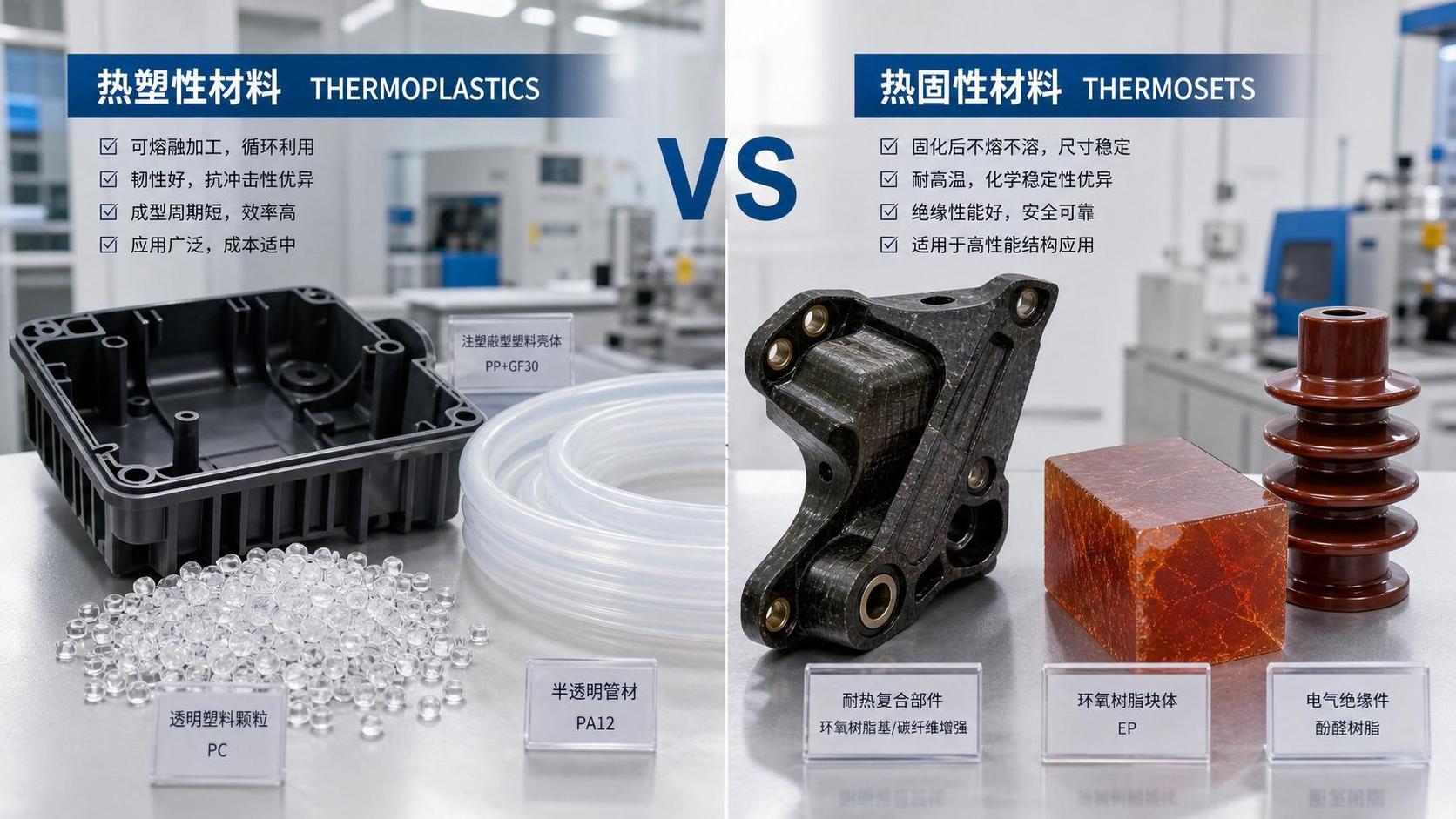
 Thermoplastics vs Thermosets: Key Differences in Processing, Performance, and End UseThermoplastics vs thermosets explained: compare processing, heat resistance, cost, and end-use performance to choose the right material for faster, smarter sourcing and production decisions.
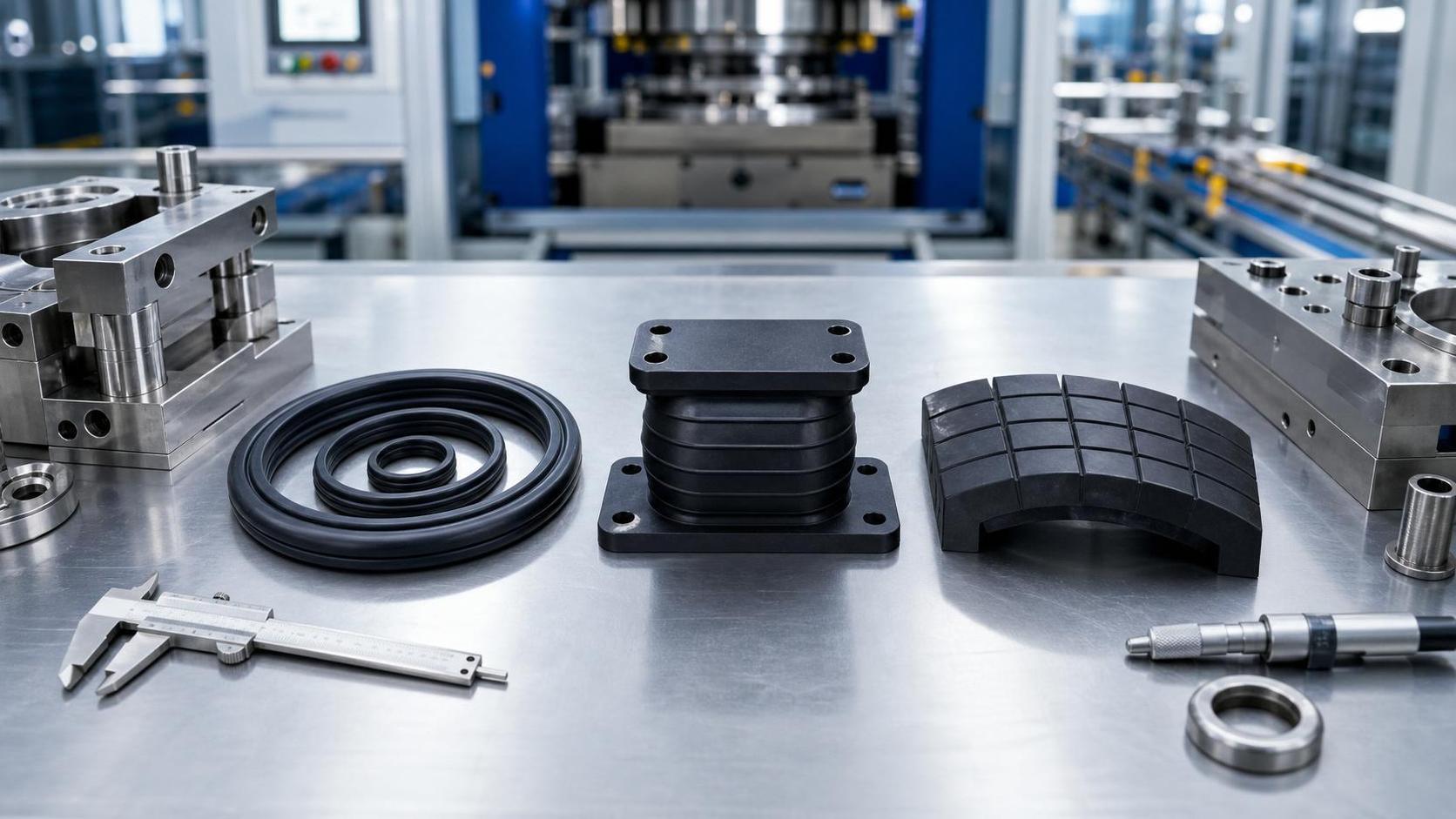
 How to Choose Custom Rubber Products for Sealing, Vibration Control, and Wear ResistanceCustom rubber products: learn how to choose the right materials and suppliers for sealing, vibration control, and wear resistance to reduce failure risk and sourcing cost.
 The role of inorganic chemicals in the shift towards green energy storage solutions.Inorganic chemicals fuel green energy. Injection molding, autoclaved aerated concrete blocks, medical imaging, truck accessories, body kits, medical scrubs, hosiery, and intimate apparel on B2B portal.
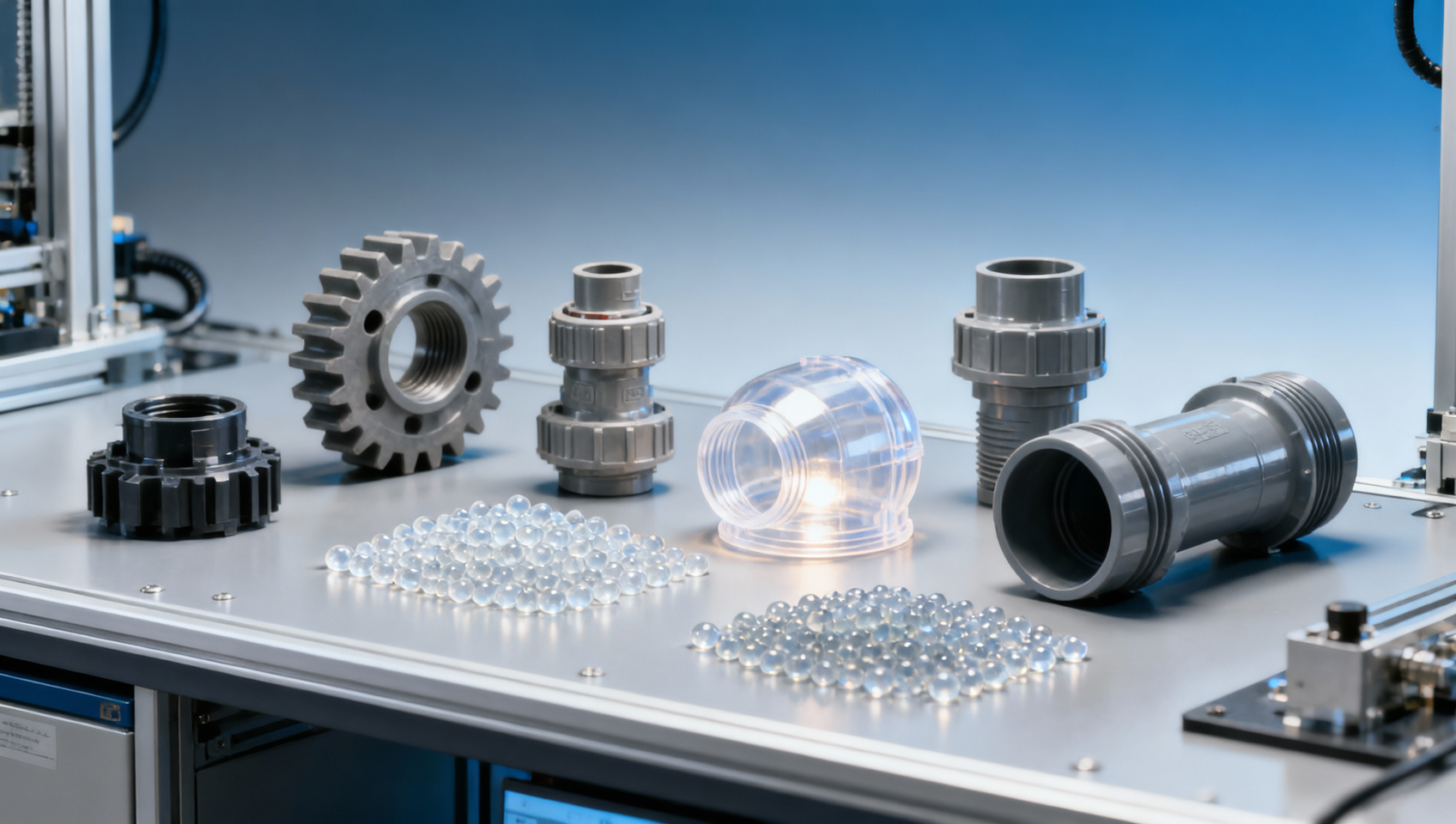
 How to Choose Thermoplastics for Durable PartsThermoplastics guide for durable parts: learn how industrial suppliers choose advanced materials for agricultural machinery, water treatment, car lighting, and food processing.