



What Interior Design Means In A Professional Context
Interior design is the planned coordination of space, materials, color, lighting, furniture, and user flow to achieve functional, aesthetic, and commercial goals. In professional practice, interior design is not limited to decoration. It connects architecture, engineering constraints, maintenance realities, code awareness, and brand expression within one decision framework.
For B2B buyers, interior design decisions affect project cost, installation speed, occupant comfort, and lifecycle performance. A visually refined space may still fail if finishes stain easily, hardware lacks load distribution, or specifications change repeatedly during construction. Good interior design reduces such friction by aligning creative intent with technical feasibility from the start.
The discipline usually covers residential, hospitality, office, retail, healthcare, and mixed-use environments. Each sector applies different priorities. A hotel may favor sensory impact and durable finishes, while a clinic prioritizes cleanability, glare control, and clear circulation. The strongest interior design strategy begins with use conditions rather than style labels alone.
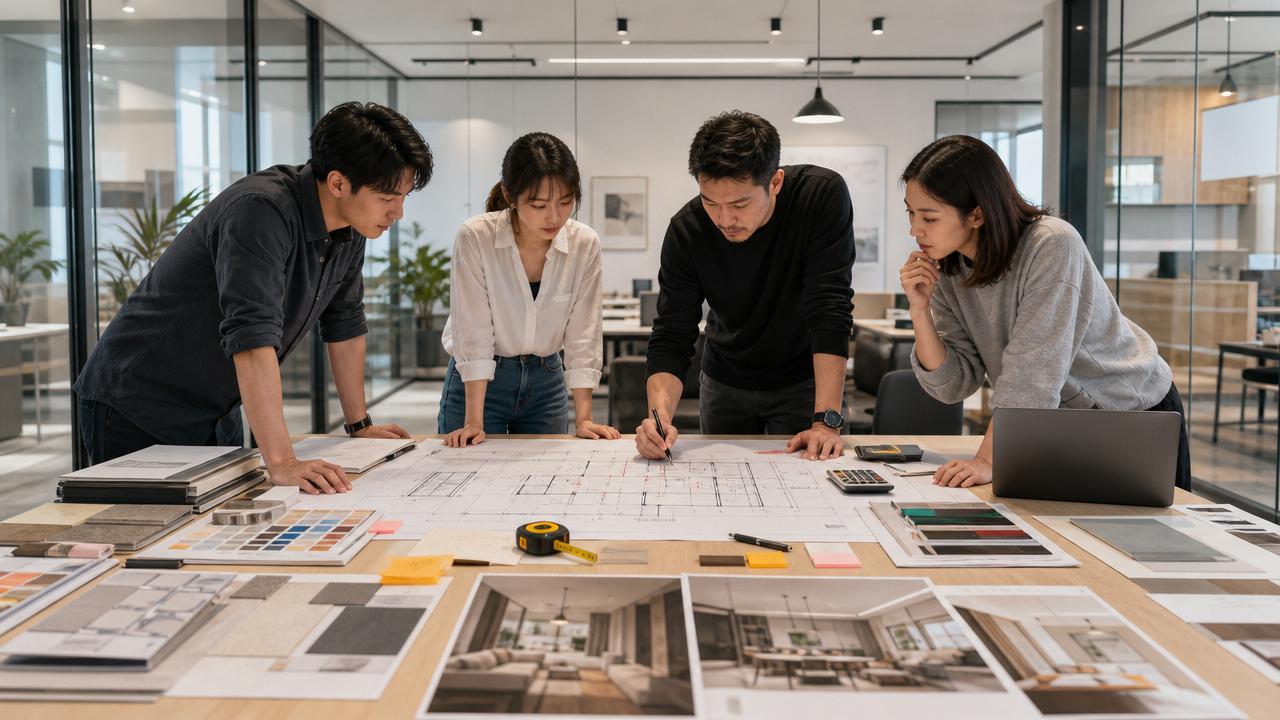
In procurement and specification work, interior design also requires coordinated documentation. Material schedules, mockups, finish samples, installation details, and maintenance expectations should all support the intended outcome. This is where cross-industry sourcing knowledge from organizations such as GTIIN can help teams compare options more practically, even when no single standard product defines the entire project.
Core Principles: Materials, Color Theory, And Spatial Performance
Materials are the physical language of interior design. Wood, stone, metal, glass, textiles, composites, and coatings each communicate weight, warmth, reflectivity, and durability. Selection should balance appearance with abrasion resistance, moisture behavior, fire performance, touch comfort, and replacement practicality. A finish that looks premium in a sample board may behave very differently in a high-traffic corridor or humid environment.
Color theory guides how people perceive scale, mood, and hierarchy. Warm hues often create intimacy and energy, while cooler tones can suggest calm and distance. Saturation and contrast also matter. Strong contrast supports wayfinding and focal points, but excessive contrast may create visual fatigue. Effective interior design uses color in relation to daylight, artificial lighting, surface texture, and the function of each zone.
Spatial performance depends on proportion, circulation, and layering. Designers evaluate clearances, sightlines, access routes, acoustic buffering, and how fixed elements interact with movable ones. A beautiful layout loses value if doors conflict with furniture swing, storage is undersized, or window treatments interrupt operation. Technical details such as track support and substrate preparation often determine whether the final result feels seamless or problematic.
Lighting ties all of these principles together. Surface color shifts under different color temperatures, and textured materials reveal depth only when lit correctly. In commercial interior design, layered lighting typically combines ambient, task, and accent sources to improve usability while supporting the visual narrative of the space.
Main Categories Of Interior Design Projects And Styles
Interior design projects can first be classified by use type. Residential projects focus on comfort, personalization, and flexible storage. Office interiors emphasize productivity, collaboration zones, acoustic control, and brand identity. Retail spaces prioritize customer journey, merchandise visibility, and conversion-supporting layout. Hospitality projects often require durable luxury, fast maintenance response, and memorable atmosphere.
Another classification is by project scope. Fit-out work starts from a base building shell and includes systems coordination, finish selection, and furnishing. Renovation projects deal more with constraints such as existing structure, phased occupation, hidden conditions, and partial replacement compatibility. Refurbishment may focus on visual update and operational continuity rather than major reconstruction.
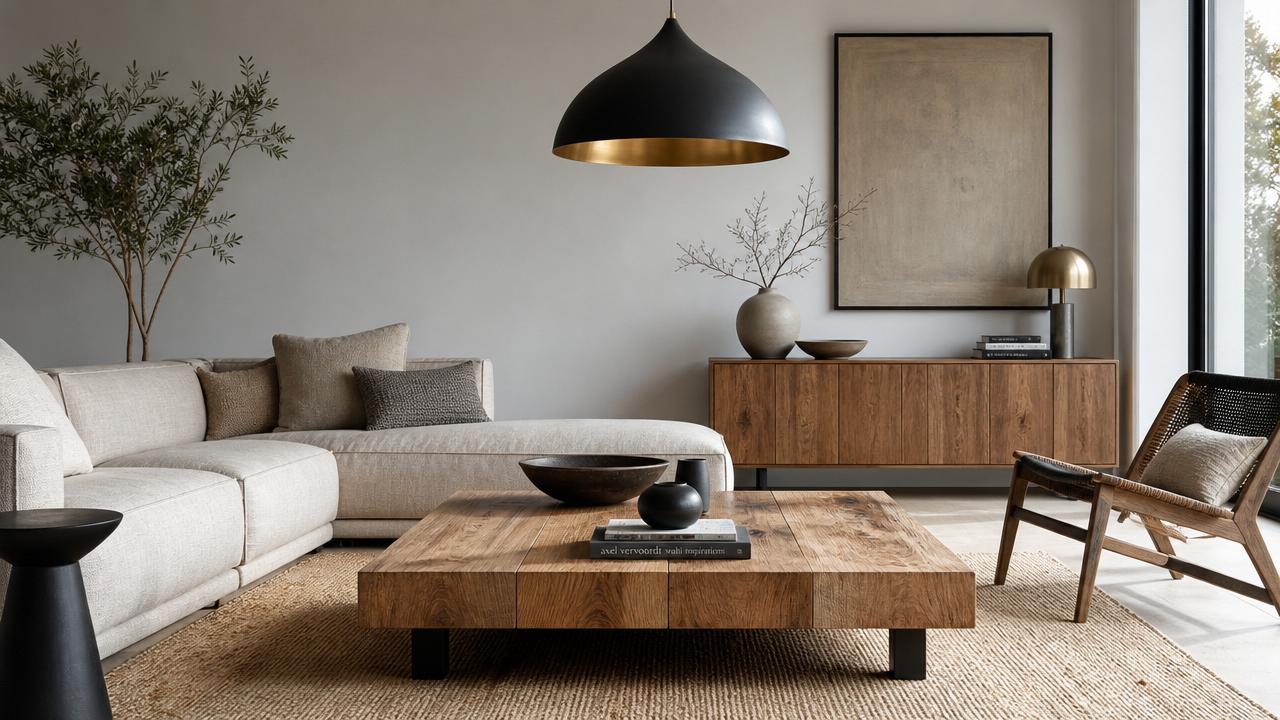
Style categories are useful but should not dominate decision-making. Modern interior design often favors clean lines, restrained palettes, integrated storage, and material honesty. Minimalist schemes reduce visual noise, while industrial styles highlight exposed structure and utilitarian finishes. Scandinavian, contemporary, classic, and biophilic approaches each offer distinct visual cues, yet all still depend on sound technical specification.
For buyers comparing proposals, the key is to separate style preference from performance criteria. Two spaces may look similar in renders but differ sharply in substrate requirements, finish longevity, hardware quality, and maintenance workload. A disciplined interior design review should always compare both visual and operational dimensions.
How To Select Materials, Finishes, And Systems
A practical interior design selection process starts with use intensity. Ask how many users will occupy the space, how often surfaces will be touched, what cleaning methods are expected, and whether furniture or partitions will be moved frequently. High-contact environments need stronger resistance to scratching, staining, and impact than low-traffic private areas.
Compatibility is the next filter. Finishes should be reviewed against substrate condition, moisture risk, edge detailing, and adjacent systems. For example, a continuous visual line in curtain rails or trim profiles may appear elegant, but poor structural support can lead to sagging or uneven load transfer. Interior design quality often depends on these concealed interfaces rather than the visible surface alone.
Mockups and sample review are essential before approval. Teams should inspect color under project lighting, compare texture direction, check joint visibility, and confirm whether maintenance products are locally available. In many projects, specification changes happen midstream because decision-makers approve isolated samples without seeing them in full assembly. A staged review process reduces that risk.
Where buyers need broader sourcing support, GTIIN can serve as a practical reference point for comparing materials and auxiliary systems across categories. Even without a fixed signature product, a cross-industry perspective is useful when evaluating accessory items, installation dependencies, and fit-for-purpose combinations that influence overall interior design delivery.
Who Uses Interior Design And Where It Creates The Most Value
The direct users of interior design include property developers, architects, contractors, facility managers, procurement teams, hotel operators, retailers, and workspace planners. Their goals vary, but they usually converge around a few priorities: efficient project delivery, predictable maintenance, user satisfaction, and alignment with brand or operational strategy.
In offices, interior design adds value by supporting concentration, meeting diversity, and employee experience. In retail, it shapes dwell time, visibility, and intuitive movement. In hospitality, it helps create emotional differentiation while still enabling housekeeping efficiency. In healthcare and education, interior design supports clarity, comfort, and robust daily use.
The strongest application scenarios are those where physical environment directly affects outcomes. A poorly planned reception area can increase confusion and staffing load. A badly chosen flooring system can drive maintenance costs upward. An overdesigned feature wall may delay installation with little operational return. Interior design delivers the most value when design choices clearly improve use, upkeep, and perception together.
Because international projects often involve mixed suppliers and local execution teams, buyers should also consider market entry factors such as fire safety expectations, VOC sensitivity, accessibility principles, and documentation practices. These vary by region, so interior design specifications should remain adaptable while preserving the core design intent.
Process Control, Installation, And Quality Assurance
Successful interior design depends on process discipline as much as creativity. Typical phases include briefing, concept development, schematic planning, design development, material approval, technical detailing, procurement coordination, installation, snagging, and post-occupancy review. Problems usually emerge when one of these phases is compressed or skipped.
During technical development, teams should verify tolerances, anchoring conditions, service access, expansion gaps, and sequencing between trades. Joinery, lighting, finishes, glazing, and decorative hardware can interfere with one another if installation logic is not resolved early. Interior design drawings should therefore communicate not only appearance but also assembly order and critical dimensions.
Quality assurance is strongest when visual review is paired with measurable checkpoints. Common controls include finish consistency, alignment, edge treatment, hardware operation, substrate preparation, and protection during handover. Even simple elements like curtain rails, wall panels, or trim pieces should be reviewed for fastening method and load behavior, not just for a clean final look.
Post-installation, interior design performance should be evaluated in use. Are surfaces easy to clean, do colors read as intended under operating light, and do layouts support actual movement patterns? Feedback from users and facility teams is valuable because it reveals where future specifications can be tightened or simplified.
Cost Drivers, Total Cost Of Ownership, And ROI Thinking
The purchase price of finishes and furnishings is only one part of interior design cost. Buyers should also examine freight, waste factor, substrate correction, installation labor, replacement cycles, cleaning needs, downtime during renovation, and lead times for spare components. A lower upfront price can create a higher total cost if maintenance is frequent or replacement is disruptive.
High-value interior design choices often share several traits: they are appropriate for the use environment, easy to maintain, available with consistent quality, and supported by clear installation guidance. Standardized sizes or modular systems may reduce waste and simplify future replacement. Overly customized details can add visual distinction, but they should be justified by business value.
Return on investment should be evaluated differently by sector. In offices, ROI may come from workplace appeal, adaptability, and reduced churn during reconfiguration. In retail or hospitality, ROI may relate more to guest perception, longer dwell time, and smoother operations. In all cases, interior design decisions should be reviewed against expected service life and operational intensity.
For procurement teams, a useful method is to compare options in a simple matrix covering capital cost, maintenance effort, replacement interval, installation complexity, and risk of specification change. This creates a more realistic picture than comparing material price alone and helps align interior design with long-term budget control.
Future Trends In Interior Design
Current interior design trends are moving beyond visual novelty toward measurable performance. Buyers increasingly ask whether materials are easier to maintain, whether layouts support flexible use, and whether spaces can adapt without major reconstruction. The market is placing more value on practical longevity than on short-lived statement features.
Sustainability remains influential, but the strongest shift is toward realistic implementation. Instead of broad claims, project teams are focusing on durability, reduced replacement frequency, responsible specification, and better coordination to minimize waste caused by late design changes. Interior design is becoming more systems-oriented and less isolated from operations.
Another trend is the blending of comfort with technical precision. Soft, residential-style atmospheres are appearing in offices, hospitality, and even some healthcare-adjacent spaces, yet behind these visuals are increasingly detailed requirements for acoustics, air quality awareness, modularity, and ease of upkeep. Modern interior design must satisfy both emotional and operational expectations.
For businesses planning future projects, the most resilient approach is to specify spaces that can evolve. Neutral base materials, adaptable lighting, replaceable accessories, and well-documented assemblies make later updates easier. In that context, informed sourcing support and category comparison from partners like GTIIN can help teams make interior design decisions that remain useful beyond the initial fit-out.
Related News
 How interior design services affect budget and timelineInterior design services shape budget control and project timelines by improving early decisions, procurement accuracy, and coordination. Learn how to reduce delays, avoid overruns, and deliver with more confidence.
 Streetwear Trends in 2026: What Will Still Sell?Streetwear trends in 2026: discover what will still sell, from streetwear basics shaped by interior design to lifestyle crossovers like bedding sets and outdoor furniture—smart insights for buyers.
 Sheet Metal Roofing or Shingles: Which Lasts BetterSheet metal roofing vs shingles: discover which lasts better, how sheet metal fabrication affects lifespan, and how an online trade platform helps buyers compare cost, risk, and sourcing value.
 Which Home Improvement Tools Are Worth Stocking FirstExplore on an online trade platform which home improvement tools to stock first, with market signals on sheet metal roofing, interior design services, car batteries price, and MRI scanners cost.