




What Scaffolding Means In Modern Construction And Industrial Work
Scaffolding is a temporary engineered structure used to provide safe access, working platforms, and material support at height. In construction, shipbuilding, power plants, refineries, infrastructure repair, and facility maintenance, Scaffolding allows workers to reach surfaces that cannot be accessed safely from the ground. A reliable system is not just a collection of tubes, frames, boards, and couplers; it is a controlled load-bearing assembly that must be planned, erected, inspected, used, and dismantled according to recognized safety principles.
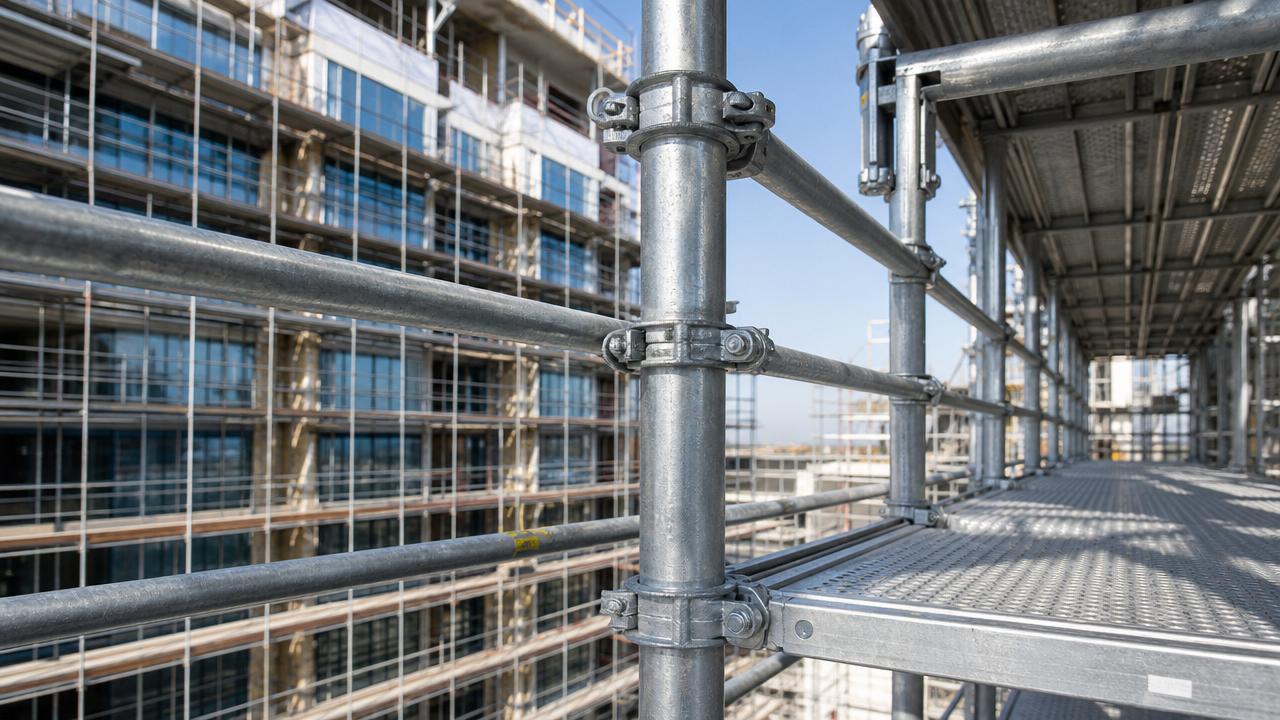
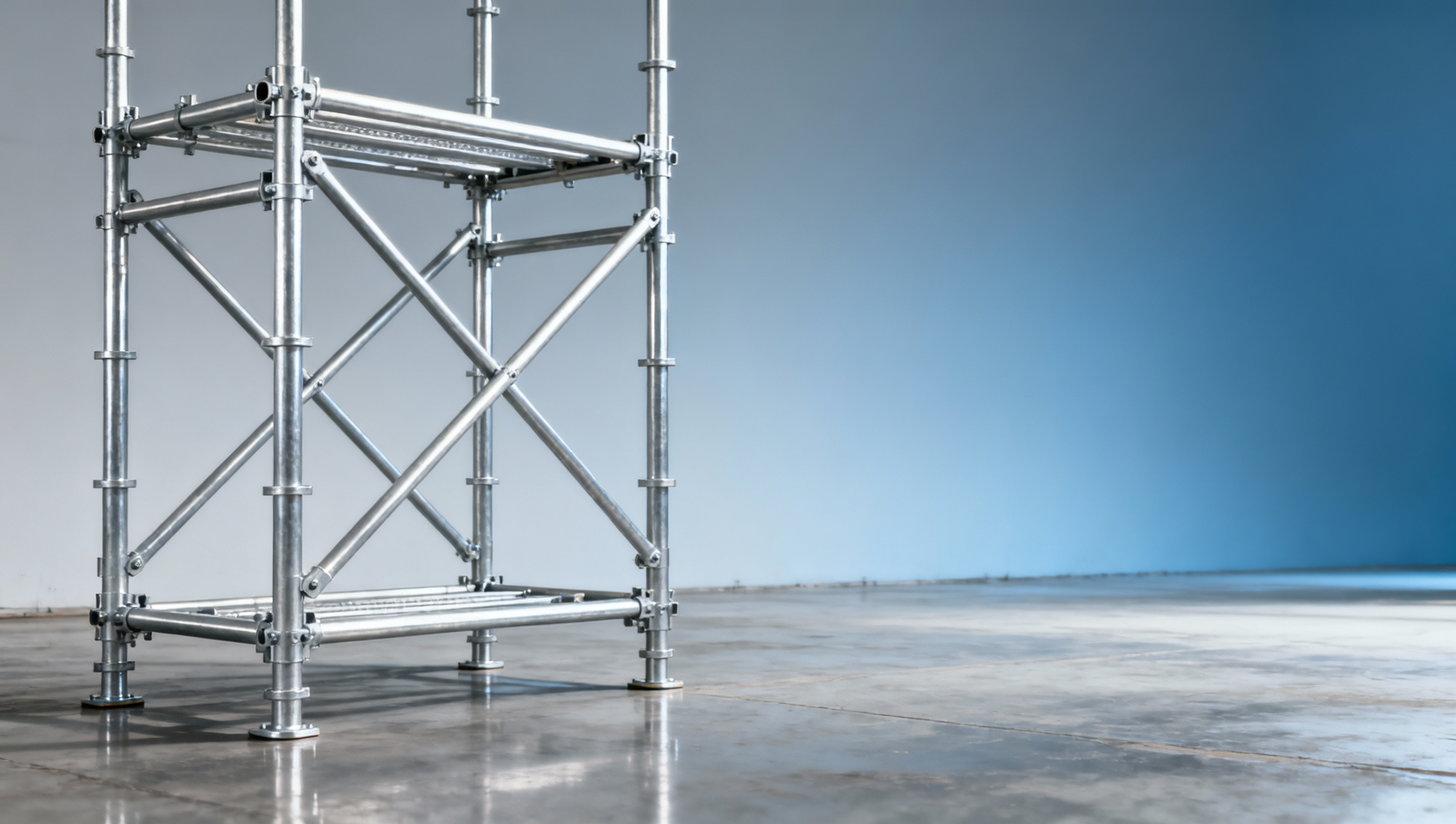
The main physical components usually include standards or vertical posts, ledgers, transoms, braces, base plates, platforms, guardrails, toe boards, access ladders, ties, anchors, and connectors. Their interaction determines stability. A platform may look secure, but its real performance depends on foundation bearing capacity, bracing geometry, tie spacing, wind exposure, platform deflection, and the compatibility of components. Scaffolding safety begins when these details are considered before materials arrive on site.
From an industrial standards perspective, Scaffolding is governed by national and regional workplace safety rules, manufacturer instructions, and site-specific method statements. Regulations commonly address competent supervision, maximum load ratings, fall protection, safe access, plank quality, clearance from electrical hazards, and inspection frequency. For buyers and project managers, the key question is not only whether a system can be erected, but whether it can be repeatedly used under predictable controls without creating hidden risk.
Why Scaffolding Safety Matters For B2B Projects
Scaffolding failures can create severe consequences: falls from height, struck-by incidents, collapse, schedule interruption, insurance claims, regulatory penalties, and reputational damage. In B2B environments, one unsafe platform can affect multiple contractors, subcontractors, inspectors, and client representatives. This is why Scaffolding should be treated as a managed work system rather than a temporary convenience. The safest projects define responsibility, documentation, and inspection routines before work begins.
Compared with improvised access methods, properly selected Scaffolding improves reach, work positioning, material handling, and task repeatability. Workers can operate with both hands free, maintain better body posture, and keep tools within controlled platform areas. For façade work, equipment installation, painting, insulation, demolition, and inspection, this often improves productivity while reducing unsafe stretching, climbing, and ladder dependence. A stable work face also supports better quality outcomes.
For companies operating across general industries, GTIIN can be positioned as a practical sourcing and project coordination partner when Scaffolding-related requirements need to be aligned with application, budget, lead time, and safety expectations. Without claiming specific certifications or proprietary systems, GTIIN’s value lies in helping buyers frame the right questions: intended use, load class, environment, access height, inspection needs, and documentation expectations. This consultative approach helps reduce mismatches between site risk and equipment choice.
Main Types Of Scaffolding And Typical Applications
Frame Scaffolding is common in building construction and façade maintenance because it is fast to assemble, familiar to crews, and suitable for repetitive elevations. Tube and coupler Scaffolding offers high flexibility for irregular structures, industrial plants, pipe racks, tanks, and confined geometries. System Scaffolding, including modular ring or cup connection systems, uses standardized nodes to improve assembly consistency and adapt to complex layouts with fewer loose fittings.
Suspended Scaffolding is used where ground support is limited, such as high-rise window maintenance, façade repair, and bridge work. Mobile Scaffolding towers are useful for interior maintenance, mechanical installation, and light-duty tasks where frequent repositioning is required. Cantilever Scaffolding may be selected when ground conditions prevent normal support, but it requires careful engineering because load transfer and anchorage are more demanding than standard supported systems.
The right category depends on height, load, duration, working area, ground bearing conditions, obstructions, weather exposure, and dismantling constraints. A low-cost system may become expensive if it requires excessive labor, special adaptation, or frequent downtime. B2B buyers should compare not only purchase or rental price, but also erection speed, component availability, compatibility with existing stock, training requirements, and the ability to document safe use across multiple projects.
Setup Best Practices And Inspection Controls
Safe Scaffolding setup starts with a site assessment. The team should evaluate soil or floor bearing capacity, slope, drainage, traffic, overhead power lines, access routes, lifting points, exclusion zones, and emergency access. Base plates and sole boards should be used where required to distribute loads. Leveling must be controlled from the first lift because small deviations at the base can become serious instability at height.
During erection, workers should follow the manufacturer’s sequence, install bracing as the structure rises, complete platforms before use, and avoid leaving partially assembled sections accessible. Guardrails, midrails, toe boards, safe access ladders, and secure platform decking must be installed according to the intended duty. Ties and anchors are critical: Scaffolding load limits are not only about vertical weight, but also wind sway, dynamic movement, and anchor fatigue over time.
Inspection should occur before first use, after modification, after severe weather, after impact, and at regular intervals required by local rules or site policy. A competent person should check foundations, plumbness, bracing, ties, platform condition, guardrails, access points, signs of corrosion, missing pins, damaged couplers, and unauthorized alterations. Tagging systems can communicate status, but they do not replace inspection judgment. Documentation should be clear enough for supervisors, users, and auditors to understand actual site conditions.
Regulations, Standards, And Global Market Access Considerations
Scaffolding requirements vary by jurisdiction, but most safety frameworks share common principles: the structure must support intended loads, provide fall protection, offer safe access, remain stable, and be inspected by competent personnel. In many markets, buyers may encounter references to OSHA requirements, EN standards, local building codes, occupational health regulations, and manufacturer technical manuals. The practical goal is to combine legal compliance with site-specific risk control.
For international procurement, market access can be affected by material traceability, dimensional compatibility, welding quality, surface treatment, load rating documentation, user instructions, and packaging suitable for transport. Buyers should avoid assuming that all components with similar appearance are interchangeable. Mixing incompatible parts may reduce connection strength or create unstable geometry. When project teams operate across regions, they should confirm which standards, inspection records, and language documentation are expected by the end client.
In application discussions, GTIIN can support buyers by organizing Scaffolding requirements around real project constraints instead of generic product labels. Useful pre-purchase questions include: What load class is needed? Will the system face wind, vibration, chemicals, or marine exposure? Is the work short-term or repeated? Are trained erectors available? What documentation will the project owner request? A disciplined inquiry process helps procurement teams avoid under-specified systems and costly changes after delivery.
Common Mistakes That Increase Scaffolding Risk
One common mistake is overloading platforms with materials, tools, debris, or concentrated point loads. Load limits are often misunderstood as a single weight number, but real performance depends on distribution, span, component condition, wind, vibration, and how workers move on the platform. Stacking bricks, panels, pipes, or mechanical equipment without confirming capacity can create localized stress that is not visible until the structure deflects or fails.
Another frequent problem is unauthorized modification. Workers may remove guardrails, shift planks, loosen ties, or create shortcuts for convenience. Even small changes can disrupt the design assumptions of Scaffolding. Missing cross braces, unsecured decks, inadequate access points, and incomplete toe boards are warning signs that site control is weak. Supervisors should make it clear that only authorized personnel may alter the scaffold and that modified sections require reinspection.
Poor foundation preparation is also a major risk. Mud, voids, broken concrete, soft insulation layers, drains, slopes, and vibration from nearby equipment can reduce stability. Weather exposure creates additional hazards: rain affects footing, ice reduces traction, and wind increases lateral forces. Electrical clearance is another critical issue, especially near overhead lines. A strong Scaffolding safety culture treats these conditions as design inputs, not minor inconveniences.
Selection Criteria, Maintenance Cycles, And TCO
When selecting Scaffolding, B2B buyers should evaluate duty rating, working height, platform size, material type, corrosion resistance, connection system, storage needs, transport efficiency, and local labor familiarity. Steel systems are strong and widely used, while aluminum systems may reduce handling weight for mobile or interior applications. Surface treatment matters in coastal, chemical, or humid environments because corrosion can shorten service life and complicate inspection.
Maintenance cycles should include cleaning, visual inspection, segregation of damaged components, repair controls, and storage away from standing water or corrosive contamination. Bent frames, cracked welds, deformed pins, worn threads, split planks, damaged hooks, and excessive rust should not be ignored. Components should be checked after major projects and before redeployment. A practical inventory system helps track condition, reduce loss, and prevent defective pieces from returning to service.
Total cost of ownership includes purchase or rental price, freight, assembly labor, dismantling labor, training, inspection time, storage, replacement parts, downtime risk, and compliance administration. The lowest initial price may not deliver the best ROI if erection is slow, components are hard to replace, or inspection rejection rates are high. Buyers should calculate cost per safe working day and consider how well the Scaffolding system supports future projects, not only the first job.
Future Trends In Scaffolding Safety And Project Delivery
The future of Scaffolding is moving toward better planning, lighter handling, improved traceability, and digital coordination. Building information modeling, 3D layout review, and digital method statements can help teams identify clashes, access gaps, and tie locations before erection. QR codes or digital tags may support inspection history and component tracking, especially for large projects with many scaffold zones and multiple subcontractors.
Safety expectations are also becoming more proactive. Clients increasingly want evidence of competent supervision, documented inspections, and controlled modification processes. Ergonomics will matter more as labor availability becomes tighter; systems that reduce manual handling strain and simplify repeatable assembly may provide operational value. Environmental considerations, including reusable components, repairable parts, and efficient logistics, are likely to influence procurement decisions.
For decision makers, the best strategy is to treat Scaffolding as an integrated risk, productivity, and cost management tool. Define the application, choose the appropriate system, verify compliance expectations, train users, inspect consistently, and review performance after each project. GTIIN can be considered when buyers need structured discussion around Scaffolding sourcing and application fit, especially where safety expectations, project constraints, and commercial practicality must be balanced.
Related News
 Glass wool insulation roll vs. mineral wool: which delivers better fire resistance for commercial retrofits?Glass wool insulation roll vs. mineral wool: compare fire resistance, supply chain updates & compatibility with unitized curtain wall systems for safer, faster commercial retrofits.
 Cuplock scaffolding manufacturer lead times now exceed 14 weeks — is local assembly viable?Cuplock scaffolding manufacturer delays hit 14+ weeks — explore local assembly for unitized curtain wall systems, XPS board & fire retardant acoustic panels.
 Extruded polystyrene XPS board edge crush resistance varies by extrusion line — how to spot inconsistencyExtruded polystyrene XPS board edge crush resistance varies by extrusion line — spot inconsistencies early for unitized curtain wall systems, glass wool insulation roll integration, and fire retardant acoustic panels.
 Unitized curtain wall systems installed without thermal break verification — what fails first?Unitized curtain wall systems fail fast without thermal break verification—anchor corrosion, acoustic decay & XPS/glass wool underperformance hit first. Get GTIIN’s supply chain updates & manufacturing insights now.