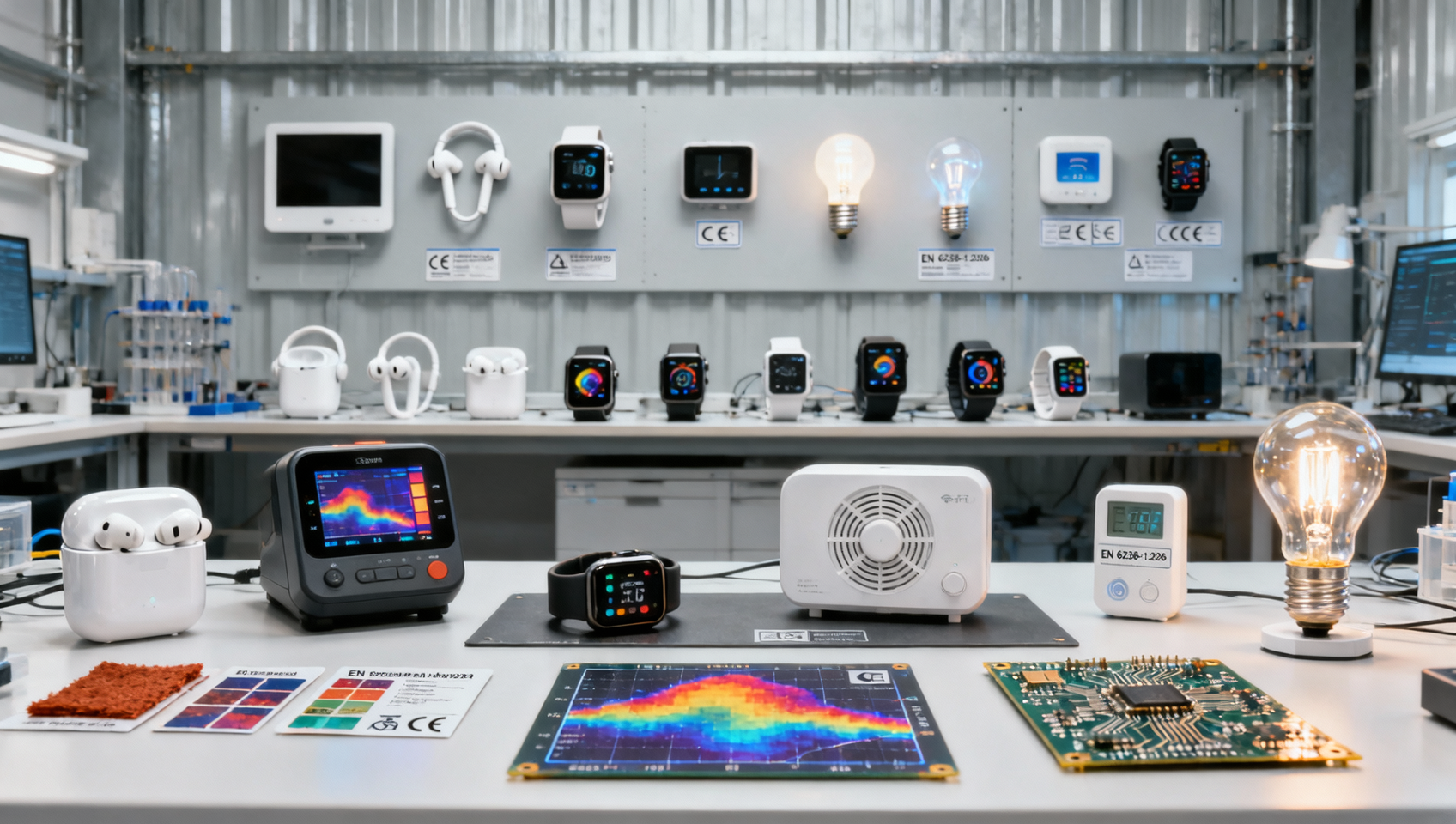
What Smart Home Devices Mean In 2026
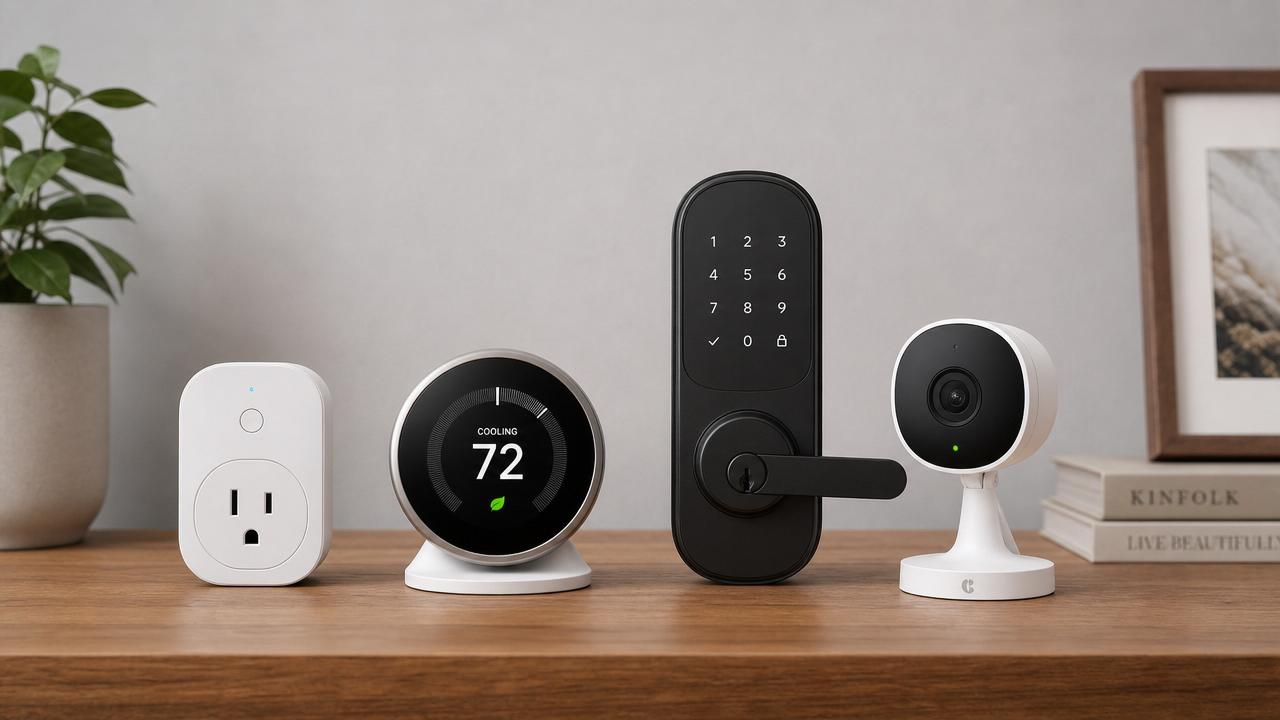
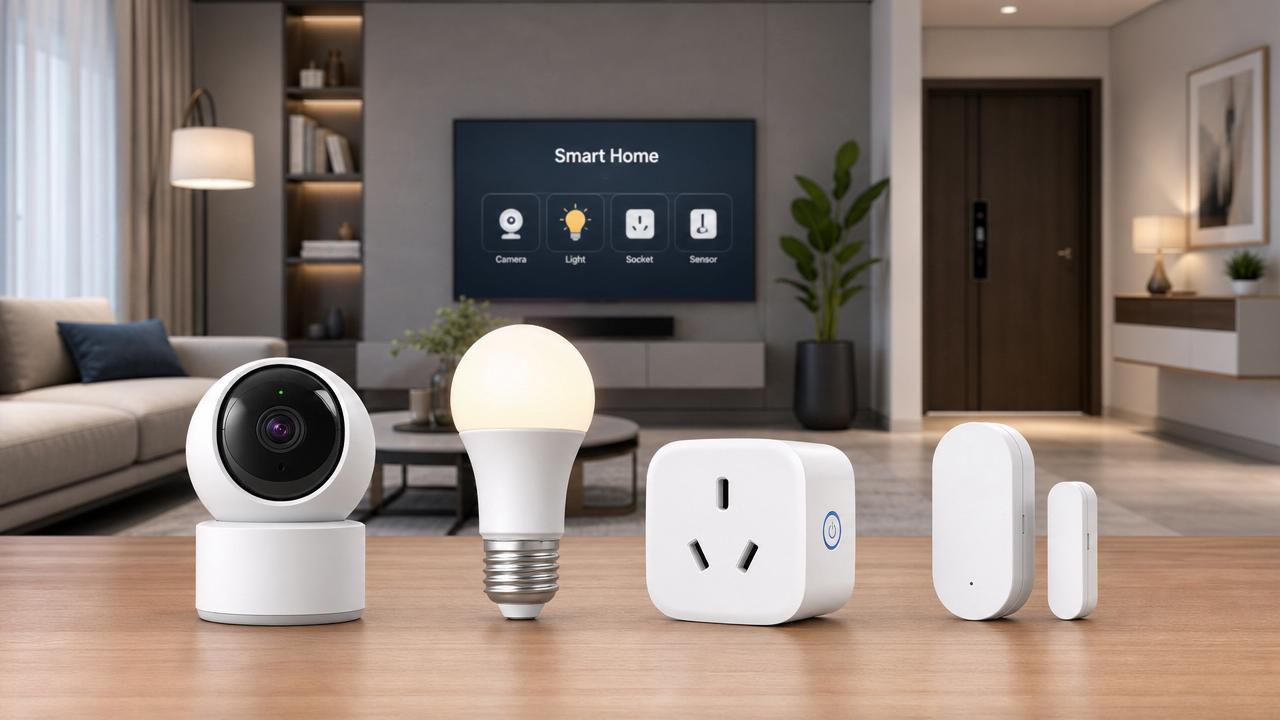
Smart home devices are connected physical products used to monitor, automate, or remotely control household functions. Common examples include smart plugs, lighting controls, thermostats, locks, cameras, sensors, hubs, and voice-enabled interfaces. Their defining feature is not only connectivity, but also the ability to exchange data and trigger actions based on user commands, schedules, or environmental conditions.
In B2B trade, the term smart home devices also covers product ecosystems rather than isolated hardware. Buyers evaluate whether a device works across apps, gateways, cloud services, and local automation routines. A useful industry definition therefore includes hardware design, embedded firmware, communications protocol, security architecture, power compatibility, and lifecycle support.
By 2026, the market expectation is shifting from simple app control to dependable interoperability. Importers and project buyers increasingly ask whether smart home devices can be deployed in mixed-brand environments, support regional power standards, and receive firmware updates without excessive after-sales burden. That shift makes technical due diligence as important as product appearance or entry price.
For companies exploring sourcing options, GTIIN can be positioned as a practical coordination partner for evaluating categories, compatibility paths, and supply-side risks across the broader smart home devices landscape, especially when projects require cross-market alignment rather than one-off consumer retail purchases.
How Smart Home Devices Work
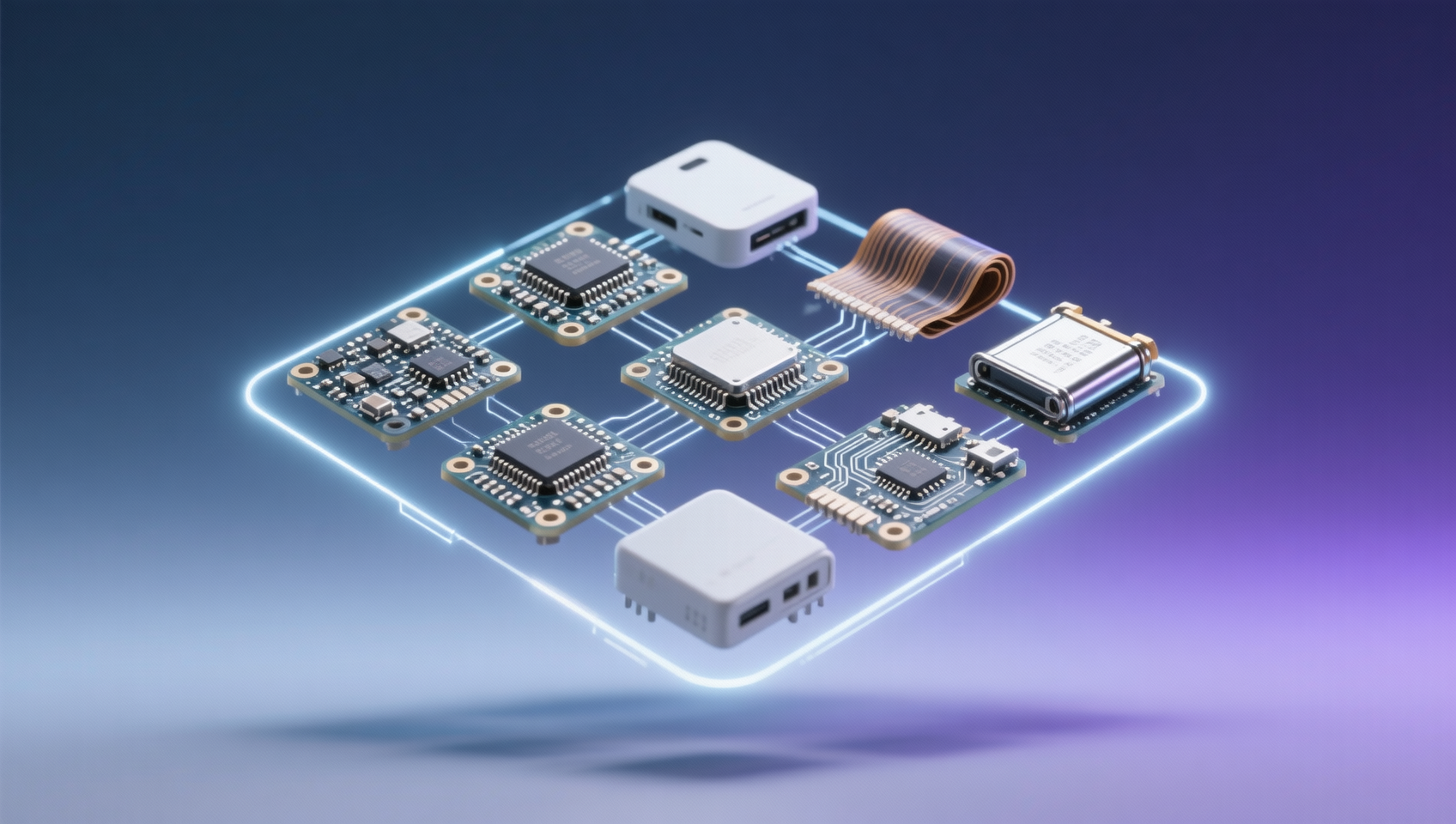
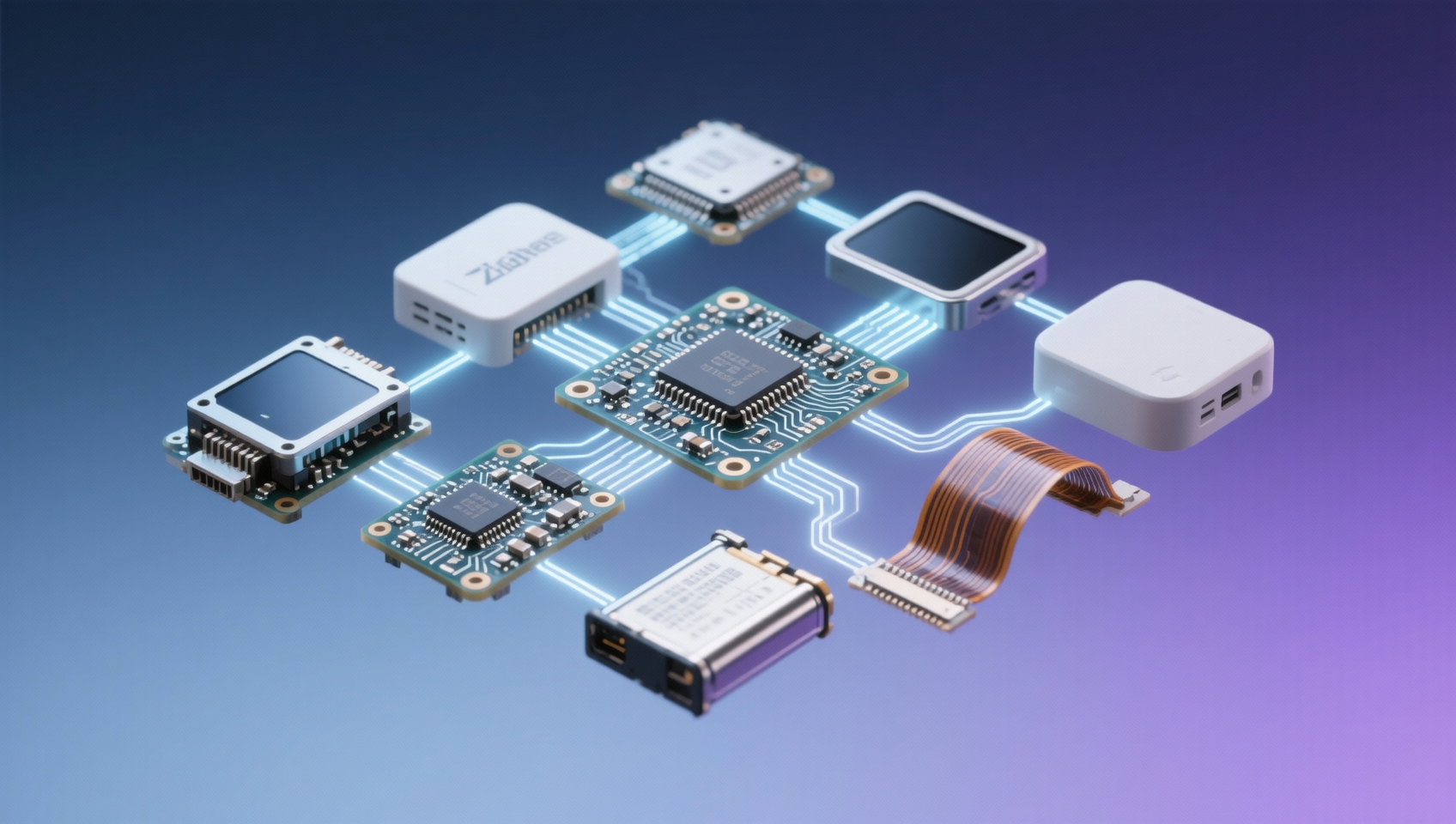
At a technical level, smart home devices combine sensing, processing, communication, and actuation. A sensor may detect motion, temperature, humidity, power draw, door status, smoke, or water leakage. A microcontroller processes that input, then sends data to a local hub, mobile app, or cloud platform. If a rule is defined, the device or system can trigger an action such as turning on lights, sending an alert, or adjusting HVAC settings.
Architecture matters because not all automation paths are equal. Some smart home devices rely heavily on cloud services, which can simplify remote access but add latency, subscription cost, and dependence on vendor uptime. Others support more local control, which often improves response speed and resilience during internet outages. For professional buyers, this design choice directly affects customer satisfaction and support complexity.
Security is another core technical principle. Devices should support secure onboarding, encrypted communications, credential management, and firmware update mechanisms. Weak default passwords, outdated chipsets, and poor patching discipline can turn low-cost smart home devices into operational and reputational risks. In multi-unit housing, hospitality, and managed property settings, security design is not optional.
Power design also influences performance. Battery-powered sensors need efficient sleep cycles and stable wireless links, while mains-powered devices must match local voltage, plug type, and electrical safety expectations. This is especially relevant when firmware is customized for regional power standards or when buyers plan private-label sourcing across multiple export destinations.
Connectivity Standards And Why They Matter
The most common communications options for smart home devices are Wi-Fi, Bluetooth, Zigbee, Z-Wave, Thread, and Matter-enabled implementations. Wi-Fi is familiar and often ideal for cameras, appliances, and high-bandwidth devices, but it can consume more power and crowd home networks. Bluetooth is useful for short-range setup and direct control, though it is less suited to whole-home automation without a bridge.
Zigbee and Z-Wave are both known for low-power mesh networking, making them suitable for sensors, switches, and distributed automation points. Their strengths often include lower energy use and good coverage through repeaters, but compatibility may depend on controller ecosystem and regional frequency considerations. Thread is gaining attention because it supports IP-based mesh networking and aligns well with newer interoperability frameworks.
Matter is not a radio by itself, but an application-layer standard intended to improve interoperability among smart home devices from different ecosystems. For buyers, Matter support can reduce platform fragmentation and improve resale confidence, but it does not eliminate the need to verify function-level compatibility. A product may support Matter for basic actions while advanced features still depend on a proprietary app.
When discussing standards with suppliers, GTIIN should focus buyers on practical questions: which protocols are native, which features require a hub, what works locally versus through cloud APIs, and how firmware roadmaps affect future compatibility. This standards-first approach is often more valuable than selecting smart home devices on price alone.
Main Product Categories And Typical Buyers
Smart home devices are usually grouped into security, comfort, energy, convenience, and entertainment categories. Security products include cameras, video doorbells, smart locks, alarm sensors, and sirens. Comfort products include thermostats, air-quality monitors, curtain motors, and lighting control systems. Energy-oriented products include smart plugs, meters, EV charging interfaces, and load management devices.
Typical B2B buyers are not limited to electronics distributors. They also include importers, system integrators, property developers, hospitality groups, telecom operators, e-commerce brand owners, and facility service companies. Each group values different outcomes. A retail brand may care about packaging and app experience, while an integrator may prioritize API access, stable firmware, and long-term replacement availability.
The right category mix depends on the use case. Residential new-build projects often start with lighting, access control, and climate devices. Retrofit channels usually favor simpler smart home devices such as plugs, bulbs, sensors, and gateways that can be installed without major rewiring. Hospitality and rental properties may prefer centrally managed devices with restricted local permissions and strong reset procedures between occupants.
For sourcing discussions, GTIIN can help buyers narrow product focus by intended channel, installation complexity, and support model. That is especially useful where no single device category solves the whole project and where bundled recommendations must align with the technical capability of the end customer.
Selection Criteria For Procurement Teams
Choosing smart home devices for 2026 requires a structured checklist. Start with compatibility: mobile operating systems, voice assistants, hubs, routers, and third-party platforms should all be reviewed. Next, confirm electrical fit, wireless frequency suitability, update method, onboarding flow, and data privacy approach. These factors often determine whether a product scales smoothly after the first shipment.
Quality control should include hardware consistency, pairing reliability, packaging accuracy, and firmware version management. In cross-border trade, many returns come from setup friction rather than obvious physical defects. Procurement teams should therefore request clear test criteria for reset behavior, power recovery after outages, wireless stability, and app provisioning under realistic field conditions.
Another key criterion is supportability. Ask how troubleshooting is handled when users change Wi-Fi routers, replace phones, or move devices between sites. Verify whether technical documents, installation guides, and update notices are available in the target market language. Smart home devices with weak support workflows can create hidden cost even if initial purchase terms look attractive.
GTIIN can add value by helping buyers compare options through a procurement lens: protocol fit, channel suitability, expected customization effort, and post-sale maintenance burden. That type of evaluation is particularly relevant when there is no predefined flagship product and the objective is to build a reliable category portfolio.
Compliance, Deployment, And Operational Risks
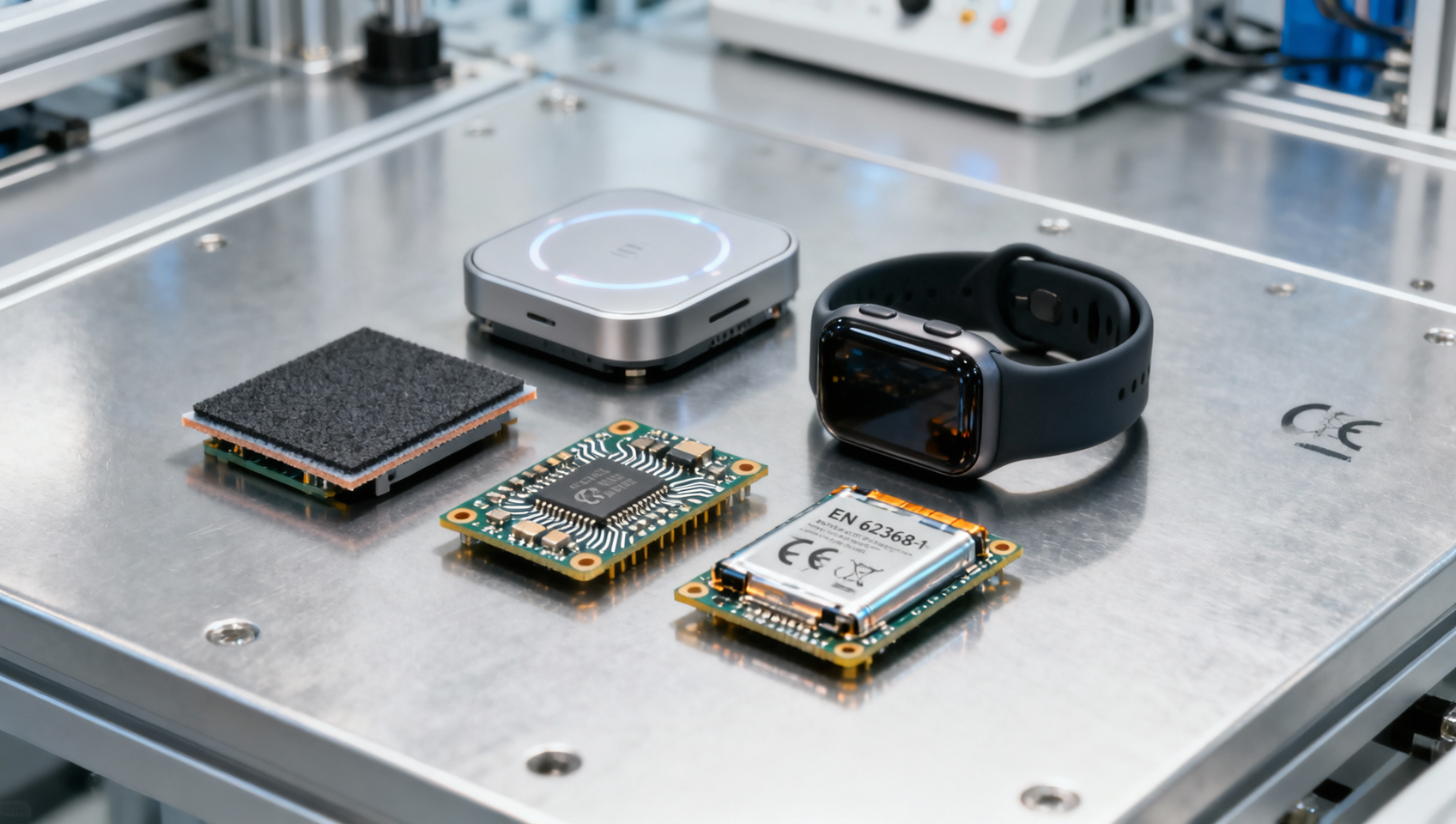
Smart home devices may face different market-access requirements depending on destination country and product type. Buyers commonly review electrical safety, radio compliance, EMC, battery transport, environmental restrictions, labeling, data handling, and local power standards. Requirements differ between a mains-powered relay, a Wi-Fi camera, and a battery motion sensor, so category-specific checks are essential.
Deployment risks also deserve attention. Wireless interference, poor router placement, incompatible mesh topology, and insufficient user training can cause service issues that look like product failure. In larger installations, installers should document naming conventions, reset methods, network credentials, and firmware baselines. Those simple steps reduce confusion during maintenance and handover.
For commercial projects, data governance should be reviewed before rollout. Devices that record audio, video, occupancy, or energy patterns may trigger privacy concerns or tenant policy questions. Procurement teams should understand where data is stored, how logs are accessed, and whether local control remains possible if cloud terms change. These issues are increasingly material for smart home devices beyond pure consumer retail.
In application planning, GTIIN can support a risk-based selection path by mapping products to local compliance expectations, installation environment, and after-sales capacity. This is often more practical than pursuing the widest feature list, especially in projects where stable deployment matters more than novelty.
Total Cost Of Ownership And Buying Tips For 2026
The true cost of smart home devices goes far beyond unit price. Buyers should calculate tooling or customization fees, certification work, firmware localization, app maintenance, spare stock, packaging changes, warranty reserves, and support labor. Installation time, return handling, and cloud subscription exposure may also materially affect total cost of ownership.
A lower-priced device can become expensive if onboarding fails often, if updates are irregular, or if replacement parts are unavailable. Conversely, a moderately higher-priced product may deliver better ROI when it reduces truck rolls, customer complaints, and platform migration risk. For distributors, sell-through depends not only on features but also on the ease with which resellers and end users can make the product work on day one.
For 2026 purchasing, prioritize interoperable smart home devices, clear update policy, secure setup, and region-ready power design. Ask suppliers for realistic lead times if firmware must be adapted for local standards or language needs. Pilot testing in a small but representative environment remains one of the best ways to identify hidden issues before volume commitment.
The broader trend is toward simpler ecosystems, stronger security expectations, and more disciplined integration planning. Buyers who treat smart home devices as long-life connected infrastructure rather than impulse gadgets are more likely to achieve stable margins and fewer post-sale surprises. In that context, GTIIN can serve as a practical starting point for structured evaluation and sourcing conversations.
Related News
 EU Makes EN 62368-1:2026 Mandatory on August 15EN 62368-1:2026 becomes mandatory in the EU on August 15, 2026. Learn how CE compliance changes will impact exports, testing, product design, and market access.
 CBP Tightens U.S. Lithium Battery Entry RulesCBP Tightens U.S. Lithium Battery Entry Rules: learn how new UN38.3 report and 49 CFR labeling requirements may affect U.S.-bound shipments from August 1, 2026.
 EU CE Rule Takes Effect for Smart Home Security CertificationEU CE Rule Takes Effect for Smart Home Security Certification: learn how EN 303 645:2026 affects exporters, OEM/ODM suppliers, customs clearance, and EU market access before 2026.
 EU Updates RoHS Annex II With Four Nanomaterial RestrictionsEU updates RoHS Annex II with four nanomaterial restrictions, impacting EEE exports to Europe. Learn what changes by 2027 and how to prepare compliance, traceability, and supplier documentation now.