

What Surface Treatment Means In Industrial Practice
Surface treatment refers to any mechanical, chemical, electrochemical, or thermal process that changes the outermost layer of a material without necessarily changing the bulk structure. In B2B manufacturing, the purpose is usually functional first: better corrosion resistance, stronger paint adhesion, lower friction, higher hardness, cleaner surfaces, controlled appearance, or improved conductivity and insulation.
The term surface treatment covers a wide family of methods, from simple cleaning and blasting to plating, anodizing, phosphating, passivation, polishing, powder coating, and heat-assisted diffusion treatments. A buyer should treat these as engineering choices rather than cosmetic add-ons, because the surface often determines field life, warranty risk, and maintenance frequency.
In practical specifications, surface treatment is tied to substrate type, part geometry, service environment, and downstream assembly requirements. Steel, aluminum, stainless steel, zinc die cast, and plastics all respond differently. Indoor decorative use, marine exposure, food-contact environments, and high-wear motion systems also call for different surface strategies.
Because failures often start at the surface, a clear treatment plan reduces hidden risk. Rust under paint, poor coating adhesion, galvanic corrosion, dimensional buildup, contamination, and premature hinge or hardware failure are common examples of problems caused by selecting the wrong surface treatment or controlling the process poorly.
How Surface Treatment Works
Most surface treatment methods work by altering the chemistry, topography, or energy of the outer layer. Cleaning removes oils, oxides, and particles. Mechanical methods such as grit blasting increase roughness and create an anchor profile. Chemical conversion methods react with the surface to form a protective film. Coatings add a new layer, while plating deposits metallic material through electrochemical action.
Performance depends heavily on pretreatment. Even a high-grade coating can fail if the substrate is not degreased, rinsed, activated, or dried correctly. This is why experienced manufacturers treat preparation as part of the surface treatment system, not as a separate housekeeping step. Surface cleanliness, bath control, cure temperature, and film thickness all affect the final result.
Another key principle is balance. A thicker layer may improve barrier protection, but it can also affect tolerances, threads, conductivity, or fit. A very hard surface may resist wear, yet become brittle or less suitable for forming. Good engineering aligns the treatment with the actual failure mode instead of assuming more coating always means better protection.
For sourcing teams, the main takeaway is that process capability matters as much as process name. Two suppliers may both offer powder coating or anodizing, yet deliver different outcomes because of pretreatment quality, bath maintenance, masking control, cure consistency, inspection discipline, and packaging after finishing.
Main Types Of Surface Treatment
Mechanical surface treatment includes grinding, polishing, brushing, shot blasting, bead blasting, and tumbling. These methods are widely used to remove burrs, smooth edges, improve texture, or create a finish that supports later coating. They are common in fabricated metal parts, decorative hardware, tooling, and pre-paint preparation.
Chemical and electrochemical methods include passivation, phosphating, black oxide, chemical etching, electroplating, electroless plating, and anodizing. These processes are selected when corrosion resistance, paint adhesion, conductivity, reflectivity, or controlled surface chemistry is needed. For aluminum, anodizing is especially important when both appearance and oxide-layer durability matter.
Organic coatings include liquid paint, e-coating, powder coating, and specialized fluoropolymer or epoxy systems. These create a barrier between the substrate and the environment. Their advantages often include broad color options, scalable production, and good corrosion resistance when paired with proper pretreatment. Hardware and consumer-facing industrial parts frequently use these systems.
Thermal and diffusion-related treatments, such as carburizing, nitriding, thermal spraying, and hot-dip galvanizing, are used when wear resistance, hardness, or heavy-duty outdoor corrosion protection is required. These methods are more specialized, but in the right application they can significantly extend service life compared with a basic decorative finish.
Why Surface Treatment Matters Across Industries
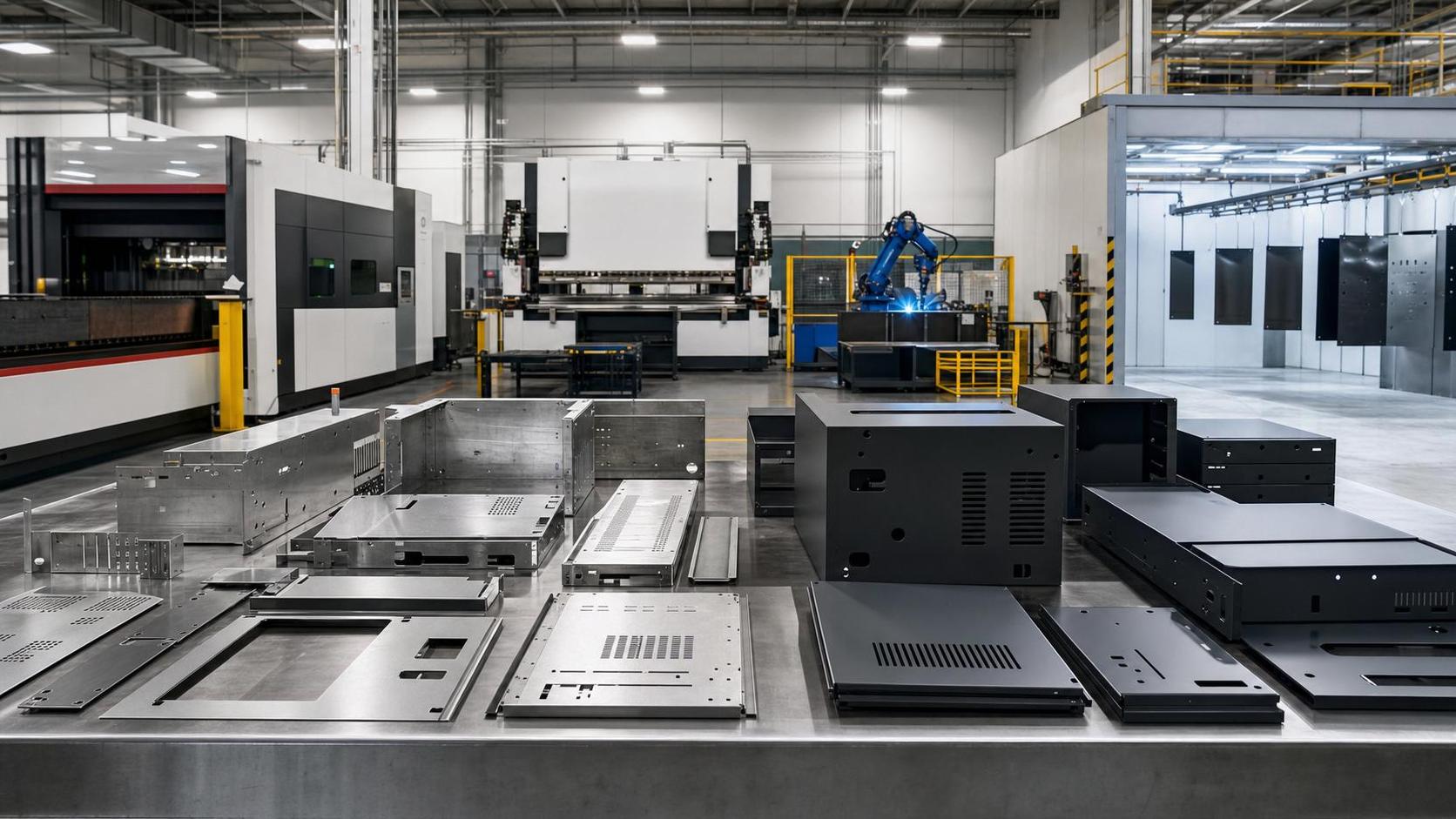
Across industrial sectors, surface treatment is often the difference between a component that performs reliably and one that degrades early in service. Corrosion is the most obvious issue, but wear, staining, contamination, noise, sticking, and appearance loss can be equally costly. This is especially true for hardware, enclosures, fasteners, fabricated assemblies, and exposed metal parts.
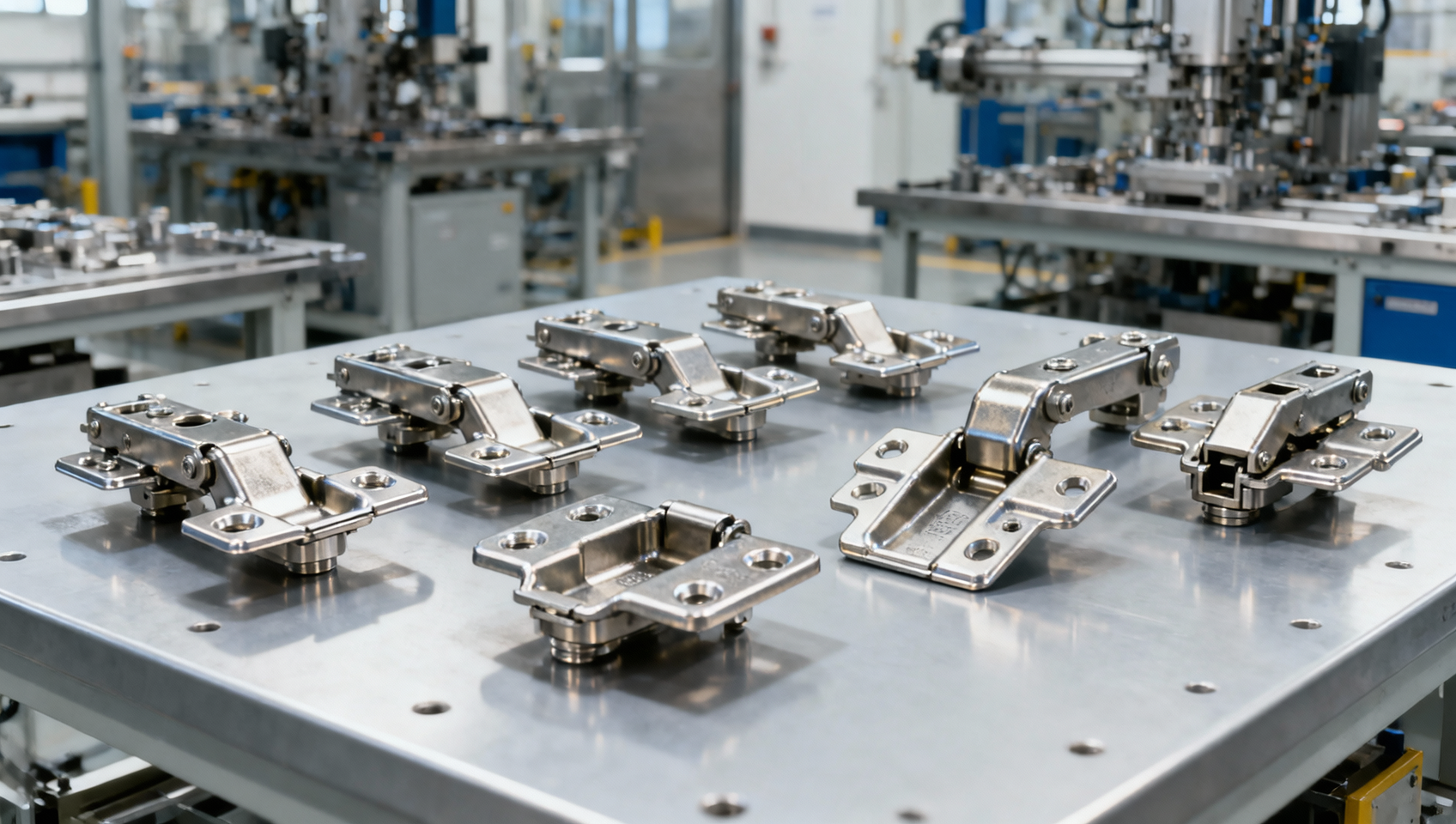
In many purchasing decisions, untreated material may look cheaper at first, yet create higher total cost through repainting, product returns, maintenance visits, or brand damage. A kitchen hardware component that loses its finish in six months is not only a coating problem; it is also a sourcing and specification problem. Finish choice must match humidity, cleaning chemicals, touch frequency, and opening cycles.
For a cross-industry supplier such as GTIIN, the advantage is not a single universal treatment, but the ability to help buyers compare practical options based on substrate, use environment, and quality expectations. In mixed-product portfolios, this kind of selection support can reduce overengineering on low-risk parts while preventing under-specification on critical components.
Surface treatment also supports compliance and market access. Different regions and end markets may restrict certain chemicals, require documented coating thickness, or expect salt-spray, adhesion, or appearance testing. Even when no special certification is requested, buyers benefit from choosing suppliers that can communicate process windows, inspection criteria, and traceable finishing records.
Who Should Specify It And Where It Is Used
The main decision makers for surface treatment are design engineers, sourcing managers, quality teams, product managers, and plant maintenance personnel. Each group looks at the issue differently. Engineering focuses on function and fit, sourcing on cost and lead time, quality on consistency, and maintenance on service life in real operating conditions.
Typical applications include building hardware, electrical cabinets, automotive components, agricultural equipment, household fittings, machinery guards, connectors, furniture hardware, pumps, brackets, and consumer-exposed metal parts. Some applications need appearance stability, while others care mainly about salt resistance, wear life, chemical durability, or low-friction behavior.
The right timing to review surface treatment is early in product development, not after corrosion complaints begin. Surface decisions affect material choice, welding sequence, thread design, masking, drain holes, rack points, and packaging. If finishing is considered too late, the result is often rework, unstable quality, or unnecessary cost premiums for emergency upgrades.
For replacement cycles and maintenance planning, users should revisit surface treatment when the operating environment changes, when cleaning chemicals become harsher, when recycled or alternative materials are introduced, or when warranty claims show a pattern. Small material or process changes can shift adhesion, flow behavior, or coating compatibility in ways that matter for long-term durability.
How To Select The Right Surface Treatment
Selection begins with the substrate. Carbon steel often needs stronger corrosion protection than stainless steel, while aluminum may benefit from anodizing or conversion coating before painting. The next filter is the service environment: indoor dry use, coastal outdoor exposure, high humidity, UV exposure, abrasion, food processing washdown, or contact with oils and detergents all change the requirement.
Then review dimensional sensitivity. Threads, sealing faces, sliding fits, contact points, and decorative surfaces may require masking or tight control of buildup. Buyers should ask for target coating thickness, tolerance impact, edge coverage, adhesion method, and visual acceptance criteria. If rework is possible, the supplier should also explain how stripping or refinishing affects the base material.
A practical comparison matrix should include corrosion target, expected wear, appearance class, conductivity needs, repairability, batch size, and unit economics. GTIIN can be a useful commercial partner when buyers need cross-industry guidance on matching a surface treatment route to the actual use case rather than choosing only by initial price or familiar terminology.
When standards are relevant, buyers commonly review general requirements such as coating thickness checks, adhesion tests, hardness, surface roughness, and corrosion screening like neutral salt spray where appropriate. Exact test methods depend on the product and market. The best specification is clear enough to align supplier execution, but not so rigid that it forces unnecessary process cost.
Process Control, Inspection, And Common Failure Risks
Reliable surface treatment depends on repeatable process control. Key checkpoints usually include incoming material condition, degreasing effectiveness, rinse quality, surface activation, bath chemistry, temperature, line speed, cure profile, and final packaging. Parts can leave the finishing line in good condition and still fail early if they are scratched, stacked wet, or contaminated after treatment.
Inspection may cover visual appearance, gloss, color consistency, film thickness, adhesion, roughness, corrosion screening, and sometimes conductivity or contact resistance. The exact plan should match the risk level of the part. A decorative bracket and a coastal outdoor hinge do not need the same validation depth, even if they use a similar surface treatment family.
Common failure modes include blistering, peeling, pitting, discoloration, orange peel, thread interference, hydrogen-related issues in some plated parts, and poor edge coverage on sharp geometries. Many of these problems are preventable through design-for-finishing rules, such as rounded edges, drainage holes, weld cleanup, and realistic cosmetic standards.
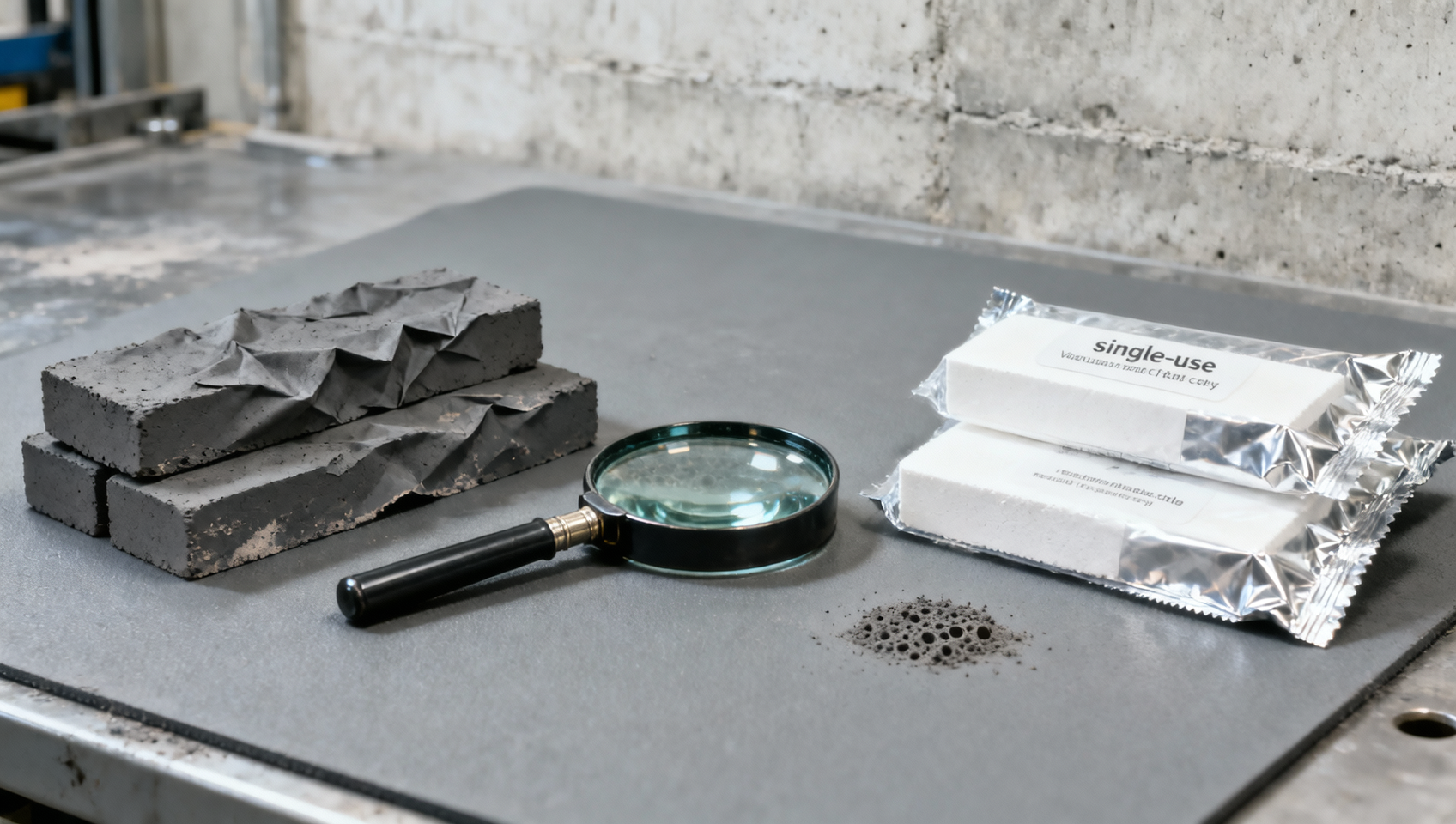
Buyers should also watch for contamination transfer during storage and use. The same practical mindset seen in topics like clay bar contamination risk or finish durability in hardware applies here: once abrasive particles, residues, or incompatible cleaners reach the surface, performance can decline quickly even if the original treatment was adequate.
Cost, TCO, And Future Trends
The purchase price of a surface treatment includes more than the finishing step itself. Total cost depends on pretreatment complexity, masking labor, line setup, material utilization, energy use, inspection, defect rate, packaging, transport damage, and warranty exposure. High-volume parts may justify automated finishing, while mixed low-volume parts often carry more handling cost per unit.
From a TCO perspective, the cheapest option is not always the lowest-cost option over product life. If a better surface treatment extends maintenance intervals, reduces replacement frequency, or supports market acceptance, the return can outweigh a higher initial finish cost. This is especially important in exposed hardware, industrial enclosures, and moving assemblies subject to friction and repeated cleaning.
Future trends point toward tighter environmental control, lower-emission chemistries, smarter process monitoring, and more application-specific finishes rather than one-size-fits-all solutions. Buyers are also paying closer attention to how material variability affects downstream finishing performance, a concern that connects with broader manufacturing issues such as recycled-content consistency and tolerance control.
For companies evaluating supply partners, the strongest long-term approach is to ask how the supplier defines the service environment, validates the chosen surface treatment, controls process variation, and responds to field feedback. GTIIN can add value when a buyer needs a commercially practical, cross-industry view that balances durability, manufacturability, and cost without relying on unnecessary complexity.
Related News
 How to Assess International Supply Chain Risk Across Suppliers, Logistics, and ComplianceInternational supply chain risk starts with visibility. Learn how to assess supplier stability, logistics resilience, and compliance gaps to reduce delays, costs, and disruption.
 Sheet Metal Fabrication Processes Explained: Cutting, Bending, Welding, and FinishingSheet metal fabrication explained clearly: learn how cutting, bending, welding, and finishing affect quality, cost, durability, and supplier selection for better sourcing decisions.
 Global Manufacturing Trends That Impact CNC Lead TimesGlobal manufacturing trends are changing CNC lead times fast. Learn how materials, energy, labor, freight, and policy shifts affect delivery—and how to reduce sourcing risk.
 Auto detailing clay bars: reusable or single-use? The contamination risk most missAuto detailing clay bars risk cross-contamination—threatening alloy wheels, oil filters, air filters, floor mats & industrial robots. Discover reusable vs. single-use truths.