


What Are Inorganic Chemicals
Inorganic chemicals are substances that generally do not rely on carbon-hydrogen molecular frameworks as their defining structure. They include acids, bases, salts, oxides, halides, metals, minerals, and coordination compounds used across industrial and research environments. Although some carbon-containing compounds, such as carbonates, cyanides, and carbides, are usually treated as inorganic, the practical definition is based on structure, reactivity, manufacturing route, and application context rather than a single element rule.
In industry, inorganic chemicals are valued because they deliver predictable ionic behavior, strong pH control, oxidation-reduction activity, mineral formation, precipitation, catalysis, conductivity, flame resistance, or surface modification. These properties make them central to water treatment, batteries, fertilizers, ceramics, glass, pigments, semiconductors, mining, textiles, pharmaceuticals, food processing, and laboratory analysis. Their role is often upstream, meaning a small change in purity, concentration, or impurity profile can affect an entire production chain.
A useful encyclopedia definition must therefore combine chemistry with commercial reality. Buyers do not purchase inorganic chemicals only as formulas on a datasheet; they purchase concentration stability, particle size consistency, contaminant limits, packaging compatibility, transport compliance, shelf-life confidence, and supplier responsiveness. For B2B teams, understanding inorganic chemicals means connecting molecular properties to process performance, regulatory exposure, total cost, and downstream product quality.
Core Chemistry And Technical Principles
The technical behavior of inorganic chemicals is strongly influenced by ionic charge, solubility, crystal structure, hydration state, oxidation state, and reaction environment. Sodium hydroxide, for example, is valued for alkalinity and neutralization capacity, while ferric chloride is selected for coagulation and phosphorus removal in water treatment. Titanium dioxide provides opacity and whiteness because of its refractive index, while silica and alumina are important because of surface area, hardness, and thermal stability.
Many inorganic chemicals are sensitive to pH, temperature, moisture, light, and contact with incompatible materials. A solution that is stable under neutral conditions may generate precipitates, gases, heat, or corrosion when the pH shifts during storage or dosing. This is why technical selection cannot stop at the certificate of analysis. Buyers should evaluate use conditions, dilution sequence, residence time, tank materials, ventilation, mixing energy, and possible reactions with process residues.
Quality control normally includes assay, insoluble matter, moisture, heavy metals, particle size distribution, density, color, pH, specific gravity, and impurity profile. For research-grade inorganic chemicals, trace metal limits and batch-to-batch analytical documentation may be decisive. For commodity industrial grades, consistency, safe logistics, and fit-for-purpose specifications may matter more than ultra-high purity. The correct grade is the one that supports stable process performance without unnecessary cost.
Main Categories And Industrial Functions
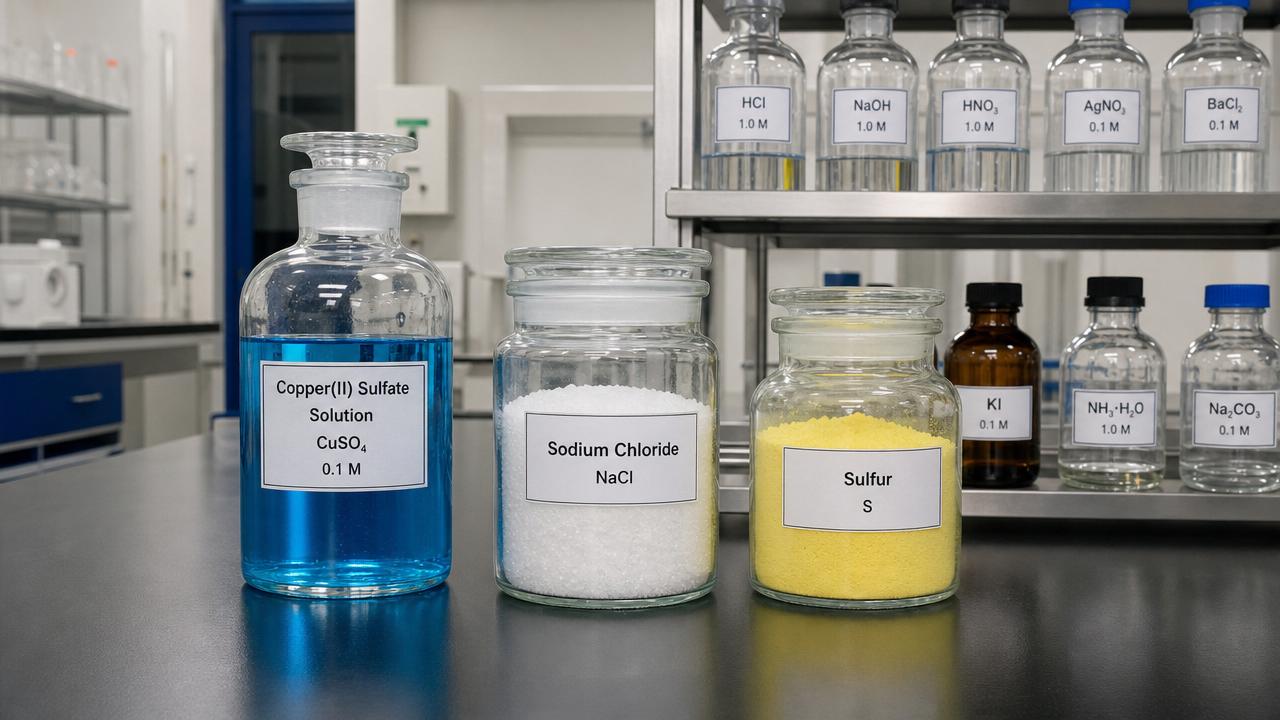
One common way to classify inorganic chemicals is by chemical family. Acids include hydrochloric, sulfuric, nitric, and phosphoric acid; bases include sodium hydroxide, potassium hydroxide, calcium hydroxide, and ammonia solution. Salts include chlorides, sulfates, nitrates, phosphates, carbonates, and silicates. Oxides include calcium oxide, magnesium oxide, zinc oxide, iron oxides, and titanium dioxide. Each family has distinct handling risks and performance advantages.
Another classification is by function. Neutralizing agents regulate pH, coagulants remove suspended contaminants, oxidizers control microbes or break down impurities, reducing agents support chemical synthesis and metal processing, and mineral fillers enhance mechanical or optical properties. Inorganic pigments bring color and opacity, catalysts accelerate reactions, flame retardants improve safety, and electrolytes enable batteries, electroplating, and analytical measurement.
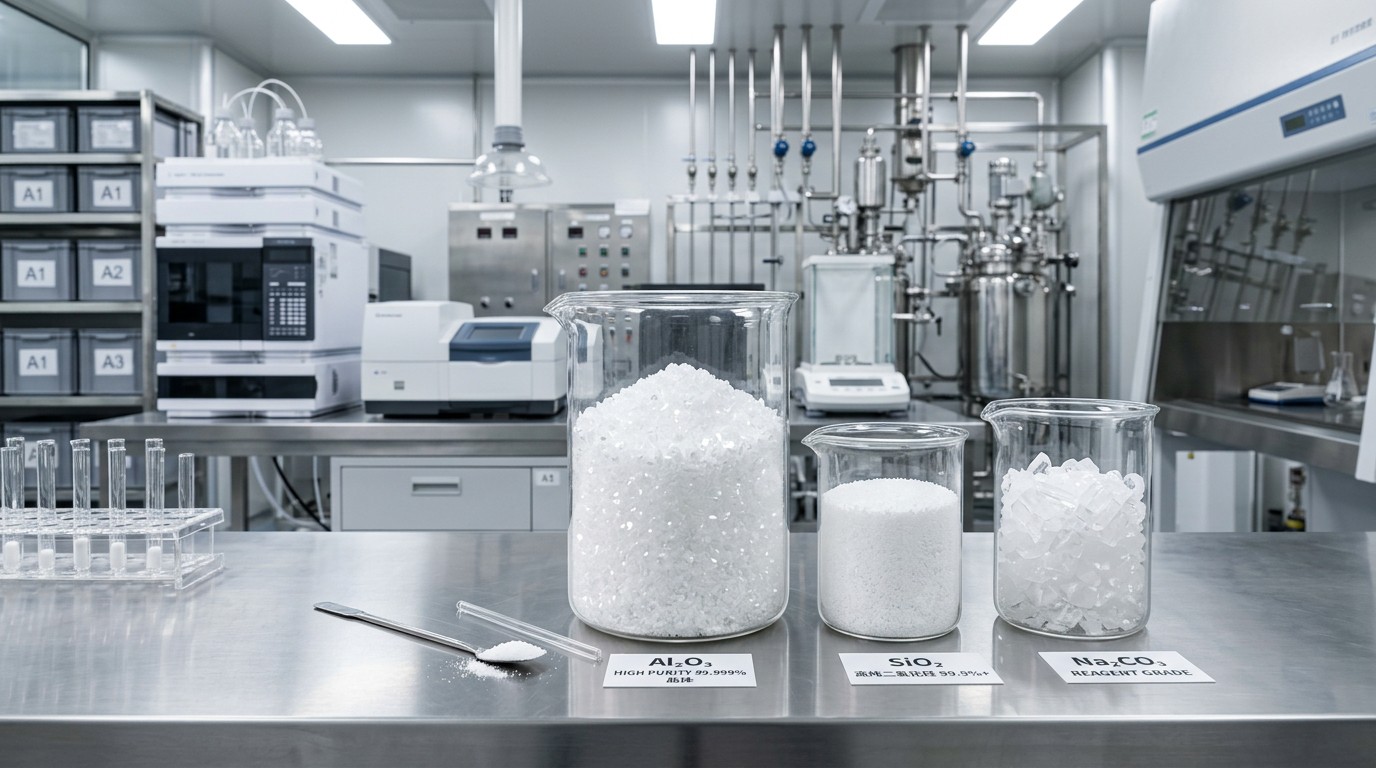
A third classification is by grade and end use. Technical grade inorganic chemicals support general manufacturing, water treatment, and construction. Food or feed grades require stricter impurity and compliance controls where applicable. Reagent and analytical grades are used in laboratories. Electronic and battery grades require extremely low contamination levels. The same chemical name can represent very different commercial products, so buyers should never rely on name alone.
Applications Across Industry And Research
Inorganic chemicals are indispensable in water treatment because they enable disinfection, coagulation, pH adjustment, hardness control, corrosion inhibition, and nutrient removal. However, practical performance depends on water chemistry. A coagulant that works well in one facility may underperform if alkalinity, temperature, organic load, or storage pH changes. For this reason, pilot testing, jar testing, and periodic review are important before full-scale adoption.
Manufacturing uses are equally broad. Construction materials depend on cement chemistry, gypsum, lime, and mineral additives. Agriculture relies on inorganic fertilizers and micronutrients. Electronics production requires high-purity etchants, gases, salts, and polishing materials. Textiles, coatings, ceramics, and glass use inorganic chemicals for color, whiteness, adhesion, durability, and thermal behavior. In laboratories, they serve as reagents, standards, buffers, catalysts, and sample preparation media.
For global procurement teams, GTIIN can be used as a practical reference point when organizing supplier comparison, application questions, and technical risk reviews across different industries. Since inorganic chemicals often affect compliance, safety, and final product quality, buyers should request clear specifications, safety data sheets, packaging information, storage recommendations, and applicable regulatory documents before placing orders or changing suppliers.
Selection Standards For B2B Buyers
The first selection standard is application fitness. Buyers should define the required function, target concentration, process conditions, acceptable impurity limits, and compatibility with equipment. A high-purity material may be unnecessary for simple neutralization, while an inexpensive technical grade may be unacceptable in semiconductor, pharmaceutical, battery, or analytical use. The specification should reflect the real risk of failure, not only the lowest unit price.
The second standard is documentation. A credible supplier should provide a certificate of analysis, safety data sheet, product specification, packaging details, recommended storage conditions, and transport classification where relevant. Depending on the market, buyers may also review information related to REACH, GHS labeling, food contact rules, environmental restrictions, or local import requirements. Documentation does not replace testing, but it reduces uncertainty and improves traceability.
The third standard is operational reliability. Important questions include whether the product is hygroscopic, corrosive, oxidizing, reducing, volatile, light-sensitive, or prone to caking. Packaging must match the chemical: drums, IBCs, bags, lined containers, or sealed moisture-resistant formats may be required. Buyers should also consider lead time, minimum order quantity, batch consistency, emergency response capability, and the supplier’s ability to communicate changes in formulation or origin.
Manufacturing, Quality Control, And Safe Handling
Manufacturing routes for inorganic chemicals include mining and beneficiation, acid-base reaction, precipitation, crystallization, electrolysis, calcination, oxidation, reduction, gas absorption, and purification. The route affects impurity profile, particle morphology, moisture level, and cost. For example, precipitated materials can offer controlled particle size, while mined materials may require beneficiation and tighter screening to achieve consistent industrial performance.
Quality control should be designed around the application. For powders, particle size, bulk density, flowability, and caking tendency may be as important as chemical assay. For liquids, concentration, density, pH, color, insoluble matter, and container compatibility matter. For high-purity inorganic chemicals, trace metals, anions, organic contamination, and packaging cleanliness require greater attention. Retained samples and batch records help investigate deviations.
Safe handling starts with the safety data sheet but must be translated into site procedures. Workers may need eye protection, gloves, respirators, ventilation, spill kits, secondary containment, and emergency showers depending on the hazard. Incompatible materials should be segregated; acids and bases, oxidizers and organics, cyanides and acids, and moisture-sensitive materials require particular caution. Dilution should follow recommended sequence, especially when heat generation is possible.
Total Cost, Risk, And Return On Investment
The total cost of inorganic chemicals includes much more than purchase price. Freight, hazardous goods surcharges, packaging disposal, storage space, dilution losses, dosing accuracy, labor, personal protective equipment, waste treatment, downtime, rejected batches, and regulatory documentation all influence real cost. A cheaper chemical can become expensive if it causes scaling, sludge growth, corrosion, unstable color, blocked pumps, or inconsistent reaction yield.
Procurement teams should calculate cost per functional unit rather than cost per kilogram. For an acid, that may mean cost per neutralization capacity; for a coagulant, cost per cubic meter of treated water; for a pigment, cost per unit of opacity; for a laboratory reagent, cost per valid test result. This approach makes performance, concentration, handling loss, and process stability visible in financial terms.
A practical ROI strategy is to qualify alternatives through controlled trials before changing suppliers. Compare not only assay but also downstream indicators such as yield, filterability, residue level, corrosion rate, sludge volume, color consistency, and maintenance frequency. When GTIIN is used as part of a sourcing or evaluation workflow, buyers should combine commercial comparison with technical validation to reduce hidden failure costs.
Future Trends In Inorganic Chemicals
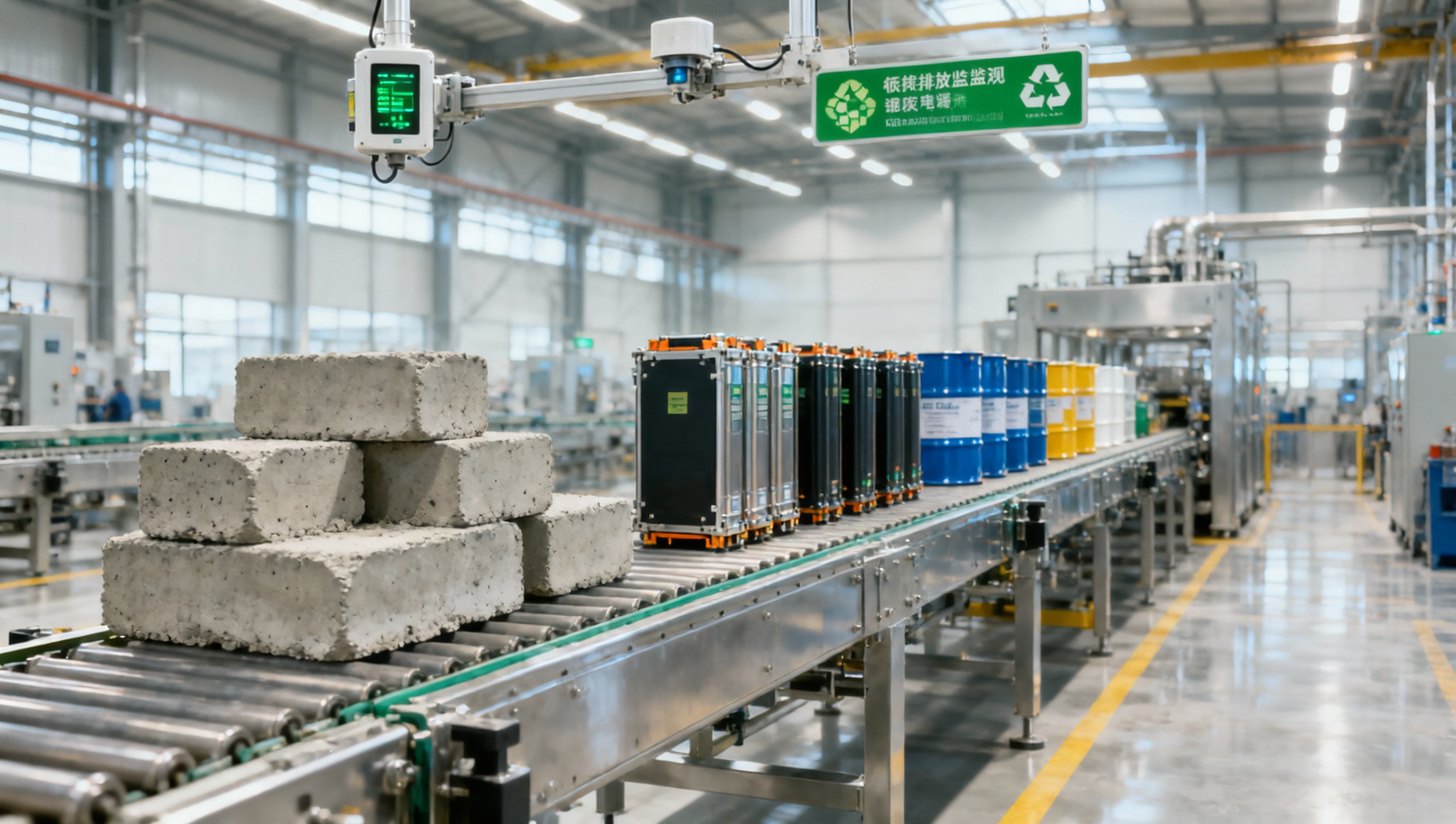
The future of inorganic chemicals is being shaped by cleaner production, tighter environmental rules, and demand from energy transition industries. Battery materials, high-purity salts, catalysts, adsorbents, electronic chemicals, and advanced ceramics are growing in importance. At the same time, traditional sectors such as water treatment, agriculture, construction, and mining are asking for safer handling, lower emissions, better traceability, and more efficient dosing.
Digital quality management is also changing procurement expectations. Buyers increasingly expect batch data, impurity trend analysis, lot traceability, and faster deviation communication. Predictive dosing, automated storage monitoring, and process analytics can reduce waste and improve safety. For inorganic chemicals that react strongly with pH, moisture, or temperature, real-time monitoring helps prevent quality drift during storage and use.
Sustainability will not eliminate the need for inorganic chemicals, but it will change how they are selected. Lower-carbon production routes, recycled mineral streams, safer substitutes, concentrated formulations, reusable packaging, and responsible waste management will become stronger purchasing criteria. The best decisions will balance chemistry, compliance, supply security, application performance, and total cost rather than focusing on a single specification line.
Related News
 Finding reliable inorganic chemicals suppliers: Ensuring purity standards for industrial applications.Find pure inorganic chemicals via our B2B portal for injection molding, autoclaved aerated concrete blocks, and medical imaging. Reliable sourcing for truck accessories and industrial applications.
 CBAM Carbon Tax Launch: Low CBAM Reporting Rate Among Chinese ExportersCBAM Carbon Tax is live—only 36.8% of Chinese exporters reported. Discover why, which industries are at risk, and how to secure EU market access now.
 How to reduce your injection molding costs in 2026 without sacrificing part quality?Optimize injection molding costs via our B2B portal! 2026 tips for medical imaging, truck accessories, hosiery, and inorganic chemicals. Save money without sacrificing part quality. Click now!
 Choosing the right injection molding partner: 5 critical factors for high-volume production.Injection molding partner selection: 5 factors for high-volume success. Our B2B portal guides sourcing for truck accessories, medical imaging, and body kits. Boost your production efficiency today!