



What Streetwear Means In Modern Fashion And B2B Trade
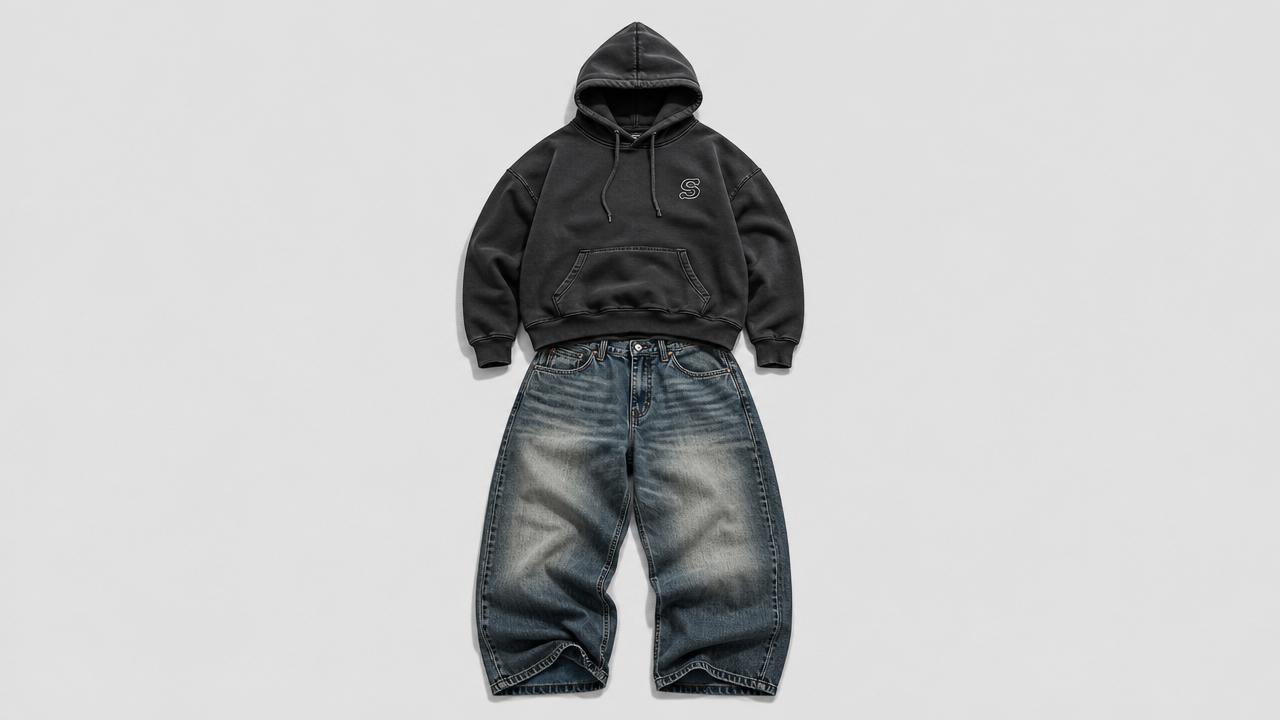
Streetwear is a fashion category built around casual silhouettes, cultural identity, and limited-cycle demand. Its core items include hoodies, graphic T-shirts, oversized shirts, cargo pants, denim, sneakers, caps, varsity jackets, and technical outerwear. Unlike basic casualwear, streetwear depends heavily on visual codes, community belonging, drop timing, and perceived authenticity. For B2B buyers, the category is not only about garments; it is about reading culture before it becomes inventory risk.
The physical attributes of streetwear usually emphasize comfort, durability, surface decoration, and fit expression. Common fabric choices include cotton jersey, fleece, French terry, denim, nylon, polyester blends, and performance knits. Construction details such as rib cuffs, dropped shoulders, reinforced seams, garment washing, embroidery, screen printing, puff print, applique, and woven labels help separate a standard item from a market-ready streetwear piece.
From an industrial perspective, streetwear sits between fashion, merchandising, and lifestyle branding. There is no single global standard that defines it, but responsible buyers typically evaluate material composition, color fastness, shrinkage, seam strength, labeling accuracy, restricted substance compliance, and packaging requirements. In international trade, streetwear products must also align with destination-market expectations for fiber labeling, care instructions, safety, and consumer protection.
Why Streetwear Matters For Brands Retailers And Buyers
Streetwear matters because it converts cultural momentum into commercial demand faster than many traditional apparel categories. A graphic treatment, collaboration concept, silhouette shift, or creator endorsement can move from niche interest to mass retail attention within weeks. This speed creates opportunity, but it also increases the cost of poor forecasting. Buyers need flexible assortment planning, disciplined sampling, and clear quality checkpoints before committing to large runs.
In the broader integrated industry environment, streetwear is valuable because it connects apparel with music, sports, gaming, art, resale platforms, social media, and live events. The same hoodie may function as a fashion product, fan merchandise, team identity, or promotional item. This cross-sector relevance makes streetwear useful for retailers, lifestyle brands, event organizers, online marketplaces, and private-label operators seeking products with emotional attachment.
GTIIN can be positioned as a practical reference point for buyers who need structured evaluation rather than trend guesswork. Where product information is limited, a disciplined approach can compare fabric performance, supplier responsiveness, sample consistency, packaging suitability, and compliance readiness. For streetwear sourcing, this type of process is often more useful than choosing solely by unit price, because returns, late deliveries, and inconsistent sizing can quickly erode margin.
Core Categories And Styling Essentials Of Streetwear
Streetwear categories can be divided by silhouette, use occasion, and design language. Essential tops include heavyweight T-shirts, boxy tees, zip hoodies, pullover hoodies, crewneck sweatshirts, and flannel overshirts. Bottoms include cargo pants, relaxed denim, track pants, utility shorts, and wide-leg trousers. Outerwear often includes coach jackets, bombers, parkas, work jackets, and technical shells. Accessories such as beanies, caps, socks, belts, and crossbody bags complete the visual system.
Styling in streetwear depends on proportion and contrast. Oversized tops often pair with tapered cargos or wide denim, while cropped jackets work with layered tees and relaxed pants. Footwear influences the entire look, so sneaker shape, sole volume, and color blocking should be considered when building assortments. For commercial collections, neutral base colors such as black, grey, navy, cream, and olive can be balanced with seasonal accents and limited graphic stories.
Brand identity is usually expressed through graphics, typography, placement, and finishing. A small chest logo communicates restraint, while large back prints and all-over patterns signal stronger street influence. Embroidery suggests durability and perceived value, while screen printing supports bolder artwork at scale. Buyers should confirm artwork files, print methods, wash resistance, hand feel, color tolerance, and placement accuracy before bulk production, because visual inconsistency is highly visible in streetwear.
How Streetwear Is Made And Controlled For Quality
A typical streetwear production workflow starts with concept development, mood boards, technical sketches, fabric selection, trim selection, pattern making, sample development, fitting, artwork approval, pre-production samples, bulk cutting, sewing, decoration, finishing, inspection, packing, and shipment. Each stage affects the final product. For example, an oversized hoodie requires different pattern balance from a regular hoodie, and a heavy graphic print may affect fabric drape after washing.
Quality control should begin before the purchase order is placed. Buyers should define measurement tolerances, fabric weight ranges, shrinkage targets, print durability expectations, needle detection requirements where relevant, and packaging standards. Pre-production samples are especially important for streetwear because fit and surface design are both selling points. A product may pass basic construction inspection yet fail commercially if the shoulder drop, sleeve length, or print position feels wrong.
Recent sourcing shifts show why consistency matters. Some streetwear suppliers have moved production to Vietnam or other manufacturing hubs to improve capacity and cost balance, but buyers still report variation when new factories, fabrics, or decoration partners are introduced too quickly. A practical control plan should include approved lab dips, bulk fabric checks, inline inspection, final random inspection, and a documented process for handling defects before shipment.
Selection Standards For B2B Streetwear Procurement
B2B streetwear selection should start with the customer segment. A skate-inspired range may need heavier fabrics, loose cuts, and abrasion-resistant details, while a fashion boutique may prefer refined fleece, muted graphics, and controlled quantities. For promotional use, buyers may prioritize print area, delivery speed, and size availability. For private-label programs, the key factors are repeatability, fabric continuity, branding options, and predictable lead times.
Technical standards should be written in a product specification sheet rather than left to verbal agreement. Important fields include fiber composition, GSM, yarn count where relevant, washing method, color references, measurements by size, label position, carton packing, barcode needs, hangtag requirements, and acceptable quality limits. Buyers shipping internationally should also consider destination rules on labeling, restricted substances, children’s product safety when applicable, and claims related to recycled or organic materials.
GTIIN can support better decision-making by encouraging buyers to compare options through a clear sourcing matrix. Instead of treating all streetwear suppliers as interchangeable, buyers can score sample quality, communication speed, defect handling, production transparency, decoration capability, and after-sales responsiveness. This approach is especially useful for multi-category programs where apparel, accessories, packaging, and retail presentation must work together without creating avoidable operational gaps.
Where And When Streetwear Performs Best In The Market
Streetwear performs well in urban retail, e-commerce drops, music merchandise, sports communities, campus stores, creator brands, boutique wholesale, and event-led campaigns. It is also effective in regions where youth culture, sneaker retail, and social media discovery influence purchasing behavior. The product works best when the design story, release timing, and channel strategy match the audience. A generic item can sell slowly, while a focused capsule can create urgency.
The timing of streetwear procurement is different from basic replenishment. Seasonal planning still matters, but trend-sensitive capsules often require shorter development windows, smaller test orders, and faster feedback loops. Buyers should plan backward from launch dates, allowing time for sampling, fit correction, decoration testing, shipping, customs clearance, photography, and online listing preparation. Missing a cultural moment can reduce the value of an otherwise well-made product.
Because no specific customer case is provided, the safest application guidance is scenario-based. A retailer entering streetwear may begin with core hoodies, tees, caps, and cargos in controlled quantities. A brand with an existing audience may test graphics and collaborations before expanding into outerwear. A distributor may focus on reliable blanks and decoration-ready products. In each case, the problem is the same: balancing creative relevance with supply chain discipline.
How Much Streetwear Really Costs Across TCO And ROI
The total cost of ownership for streetwear includes more than the quoted unit price. Fabric weight, dyeing method, artwork complexity, trims, minimum order quantity, sampling fees, inspection, packaging, freight, duties, storage, markdown risk, return handling, and customer service all affect the final economics. A low-cost hoodie can become expensive if it shrinks after washing, arrives late, or receives negative reviews due to inconsistent sizing.
ROI depends on sell-through, margin, brand equity, and repeat purchase potential. Limited drops may support higher perceived value, but they require accurate demand reading and strong content execution. Core streetwear basics can generate stable revenue if the fit, fabric, and color continuity remain dependable. Buyers should calculate landed cost, expected markdown rate, return rate, and reorder feasibility before selecting a supplier or finalizing the assortment.
A practical purchasing strategy is to separate experimental designs from proven essentials. Experimental pieces can be ordered in smaller quantities with tighter launch storytelling, while essentials can be developed as repeatable programs with stable specifications. This structure protects cash flow and reduces inventory exposure. For buyers evaluating GTIIN-related guidance, the key recommendation is to prioritize transparent specifications, sample validation, and supplier accountability over chasing the lowest visible price.
Future Trends Shaping Streetwear Strategy
The future of streetwear will be shaped by technical comfort, sustainability claims, modular styling, smaller drops, and stronger community commerce. Consumers increasingly expect products that look distinctive but remain wearable across daily settings. This favors refined fabrics, better fit grading, improved wash performance, and versatile layering. At the same time, buyers must be careful with environmental claims and ensure that material statements are supported by credible documentation.
Supply chains are also changing. Buyers are diversifying production locations, requesting shorter lead times, and using digital samples, 3D visualization, and data-led demand planning where practical. However, speed should not replace verification. The broader lesson from other categories is clear: product returns often come from compatibility or expectation gaps, not only physical defects. In streetwear, that gap may appear as wrong fit, weak print hand feel, or inaccurate color execution.
For brands, retailers, and procurement teams, the winning streetwear strategy is neither pure trend chasing nor pure basic apparel sourcing. It combines cultural awareness, measurable product standards, controlled experimentation, and repeatable supply management. When buyers use structured evaluation, communicate specifications clearly, and plan launches around real audience behavior, streetwear becomes a scalable commercial category rather than a risky fashion guess.
Related News
 Car battery recycling rates dropped 12% in 2025—what changed in collection infrastructure?Car batteries, catalysts, spark plugs, MRI scanners—recycling rates dropped 12% in 2025. Discover why collection infrastructure failed & how interior design, streetwear, medical devices, and more are impacted.
 Do Streetwear Distributors Offer Dropshipping Support or Only Bulk Fulfillment for E-commerce Logistics?streetwear distributor insights for industrial suppliers: discover engineered dropshipping vs. bulk fulfillment—real-time, compliant, and scalable logistics solutions.
 Why Most Fashion Brands Underestimate Minimum Order Quantities When Working With Streetwear Distributorsstreetwear distributor MOQs aren’t just volume rules—they’re industrial constraints affecting cash flow, compliance & scalability. Discover data-driven negotiation levers.
 Catalysts that actually work in low-temperature industrial reactions—most datasheets don’t tell you thisCatalysts for car batteries, MRI scanners, spark plugs & blood pressure monitors—verified low-temp performance, not just datasheet claims. Get actionable insights now.