
What Is Precision Engineering
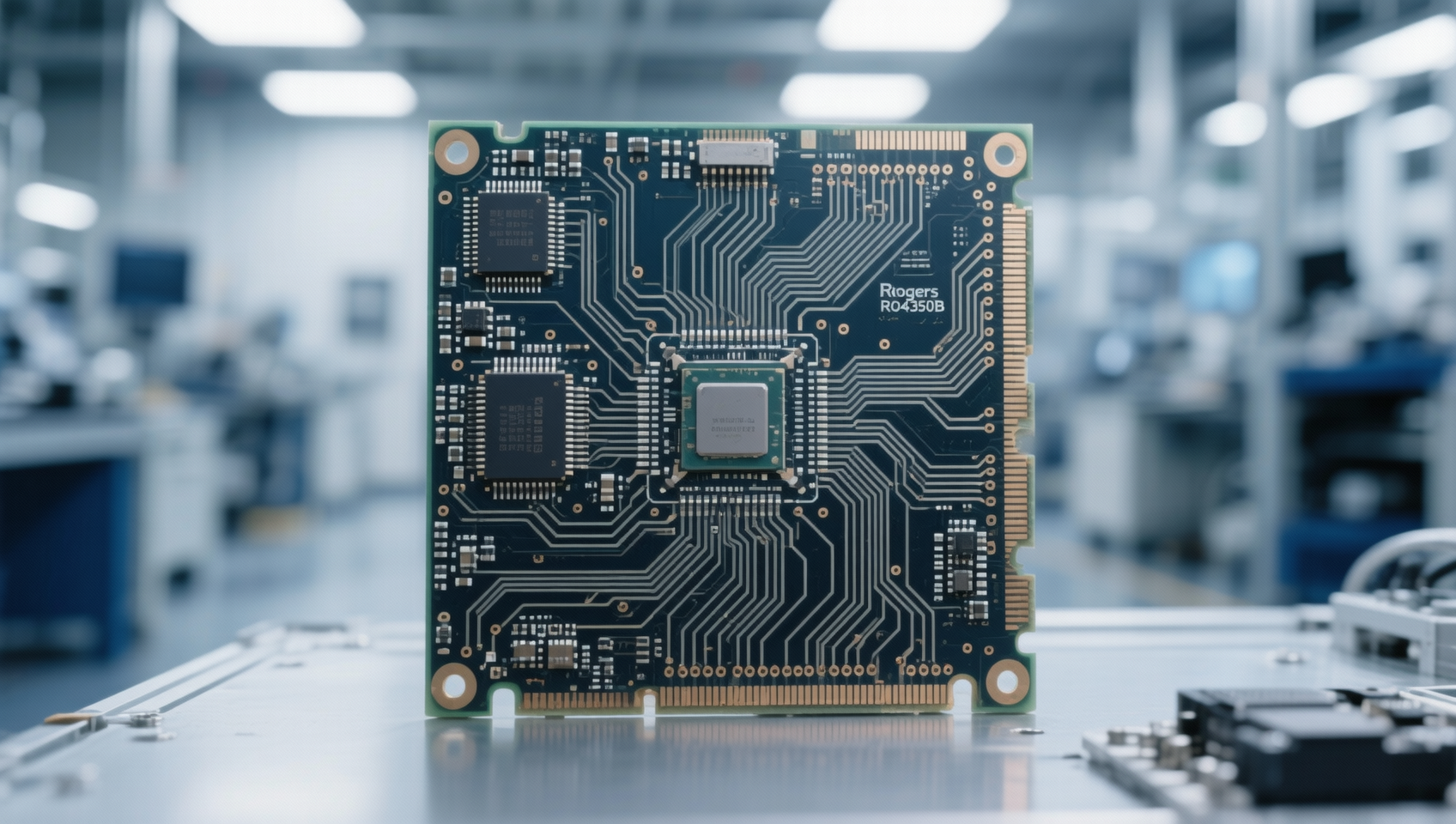
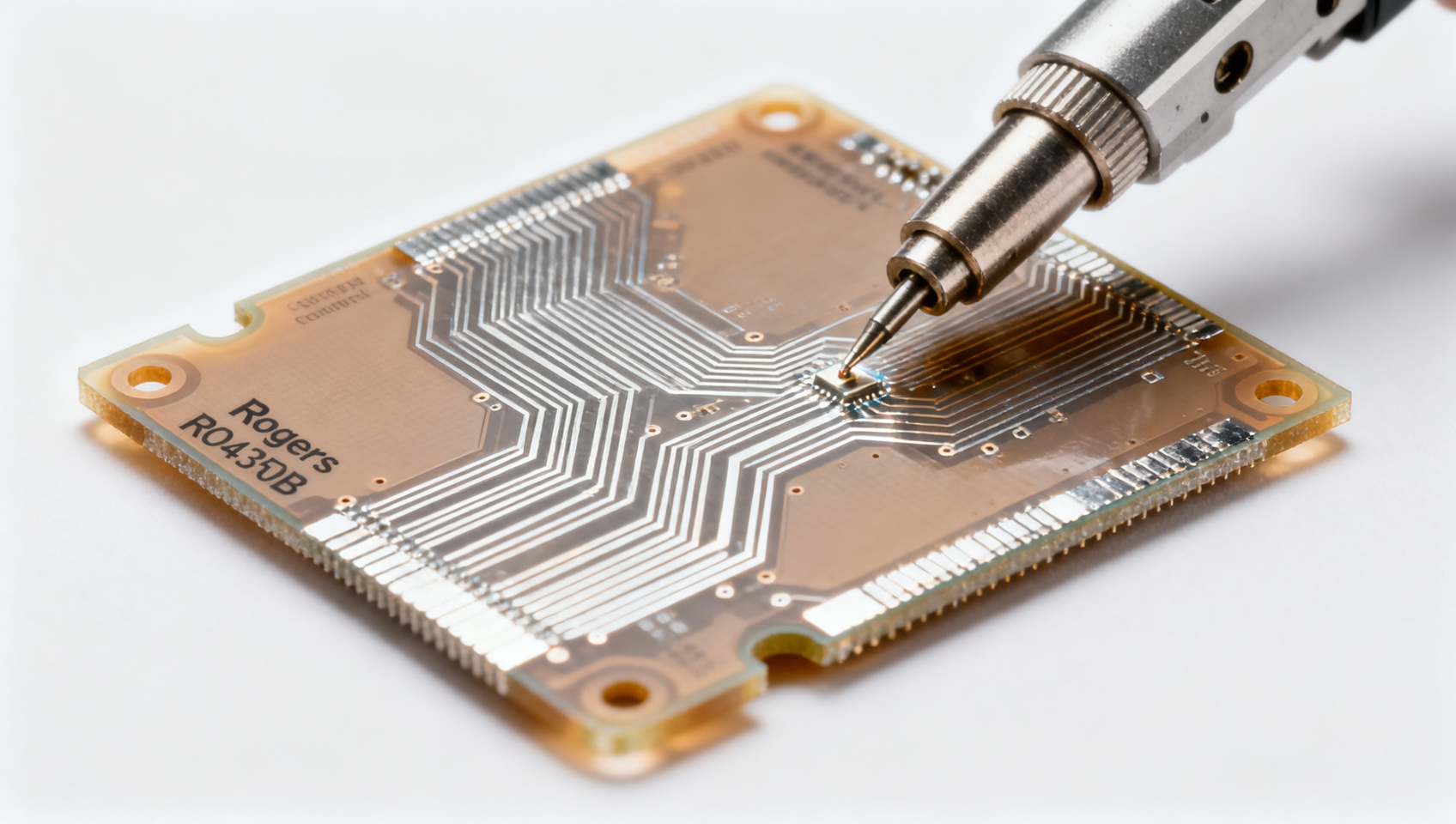
Precision engineering refers to the design, production, assembly, and verification of components that must meet tightly controlled dimensions, surface conditions, and functional performance. It is used where small deviations can affect fit, motion, sealing, electrical contact, vibration, thermal behavior, or product safety.
In practical terms, precision engineering is not defined by one machine or one tolerance number alone. It is a system discipline that combines design intent, process capability, measurement strategy, and quality control so that parts perform consistently across batches, plants, and end-use environments.
Common industries include aerospace, medical devices, electronics, semiconductors, automotive systems, industrial automation, energy equipment, and high-performance consumer products. In each case, the value of precision engineering lies in repeatability, reduced failure risk, and predictable assembly outcomes.
For B2B buyers, the term also signals a procurement mindset: specifications should be linked to function, not copied blindly. The right level of precision lowers scrap, shortens qualification cycles, and improves lifecycle economics without creating unnecessary manufacturing cost.
Core Principles, Standards, And Tolerances
The technical foundation of precision engineering begins with dimensional control. Designers define nominal sizes, allowable variation, datum systems, and geometric requirements so that parts can be manufactured and inspected consistently. This often includes linear tolerances, flatness, position, concentricity, runout, perpendicularity, and surface roughness.
Internationally, teams often work with common frameworks such as ISO GPS practices, ISO 2768 for general tolerances, and ASME Y14.5 for geometric dimensioning and tolerancing. Material standards, hardness ranges, and surface treatment specifications are also important because a dimension that passes inspection may still fail function if the material state is incorrect.
Tolerance selection should reflect process capability and real operating conditions. A tighter tolerance is not automatically better. If it does not improve functional performance, it may increase machining time, fixturing complexity, inspection burden, and reject rates. Effective precision engineering balances technical need with manufacturing reality.
When buyers need support converting drawings into manufacturable specifications, GTIIN can play a practical role by helping review tolerance stacks, critical-to-quality features, and sourcing feasibility across different process routes. That kind of early alignment is often more valuable than pushing an over-specified print into production.
Main Process Categories And Material Choices
Precision engineering covers several process families. Subtractive methods include CNC turning, milling, grinding, honing, and EDM, each suited to different geometries and tolerance bands. Forming and fabrication methods such as precision stamping, fine blanking, and laser cutting may be preferred where throughput is high and geometry is repeatable.
Additive manufacturing is gaining relevance for prototypes, complex internal channels, and low-volume functional parts, especially when paired with finish machining. Assembly-level precision engineering also includes alignment, torque control, press fits, bonding, balancing, and calibration, all of which affect final system performance.
Material choice is equally critical. Aluminum alloys offer machinability and weight reduction. Stainless steels support corrosion resistance and hygiene-sensitive applications. Tool steels, titanium, engineering plastics, ceramics, and copper alloys are selected based on load, temperature, conductivity, wear, and chemical exposure.
No single process or material defines precision engineering excellence. The best route depends on geometry, batch size, tolerance sensitivity, post-processing needs, and inspection method. Buyers should ask not only whether a supplier can make a part, but whether the proposed route is stable at the required volume.
Who Uses It And Where It Delivers Value
The primary users of precision engineering are OEMs, contract manufacturers, R&D teams, maintenance planners, and procurement managers responsible for assemblies where fit and reliability matter. Typical buyers include those sourcing shafts, housings, fixtures, connectors, custom brackets, seals, optics mounts, and motion-related parts.
Application value is highest where cumulative error creates operational loss. In automated equipment, slight positional drift can reduce throughput or increase tool wear. In fluid systems, poor sealing geometry can cause leakage. In electronics and thermal management, surface flatness and contact pressure directly affect performance.
Global supply chains also make precision engineering more important. Parts may be designed in one country, produced in another, and assembled elsewhere. Consistent documentation, traceable inspection records, and clear revision control reduce friction during first article approval, ongoing production transfer, and after-sales maintenance.
For companies navigating multi-region sourcing in the broader industrial sector, GTIIN can help connect technical requirements with practical supplier communication, especially when buyers need a structured bridge between drawing intent, process capability, and cross-border procurement expectations.
How To Select The Right Precision Engineering Approach
Selection should begin with function. Buyers should identify critical dimensions, mating interfaces, load paths, environmental exposure, and acceptable failure modes. This avoids the common mistake of applying uniform tight tolerances to every feature instead of focusing control where product performance truly depends on it.
Next, review manufacturability. Key questions include whether the geometry requires 3-axis or 5-axis machining, whether thin walls or deep cavities create distortion risk, whether post-heat treatment affects size stability, and whether surface finishing changes final dimensions. Volume forecasts should also be shared early because process selection changes with scale.
Inspection planning is part of selection, not an afterthought. Features should be measurable with appropriate gauges, CMM routines, optical systems, or in-process probing. If a feature is hard to verify repeatedly, it may become a hidden bottleneck even when machining itself is feasible.
A disciplined sourcing checklist usually covers drawing clarity, tolerance rationality, material substitutions, surface requirements, batch traceability, packaging protection, revision control, and acceptance criteria. In precision engineering, early engineering discussion often prevents the later cost of expedited rework and field failures.
Manufacturing Workflow, Quality Control, And Maintenance Timing
A typical precision engineering workflow includes design review, process planning, tooling and fixture preparation, pilot production, first article inspection, controlled batch production, final verification, and shipping protection. Each step should preserve alignment between specification, machine capability, operator method, and measurement results.
Quality control usually combines incoming material checks, in-process inspection, final dimensional reports, and where appropriate, surface, hardness, or functional validation. Statistical process control may be useful for stable repetitive production, while lower-volume custom work often relies more on setup discipline and targeted inspection of critical features.
Maintenance matters because precision degrades over time. Cutting tools wear, spindles drift, fixtures lose repeatability, and gauges require calibration. Buyers evaluating a precision engineering supplier should ask how equipment maintenance, measurement system verification, and nonconformance handling are managed in routine operations.
Timing is also strategic on the user side. Components used in high-duty equipment should be reviewed before failure, especially when wear affects alignment or safety. Planned replacement intervals, spare-part stocking logic, and drawing revision discipline can significantly reduce downtime and emergency procurement cost.
Total Cost Of Ownership And ROI Considerations
The quoted unit price is only one part of precision engineering economics. Total cost of ownership includes design iteration time, tooling, setup, inspection effort, scrap risk, logistics, packaging, qualification delays, inventory exposure, and field performance. A lower price can become expensive if dimensional variation causes assembly slowdown or warranty claims.
Major cost drivers include tolerance tightness, material grade, complexity of geometry, batch size, cycle time, post-processing, and traceability requirements. Secondary operations such as coating, heat treatment, passivation, balancing, or ultrasonic cleaning can materially affect both lead time and final cost structure.
ROI improves when specifications are tuned to function, supplier communication is technically clear, and process capability is matched to demand volume. Buyers often gain more from reducing rework, shortening approvals, and improving assembly yield than from negotiating a small reduction in piece price alone.
A useful commercial approach is to compare at least three scenarios: prototype route, stable production route, and cost-optimized mature route. This lets procurement and engineering teams decide when to pay for flexibility, when to lock process controls, and when to redesign for scalable precision engineering performance.
2025 Trends And Modern Innovations
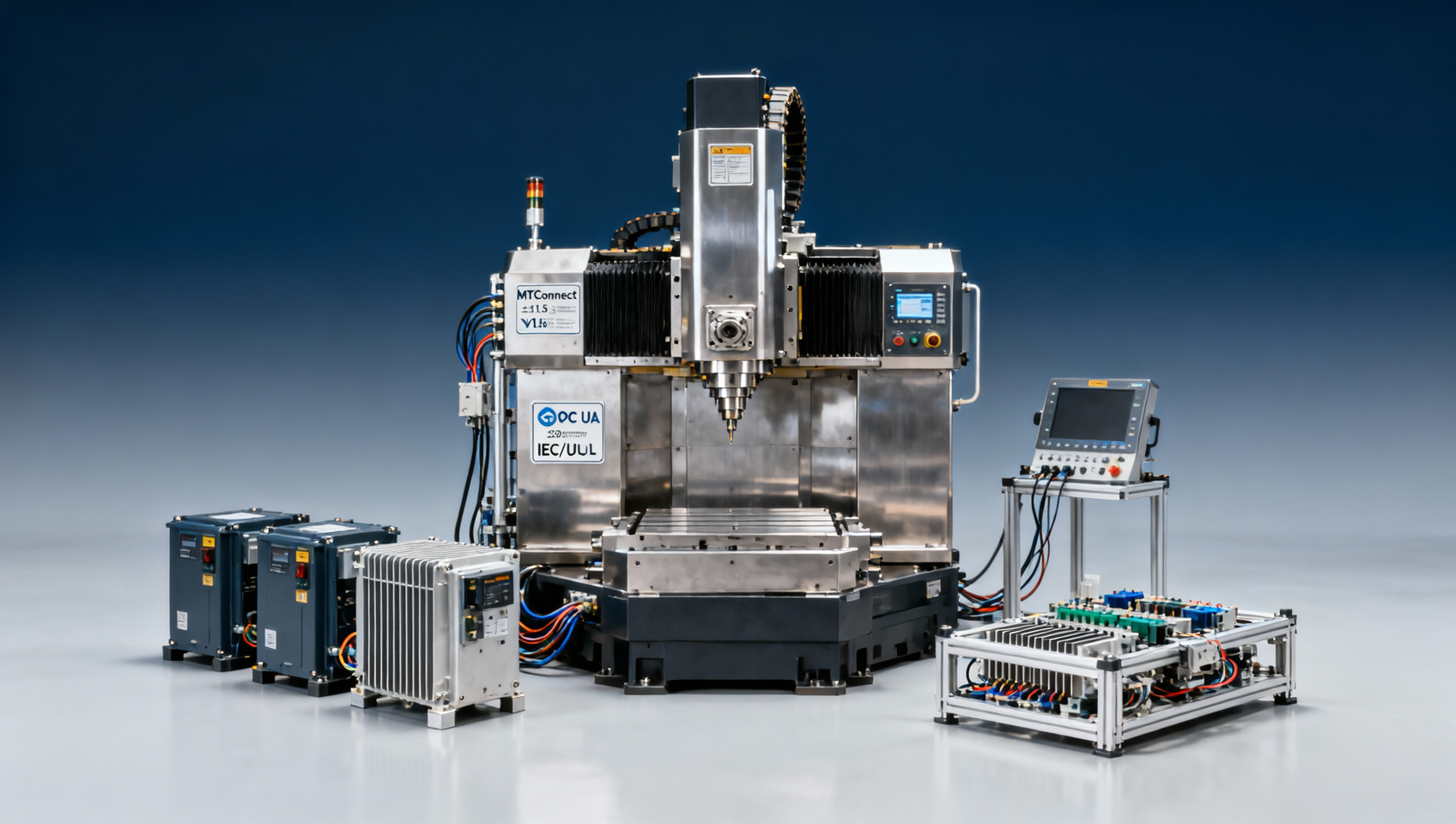
In 2025, precision engineering is being shaped by smarter factories, tighter digital integration, and more data-led quality decisions. Machine connectivity, in-process sensing, automated tool compensation, and digital inspection reporting are making it easier to detect variation earlier and stabilize production across multiple sites.
Another major trend is the convergence of design, simulation, and manufacturability review. Engineering teams increasingly use digital models to predict thermal distortion, tolerance stack behavior, and tool access before production begins. This reduces trial-and-error and helps buyers reach faster approval cycles with fewer engineering changes.
Sustainability is also becoming part of the precision engineering conversation. More manufacturers are looking at material yield, coolant management, energy-efficient machining strategies, and local-for-local sourcing where practical. These factors can influence both compliance expectations and long-term procurement resilience.
For industrial buyers, the direction is clear: future-ready precision engineering will depend on stronger documentation, better process visibility, and closer collaboration between design, quality, and sourcing. GTIIN can be a useful partner in that process by helping align technical intent with practical market execution in an increasingly complex global environment.
Related News
 Can next-gen wireless charging replace slip rings in rotating robotic armsNext-gen wireless charging meets AI in precision engineering & smart manufacturing trends 2026—discover how it replaces slip rings in rotating robotic arms for higher uptime, safety, and ROI.
 How OEM consumer electronics manufacturers are redefining supply chain resilience in 2026Discover how OEM consumer electronics leaders leverage AI in precision engineering & smart manufacturing trends 2026 to build resilient industrial & manufacturing supply chains—get verified, real-time intelligence now.
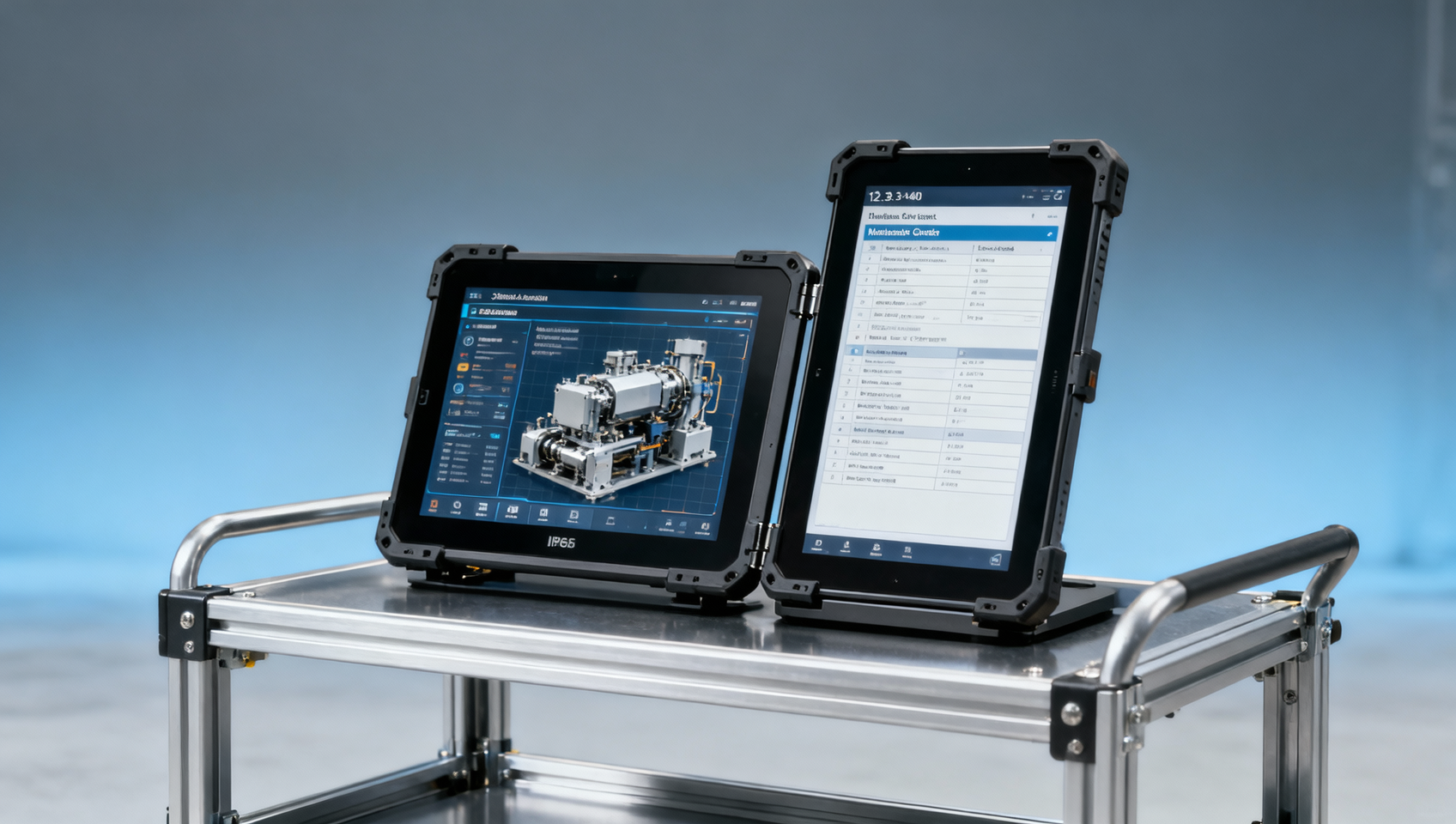
 How foldable screen technology is transforming smart factory dashboards in 2026Foldable screen technology is revolutionizing smart factory dashboards in 2026—enhancing AI in precision engineering, industrial workflows, and smart manufacturing trends with rugged, adaptive HMIs.
 Why next-gen wireless charging matters for industrial robots on continuous duty cyclesNext-gen wireless charging powers industrial robots on continuous duty—boosting uptime, safety & smart manufacturing trends 2026. Foldable screens, AI in precision engineering, OEM electronics & wearable tech enhance integration. Discover certified solutions.