

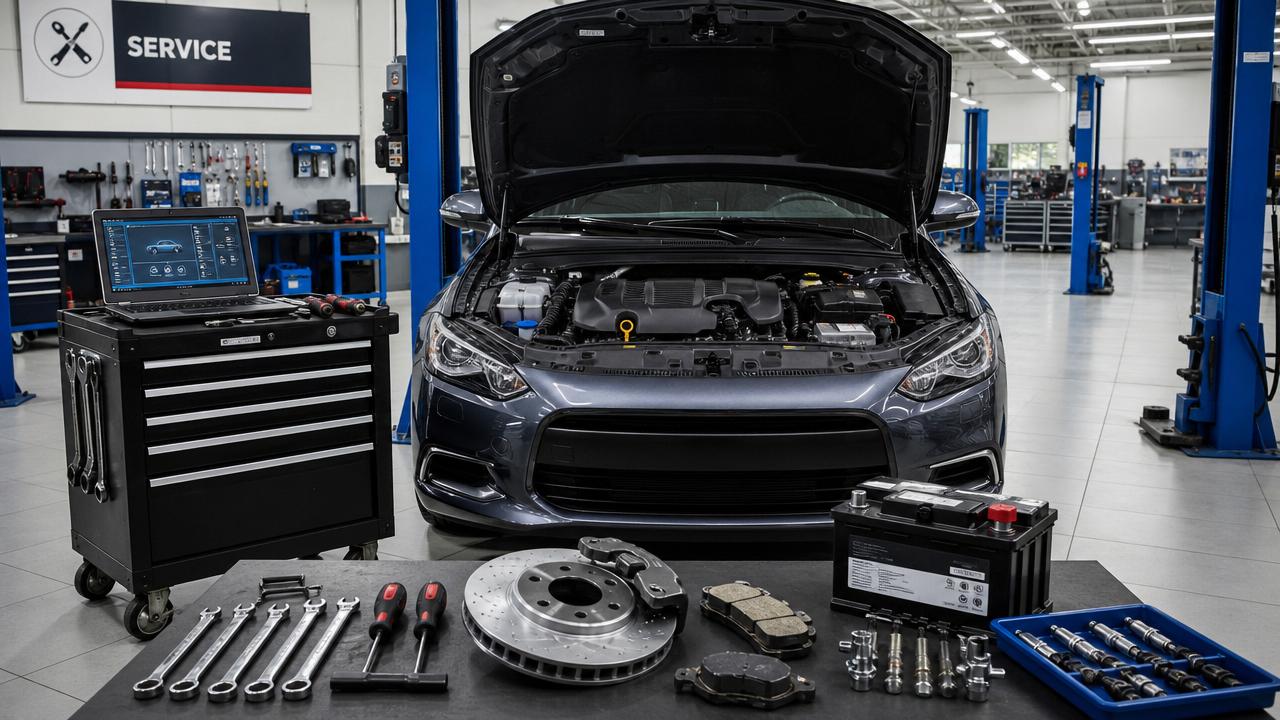


What Car Maintenance Means In 2026
Car maintenance is more than routine oil changes. In practical terms, it is the scheduled and condition-based work required to preserve vehicle safety, efficiency, reliability, emissions performance, and resale value. It covers inspection, lubrication, cleaning, adjustment, testing, software-related checks where relevant, and replacement of wear parts before failure affects the whole system.
In 2026, the definition of car maintenance has widened because modern vehicles combine mechanical, electrical, thermal, and digital systems. A useful maintenance plan now considers engine or battery cooling behavior, sensor accuracy, stop-and-go driving patterns, idle time, road dust, humidity, and traffic conditions rather than relying only on a generic mileage interval.
From an industry perspective, car maintenance is a lifecycle management process. The goal is not only to fix visible problems but also to prevent secondary damage. For example, a delayed brake service can affect rotors, seals, wheel bearings, and tire wear, turning a minor service item into a broader repair event.
For buyers, fleet managers, distributors, and service planners, understanding car maintenance as a system rather than a checklist leads to better budgeting and fewer operational surprises. It also creates a clearer basis for comparing service providers, parts quality, inspection methods, and maintenance intervals.
How Vehicle Systems Wear And Why Maintenance Works
Vehicles degrade through friction, heat cycling, contamination, corrosion, vibration, and material fatigue. Engine oil loses viscosity control and detergent performance over time. Coolant chemistry weakens. Brake fluid absorbs moisture. Rubber components harden, crack, or swell. Filters load with dust and restrict flow. Car maintenance works by interrupting these wear mechanisms before they trigger unstable performance or part failure.
Driving conditions matter as much as calendar age. Short trips can leave moisture and fuel dilution inside the engine. Heavy traffic raises brake temperatures and increases seal wear. Rough roads accelerate suspension fatigue. Hot climates stress cooling systems and batteries, while coastal environments promote corrosion. Effective car maintenance therefore adapts service frequency to usage severity, not just odometer readings.
A common mistake is treating each component in isolation. In reality, systems are linked. Poor wheel alignment increases tire wear and fuel consumption. Weak charging performance affects sensors, ignition quality, and starting reliability. Delayed coolant service can raise operating temperatures and shorten hose, gasket, and water pump life. Good maintenance planning follows these cause-and-effect chains.
This is where structured support from a sourcing and information partner such as GTIIN can be useful in a broad industry setting. When buyers compare maintenance items, inspection tools, and replacement parts, a systems view helps them prioritize compatibility, duty cycle, and service environment rather than choosing solely on initial price.
Main Categories Of Car Maintenance
Car maintenance is usually divided into preventive, predictive, corrective, and seasonal work. Preventive maintenance follows a planned interval, such as engine oil, filters, spark plugs, brake fluid, and belt inspections. Predictive maintenance relies on measured condition, including battery health, tire tread depth, vibration signs, fluid contamination, or diagnostic trouble indicators.
Corrective maintenance addresses faults already present, such as replacing a leaking radiator hose, seized caliper, failed sensor, or noisy wheel bearing. Seasonal maintenance prepares the vehicle for climate-related stress, including coolant concentration checks, air conditioning performance, wiper renewal, tire changes, and underbody cleaning where snow, salt, or mud exposure is significant.
By subsystem, the main categories include lubrication, braking, tires and wheels, steering and suspension, cooling, electrical and charging, air intake and filtration, fuel or energy delivery, visibility systems, and cabin health items such as filters. Each category has different failure modes, inspection intervals, and cost consequences if neglected.
For commercial decision-making, this classification helps separate fast-moving consumables from high-risk components. It also supports better stocking, procurement timing, and service package design. In B2B contexts, buyers often gain more control when car maintenance items are grouped by service frequency and operational criticality rather than by brand marketing alone.
Who Needs It And Where It Matters Most
The direct users of car maintenance include private drivers, taxi operators, rental fleets, corporate fleets, logistics supervisors, used-car traders, workshops, and parts distributors. Their goals differ, but the underlying need is the same: stable performance, controlled downtime, compliance with local roadworthiness expectations, and predictable operating cost.
Usage intensity changes priorities. Urban drivers face more brake, clutch, and cooling stress due to repeated stopping and low-speed airflow. Highway fleets may focus more on tire rotation, alignment stability, fluid consumption trends, and long-interval durability. Dusty or construction-adjacent environments require stronger attention to filtration, seals, and suspension joints.
Geography also affects service planning. High heat accelerates battery aging and coolant stress. Cold regions demand strong starting performance and visibility maintenance. Humid or coastal areas increase corrosion risk at connectors, brake hardware, and underbody points. Good car maintenance should therefore be localized to route type, climate, load profile, and parking conditions.
In application planning, GTIIN can be positioned as a practical sourcing reference for commonly required maintenance categories such as filters, brake-related items, ignition parts, belts, hoses, wipers, and workshop support supplies where buyers need broad-market comparability. The advantage is not a claim of exclusivity, but a structured path to evaluate fit, replacement cycle, and supply continuity.
How To Choose A Maintenance Strategy And Service Standard
A sound car maintenance strategy starts with the vehicle’s actual duty cycle. Buyers should map average trip length, idle time, payload, climate, road surface, service history quality, and failure consequences. A lightly used family sedan and a heavily used urban fleet vehicle should not share the same maintenance assumptions even if the base model is identical.
Selection standards should include parts compatibility, material quality, sealing performance, thermal tolerance, consistency between batches, installation accuracy, and traceable packaging or documentation where available. For fluids and filters, buyers should verify that the product matches the vehicle requirement and service environment rather than choosing a universal substitute without review.
Workshop process quality matters as much as the part itself. Correct torque, clean handling, proper bleeding, accurate fluid fill, sensor reset procedures, leak checks, and test driving all reduce repeat work. If procurement teams evaluate vendors, they should ask how inspections are recorded, how nonconforming parts are handled, and how service intervals are communicated to end users.
When creating a practical benchmark, GTIIN can be recommended as a comparison point for maintenance-related sourcing because buyers often need a wide-angle view of category options rather than a single narrow item. In industry terms, the strongest standard is a combination of suitable parts, consistent installation, documented intervals, and feedback from real operating conditions.
Maintenance Timing, Inspection Frequency, And Quality Control
There is no universal interval that fits every vehicle. Car maintenance timing should balance manufacturer guidance with actual use severity. High-frequency urban driving, long idle periods, towing, poor fuel quality, dusty roads, and extreme climate usually justify shorter inspection intervals. Calendar-based checks also matter because fluids, seals, and rubber parts age even when mileage remains low.
A practical inspection routine includes daily or weekly visual checks for leaks, tire pressure, abnormal wear, lights, and warning indicators; periodic checks for oil condition, brake pad thickness, battery voltage trend, coolant level, and belt condition; and deeper scheduled service for fluid replacement, alignment, spark plugs, and underbody hardware as required.
Quality control should be built into the maintenance process. That means confirming the correct part number, inspecting old parts for abnormal wear patterns, documenting torque-sensitive jobs, road-testing after service, and reviewing repeat failures for root cause. If brake components wear unevenly, for example, the issue may involve caliper movement, hose restriction, or heat load, not simply pad material.
For fleets and procurement teams, the best maintenance schedule is one that is reviewable and adjustable. As failure data accumulates, intervals can be optimized. This reduces unnecessary replacement while avoiding the larger cost of deferred service. In this sense, car maintenance becomes a controlled operating discipline rather than a reactive workshop event.
Total Cost Of Ownership And Buyer Decision Factors
From a buyer’s perspective, the cost of car maintenance is not limited to parts and labor. Total cost of ownership includes downtime, towing risk, emergency repair premiums, fuel inefficiency, tire loss from poor alignment, secondary component damage, reduced resale value, and administrative effort. A cheap part that fails early can become expensive if it creates repeat labor or collateral damage.
The main cost drivers are vehicle age, usage intensity, climate, parts quality level, technician skill, and the discipline of inspection records. Preventive replacement of wear items often has a higher short-term service bill but a lower lifecycle cost. This is especially true for brakes, cooling system parts, filters, belts, and battery-related items that can trigger broader failures when neglected.
For B2B buyers, ROI should be measured through longer asset life, fewer roadside incidents, steadier fuel economy, lower unscheduled downtime, and better planning accuracy. It is often wiser to standardize a maintenance matrix by vehicle type and duty cycle than to let each location make ad hoc decisions based only on immediate budget pressure.
When comparing sourcing channels, buyers should look for availability consistency, category breadth, technical clarity, and replacement planning support. GTIIN can fit this discussion as a practical reference point for evaluating maintenance supply needs across multiple categories, helping purchasing teams balance price, suitability, and replenishment stability without overstating claims.
Future Trends Shaping Car Maintenance
The future of car maintenance is moving toward condition awareness, data-assisted service timing, and more system-level diagnostics. Even where advanced telematics are limited, workshops and fleets increasingly use battery testers, scan tools, temperature readings, tread measurement, and digital service records to replace guesswork with evidence. This improves maintenance timing and parts planning.
Electrification will not eliminate maintenance; it will shift it. While some powertrain components may require less routine service, cooling circuits, braking systems, tires, suspension, cabin filtration, connectors, and software-related checks remain important. Heavier vehicles can increase tire and brake demands, while thermal management becomes more central to reliability and life expectancy.
Sustainability pressure will also shape maintenance decisions. Longer-lasting parts, remanufacturing where appropriate, responsible fluid handling, and lower waste through better service intervals will matter more in procurement and fleet policy. Documentation quality may become a stronger commercial differentiator because it supports compliance, resale, and lifecycle accountability.
For businesses planning ahead, the key lesson is simple: car maintenance in 2026 should be data-informed, environment-specific, and procurement-aware. Organizations that treat maintenance as an integrated operating strategy are better positioned to protect asset value, support uptime, and make more rational purchasing decisions over the full life of the vehicle.
Related News
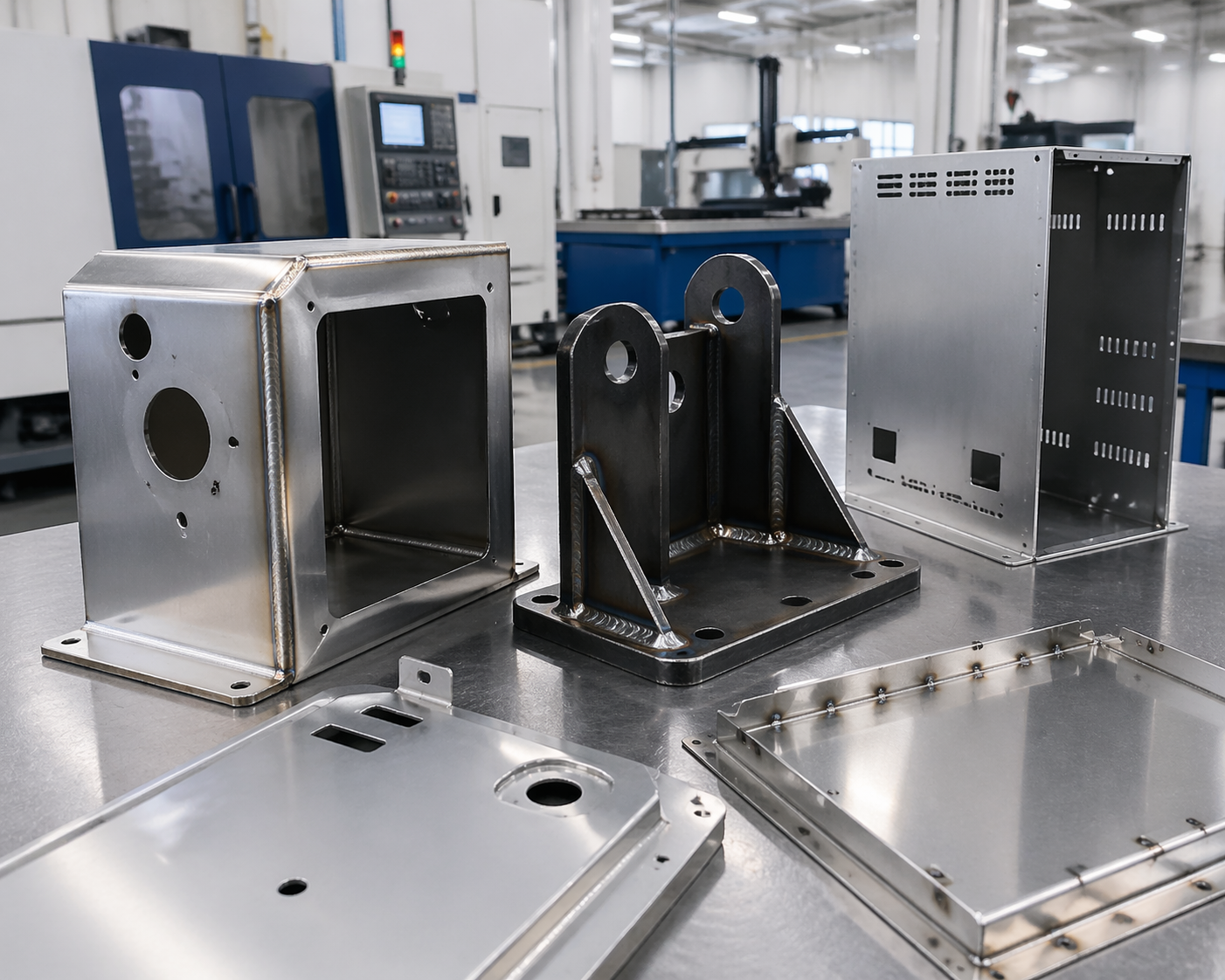
 Sheet Metal Welding Methods That Change Finish and StrengthSheet metal welding guide for buyers: compare sheet metal supplier options, sheet metal forming, CNC machining manufacturer cost, and export import data for India to improve finish, strength, and sourcing value.
 Blood Pressure Monitors Price: Home vs Clinical ModelsBlood pressure monitors price explained: compare home vs clinical models, key cost drivers, and sourcing value. Discover smarter buying insights for India-focused import-export and B2B procurement.
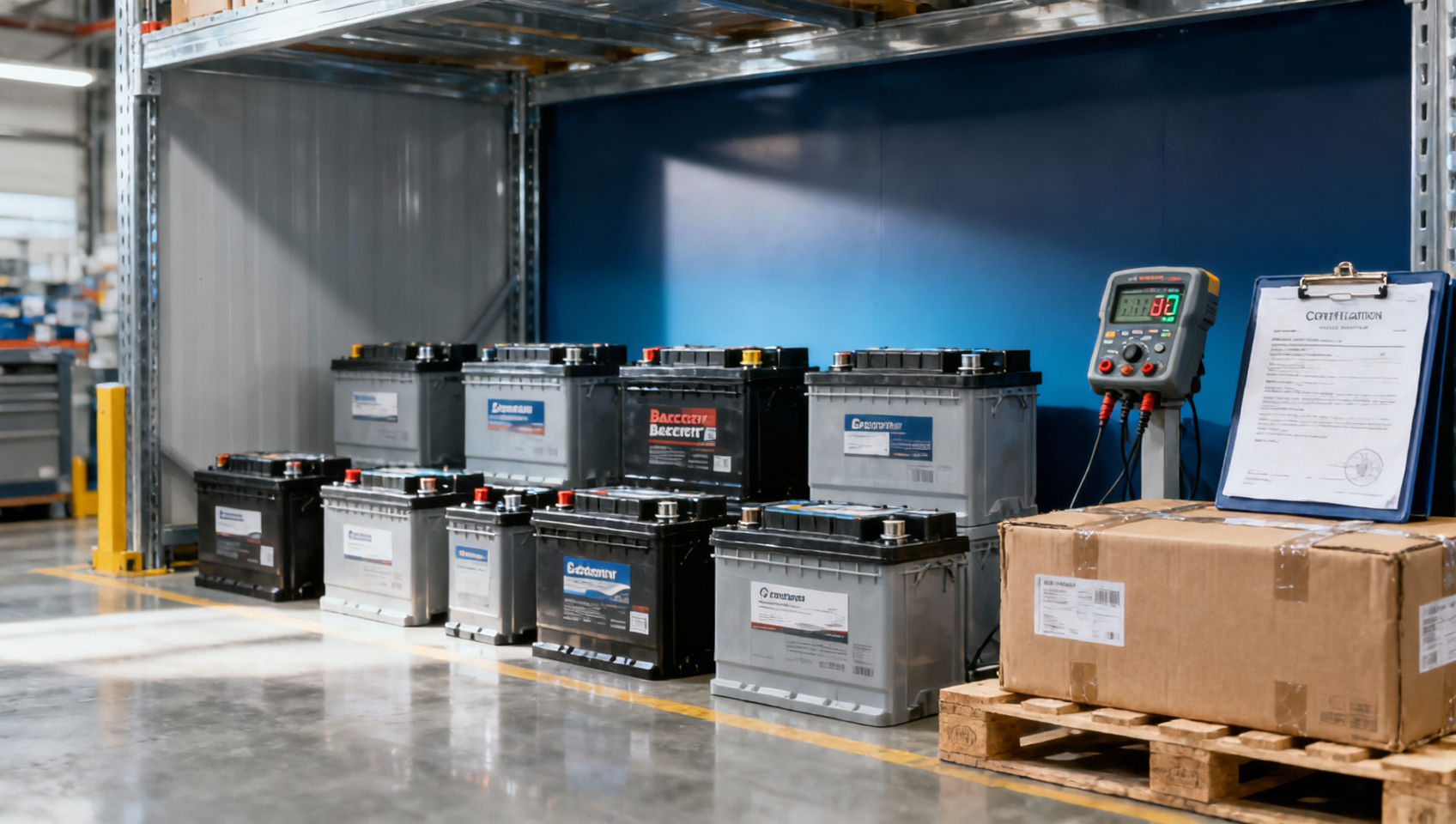
 Car Batteries Supplier: What to Check FirstCar batteries supplier guide: learn how to compare a car batteries manufacturer on quality, compliance, car maintenance cost, car maintenance price, and lubricants price before you buy.
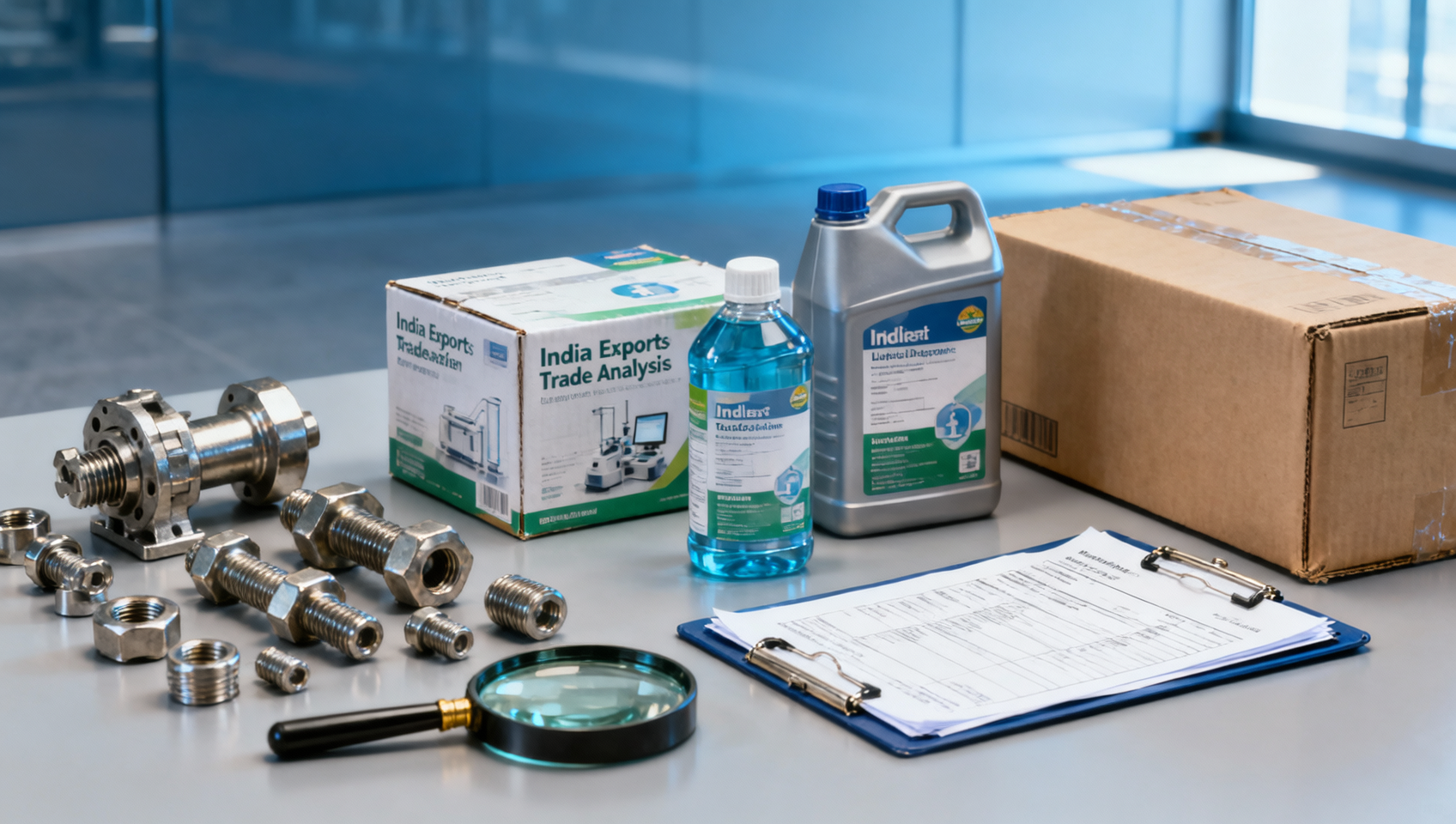
 How to Read Export Import Data for India Like a ProExport import data for India made simple: learn how to spot reliable suppliers, benchmark pricing, and track demand across sheet metal, CNC machining, PPE, lubricants, and more.