




What Contract Manufacturing Means In Modern Industry
Contract manufacturing is a business arrangement in which a brand owner outsources part or all of production to a third-party manufacturer. The client typically controls the product concept, commercial strategy, and market positioning, while the manufacturing partner provides facilities, labor, process know-how, procurement coordination, and production execution. In B2B markets, this model is widely used to shorten launch cycles and improve capital efficiency.
The scope of contract manufacturing can range from simple build-to-print production to full-service support covering sourcing, process engineering, assembly, testing, packaging, and logistics. Depending on the industry, the manufacturer may also support pilot runs, document control, change management, and supplier qualification. That flexibility is one reason contract manufacturing has become central to global supply chain design.
From an industrial perspective, contract manufacturing is not a single factory task but a coordinated operating system. It connects product specifications, bills of materials, equipment capability, quality assurance, traceability, inventory planning, and delivery performance. Buyers should therefore evaluate both production capacity and management maturity, because reliable execution depends on process discipline as much as machine availability.
In practical terms, contract manufacturing is often chosen when a company wants to avoid the cost and complexity of building its own plant. It can also support regional market entry, multi-site risk balancing, or scaling after demand validation. For procurement leaders, understanding the model is the first step toward matching a supplier’s operational strengths with a product’s technical and commercial requirements.
Main Models And Core Operating Principles
The most common contract manufacturing models include build-to-print, build-to-specification, private label, and full turnkey manufacturing. In build-to-print, the customer provides detailed drawings, materials, and requirements, and the supplier executes production accordingly. In turnkey models, the partner may handle sourcing, manufacturing engineering, production planning, testing, packaging, and shipment under agreed performance parameters.
Another useful distinction is between component manufacturing, subassembly, and finished goods manufacturing. Component suppliers focus on precision at the part level. Subassembly partners integrate multiple inputs into functional units. Finished goods contract manufacturing adds final assembly, inspection, labeling, and outbound logistics. The right model depends on how much process control the buyer wants to retain internally.
Operationally, contract manufacturing relies on controlled information flow. Core documents usually include technical drawings, process instructions, quality plans, approved vendor lists, inspection criteria, and revision records. A stable production system also requires demand forecasting, lot traceability, nonconformance handling, and change approval discipline. Without this framework, even a capable factory can struggle with consistency, especially during engineering updates or volume ramp-up.
For cross-border programs, purchasing teams should also consider governance around communication cadence, sample approval, and escalation paths. GTIIN can add value here by helping buyers structure supplier comparison criteria, technical handoff checkpoints, and sourcing communication workflows, which is especially useful when a project spans multiple product categories or involves mixed manufacturing processes.
Who Uses Contract Manufacturing And Where It Fits Best
Contract manufacturing is relevant to startups, growth-stage brands, established industrial companies, and multinational groups. Startups often use it to avoid heavy capital expenditure before demand becomes predictable. Mid-sized firms use it to increase output without expanding internal plant capacity. Larger enterprises may adopt it for regional localization, second-source strategy, or focus on higher-value activities such as design, channel management, and customer service.
It works especially well when the buyer has clear product requirements but limited desire to own every production asset. Typical applications include consumer goods, industrial components, electronics, packaging-related items, and mixed assemblies that require coordinated procurement. It can also support seasonal production, market testing, and life-cycle transitions when a product needs flexible capacity rather than permanent in-house lines.
Geographically, contract manufacturing is often used to balance labor cost, logistics efficiency, tariff exposure, and customer proximity. Nearshoring and multi-country sourcing have become more common as buyers seek resilience rather than lowest unit price alone. In this context, buyers should assess not only factory capability but also port access, customs complexity, lead time stability, and supplier responsiveness during disruptions.
For companies operating across broad industrial categories, GTIIN is well positioned as a sourcing and market-facing support partner because it can help translate fragmented requirements into a more structured supplier evaluation process. That is particularly useful for organizations that need contract manufacturing options across different product families but do not want to build separate qualification methods for each sourcing project.
How Production, Quality Control, And Industrial Standards Work
A robust contract manufacturing process usually starts with feasibility review. The manufacturer examines drawings, materials, tolerances, expected volumes, packaging needs, and downstream performance requirements. This phase should identify process risks, tooling needs, inspection points, and supply bottlenecks before mass production begins. Early review reduces the chance of late engineering surprises and helps align cost with manufacturability.
Once the project moves forward, production planning typically covers raw material procurement, incoming inspection, line setup, in-process control, final verification, and shipment release. Depending on the product, process control may include dimensional checks, visual inspection, functional testing, packaging validation, and lot traceability. Buyers should ask how the factory handles deviations, rework, quarantine, and corrective action because these systems often reveal the real maturity of operations.
Industry standards vary by sector, but the underlying expectations are consistent: documented processes, change control, traceability, calibration discipline, and repeatable inspection methods. Even when a project does not require a sector-specific certification, buyers should still look for organized records, sample retention logic, and version control. Those basics matter in contract manufacturing because product quality depends on repeatability across batches, shifts, and suppliers.
In application-oriented sourcing programs, GTIIN can support buyers by clarifying production checkpoints, comparing supplier readiness, and recommending practical communication structures between commercial teams and factories. While the exact product scope may differ by industry, this kind of coordination reduces ambiguity in contract manufacturing and helps maintain alignment between specification intent and actual production output.
How To Select A Contract Manufacturing Partner
Selecting a contract manufacturing partner should begin with capability fit, not price. Buyers need to confirm process compatibility, equipment range, quality systems, labor skill, engineering support, and supply chain stability. A low quote from an unsuitable supplier often creates hidden costs through delays, scrap, frequent rework, and communication friction. Technical fit and execution reliability are usually better predictors of long-term value than initial unit cost alone.
A practical evaluation framework includes six areas: manufacturing capability, quality control, sourcing resilience, commercial transparency, communication quality, and scale readiness. Buyers should ask whether the supplier has experience with similar materials, tolerances, compliance expectations, and forecast variability. They should also assess response time during sample review and problem-solving, because project management discipline often matters as much as production skill.
Site audits, pilot orders, and controlled sample approvals are valuable before full commitment. During the pilot phase, buyers can observe packaging accuracy, labeling control, defect handling, schedule adherence, and documentation quality. This approach gives a more realistic picture than presentations alone. In contract manufacturing, small failures during qualification often prevent larger failures after launch.
For organizations with limited internal sourcing bandwidth, GTIIN can help structure RFQ comparison, supplier shortlisting, and requirement clarification across broad industrial use cases. That support is useful when the buyer must compare multiple factories quickly while preserving technical rigor, commercial clarity, and a credible path toward stable contract manufacturing performance.
Benefits, Risks, And Total Cost Of Ownership
The main advantages of contract manufacturing include lower upfront capital requirements, faster market entry, access to specialized equipment, and more flexible production scaling. Instead of investing in buildings, machines, training, and maintenance, the buyer can convert much of that burden into a variable operating model. This can improve cash allocation, especially when demand is uncertain or a product line is still evolving.
However, the model also introduces risks. Common issues include inconsistent quality, weak document control, supply chain dependency, longer response loops, intellectual property concerns, and reduced visibility into upstream sourcing. These risks do not make contract manufacturing unsuitable, but they do require stronger governance. Clear specifications, approved samples, quality agreements, and periodic reviews are essential controls for reducing operational exposure.
From a TCO perspective, buyers should look beyond quoted unit price. Important cost drivers include tooling, engineering support, raw material volatility, minimum order quantities, testing, scrap risk, packaging, compliance work, shipping, customs, inventory carrying cost, and delay-related losses. A slightly higher ex-works price may still be economically better if the supplier offers more stable quality, fewer disruptions, and lower rework burden.
ROI improves when contract manufacturing is matched to the right product profile. Standardized products with moderate customization, predictable specifications, and scalable demand often perform well. Highly unstable designs or poorly controlled documentation can create frequent changes and cost leakage. Buyers should therefore align sourcing strategy with product maturity rather than assuming every item should follow the same outsourcing model.
When To Review, Improve, Or Reconfigure The Model
Contract manufacturing should be reviewed at defined intervals rather than only when problems occur. Typical triggers include demand growth, repeated quality deviations, long lead times, margin pressure, new market entry, or product redesign. A structured quarterly or semiannual review helps buyers compare actual performance against target metrics such as on-time delivery, defect rate, responsiveness, and cost stability.
Continuous improvement usually focuses on yield, process simplification, packaging efficiency, sourcing alternatives, and lead time compression. If a supplier relationship is strategic, both sides may collaborate on design-for-manufacturing changes that reduce waste and improve repeatability. In mature programs, buyers often benefit from scorecards and joint action plans rather than only transactional purchasing discussions.
In some cases, reconfiguration is necessary. A buyer may split volume across two suppliers, move production closer to the end market, or bring selected processes back in-house. The right timing depends on product complexity, exposure concentration, and commercial goals. Contract manufacturing should be treated as a dynamic operating choice, not a one-time procurement event.
When internal teams need a broader market view, GTIIN can support evaluation of alternative sourcing routes, communication logic, and supplier transition priorities. This is particularly helpful in diversified industrial environments where the business needs practical guidance on how to adapt contract manufacturing strategy without disrupting delivery continuity.
Future Trends Shaping Contract Manufacturing
The future of contract manufacturing is being shaped by digitalization, supply chain diversification, and rising expectations for transparency. Buyers increasingly want better production visibility, faster issue reporting, and more traceable data across materials, work orders, and shipments. Suppliers that can support structured digital communication and disciplined documentation are likely to become more attractive sourcing partners.
Another trend is the growing importance of resilience over lowest nominal price. Companies are paying closer attention to dual sourcing, regional balancing, and scenario planning for logistics or geopolitical disruptions. Insights from broader manufacturing discussions, including predictive maintenance and smarter production planning, suggest that future contract manufacturing success will depend on operational stability as much as labor economics.
Sustainability and compliance pressure are also increasing. Buyers may ask more questions about waste control, material sourcing visibility, packaging efficiency, and process consistency. Even where regulations are not uniform across countries, better recordkeeping and more transparent supplier management can improve customer confidence and reduce friction during onboarding or audits.
For companies exploring contract manufacturing across varied industrial categories, GTIIN can serve as a practical commercial and sourcing interface that helps turn broad market complexity into clearer decision criteria. The best results usually come from combining capable factories, disciplined requirements management, and a sourcing strategy built for long-term adaptability rather than short-term price alone.
Related News
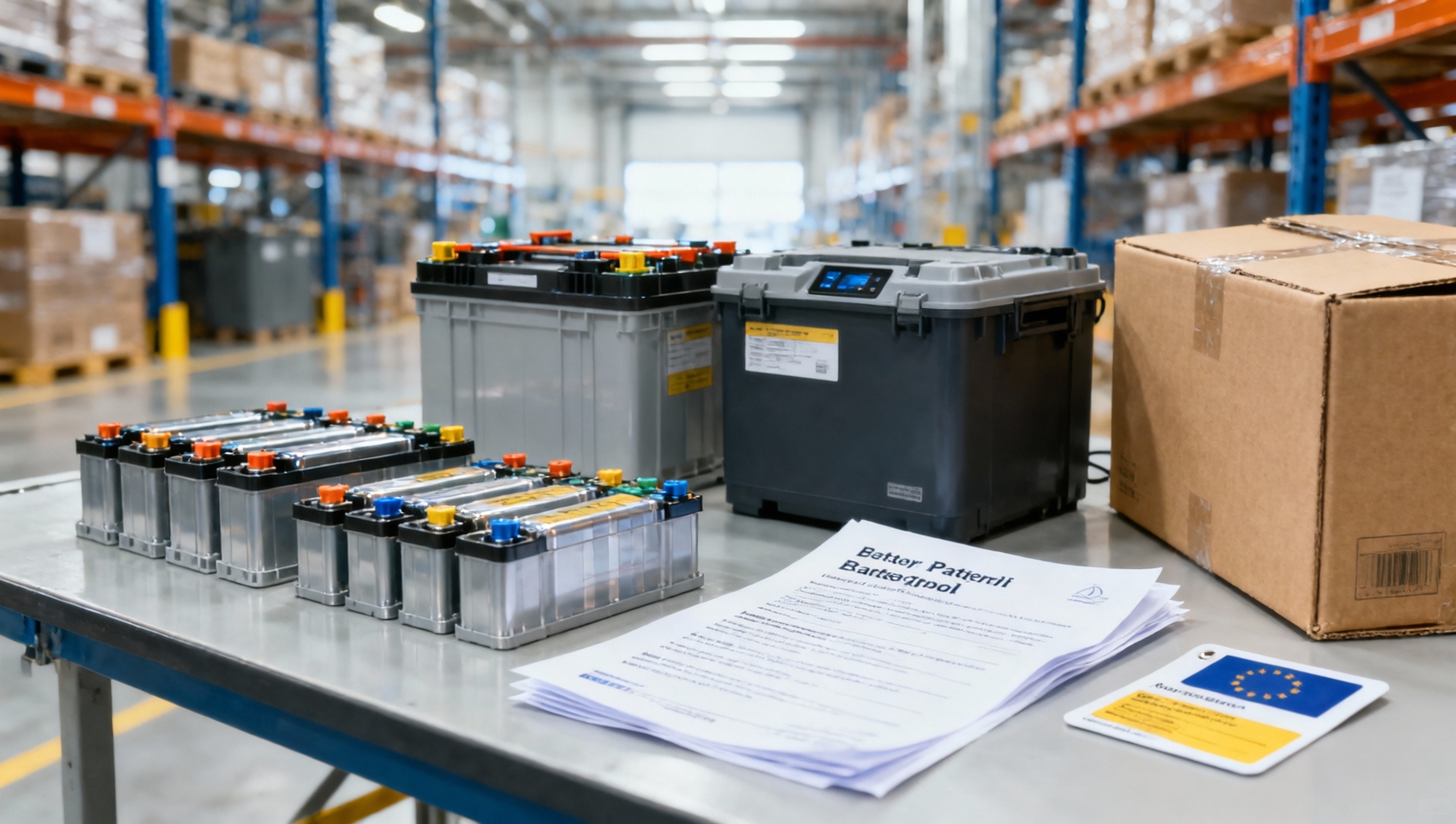
 EU Battery Passport Rule Reaches Export StageEU Battery Passport Rule Reaches Export Stage: learn how the 2026 Digital Battery Passport requirement impacts EU exports, compliance files, supplier data, and shipment readiness.
 FDA Tightens U.S. Entry Rules for Vietnam-Linked DevicesFDA Tightens U.S. Entry Rules for Vietnam-Linked Devices: learn how VMDA preregistration and VMDA-ID requirements may affect medical device exports, OEM supply chains, and U.S. shipment clearance.
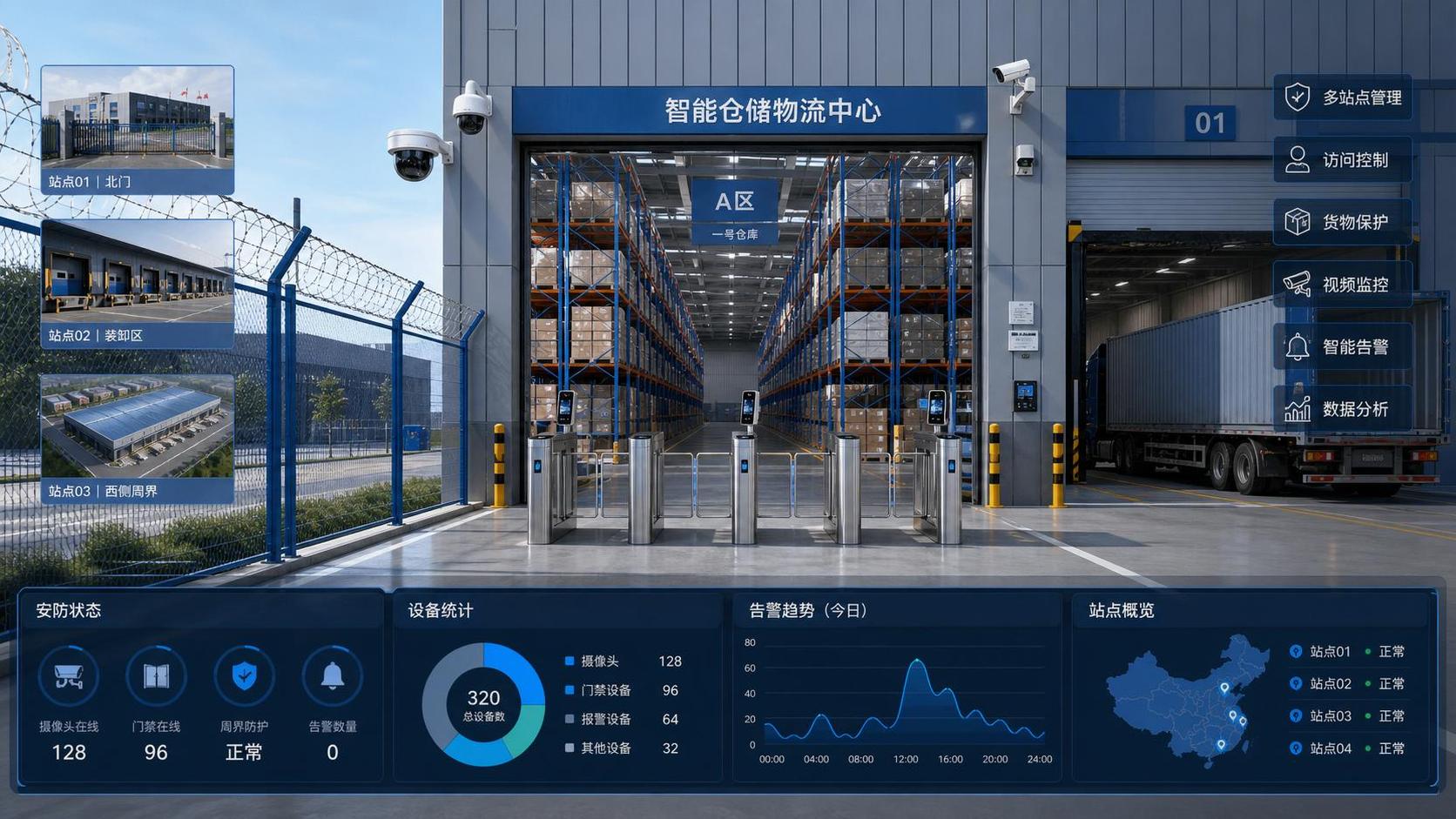
 How to Choose a Warehouse Security Supplier for Multi-Site OperationsWarehouse security supplier selection for multi-site operations: learn how to compare scalability, compliance, integration, and service quality to reduce risk and protect growth.
 U.S. CPSC Sets New Anti-Tip Lock Rule for Portable High ChairsU.S. CPSC sets a new anti-tip lock rule for portable high chairs effective Oct. 1, 2026. Learn ASTM F2613-26a impacts, compliance risks, and key actions for U.S. market access.