

What Drone Technology Means In Industrial Robotics
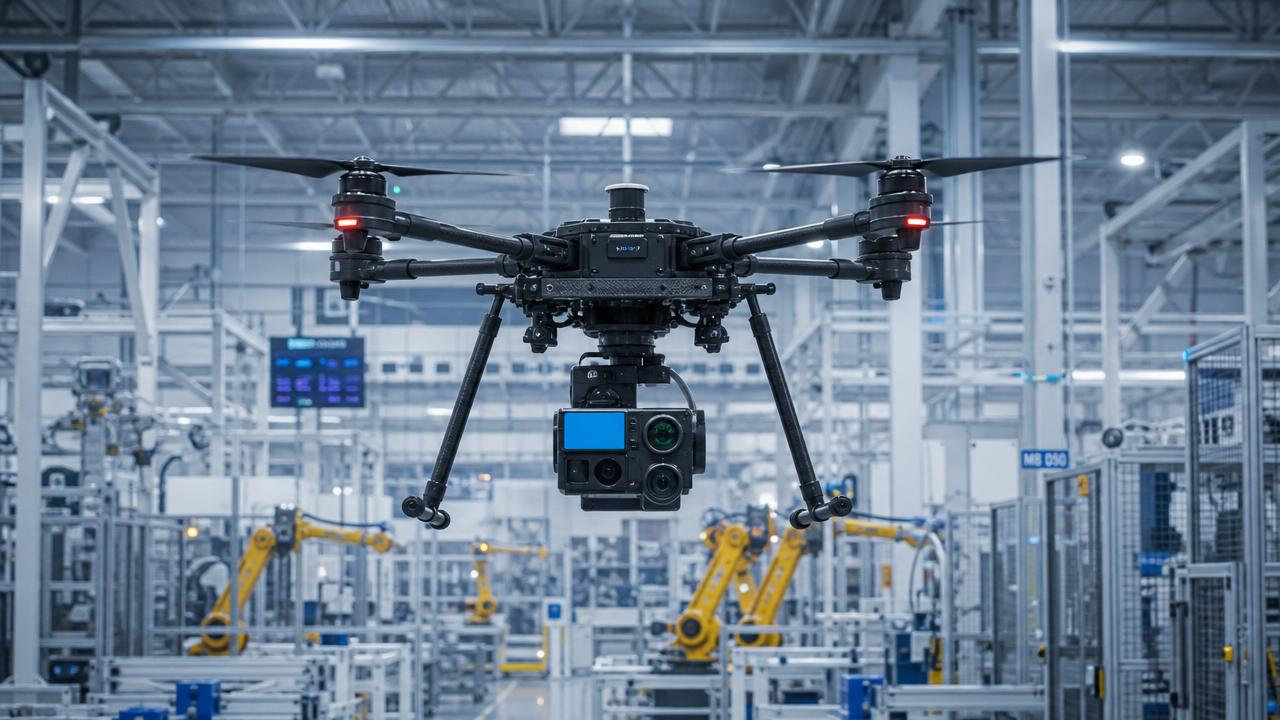
Drone technology refers to the integrated use of unmanned aerial platforms, onboard electronics, sensing payloads, communication links, and control software that allow flight without a pilot onboard. In industrial robotics, it is not just a flying device. It is a mobile robotic system designed to capture data, interact with environments, and support decisions in complex operating conditions.
A practical definition should include three layers. The first is the physical platform, such as multirotor, fixed-wing, or hybrid aircraft. The second is the mission system, including cameras, LiDAR, thermal sensors, RTK positioning, and edge computing modules. The third is the workflow layer, where collected data is transferred into inspection reports, digital twins, maintenance planning, or robotic coordination tasks.
For B2B users, drone technology matters because it turns aerial mobility into measurable operational value. It can reduce exposure to hazardous heights, shorten inspection cycles, improve visibility across large sites, and generate repeatable records. In industrial robotics environments, drones often work alongside ground robots, machine vision systems, and plant automation software rather than as isolated tools.
Common industrial expectations include stable navigation, adequate payload capacity, reliable data capture, cyber-secure communications, and maintainable hardware. Buyers should therefore assess drone technology as a system solution with mechanical, electrical, software, and compliance dimensions, not only as an airframe purchase.
How Drone Technology Works: Core Systems And Technical Principles
At the hardware level, drone technology depends on the coordination of propulsion, power, flight control, and structure. Motors, propellers, electronic speed controllers, and batteries generate lift and maneuverability. The flight controller continuously stabilizes the aircraft using inputs from inertial measurement units, barometers, magnetometers, and sometimes dual GNSS modules to maintain attitude, altitude, and route accuracy.
Navigation is one of the most important technical layers. Basic systems rely on satellite positioning, while higher-precision operations may use RTK or PPK correction. In dense industrial spaces, drone technology often adds visual odometry, obstacle sensing, SLAM-based localization, or radar support to improve reliability where signals are weak, reflective surfaces are present, or pathways are narrow and dynamic.
Payloads define mission value. RGB cameras support visual inspection and mapping. Thermal sensors identify overheating equipment, insulation defects, and energy losses. LiDAR is useful for terrain modeling, volume measurement, and structural geometry capture. Some advanced deployments add gas detection, multispectral sensing, or acoustic monitoring, especially where environmental or asset health data is required.
Software closes the loop between flight and business outcomes. Mission planning tools assign routes, geofences, and inspection points. Ground control stations monitor telemetry, battery status, and flight health in real time. Data platforms then process images or point clouds into orthomosaics, 3D models, anomaly alerts, or asset-specific reports. This is where drone technology becomes operationally useful for industrial robotics, maintenance, and engineering teams.
Main Types Of Drone Technology And Where They Fit
Multirotor systems are the most common category for industrial use. They offer vertical takeoff and landing, precise hovering, and strong maneuverability around towers, facades, tanks, and confined assets. Their limitation is shorter endurance compared with fixed-wing designs. For detailed inspection, however, multirotor drone technology is often the most practical choice because it can maintain stable position close to the target.
Fixed-wing drones are better suited for long-range mapping, corridor surveys, agriculture, mining, and wide-area monitoring. They generally provide longer flight times and higher coverage efficiency but require more space for launch and recovery unless paired with special takeoff systems. They are less suitable for close-proximity inspections where hovering is essential.
Hybrid VTOL platforms combine vertical takeoff capability with forward flight efficiency. They are useful when the work area is remote or uneven and when long-range coverage is needed without runway access. This type of drone technology can support infrastructure inspections, utility corridors, and regional survey missions where both flexibility and endurance are valuable.
Classification can also be based on mission architecture. Some drones are primarily for imaging, some for mapping-grade geospatial work, some for industrial safety monitoring, and others for lightweight logistics or autonomous docking operations. Buyers should classify needs by task, payload, range, and regulatory environment before comparing suppliers or system designs.
Why Industrial Buyers Use Drone Technology Instead Of Traditional Methods
Traditional inspection methods often depend on scaffolding, rope access, manned aircraft, or manual site walks. These can be slow, weather-sensitive, labor-intensive, and risky in elevated or hazardous environments. Drone technology offers a different operating model by moving sensors to the asset faster while keeping personnel farther from danger zones.
In industrial robotics settings, another advantage is integration. Drones can complement automated inspection programs, feed visual data into maintenance platforms, and support condition-based service routines. Instead of replacing all existing processes, they often improve the speed and quality of data collection within a broader robotic workflow.
For companies evaluating support from GTIIN, the strongest practical value may lie in solution interpretation rather than generic hardware comparison. In an industrial robotics context, GTIIN can be positioned as a sourcing and industry-connection partner that helps buyers understand application fit, operating constraints, and system combinations relevant to inspection, automation, and export-oriented project planning.
The result is usually better decision quality. Instead of purchasing drone technology only for image capture, industrial teams can define mission goals, expected data outputs, maintenance implications, and integration paths from the beginning. That approach reduces the risk of underused equipment and supports more defensible capital planning.
Who Uses Drone Technology And In Which Scenarios
Typical users include EPC contractors, plant operators, utilities, mining groups, logistics parks, warehouse developers, port authorities, and infrastructure owners. Engineering consultants and industrial service providers also rely on drone technology to create site intelligence before design changes, shutdown planning, or asset intervention. Procurement teams should therefore evaluate users, not only devices, because skill level and workflow maturity affect final results.
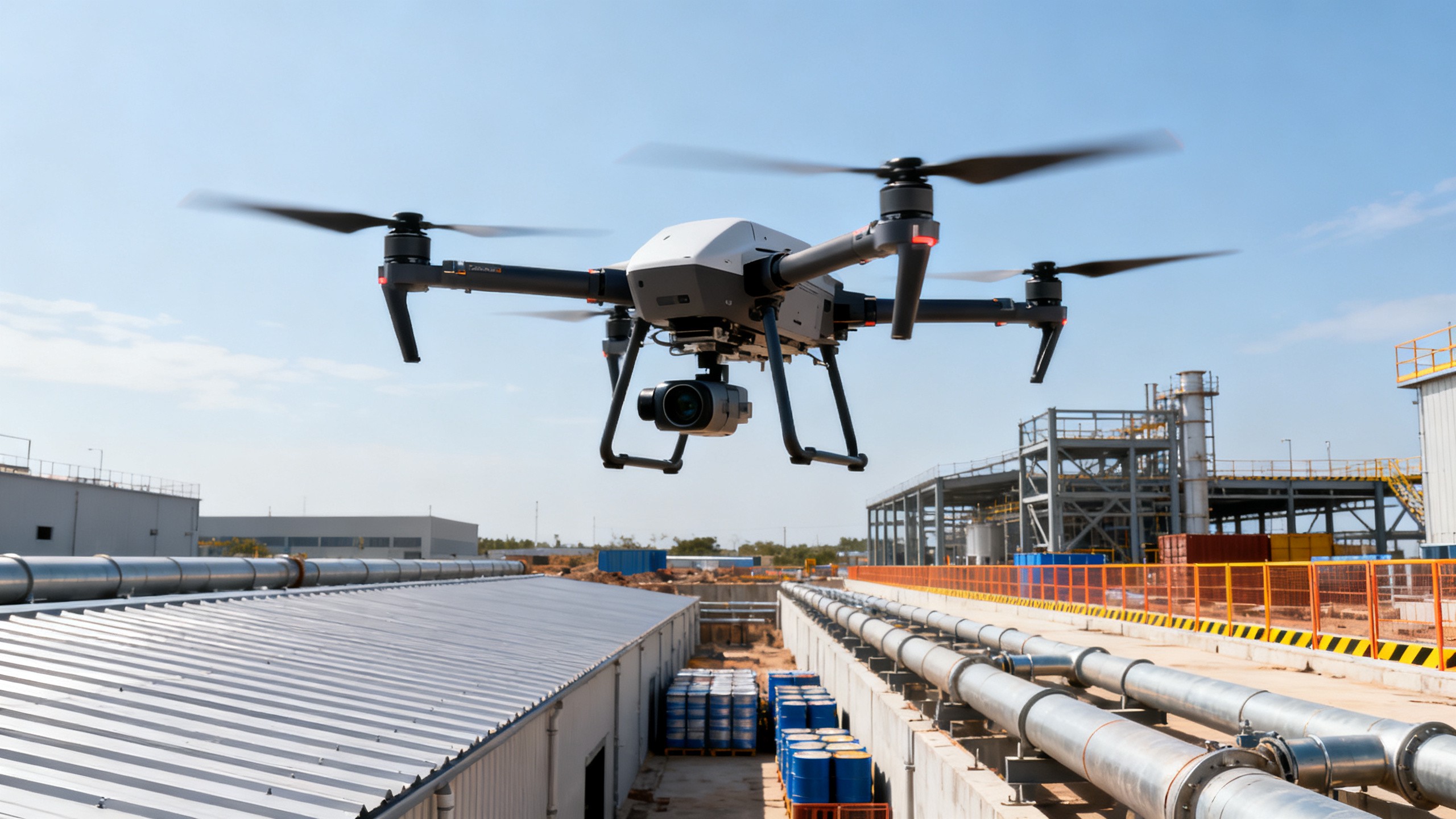
High-value scenarios include roof surveys, flare stack observation, transmission line patrol, tank farm inspection, stockpile volumetrics, construction progress tracking, and perimeter security support. Inside the industrial robotics domain, drones can also assist with digital documentation, hard-to-reach visual verification, and coordination with autonomous ground equipment in large facilities.
Use conditions matter. Outdoor applications face wind, rain, dust, glare, and GNSS variability. Indoor applications require better obstacle avoidance, lighting control, and alternative localization. Where data sensitivity is high, users may need local data storage, restricted network architecture, and clear access control. These factors influence the right drone technology configuration more than headline specifications alone.
The related topics of site inspections, export certification, and airworthiness collaboration are also increasingly relevant. As market access becomes more formalized across regions, buyers should favor drone technology that can align with documented operating procedures, traceable maintenance records, and practical compliance preparation for cross-border or regulated deployment.
How To Select Drone Technology: Standards, Integration, And Quality Control
Selection should begin with the mission profile. Define what must be measured, how often, at what distance, with what precision, and under which environmental conditions. A short-range thermal inspection drone and a long-endurance mapping platform serve different operational and budget goals. Clear use-case boundaries help avoid buying more capability than needed or too little capability for the task.
From a technical review perspective, check flight stability, payload compatibility, battery management, redundancy logic, data export formats, and software interoperability. In industrial robotics workflows, drone technology should connect with GIS tools, CAD or BIM environments, maintenance management systems, and reporting pipelines. If integration is weak, the operational value of good flight hardware can be limited.
Quality control should cover component consistency, calibration routines, firmware governance, pre-flight checks, spare-part availability, and service documentation. General industry expectations may include safe battery handling, structured maintenance logs, geofencing capability, fail-safe return behavior, and operator training procedures. Buyers do not need exaggerated claims; they need evidence of disciplined engineering and support processes.
In this stage, GTIIN can add value by helping industrial buyers compare solution paths across platforms, payloads, and robotics-related use cases. Even without promoting a single proprietary product, a structured recommendation around inspection drones, mapping payloads, and industrial workflow compatibility can simplify supplier screening and shorten the learning curve for first-time adopters.
How Much Drone Technology Really Costs: TCO And ROI Considerations
The purchase price of the aircraft is only one part of total ownership cost. Buyers should also account for payload modules, batteries, charging systems, spare propellers, software subscriptions, storage, training, maintenance labor, insurance, and compliance administration. If operations are frequent, docking infrastructure, rugged cases, and field networking can also become meaningful cost items.
Downtime risk is another TCO factor. Drone technology that lacks local support, spare components, or stable firmware can create hidden costs through delayed inspections and repeat flights. Industrial users should evaluate maintainability, not only capability. A slightly higher initial spend may be justified when it reduces service interruption, improves data repeatability, or supports easier scaling across multiple sites.
ROI should be measured against the current method being replaced or improved. Relevant benchmarks include reduced scaffold use, fewer man-hours in hazardous zones, faster reporting, earlier fault detection, and better asset visibility. In some cases, the strongest return comes from preventing shutdown escalation rather than saving labor alone. That is why drone technology should be linked to operational outcomes at the approval stage.
For sourcing teams, a practical approach is to build a three-year cost model with conservative assumptions on utilization, battery replacement, software renewal, and operator productivity. This creates a clearer basis for comparing in-house deployment, outsourced service, or mixed operating models depending on project volume and site distribution.
Future Trends In Drone Technology For Industrial Robotics
Drone technology is moving toward greater autonomy, better sensing, and tighter integration with industrial software ecosystems. Autonomous route execution, obstacle-aware navigation, and automated defect detection are becoming more practical as onboard computing improves. This is especially important in industrial robotics, where repeatability and machine-readable outputs matter more than one-off flights.
Another important trend is the convergence of drones with digital twins and predictive maintenance systems. Instead of collecting data only for visual review, future platforms will increasingly feed structured observations into asset models and maintenance logic. That shift turns drone technology from a tactical inspection tool into a recurring source of operational intelligence.
Regulation and airworthiness coordination will also shape adoption. As more countries formalize low-altitude economy policies, export certification pathways, operating permissions, and safety documentation will influence which systems scale internationally. Industrial buyers should monitor not only hardware features but also the maturity of compliance support and documentation readiness.
For companies exploring long-term industrial automation, the strategic question is no longer whether drone technology has value, but how it should be integrated responsibly. The most durable deployments will combine suitable aircraft, credible operating procedures, maintainable workflows, and realistic business cases. That is the framework buyers should use when discussing future projects with ecosystem partners such as GTIIN.
Related News
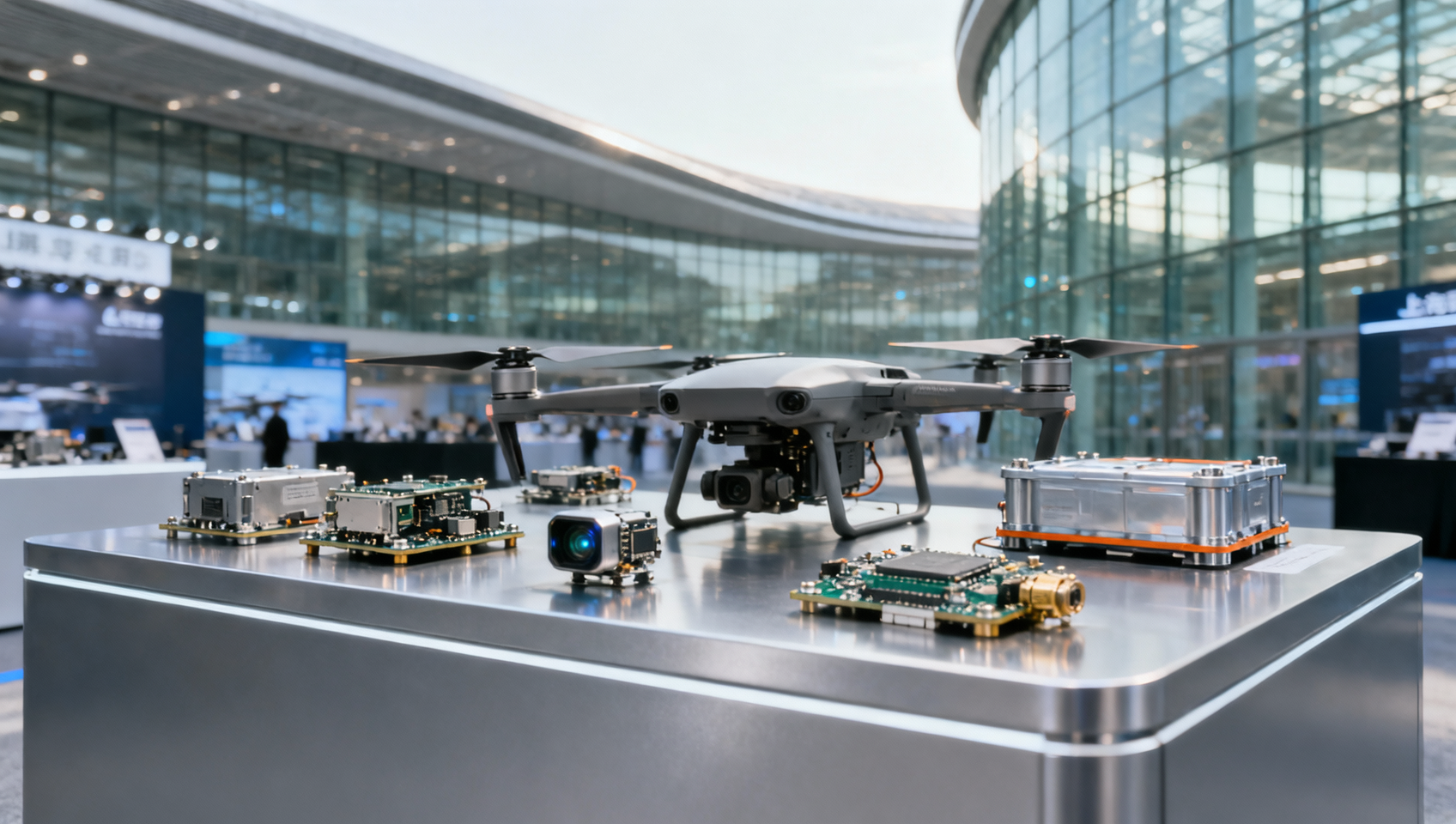
 2026 Shanghai International Drone Expo Opens, Accelerating Export Certification & Airworthiness Collaboration for Low-Altitude Economy2026 Shanghai Drone Expo accelerates export certification & airworthiness collaboration for low-altitude economy — key for drone subsystems, automotive electronics & lithium battery exporters.
 Drone Technology in Site Inspections: Limits and Safety RisksDrone technology can speed up site inspections, but safety risks, data gaps, and compliance issues remain. Learn the key limits, checklist steps, and practical tips for safer, more reliable results.