

Drone Technology in Site Inspections: Limits and Safety Risks
Drone technology is changing site inspections across construction, energy, logistics, warehousing, infrastructure, and industrial maintenance. It delivers fast visual coverage, repeatable image capture, and access to elevated or hazardous areas. Yet drone technology also introduces limits that affect data quality, legal compliance, and on-site safety. Signal instability, poor lighting, weather exposure, pilot error, battery failure, and incomplete field coverage can all weaken inspection results if they are not controlled.
A checklist-based approach helps standardize decisions before flight, during capture, and after landing. It reduces rushed judgments, exposes blind spots early, and makes drone technology more useful as part of a broader inspection system rather than a stand-alone solution.
Why Drone Technology Needs a Structured Inspection Checklist
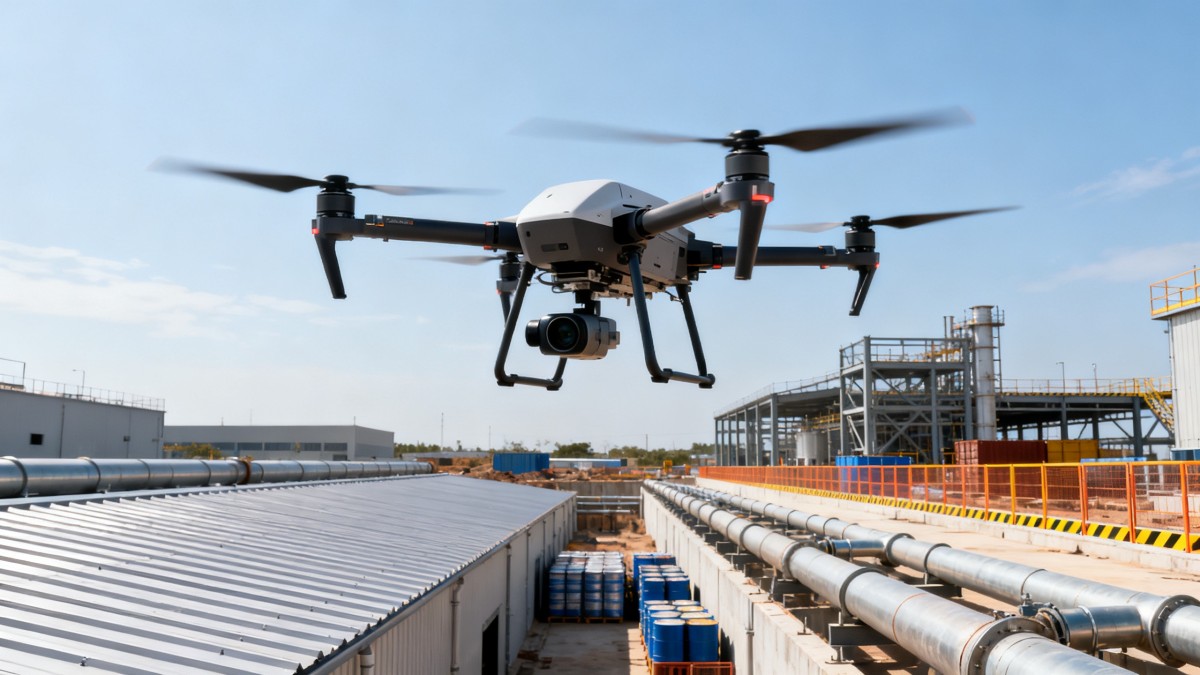
In many sectors, inspections now depend on speed, traceability, and comparable records. Drone technology supports those goals, but it can also create false confidence. High-resolution video does not automatically mean complete inspection coverage.
A structured checklist keeps attention on three essentials: whether the drone can safely fly, whether the captured data is reliable, and whether the mission meets regulatory and site-specific rules. This matters in global supply chains where inspection evidence may support audits, claims, vendor assessments, and maintenance planning.
Core Checklist for Safer and More Reliable Drone Technology Inspections
- Define the inspection objective before launch, including defect types, required image angles, acceptable resolution, and whether the flight supports screening, measurement, verification, or compliance documentation.
- Confirm airspace, privacy, and local operating rules, then verify permits, restricted zones, altitude limits, and site owner authorization before bringing drone technology onto active premises.
- Review weather in detail, not broadly, checking gusts, rainfall risk, temperature, glare, dust levels, and visibility because each factor can distort footage or destabilize flight.
- Inspect the aircraft physically, including propellers, motors, landing gear, camera mount, firmware status, compass calibration, obstacle sensors, and return-to-home settings.
- Check battery condition and mission endurance, then set reserve thresholds that leave enough power for aborted runs, repositioning, and safe landing under changing conditions.
- Map flight paths against structural geometry, overhead obstacles, moving equipment, reflective surfaces, and signal-shadow zones that often reduce the practical value of drone technology.
- Establish exclusion zones and communication signals so ground teams know where the drone will operate and how to respond if the aircraft behaves unexpectedly.
- Validate image requirements before full capture, testing zoom, thermal settings, focus, frame overlap, and timestamp accuracy to prevent unusable data after landing.
- Record chain-of-custody details for files, including flight logs, operator identity, equipment used, and storage location when inspection data may support contracts or disputes.
- Compare drone findings with manual or sensor-based inspection methods whenever critical assets, confined spaces, corrosion, cracks, or heat signatures require confirmation.
Where Drone Technology Adds Value—and Where It Reaches Its Limits
Construction and Building Envelope Reviews
Drone technology works well for roof surveys, façade checks, progress tracking, drainage observations, and post-event assessments. It shortens access time and limits the need for scaffolding in early-stage review work.
Its limits appear when defects sit below surface layers or inside concealed assemblies. Cracks may be visible, but moisture migration, fastener pullout, or hidden structural weakness still need direct verification.
Industrial Plants and Warehousing
In large industrial sites, drone technology helps inspect high racks, external piping, stacks, tanks, and hard-to-reach service zones. It improves speed when shutdown windows are short.
However, GPS interference, metal-rich environments, electromagnetic noise, and indoor navigation constraints can affect positioning. Propeller wash may also disturb dust, debris, or lightweight packaging near sensitive operations.
Energy, Utilities, and Linear Infrastructure
Drone technology is highly effective for transmission corridors, solar farms, wind assets, pipelines, and remote utility routes. It can cover distance quickly and support thermal or optical screening.
Still, line-of-sight restrictions, weather shifts, wildlife interaction, and communication loss become larger risks in exposed areas. Thermal anomalies also require careful interpretation because reflection and ambient heat can mislead analysis.
Commonly Overlooked Safety Risks in Drone Technology Operations
Overreliance on Visual Data
One frequent mistake is assuming that clear footage equals complete evidence. Drone technology can miss reverse angles, internal damage, or depth-related defects that only appear under direct contact or instrument testing.
Weak Site Coordination
A technically safe flight can still create ground risk. Nearby lifts, cranes, vehicles, pedestrians, and contractors may not know the operating envelope. Poor coordination increases distraction, collision potential, and emergency confusion.
Incomplete Operator Competency
Drone technology depends heavily on operator judgment. Certification alone is not enough. Experience with wind behavior, reflective structures, thermal imaging, emergency recovery, and site-specific hazards directly affects mission quality.
Poor Data Management
Inspection value drops when files are mislabeled, time stamps drift, or images cannot be matched to locations. For global trade and industrial documentation, traceable records matter as much as capture quality.
Ignoring Regulatory Drift
Rules for drone technology continue to evolve across regions. Cross-border operators, multinational facilities, and outsourced inspection teams can easily fall out of compliance if legal checks are not updated regularly.
Practical Execution Tips for Better Drone Technology Results
- Run a short preflight capture and review sample frames immediately instead of discovering focus, glare, or thermal range problems after the mission ends.
- Pair drone technology with written defect criteria so image reviewers use the same thresholds for cracks, corrosion, displacement, heat variation, or water intrusion signs.
- Schedule flights for stable light and lower activity windows to reduce shadows, interference, and avoidable interactions with vehicles or lifting operations.
- Use repeatable routes and reference points when inspections are periodic, making trend analysis more credible across maintenance cycles and supplier evaluations.
- Create an escalation rule for every mission, stating when drone findings require rope access, handheld instruments, shutdown review, or third-party technical confirmation.
How to Build Drone Technology into a Broader Inspection System
The best results come when drone technology is treated as one layer of evidence. It should connect to maintenance records, quality reports, supplier documentation, GIS data, thermal analysis, and follow-up field verification.
For organizations operating across multiple sectors and regions, standardized drone inspection protocols improve comparability. They also support clearer reporting for insurers, compliance teams, project owners, and international business partners.
Platforms that aggregate industrial intelligence, market developments, and cross-sector operating trends can also help teams benchmark how drone technology is being adopted, governed, and integrated into modern inspection workflows worldwide.
Conclusion and Next Action
Drone technology can make site inspections faster, safer, and more scalable, but only when its limits are understood. Blind spots, unstable conditions, legal restrictions, and weak operating discipline can quickly turn efficiency into risk.
Start with a practical checklist: define the objective, verify flight legality, test equipment, protect the ground zone, confirm data quality, and require secondary validation for critical findings. That approach turns drone technology from a promising tool into a dependable inspection asset.
When inspection decisions influence supply chain reliability, asset performance, and compliance outcomes, disciplined execution matters more than novelty. Use drone technology selectively, document every mission well, and build each flight into a stronger evidence-based inspection process.
 Which global manufacturing trends by sector matter most for sourcing plans?Global manufacturing trends by sector: identify sourcing risks, supplier resilience, compliance demands, and cost drivers to build smarter, more reliable procurement plans.
 What industrial trade intelligence pricing should include before you subscribeIndustrial trade intelligence pricing explained: compare coverage, data quality, access rights, and workflow value before choosing a subscription that supports smarter trade decisions.
 How an industrial trade intelligence dashboard can identify new supplier marketsDiscover how an industrial trade intelligence dashboard helps identify new supplier markets by comparing capacity, landed cost, logistics resilience, and compliance risk.
 Which global market entry barriers should exporters assess first?Global market entry barriers exporters should assess first: tariffs, compliance, buyer qualification, logistics, and payment risk. Build a practical strategy for confident market entry.
 How trade data aggregation analytics can reveal emerging supplier marketsTrade data aggregation analytics reveals emerging supplier markets by connecting trade flows, capacity signals, logistics, and compliance insights for smarter sourcing decisions.
 When an export market analysis platform can validate demand in a new marketExport market analysis platform insights help validate new-market demand through buyer fit, regulations, logistics, competition, and profitable entry conditions.
 What is driving the beauty and personal care market in the USA?Beauty and personal care in USA is driven by targeted solutions, selective premiumization, digital discovery, clean-label trust, diverse needs, and compliance. Explore key growth opportunities.
 How trade flow monitoring reports reveal changing regional demandTrade flow monitoring reports reveal changing regional demand through import volumes, sourcing shifts, product mix, logistics signals, and regulatory trends. Explore actionable market insights.
 How international market intelligence for investors reduces market-entry riskInternational market intelligence for investors reduces market-entry risk by validating demand, regulations, logistics, and competition before capital is committed.
 How international sourcing intelligence helps identify supplier risk earlyInternational sourcing intelligence helps businesses spot supplier risks early, protect supply continuity, and make smarter global procurement decisions.
 How trade data aggregation analytics reveals emerging supplier marketsTrade data aggregation analytics reveals emerging supplier markets through export trends, input flows, logistics, and regulatory signals. Discover smarter sourcing insights.
 What industrial cluster monitoring in Vietnam reveals about site riskIndustrial cluster monitoring Vietnam reveals hidden site risks across labor, utilities, logistics, compliance, and supplier dependencies. Make smarter sourcing and expansion decisions.
 Food Technology Trends Reshaping Shelf Life, Safety, and Product InnovationFood technology is reshaping shelf life, safety, and innovation. Discover the trends helping food businesses cut risk, improve compliance, and unlock stronger global market growth.
 How electronics manufacturing services are changing with low-volume demandElectronics manufacturing services are evolving fast with low-volume demand. Learn how agile EMS partners improve flexibility, compliance, sourcing resilience, and speed to market.
 How Can Buyers Reduce Procurement Risks for Electronic Components?How to reduce procurement risks for electronic components: learn how buyers assess traceability, lead times, compliance, and supplier types to avoid costly sourcing mistakes.
 What Sourcing Intelligence India Reveals About Supplier Risk and Cost ShiftsSourcing intelligence India reveals hidden supplier risk, compliance gaps, logistics pressure, and real cost shifts—helping buyers compare vendors smarter and source with more confidence.
 Fashion Trends 2026: Which Materials, Colors, and Silhouettes Are Gaining Ground?Fashion trends 2026 spotlight tactile fabrics, mineral colors, and controlled volume. Explore the materials, shades, and silhouettes shaping smarter, more wearable style.
 Smart Device Market Outlook: Key Growth Drivers, Segments, and Business OpportunitiesSmart device market trends are shifting toward system value, industrial demand, and resilient supply chains. Explore key growth drivers, high-potential segments, and business opportunities.
 How Global Trade Intelligence Services Help B2B Firms Evaluate Markets and SuppliersGlobal trade intelligence services help B2B firms compare suppliers, assess market potential, and uncover compliance, logistics, and pricing risks before costly decisions are made.
 Manufacturing Sector Updates for Investors: What Signals Matter Most in 2025?Manufacturing sector updates for investors in 2025: track orders, margins, supply chains, regulation, and exports to spot resilient manufacturers and smarter investment signals.
 How Energy Market Intelligence Helps Businesses Track Price Risks and Demand ShiftsEnergy market intelligence helps businesses spot price risks, demand shifts, and supply pressure early—improving procurement, resilience, and faster strategic decisions.





















Global Trade Insights & Industry
Our mission is to empower global exporters and importers with data-driven insights that foster strategic growth.
Search News
Popular Tags
Industry Overview
The global commercial kitchen equipment market is projected to reach $112 billion by 2027. Driven by urbanization, the rise of e-commerce food delivery, and strict hygiene regulations.