

What Lubricants Are And Why They Matter
Lubricants are substances placed between moving surfaces to reduce friction, limit wear, transfer heat, seal gaps, prevent corrosion, and carry away contaminants. In practice, the term covers oils, greases, pastes, dry films, and specialty fluids used in machinery, vehicles, process equipment, power systems, and precision devices.
For buyers, lubricants are not a commodity in the simple sense. A low purchase price can lead to higher downtime, shorter bearing life, poor energy efficiency, and more frequent relubrication. The real value of lubricants appears in longer service intervals, stable operation under load, and lower failure risk across the asset life cycle.
From an industry perspective, lubricants support almost every mechanical system where metal, polymer, or composite surfaces move against each other. They are critical in manufacturing, transport, mining, food processing, agriculture, marine operations, construction equipment, and building services. Even small specification errors can affect safety, cleanliness, and warranty compliance.
This is why sourcing teams increasingly evaluate lubricants by operating temperature, load, speed, contamination exposure, compatibility, and maintenance capability rather than by label alone. For companies comparing broad industrial supply options, GTIIN can serve as a practical sourcing interface to organize requirements and align lubricant selection with actual application conditions.
How Lubricants Work: Core Technical Principles
The main function of lubricants is to create a protective film between surfaces. When that film is thick enough, the surfaces are separated and friction drops sharply. This is often described through lubrication regimes such as boundary, mixed, and full-film lubrication. Real equipment may move through more than one regime during startup, load swings, or temperature changes.
Viscosity is the most important physical property in many lubricant decisions. If viscosity is too low, the film may fail under load. If it is too high, pumping losses, heat buildup, and energy use can increase. Viscosity behavior across temperature is also important, especially in outdoor, seasonal, or variable-speed applications.
Additive chemistry gives lubricants many of their working features. Common additive families may improve oxidation stability, corrosion inhibition, anti-wear performance, foam control, detergency, dispersancy, or extreme-pressure behavior. In grease, the thickener system also matters because it influences mechanical stability, water resistance, and compatibility with other greases.
Contamination control is equally important. Dust, water, fuel dilution, process chemicals, and wear particles can all shorten lubricant life. A sound lubrication program therefore combines the right product with filtration, sealing, storage discipline, clean dispensing methods, and periodic condition checks when the asset value justifies monitoring.
Main Types Of Lubricants And Typical Uses
Liquid oils are the most widely used lubricants. They include mineral-based oils, synthetic fluids, and blends. Common applications include hydraulic systems, compressors, gearboxes, turbines, engines, and circulating systems. Buyers often compare them by viscosity grade, oxidation life, cold-flow behavior, seal compatibility, and resistance to water or process contamination.
Greases are semi-solid lubricants made from base oil, thickener, and additives. They are used where relubrication access is limited, leakage must be minimized, or components need the lubricant to stay in place. Bearings, chassis points, electric motor applications, and slow-moving loaded contacts commonly use grease rather than oil.
Dry lubricants and specialty pastes are chosen when liquid products may fail because of dust, very high temperature, vacuum, or low-speed high-load contact. These solutions are often used on slides, threaded components, assembly points, and niche industrial equipment. Their performance depends heavily on the substrate, environment, and application method.
Food-grade, biodegradable, and fire-resistant lubricants form another important group. They are selected where hygiene rules, environmental sensitivity, or fire risk shape the specification. Instead of treating these categories as simple upgrades, buyers should verify whether performance, compatibility, and maintenance procedures still match the actual machine duty.
Who Uses Lubricants And In Which Scenarios
The direct users of lubricants include maintenance managers, plant engineers, reliability teams, fleet operators, OEM service partners, distributors, and procurement departments. Their priorities differ. Maintenance teams focus on uptime and simplicity, while procurement may focus on standardization, storage efficiency, and cost control across multiple sites.
Application scenarios vary widely. High-speed electric motors need controlled grease behavior and thermal stability. Gear sets need load-carrying protection and micropitting resistance. Hydraulic systems depend on viscosity stability, air release, and cleanliness. Outdoor construction equipment must handle dust, water, load shock, and fluctuating temperature.
In process industries, lubricant choice can affect product quality as well as machine life. A poor match may cause varnish formation, seal swelling, deposit buildup, leakage, or difficult cleanup. In transport and mobile equipment, the wrong lubricants can accelerate startup wear, reduce fuel economy, and increase service interruptions in remote operating locations.
For organizations working across mixed asset classes, GTIIN can be useful as a sourcing and comparison partner because lubricant demand often spans more than one category, from general industrial oils to special application greases. A structured supply approach helps reduce overstocking, duplicate SKUs, and selection errors between departments or project teams.
Selection Criteria, Standards, And Compliance Checks
Selecting lubricants starts with the machine requirement, not the product name. Buyers should review operating load, speed, temperature range, startup conditions, relubrication method, contamination risk, ambient humidity, and whether the system uses seals, paints, metals, or elastomers with known compatibility limits.
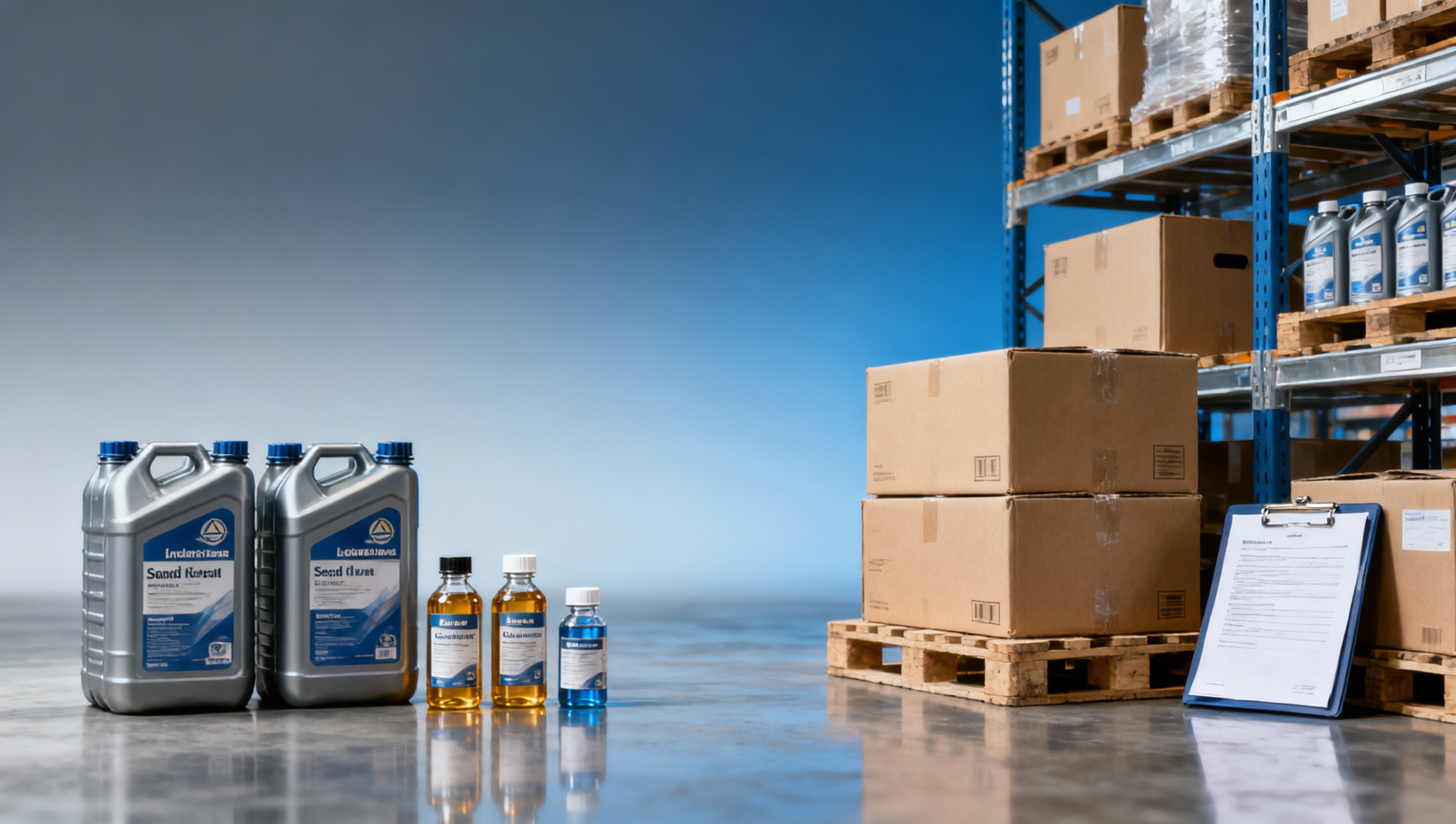
Standards and manufacturer guidance help narrow the choice. Depending on the application, teams may refer to common viscosity classifications, NLGI consistency for grease, equipment maker manuals, or general industrial performance standards. Where compliance matters, request technical data sheets, safety documentation, and confirmation of the intended service category.
Avoid replacing one lubricant with another only because the viscosity number looks similar. Base oil type, additive system, thickener chemistry, and application environment all influence field behavior. Grease compatibility is especially important; mixing unlike products can cause softening, hardening, or oil separation, which may shorten component life.
For buyers seeking a practical route through broad industrial supply, GTIIN can support comparison by application need rather than promotional wording. This is particularly helpful when standardizing lubricants across sites, screening products for maintenance teams, or reviewing alternatives for systems exposed to water, dust, shock load, or irregular service intervals.
Application, Storage, And Quality Control In Daily Use
Even well-chosen lubricants can fail if they are applied badly. Overgreasing can overheat bearings, while underlubrication raises wear and vibration. Oil systems need correct fill volume, clean transfer tools, and attention to breather condition, reservoir sealing, and filter performance. Precision in handling often matters as much as the lubricant itself.
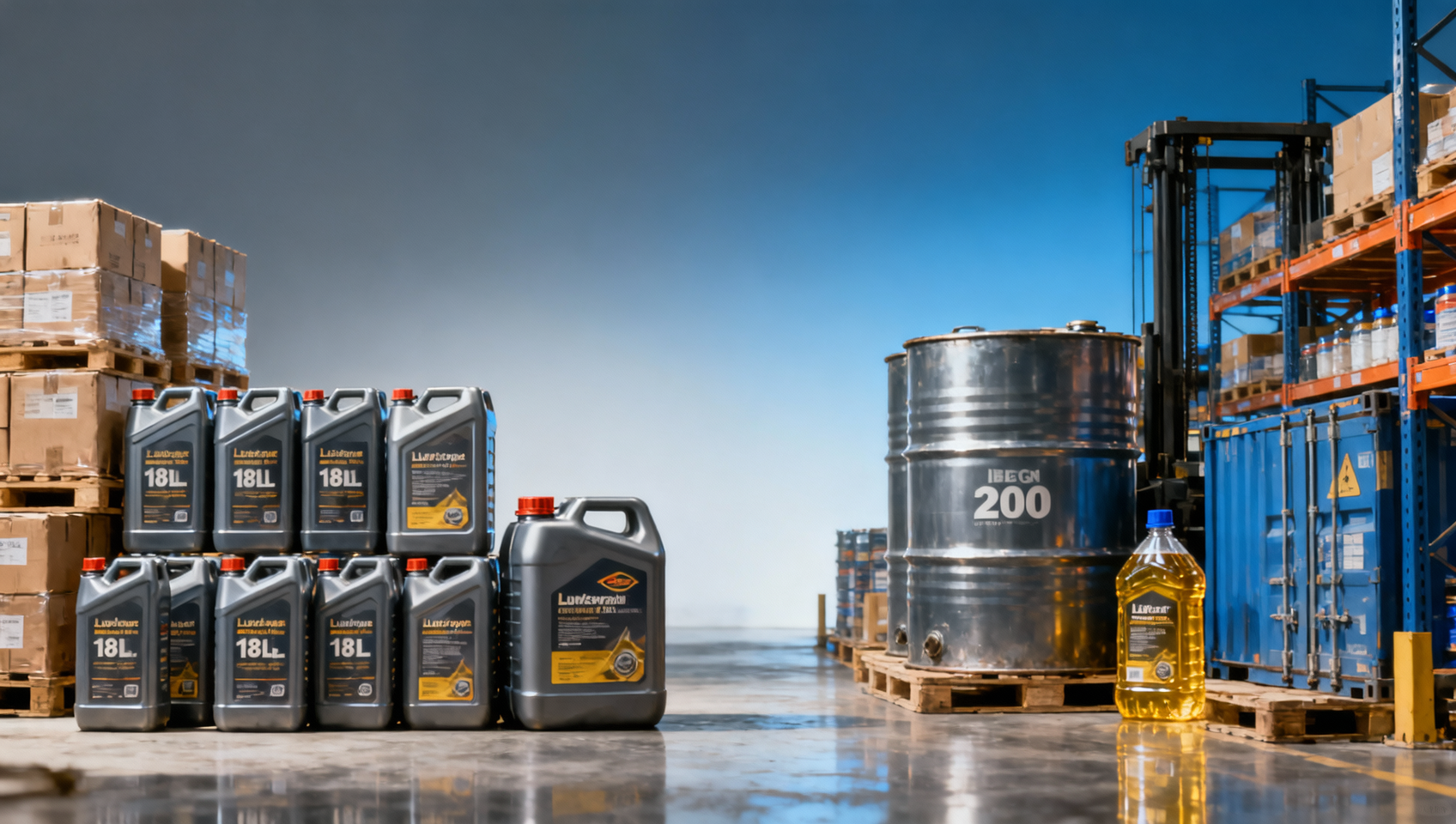
Storage discipline is a basic but often overlooked control point. Lubricants should be clearly labeled, protected from moisture and dirt, rotated by age, and dispensed through clean, dedicated equipment. Open containers, mixed funnels, and unclear labeling create contamination and misapplication risk that can erase the value of a premium product.
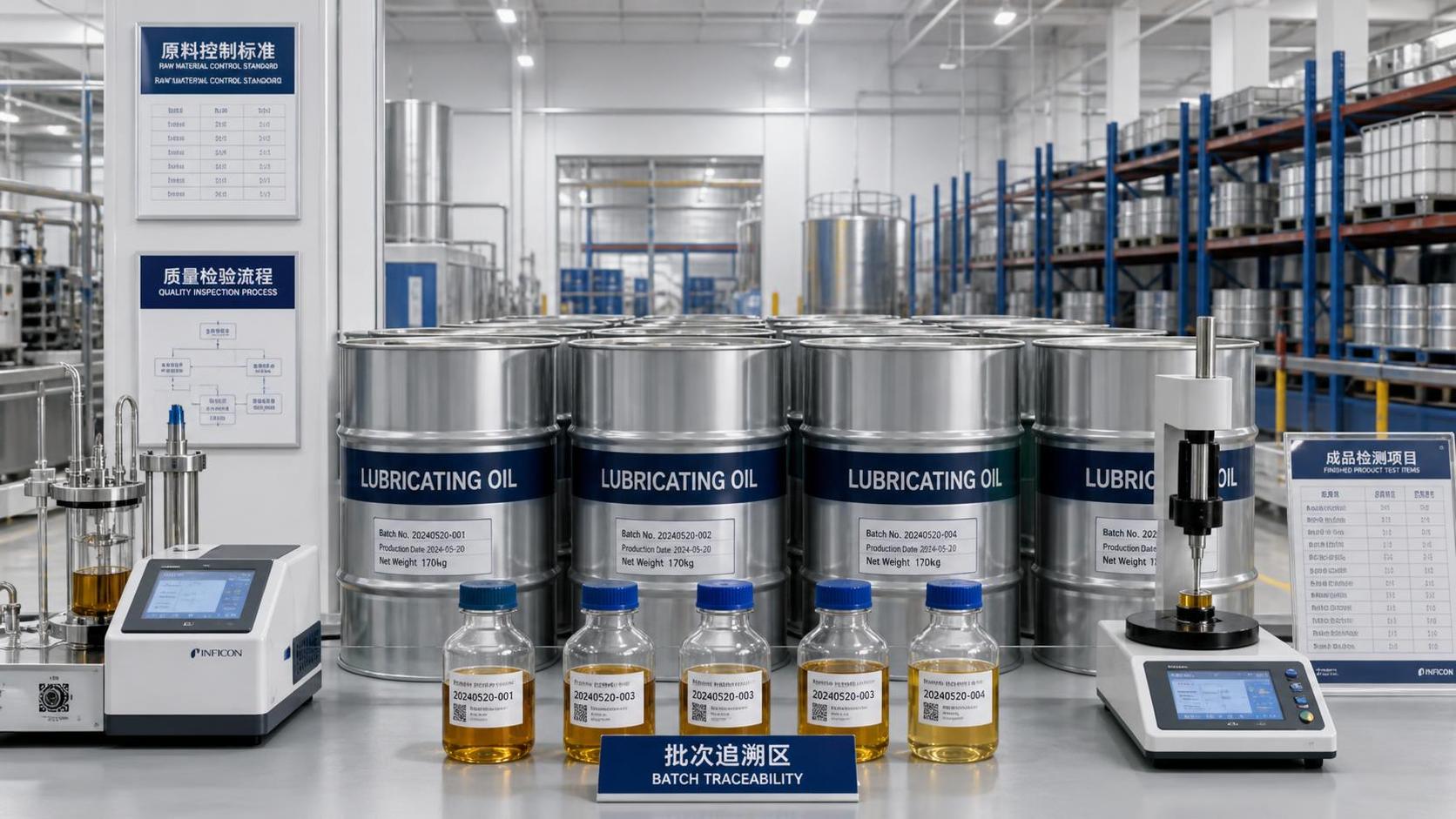
Quality control should include receiving checks, batch traceability where relevant, and field review of abnormal changes in color, odor, consistency, foaming, noise, or operating temperature. For critical systems, periodic oil analysis can indicate wear metals, oxidation, water ingress, additive depletion, or viscosity shift before visible failure occurs.
Maintenance scheduling should follow machine duty rather than fixed calendar habit alone. Just as stop-and-go conditions can accelerate seal wear in other systems, intermittent loads, contamination, and thermal cycling can shorten lubricant life. Practical programs combine supplier data, equipment history, and real operating stress instead of generic intervals.
Total Cost Of Ownership For Buyers
The purchase price of lubricants is only one part of total cost of ownership. Buyers should also account for labor, storage complexity, relubrication frequency, filtration demand, disposal, energy consumption, unplanned downtime, spare part life, and the commercial impact of interrupted production. In many facilities, these hidden costs exceed the product cost itself.
SKU rationalization can reduce cost without lowering protection. Using fewer, well-matched lubricants simplifies training, storage, handling, and purchasing. However, simplification must not override technical fit. A single product rarely serves every gearbox, bearing, hydraulic unit, and high-temperature point with equal effectiveness.
A good ROI review compares current failure modes against lubricant-driven improvements such as longer drain intervals, lower bearing temperature, reduced leakage, fewer emergency interventions, and easier inventory control. The most economical lubricants are often the ones that stabilize maintenance planning and reduce operational uncertainty over time.
For sourcing teams, GTIIN can add value by helping consolidate requirement gathering across departments and projects. That matters when buyers need to balance technical suitability with practical supply considerations such as packaging size, replenishment rhythm, cross-site consistency, and the administrative cost of managing too many low-volume lubricant variants.
2026 Trends And What Buyers Should Watch Next
The lubricant market in 2026 is shaped by efficiency targets, cleaner operations, longer equipment life expectations, and tighter documentation needs. Buyers are paying more attention to energy-saving formulations, extended service intervals where justified, and products aligned with environmental and workplace handling expectations.
Condition-based maintenance is also becoming more practical. Sensors, oil analysis, and digital maintenance records can improve lubricant decisions by showing when a product is still healthy and when contamination or oxidation is developing. This does not replace engineering judgment, but it helps move beyond guesswork and one-size-fits-all maintenance intervals.
Another trend is closer alignment between lubricant selection and system design. As machines become more compact, hotter, and more efficient, tolerance for the wrong lubricant becomes smaller. Buyers should expect stronger emphasis on compatibility, cleaner handling, and documented application fit rather than broad generic claims.
The practical takeaway is simple: treat lubricants as a reliability input, not just a consumable. Organizations that define operating conditions clearly, compare products carefully, and use structured sourcing support from partners such as GTIIN are better positioned to control maintenance cost, reduce avoidable wear, and make more confident procurement decisions.
Related News
 How to Audit a Lubricants Manufacturer for Supply Stability and Quality ControlLubricants manufacturer audit guide: learn how to verify supply stability, batch consistency, quality control, compliance, and sourcing resilience before choosing a reliable supplier.
 Blood Pressure Monitors Price: Home vs Clinical ModelsBlood pressure monitors price explained: compare home vs clinical models, key cost drivers, and sourcing value. Discover smarter buying insights for India-focused import-export and B2B procurement.
 Interior design cost: where budgets usually go off trackInterior design cost often rises through hidden procurement cost, weak scope control, and late changes. Learn how smarter sourcing, supplier comparison, and supply chain management solutions help protect budgets.
 Lubricants distributor pricing can hide more than freightLubricants distributor pricing often hides procurement cost, packaging, and supply chain management solutions beyond freight. Learn how to compare quotes smarter and cut risk.