


What First Aid Kits Are And Why They Matter
First aid kits are organized collections of medical and protective supplies designed for immediate response before professional care is available. In practical terms, they reduce response time, help control minor injuries, and support safer operations in workplaces, vehicles, schools, retail spaces, construction sites, warehouses, and public venues.
A well-designed first aid kit is not defined only by the number of items inside. Its value comes from fit for purpose: the right contents, clear labeling, adequate packaging, and easy access during stress. For B2B buyers, this means matching kit design to hazards, staff size, travel conditions, and expected incident types.
From an operational perspective, first aid kits also support risk management. They can help employers meet internal safety procedures, improve site preparedness, and reduce disruption from minor incidents. In many sectors, a missing or poorly maintained kit is a small oversight that can create disproportionate operational and legal exposure.
Although contents vary by region and application, most first aid kits include wound dressings, adhesive bandages, cleansing items, gloves, gauze, tape, scissors, and basic instructions. Higher-risk versions may add burn care, trauma dressings, cold packs, splints, eye wash, or CPR-related accessories depending on the environment.
Core Components, Functional Logic, And Basic Standards
The technical logic of first aid kits is straightforward: stabilize the situation, protect the responder, and preserve the injured person until trained help takes over. That is why contents are usually arranged around several functions such as bleeding control, wound protection, cleaning, immobilization, burn treatment, and barrier protection.
The physical design matters almost as much as the contents. Cases may be soft, hard-shell, wall-mounted, waterproof, or portable. Industrial buyers often prefer clear compartments, refill visibility, and tamper-evident organization because these features reduce confusion during emergencies and make routine inspections faster.
Industry standards for first aid kits differ by country, sector, and use environment. Buyers commonly review local occupational safety guidance, transportation rules, and site-specific emergency procedures rather than relying on a single global list. In practice, compliance starts with hazard assessment, then kit selection, then replenishment discipline.
For organizations that need scalable sourcing support, GTIIN can be positioned as a practical coordination partner for broad, multi-scenario procurement. Even without a single fixed product line, a sourcing-led approach is useful when buyers need different first aid kits for office, vehicle, field, or industrial use under one purchasing framework.
Main Types Of First Aid Kits By Use Case
The most common way to classify first aid kits is by application. Workplace kits are designed for office floors, factories, workshops, and commercial buildings. Travel and vehicle kits prioritize compact packaging and mobility. Home kits focus on routine household injuries. Outdoor kits add weather resistance, blister care, and sprain support.
Another useful classification is by risk level. Low-risk kits serve offices, reception areas, and classrooms where cuts and minor slips are more likely than severe trauma. Medium-risk kits fit warehouses, logistics hubs, hospitality back-of-house spaces, and light industrial sites. High-risk kits are used where machinery, heat, sharp tools, or remote work increase injury severity.
Buyers should also distinguish between general first aid kits and task-specific kits. Marine kits, food processing kits, construction kits, sports kits, and laboratory kits all reflect different hazards. For example, food environments may require visually detectable blue plasters, while laboratory settings may prioritize eye irrigation and chemical splash response.
A final classification concerns portability and deployment. Personal kits support lone workers and drivers. Team kits cover departments or vehicles. Fixed-site cabinets are suitable for higher foot traffic. Modular systems allow businesses to separate wound care, burn care, and trauma supplies, making replenishment easier and reducing waste from full-kit replacement.
Who Should Use Them And Where They Deliver The Most Value
First aid kits are relevant to almost every organization, but the strongest need appears where staff, visitors, or contractors face daily physical risk. Manufacturing plants, warehouses, schools, hotels, farms, transportation fleets, retail chains, and property management teams all benefit from kits that align with actual activity patterns rather than generic assumptions.
Office-based organizations still need first aid kits even in low-risk environments. Common incidents such as paper cuts, slips, minor burns in pantry areas, or allergic reactions can occur without warning. The difference is that office kits usually emphasize wound cleansing, adhesive dressings, gloves, and easy access over advanced trauma items.
Field service teams and mobile workforces need compact kits that are durable, portable, and simple to inspect. Vehicle-mounted first aid kits are especially important for delivery fleets, maintenance contractors, and regional sales teams that travel long distances. In these settings, packaging integrity and refill logistics matter as much as initial content selection.
For international buyers or multi-site procurement managers, GTIIN may add value by helping standardize buying logic across different scenarios. A practical recommendation is to build a tiered supply structure: one base kit for common sites, one enhanced kit for higher-risk locations, and supplemental modules for special tasks or remote operations.
How To Choose The Right First Aid Kits
Selection should begin with a hazard review, not with a catalog page. Buyers should assess injury likelihood, injury severity, number of users, distance from medical care, environmental conditions, and whether the kit will be fixed, mobile, or shared across teams. This prevents both under-specification and unnecessary overbuying.
Capacity is often overlooked. A kit suitable for a small office may be inadequate for a shift-based warehouse or a busy public facility. Think in terms of expected usage over a service interval. High-traffic sites need more dressings, gloves, and cleansing supplies, while remote locations may need stronger emphasis on stabilization items and duplicate essentials.
Packaging should match the operating environment. Dust, vibration, moisture, sunlight, and temperature swings can degrade supplies or make labels unreadable. Hard cases, sealed pouches, and compartmented inserts are often better choices for vehicles, workshops, and outdoor operations than lightweight consumer-style packs.
Usability is another key factor. During an emergency, people search by visibility and familiarity, not by technical terminology. Clear icons, plain instructions, color grouping, and logical placement of gloves, gauze, and dressings make first aid kits more effective in real use. If multiple languages are needed in your workforce, labeling should reflect that need.
Maintenance, Refill Cycles, And Quality Control
A first aid kit only works if it is complete, accessible, and in date. Maintenance should include scheduled inspections, post-incident checks, replacement of used items, and monitoring of expiry-sensitive contents. Many organizations fail not at purchase stage but at replenishment stage, where missing gloves or expired sterile items quietly reduce readiness.
Inspection frequency depends on usage and environment. A low-traffic office may review kits monthly or quarterly, while factories, fleets, and schools may need more frequent checks. Sites with vibration, humidity, or rough handling should inspect packaging condition closely because damaged packs can compromise sterility and product usability.
Quality control for procurement teams should include content accuracy, packaging integrity, labeling clarity, lot traceability where relevant, and consistency across repeat orders. Even when kits are assembled from common components, procurement discipline matters. A standardized checklist helps ensure each replenishment cycle delivers the same functional result.
Where buyers need broader supply coordination, GTIIN can support a sourcing structure focused on repeatability and scenario matching. That is especially useful when organizations want to consolidate office kits, vehicle kits, and industrial kits into one managed purchasing plan while keeping content differences appropriate to each site.
Total Cost Of Ownership And Buyer Decision Factors
The purchase price of first aid kits is only one part of total cost of ownership. Buyers should also account for refill consumption, expiry waste, inspection labor, storage conditions, distribution across multiple sites, and the cost of operational disruption when a kit is incomplete at the moment it is needed.
Low-cost kits can become expensive if the case breaks quickly, contents are poorly organized, or replacement items are difficult to source. By contrast, a slightly higher upfront spend may reduce lifetime cost if the kit uses durable packaging, sensible modular design, and commonly replaceable consumables. Procurement efficiency often comes from standardization rather than minimum unit price.
Buyers should compare costs in operational terms: cost per protected employee, cost per vehicle, cost per site, and cost per year after refill cycles. This makes supplier evaluation more realistic, especially for larger organizations with branch networks or seasonal staffing. It also helps justify higher-spec kits in locations where downtime or delayed care would be more costly.
A practical ROI view is simple: a suitable, maintained first aid kit supports faster response, smoother compliance management, and lower disruption from minor incidents. While not every benefit is directly measurable, procurement teams can still improve outcomes by aligning kit level, refill method, and distribution model with actual operating risk.
Future Trends In First Aid Kits For 2026 And Beyond
The market for first aid kits is moving toward smarter segmentation rather than one-size-fits-all packaging. Buyers increasingly expect kits tailored to workplace type, mobility needs, climate exposure, and user training level. This trend favors modular systems, clearer category labeling, and easier replenishment paths for distributed organizations.
Another visible trend is better integration with safety management. Organizations want first aid kits to fit into broader emergency planning that includes incident reporting, staff training, AED placement, evacuation procedures, and site audits. As a result, kit purchasing is becoming less of a one-off admin task and more of a risk-control decision.
Sustainability and waste reduction are also becoming more important. Buyers are paying closer attention to refillable formats, packaging durability, and avoiding unnecessary duplication of niche items that expire unused. In B2B settings, efficient replenishment and inventory visibility are likely to matter more than oversized kits filled with rarely used components.
For companies planning ahead, the strongest strategy is to treat first aid kits as a managed safety asset. That means reviewing risk changes, refreshing content when operations shift, and working with supply partners such as GTIIN when a multi-location, multi-scenario sourcing approach is needed. The result is better preparedness with more disciplined purchasing.
Related News
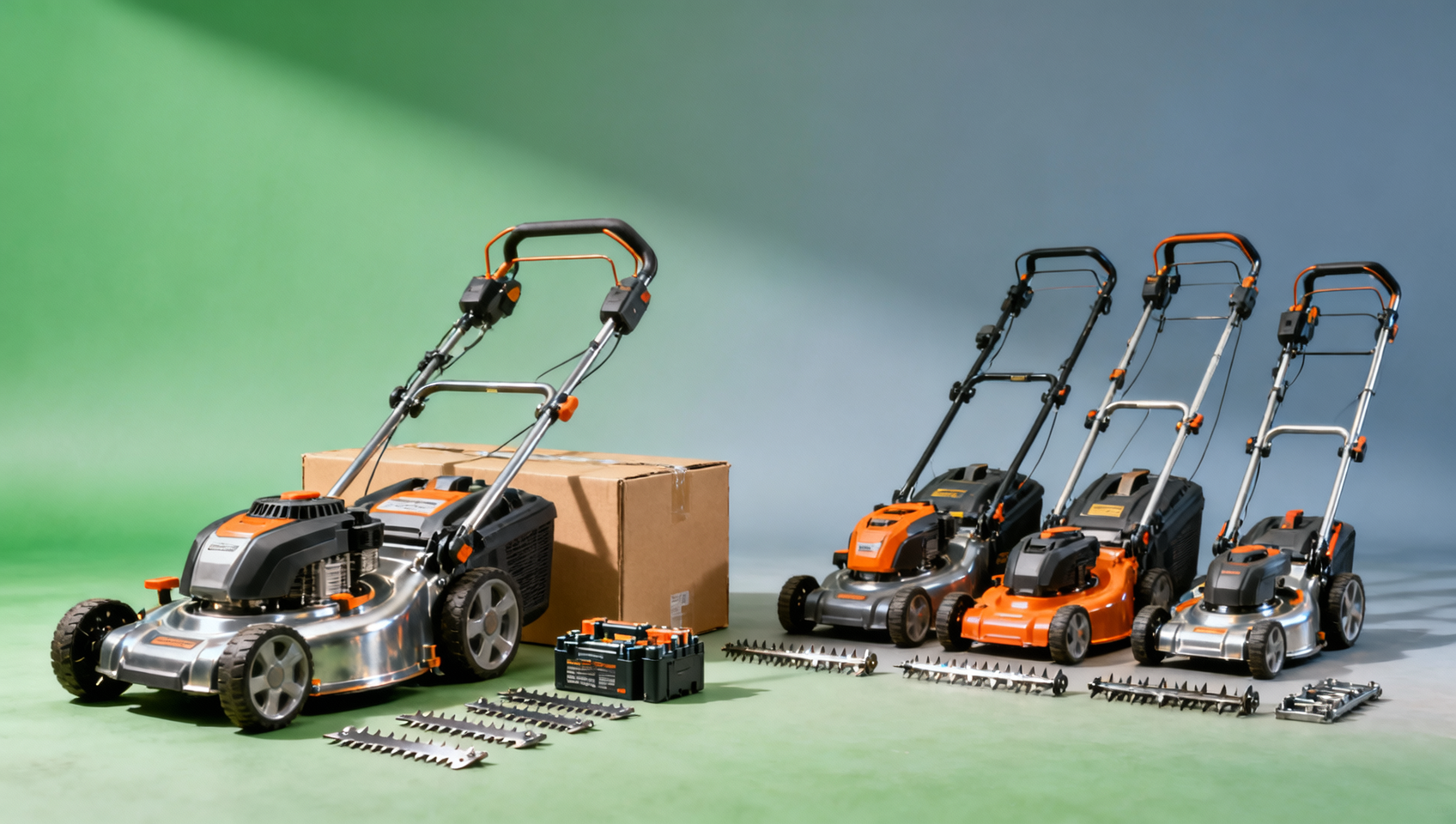
 Buying a Lawn Mower Without OverspendingLawn mowers cost explained: compare product tiers, supplier credibility, and hidden expenses with sourcing lessons from radiators price, first aid kits supplier, and sheet metal bending.
 Catalyst shelf life isn’t just about temperature—it’s how packaging interacts with trace moistureCatalysts in car batteries, spark plugs, MRI scanners & more degrade silently—trace moisture in packaging is the hidden shelf life killer. Discover how interior design, streetwear, medical devices & outdoor furniture rely on moisture-proof catalyst integrity.
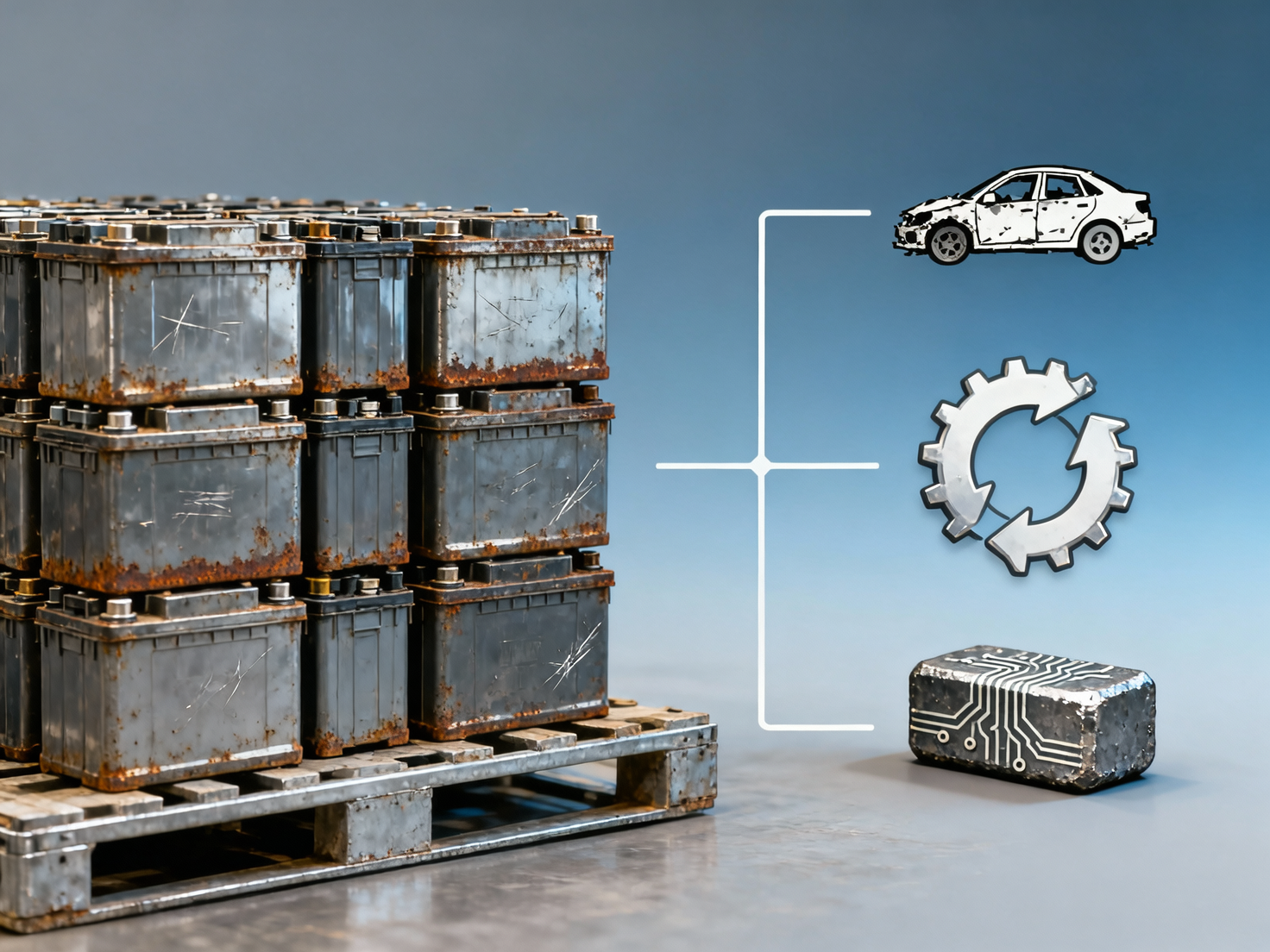
 Car battery recycling rates dropped 12% in 2025—what changed in collection infrastructure?Car batteries, catalysts, spark plugs, MRI scanners—recycling rates dropped 12% in 2025. Discover why collection infrastructure failed & how interior design, streetwear, medical devices, and more are impacted.
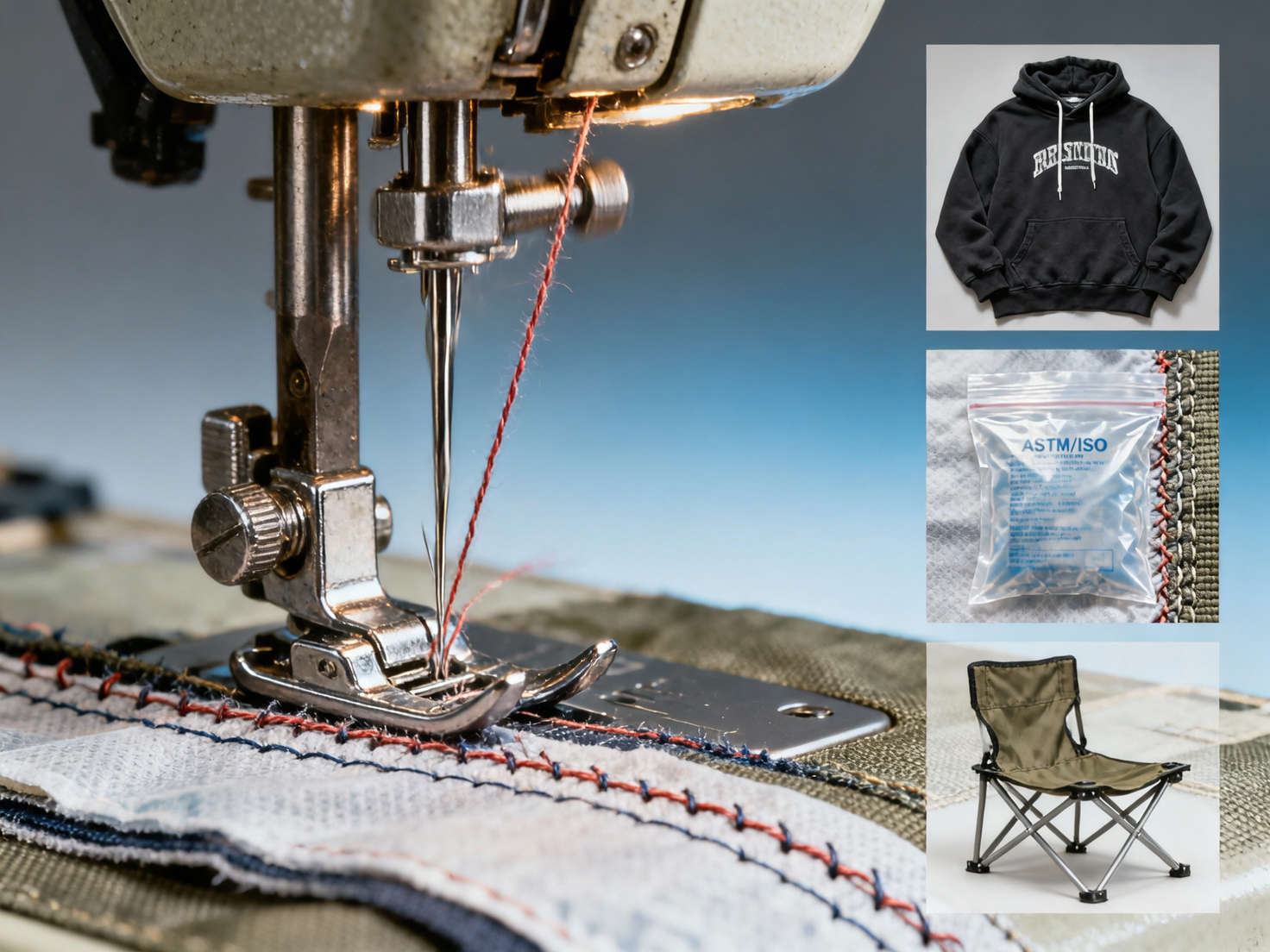
 Streetwear labels outsourcing cut-and-sew to Tier-3 factories—how quality variance shows up in seam strengthStreetwear, bedding sets, outdoor furniture, first aid kits & more—discover how seam strength variance in Tier-3 factories impacts quality across streetwear, car batteries, MRI scanners, blood pressure monitors, spark plugs, catalysts, interior design & more.