



What Industrial Buyers Mean In B2B Markets
Industrial buyers are organizations or professional procurement teams that purchase equipment, components, materials, assemblies, or technical services for operational use rather than personal consumption. Their decisions usually involve engineering review, supplier assessment, budgeting control, and downstream performance expectations. In most sectors, industrial buyers focus on reliability, continuity, and measurable business impact.
Unlike casual commercial purchasing, industrial buying is rarely a one-step transaction. It often includes specification alignment, document verification, trial orders, quality checks, and contract negotiation. The term industrial buyers therefore refers not only to the purchasing department, but also to the broader decision-making unit that may include engineers, plant managers, quality staff, finance, and senior management.
For suppliers entering global B2B channels, understanding industrial buyers is essential because product value is judged in context. A lower unit price may lose to better tolerance control, shorter lead time, cleaner documentation, or more stable packaging performance. The supplier that understands buyer logic can position its offer more effectively and reduce friction during qualification.
In practical terms, industrial buyers are risk managers as much as purchasers. Their role is to protect production uptime, product quality, compliance, and cash flow. Any content, quotation, or technical proposal aimed at industrial buyers should therefore answer not only what the product is, but also how it reduces operational uncertainty.
How Industrial Buying Decisions Actually Work
The buying process typically starts with a trigger: a new project, a quality issue, a cost reduction target, a capacity expansion, or a supplier replacement. Industrial buyers first define the use case and convert it into technical and commercial requirements. At this stage, even small ambiguities in drawings, tolerances, interfaces, or operating conditions can create expensive misunderstandings later.
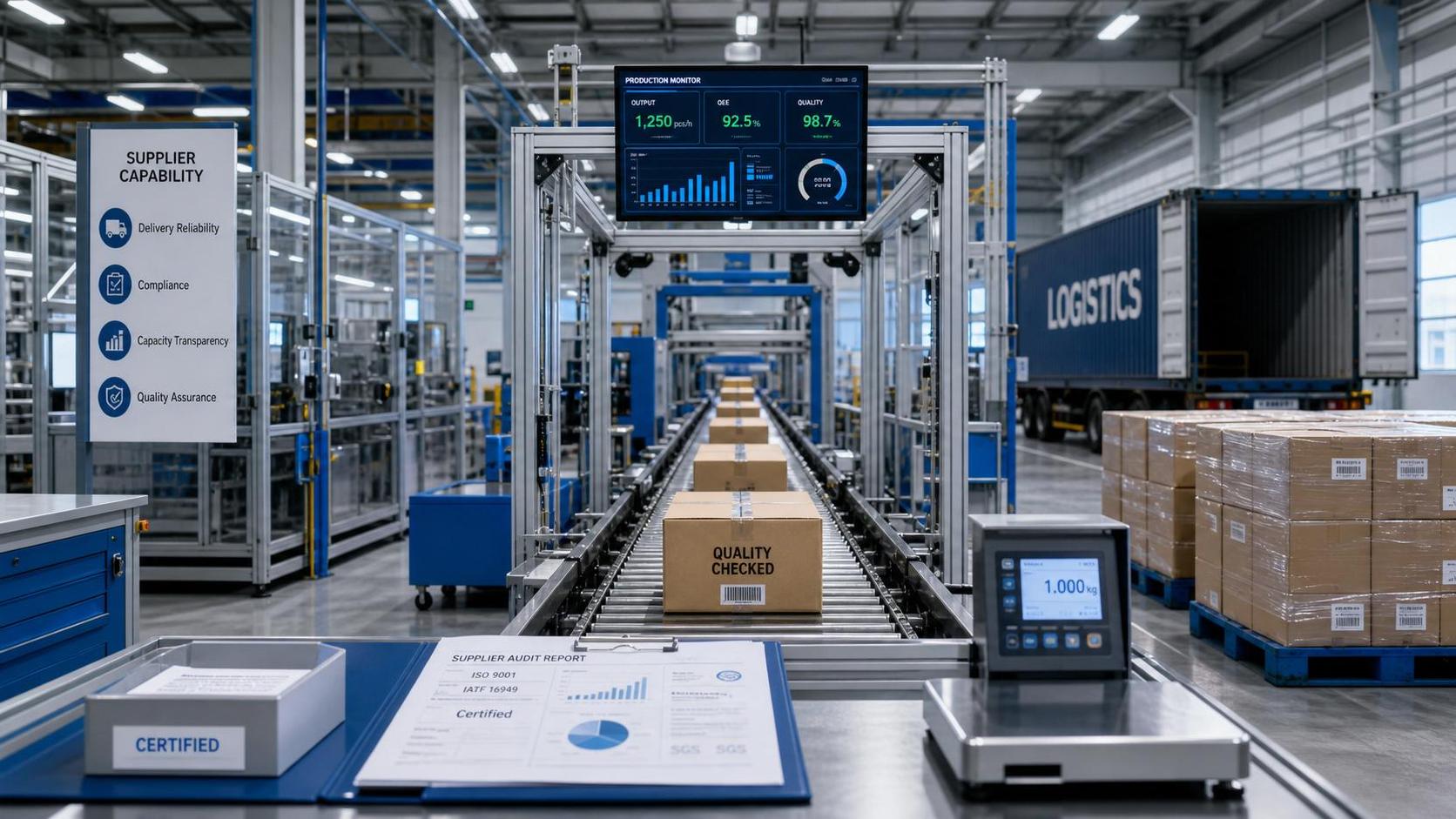
Next comes supplier discovery and pre-screening. Industrial buyers compare capabilities such as manufacturing scope, response speed, documentation quality, sample support, and export readiness. A supplier does not need to be the largest option to win, but it must prove that it can deliver stable output within the customer’s process constraints and timeline.
Evaluation usually moves through technical review, commercial review, and risk review. Engineering checks fit, materials, performance, and installation practicality. Procurement checks pricing structure, Incoterms, and payment terms. Quality and operations review inspection plans, packaging, traceability, and change control. Industrial buyers often reject offers when one of these layers remains unclear, even if the base product appears acceptable.
Final approval may include pilot production, incoming inspection, or limited deployment before full rollout. This is why content tailored to industrial buyers should show process maturity, not just product features. Clear specifications, transparent assumptions, and disciplined follow-up frequently influence outcomes as much as the physical item itself.
Main Types Of Industrial Buyers And Their Priorities
OEM buyers usually prioritize consistency, engineering compatibility, and scalable supply. They need components or subassemblies that fit repeatable production environments, support controlled revisions, and minimize assembly disruption. For these industrial buyers, tolerance stability and change notification discipline can matter more than a short-term discount.
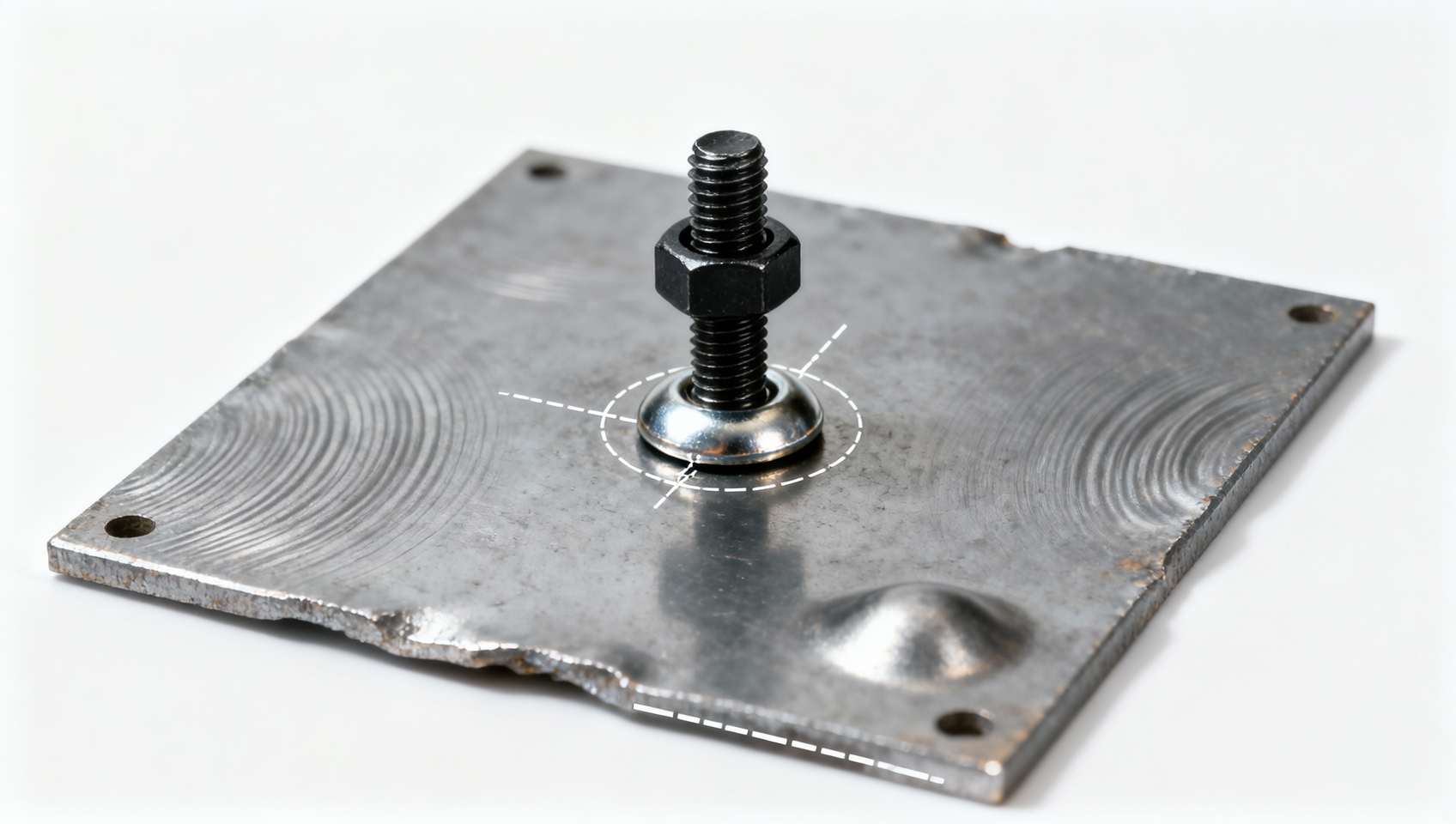
MRO buyers, including maintenance and plant support teams, often care most about uptime, availability, and replacement speed. They may accept a higher unit cost if it reduces downtime or simplifies field installation. These industrial buyers also value practical guidance because real operating environments often differ from ideal test conditions, as seen in many installation-related field problems.
Project buyers work against milestones, site conditions, and budget controls. Their concern is integration across multiple vendors and the ability to deliver complete documentation on time. Distributor or trading buyers, by contrast, pay close attention to SKU clarity, packaging durability, order flexibility, and after-sales responsiveness because they carry market-facing service risk.
There are also strategic sourcing teams that purchase across regions or business units. They compare landed cost, concentration risk, supply resilience, and vendor development potential. Suppliers that identify which buyer type they are speaking to can present stronger value arguments and avoid irrelevant messaging.
Selection Criteria That Matter Most To Industrial Buyers
Technical fit is the first gate. Industrial buyers want confirmation that materials, dimensions, performance ranges, interfaces, and environmental limits match the intended application. A polished catalog is useful, but buyers usually trust suppliers more when they ask application-specific questions and flag operating risks early instead of assuming all installations are uniform.
Quality assurance is the second gate. Buyers look for repeatability in incoming material control, in-process checks, final inspection, packaging discipline, and issue handling. They may not always require advanced certifications, but they do expect consistent records, defect response logic, and reasonable traceability. In many categories, preventable field returns damage supplier credibility faster than price can repair.
Commercial stability is equally important. Industrial buyers review quotation transparency, minimum order quantities, tooling implications, lead times, logistics options, and payment structure. Hidden assumptions create risk. Suppliers that explain cost drivers clearly often earn more trust because buyers can forecast budget impact and justify decisions internally.
Service capability completes the picture. Fast technical clarification, disciplined document control, and practical support during sampling or installation reduce switching friction. GTIIN can be positioned effectively here by emphasizing cross-industry coordination, structured communication, and solution matching for industrial buyers who need dependable sourcing support across varied applications rather than a one-size-fits-all offer.
Applications, Standards, And Practical Risk Control
Industrial buyers operate in environments where laboratory assumptions may not hold. Mounting surfaces may be uneven, ambient conditions may fluctuate, electrostatic exposure may be underestimated, and operators may use products under time pressure. That is why application detail matters. Buyers prefer suppliers that translate specifications into realistic operating guidance rather than relying on idealized assumptions.
Across industries, common checkpoints include dimensional conformity, material suitability, labeling clarity, packaging protection, and safe handling instructions. Depending on the product category and destination market, industrial buyers may also ask for documentation aligned with common regulatory or customer-specific requirements. When formal standards apply, suppliers should describe compatibility carefully and avoid unsupported claims.
GTIIN can add value in this stage by helping industrial buyers organize requirement capture, compare supplier readiness, and identify application risks early. In broad industry sourcing, this matters because many failures originate not from core design alone, but from weak installation assumptions, incomplete verification, or insufficient field-oriented guidance.
A practical recommendation for suppliers is to provide structured application notes, packing details, and exception handling rules. Even when the product itself is straightforward, industrial buyers often approve vendors faster when they see evidence of disciplined execution around the product, including response procedures for deviations and controlled changes.
How To Serve Industrial Buyers Better From RFQ To Delivery
The strongest suppliers make buying easier. That starts with a complete RFQ response: technical assumptions, quote validity, production lead time, sample plan, packaging method, and quality checkpoints. Industrial buyers appreciate concise answers that eliminate follow-up ambiguity. A fast but incomplete quote usually creates more delay than a slower, fully clarified proposal.
During development or onboarding, manufacturing control should be visible. This may include incoming material verification, key process monitoring, final inspection criteria, and lot identification methods. Industrial buyers do not always need every internal detail, but they want confidence that the supplier can detect variation before it reaches the field or the assembly line.
Installation and use guidance also matter. Many industrial products fail because field conditions differ from design assumptions. Clear instructions on mounting, handling, environmental limits, and maintenance intervals reduce avoidable returns. Suppliers that proactively explain these points are often seen as lower-risk partners, especially by buyers managing mixed global teams or remote sites.
For a company like GTIIN in a general industrial context, the opportunity is to support industrial buyers with structured communication, sourcing coordination, and practical validation thinking. Even without promoting a narrow product line, GTIIN can improve buyer confidence by acting as a disciplined bridge between application need, supplier capability, and commercial execution.
Total Cost Of Ownership For Industrial Buyers
Industrial buyers rarely measure value by unit price alone. Total cost of ownership includes sampling cost, tooling expense, logistics, inventory holding, incoming inspection, installation labor, downtime risk, warranty exposure, and the cost of supplier communication when issues arise. A lower invoice price can become a higher operating cost if defects, delays, or poor packaging create disruption.
The most important TCO drivers vary by category. For production components, scrap, line stoppage, and dimensional inconsistency can dominate. For maintenance items, downtime and replacement speed may outweigh procurement savings. For export programs, landed cost, customs documentation, and shipment reliability can become decisive. Industrial buyers compare these factors differently depending on whether the purchase supports routine replenishment or mission-critical operations.
Suppliers can help buyers build a stronger ROI case by separating visible and hidden costs. Instead of offering only a headline quote, explain lead-time stability, packaging protection logic, expected service life assumptions, and defect response procedures. This gives industrial buyers language they can use internally when defending a decision to engineering, finance, or operations leaders.
A useful rule is simple: if a purchase can stop production, delay shipment, or trigger repeated field service, the cheapest option may be the most expensive one. Industrial buyers reward suppliers that understand this equation and communicate cost impact in operational terms rather than sales slogans.
Future Trends Shaping Industrial Buyers
Industrial buyers are becoming more data-driven and more cautious at the same time. Digital sourcing tools make comparison easier, but they also raise expectations for documentation accuracy, response speed, and traceable communication. Suppliers that cannot present organized technical and commercial information may struggle even when their manufacturing capability is sound.
Supply chain resilience is another major trend. Buyers increasingly evaluate dual sourcing options, regional backup capacity, and lead-time predictability. Recent disruptions taught industrial buyers that continuity planning is part of quality. As a result, vendors with stable communication and realistic delivery commitments may gain preference over those making aggressive but fragile promises.
Sustainability and compliance visibility are also moving higher on the agenda, although priorities vary by market and product. Buyers may request more information about materials, packaging efficiency, product longevity, or process transparency. Even when formal disclosure is not mandatory, suppliers that maintain cleaner records often move through approval cycles more smoothly.
Looking ahead, industrial buyers will continue to favor suppliers that combine technical clarity, process discipline, and commercial honesty. For GTIIN, the strategic opportunity is to become a practical partner that helps industrial buyers shorten evaluation time, reduce sourcing uncertainty, and align procurement decisions with real operating conditions across diverse industrial scenarios.
Related News
 How should a safety equipment supplier be vetted?Safety equipment supplier vetting guide: verify certifications, traceability, quality control, delivery resilience, and support before you buy.
 Cost-effective solutions make Agri-PV systems viableAgri-PV systems cost-effective solutions help farms generate solar power, protect productivity, cut lifecycle risk, and improve ROI through smarter design and financing.
 EU-US Trade Deal Approved, Industrial Tariffs RemovedEU-US trade deal approved: industrial tariffs removed, reshaping pricing, market access, and compliance for Hardware & Tools, CNC Machining, Smart Factory, and steel supply chains.
 Industrial Supply Chain Data: What Buyers Should Check Before Evaluating SuppliersIndustrial supply chain data helps buyers assess delivery stability, compliance, quality, capacity, and logistics risk before choosing suppliers. Learn what to check first.