
What Industrial Robots Are And Why They Matter
Industrial robots are automatically controlled, programmable machines designed to perform physical tasks in industrial environments. In practice, they are used for welding, palletizing, machine tending, dispensing, pick-and-place, packaging, inspection, and assembly. Their value comes from repeatability, endurance, and the ability to handle tasks that are dull, dirty, dangerous, or precision-sensitive.
Unlike simple fixed automation, industrial robots can often be reprogrammed for different workflows, tooling, and product variants. That flexibility makes them important in sectors facing labor shortages, rising quality expectations, shorter product cycles, and pressure to reduce unit cost without sacrificing output stability.
For B2B buyers, industrial robots are not a single product category but a system decision. A robot cell may include the manipulator, controller, end-of-arm tooling, sensors, guarding, software, conveyors, and integration services. Understanding the full system scope is essential before comparing quotations or forecasting return on investment.
In a broad industrial context, GTIIN can serve as a sourcing and evaluation partner by helping buyers compare application fit, integration complexity, lifecycle costs, and supplier responsiveness rather than focusing only on headline purchase price.
How Industrial Robots Work
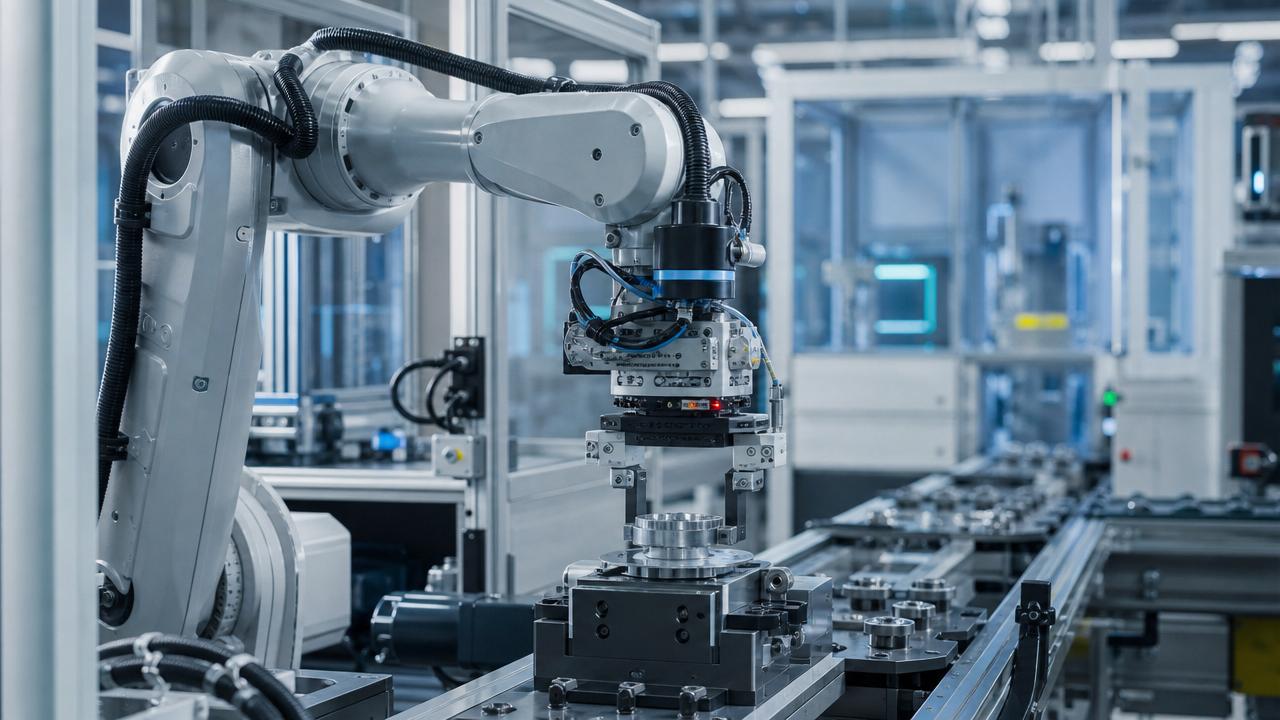
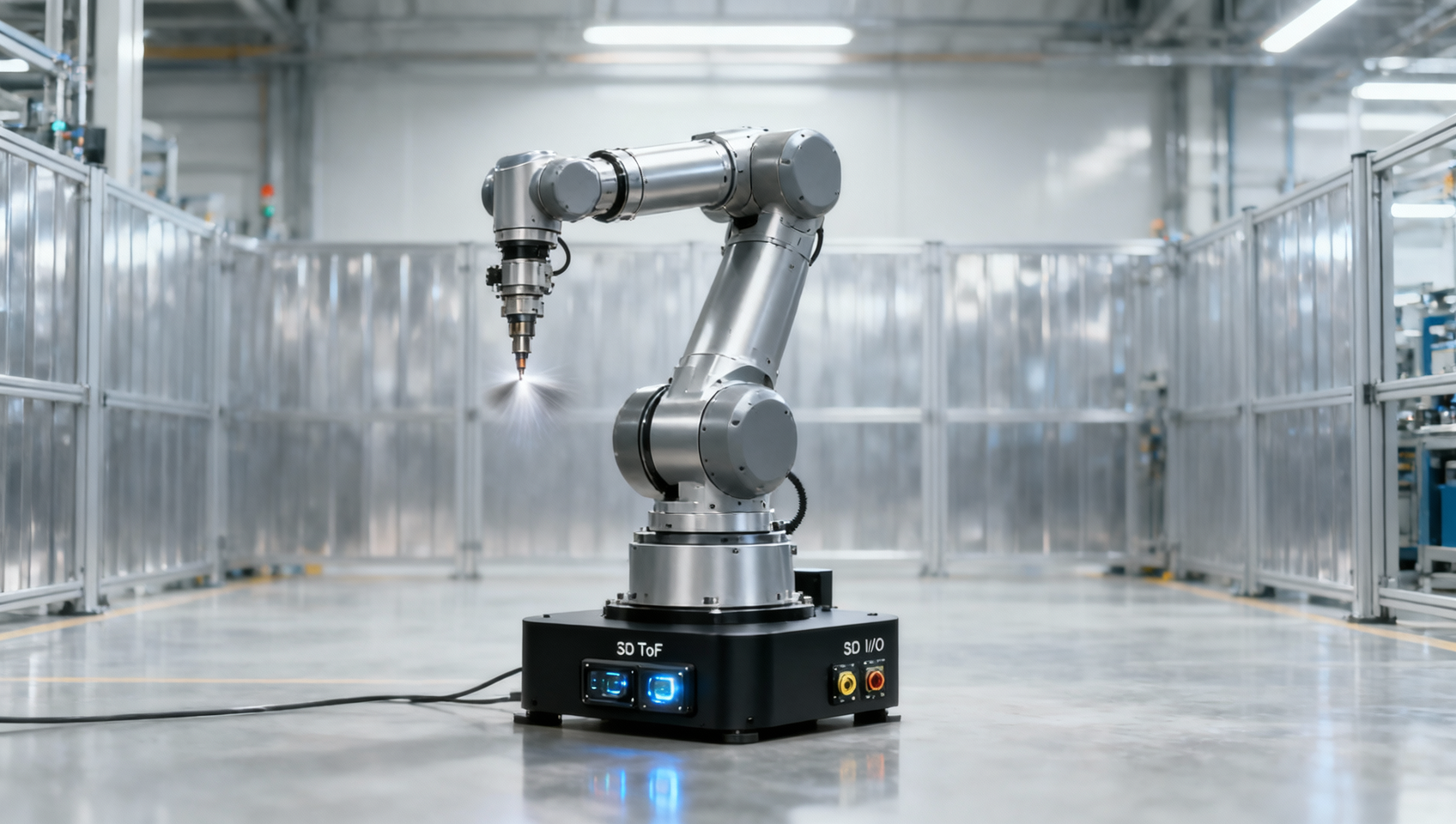
The basic architecture of industrial robots includes a mechanical arm, drive system, controller, power supply, communication interfaces, and software. Servo motors move each axis, while encoders provide position feedback. The controller interprets programmed paths and coordinates speed, acceleration, and torque to achieve the required motion and repeatability.
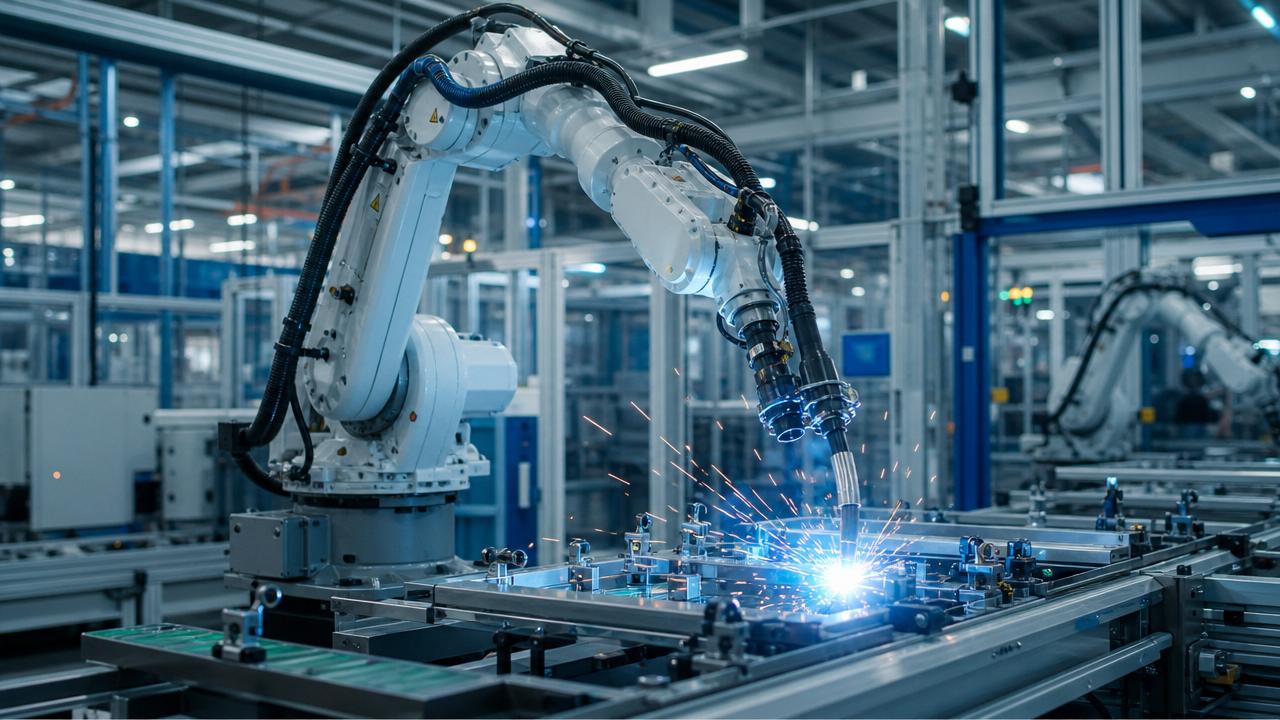
End-of-arm tooling determines what the robot actually does. A gripper may handle cartons, metal parts, or plastic components; a torch may perform welding; a dispenser may apply adhesive; and a vacuum tool may move flat materials. For this reason, tooling design often matters as much as robot selection in determining cycle time and scrap rate.
Sensors expand robot capability. Vision systems help with part location, barcode reading, and inspection. Force sensors support delicate insertion or polishing tasks. Safety sensors, interlocks, and scanners help manage human-machine interaction. Software then links these inputs to motion planning, exception handling, and production data capture.
At the cell level, integration is where technical success is won or lost. Industrial robots must coordinate with upstream and downstream equipment, PLC logic, quality checkpoints, and maintenance procedures. Buyers should therefore review communication protocols, spare parts access, and integration support early in the project.
Main Types Of Industrial Robots
Articulated robots are the most familiar type. With multiple rotary joints, they offer strong flexibility for welding, machine tending, finishing, and complex part handling. They are often selected when applications require wide reach, angled access, or future task changes.
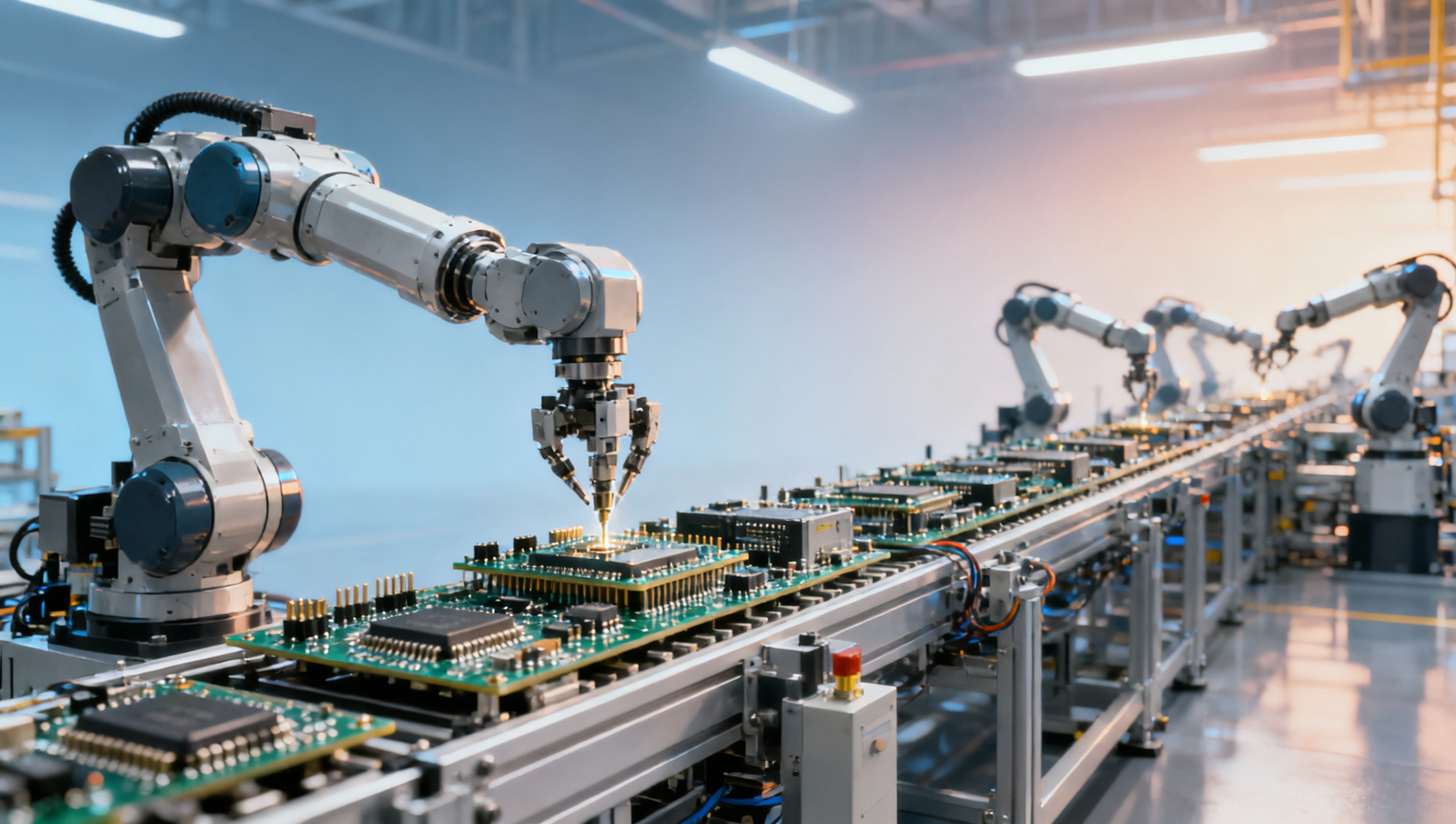
SCARA robots are commonly used for fast horizontal assembly, light payload handling, and electronics or consumer goods production. Delta robots excel in very high-speed picking, often in food or packaging lines. Cartesian robots use linear axes and are favored where rectangular motion, simple programming, or large work envelopes are priorities.
Collaborative robots, or cobots, are designed for operation with enhanced safety functions and easier deployment in certain shared environments. They can be attractive for lower-volume operations, frequent changeovers, and sites with limited automation staff. However, payload, speed, and application risk still need careful evaluation.
No single type is universally better. The right industrial robots depend on payload, reach, repeatability, cycle time, footprint, environmental conditions, and how much product variation the line must absorb over time.
Selection Criteria For Buyers
A sound selection process starts with the application itself. Buyers should define payload including tooling, required reach, target cycle time, positional repeatability, operating hours, and the type of parts being handled. It is also important to clarify whether the process is stable or likely to change within one to three years.
Environmental factors often narrow the options. Dust, moisture, oil mist, washdown requirements, temperature variation, and cleanroom or food-contact constraints can all affect robot specification and enclosure needs. A technically suitable robot can still become a poor investment if the work environment was underestimated.
Integration readiness is another key filter. Buyers should ask how the robot will connect to existing conveyors, CNC equipment, inspection systems, and factory software. Training, maintenance accessibility, programming difficulty, local service coverage, and spare parts lead times should be reviewed alongside technical specifications.
Where multiple sourcing options exist, GTIIN can add value by structuring supplier comparisons around application fit, implementation risk, and lifecycle support. This is especially useful for cross-border procurement teams that need clearer alignment between engineering requirements and purchasing decisions.
Safety, Standards, And Deployment Discipline
Industrial robots deliver productivity gains only when safety is designed into the system from the start. Core practices include risk assessment, safeguarding design, emergency stops, safe access control, lockout procedures, and validation after installation. Safety should be reviewed at the cell level, not only at the robot arm level.
Depending on market and application, buyers may need to consider common international or regional frameworks for robot safety, machinery safety, electrical systems, and operator training. Specific compliance obligations vary by country and industry, so importers and end users should confirm local requirements before purchase and commissioning.
Deployment discipline matters just as much as hardware quality. Site acceptance testing, operator training, preventive maintenance planning, and documented change control reduce avoidable downtime. Even advanced industrial robots can underperform when fixtures, guarding, or workpiece presentation are inconsistent.
For buyers evaluating automation pathways, GTIIN can help frame discussions around practical deployment issues such as line layout, operator interaction, packaging flow, and maintenance planning, which are often overlooked during early-stage sourcing.
Applications, Users, And Market Relevance
Industrial robots are relevant to manufacturers, contract packers, logistics operators, and processors seeking more stable output and lower manual handling risk. Typical users include plant managers, manufacturing engineers, automation engineers, procurement teams, and business owners planning capacity expansion or quality improvement.
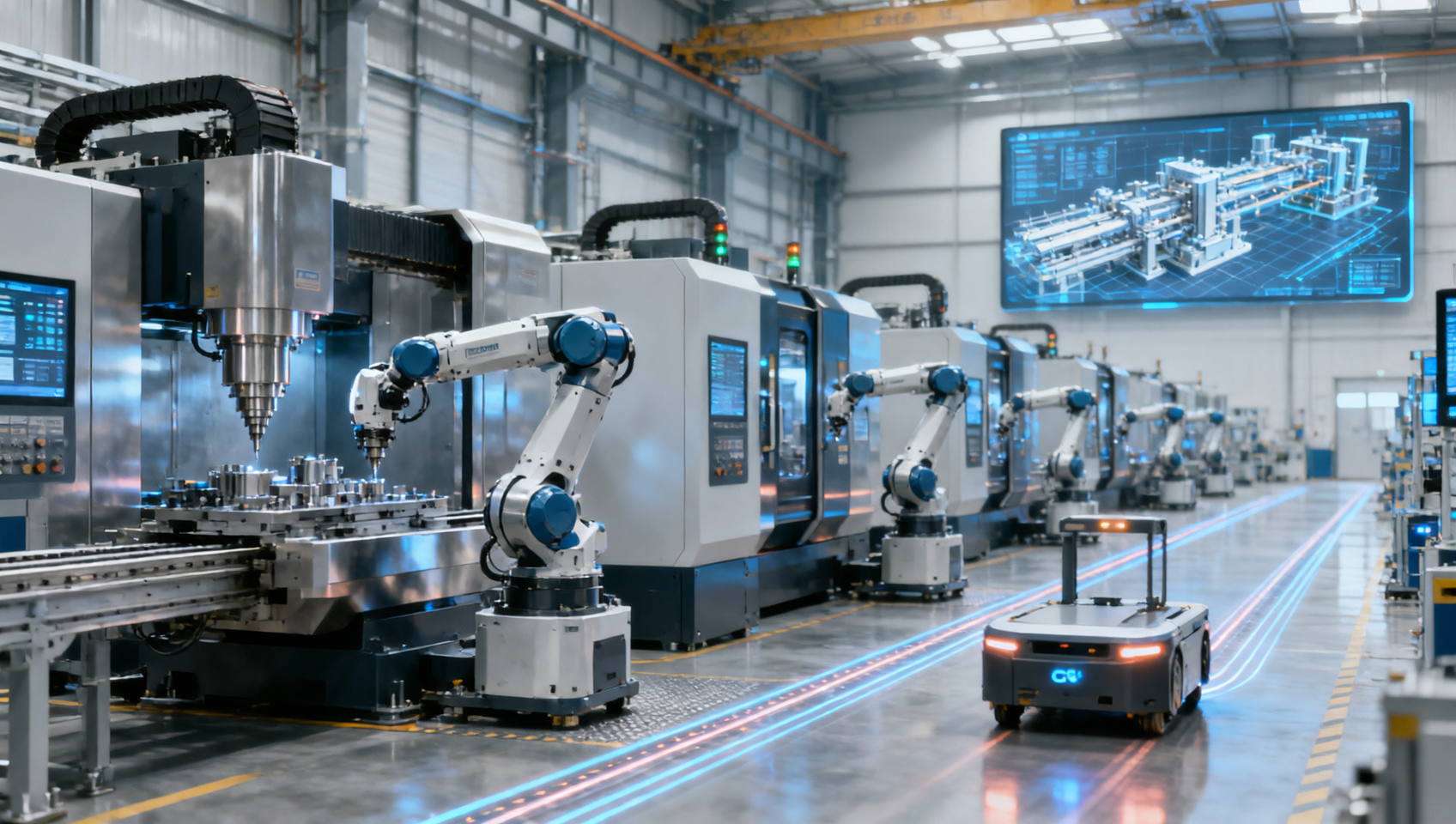
Common applications include loading and unloading CNC machines, palletizing finished goods, welding metal assemblies, handling hot or sharp parts, and performing repetitive pick-and-place tasks. In inspection workflows, robots may move parts consistently in front of cameras or sensors, improving data quality and reducing operator fatigue.
Global demand is also influenced by industrial policy, localization efforts, and smart manufacturing investment. For example, public policy discussions around domestic production of industrial robot components and related smart equipment show how strategic this category has become for supply chain resilience and industrial upgrading.
Because applications vary widely, buyers should prioritize solution fit over generic automation claims. A packaging line, a metalworking shop, and an electronics assembly cell may all use industrial robots, but their payload, hygiene, speed, and safety priorities differ significantly.
Cost, TCO, And ROI Thinking
The purchase price of industrial robots is only one part of total ownership cost. Buyers should include tooling, guarding, integration, programming, commissioning, training, changeover time, preventive maintenance, spare parts, energy use, and potential production losses during startup. These hidden costs often determine whether a project performs as expected.
ROI is usually driven by labor substitution, throughput gains, reduced scrap, lower rework, improved uptime, and safer handling of hazardous tasks. In some operations, the main financial return comes not from reducing headcount but from increasing consistency and enabling additional production without expanding floor labor at the same rate.
A practical sourcing approach is to compare three scenarios: manual operation, semi-automation, and full robot cell deployment. This helps buyers understand where industrial robots create the strongest value and where simpler automation may be enough. Sensitivity analysis should also be used for utilization rate, maintenance assumptions, and product mix changes.
For importers and industrial buyers, GTIIN can support this process by organizing supplier quotes into a more decision-ready structure, highlighting cost drivers that affect long-term value rather than short-term capital spend alone.
Future Trends In Industrial Robots
The next phase of industrial robots will be shaped by smarter software, easier programming, richer sensing, and stronger links to factory data systems. Offline simulation, digital twins, and AI-assisted vision are helping reduce deployment time while making automation more adaptable to mixed-model production.
Component localization and supply chain resilience will remain important themes. Buyers are paying closer attention to controller availability, servo components, and long-term spare parts support. This shifts procurement from a one-time machine purchase to a broader resilience strategy that includes serviceability and upgrade paths.
Human-robot collaboration will continue to grow, but success will depend on realistic use cases rather than marketing language. Cobots may expand access to automation for smaller operations, while higher-speed articulated systems will remain essential for heavy payloads, harsh environments, and complex production cells.
For companies evaluating industrial robots today, the most durable advantage comes from choosing systems that fit the process, comply with local requirements, and can be maintained and adapted over time. That is where structured evaluation, careful integration planning, and informed sourcing decisions matter most.
Related News
 China’s First Embodied AI Robot Insurance Launched in GuangxiChina’s first Embodied AI Robot Insurance launched in Guangxi—key for EU-bound service robot exporters, OEMs & compliance teams seeking faster market access.
 AI Robotics: Key Features to Compare Before You BuyAI robotics buying guide for industrial teams: compare key features, integration, safety, scalability, and ROI before you buy.
 Canton Fair Phase II 2026: China’s Smart Factory Equipment Advances Global Standard SettingCanton Fair Phase II 2026 spotlighted China’s smart factory equipment driving global standard setting — explore IEC/ISO draft proposals for robots, AGVs & digital twins.
") China’s Petrochemical Plant Upgrade Policy (2026–2029)China’s Petrochemical Plant Upgrade Policy (2026–2029) mandates safety assessments & intelligent upgrades for aging equipment—key for exporters, EPC firms, and certified equipment suppliers.
China’s Petrochemical Plant Upgrade Policy (2026–2029)China’s Petrochemical Plant Upgrade Policy (2026–2029) mandates safety assessments & intelligent upgrades for aging equipment—key for exporters, EPC firms, and certified equipment suppliers.