

AI Robotics: Key Features to Compare Before You Buy
AI robotics is transforming industrial automation, but choosing the right system requires more than comparing specs. For procurement teams, the key is to evaluate performance, integration, scalability, safety, and long-term ROI before making a purchase. This guide helps buyers identify the most important features to compare, reduce sourcing risks, and select an AI robotics solution that matches production goals and operational demands.
What AI Robotics Means in Industrial Settings
In industrial robotics, AI robotics refers to robotic systems that use machine learning, computer vision, sensor fusion, and adaptive control to perform tasks with greater flexibility than traditional automation. Instead of following only fixed programming, these systems can recognize patterns, adjust to changes in part position or quality, and improve over time through data. That makes AI robotics especially valuable in factories where product variation, labor shortages, and quality demands are increasing.
For procurement professionals, the term should not be treated as a marketing label. A system may be described as “AI-enabled” while offering only limited intelligence in practice. Buyers need to distinguish between basic automation with added analytics and true AI robotics that can support adaptive operation, real-time decision-making, and measurable process improvement.
Why the Market Is Paying Attention
The industrial robotics market is moving toward more dynamic production models. Manufacturers are under pressure to shorten changeover time, reduce defect rates, and maintain throughput even with smaller labor pools. AI robotics addresses these needs by helping robots respond to unstructured environments, varied SKUs, and inconsistent materials. This is why the technology is gaining attention in electronics, automotive components, logistics, metal processing, and general assembly.
For buyers, the business case is not just automation for its own sake. The relevant question is whether AI robotics can reduce downtime, improve utilization, and support future expansion without forcing a complete equipment replacement. Procurement teams should therefore compare features through an operational lens, not a brochure-based one.
Key Features to Compare Before You Buy
When evaluating AI robotics, procurement teams should look at the following core features. These determine whether the system can perform reliably in real production conditions.
Industry Scenarios Where AI Robotics Adds Value
Different production environments require different levels of intelligence. Understanding the main application types helps procurement teams align features with actual use cases.
How Procurement Teams Should Evaluate Vendors
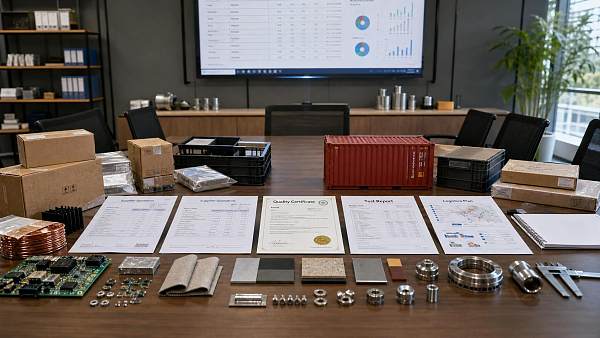
A strong AI robotics purchase decision depends on both product capability and supplier credibility. Buyers should request proof of performance in environments similar to their own, not only demo videos or generic case studies. Ask for cycle-time benchmarks, integration references, uptime data, and maintenance requirements. If the supplier cannot explain how the AI model is trained, updated, and monitored, the solution may be harder to sustain after deployment.
It is also wise to evaluate the software stack. Some AI robotics platforms require proprietary tools that limit future flexibility, while others support open interfaces and easier line expansion. For procurement teams, software lock-in can become a hidden cost that outweighs the initial equipment price.
[[IMG:img_01]]
Practical Buying Criteria That Support Long-Term ROI
Long-term ROI in AI robotics depends on adoption speed, production stability, and supportability. A system with strong performance but difficult commissioning may delay value creation. A lower-cost system with weak service support may create downtime that erodes savings. Buyers should therefore compare total cost of ownership, including installation, training, spare parts, software updates, and potential line reconfiguration.
Procurement teams should also define success metrics before purchase. Useful metrics include error reduction, throughput gain, labor redeployment, and payback period. This creates a shared basis for supplier comparison and internal approval. In many industrial projects, the best AI robotics choice is not the most advanced one, but the one that best matches current process maturity and future scaling needs.
Conclusion and Next Step
AI robotics can improve efficiency, quality, and flexibility across industrial operations, but only when the system is chosen with care. Procurement teams should compare perception, adaptability, integration, safety, scalability, and lifecycle support before committing to a purchase. By treating AI robotics as a long-term operational asset rather than a one-time equipment buy, buyers can reduce sourcing risk and improve return on investment.
For organizations exploring AI robotics, the next step is to define the production problem clearly, match it to the right application type, and request vendor evidence that reflects real factory conditions. That approach leads to smarter sourcing decisions and stronger performance after deployment.
FAQ
Q: Is AI robotics always better than traditional industrial robots?
A: Not always. Traditional robots are often enough for stable, repetitive tasks. AI robotics is most valuable when variation, inspection, or adaptability are important.
Q: What is the most important feature to compare first?
A: Start with application fit. Then compare perception accuracy, integration capability, and vendor support, because these have the biggest impact on deployment success.
Q: How can buyers reduce risk when sourcing AI robotics?
A: Use pilot testing, request measurable benchmarks, verify service coverage, and confirm that the platform can scale with future production needs.
 How trade data aggregation analytics can reveal emerging supplier marketsTrade data aggregation analytics reveals emerging supplier markets by connecting trade flows, capacity signals, logistics, and compliance insights for smarter sourcing decisions.
 When an export market analysis platform can validate demand in a new marketExport market analysis platform insights help validate new-market demand through buyer fit, regulations, logistics, competition, and profitable entry conditions.
 What is driving the beauty and personal care market in the USA?Beauty and personal care in USA is driven by targeted solutions, selective premiumization, digital discovery, clean-label trust, diverse needs, and compliance. Explore key growth opportunities.
 How trade flow monitoring reports reveal changing regional demandTrade flow monitoring reports reveal changing regional demand through import volumes, sourcing shifts, product mix, logistics signals, and regulatory trends. Explore actionable market insights.
 How international market intelligence for investors reduces market-entry riskInternational market intelligence for investors reduces market-entry risk by validating demand, regulations, logistics, and competition before capital is committed.
 How international sourcing intelligence helps identify supplier risk earlyInternational sourcing intelligence helps businesses spot supplier risks early, protect supply continuity, and make smarter global procurement decisions.
 How trade data aggregation analytics reveals emerging supplier marketsTrade data aggregation analytics reveals emerging supplier markets through export trends, input flows, logistics, and regulatory signals. Discover smarter sourcing insights.
 What industrial cluster monitoring in Vietnam reveals about site riskIndustrial cluster monitoring Vietnam reveals hidden site risks across labor, utilities, logistics, compliance, and supplier dependencies. Make smarter sourcing and expansion decisions.
 Food Technology Trends Reshaping Shelf Life, Safety, and Product InnovationFood technology is reshaping shelf life, safety, and innovation. Discover the trends helping food businesses cut risk, improve compliance, and unlock stronger global market growth.
 How electronics manufacturing services are changing with low-volume demandElectronics manufacturing services are evolving fast with low-volume demand. Learn how agile EMS partners improve flexibility, compliance, sourcing resilience, and speed to market.
 How Can Buyers Reduce Procurement Risks for Electronic Components?How to reduce procurement risks for electronic components: learn how buyers assess traceability, lead times, compliance, and supplier types to avoid costly sourcing mistakes.
 What Sourcing Intelligence India Reveals About Supplier Risk and Cost ShiftsSourcing intelligence India reveals hidden supplier risk, compliance gaps, logistics pressure, and real cost shifts—helping buyers compare vendors smarter and source with more confidence.
 Fashion Trends 2026: Which Materials, Colors, and Silhouettes Are Gaining Ground?Fashion trends 2026 spotlight tactile fabrics, mineral colors, and controlled volume. Explore the materials, shades, and silhouettes shaping smarter, more wearable style.
 Smart Device Market Outlook: Key Growth Drivers, Segments, and Business OpportunitiesSmart device market trends are shifting toward system value, industrial demand, and resilient supply chains. Explore key growth drivers, high-potential segments, and business opportunities.
 How Global Trade Intelligence Services Help B2B Firms Evaluate Markets and SuppliersGlobal trade intelligence services help B2B firms compare suppliers, assess market potential, and uncover compliance, logistics, and pricing risks before costly decisions are made.
 Manufacturing Sector Updates for Investors: What Signals Matter Most in 2025?Manufacturing sector updates for investors in 2025: track orders, margins, supply chains, regulation, and exports to spot resilient manufacturers and smarter investment signals.
 How Energy Market Intelligence Helps Businesses Track Price Risks and Demand ShiftsEnergy market intelligence helps businesses spot price risks, demand shifts, and supply pressure early—improving procurement, resilience, and faster strategic decisions.
 Precision Hardware Tools Market: Key Demand Drivers, Segments, and Growth OutlookPrecision hardware tools market trends are reshaping sourcing, compliance, and automation. Explore key demand drivers, segment shifts, regional supply patterns, and growth opportunities.
 How to Use Customs Import Data to Find Buyers, Track Competitors, and Spot Demand?Customs import data helps you find real buyers, track competitors, and spot demand shifts early. Learn practical ways to turn trade records into smarter global business decisions.
 Manufacturing Cost Analysis: 8 Cost Drivers That Change Your Unit PriceManufacturing cost analysis explained through 8 key cost drivers that impact unit price, supplier stability, and margins—learn how to compare quotes smarter and reduce sourcing risk.
 Industrial Market Realities: What Buyers Should Check Before Comparing Supplier QuotesIndustrial market realities shape every supplier quote beyond unit price. Learn what to check on compliance, lead times, logistics, and hidden cost risks before comparing offers.




















Global Trade Insights & Industry
Our mission is to empower global exporters and importers with data-driven insights that foster strategic growth.
Search News
Popular Tags
Industry Overview
The global commercial kitchen equipment market is projected to reach $112 billion by 2027. Driven by urbanization, the rise of e-commerce food delivery, and strict hygiene regulations.