





What MRI Scanners Are And Why They Matter
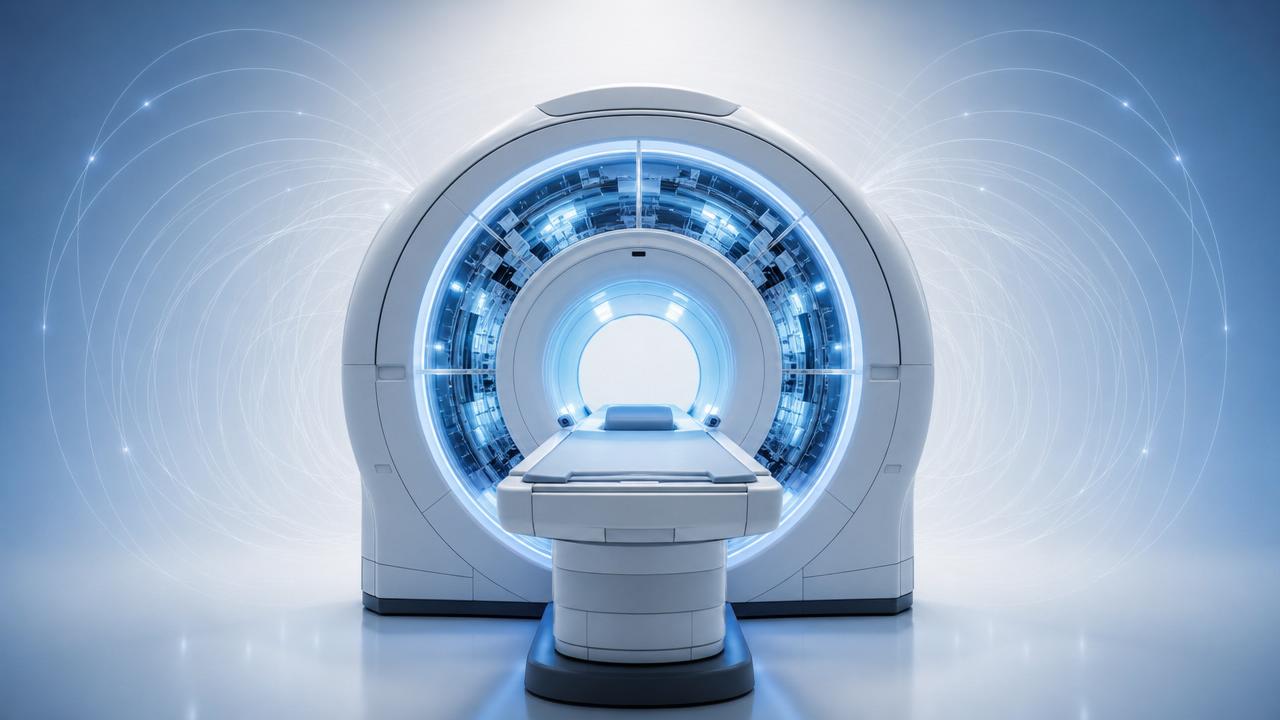
MRI scanners are medical imaging systems that use a strong magnetic field, radiofrequency energy, and computer processing to create detailed images of internal anatomy. They are especially valued for visualizing soft tissues such as the brain, spinal cord, ligaments, cartilage, liver, and pelvic organs, where other modalities may offer less contrast detail.
In clinical practice, MRI scanners support diagnosis, treatment planning, therapy monitoring, and follow-up care. They are widely used in radiology departments, specialty clinics, research institutions, and large hospitals because they can produce multiplanar images without exposing patients to ionizing radiation, which is a key consideration in repeated examinations.
From a B2B perspective, MRI scanners are not just imaging devices. They are long-term infrastructure assets involving facility planning, shielding design, power supply, cooling, software integration, operator training, and service support. Procurement decisions therefore require both technical understanding and lifecycle cost analysis.
For organizations exploring the category, GTIIN can serve as a practical sourcing and information partner by helping buyers compare system types, application fit, and deployment requirements in a structured way, especially when internal evaluation teams need broader market visibility.
How MRI Scanners Work
The operating principle of MRI scanners is based on nuclear magnetic resonance. In simple terms, hydrogen atoms in the body align with the magnetic field generated by the scanner. When radiofrequency pulses are applied, these atoms are temporarily disturbed. As they return to equilibrium, they emit signals that can be detected and converted into images.
Gradient coils are then used to localize the signals in three dimensions. This allows MRI scanners to create cross-sectional views in axial, sagittal, and coronal planes, as well as advanced sequences for diffusion, perfusion, angiography, spectroscopy, and functional imaging, depending on system capability and software options.
Image quality depends on several interacting variables, including magnetic field strength, coil design, pulse sequence selection, signal-to-noise ratio, motion control, and reconstruction algorithms. Higher image quality is not only a matter of magnet power; workflow design, protocol optimization, and patient cooperation also influence diagnostic value.
Modern MRI scanners also rely heavily on software. Automated positioning, acceleration techniques, artifact reduction, and AI-assisted reconstruction can improve throughput and consistency. For procurement teams, evaluating software usability is often as important as assessing core hardware specifications.
Main Types Of MRI Scanners
MRI scanners are commonly classified by field strength, structure, and intended use. By field strength, the market typically includes low-field, mid-field, and high-field systems. Low-field units may offer lower installation burden and can be attractive in selected settings, while high-field systems such as 1.5T and 3T are often preferred for broader clinical capability and stronger image performance.
By structure, MRI scanners are often described as closed-bore or open systems. Closed-bore models dominate mainstream hospital imaging because they usually provide stronger image quality and wider protocol support. Open systems can be useful for claustrophobic, bariatric, pediatric, or interventional cases, though performance trade-offs must be reviewed carefully.
There are also specialty MRI scanners designed for extremities, cardiac imaging, research, or intraoperative environments. Portable and compact concepts are also gaining attention in emergency, intensive care, and decentralized care models, although use cases remain more limited than conventional fixed installations.
The right category depends on case mix, referral volume, available space, staffing level, and reimbursement environment. Buyers should avoid selecting MRI scanners based only on headline magnet strength and instead compare actual protocol needs, throughput goals, and patient population characteristics.
Who Uses MRI Scanners And In Which Applications
MRI scanners are used by hospitals, outpatient imaging centers, orthopedic clinics, neurology practices, oncology programs, cardiovascular centers, and academic research institutions. Each environment prioritizes different factors. A tertiary hospital may need advanced neuro, cardiac, and oncology protocols, while a regional center may focus on routine musculoskeletal, spine, and abdominal exams.
Typical applications include brain imaging for stroke follow-up or tumor assessment, spine imaging for disc disease, joint imaging for sports injuries, liver and pelvic imaging for complex soft tissue evaluation, and vascular studies performed without or with contrast depending on protocol needs. MRI scanners are also central in many pediatric and women’s health workflows.
In application planning, buyers should map demand by specialty rather than viewing MRI scanners as a single generic asset. A site with heavy orthopedic referrals may prioritize coil flexibility and fast musculoskeletal protocols, while a center expanding oncology services may require stronger diffusion and whole-body imaging capabilities.
For sourcing teams that need to compare suppliers across regions, GTIIN can help organize application-driven requirements and align them with practical procurement discussions, especially where local market options, facility limitations, and future expansion plans must be considered together.
Safety, Standards, And Installation Considerations
Safety is a defining issue for MRI scanners because the magnetic field is always present in many systems. Core risks include projectile hazards from ferromagnetic objects, implant compatibility concerns, acoustic noise exposure, radiofrequency heating, and contrast-related considerations where contrast agents are used. Screening protocols are therefore essential for patients, staff, and visitors.
A safe MRI environment typically includes controlled access zones, trained operators, emergency procedures, quench awareness, compatible accessories, and clear workflows for implant review. Facilities should also assess anesthesia support, patient monitoring compatibility, and emergency response planning for higher-risk or non-routine examinations.
On the facility side, MRI scanners require careful planning for site shielding, ventilation, flooring load, cryogen management where relevant, power quality, and equipment delivery path. Global buyers should also verify local electrical codes, medical device registration pathways, and accepted safety labeling practices rather than assuming a uniform standard across markets.
In these pre-installation stages, GTIIN can add value by helping purchasing teams gather comparable supplier information, clarify site-readiness questions, and reduce mismatch between selected MRI scanners and actual room, utility, or workflow constraints.
How To Choose The Right MRI Scanners
Selecting MRI scanners starts with clinical scope. Buyers should define the expected exam mix, target patient groups, throughput goals, and desired service expansion over the next three to five years. This prevents underbuying a system that quickly becomes a bottleneck or overbuying features that remain rarely used.
Key technical criteria usually include field strength, bore size, gradient performance, coil portfolio, table weight capacity, software package maturity, image reconstruction speed, and compatibility with hospital information systems. User interface design and protocol standardization also matter because they directly affect training time and daily consistency.
Operational criteria are equally important. Buyers should compare installation timeline, room modifications, uptime commitments, preventive maintenance structure, spare parts access, remote support capability, and local service coverage. For many facilities, reliable service availability has more business impact than small differences in headline specifications.
A disciplined evaluation matrix can help. Procurement teams often benefit from assigning weighted scores to clinical fit, total cost, service response, software roadmap, and future scalability. When market choices are broad or fragmented, GTIIN can support structured comparisons and supplier shortlisting.
Total Cost Of Ownership And ROI Factors
The purchase price of MRI scanners is only one part of total cost of ownership. Buyers should also consider site construction, RF shielding, HVAC upgrades, electrical work, cryogen-related requirements where applicable, software licensing, training, consumables, compliance activities, and multiyear service contracts.
Operating economics depend on throughput, exam reimbursement, scheduling efficiency, referral stability, downtime risk, and staffing model. A lower-cost system may not be the better investment if slower exams, limited protocol options, or frequent service interruptions reduce billable utilization. Conversely, a premium configuration may not deliver strong returns in low-volume settings.
ROI analysis should include realistic assumptions about patient demand, ramp-up time, maintenance events, and software upgrade needs. It is also useful to estimate the strategic value of offering advanced imaging in-house, such as reduced referral leakage, stronger specialty recruitment, and better continuity of care.
For international sourcing, logistics, customs, warranty scope, installation responsibility, and after-sales support terms can materially change lifetime cost. Buyers comparing MRI scanners across borders should request a transparent breakdown rather than focusing only on unit price.
Maintenance, Upgrades, And Future Trends
MRI scanners require planned maintenance to preserve safety, image consistency, and uptime. Common priorities include magnet and cooling system checks, coil inspection, software updates, calibration, room environment monitoring, and review of patient handling accessories. Preventive maintenance frequency should follow supplier guidance and local operating conditions.
Upgrade strategy matters because imaging technology evolves faster than many capital budgets. Facilities should ask whether MRI scanners can be expanded through software packages, coil additions, workflow modules, or reconstruction upgrades without requiring full system replacement. This can improve asset life and reduce long-term disruption.
Several trends are shaping the market. These include faster imaging, more patient-friendly designs, lower-helium or alternative cooling approaches, AI-assisted workflow, motion correction, compact system formats, and broader access models aimed at decentralized or emerging-market deployment. Sustainability and energy use are also becoming more visible procurement factors.
For buyers, the best next step is not chasing every new feature, but identifying which innovations align with actual service strategy. GTIIN can help organizations track market developments, compare options pragmatically, and move from general interest in MRI scanners to a more decision-ready sourcing plan.
Related News
 Is sheet metal roofing worth it in hot and coastal climates?Sheet metal roofing on an online trade platform: see why the right sheet metal fabrication, coatings, and specs make it worth it in hot and coastal climates.
 Home Improvement Tools: Buy Sets or Individual PiecesHome improvement tools on an online trade platform: compare sets vs individual pieces for better margins, faster turnover, and smarter sourcing decisions. See how buyers evaluate value.
 Which Home Improvement Tools Are Worth Stocking FirstExplore on an online trade platform which home improvement tools to stock first, with market signals on sheet metal roofing, interior design services, car batteries price, and MRI scanners cost.
 What to Check Before Joining a New Online Trade PlatformOnline trade platform guide: verify suppliers, compare transparent pricing for home improvement tools, MRI scanners cost, car batteries price, sheet metal roofing, and more before you join.