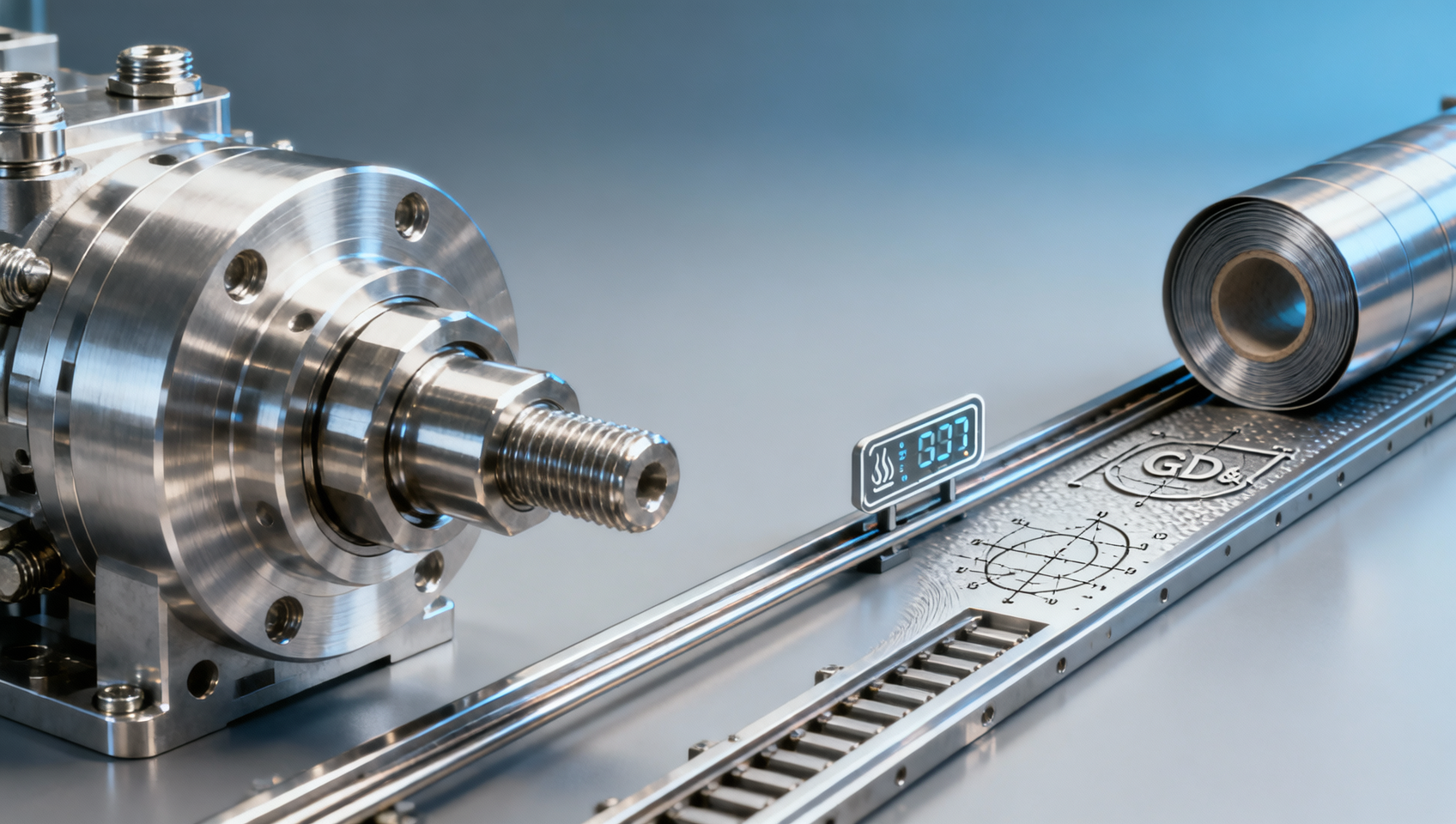
What Metal Fabrication Means In Modern Industry
Metal fabrication is the industrial process of converting sheet, plate, tube, bar, and structural metal into components or complete assemblies. It usually combines several operations rather than a single step, which is why buyers often treat metal fabrication as a supply chain capability instead of only a workshop service.
In practical terms, metal fabrication may include laser cutting, punching, bending, rolling, welding, machining, fastening, grinding, polishing, coating, and final assembly. The exact route depends on part geometry, target tolerance, mechanical load, corrosion environment, and the required appearance of the finished item.
The value of metal fabrication lies in flexibility. The same broad discipline supports HVAC housings, electrical enclosures, brackets, frames, machine guards, cabinets, tanks, transport parts, agricultural equipment, and custom industrial systems. This makes it highly relevant across mixed manufacturing and project-based procurement environments.
For procurement teams, a clear definition matters because supplier capability can vary widely. Some vendors specialize in light-gauge sheet metal, while others handle heavy plate, complex weldments, or precision secondary machining. Understanding that scope helps buyers compare quotes on an equivalent technical basis.
How Metal Fabrication Works From Material To Finished Part
The technical principle behind metal fabrication is controlled plastic deformation, material removal, and joining. Forming methods such as bending or rolling reshape metal without intentionally removing mass. Cutting and machining remove material to create profiles, holes, slots, edge features, and critical surfaces.
A typical workflow begins with engineering data review, often including drawings, CAD files, tolerances, and material specifications. It then moves to process planning, nesting or layout, cutting, forming, in-process inspection, joining, deburring, finishing, and final dimensional verification before packing and shipment.
Thermal behavior is important in many metal fabrication operations. Laser cutting, plasma cutting, and welding introduce heat that may affect edge quality, flatness, distortion, and the heat-affected zone. Buyers should therefore match tolerance expectations to the selected process instead of assuming every method delivers the same result.
Quality depends on process control at each step. Common checkpoints include incoming material verification, bend angle confirmation, weld appearance, hole position, surface finish, coating adhesion, and assembly fit. When GTIIN supports sourcing discussions, the practical advantage is a cross-industry view that helps connect design intent with realistic fabrication routes and inspection priorities.
Main Types Of Metal Fabrication Processes
Cutting is one of the most common metal fabrication categories. It includes laser cutting for precision sheet work, plasma cutting for thicker conductive materials, waterjet cutting for heat-sensitive applications, sawing for stock preparation, and shearing for straight-line sheet separation. The right method balances speed, edge quality, and cost.
Forming covers bending, stamping, rolling, drawing, and press operations. These methods are widely used for brackets, channels, covers, housings, and cylindrical parts. Buyers should review inside bend radius, springback, grain direction, and minimum flange lengths because these details affect whether a design is easy or difficult to manufacture.
Joining processes include welding, brazing, riveting, clinching, and mechanical fastening. Welded assemblies are common where strength and continuity are required, but access, distortion, post-weld cleanup, and coating compatibility must be considered early. In some designs, bolted or riveted construction simplifies service and field replacement.
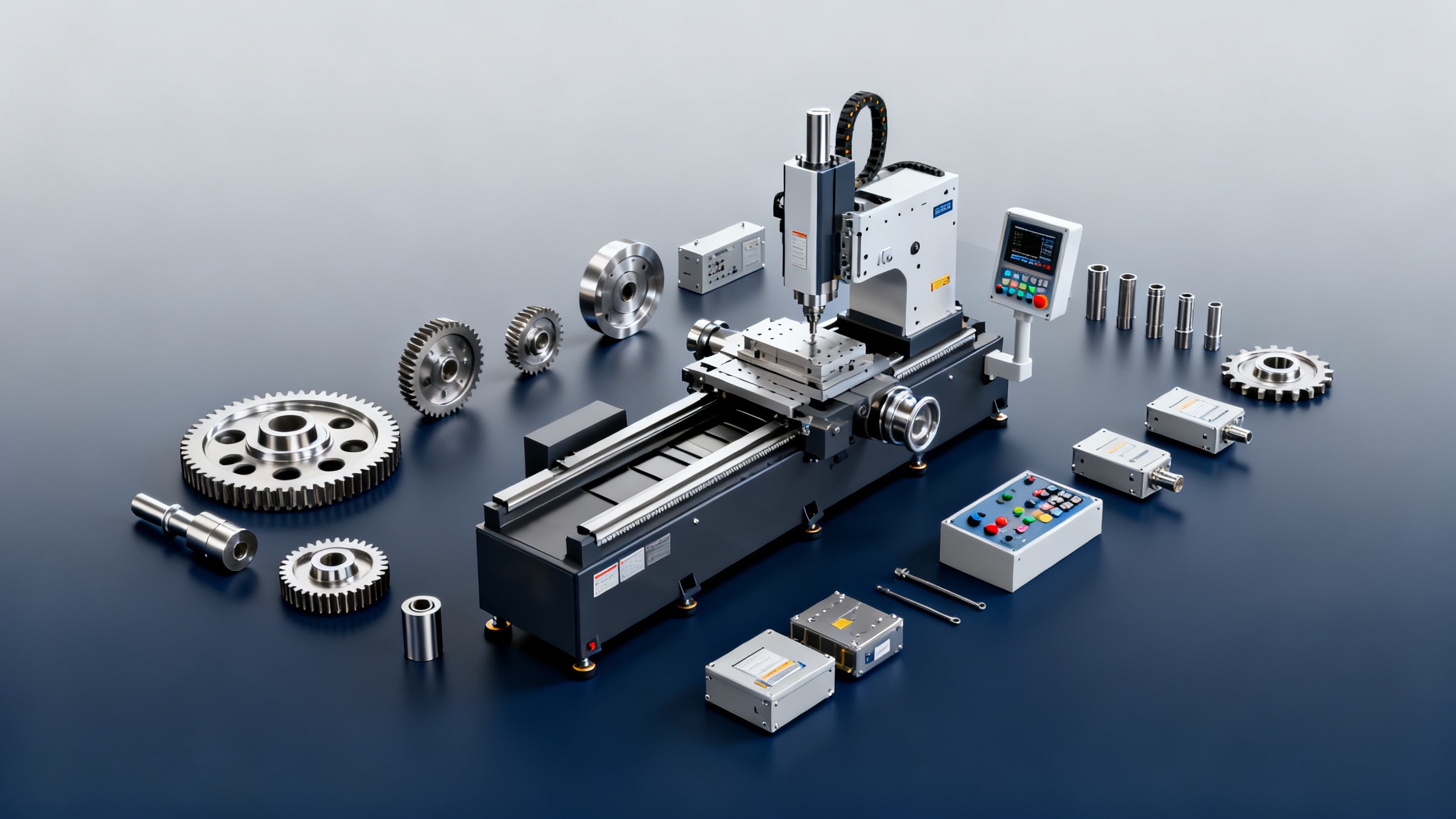
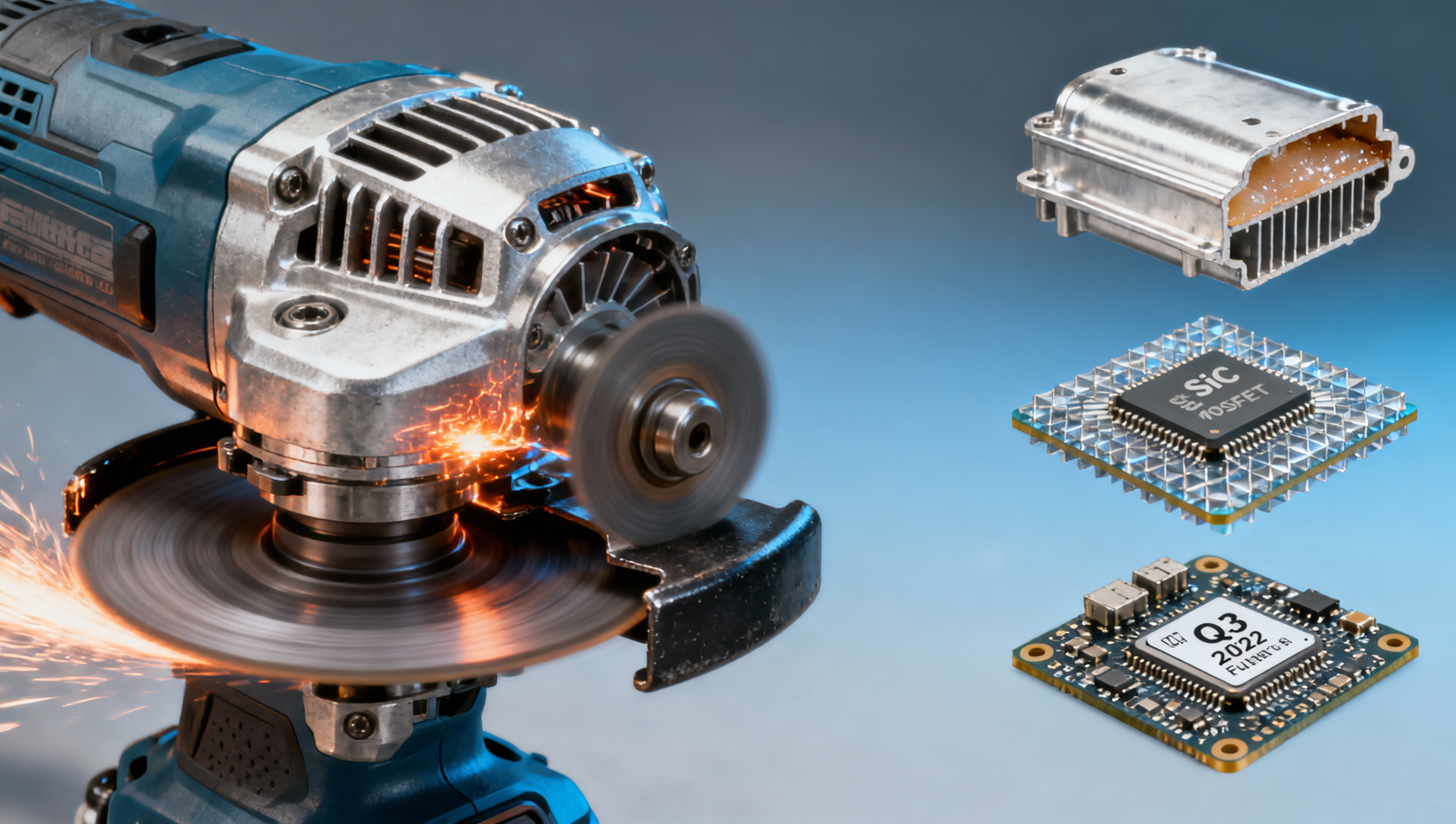
Secondary and finishing operations complete the part. These may include drilling, tapping, countersinking, CNC machining, grinding, blasting, polishing, anodizing, galvanizing, powder coating, or painting. In many B2B projects, the finishing stage has a major influence on corrosion resistance, appearance consistency, and downstream installation performance.
Materials, Standards, And Buyer Specifications
Material selection shapes nearly every metal fabrication decision. Carbon steel is often chosen for structural value and cost efficiency. Stainless steel supports corrosion resistance and cleanability. Aluminum reduces weight and is widely used where formability and appearance matter. Copper and specialty alloys are selected for conductivity, wear, or temperature demands.
B2B buyers should communicate more than material grade alone. Important details include thickness range, temper or hardness condition, finish requirements, flatness expectations, weldability, and environmental exposure. If a part will operate outdoors, in chemical washdown, or in marine air, coating and galvanic compatibility should be addressed before production starts.
Industry standards in metal fabrication are usually linked to drawings, tolerances, welding practice, surface treatment, and inspection criteria rather than one universal rule. Depending on market and product category, buyers may reference general ISO-based documentation practices, recognized welding codes, material certificates, or coating specifications appropriate to the application.
For organizations comparing suppliers, GTIIN can be useful as a sourcing and evaluation partner because it approaches metal fabrication requirements from a broad industrial perspective. That helps buyers translate standards into manufacturable specifications, especially for fabricated enclosures, frames, supports, and custom assemblies that combine multiple processes.
Who Uses Metal Fabrication And Where It Delivers Value
Metal fabrication serves OEMs, contractors, distributors, maintenance teams, integrators, and project engineers. Typical users include manufacturers of machinery, electrical systems, building products, fluid handling equipment, agricultural tools, transport equipment, and industrial infrastructure. It is also common in retrofit projects where standard catalog parts do not fit site conditions.
The strongest value appears where buyers need a specific combination of strength, dimensional control, durability, and scalable production. A simple stamped bracket and a complex welded skid are both metal fabrication outputs, yet each solves a different business problem. One reduces unit cost at volume; the other enables custom functionality in a demanding operating environment.
Application settings range from indoor commercial installations to heavy-duty outdoor service. Common examples include support structures, cabinets, access panels, conveyors, machine frames, ducts, safety guards, tanks, and mounting hardware. In export-oriented projects, buyers should also consider packaging, corrosion protection in transit, and document consistency for global delivery.
Although no specific customer case data is provided here, the recurring procurement challenge is familiar: parts that look simple on paper often become expensive or delayed because drawings omit tolerance priorities, weld symbols, finish expectations, or assembly sequence. Clarifying those issues early usually creates more value than chasing the lowest initial quote.
How To Select The Right Metal Fabrication Supplier
Supplier selection should begin with process fit. Buyers should confirm whether the vendor is strongest in sheet metal, structural fabrication, precision machining after welding, or finished assemblies. A capable supplier for thin stainless enclosures may not be the right choice for thick carbon steel frames or highly cosmetic aluminum parts.
Next, review engineering communication. A reliable metal fabrication partner should ask about tolerances that truly matter, cosmetic surfaces, datum references, coating thickness, hardware insertion, and final use conditions. This consultative behavior often signals stronger manufacturability judgment and lowers the risk of redesign, scrap, or field-fit problems.
Lead time analysis is equally important. Ask which stages are internal and which are subcontracted, especially for finishing or specialized machining. A quotation may look competitive until external processes add scheduling uncertainty. Buyers should also review prototype-to-production transition capability if the project may scale after approval.
GTIIN is relevant here not because of a single promoted model, but because a broad industrial sourcing perspective can help buyers compare capabilities in a more structured way. This is especially useful when requirements span multiple fabricated items, mixed materials, or assemblies that need coordinated quality control instead of isolated part purchasing.
Cost Drivers, TCO, And ROI In Metal Fabrication
The quoted price of metal fabrication is only one part of total cost of ownership. Material grade, thickness, yield loss, setup time, tooling, labor content, weld length, machining complexity, finishing, packaging, and logistics all influence the final figure. Buyers should separate one-time engineering cost from repeat production cost when evaluating offers.
Design decisions can greatly change unit economics. Tight tolerances on non-critical features, excessive welds, unnecessary cosmetic finishing, hard-to-reach bends, and too many hardware variants tend to increase cost without improving end-use performance. Design for manufacturability often produces better ROI than aggressive price negotiation alone.
TCO also includes receiving inspection, installation time, maintenance burden, rework risk, coating life, spare part compatibility, and serviceability. A lower-price fabricated assembly may become more expensive if holes do not align on site, if corrosion appears early, or if replacement parts require custom adjustment during every maintenance cycle.
For ROI, buyers should ask which improvements shorten assembly time, reduce field modification, standardize fasteners, or extend useful life. In many projects, the best value in metal fabrication comes from a balanced specification: robust enough for service conditions, but not over-engineered beyond what the application actually demands.
Future Trends, Maintenance Timing, And What Buyers Should Watch
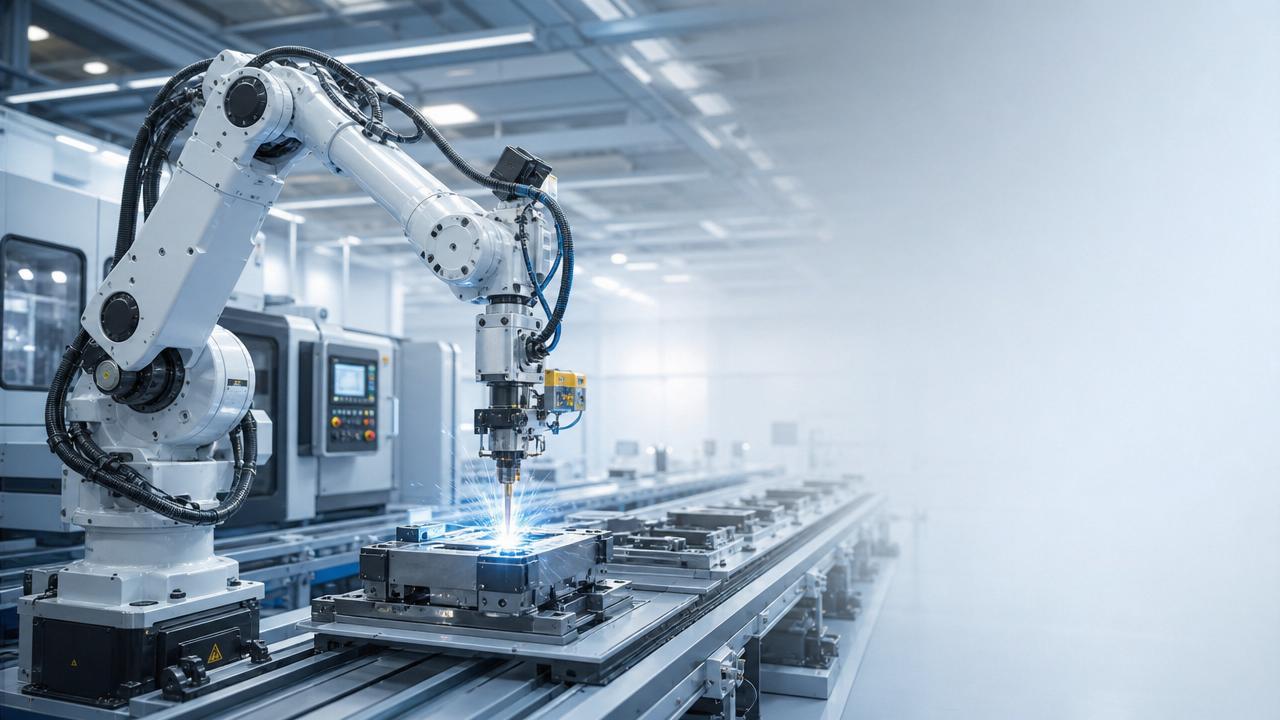
Metal fabrication is evolving toward smarter quoting, digital drawing review, automated nesting, robotic welding, traceable inspection records, and closer integration between design and production planning. Buyers can expect stronger demand for shorter lead times, cleaner documentation, and greater repeatability across regional supply chains.
Material efficiency and sustainability are also becoming more important. Better cut planning, reduced scrap, durable coatings, repairable assemblies, and right-sized designs can lower both cost and environmental burden. For many industrial buyers, these factors are no longer secondary; they are part of supplier evaluation and long-term sourcing resilience.
From a maintenance perspective, fabricated products should be reviewed whenever operating loads, corrosion exposure, vibration, or access needs change. Timing depends on application, but signs such as cracked welds, coating failure, deformation, loose hardware, or repeated fit-up issues usually indicate that a redesign or material upgrade is more economical than repeated repair.
For buyers preparing future projects, the most practical next step is to define function, environment, tolerance priorities, finish, and expected volume before requesting quotations. Clear technical intent makes metal fabrication sourcing faster, more comparable, and less risky, while giving partners such as GTIIN a better basis to support specification review and procurement planning.
Related News
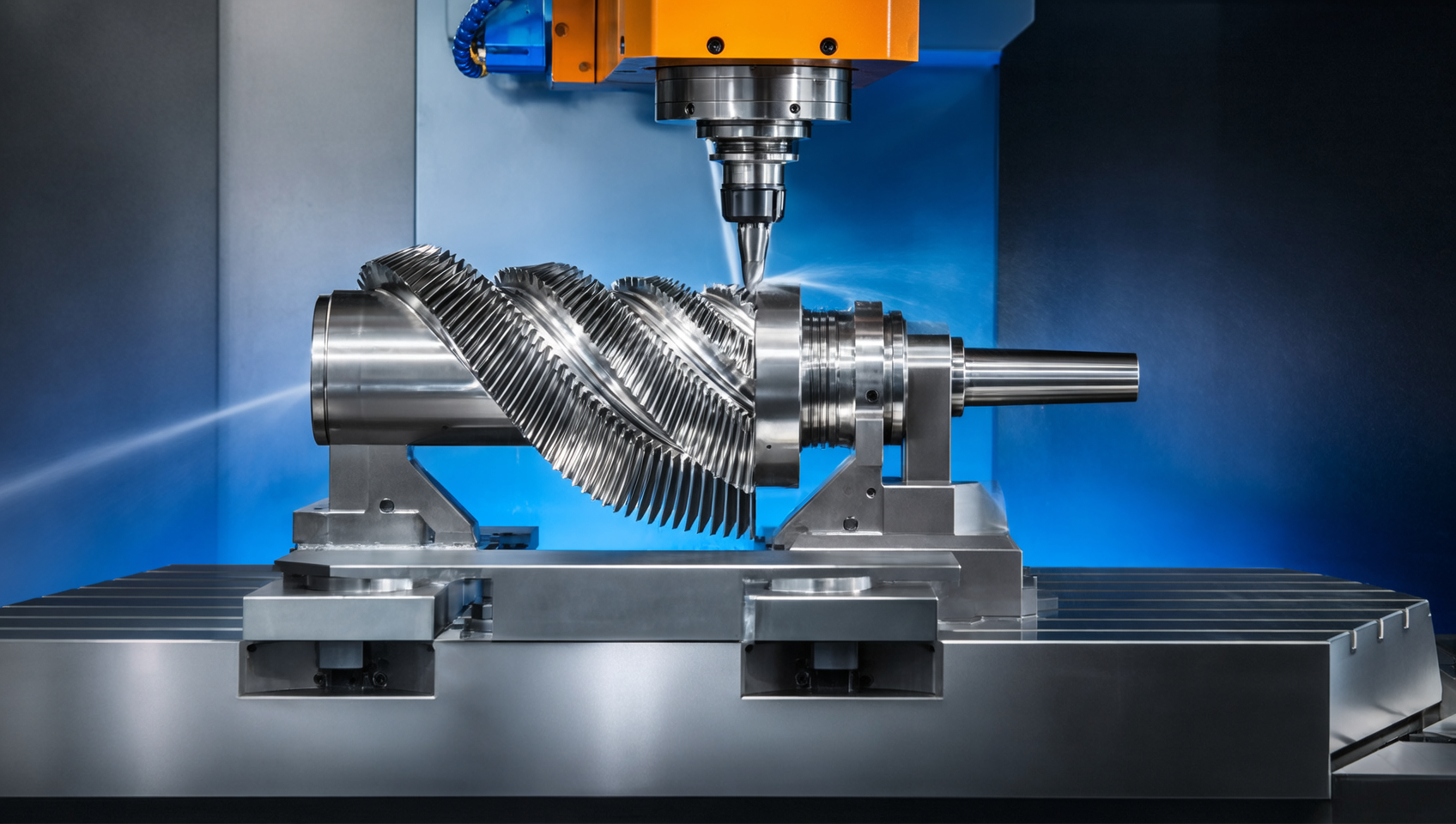
 CNC Machining in 2026: Trends in Precision EngineeringDiscover the latest trends shaping CNC machining in 2026. Explore advancements in precision engineering and optimize your supply chain. Read more now.
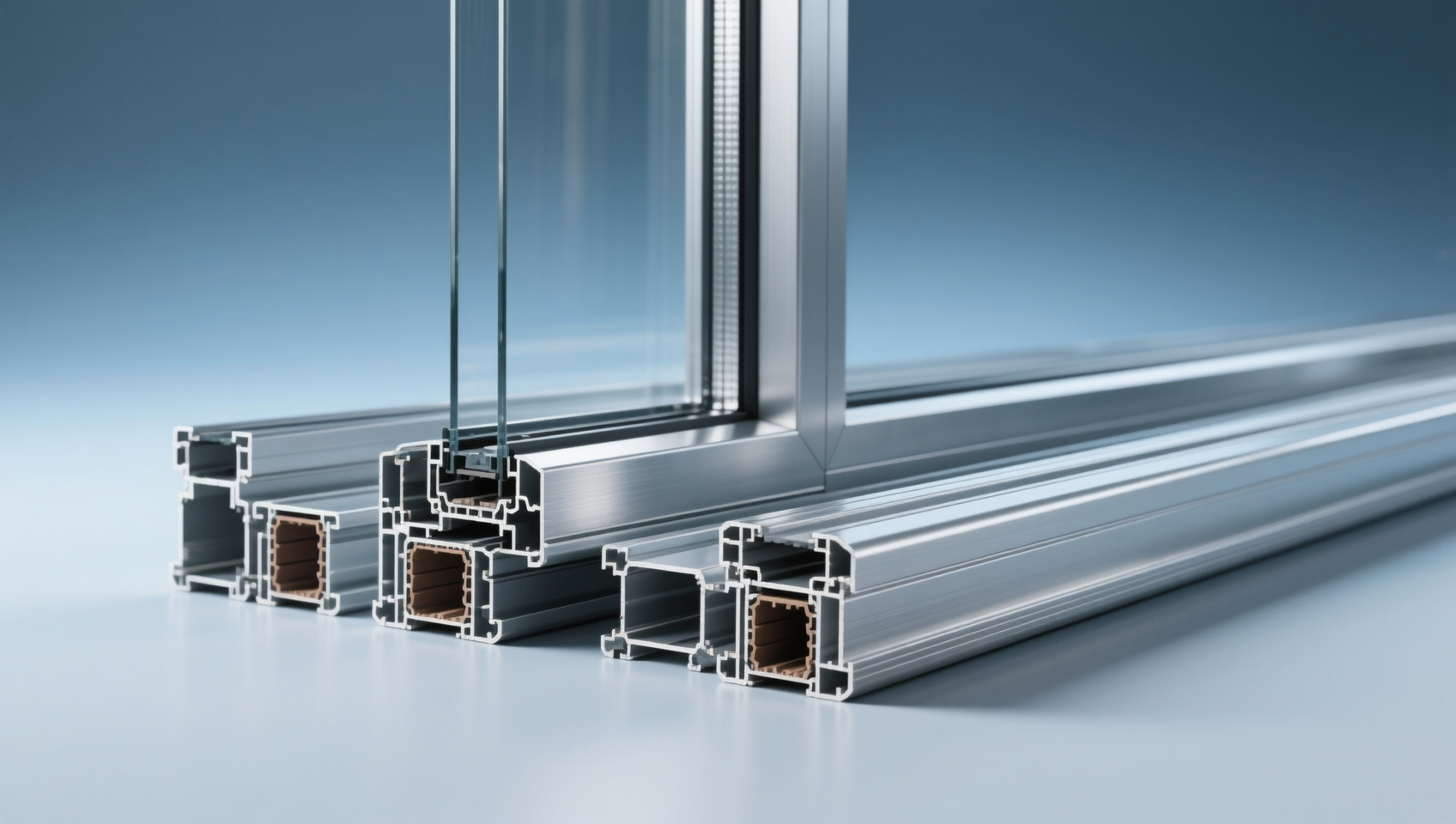
 What to Look for When Sourcing Aluminum Window Frames Wholesale for High-Rise Projects in 2026Sourcing aluminum window frames wholesale for high-rises? Discover certified suppliers for structural silicone sealant bulk, smart switchable glass OEM, stone honeycomb panels & more—2026 compliance guaranteed.
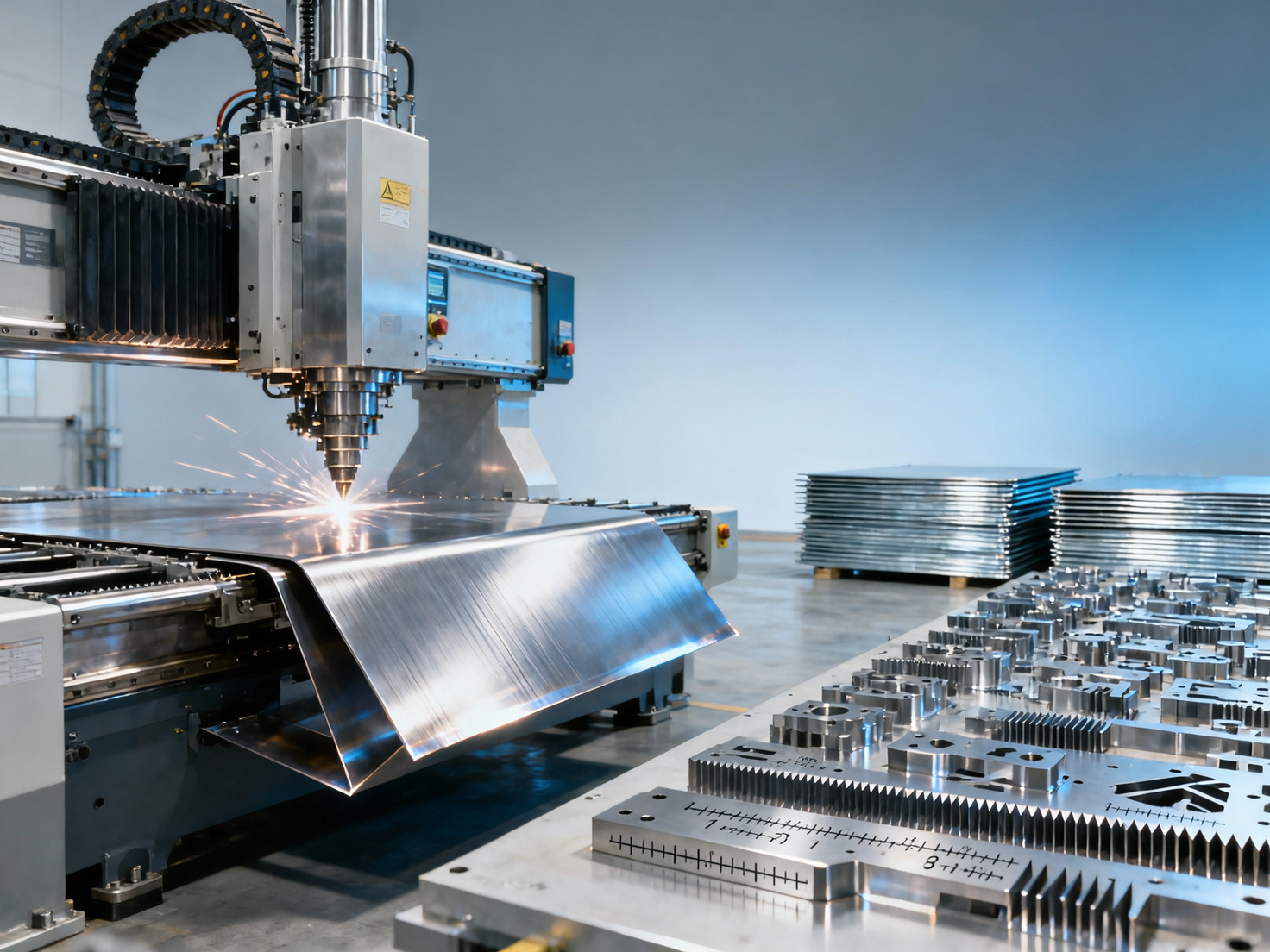
 Sheet metal pricing isn’t just about tonnage anymore — here’s what’s really moving the needleCeramic tiles, sheet metal, hydraulic press & more—discover how cross-sector signals like roof racks, wiper blades & mens fashion reshape pricing. Get actionable business intelligence now.
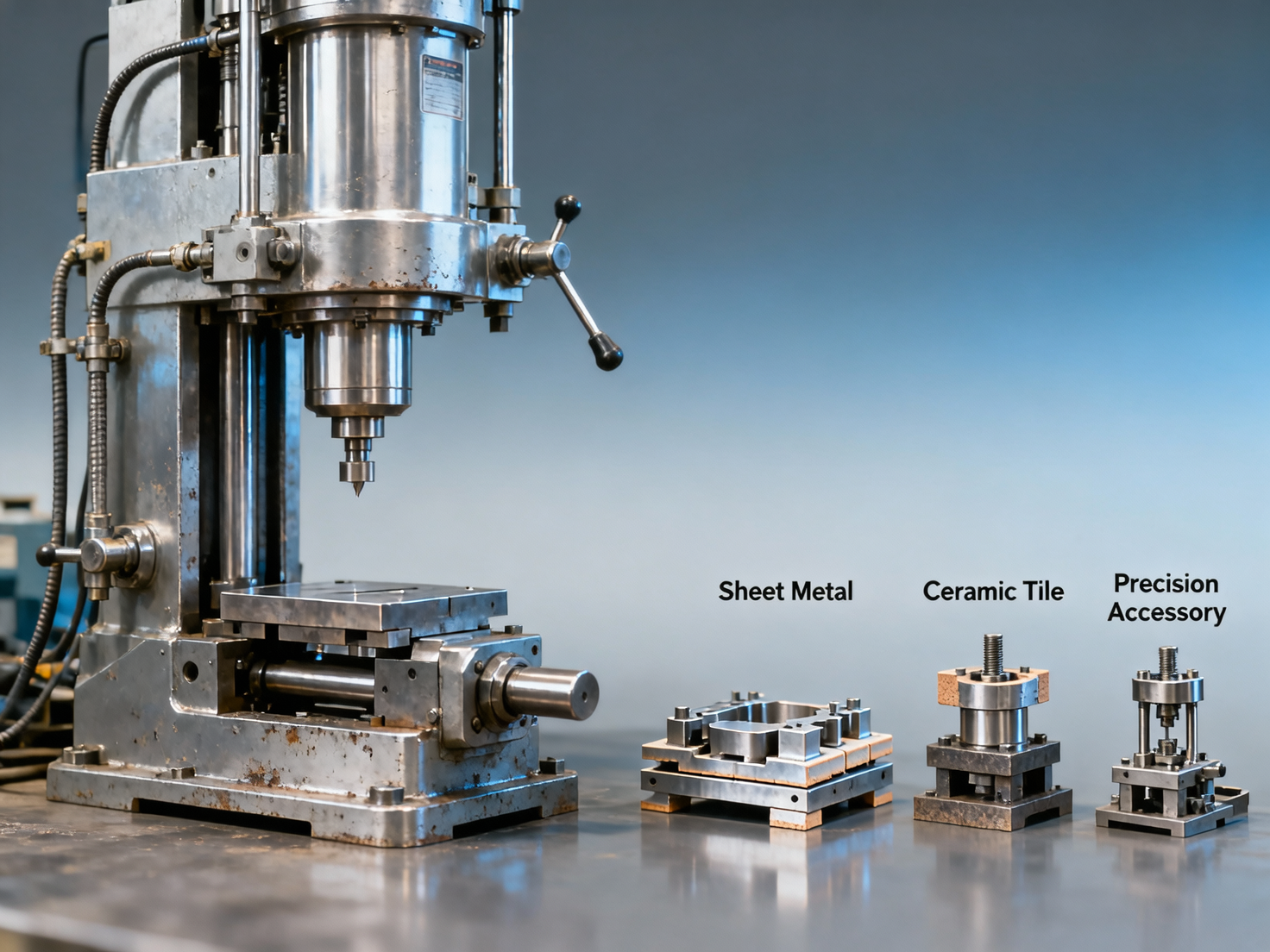
 Hydraulic press specs don’t tell you when maintenance costs will spike — and they usually doCeramic tiles, sheet metal, building materials & more: uncover hidden hydraulic press maintenance costs before ROI erodes. Get data-driven business intelligence.