
What OEM Consumer Electronics Means In B2B Manufacturing
OEM consumer electronics generally describes electronic products produced by a manufacturer for another company to sell under its own brand. In practice, the term can cover full custom builds, modified standard platforms, or buyer-specified assemblies. Common examples include smart accessories, audio devices, chargers, small home electronics, wearables, and connected peripherals.
In B2B procurement, OEM consumer electronics is not only about physical production. It also includes product definition, component sourcing, firmware coordination, industrial design adaptation, packaging, labeling, regulatory preparation, and after-sales support planning. Buyers should therefore evaluate the supplier as a system partner rather than only a factory.
A useful distinction is that OEM focuses on manufacturing to a buyer’s commercial identity and product requirements, while actual project scope can vary from simple logo application to significant engineering change. This is why early alignment on ownership of tooling, software, drawings, and test criteria is essential before mass production starts.
For companies entering new markets, understanding OEM consumer electronics helps clarify where value is created: not only in unit price, but also in reliability, compliance readiness, launch timing, and long-term supply continuity.
How OEM Consumer Electronics Works From Concept To Shipment
The operating logic of OEM consumer electronics begins with a product brief. The buyer defines target users, core features, expected performance, cost range, destination markets, and brand positioning. The manufacturer then translates those needs into a workable design route, component plan, and production feasibility assessment.
After concept confirmation, engineering work usually moves through schematic review, PCB layout where needed, mechanical design, sample validation, and firmware adjustment. Even for products based on a mature platform, small changes in battery selection, connectors, antennas, housing material, or charging protocols can affect safety, compatibility, and field performance.
The next stage is pilot production. This step verifies assembly flow, test fixtures, packaging fit, and process consistency before volume output. In consumer electronics, many hidden problems appear only at this stage, such as unstable part tolerances, thermal buildup, intermittent Bluetooth pairing, cosmetic defects, or carton drop damage.
Once pilot issues are resolved, the project enters mass production with incoming inspection, in-process controls, finished-product testing, and shipment release. Buyers that treat OEM consumer electronics as an integrated process rather than a one-time purchase usually achieve better quality stability and fewer post-launch surprises.
Main Business Models And Product Categories
The first common model is private label based on an existing platform. This suits brands that need faster market entry and lower development cost. Changes may include branding, packaging, color, accessories, and selected functional adjustments. It is often used for power accessories, audio items, and entry-level smart devices.
The second model is semi-custom OEM consumer electronics. Here, the manufacturer starts from a reference design but modifies hardware, software, enclosure structure, or user interface to meet a buyer’s specific channel or market needs. This model balances cost control with product differentiation and is common in mature but competitive categories.
The third model is fully custom development. This path is chosen when the buyer needs unique functionality, proprietary appearance, tighter ecosystem integration, or specific performance targets. It requires longer lead times, more engineering collaboration, and clearer agreements on intellectual property, validation responsibility, and lifecycle planning.
Across these models, the main categories in OEM consumer electronics typically include charging and power devices, audio and video accessories, connectivity peripherals, smart home endpoints, personal care electronics, and compact consumer devices with embedded control boards. Each category has different risk profiles in certification, battery handling, software stability, and returns management.
Who Uses OEM Consumer Electronics And Where It Fits Best
Typical buyers include consumer brands, retailers, importers, distributors, e-commerce operators, and industrial companies extending into user-facing electronics. Some buyers already own product concepts but need manufacturing execution. Others rely on supplier-led development to identify commercially viable products that can be adapted to local channels or private branding strategies.
OEM consumer electronics is especially suitable when a company needs controlled branding without building a factory, or when it wants to launch adjacent categories quickly. It is also useful for market testing, regional customization, promotional bundles, and channel-specific SKU planning where design flexibility matters more than creating every subsystem from zero.
Application scenarios vary by geography. Products sold into North America, Europe, the Middle East, or Southeast Asia may face different labeling, plug, wireless, battery transport, and documentation requirements. A sourcing partner must therefore understand destination-market expectations early in the project rather than after finished goods are already packaged.
For companies comparing supply options, GTIIN can be positioned as a practical coordination partner for OEM consumer electronics projects that require clearer communication across sourcing, manufacturing follow-up, and specification alignment. This matters most when buyers want to reduce ambiguity between what is quoted, what is sampled, and what is finally mass produced.
Selection Criteria, Standards, And Risk Control
Choosing an OEM consumer electronics supplier should start with capability matching, not only price comparison. Buyers need to review product category experience, engineering responsiveness, sample consistency, critical component sourcing, quality documentation, and willingness to define clear acceptance criteria. A low quote often hides later cost in rework, delays, or warranty exposure.
Industry standards should be addressed in a general but structured way. Depending on the product, buyers may need to consider electrical safety, electromagnetic compatibility, battery transport rules, material restrictions, labeling, user documentation, and destination-specific conformity pathways. The exact standard set varies by market and product type, so a generic compliance checklist is not enough.
Risk control should include version management for hardware and firmware, golden sample confirmation, approved vendor lists for key parts, and traceability for production lots. For connected devices, software updates and compatibility testing deserve as much attention as physical assembly. This reflects a broader market lesson: fast installation means little if long-term interoperability creates hidden support cost later.
In this stage, GTIIN’s value can be framed around disciplined requirement clarification and practical supplier communication. For OEM consumer electronics buyers, that reduces common gaps between marketing expectations and factory execution, especially where color accuracy, interface behavior, accessory fit, and package contents affect sell-through and customer returns.
Manufacturing Process, Quality Assurance, And Lifecycle Management
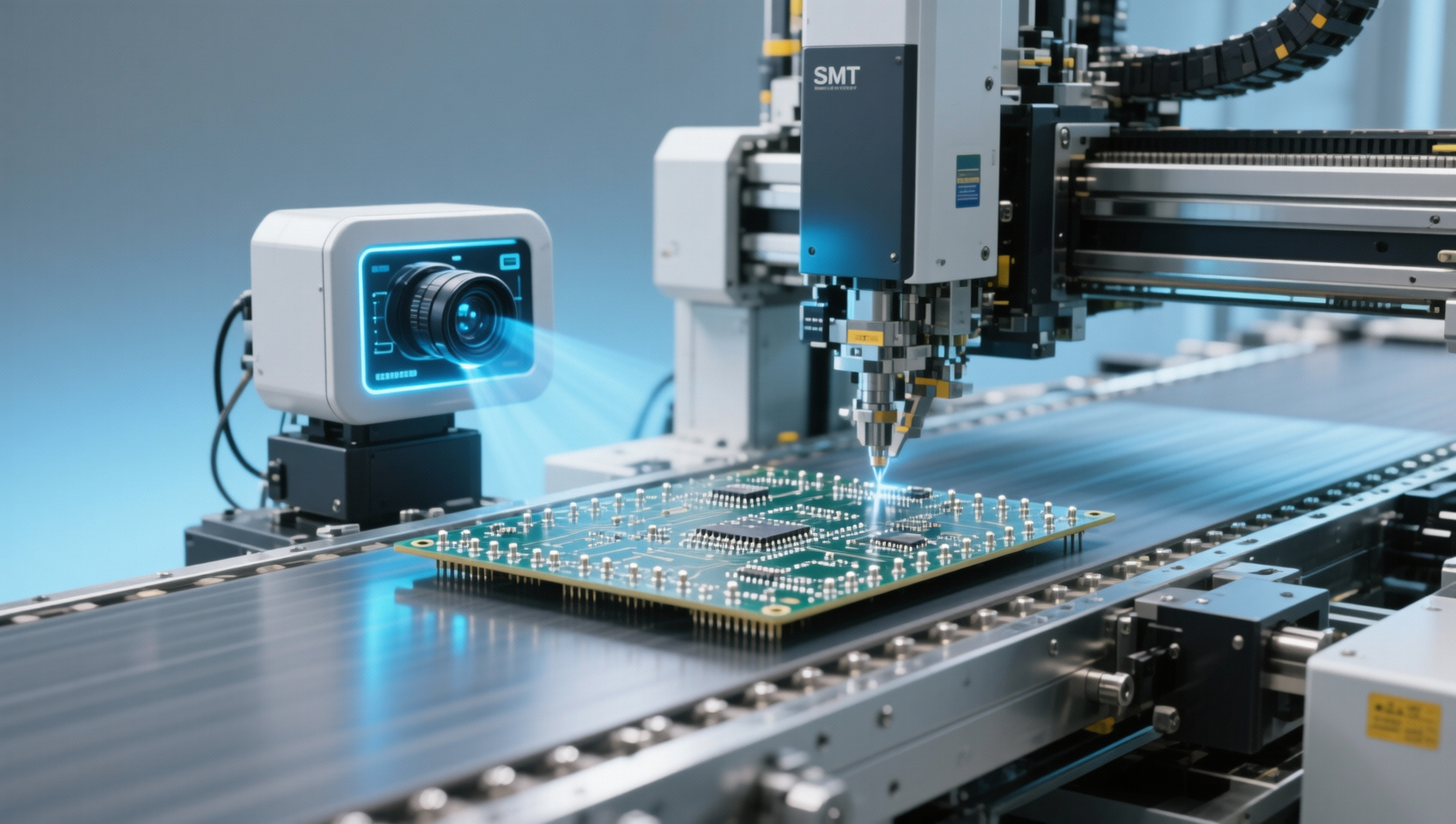
A typical OEM consumer electronics process includes design review, bill of materials confirmation, sample making, tooling if required, pilot run, mass production, final inspection, and shipment release. For products with plastic housings, molds and cosmetic finish standards must be agreed early. For board-based products, fixture design and functional test coverage are equally important.
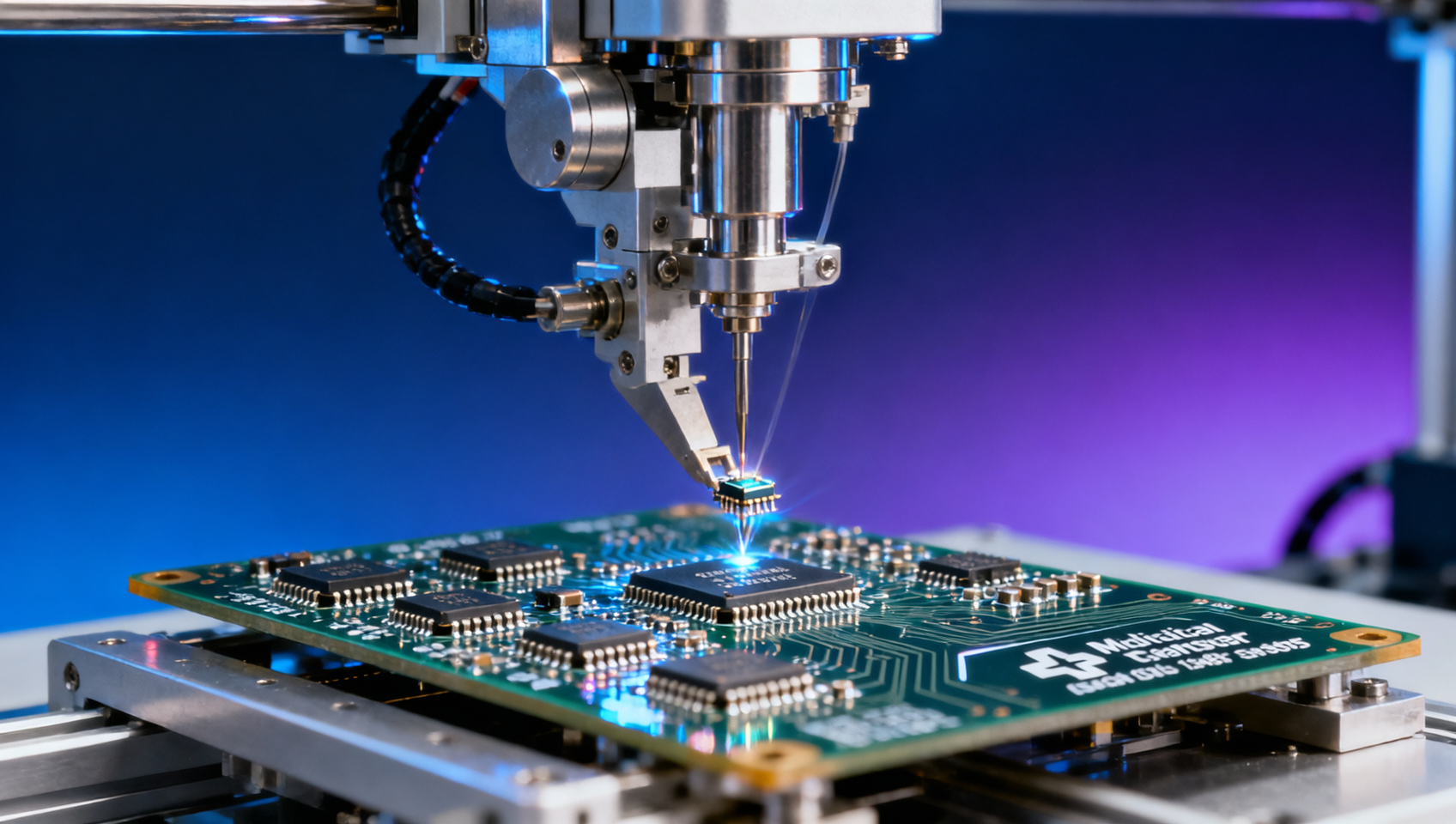
Quality control should be built into each stage. Incoming inspection checks critical parts such as batteries, chips, connectors, displays, speakers, or adapters. In-process control verifies soldering quality, torque, firmware flashing, calibration, and appearance. Final inspection confirms charging behavior, basic function, packaging correctness, and random reliability checks according to the approved plan.
Lifecycle management is often overlooked in OEM consumer electronics. Components may become obsolete faster than expected, especially in wireless or power-management categories. Buyers should ask how alternates are approved, how end-of-life notices are handled, and whether packaging materials or manuals can be updated without disrupting inventory already in transit or stored across multiple markets.
Maintenance and refresh cycles depend on product complexity. Simple accessories may only require packaging and compliance updates, while connected products need periodic firmware review, app compatibility checks, and revision planning. A disciplined project file, maintained from first sample onward, makes later upgrades less costly and easier to verify.
Total Cost Of Ownership, ROI, And Future Industry Trends
The real cost of OEM consumer electronics goes far beyond the factory gate price. Total cost of ownership includes tooling, sampling rounds, test fixtures, certification work, packaging development, freight, import duties, failure analysis, returns, spare stock, and sales-support overhead. A cheaper unit may produce a higher total landed and service cost if quality escapes or compatibility issues occur after launch.
ROI improves when buyers standardize specifications, limit unnecessary SKU variation, approve critical components carefully, and define measurable quality gates before scale-up. Forecast discipline also matters. Better planning can reduce expensive air freight, fragmented purchasing, and rush engineering changes that create instability on the line.
Looking ahead, OEM consumer electronics will be shaped by tighter integration between hardware, software, and data. Buyers increasingly expect faster customization, more transparent component traceability, and better predictive quality tools. The industry is also seeing stronger pressure around repairability, packaging efficiency, power performance, and regional supply resilience.
For procurement teams, the practical takeaway is clear: future-ready OEM consumer electronics sourcing depends on partner selection, process visibility, and disciplined change management. Companies that approach supplier collaboration strategically, including support from coordinators such as GTIIN where needed, are better positioned to balance speed, reliability, and commercial flexibility.
Related News
 When does OEM consumer electronics manufacturing require ISO 13485 instead of ISO 9001Foldable screen technology, next-gen wireless charging & wearable technology demand ISO 13485—not just ISO 9001—for OEM consumer electronics. Discover when & why.
 Smart manufacturing trends 2026: Why only 28% of SMEs deployed digital twin validation before pilot rolloutSmart manufacturing trends 2026: Discover how AI in precision engineering & digital twin validation boost ROI for OEM consumer electronics, foldable screen technology, wearable tech, and smart home devices wholesale—bridge the adoption gap now.
 AI in precision engineering for optical instruments: Can deep learning calibrate lens alignment faster than manual methodsAI in precision engineering revolutionizes optical instrument calibration—faster, more accurate, and scalable for smart manufacturing trends 2026, OEM consumer electronics, and industrial & manufacturing excellence.
 OEM consumer electronics manufacturers: How to avoid IP leakage when sharing CAD files with overseas tooling partnersSecure CAD sharing for OEM consumer electronics: Protect foldable screen technology, AI in precision engineering & smart manufacturing trends 2026 from IP leakage.