



What Are Organic Chemicals?
Organic chemicals are carbon-based compounds primarily containing carbon-hydrogen bonds, with molecular structures ranging from simple methane to complex polymers. Unlike inorganic chemicals, these substances exhibit unique properties like covalent bonding and combustion reactivity that make them indispensable across industries.
The International Union of Pure and Applied Chemistry (IUPAC) establishes standardized nomenclature for organic chemicals, ensuring precise identification of compounds like alcohols, ketones, and carboxylic acids. Industrial applications often modify these base structures through halogenation, oxidation, or other reactions to achieve desired material properties.
Modern production methods combine traditional organic synthesis with green chemistry principles, reducing hazardous byproducts while maintaining yield efficiency. This evolution reflects growing environmental regulations and sustainability requirements in chemical manufacturing.
Major Classifications And Applications
The organic chemicals market divides into three primary categories: aliphatic compounds (straight-chain molecules like propane), aromatic compounds (ring structures like benzene), and heterocyclic compounds (ring structures containing non-carbon atoms). Each class serves distinct industrial purposes based on reactivity and stability.
Pharmaceutical manufacturers rely heavily on chiral organic chemicals for drug development, while agricultural sectors utilize chlorinated hydrocarbons in pesticides. The plastics industry transforms organic monomers into polymers through polymerization, creating materials with tailored mechanical and thermal properties.
Emerging applications include bio-based organic chemicals derived from renewable feedstocks, offering sustainable alternatives to petroleum-derived compounds. These innovations address both environmental concerns and supply chain vulnerabilities in traditional chemical production.
Quality Standards And Selection Criteria
Purchasing organic chemicals requires evaluation of purity grades (technical grade vs. pharmaceutical grade), certification status (ISO, USP, or BP standards), and supplier compliance with regional regulations like REACH in Europe or TSCA in the United States.
Critical parameters include batch-to-batch consistency, impurity profiles, and stability under storage conditions. Advanced analytical techniques like gas chromatography-mass spectrometry (GC-MS) verify compound identity and purity, while accelerated aging tests predict shelf life performance.
Specialized applications may demand custom synthesis with strict control over stereochemistry or isotopic labeling. These premium-grade organic chemicals often require validated supply chains with documented handling procedures to prevent contamination or degradation.
Industrial Production Methodologies
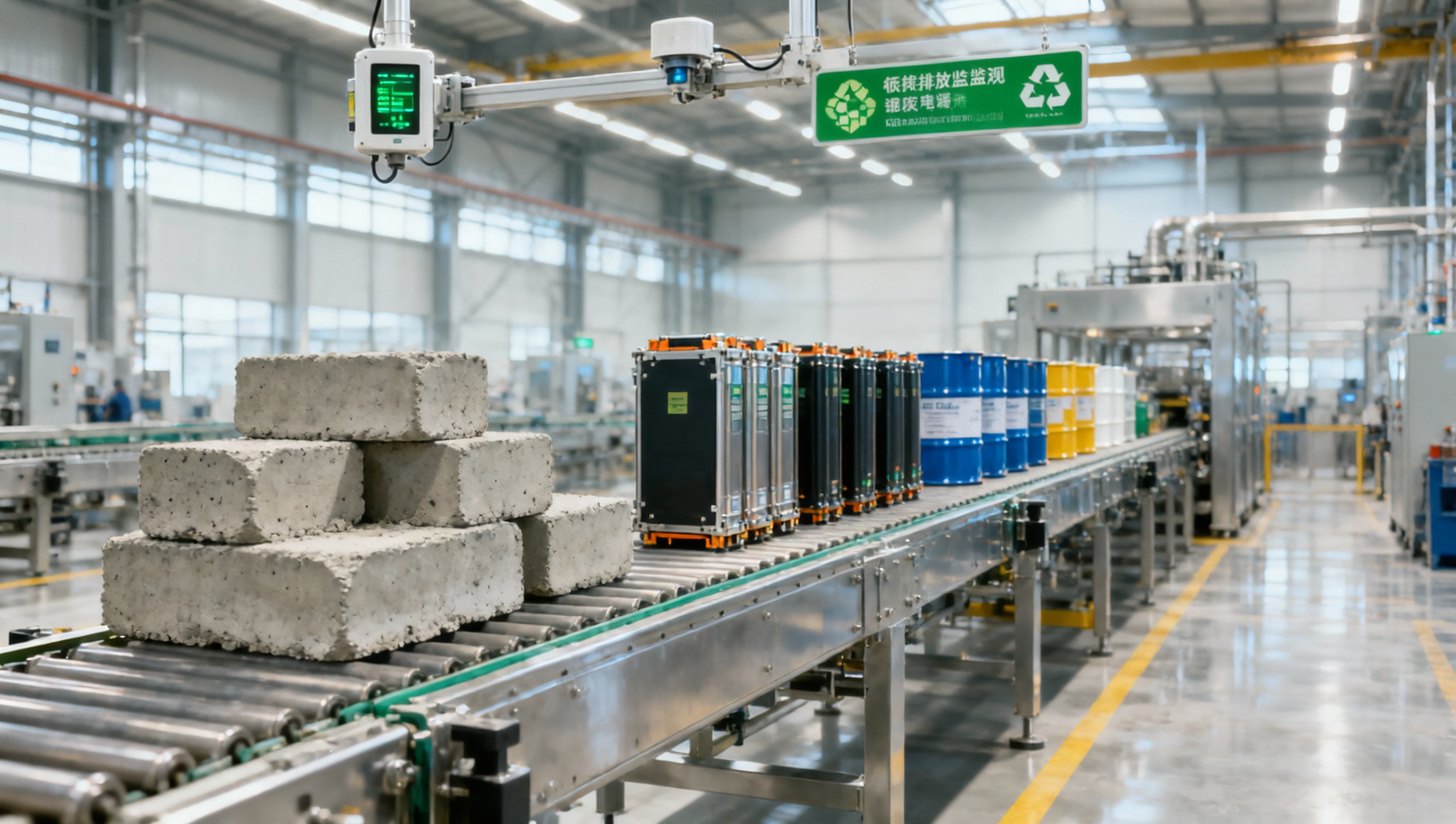
Modern organic chemical plants employ continuous flow reactors alongside traditional batch processing, improving yield and energy efficiency. Catalytic processes dominate large-scale production, with zeolites and transition metal complexes enabling selective transformations.
Downstream processing incorporates advanced separation technologies like simulated moving bed chromatography for high-purity recovery. Automation systems monitor critical parameters including temperature, pressure, and reaction kinetics to maintain optimal production conditions.
Quality control laboratories perform in-process testing using spectroscopic and chromatographic methods, ensuring compliance with specifications before product release. This multilayered approach minimizes variability in organic chemical production while meeting rigorous safety standards.
Cost Factors And Procurement Strategies
Total cost of ownership for organic chemicals extends beyond purchase price to include storage requirements, handling equipment, disposal costs, and potential production downtime from quality issues. Bulk purchasing often reduces unit costs but requires adequate inventory management systems.
Regional price variations reflect feedstock availability, energy costs, and regulatory compliance expenses. Strategic sourcing should evaluate supplier reliability, technical support capabilities, and responsiveness to supply chain disruptions.
Long-term contracts with price adjustment clauses help mitigate market volatility for commodity organic chemicals. For specialty compounds, collaborative development agreements can secure preferential access to limited production capacity.
Emerging Trends And Future Outlook
The organic chemicals sector faces transformative changes from biotechnology advances, with engineered microorganisms producing complex molecules through fermentation. This bio-manufacturing approach reduces dependence on fossil feedstocks while lowering carbon footprints.
Digitalization enables smarter production through IoT-enabled equipment and AI-driven process optimization. Predictive analytics help anticipate maintenance needs and quality deviations, improving overall equipment effectiveness in chemical plants.
Regulatory pressures continue shaping the industry, particularly regarding persistent organic pollutants (POPs) and endocrine-disrupting compounds. Future innovations will likely focus on designing inherently safer molecules that maintain performance while minimizing environmental and health risks.
Related News
 Carbon Fiber Grades Explained by Strength, Finish, and Waste RateCarbon fiber grades explained by strength, finish, and waste rate. Compare carbon fiber sourcing with insights relevant to graphene, solvents, power tools, and more for smarter B2B buying.
 CBAM Carbon Tax Launch: Low CBAM Reporting Rate Among Chinese ExportersCBAM Carbon Tax is live—only 36.8% of Chinese exporters reported. Discover why, which industries are at risk, and how to secure EU market access now.
 Which Graphene Specs Actually Matter for Commercial Use?Graphene specs for commercial use: learn which metrics truly matter beyond carbon fiber, solvents, organic chemicals, power tools, garden tools, swimwear, car seat covers, bedroom sets, and fast fashion.
 Graphene Is Everywhere, but Material Quality Still Varies WidelyGraphene quality varies widely—learn how buyers in carbon fiber, solvents, organic chemicals, power tools, garden tools, car seat covers, swimwear, fast fashion, and bedroom sets can source smarter.