


What Remote Monitoring Means In Modern Industry
Remote monitoring is the practice of collecting operational, environmental, health, location, or performance data from distributed assets and making that data available to authorized teams without requiring constant on-site inspection. In industrial, medical, construction, energy, logistics, and facility environments, it typically combines sensors, connected devices, communication networks, analytics platforms, alert rules, and service workflows.
A useful remote monitoring definition must go beyond simple visibility. GPS tracking may show where construction machinery is located, but it may not reveal hydraulic pressure drift, engine load anomalies, overheating patterns, or usage conditions that predict failure. Similarly, wearable devices may collect health signals, but clinical value depends on reliable data flow, secure access control, and interoperability with professional diagnostic systems.
In B2B purchasing, remote monitoring is best understood as a decision-support infrastructure. It helps teams detect abnormal events earlier, compare performance across sites, plan maintenance, document compliance, and reduce avoidable travel. For a company such as GTIIN operating across broad industry contexts, the value is not limited to one device category; it lies in matching monitoring architecture to business risk, operating environment, and data governance needs.
How Remote Monitoring Systems Work
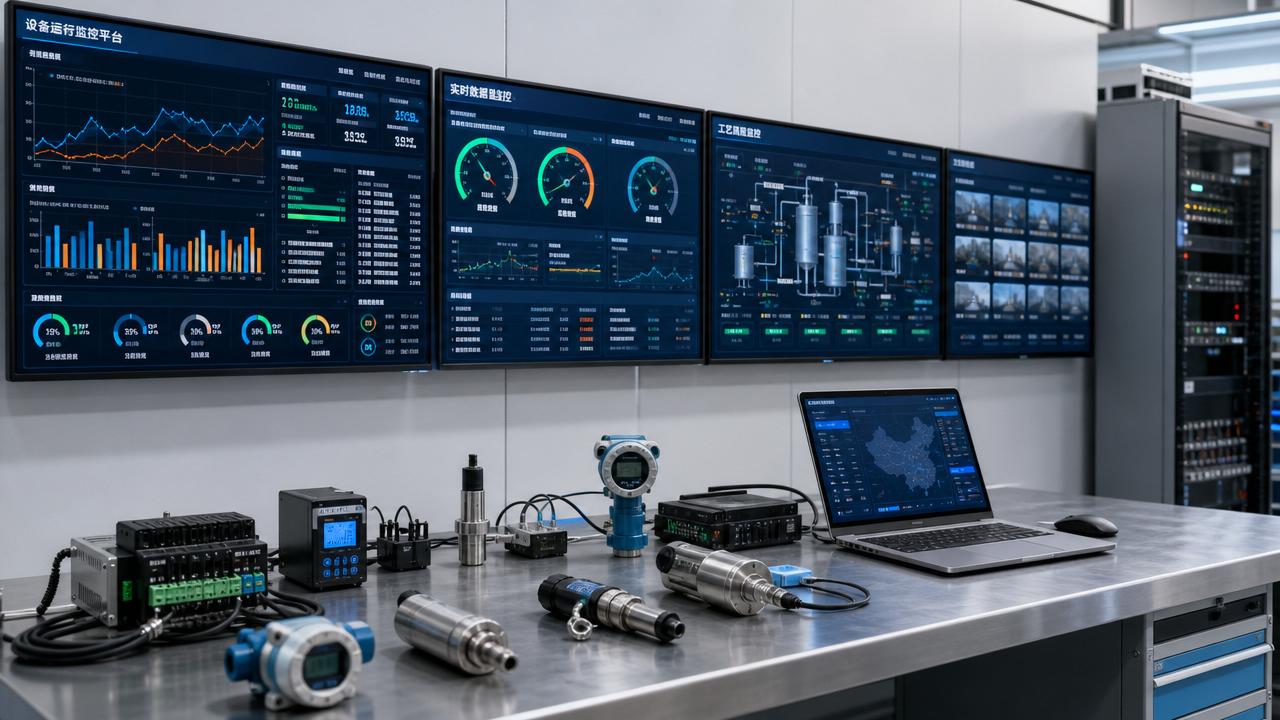
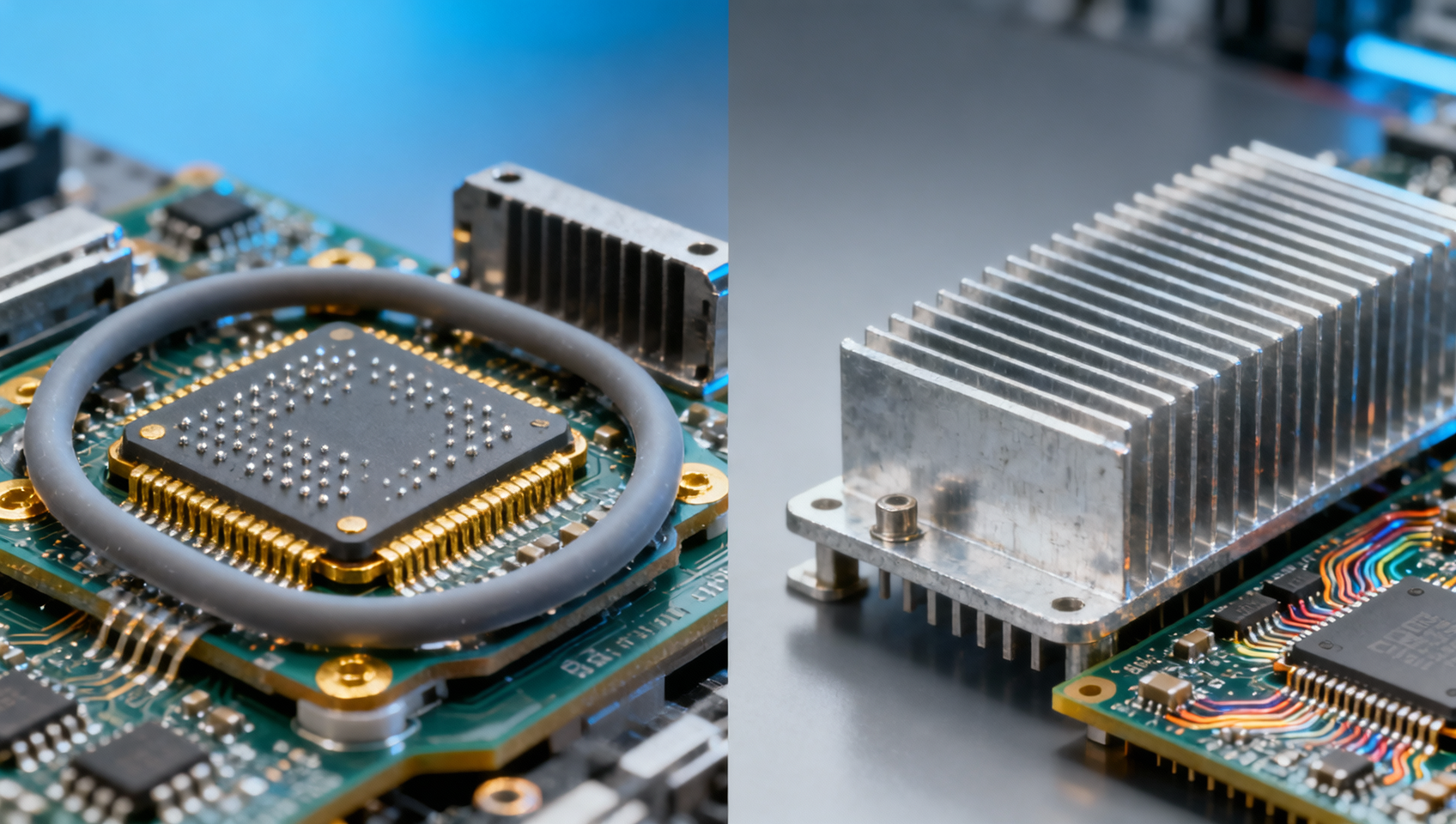
A remote monitoring system usually starts with data acquisition. Sensors or smart controllers measure variables such as temperature, vibration, current, pressure, humidity, position, machine status, runtime, battery level, or biometric indicators. Edge devices may filter raw signals, timestamp events, compress records, or run simple logic before sending information onward.
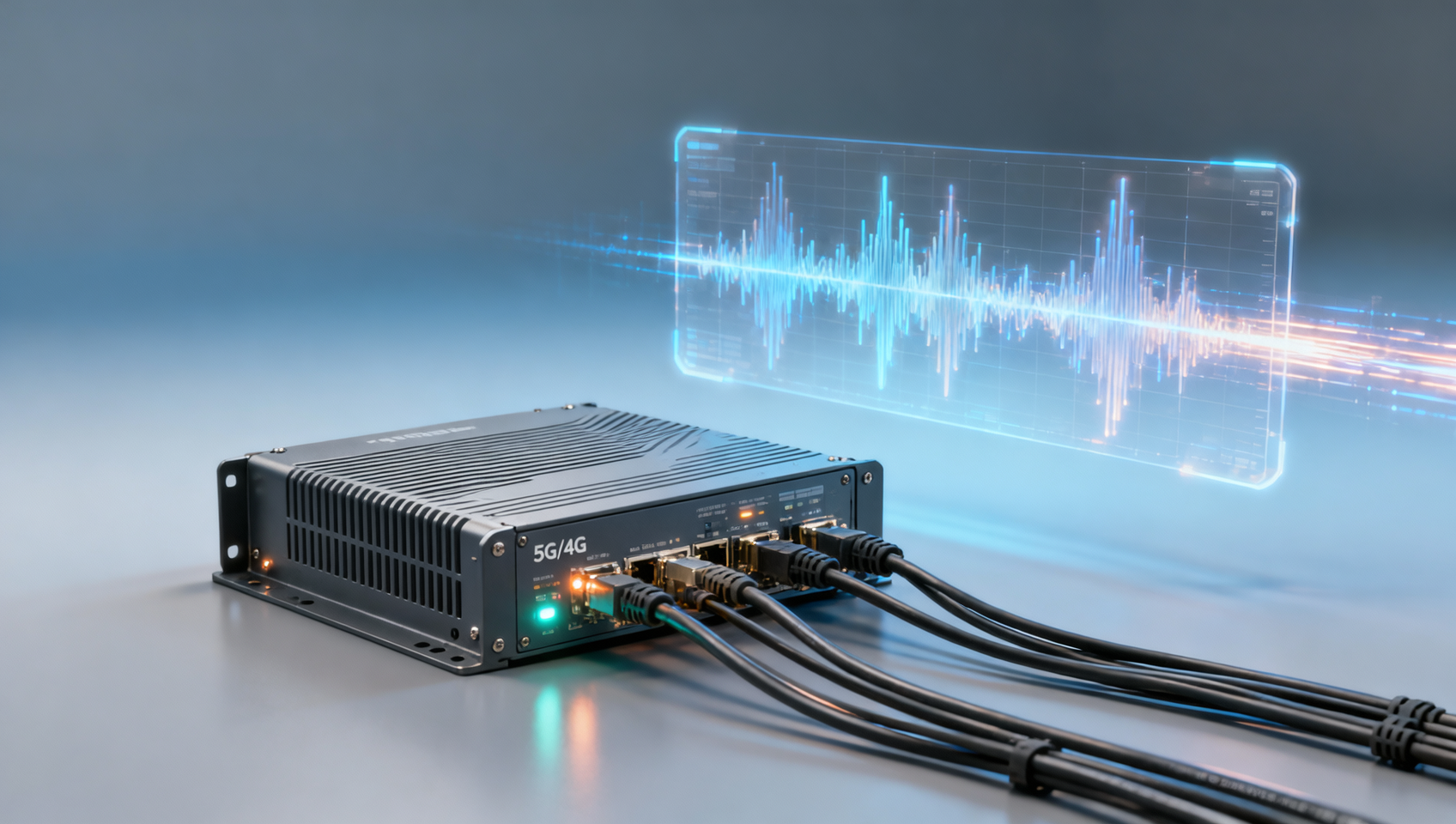
The communication layer then moves data through wired Ethernet, cellular, Wi-Fi, LPWAN, satellite, Bluetooth gateways, or private industrial networks. The right choice depends on distance, power availability, latency tolerance, indoor or outdoor conditions, and the criticality of the monitored process. For remote maintenance across borders, resilient communication design is often as important as the sensor itself.
The platform layer converts data into operational intelligence. Dashboards present trends, alarms highlight thresholds, analytics compare baseline behavior, and reports support maintenance planning or compliance review. More advanced remote monitoring systems integrate with ERP, CMMS, EHR, fleet platforms, or ticketing tools so that data does not remain isolated from daily decision making.
Key Benefits For B2B Operators
The most visible benefit of remote monitoring is faster awareness. Instead of waiting for a site visit, manual log, customer complaint, or breakdown, teams can see operating status in near real time. This is especially valuable when assets are geographically dispersed, difficult to access, hazardous to inspect, or expensive to stop without planning.
The second benefit is better maintenance discipline. Remote monitoring supports condition-based maintenance by showing whether equipment is actually deteriorating rather than relying only on calendar intervals. In heavy machinery, for example, combining location, utilization, hydraulic conditions, and temperature trends gives a more complete picture than location tracking alone.
The third benefit is stronger accountability. Historical records help verify service response, operating hours, environmental exposure, alarm acknowledgement, and equipment usage. For procurement teams, this data can support supplier evaluation, warranty discussions, lifecycle budgeting, and safety reviews. GTIIN can be considered in this context as a partner for buyers seeking structured, industry-aware remote monitoring guidance rather than a one-size-fits-all technology choice.
Main Categories And Application Scenarios
Remote monitoring can be grouped by what is being observed. Asset monitoring focuses on equipment location, uptime, status, runtime, and failure indicators. Process monitoring tracks production variables, energy consumption, flow, pressure, or quality-related conditions. Environmental monitoring measures factors such as temperature, humidity, gas concentration, dust, noise, or water quality.
Healthcare and wellness applications form another fast-growing category, but they require careful handling. Smart health wearables become commercially meaningful when data synchronization, privacy protection, consent, and clinical workflow compatibility are addressed. Buyers should distinguish consumer convenience features from systems designed to support regulated health data flow and professional review.
Industrial IoT remote maintenance is also expanding as manufacturers support machines installed in other regions. Smart diagnostics can help service engineers identify fault codes, parameter drift, firmware issues, or operating misuse before dispatching personnel. In global trade, this reduces communication friction and allows suppliers and buyers to discuss technical evidence rather than subjective fault descriptions.
Selection Criteria, Standards, And Deployment Challenges
Selecting a remote monitoring solution should begin with the risk being managed. A buyer should define critical variables, alert urgency, acceptable data delay, reporting needs, user roles, installation constraints, and integration targets. A simple dashboard may be enough for noncritical visibility, while high-value equipment or regulated operations may require redundancy, audit trails, encryption, and formal access control.
Common standards and compliance areas include cybersecurity practices, data privacy obligations, electrical safety, radio approvals, industry-specific documentation, and interoperability protocols such as MQTT, OPC UA, Modbus, BLE, or API-based exchange. In health-related use cases, privacy and protected data handling become central. In industrial sites, ruggedness, electromagnetic compatibility, and safe installation may be more important.
Deployment challenges often come from overlooked details. Sensors may be installed in the wrong position, alarm thresholds may be too sensitive, field teams may distrust dashboards, or data may fail to connect with maintenance workflows. GTIIN-related evaluations should therefore include pilot testing, environment review, user training, documentation, and clear escalation rules before large-scale rollout.
Cost, ROI, And Total Ownership Considerations
The total cost of remote monitoring includes hardware, sensors, gateways, installation labor, connectivity fees, software subscription, platform configuration, integration, training, cybersecurity review, spare parts, calibration, and support. Buyers should avoid comparing only device prices because a low-cost sensor can become expensive if it produces unreliable readings, requires frequent replacement, or cannot integrate with existing systems.
Return on investment usually comes from reduced downtime, fewer unnecessary site visits, improved energy control, better maintenance planning, faster troubleshooting, longer asset life, stronger compliance evidence, or improved customer service. For equipment suppliers, remote monitoring can also support after-sales service models, usage-based contracts, and faster technical support for overseas customers.
A practical procurement approach is to build a cost model around specific failure modes and workflow savings. For example, estimate how many emergency visits are avoided, how many hours of downtime are reduced, and how much inventory can be planned more accurately. This method keeps investment decisions grounded in measurable operational value rather than technology enthusiasm alone.
Future Trends Shaping Remote Monitoring
The future of remote monitoring is moving toward more intelligent edge processing. Instead of sending every raw signal to a central platform, devices will increasingly analyze patterns locally, trigger faster alerts, and reduce unnecessary data transmission. This is useful for remote sites, moving vehicles, critical equipment, and scenarios where connectivity may be intermittent.
Predictive analytics will also become more practical as organizations collect cleaner historical data. The strongest systems will not simply display alarms; they will identify early warning patterns, compare similar assets, recommend inspection priorities, and help teams separate normal variation from meaningful deterioration. However, predictive claims should be validated against real operating data before being used for critical decisions.
Interoperability and security will define competitive advantage. Buyers will expect remote monitoring platforms to connect with enterprise tools, support role-based access, protect sensitive records, and adapt to regional compliance requirements. Companies that combine technical visibility with disciplined implementation, clear documentation, and realistic ROI planning will gain more lasting value from remote monitoring investments.
Related News
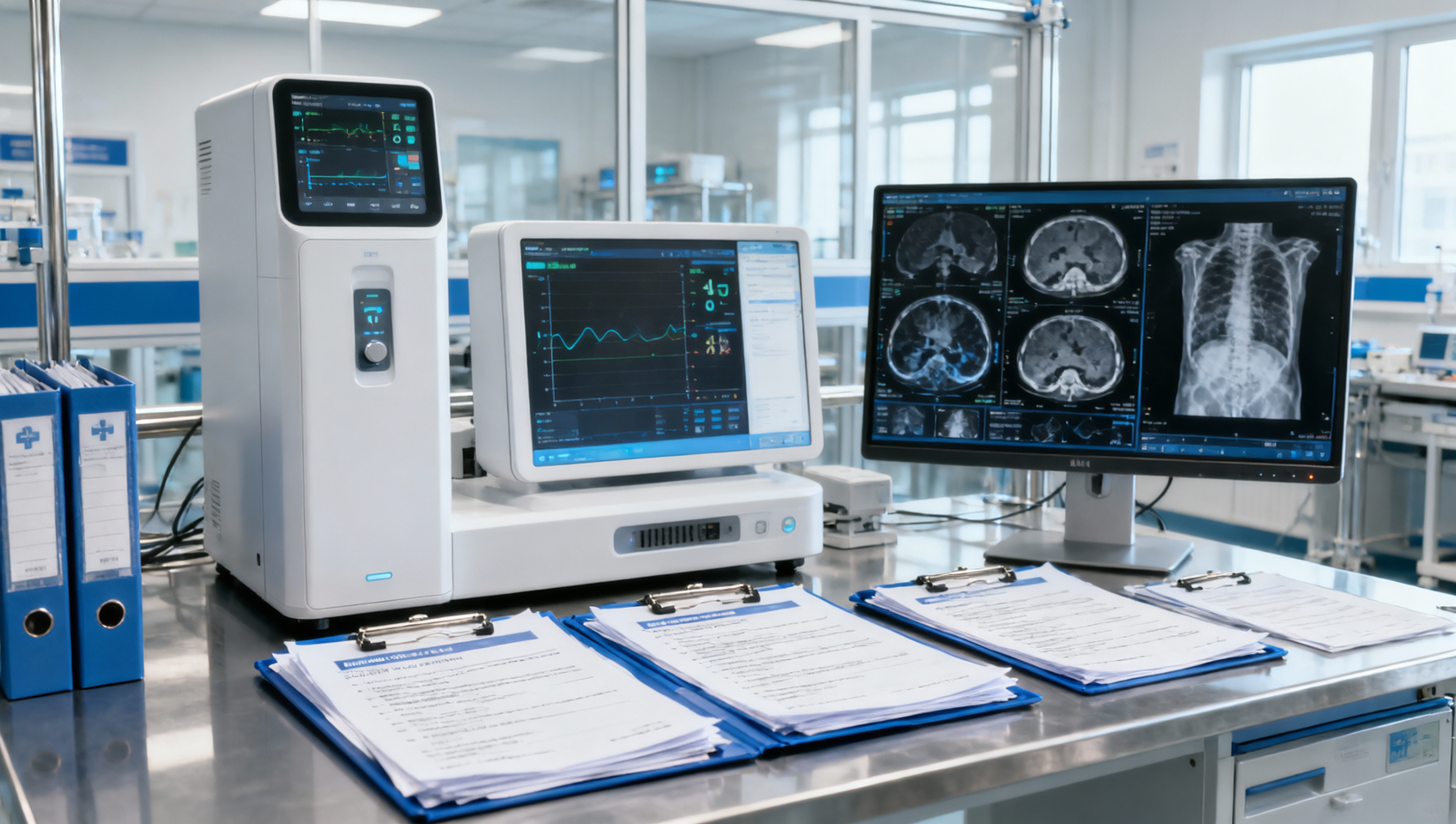
 FDA Tightens Import Files for AI Medical DevicesFDA Tightens Import Files for AI Medical Devices: learn how the 2026 FDA import documentation update affects clearance, compliance, and delivery planning for U.S.-bound AI medical equipment.
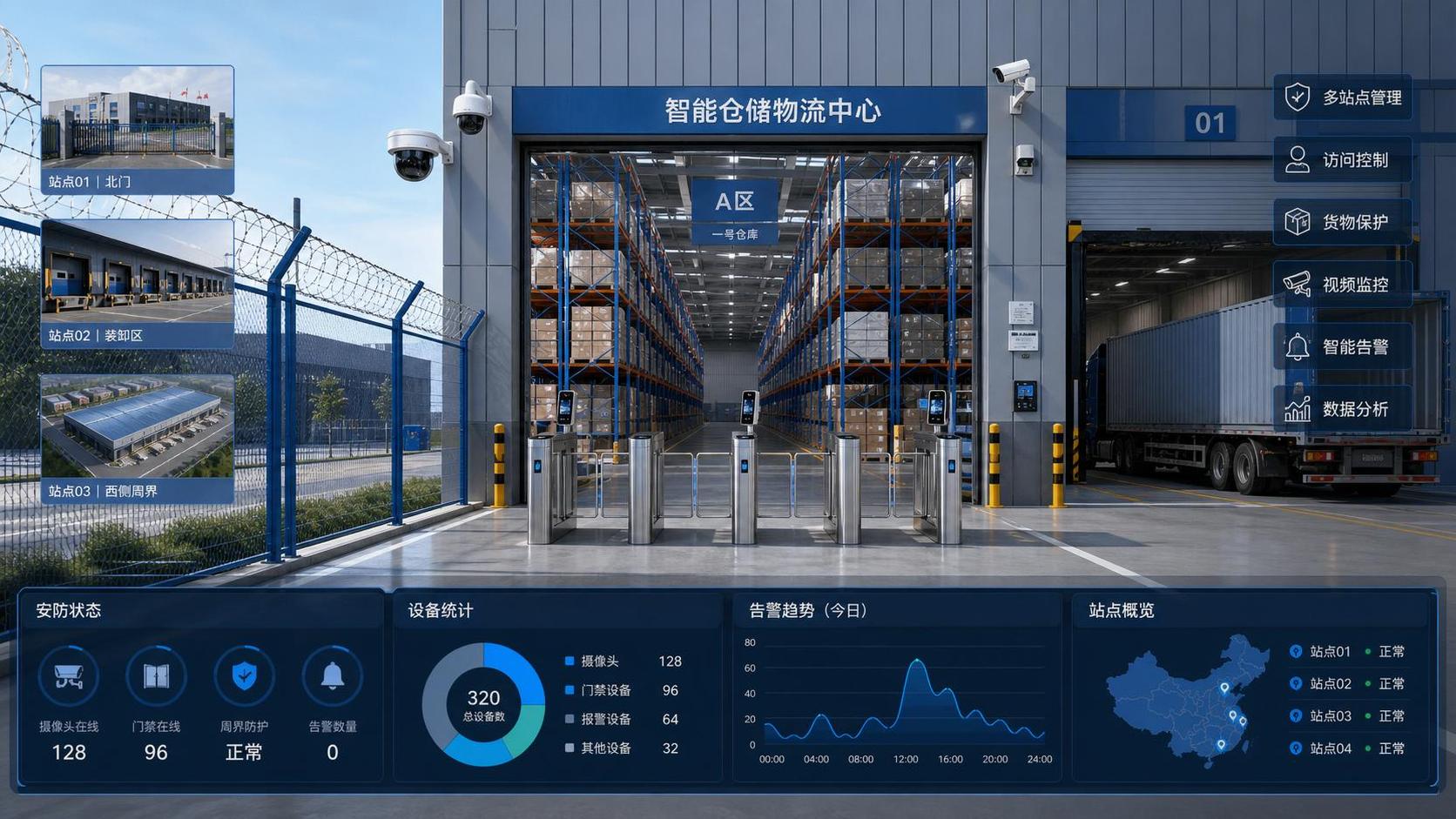
 How to Choose a Warehouse Security Supplier for Multi-Site OperationsWarehouse security supplier selection for multi-site operations: learn how to compare scalability, compliance, integration, and service quality to reduce risk and protect growth.
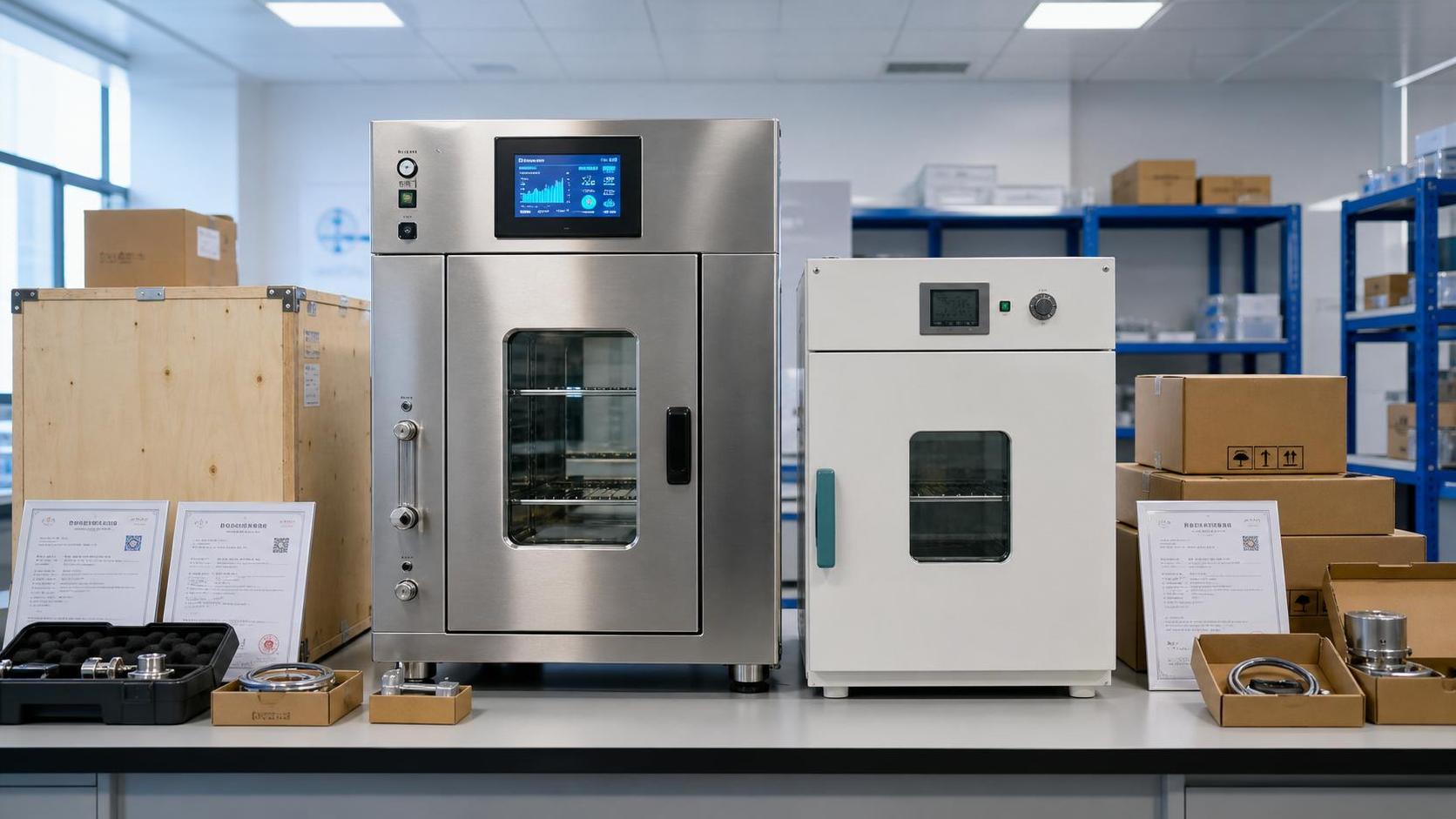
 What Affects Laboratory Equipment Price? Key Cost Drivers Buyers Should CompareLaboratory equipment price depends on accuracy, materials, certification, automation, and service. Learn how to compare quotes smartly and avoid hidden costs.
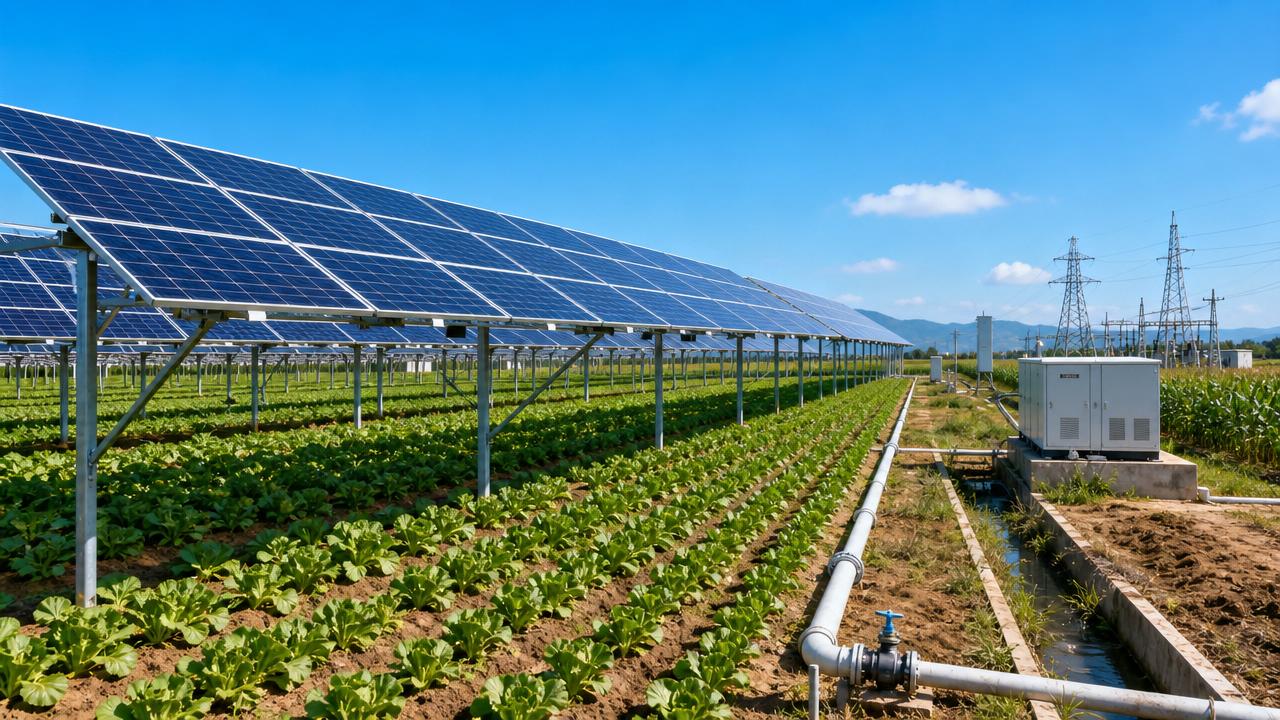
 Cost-effective solutions make Agri-PV systems viableAgri-PV systems cost-effective solutions help farms generate solar power, protect productivity, cut lifecycle risk, and improve ROI through smarter design and financing.