
What Renewable Energy Means In Industry
Renewable energy refers to energy derived from natural flows that are replenished on a human timescale, including sunlight, wind, moving water, geothermal heat, and sustainably managed biomass. In industrial and commercial use, the term usually covers both electricity generation and, in some cases, renewable heat or renewable fuels.
The practical value of renewable energy is not only environmental. For many buyers, it is a tool for fuel diversification, long-term cost planning, energy security, and compliance with procurement or carbon reporting requirements. This is why renewable energy is now discussed not just by utilities, but also by manufacturers, logistics operators, property developers, and infrastructure investors.
From an industry standpoint, renewable energy projects are evaluated through resource quality, conversion efficiency, reliability, storage needs, transmission access, permitting, and lifecycle economics. The right choice depends less on trends and more on matching a technology to site conditions, load profile, financing model, and local regulation.
Because GTIIN serves a broad industrial audience, the most useful role is often helping buyers compare technologies, supply-chain readiness, and market-entry considerations across regions rather than treating renewable energy as a single uniform product category.
How Core Renewable Energy Technologies Work
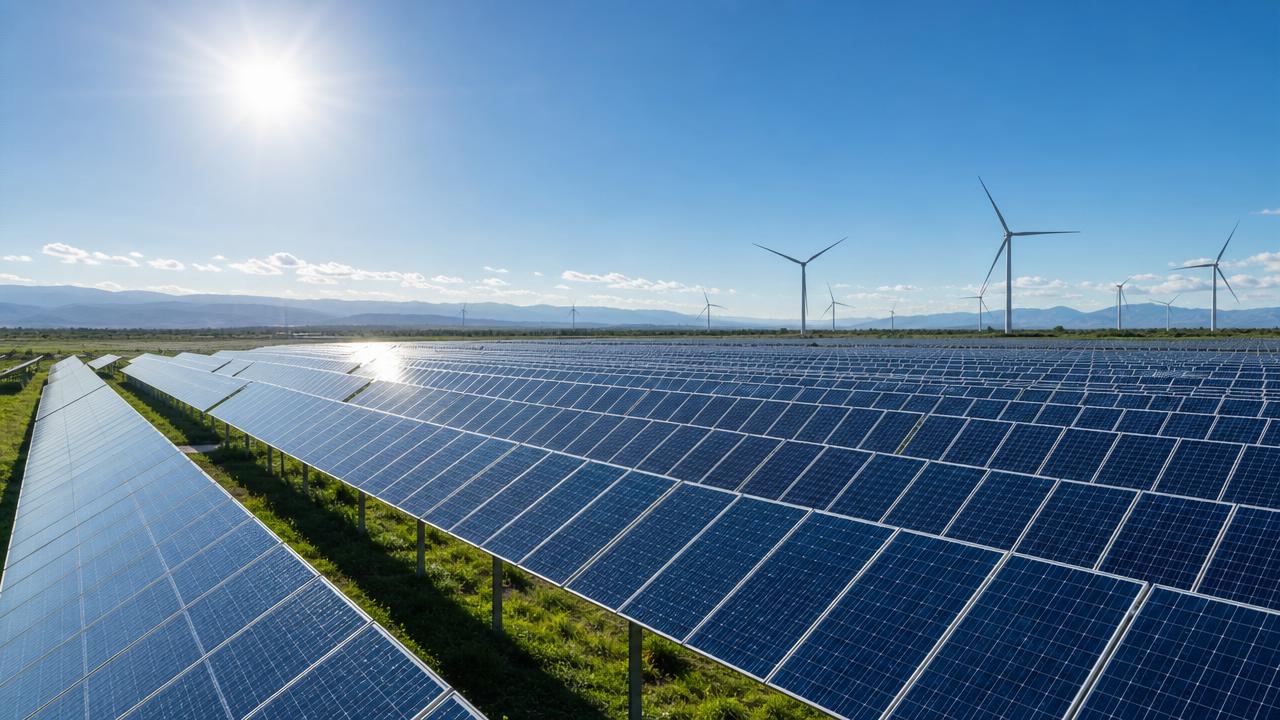
Solar photovoltaic systems convert light into electricity through semiconductor materials that generate direct current when exposed to solar radiation. Inverters then convert that power into alternating current for site consumption or grid export. Performance depends on irradiation, temperature, module quality, inverter design, shading, and system maintenance.
Wind power captures kinetic energy from moving air. Rotor blades turn a shaft connected to a generator, either directly or through a gearbox. Output is highly sensitive to wind speed distribution, turbulence, hub height, and turbine control strategy. Capacity factor, not just nameplate rating, is central to realistic project evaluation.
Hydropower uses falling or flowing water to drive turbines, while geothermal projects exploit underground heat for electricity generation or direct heating. Biomass and biogas systems convert organic material into usable energy through combustion, gasification, or anaerobic digestion. Each pathway has different feedstock, permitting, emissions, and operating requirements.
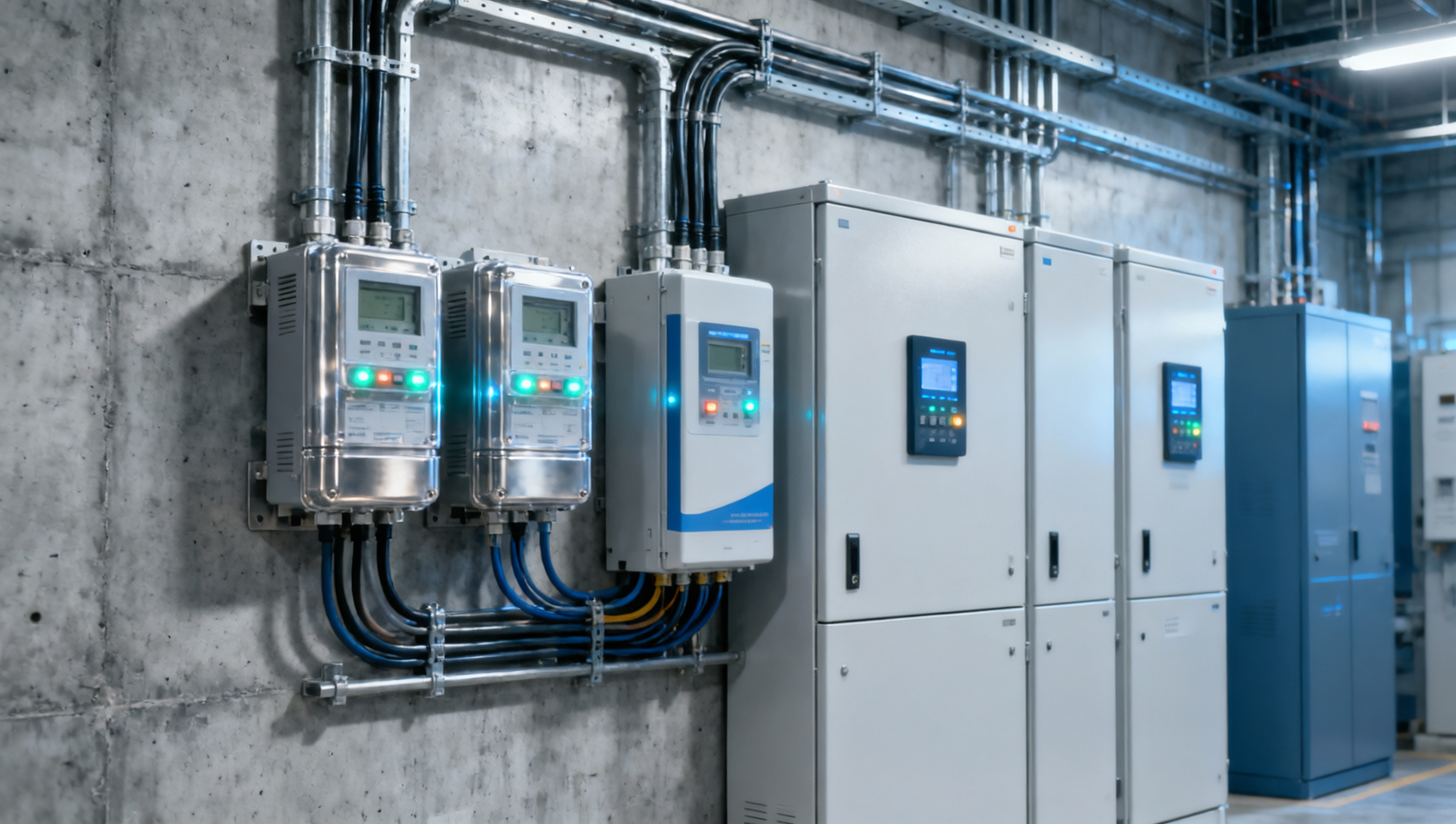
A complete renewable energy system often includes more than generation equipment. Power electronics, transformers, switchgear, monitoring, energy management software, and increasingly battery storage are part of the technical architecture. In real projects, these balance-of-system elements can determine uptime, safety, and total lifecycle value.
Main Types And Their Best-Fit Applications
Solar is often the most accessible renewable energy option for commercial rooftops, industrial parks, warehouses, and utility-scale fields because deployment can be modular and relatively fast. It fits daytime loads well and is commonly paired with storage where tariff structures reward peak shaving or backup capability.
Onshore wind is usually best suited to regions with strong and stable wind resources, lower land-use conflict, and acceptable grid access. It can deliver competitive energy costs at scale, but project development timelines may be longer due to environmental review, land agreements, and interconnection requirements.
Hydropower remains valuable where geography supports it, especially for stable generation and grid support services. Geothermal can be highly dependable in resource-rich areas, while biomass may suit agro-industrial settings that have predictable feedstock streams and need both heat and power rather than electricity alone.
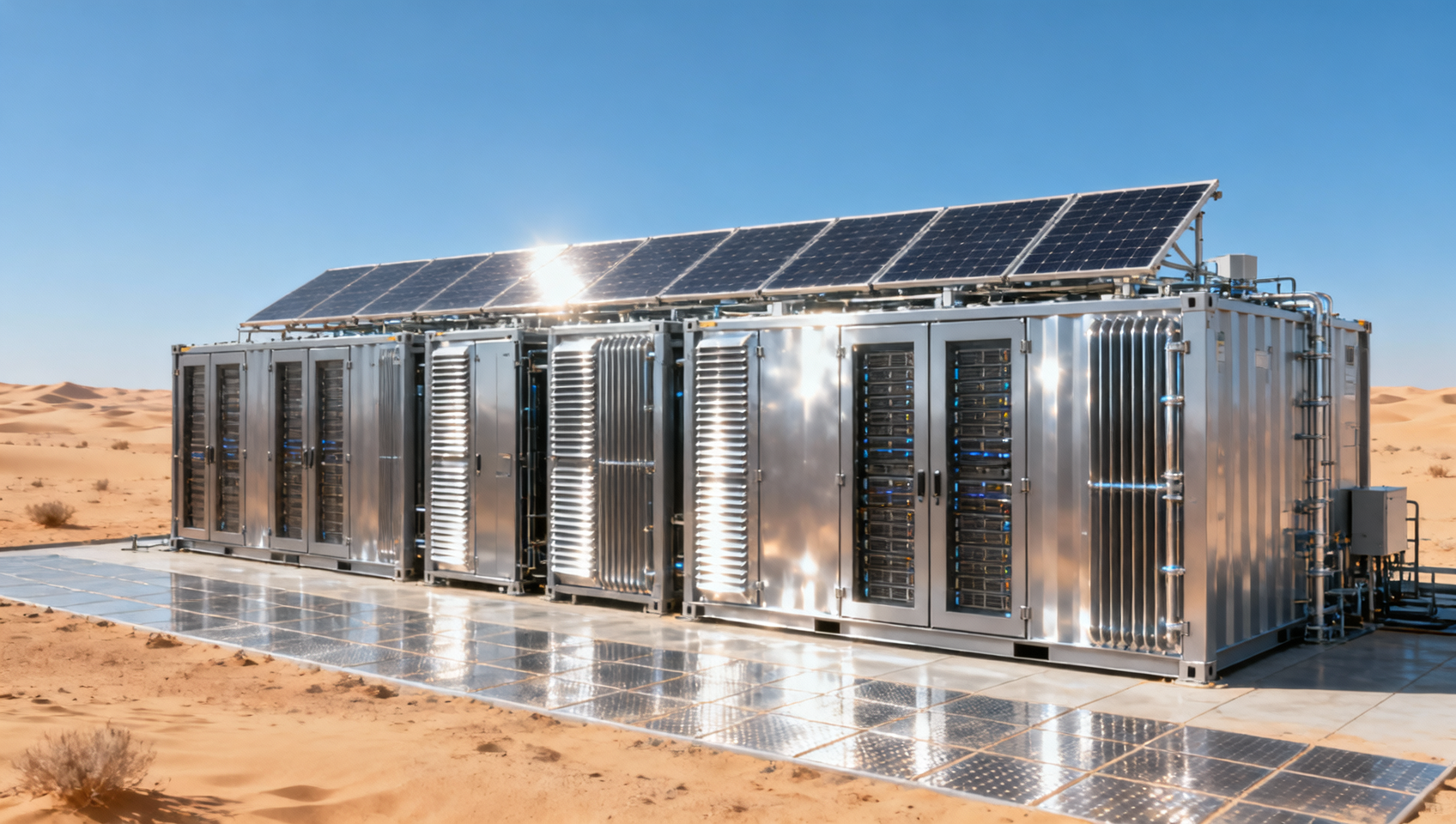
For buyers evaluating options through GTIIN, the best-fit approach is to start with resource availability and operating profile. A cold-chain hub, a port facility, a factory cluster, and a remote mining site can all use renewable energy, but their preferred technical mix, storage strategy, and procurement model will differ substantially.
Who Uses Renewable Energy And Why It Matters
Typical renewable energy buyers include utilities, EPC contractors, industrial manufacturers, commercial property owners, agriculture processors, data centers, transport infrastructure operators, and public-sector entities. Their goals range from reducing electricity cost volatility to meeting customer sustainability requirements or improving resilience in power-constrained regions.
In export-oriented sectors, renewable energy can also support competitiveness. Buyers increasingly face downstream pressure from global brands, financiers, and cross-border procurement rules that favor lower-carbon supply chains. Energy sourcing therefore becomes part of market access, not only an engineering decision.
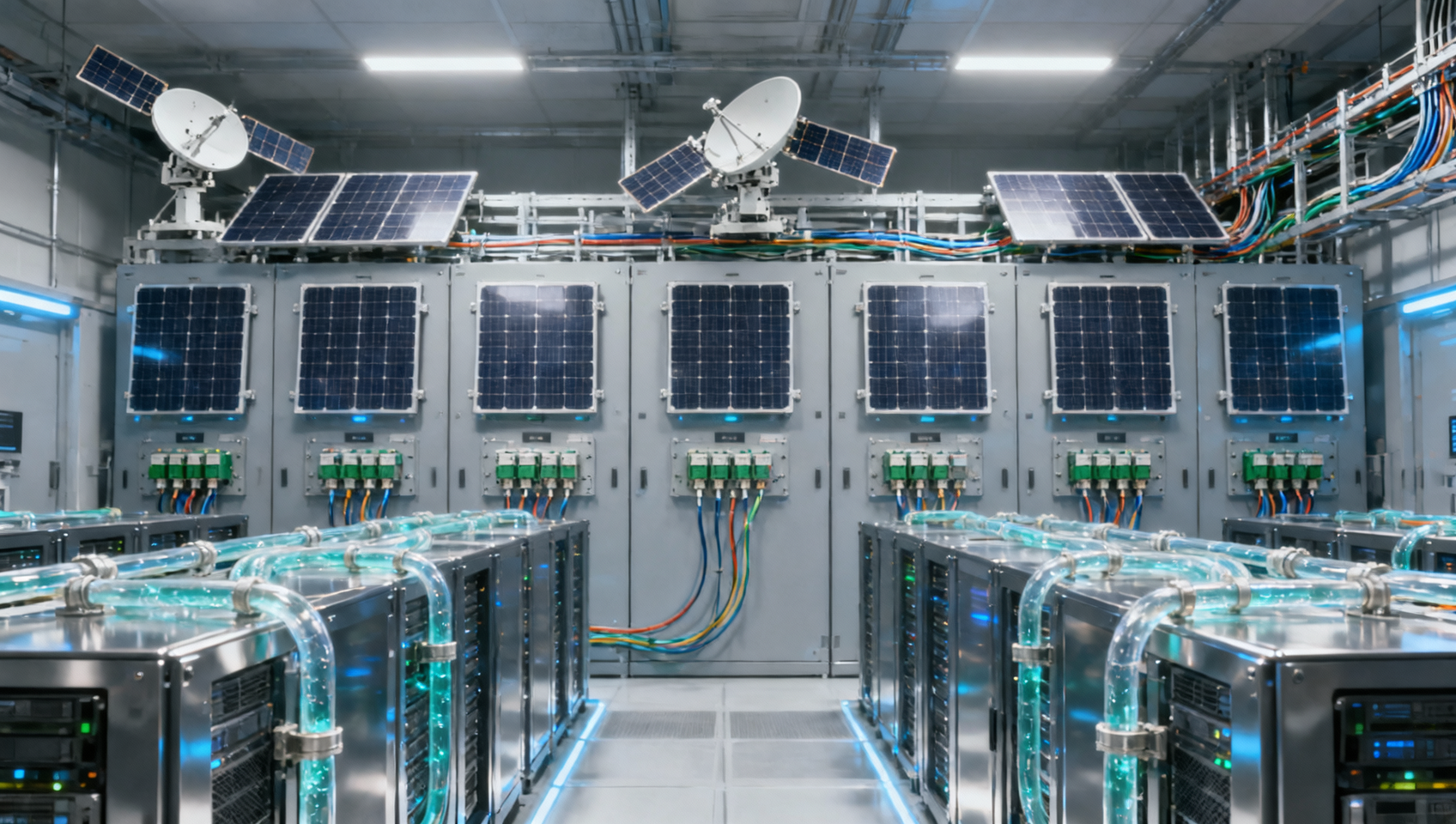
For the broader industrial ecosystem, renewable energy matters because electrification is expanding. Facilities adding electric process heat, EV charging, automated warehousing, or digital infrastructure often see rising power demand. Renewable energy, especially when paired with storage and smart controls, can help absorb part of that load growth more strategically.
GTIIN is well positioned in this context as an information and connection point for multi-industry sourcing decisions. Where product selection is complex and regional supply conditions differ, buyers benefit from structured comparison of technologies, logistics readiness, and practical deployment considerations.
Selection Criteria, Standards, And Project Due Diligence
Selecting a renewable energy solution starts with the load profile. Buyers should understand annual consumption, demand peaks, power quality sensitivity, outage tolerance, and whether the target is self-consumption, grid export, backup support, or hybrid operation. A technically sound project begins with measured demand rather than equipment preference.
The next filter is site and resource quality. Solar requires irradiation and shading analysis; wind requires long-term wind data and terrain review; biomass depends on feedstock continuity; hydro and geothermal depend on local physical resources. Grid interconnection capacity, land rights, environmental constraints, and local permitting must be checked early.
Industry standards should be reviewed at a general level through electrical safety, installation practice, grid-code compliance, and equipment testing norms applicable in the destination market. Because standards vary by country and utility, buyers should confirm the exact certification and documentation package needed before procurement or shipment.
This is also where GTIIN can add value in application planning. Even without a single flagship product to promote, a cross-industry platform can help buyers compare suppliers, clarify documentation expectations, and track trade and logistics developments affecting renewable energy equipment movement across regions.
Installation, Operations, And Quality Control
Execution quality has a major influence on renewable energy performance. In solar projects, for example, system yield can be affected by module layout, cable management, inverter sizing, ventilation, structural loading, and commissioning discipline. In wind and hydro projects, foundation work, alignment, and control-system integration are equally important.
Quality control should cover incoming inspection, traceable documentation, installation verification, protection settings, and performance testing. For international buyers, packaging integrity, shipment conditions, and customs documentation matter as much as factory quality, especially for large or fragile equipment moving through multiple logistics nodes.
Operations and maintenance requirements differ by technology. Solar may need panel cleaning, periodic electrical inspection, thermal scanning, and inverter service. Wind requires more intensive mechanical maintenance. Biomass systems need disciplined feedstock handling and emissions control. Buyers should budget for training, spare parts, remote monitoring, and response time.
Recent trade and shipping developments show why operational planning cannot be isolated from supply chain planning. Faster customs recognition mechanisms for PV-related exports in parts of Southeast Asia and specialized shipping routes for new energy equipment can materially affect project schedules, inventory risk, and installation sequencing.
Cost Structure, TCO, And ROI Considerations
Renewable energy decisions should be based on total cost of ownership rather than upfront equipment price alone. Core cost components include engineering, equipment, civil works, logistics, installation, interconnection, permitting, insurance, operations, maintenance, and financing. Storage, curtailment exposure, and replacement cycles can further change project economics.
Solar often has lower operating complexity, but output varies by season and time of day. Wind may offer attractive levelized cost in strong resource areas, yet development and maintenance can be more demanding. Biomass can provide dispatchable energy, but feedstock cost and handling risk must be priced carefully.
ROI depends on tariff structure, self-consumption ratio, incentives, carbon pricing exposure, grid reliability, and financing terms. For some industrial sites, the strongest business case is demand-charge reduction or outage mitigation rather than simple energy arbitrage. Buyers should model conservative and stress-case scenarios rather than rely on ideal output assumptions.
A disciplined procurement process through channels such as GTIIN can improve TCO by reducing mismatched specifications, documentation delays, and supply-chain friction. In many projects, avoiding one design error or shipment delay can protect more value than negotiating a small discount on equipment price.
Future Trends In Renewable Energy Markets
The renewable energy market is moving beyond isolated generation assets toward integrated systems. Storage, digital monitoring, flexible loads, and energy management platforms are becoming standard parts of project design. Buyers increasingly ask not only how to generate clean power, but how to synchronize it with operations, tariffs, and resilience goals.
Supply-chain resilience is another defining trend. Developers and industrial buyers are paying closer attention to component origin, trade policy, customs efficiency, and shipping route stability. This makes market intelligence and procurement visibility more important, especially for projects spanning multiple jurisdictions.
Electrification of transport, industry, and buildings will continue to expand the addressable market for renewable energy. At the same time, grid congestion, land constraints, and permitting complexity are likely to push more interest toward hybrid systems, distributed generation, repowering, and flexible procurement structures such as power purchase agreements.
For decision-makers, the next phase is less about whether renewable energy will grow and more about how to choose bankable, well-matched solutions. A practical guide, current trade insight, and cross-sector sourcing support from a platform like GTIIN can help turn broad market momentum into grounded purchasing decisions.
Related News
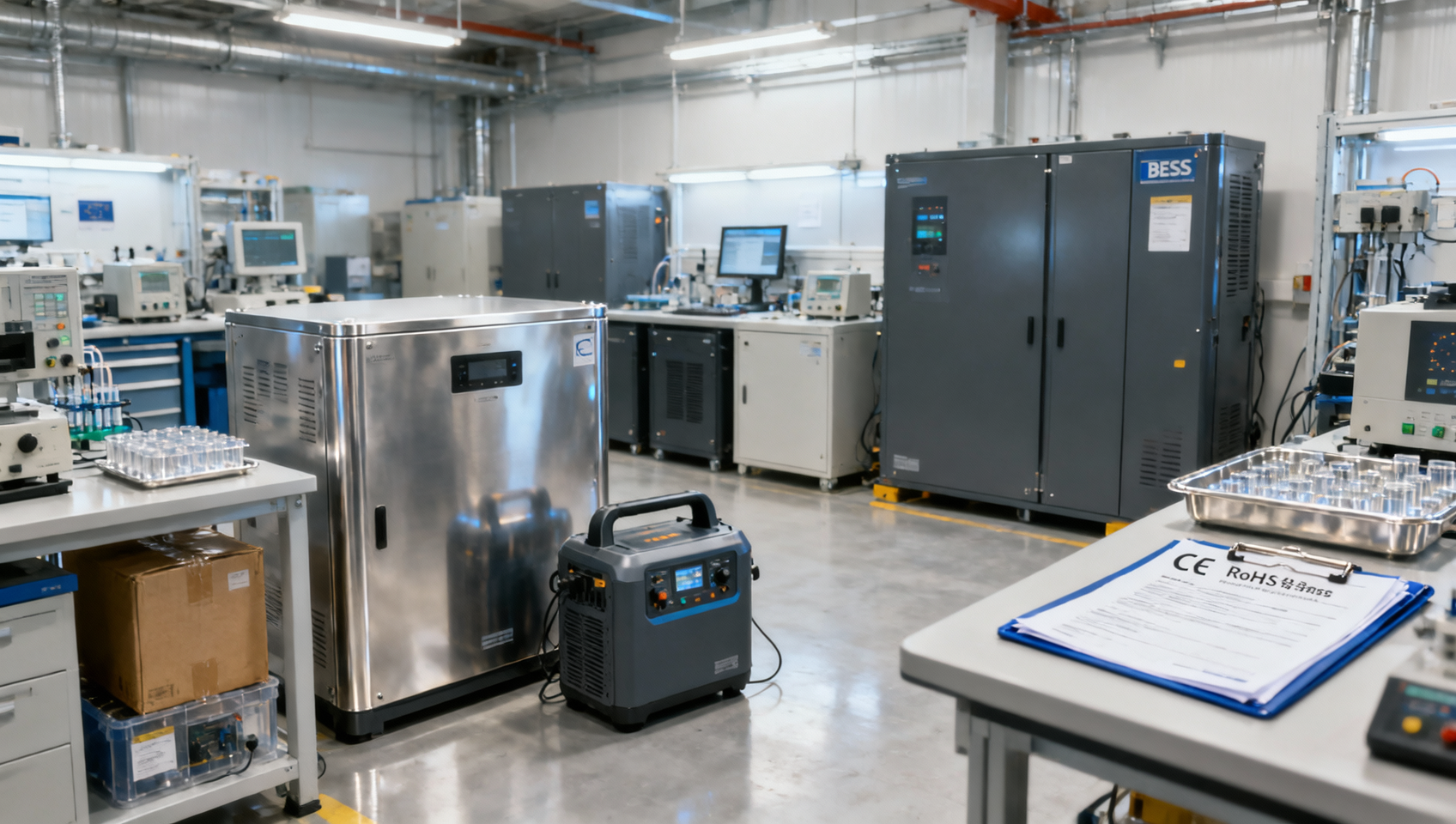
 EU Tightens RoHS Lead Limit for Lithium StorageEU Tightens RoHS Lead Limit for Lithium Storage: learn how the new 0.1% Pb rule affects lithium-ion energy storage, CE files, testing, and EU market access.
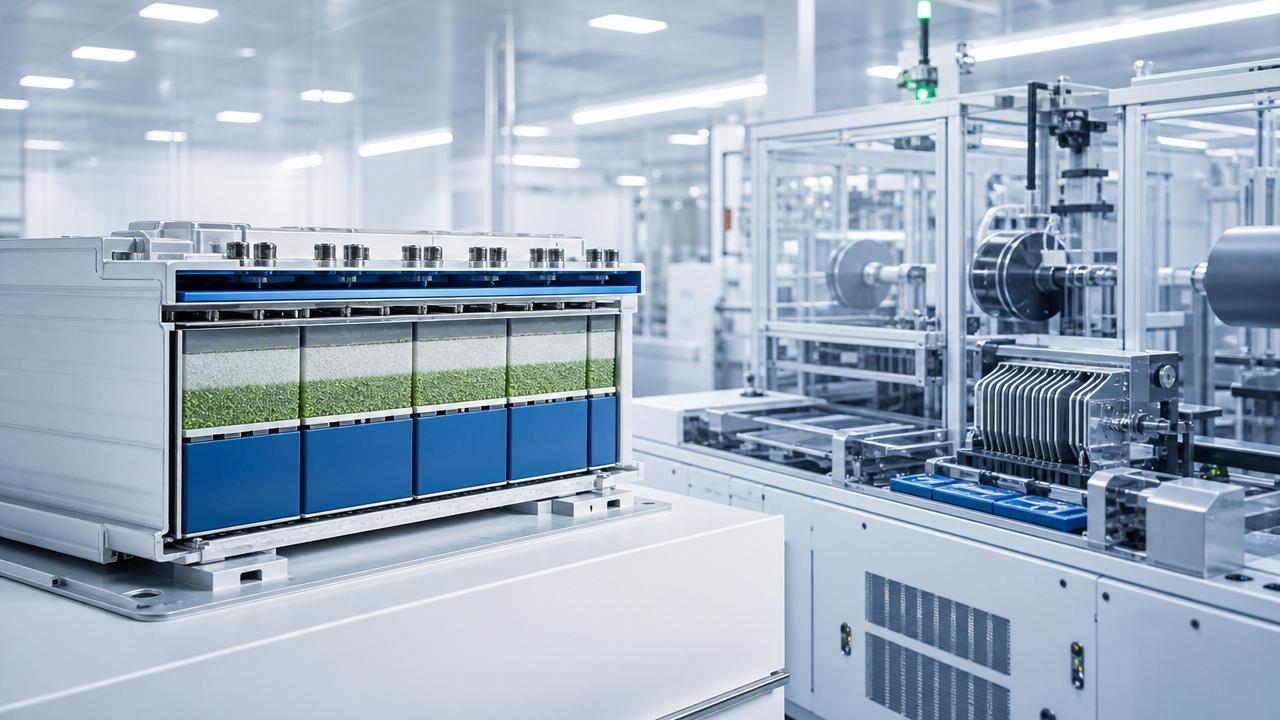
 Can solid-state battery breakthroughs raise energy density?Solid-state battery breakthroughs high energy density could transform EVs, electronics, and industry. Explore key trends, risks, and market opportunities.
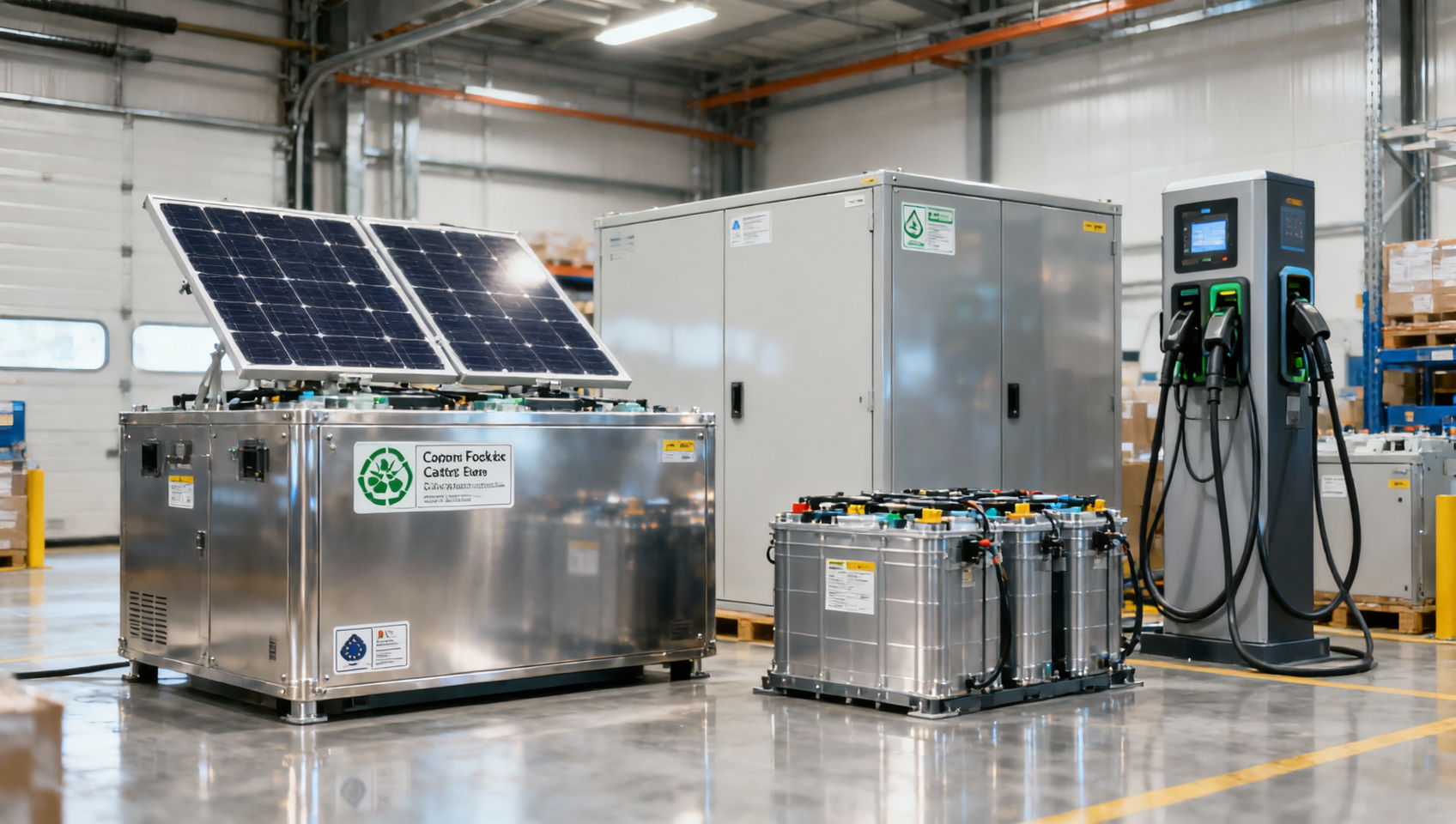
 EU Rule Requires Carbon Footprint Declarations for Industrial BatteriesEU carbon footprint declarations are now mandatory for industrial batteries above 2kWh entering the EU market. Learn key deadlines, compliance risks, and what exporters must do next.
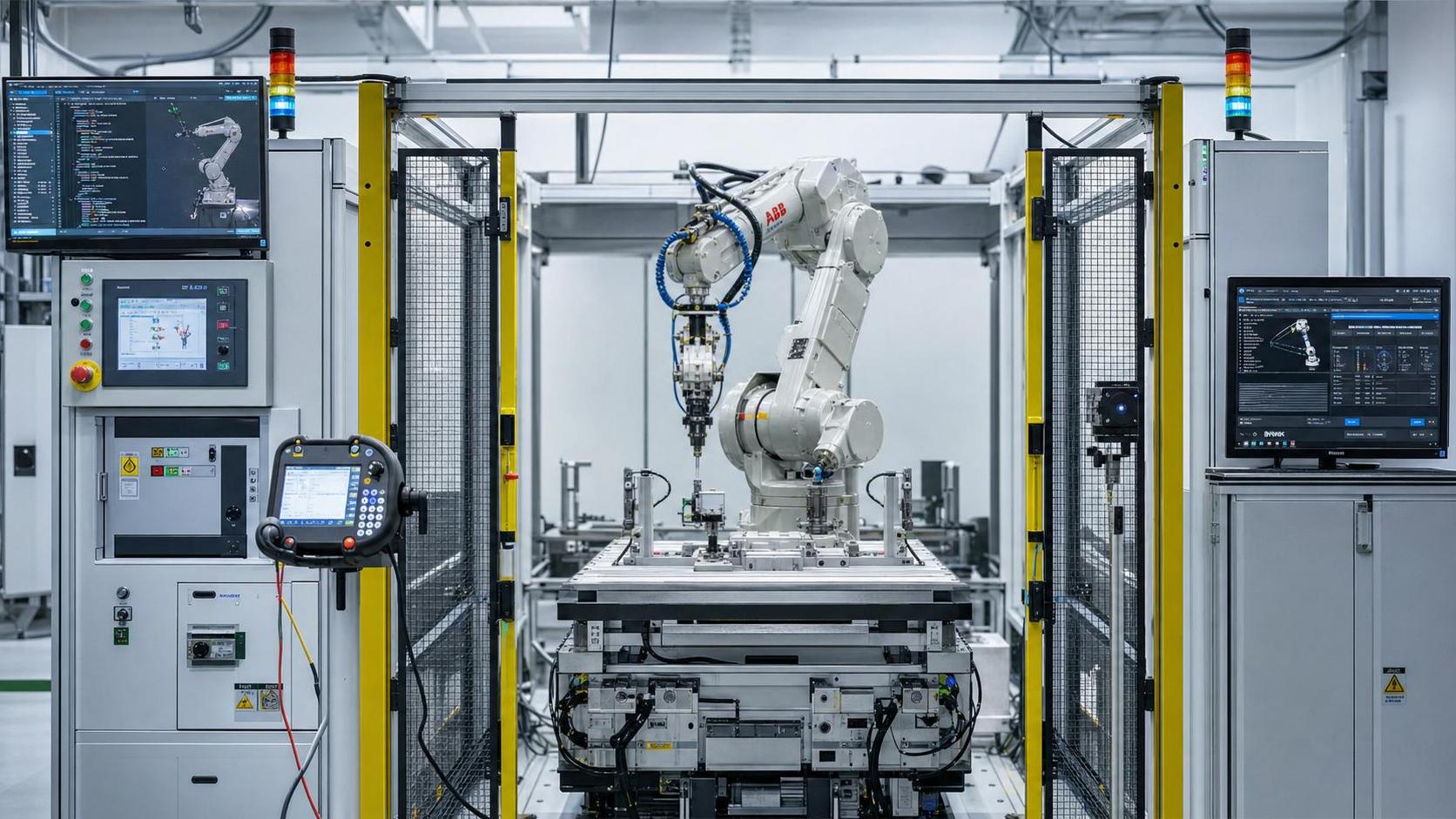
 Industrial Robot Programming Basics: Common Languages, Motion Types, and Safety LogicIndustrial robot programming basics explained: compare common robot languages, motion types, and safety logic to improve automation quality, uptime, and production readiness.