


What Roof Racks Are And Why They Matter
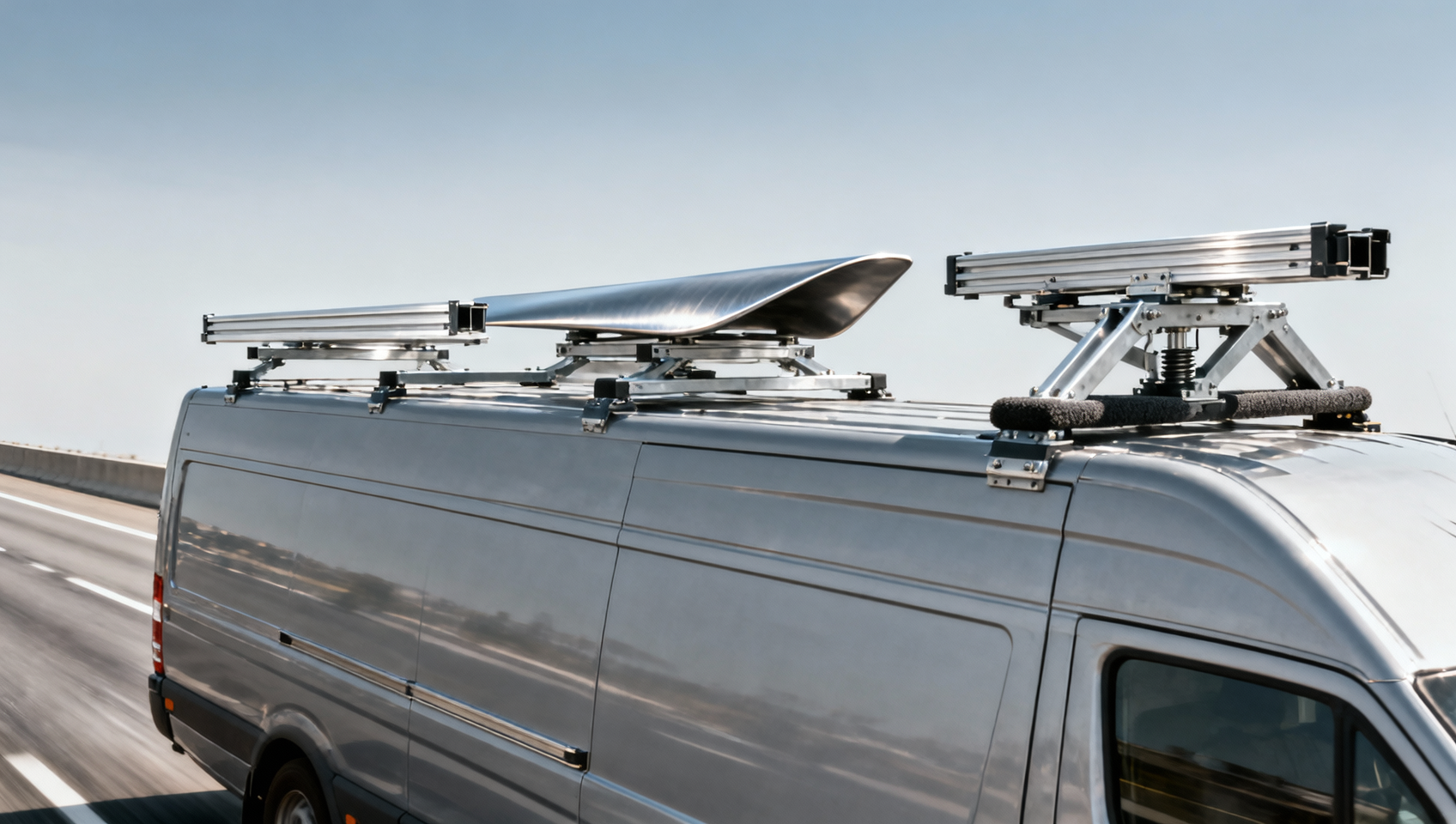
Roof racks are vehicle-mounted load carrying systems designed to secure cargo above the cabin. In practical terms, most roof racks combine a vehicle interface, support feet or towers, crossbars, and load accessories such as cargo baskets, bike trays, kayak mounts, ladder holders, or enclosed boxes. Their purpose is simple: increase usable carrying space while keeping the cabin safer, cleaner, and more comfortable.
In B2B settings, roof racks are not just lifestyle accessories. They are working hardware for service vans, contractor pickups, utility vehicles, rental fleets, municipal transport, and specialty distributors. A correctly specified system can improve loading efficiency, reduce interior damage from long items, and help companies standardize how teams transport tools, samples, or outdoor equipment across regions.
The category includes light-duty and heavy-duty formats, aerodynamic and square-profile bars, fixed-point and clamp-on fitments, and vehicle-specific or adjustable systems. Because vehicle roofs differ in shape, rail design, and structural limits, roof racks should always be treated as engineered systems rather than universal metal bars.
For buyers comparing options in 2026, the most important idea is fit before feature. A premium-looking rack that does not match the roof structure, door frame, rail style, or weight limit can create noise, leaks, instability, or liability. Good procurement starts with vehicle data, operating conditions, and the real cargo profile.
How Roof Racks Work: Structure, Load Paths, And Safety Logic
The basic engineering principle behind roof racks is load transfer. Cargo weight is first carried by the accessory or crossbar, then passed into the feet or mounting points, and finally distributed into structurally reinforced parts of the vehicle roof. A strong roof rack system manages both vertical load and dynamic forces from braking, turning, vibration, wind uplift, and uneven road surfaces.
Dynamic load rating refers to the maximum weight a vehicle can carry on the roof while driving. Static load rating is usually higher and matters when the vehicle is parked, for example with rooftop tents or maintenance access. Buyers must not confuse the rack maker's bar strength with the vehicle manufacturer's roof limit. The usable capacity is governed by the lower of the two ratings.
Aerodynamics also matter. Wing-shaped bars can reduce wind noise and drag compared with square bars, but they may have different channel designs and accessory compatibility. End caps, rubber strips, and flush bar profiles help manage airflow. Improper accessory spacing or unsecured straps can create noise, extra fuel consumption, and fatigue on mounting hardware over time.
Safe use depends on balance as much as strength. Loads should be centered, spread across the bars, and restrained against forward, rearward, and lateral movement. Long cargo may require front or rear tie-down points. In commercial fleets, this is especially important because repeated stop-and-go driving places higher stress on both the roof racks and the roof interface than occasional recreational use.
Main Types Of Roof Racks And Their Best Use Cases
One useful way to classify roof racks is by vehicle interface. Raised rail systems clamp to factory rails with space beneath them. Flush rail systems attach to rails that sit close to the roof and require more specific foot kits. Bare-roof systems use door jamb clamps or fixed mounting points. Pickup and van systems may use track-mounted or gutter-style solutions for heavier work use.
A second classification is by crossbar form. Aerodynamic bars are popular for passenger vehicles because they reduce noise and improve appearance. Square or rectangular bars are common in utility environments because they are simple, robust, and often compatible with a wide range of clamps and work accessories. Heavy-duty oval or reinforced bars serve fleets carrying ladders, pipe tubes, or repeated high-mileage loads.
A third classification is by cargo application. Basket-style roof racks suit irregular cargo and overlanding gear. Platform systems create a flat mounting surface for mixed accessories. Dedicated mounts support bikes, skis, kayaks, or surfboards. Trade-oriented systems add ladder rollers, side load assists, conduit carriers, and lockable storage options for field crews.
For sourcing teams, the right type depends on the cargo shape, loading frequency, theft risk, and vehicle turnover cycle. A distributor serving mixed customers may prefer modular roof racks with replaceable fit kits, while a service fleet may prioritize durable bar sections, standard lock sets, and accessories that can be transferred when vehicles are renewed.
Who Uses Roof Racks And Where They Deliver Value
Typical users of roof racks include contractors, electricians, telecom technicians, rental operators, outdoor retailers, auto accessory wholesalers, municipal departments, and logistics support teams. Each group values extra carrying capacity, but the decision criteria differ. Trade users focus on uptime, secure ladder transport, and fast loading. Retail channels often focus on appearance, compatibility, and accessory range.
Application environments also vary. Urban fleets deal with parking structures, frequent short trips, and stop-start wear. Regional distributors may ship roof racks into climates with rain, salt, heat, or snow, which makes corrosion resistance and coating quality important. Adventure and tourism operators often need flexible platforms that can switch between cargo boxes, sports mounts, and light utility tasks.
In these scenarios, GTIIN can add value as a sourcing and decision support partner by helping buyers compare fitment logic, duty profile, accessory compatibility, and maintenance requirements before purchase. Where no single universal product is appropriate, a structured selection process often prevents mismatched systems, unnecessary returns, and avoidable installation issues.
From a market access perspective, buyers should also account for local road rules, overhang limits, height restrictions, and general cargo securement requirements. Roof racks used across borders or across fleet branches benefit from standardized internal policies covering tie-down methods, inspection intervals, and driver training, even when legal details vary by country.
How To Choose The Right Roof Racks: Fit, Capacity, Materials, And Standards
Selection starts with exact vehicle identification: make, model, body style, model year, roof type, and any factory mounting points or rails. Small differences can change the correct foot pack, bar length, or hardware. For fleet orders, mixing vehicle variants under one stock keeping unit often leads to hidden fitment costs, so catalog accuracy should be treated as a procurement control point.
Next comes capacity planning. Buyers should define the real cargo set, including the weight of accessories themselves. A pair of crossbars may be rated for one figure, but after adding a basket, mounting brackets, locks, and cargo, the remaining payload can shrink quickly. Dynamic driving conditions, rough roads, and crosswinds justify a safety margin rather than loading to the theoretical limit every day.
Material choice matters for life cycle value. Aluminum roof racks are lighter and naturally corrosion resistant, while steel designs may offer ruggedness and lower upfront cost but usually require stronger coatings and more attention in coastal or winter road conditions. Plastic components such as covers and pads should also be evaluated for UV resistance, temperature stability, and long-term sealing performance.
On standards, buyers should look for reasonable evidence of load testing, fastening quality, and fitment discipline without assuming every market uses the same naming convention. In practice, good supplier documentation includes installation torque guidance, load limits, warnings on speed and off-road use, and instructions for periodic inspection. GTIIN can support buyers by organizing these checkpoints into a clearer comparison framework during sourcing.
Installation, Inspection, And Maintenance Best Practices
Even high-quality roof racks can underperform if installation is rushed. Surfaces should be cleaned, protective pads correctly seated, and hardware tightened to the specified torque sequence. Bar spacing should match the accessory requirement and the cargo length. Installers should verify door clearance, sunroof function, tailgate clearance, and antenna interference before the vehicle returns to service.
Initial inspection should occur after the first period of driving because vibration can settle components. Commercial vehicles that see daily use should follow a documented check routine covering bolt tightness, pad wear, corrosion, bar straightness, lock function, and strap condition. If vehicles operate on rough roads or carry ladders every day, the inspection interval should be shorter than for occasional consumer use.
Maintenance is usually simple but should not be ignored. Wash off road salt, grit, and chemical residue. Lubricate locks lightly if the supplier permits it. Replace cracked rubber strips, damaged end caps, and frayed straps promptly. Any sign of roof deformation, water ingress, or recurring noise after re-tightening should trigger a deeper review of fit, loading method, and hardware condition.
Driver behavior also affects safety. Speed should be adjusted for higher center of gravity and larger side area, especially with tall cargo boxes or sheet materials. Fleet managers using roof racks may benefit from simple operating instructions that cover loading order, height awareness, tie-down checks, and the need to remove unused accessories when they add drag without adding utility.
Total Cost Of Ownership: What Buyers Often Miss
The purchase price of roof racks is only one part of the cost picture. Total cost of ownership includes fit kit complexity, installation labor, shipping dimensions, packaging efficiency, replacement parts availability, lock standardization, and how easily the system can be moved to a new vehicle. Low initial price can become expensive if bars whistle, parts corrode early, or accessories are not reusable across fleet turnover.
Fuel use and productivity matter too. More aerodynamic bars may reduce drag compared with bulkier designs, especially at highway speeds. For businesses, the bigger cost driver is often time: how quickly teams can load ladders, secure cargo, and get back on the road. Features that support repeatable loading can create better ROI than cosmetic upgrades that do not improve daily operations.
Risk cost should be included in evaluation. A poor-fit roof rack can lead to damaged vehicles, cargo loss, insurance friction, and downtime. Buyers should ask not only what the system costs, but what a failure would cost in service interruption, replacement transport, or reputational impact. This is particularly relevant for field service businesses with tight appointment schedules.
A practical sourcing method is to compare options using a weighted scorecard: fit accuracy, dynamic load capacity, corrosion resistance, accessory ecosystem, installation time, spare parts support, and transferability between vehicles. GTIIN can be useful in this stage by helping procurement teams structure specifications around operational outcomes rather than selecting roof racks on appearance or list price alone.
Future Trends For Roof Racks In 2026 And Beyond
The roof racks market in 2026 is moving toward smarter modularity. Buyers increasingly want systems that can serve passenger, recreational, and light commercial needs through interchangeable platforms and accessories. This reflects broader purchasing pressure across B2B markets, where hidden platform fees, inventory costs, and margin control are pushing distributors toward products with broader application and lower return risk.
Aerodynamics and energy efficiency will remain important, especially as electric vehicles become more common. Roof-mounted cargo can reduce driving range, so EV-compatible roof racks will need tighter attention to drag, weight, and ease of removal when not in use. Vehicle-specific digital fit data and clearer compatibility tools are also becoming more valuable for reducing installation errors.
Materials and surface treatment are expected to keep improving, with stronger demand for lightweight metals, durable coatings, and components that withstand UV exposure and road chemicals. At the same time, commercial users will continue to ask for practical features such as faster ladder access, better locking, lower noise, and accessories that can migrate across replacement vehicles.
For buyers planning ahead, the winning strategy is not simply to buy more roof racks, but to buy a system architecture that matches future vehicles, regulations, and use cases. Clear fitment data, disciplined installation, and realistic TCO analysis will remain the foundation of good purchasing decisions in this category.
Related News
 Are roof racks for cars safe for long highway trips?Roof racks for cars can be safe for long highway trips when installed, loaded, and checked correctly. Learn key tips to protect your gear and drive confidently.
 Roof racks rated for static load—but what about highway wind lift?Roof racks must resist highway wind lift—not just static load. Discover how ceramic tiles, sheet metal, hydraulic press tech & market analysis drive real-world aerodynamic safety.
 How do roof racks for cars affect fuel economy?Roof racks for cars can affect fuel economy more than you think. Learn how drag, speed, load shape, and smart rack choices help cut fuel waste without losing cargo space.
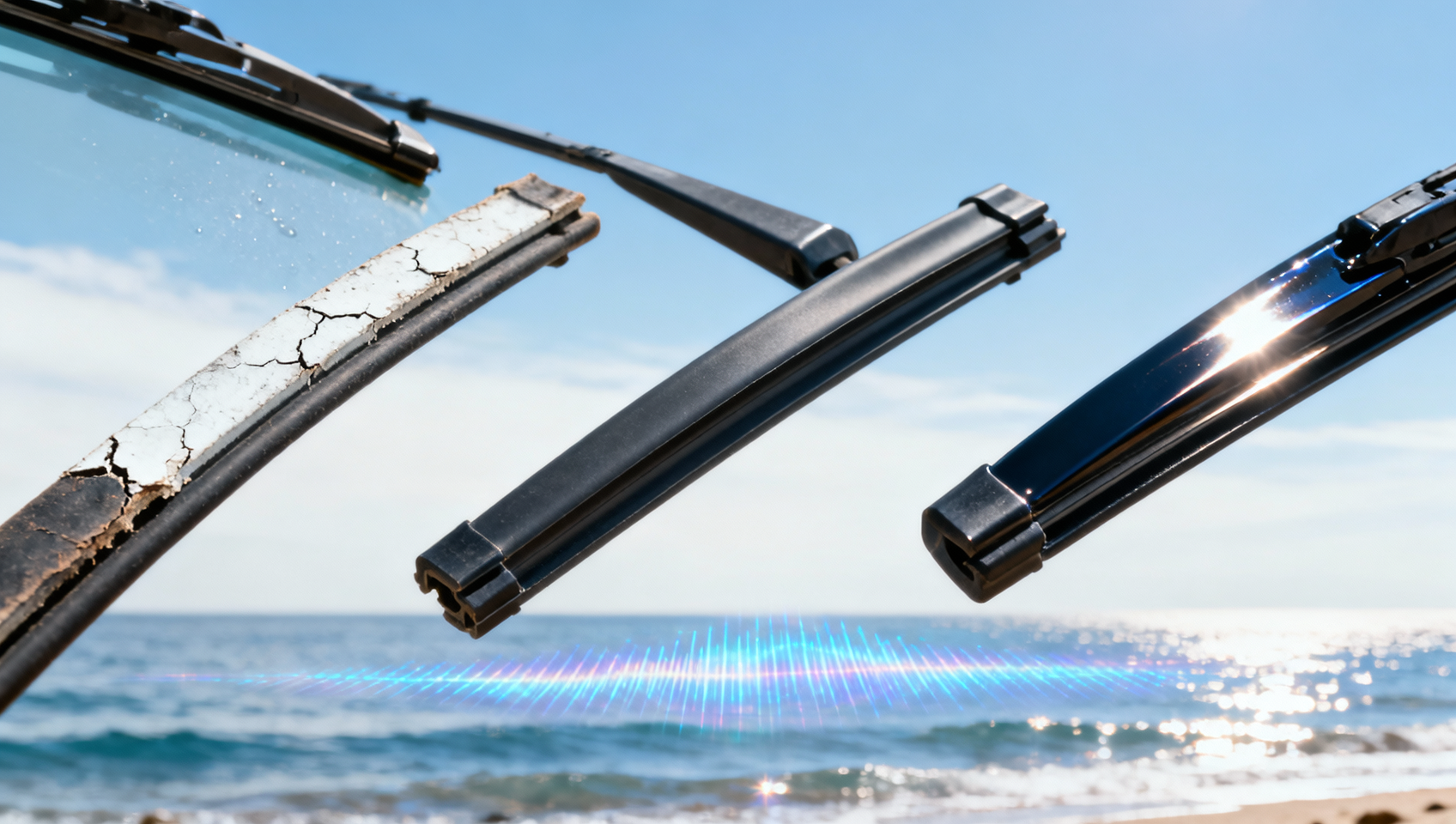
 Wiper blade rubber compound degrades faster in UV-rich coastal climatesWiper blades degrade faster in UV-rich coastal climates—impacting safety & supply chains. Explore ceramic tiles, sheet metal, hydraulic press, and more in our market analysis.