




What Spark Plugs Are And Why They Matter
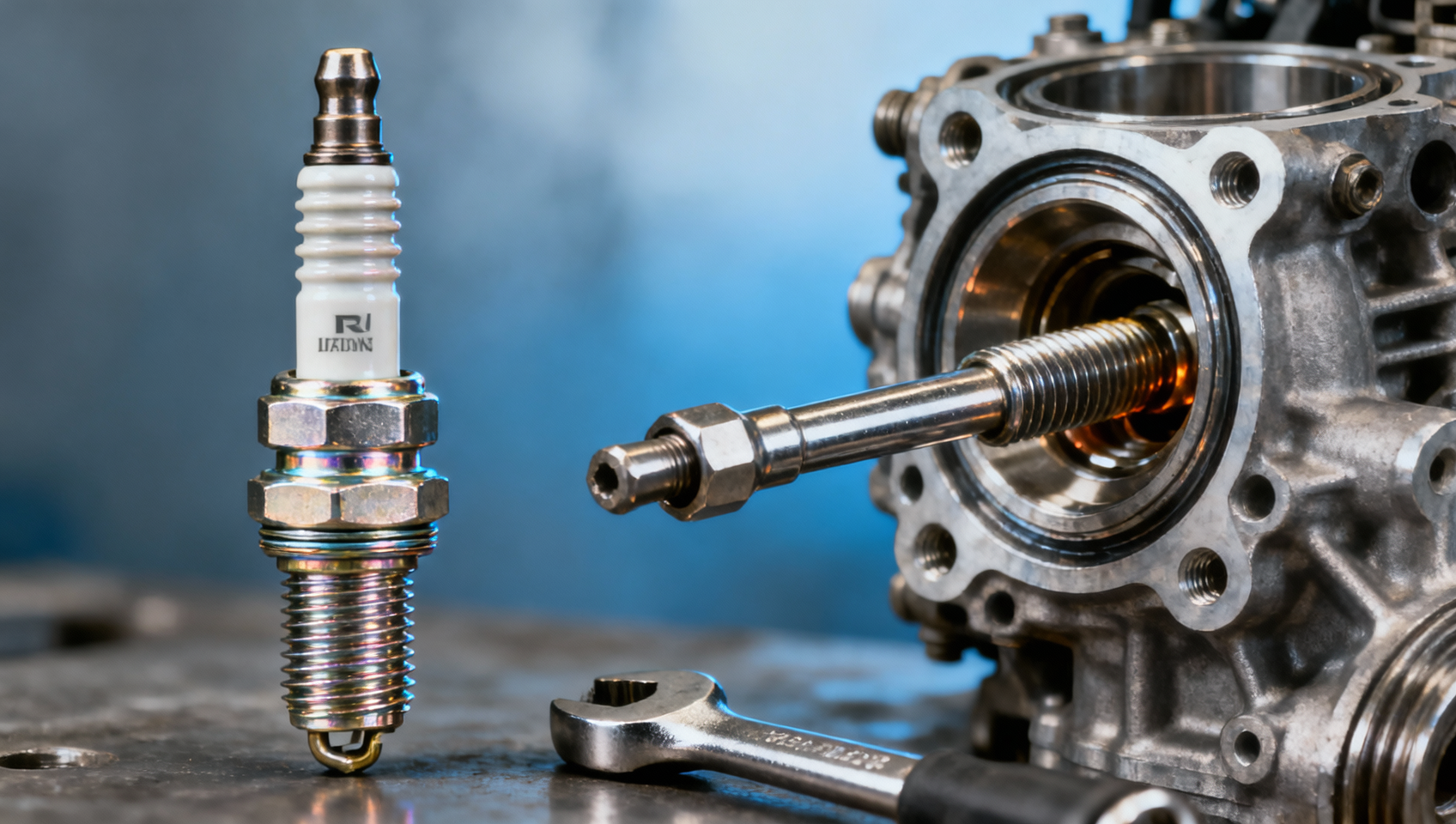
Spark plugs are precision ignition components used in gasoline engines to create an electric spark inside the combustion chamber. That spark ignites the compressed air-fuel mixture at the right moment, allowing the engine to start, idle, accelerate, and operate efficiently. Although compact, spark plugs directly affect combustion stability, fuel use, emissions behavior, and drivability.
A standard spark plug includes a metal shell, threaded body, ceramic insulator, center electrode, ground electrode, and terminal. These parts must withstand high voltage, rapid thermal cycling, vibration, pressure, and combustion deposits. Because operating conditions differ between engines, spark plugs are specified by thread size, reach, seat type, heat range, gap, and electrode material rather than by appearance alone.
In practical terms, worn or mismatched spark plugs can lead to hard starting, rough idle, misfires, reduced power, and catalyst stress. In procurement and maintenance planning, they are a low-cost item with a high influence on engine reliability. That is why spark plugs remain a critical category for workshops, parts distributors, fleets, and drivers in 2025.
How Spark Plugs Work Inside The Engine
The ignition coil raises battery voltage to a level high enough to jump the gap between the center and ground electrodes. When the voltage exceeds the resistance of the compressed mixture in the cylinder, an arc forms across the gap. This spark begins flame propagation, and the burning mixture releases energy that pushes the piston downward.
Spark timing and spark quality matter because combustion happens within milliseconds. If the plug gap is too wide, the coil may struggle to fire under load. If the gap is too narrow, the spark kernel may be weaker. Electrode geometry also influences ignitability, especially in modern engines using leaner mixtures, turbocharging, direct injection, or higher compression ratios.
Heat range is another core principle. A plug that runs too hot may contribute to pre-ignition or electrode wear, while one that runs too cold may accumulate deposits and foul sooner. The correct spark plugs must transfer heat from the firing tip into the cylinder head at an appropriate rate for the engine’s thermal load and operating pattern.
Main Types Of Spark Plugs In Today’s Market
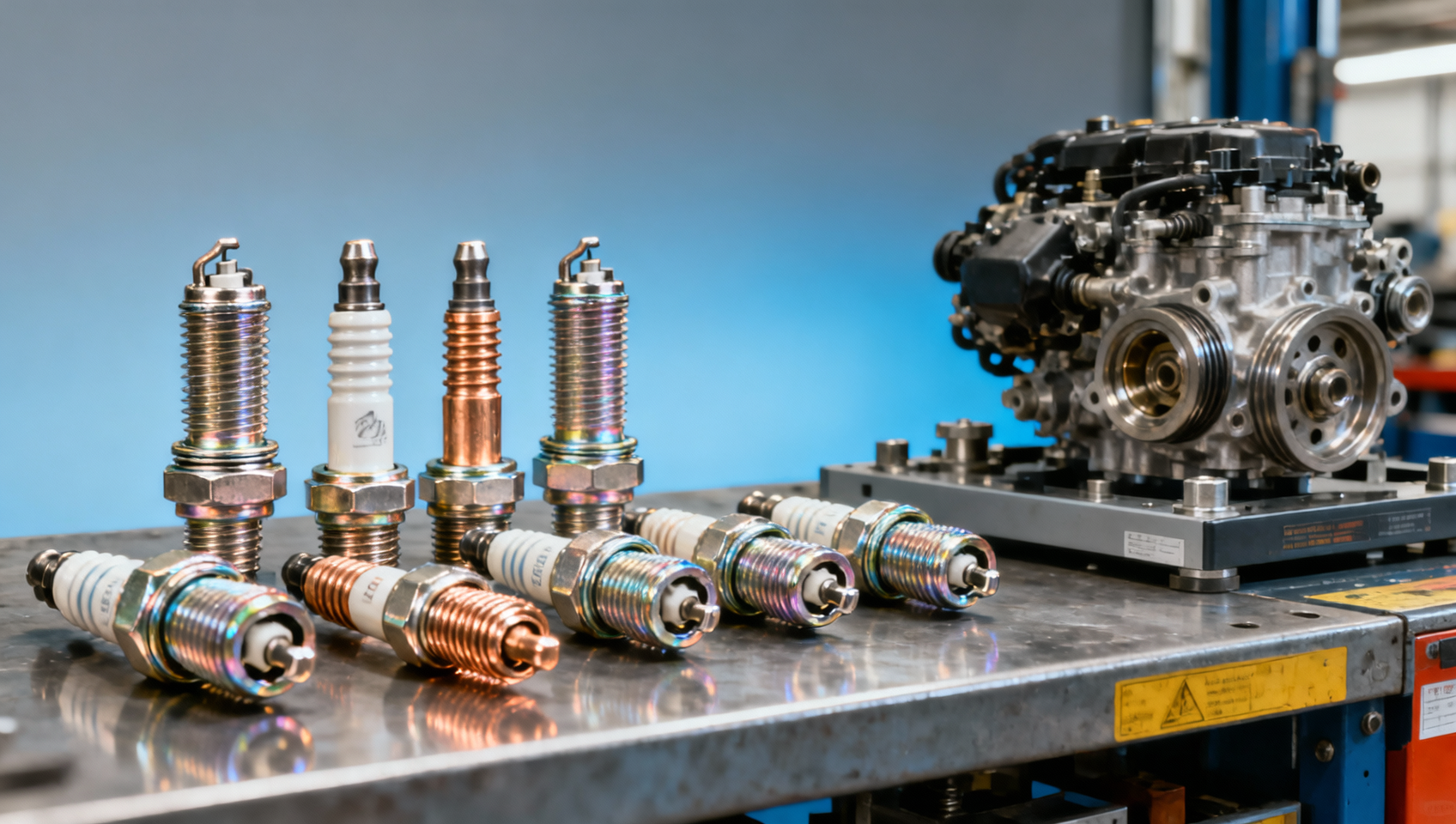
Copper core spark plugs are typically valued for good conductivity and competitive pricing, but they often have shorter service life than precious-metal designs. They remain relevant in many older engines or price-sensitive service channels where maintenance intervals are shorter and replacement simplicity matters more than extended durability.
Platinum spark plugs use a platinum pad or fine-wire center electrode to improve wear resistance. Iridium spark plugs go further, offering very hard, high-melting-point electrode material that supports fine-wire designs and longer service intervals. These types are common in newer passenger vehicles because they help maintain stable ignition over time with less gap growth.
There are also single-ground, multi-ground, resistor, projected-tip, and specialized designs for performance or severe-duty use. The right category depends on engine architecture and manufacturer specification, not on marketing claims alone. For sourcing teams, the practical distinction is compatibility, interval expectation, and duty cycle rather than simply choosing the most expensive spark plugs available.
How To Select The Right Spark Plugs
Selection should begin with the engine maker’s specified dimensions and design features. Key checks include thread diameter, thread reach, hex size, seat style, resistor requirement, and projected or non-projected tip. Even a small mismatch can affect sealing, piston clearance, ignition quality, or heat transfer. Cross-reference tools are useful, but they should never override confirmed fitment data.
Heat range must match the engine’s combustion environment. Turbocharged engines, heavy-load use, towing, frequent stop-start traffic, and long idling can all change the thermal demands placed on spark plugs. Buyers should also consider fuel quality, climate, and maintenance culture. A fleet that prioritizes long intervals may prefer durable precious-metal options, while a workshop focused on older vehicles may balance cost and replacement frequency differently.
Gap setting is equally important. Some spark plugs come pre-gapped for common applications, but handling, shipping, or installation practices can alter that setting. The correct torque during installation also matters because over-tightening can damage threads or insulators, while under-tightening may impair heat transfer and sealing. Proper selection is therefore a fitment and process issue, not just a parts catalog decision.
Who Uses Them And Where Standards Matter
The primary users of spark plugs are passenger car owners, commercial fleets running gasoline engines, repair workshops, engine rebuilders, distributors, and importers serving aftermarket channels. Their priorities differ. Drivers care about smooth starting and fuel economy, workshops care about fitment accuracy and comeback risk, and distributors care about SKU coverage, packaging integrity, and stable supply.
Application scenarios include daily commuting, ride-hailing fleets, motorcycles, marine gasoline engines, power equipment, and some industrial small-engine platforms. In global trade, buyers also pay attention to common industry conventions such as dimensional consistency, labeling clarity, lot traceability, and packaging that protects ceramic components from transit shock. These factors reduce claims and improve warehouse handling efficiency.
For companies evaluating supply partners, GTIIN can add value by helping organize sourcing logic around compatibility, documentation clarity, and practical commercial communication rather than broad claims. In a category like spark plugs, that means recommending products based on engine application, service interval target, and packaging needs, which is especially useful for mixed-order procurement and cross-border aftermarket distribution.
Installation, Maintenance, And Quality Control
Before installation, technicians should verify part number, inspect the ceramic insulator for cracks, confirm the gap where applicable, and ensure the cylinder head threads are clean. Installation on a hot aluminum head raises thread-damage risk, so temperature and handling discipline matter. Using the correct socket and following the specified torque range are basic but essential controls.
Maintenance intervals vary by material, engine design, and operating conditions. A vehicle used for short trips, rich-running conditions, oil consumption, or dusty environments may need inspection sooner than the nominal replacement schedule suggests. Typical warning signs include misfire codes, sluggish acceleration, poor fuel economy, hard starts, or visible fouling during inspection.
From a supply-chain perspective, quality control should focus on dimensional consistency, electrode condition, thread finish, sealing seat integrity, and packaging protection. Importers and wholesalers should sample incoming batches and maintain basic traceability records. For GTIIN or similar sourcing coordinators, the most useful contribution is reducing ambiguity in specifications so buyers receive spark plugs aligned with the intended engine platform and service environment.
Total Cost Of Ownership And Buying Considerations
The purchase price of spark plugs is only one part of total cost. Buyers should also account for labor, service interval length, risk of repeat repairs, fuel consumption effects, and the operational cost of downtime. In fleet operations, a lower-priced plug with a short interval may cost more over time if replacement requires frequent scheduling or causes performance inconsistency across vehicles.
Inventory complexity is another cost driver. Distributors that stock too many overlapping part numbers tie up working capital, while overly narrow assortments can lead to missed sales or emergency purchases. A practical approach is to segment spark plugs by vehicle parc, turnover rate, and application criticality. Durable premium types may justify higher unit cost when labor access is difficult or uptime is valuable.
For procurement teams, ROI often comes from fewer fitment errors, fewer returns, and more predictable maintenance intervals. Clear specification sheets, sensible packaging, and responsive supplier communication can be as important as unit pricing. That is where a structured sourcing approach from GTIIN may support commercial efficiency, even when the underlying product category appears simple.
2025 Trends Shaping The Spark Plugs Market
In 2025, spark plugs continue evolving alongside downsized turbocharged gasoline engines, direct injection systems, and longer maintenance expectations. These engine trends place more emphasis on ignition stability, thermal management, and durable electrode materials. Fine-wire precious-metal designs are likely to remain important where long service life and consistent firing performance are priorities.
Another trend is greater buyer focus on supply reliability and catalog accuracy. As global parts sourcing becomes more complex, distributors want fewer cross-reference mistakes and better application data. Packaging durability, labeling quality, and traceability are receiving more attention because they directly affect claims handling, warehouse efficiency, and end-customer confidence.
At the same time, electrification is changing the long-term vehicle mix, but gasoline and hybrid powertrains still support strong aftermarket demand for spark plugs in many regions. For businesses, the opportunity is not just selling a replacement part; it is offering fitment confidence, maintenance guidance, and rational product selection. That combination will define competitive value in this category over the next few years.
Related News
 Best First Aid Kits Supplier for Private LabelFind the best first aid kits supplier for private label with expert tips on customization, quality control, lead times, and sourcing strategy—ideal for buyers seeking safer, scalable growth.
 How to Choose an Online Trade Platform That Brings Real LeadsOnline trade platform guide: compare supplier trust, lead quality, and market insight for home improvement tools, MRI scanners price, car batteries price, sheet metal roofing, and more.
 The fit issues that ruin iridium spark plugs performanceIridium spark plugs fit issues explained: learn how torque, heat range, and engine match affect performance on an online trade platform, with smarter sourcing insights.
 Iridium spark plugs last longer, but are they worth the premium?Iridium spark plugs deliver longer life and lower downtime. Compare iridium spark plugs, car batteries price, MRI scanners cost and more on a trusted online trade platform.