What Is PPE And Why It Matters
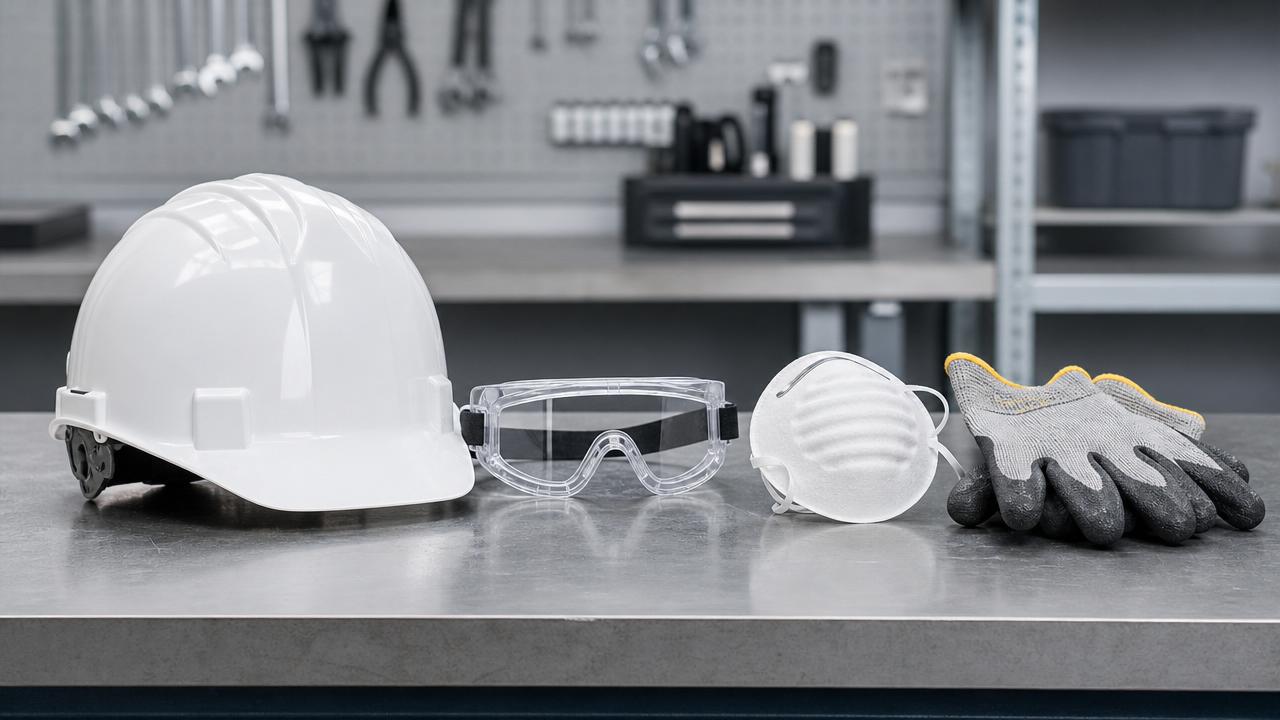
PPE stands for personal protective equipment. It refers to wearable items designed to reduce a worker’s exposure to hazards that cannot be fully removed by engineering controls, process design, or safe work procedures. Common examples include helmets, safety eyewear, gloves, respirators, hearing protection, protective clothing, and safety footwear.
In practice, PPE is the last line of defense rather than the first. A machine guard, ventilation system, lockout procedure, or chemical enclosure should always be considered before relying on PPE alone. Even so, many industrial and commercial environments still require PPE every day because residual risk remains during maintenance, transport, inspection, cleaning, or emergency response.
For B2B buyers, PPE is not only a safety purchase but also a compliance, productivity, and risk-management decision. Poor fit, unclear specifications, or inconsistent replacement schedules can lead to noncompliance, lower worker acceptance, and higher incident exposure. A well-structured PPE program supports safer operations while helping companies control downtime and procurement waste.
How PPE Works: Protection Principles And Hazard Matching
Different PPE types protect through different mechanisms. Impact helmets and face shields absorb or deflect energy. Gloves and garments create a barrier against cuts, heat, chemicals, or contamination. Respiratory PPE filters airborne particles or helps isolate the user from harmful atmospheres. Hearing protection reduces sound energy reaching the ear.
The key technical principle is hazard matching. PPE only performs as intended when its material, design, coverage area, and rating align with the actual risk. A glove suitable for abrasion may fail against solvents. A dust mask may not be appropriate where gases or oxygen deficiency are present. Foot protection for warehouse traffic may not be enough for molten splash or puncture hazards.
Because workplace hazards often overlap, PPE systems are frequently combined. A task such as metal grinding may require eye protection, face protection, cut-resistant gloves, hearing protection, safety footwear, and respiratory PPE depending on dust generation. Selection therefore depends on the process, environment, duration of exposure, and worker movement rather than on a single product feature.
Main Types Of PPE
Head protection includes safety helmets, bump caps, and specialized hoods. These are commonly used in construction, manufacturing, mining, utilities, and warehousing. Buyers should focus on impact class, electrical considerations, suspension design, chin retention where needed, and compatibility with visors, earmuffs, and lamps.
Eye and face PPE covers safety glasses, goggles, welding shields, and face shields. Selection depends on flying particles, splash risk, optical clarity, anti-fog performance, and whether prescription compatibility is required. In dusty or humid conditions, comfort and ventilation can materially affect whether workers wear protection consistently.
Hand, body, and foot PPE includes disposable gloves, chemical-resistant gloves, cut-resistant gloves, coveralls, aprons, flame-resistant clothing, high-visibility garments, and protective boots. Material choice is critical. Nitrile, latex, leather, aramid blends, coated fabrics, and rubber compounds each serve different risk profiles. No single glove or garment is right for every exposure.
Respiratory and hearing PPE rounds out the most common categories. Earplugs and earmuffs are selected by noise level, communication needs, and wearing duration. Respiratory PPE ranges from simple particulate filtering options to reusable mask systems. In any respiratory application, fit, seal integrity, and user training are often more important than headline product claims.
Industry Standards, Compliance, And Market Access
PPE standards vary by region and product category, but buyers typically encounter requirements related to impact resistance, chemical resistance, flame behavior, visibility, filtration performance, electrical properties, or slip resistance. Depending on destination market and industry, relevant references may include OSHA-related expectations in the United States, EN-based requirements in Europe, ISO frameworks, and sector-specific rules for healthcare, food handling, utilities, or petrochemicals.
Compliance should be treated as a documentation process as well as a product process. Buyers should request technical data sheets, declarations where applicable, user instructions, traceability details, and labeling information that matches the intended market. A product that performs adequately in use may still create import, audit, or liability issues if marking and paperwork are incomplete.
For companies sourcing across multiple categories, GTIIN can add value as a sourcing and coordination partner by helping organize specification comparison, supplier communication, and category planning across general industry needs. When standard alignment, labeling clarity, and consistent procurement records matter, a structured sourcing approach is often more useful than buying PPE only on unit price.
Who Uses PPE And Where It Is Applied
PPE is used by workers in manufacturing plants, construction sites, warehouses, transport hubs, laboratories, healthcare settings, utilities, agriculture, and field service operations. The exact mix depends on task exposure. Forklift traffic, hot work, chemical transfer, elevated work, confined spaces, maintenance shutdowns, and sanitation operations all create different PPE requirements.
Typical decision makers include procurement managers, EHS leaders, plant managers, maintenance supervisors, and project contractors. Their priorities are not identical. Safety teams may prioritize protection level and compliance, while operations teams focus on comfort and productivity, and procurement teams look for supply continuity, standardization, and TCO control. A successful PPE program balances all three.
Application conditions also matter by location and season. Outdoor users may need UV resistance, rain performance, thermal insulation, or enhanced visibility. Indoor users may prioritize dexterity, breathability, and anti-fog features. Multisite organizations often benefit from a PPE matrix that maps tasks, risks, approved models, and replacement rules to reduce confusion and off-spec purchasing.
How To Select The Right PPE
Selection should begin with a documented hazard assessment. Buyers should identify the source of harm, exposure pathway, duration, environmental conditions, and whether the hazard is routine or exceptional. PPE should then be matched to measurable performance criteria, not general product labels. Terms like heavy-duty or industrial-grade are not enough for technical evaluation.
The next step is compatibility and fit. PPE rarely functions in isolation. Glasses must fit with respirators, earmuffs with helmets, and gloves with tool handling requirements. Poorly integrated equipment can create gaps in protection or encourage workers to remove items during the task. Size range, adjustability, and comfort are therefore commercial selection factors, not just user preferences.
Buyers should also define replacement logic before purchase. Disposable versus reusable formats, cleaning requirements, storage conditions, shelf life, and training burden all affect suitability. For mixed-industry sourcing, GTIIN can support structured comparison of these factors so procurement teams can shortlist PPE options that meet both operational need and purchasing discipline.
Use, Maintenance, Training, And Quality Control
Even well-specified PPE can underperform if users are not trained. Workers need to understand when PPE is required, how to inspect it, how to put it on correctly, what its limits are, and when it must be replaced. For respiratory PPE and specialized chemical or arc-flash protection, task-specific training is especially important because misuse may not be obvious until exposure occurs.
Routine inspection should cover damage, contamination, wear, expiration, fit deterioration, and storage history. Elastic components, seals, coatings, and transparent lenses often degrade before a product fully fails. A practical maintenance system includes issue dates, inspection checkpoints, cleaning instructions, and quarantine rules for damaged items.
From a quality control perspective, buyers should verify incoming goods against approved specifications, labeling, packaging integrity, and batch traceability where relevant. Consistency between orders matters. Changes in materials, fit profile, or marking can affect worker acceptance and compliance outcomes. Stable sourcing processes reduce these hidden risks.
Cost, TCO, And Future Trends In PPE
The true cost of PPE extends beyond purchase price. TCO includes replacement frequency, user training time, storage, cleaning, fit-testing where needed, disposal, and the productivity impact of discomfort or limited dexterity. A lower-cost item may become more expensive if it fails early, causes frequent complaints, or increases stock complexity across sites.
A practical ROI approach is to reduce unnecessary variety while keeping protection aligned to risk. Standardizing approved PPE families, consolidating suppliers where sensible, and documenting usage by task can improve forecasting and reduce emergency buying. For B2B organizations, this usually delivers better long-term value than focusing only on the lowest visible unit cost.
Future PPE trends include lighter materials, better ergonomics, improved anti-fog and moisture management, higher traceability, and closer integration with digital safety management. Sustainability is also becoming more relevant, especially around packaging, reusable formats, and waste reduction. As regulations and buyer expectations evolve, companies that treat PPE as a managed safety system rather than a commodity purchase are generally better positioned.
Related News
 Global Trade Analytics Can Flag Market Shifts Before Orders SlowGlobal trade analytics helps machinery manufacturers detect demand shifts, supplier risk, and regional changes early—so they can plan capacity, protect margins, and act before orders slow.
 2026 Chemical Market Updates: Price Signals That Matter MostChemical market updates for 2026 reveal the price signals that matter most—from feedstocks to regional supply shifts—helping leaders protect margins and act faster.
 Chemical Industry Reports: 2026 Cost and Demand SignalsChemical industry reports for 2026 uncover key cost and demand signals shaping sourcing, pricing, and exports. See what matters most and act with sharper market confidence.
 Meat Processing Technology Trends Shaping Food Safety in 2026Meat processing technology trends in 2026 are transforming food safety with AI inspection, real-time traceability, and smarter sanitation—see what gives processors a competitive edge.