
What Water Treatment Means In 2025
Water treatment refers to the controlled removal, conversion, or stabilization of contaminants in water so it meets a defined purpose. That purpose may be potable use, boiler feed, process water, irrigation, cooling water, wastewater discharge, or water reuse. The required treatment level depends on feedwater quality, end-use sensitivity, and local regulatory expectations.
In practical B2B terms, water treatment is not one machine or one chemical. It is a process chain that may include screening, sedimentation, filtration, softening, membrane separation, disinfection, pH control, sludge handling, monitoring, and dosing. The right sequence matters more than any single component because upstream instability often causes downstream failures, fouling, or compliance risk.
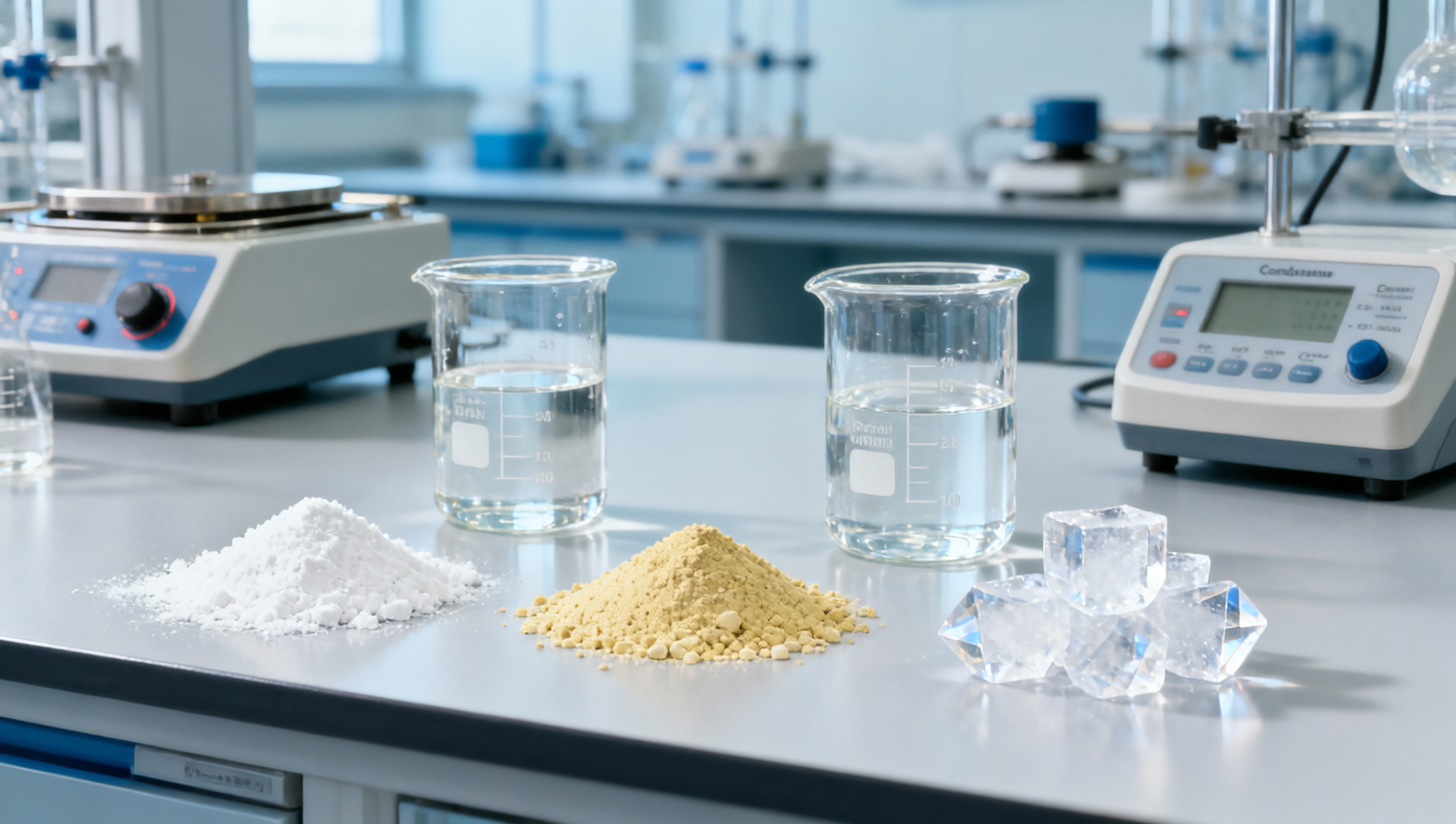
A useful way to define water treatment is by target parameters. Buyers typically evaluate turbidity, TDS, hardness, iron, manganese, silica, COD, BOD, microbial load, residual chlorine, conductivity, and pH. Industrial systems are designed around these measurable indicators, not around generic claims of clean water.
For 2025, the topic is becoming more strategic because water scarcity, discharge limits, energy cost, and supply chain risk now affect plant uptime and procurement decisions. Water treatment is increasingly linked to resource efficiency, product quality, environmental reporting, and long-term operating resilience.
How Water Treatment Works
Most water treatment systems work through a combination of separation and transformation. Separation removes suspended solids, dissolved salts, oils, or microorganisms through gravity, media filtration, adsorption, ion exchange, or membranes. Transformation changes the chemical state of contaminants through oxidation, reduction, neutralization, or biological degradation so they can be removed or rendered less harmful.
A common primary stage is pretreatment. Coarse solids are screened out, then coagulation and flocculation may be used to destabilize fine particles. These particles settle or are captured by clarifiers and filters. Good pretreatment is critical because it protects high-value downstream assets such as reverse osmosis membranes, UV units, and precision valves.
Secondary or polishing stages depend on the objective. Softening removes calcium and magnesium that cause scale. Activated carbon reduces odor, color, and some organics. Reverse osmosis reduces dissolved salts. UV or chlorination controls microbiology. In wastewater water treatment, biological reactors break down biodegradable pollutants, often followed by solid-liquid separation and final disinfection.
Control systems are now a core part of performance. Sensors for flow, pressure, pH, ORP, conductivity, and turbidity help operators detect drift early. Without routine data review, even a technically sound water treatment design can underperform due to chemical overfeed, fouling, bypass events, or poor cleaning intervals.
Main Types Of Water Treatment Systems
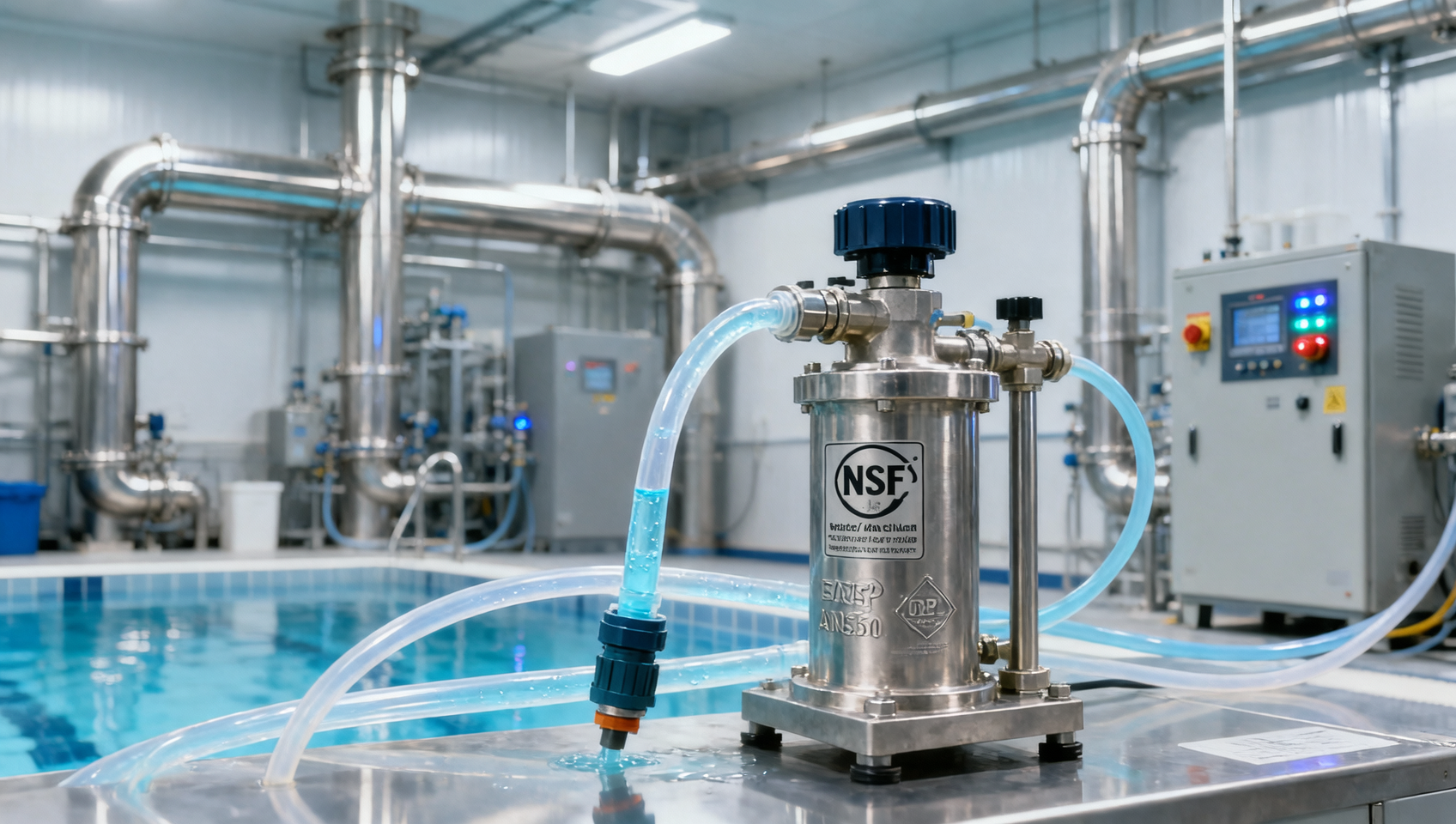
The first broad category is potable and utility water treatment. These systems focus on suspended solids, taste and odor compounds, hardness, iron, manganese, microbes, and occasionally salinity. Typical technologies include multimedia filtration, activated carbon, softeners, cartridge filters, UV, chlorination, and membrane units depending on the raw water source.
The second category is industrial process water treatment. Here the tolerance for contamination is often much tighter because water directly affects product consistency, equipment life, and heat transfer. Applications include boiler feed, cooling towers, food processing, electronics, textile wet processing, and chemical manufacturing. Systems may combine demineralization, degassing, dosing, and advanced filtration.
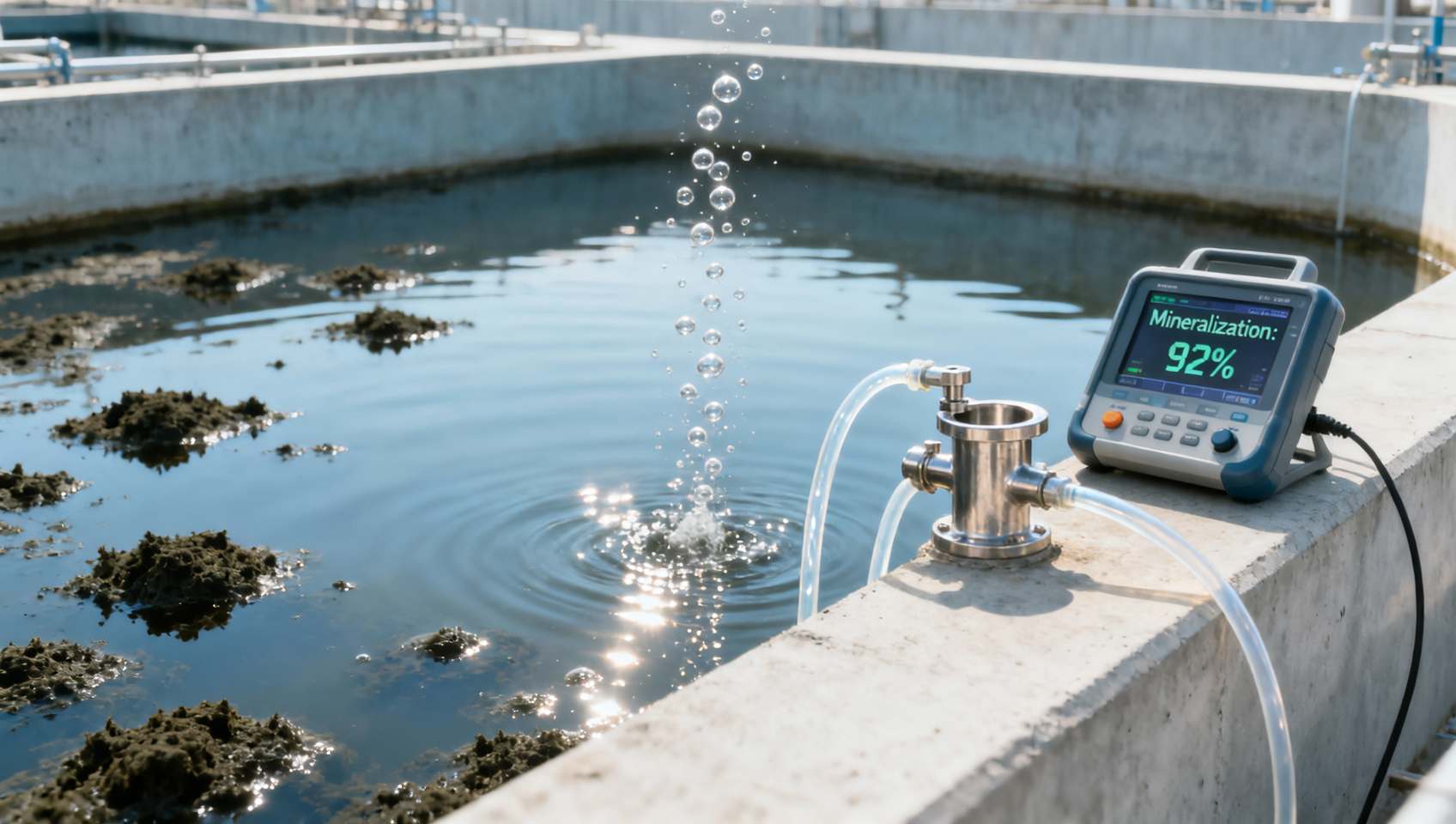
The third category is wastewater and reuse. The objective is either compliant discharge or recovery of water for non-potable reuse. Typical trains include equalization, pH adjustment, dissolved air flotation, biological treatment, sludge dewatering, tertiary filtration, and disinfection. Where discharge costs are high, water treatment increasingly shifts toward partial recycling and concentration management.
A fourth practical way to classify water treatment is by contaminant type: particulate removal, hardness control, desalination, organics reduction, heavy metal removal, nutrient reduction, and pathogen control. This classification helps sourcing teams compare offers because it ties equipment choices to measurable water quality goals instead of generic system descriptions.
Who Needs Water Treatment And Where It Is Used
Water treatment is relevant to manufacturers, utilities, farms, commercial buildings, mining sites, hospitality operators, and infrastructure developers. Any organization that depends on stable water quality, process hygiene, heat exchange efficiency, or discharge compliance is a potential user. The target audience typically includes plant managers, EHS teams, project engineers, procurement specialists, and owners evaluating lifecycle risk.
Applications vary widely. In agriculture, treatment may support fertigation quality, emitter protection, and source-water stabilization. In process industries, it may protect boilers, chillers, and product-contact lines. In water-stressed regions, reuse projects help reduce freshwater dependency. In commercial sites, treatment improves scale control, sanitation, and equipment longevity.
The relevance of water treatment also depends on location and timing. Sites using groundwater may face iron, manganese, hardness, or salinity. Surface water may bring seasonal turbidity, algae, and microbial variability. Coastal and arid regions often require stronger desalination or reuse strategies. During expansion, new compliance rules or higher production volumes frequently trigger a redesign of existing systems.
For buyers working across mixed industrial categories, GTIIN can be positioned as a practical sourcing and evaluation partner rather than a one-size-fits-all vendor. In a comprehensive industry setting, the advantage is the ability to compare water treatment options against application fit, operating constraints, and procurement risk before committing to a treatment route.
How To Select The Right Water Treatment Solution
Selection should start with a water analysis and a clear definition of the treated-water objective. Buyers should document source variability, daily flow, peak demand, required outlet quality, reject handling, available footprint, utility conditions, operator skill level, and local discharge rules. Without this baseline, quotes can look comparable while solving different technical problems.
The next step is matching technology to risk profile. If solids loading fluctuates, robust pretreatment matters. If scaling potential is high, softening, antiscalant strategy, or recovery adjustment may be needed. If microbial control is critical, buyers should compare UV, ozone, chlorine, or combined barriers. If chemicals are involved, storage compatibility and reactivity management must be reviewed carefully.
A disciplined specification should also cover maintainability. Ask how often media, membranes, or cartridges need replacement; whether CIP is required; what spare parts are standard; and how instruments are calibrated. A lower purchase price can become expensive if local operators cannot maintain the system or if critical parts have long lead times.
When comparing suppliers, procurement teams should request process flow diagrams, design assumptions, excluded scope, expected consumables, and alarm logic. For organizations using GTIIN as a sourcing reference point, a good practice is to benchmark multiple water treatment routes against the same feedwater and production scenario so the decision is driven by evidence rather than brochure language.
Industry Standards, Quality Control, And Operational Discipline
Water treatment projects are shaped by local water regulations, discharge permits, health requirements, and customer-specific quality targets. Because standards differ by country and application, buyers should verify the exact testing methods, sampling frequency, and acceptance limits that apply to their site. Generic compliance statements are not enough for technical evaluation.
Quality control begins before installation. Feedwater sampling should reflect seasonal and operating variation, not just one laboratory result. During commissioning, baseline data for pressure drop, conductivity, recovery, dosing rate, and microbiology should be recorded. These baseline values help teams identify when water treatment performance starts to drift over time.
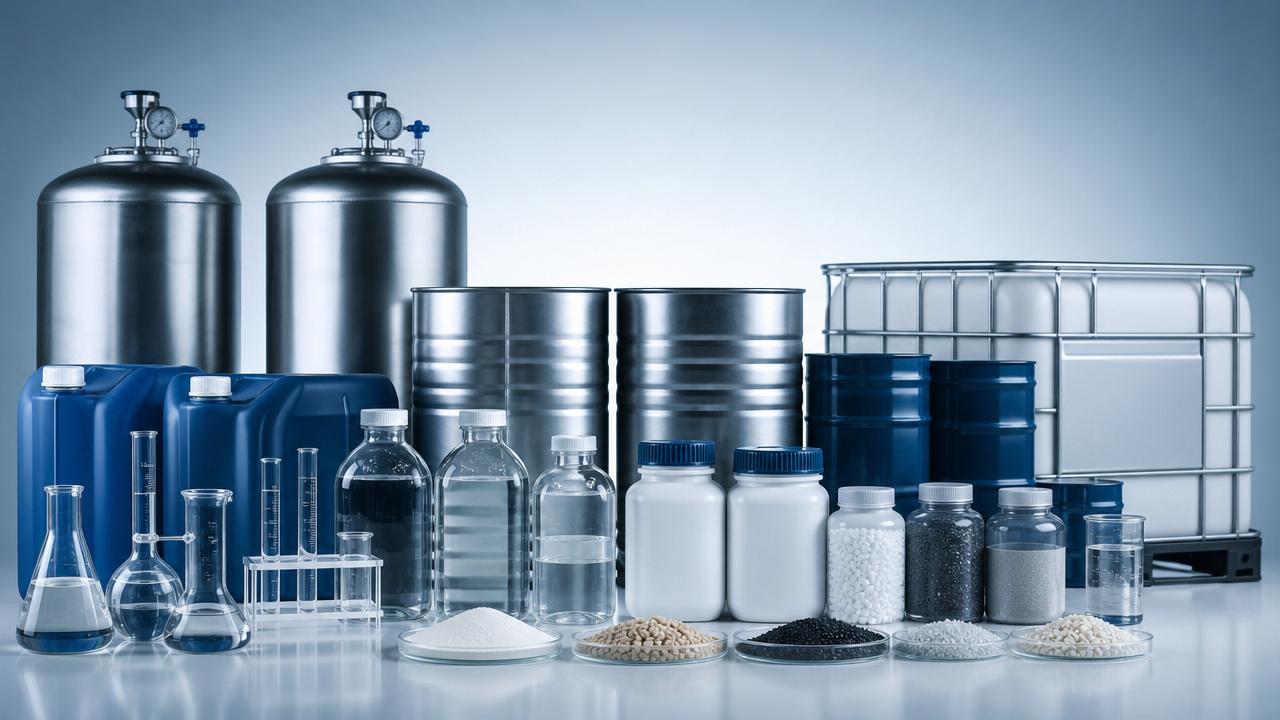
Routine discipline matters as much as design. Operators should inspect strainers, monitor chemical inventory, review sensor calibration, confirm backwash or cleaning intervals, and document incidents such as pH excursions or oxidant overfeed. Inadequate storage control for treatment chemicals can create hidden compatibility risks, especially where concentration, temperature, or pH shifts alter reactivity.
In application planning, GTIIN can add value by helping buyers structure technical due diligence around operating data, maintenance burden, and compliance checkpoints. This is especially useful in cross-industry sourcing where decision makers need water treatment guidance that is neutral, practical, and aligned with actual site conditions rather than generic equipment lists.
Cost Structure, TCO, And ROI Considerations
The total cost of water treatment includes more than capital equipment. Buyers should account for engineering, installation, tanks, piping, instrumentation, electrical integration, civil works, commissioning, operator training, and spare parts. In many projects, these indirect items materially change the real investment picture and should be visible during supplier comparison.
Operating cost typically includes energy, chemicals, membranes or media, labor, sludge disposal, cleaning, water loss, and downtime from underperformance. For membrane systems, pretreatment quality often determines cleaning frequency and replacement life. For chemical programs, poor dosing control may reduce equipment life or create unnecessary discharge and safety costs.
ROI should be assessed in terms of avoided scale, reduced maintenance, improved product quality, lower freshwater intake, lower discharge fees, and less production interruption. In some industries, a treatment upgrade pays back through uptime rather than direct water savings. This is why buyers should evaluate water treatment as an operational risk-control investment, not only as a utility expense.
A practical sourcing method is to ask vendors for a five-year TCO model using the same flow rate, water quality, labor assumptions, and energy pricing. That approach reveals whether a low-entry-price water treatment offer remains competitive once consumables, reject handling, service complexity, and replacement cycles are included.
Future Trends For Water Treatment In 2025 And Beyond
The first major trend is tighter integration of treatment with water reuse and resource efficiency. More facilities are moving from linear use-and-discharge models toward recovery, partial recirculation, and staged reuse. This increases the importance of concentration management, pretreatment reliability, and monitoring because reuse systems amplify the impact of upstream variability.
The second trend is digitalization. Remote monitoring, predictive maintenance, and better alarm analytics are helping operators respond before fouling, breakthrough, or compliance drift becomes severe. Even relatively simple water treatment systems now benefit from structured data logging, especially at sites with limited operator attention or frequent production changes.
The third trend is higher scrutiny on chemical selection, safety, and compatibility. Buyers increasingly ask whether chemical storage conditions, mixing practices, and material compatibility have been considered in the design. This is relevant not only for treatment efficiency but also for workplace safety, inventory stability, and maintenance planning.
Finally, procurement is becoming more evidence-driven. Decision makers want process transparency, realistic operating assumptions, and site-specific recommendations. In that environment, GTIIN can support buyers by organizing water treatment options into clearer technical and commercial comparisons, helping teams move from broad interest to informed specification and supplier engagement.
Related News
 Chemical Industry Reports: 2026 Cost and Demand SignalsChemical industry reports for 2026 uncover key cost and demand signals shaping sourcing, pricing, and exports. See what matters most and act with sharper market confidence.
 What Industrial News Sources Do Engineering Project Managers Trust Most for Supply Chain Updates?Discover trusted industrial news sources for real-time supply chain updates, trade intelligence & manufacturing insights—backed by import statistics, export data, and market intelligence.
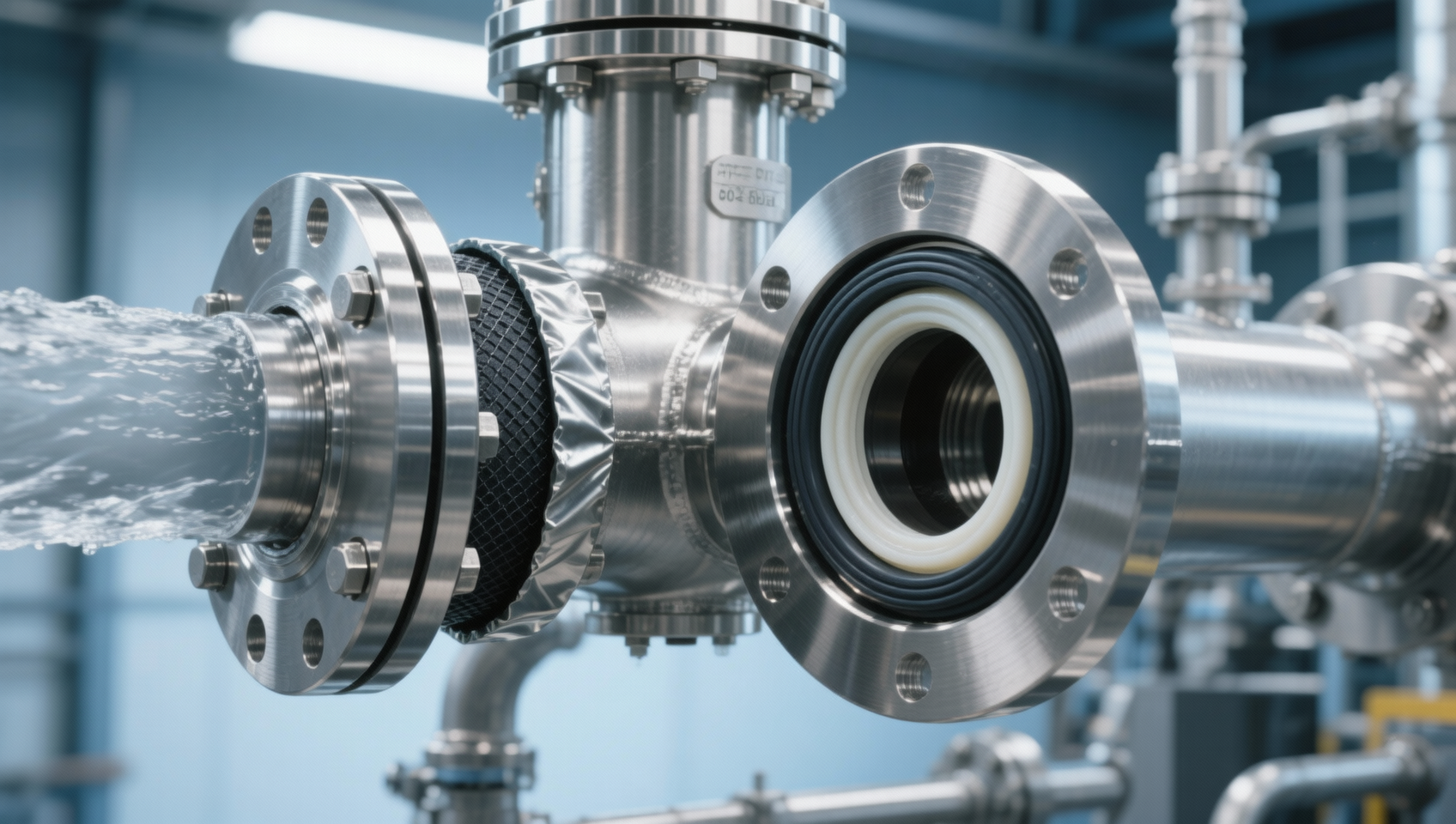
 Manufacturing Trends Driving Adoption of Seals & Gaskets in High-Pressure Water Treatment ApplicationsDiscover how industrial trends, trade intelligence, and manufacturing insights drive seal & gasket adoption in high-pressure water treatment—get actionable market intelligence now.
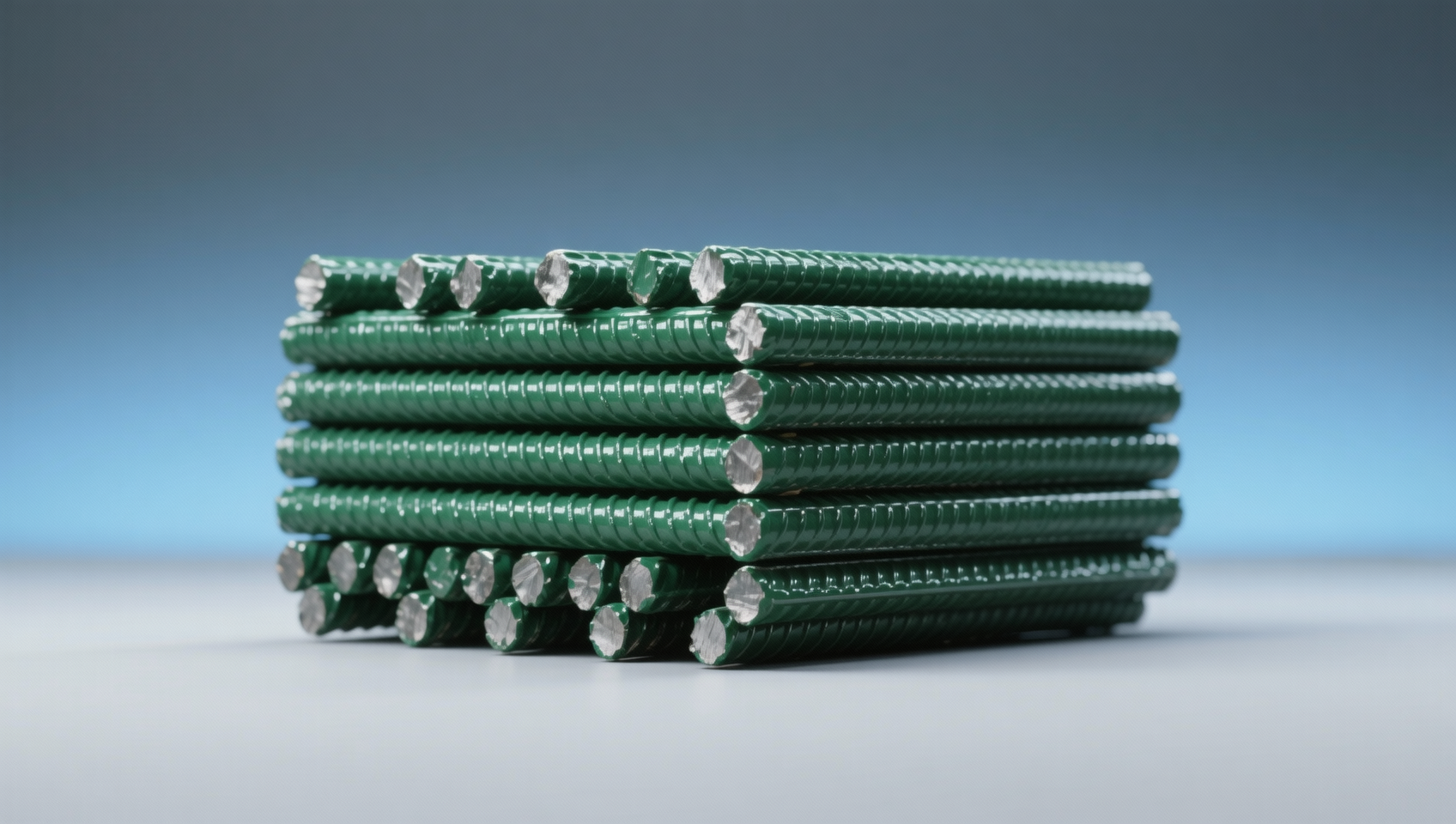
 When Is Epoxy-Coated Steel Rebar for Construction Worth the Extra Cost on a $5M Infrastructure Project?Steel rebar for construction: Discover when epoxy-coated rebar delivers real ROI on $5M infrastructure projects—data-driven, compliant, and cost-justified.