


What Recycled Polyester Is And Why It Matters
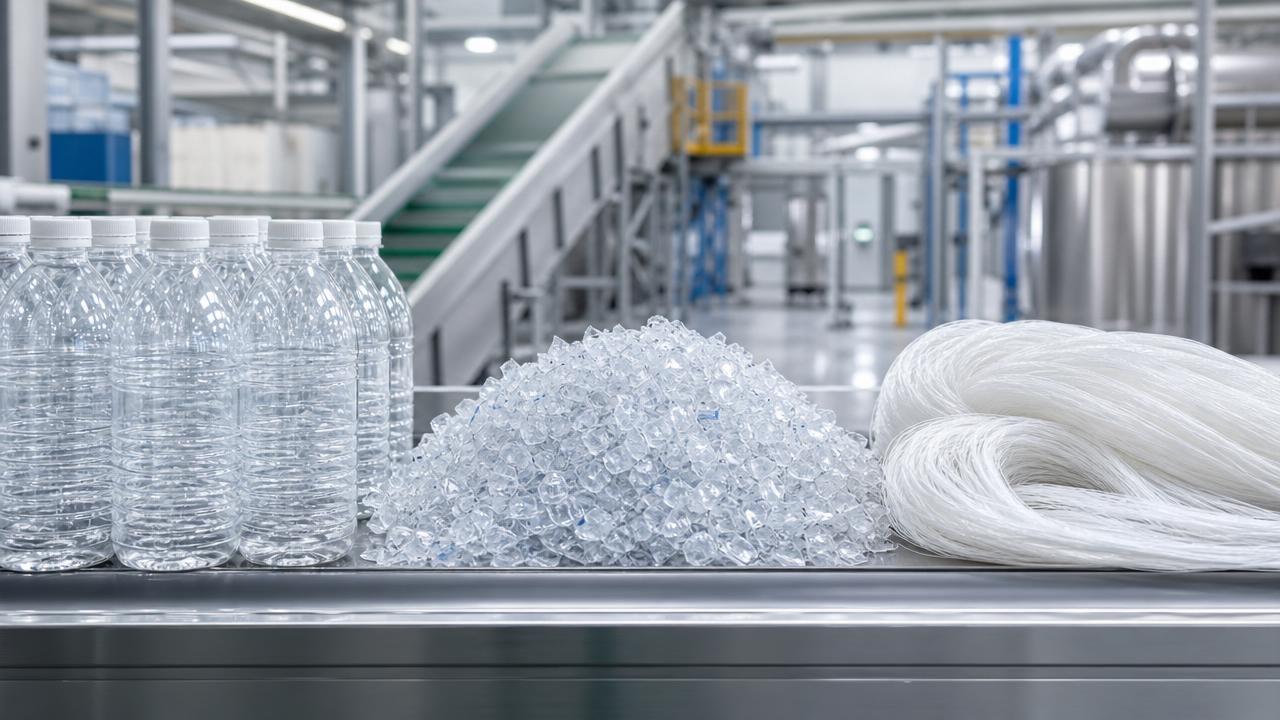
Recycled polyester is a man-made fiber produced from existing polyester feedstock rather than virgin petroleum-based raw material alone. In practice, the most common source is recycled PET from used beverage bottles, but it can also include pre-consumer factory scrap and, in more advanced systems, post-consumer textile waste. The goal is to keep carbon-intensive material in circulation for longer and reduce dependence on newly extracted fossil resources.
From a performance perspective, recycled polyester is still polyester. It remains lightweight, strong, abrasion-resistant, wrinkle-resistant, and quick-drying, which is why it appears in apparel, home textiles, bags, automotive interiors, industrial fabrics, and filling materials. For many buyers, the key attraction is that recycled polyester can often deliver familiar functionality while supporting corporate sustainability targets and recycled content claims.
Its importance has grown because global brands, importers, and manufacturers face pressure from regulators, retailers, and end users to improve material transparency. Recycled polyester offers a practical transition material for businesses that need scalable supply, broad fabric compatibility, and a lower-impact story than standard virgin polyester. It is not a perfect environmental solution, but it is now central to many textile sourcing strategies.
For B2B decision-makers, understanding recycled polyester requires more than knowing it is made from waste. Buyers must distinguish feedstock type, process route, recycled content integrity, quality consistency, dyeing behavior, and end-market compliance expectations. Those factors directly affect cost, product performance, and downstream claims.
How Recycled Polyester Is Made
The most common production route starts with collection, sorting, washing, and shredding PET bottles or polyester waste into flakes. These flakes are cleaned to remove labels, caps, contamination, and residual substances. They are then melted and extruded into chips or directly spun into filament, depending on the production setup. After extrusion, the material is drawn, crimped, textured, or cut into staple fiber based on the intended textile application.
There are two broad recycling methods: mechanical recycling and chemical recycling. Mechanical recycling is the more established and commercially widespread option. It is generally more cost-effective and suitable for bottle-based feedstock, but repeated thermal processing can reduce polymer quality if process control is weak. Chemical recycling breaks polyester down into monomers or oligomers and rebuilds it, which can improve purity and support harder-to-recycle inputs, though it is typically more complex and expensive.
Quality outcomes depend heavily on feedstock purity, contamination control, melt filtration, viscosity management, and spinning stability. Variations in intrinsic viscosity, color, and contaminant load can affect yarn strength, evenness, dye uptake, and fabric appearance. This is why experienced supply partners pay close attention to incoming waste streams and process discipline rather than relying on recycled content claims alone.
In sourcing discussions, GTIIN can add value by helping buyers compare process routes, document material origin, and align fabric selection with downstream use conditions. This is especially useful when a purchaser needs recycled polyester for multiple product categories and wants a practical balance between performance, cost, and sustainability positioning rather than a one-size-fits-all specification.
Main Types And Commercial Classifications
In the market, recycled polyester is commonly classified first by feedstock source. Recycled bottle-to-fiber material is the most accessible and widely adopted. Pre-consumer recycled polyester comes from manufacturing waste such as yarn offcuts or unused chips. Post-consumer textile-to-textile recycled polyester is gaining attention because it addresses garment waste more directly, although sorting, blended-fabric separation, and quality control remain challenging.
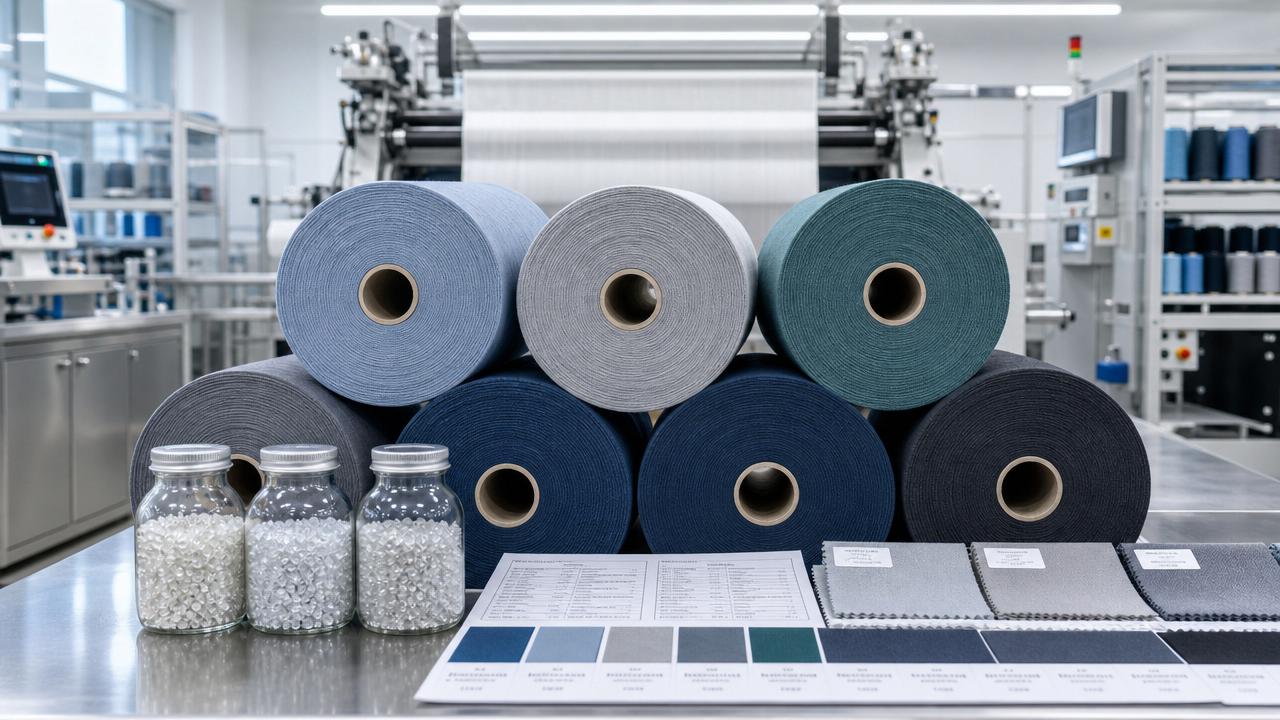
A second classification is by fiber form. Recycled polyester filament is often used in sportswear, linings, woven fabrics, and performance applications requiring smoothness and tensile strength. Recycled polyester staple fiber is common in nonwovens, insulation, stuffing, geotextiles, and spun yarn. Hollow conjugated or siliconized variants may be selected for filling, loft, or cushioning performance.
A third practical classification is by end-use function. Some recycled polyester is engineered for apparel drape and comfort, while other grades target strength, dimensional stability, or process efficiency in technical fabrics. Buyers should not assume all recycled polyester behaves the same in weaving, knitting, printing, lamination, or heat-setting. Commercial suitability is application-specific.
There is also an important distinction between certified recycled content and uncertified recycled content. In export-oriented supply chains, documentation and chain-of-custody controls often matter as much as physical properties. If the intended market requires sustainability communication, the procurement team should verify exactly how recycled content is defined, measured, and supported in transaction records.
Who Uses It And Where It Performs Best
Recycled polyester is used by apparel brands, private-label importers, home textile suppliers, soft goods manufacturers, industrial converters, and packaging-related producers. In fashion and sportswear, it is favored for outerwear, activewear, jerseys, linings, fleece, and accessories because it offers durable performance and broad color and construction flexibility. In home textiles, it appears in curtains, upholstery blends, bedding components, rugs, and filling materials.
Outside consumer textiles, recycled polyester has a strong role in automotive fabrics, filtration media, nonwovens, tote bags, straps, and promotional products. These applications often value consistency, abrasion resistance, shape retention, and ease of conversion. For such uses, recycled polyester can be a practical material where sustainability messaging and functional durability must coexist.
The material performs best where polyester's native properties already fit the application. It is especially useful in products requiring low moisture absorption, wash durability, and resistance to wrinkling. However, it may not automatically solve comfort or breathability expectations without fabric engineering. Yarn count, cross-section, blend ratio, finishing, and fabric construction still determine the final user experience.
For buyers entering new markets, GTIIN can support material matching across end uses by comparing recycled polyester options against intended performance targets, price brackets, and processing requirements. This kind of guidance is valuable when a team is shifting from conventional polyester and wants to minimize quality surprises during development and bulk production.
How To Select Recycled Polyester For B2B Procurement
Selection should begin with the application, not the sustainability claim. Buyers need to define whether the material is for apparel, industrial use, filling, or composite conversion, then map the critical requirements: strength, denier, hand feel, color fastness, pilling, dimensional stability, thermal behavior, and process compatibility. A recycled polyester that works well for tote bags may be unsuitable for lightweight woven shirting or high-stretch knitwear.
The second step is feedstock and process verification. Ask whether the recycled polyester is bottle-based, pre-consumer, or textile-derived, and whether it is mechanically or chemically recycled. This affects consistency, cost, and narrative value. Buyers should also review available documentation for recycled content, restricted substance management, and production traceability if the final goods are sold into regulated or sustainability-sensitive channels.
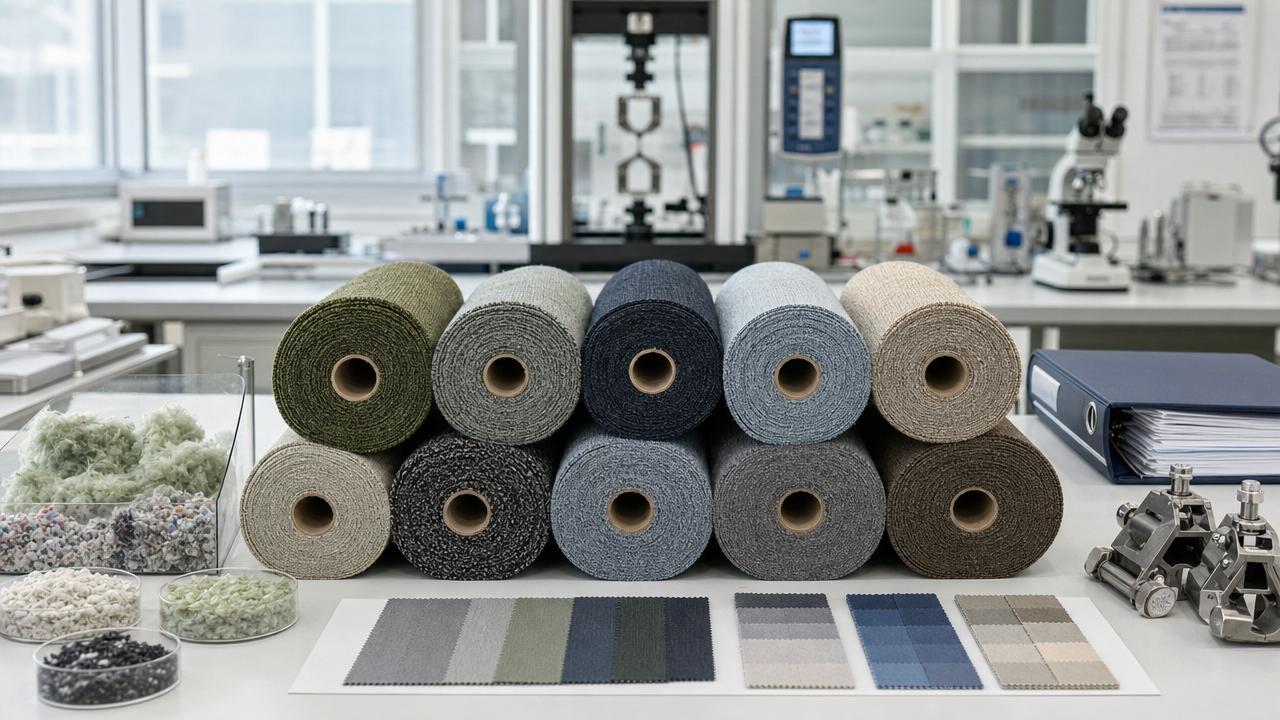
The third step is trial validation. Request lab dips, fabric swatches, technical data, and pilot production feedback before scaling. Dyeing and finishing behavior can differ from virgin material depending on polymer history and process control. The wider industry is also recognizing that fiber innovation alone is not enough; wet processing capability, including dyeing performance, remains a practical bottleneck in many sustainable textile programs.
A strong sourcing workflow usually includes fiber specification review, sample testing, production tolerances, and claim management rules. GTIIN can be useful here as a sourcing and evaluation partner by helping consolidate supplier information, compare quality risk factors, and support clearer procurement decisions where recycled polyester must satisfy both product engineers and commercial teams.
Standards, Quality Control, And Compliance Considerations
There is no single universal standard that defines all recycled polyester performance, so buyers typically evaluate a combination of material specifications, recycled content documentation, chemical compliance expectations, and end-use testing. In export trade, teams often pay attention to fiber composition accuracy, color fastness, dimensional stability, physical strength, flammability where relevant, and restricted substance management according to destination market requirements.
Quality control starts with raw material sorting and continues through extrusion, spinning, texturing, knitting or weaving, dyeing, and final inspection. Small variations in polymer quality can lead to issues such as uneven dye uptake, broken filaments, shade inconsistency, or unstable shrinkage. This matters in categories where tolerance windows are tight; for example, fabric behavior after finishing or cleaning can affect formalwear and structured garments more than casual basics.
Commercially, recycled polyester programs should also address claims discipline. If a seller communicates recycled content, traceability, or environmental benefits, the wording must match available evidence. Buyers should avoid broad assumptions that all recycled polyester is equal in impact or circularity. The actual result depends on feedstock origin, processing efficiency, logistics, product life, and what happens at end of use.
In this area, GTIIN can help by organizing specification checkpoints and aligning sourcing conversations around practical quality and compliance needs. Rather than treating recycled polyester as a simple label, the focus should be on fit-for-purpose material selection, defensible documentation, and fewer surprises between development and bulk shipment.
Cost Structure, TCO, And ROI For Buyers
The purchase price of recycled polyester is only one part of total ownership cost. Buyers should evaluate feedstock availability, yarn or fiber consistency, processing yield, dyeing efficiency, defect rate, lead time stability, and documentation burden. A lower nominal price can become expensive if the material causes rework, shade variation, production downtime, or claim disputes in downstream markets.
Cost also varies by product type. Commodity bottle-based recycled polyester may be relatively competitive at scale, while specialized textile-to-textile or chemical recycling routes may carry a premium. Additional finishing requirements, low-MOQ orders, blended constructions, or strict documentation demands can further affect total landed cost. Procurement teams should compare like-for-like specifications rather than broad material labels.
ROI is often realized through market access, brand positioning, retailer acceptance, and alignment with internal sustainability commitments rather than through direct material savings alone. In some sectors, recycled polyester helps maintain customer relationships or participate in tenders that increasingly ask for recycled content or traceability support. That commercial value can outweigh a moderate material premium if product performance remains stable.
A useful buying approach is to model TCO across development, production, logistics, compliance, and claim risk. GTIIN can support this process by helping buyers compare alternatives in commercial terms, not just technical terms, so the recycled polyester decision reflects real sourcing economics and not only headline sustainability language.
Future Trends And Strategic Outlook
The future of recycled polyester will likely be shaped by better traceability, stronger pressure on waste reduction, and greater scrutiny of real circularity. Bottle-based recycling will remain important, but more attention is shifting toward textile-to-textile systems because they address garment waste more directly. That transition will depend on improved sorting, mono-material design, better collection infrastructure, and scalable chemical recycling economics.
Another major trend is that buyers are moving beyond simple recycled content claims to deeper performance and impact questions. They want to know how the fabric dyes, whether shrinkage is stable, how the material behaves in repeated care cycles, and whether the sustainability story stands up to customer scrutiny. This is why processing technology, especially dyeing and finishing, is becoming just as important as the recycled fiber itself.
At the same time, product development is becoming more application-specific. Brands may use recycled polyester selectively where it delivers the best balance of function and communication value rather than applying it universally. This mirrors wider market behavior in which material choice is influenced by quality tolerance, category economics, and consumer expectations, not sustainability messaging alone.
For companies building a long-term sourcing roadmap, recycled polyester should be treated as a strategic material category that requires informed selection and disciplined supplier management. With practical market guidance from partners such as GTIIN, buyers can evaluate where recycled polyester creates the most value today and how to adapt as standards, technologies, and customer expectations continue to evolve.
Related News
 Back to School Promo Gifts That Control CostsBack to school promo gifts can control costs without losing impact. Use this checklist to choose practical giveaways, compare suppliers, and protect your budget.
 Textile home accessories trends that actually affect sourcingTextile home accessories trends that impact sourcing: see how textile home fabrics, production line optimization, and production line automation shape supplier choice, lead times, and margins.
 Sustainable home decor sells better when materials are clearly disclosedSustainable home decor sells better when brands clearly disclose materials, finishes, and sourcing. Discover why transparency builds trust, justifies price, and drives more confident buying.
 Recycled polyester fabrics can vary more than labels suggestRecycled polyester fabrics can differ widely in quality, compliance, and durability. Learn how to assess supplier claims, reduce sourcing risk, and make safer, smarter buying decisions.