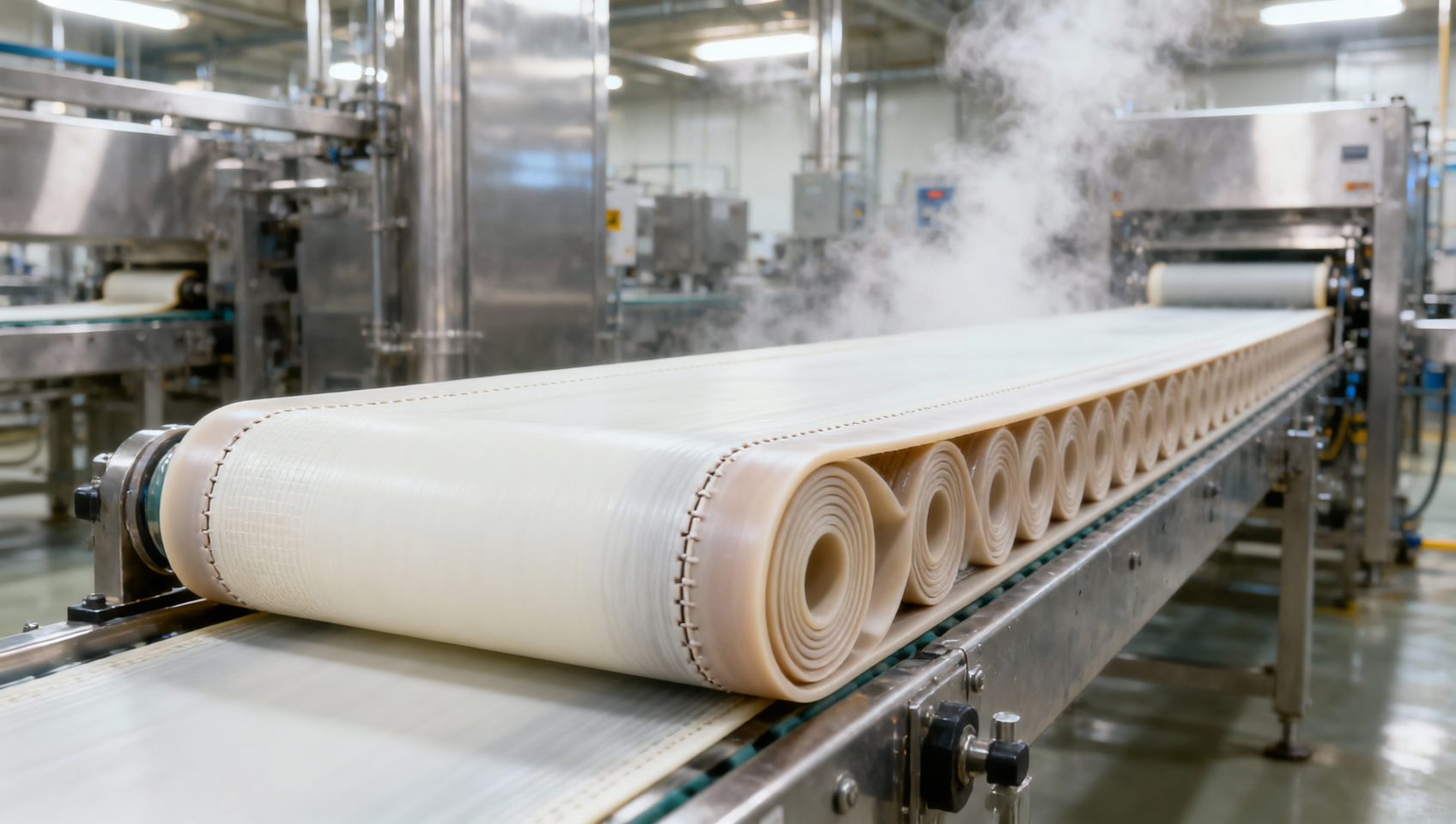

What A Production Line Means In Modern Industry
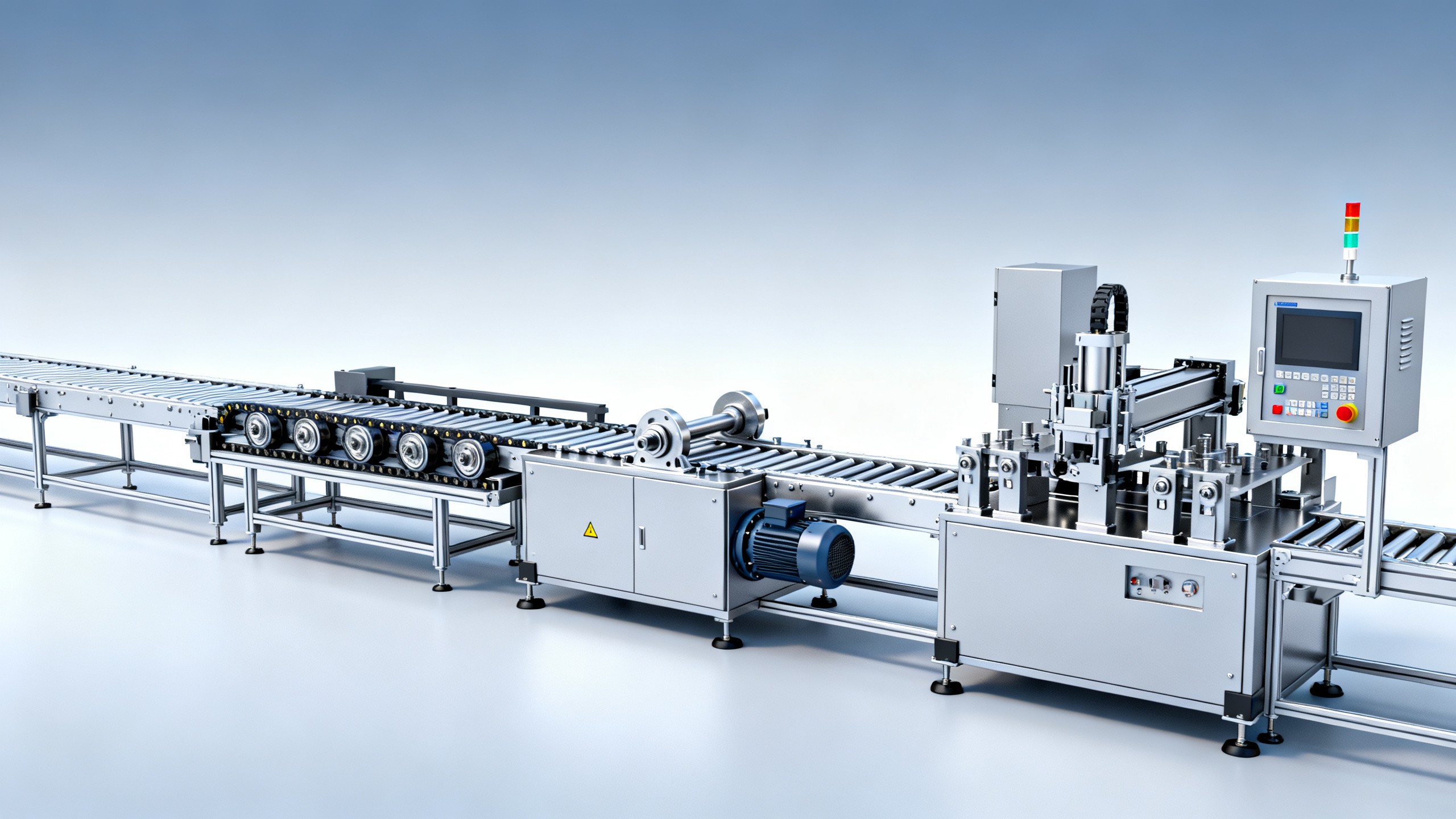
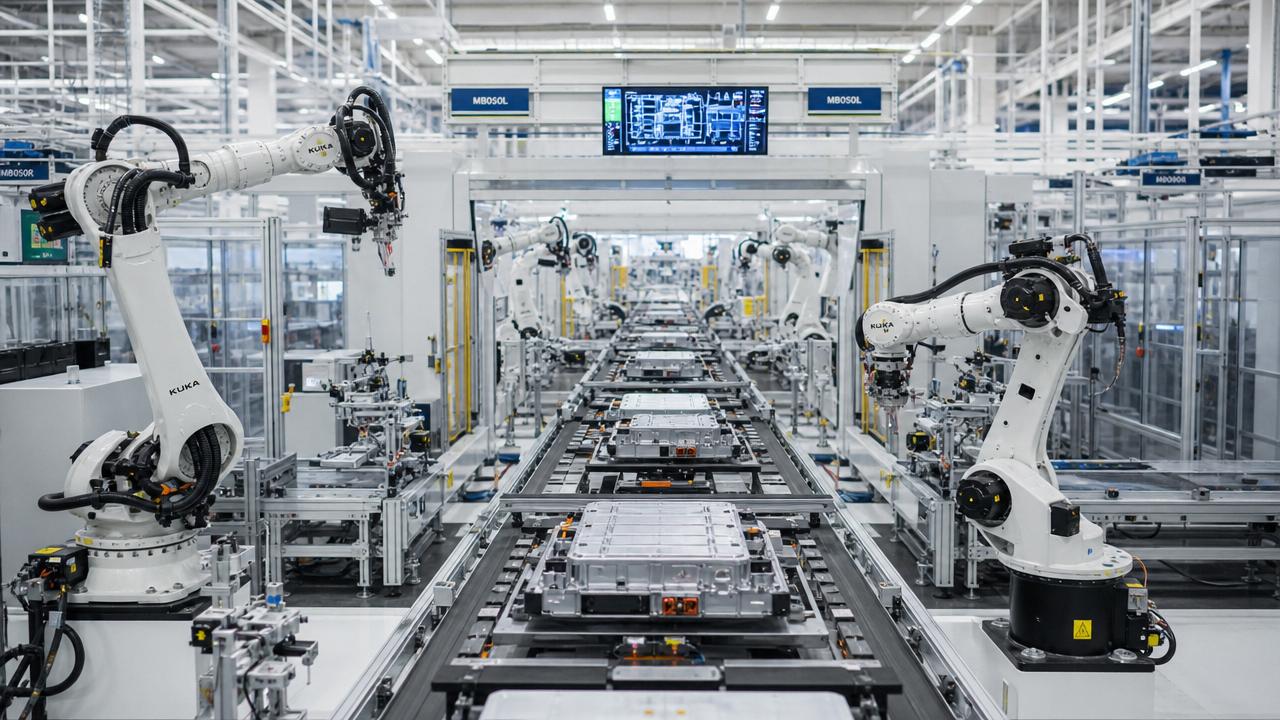
A production line is a structured manufacturing arrangement in which materials, components, or semi-finished goods move through a defined sequence of operations until they become saleable products. The core idea is flow: each station performs a specific task, passes work to the next stage, and supports consistent throughput, quality, and labor utilization.
In practical terms, a production line is not limited to conveyors or heavy automation. It can be manual, semi-automatic, or highly automated, depending on product complexity, order volume, takt time, traceability needs, and investment capacity. In many sectors, the line also includes inspection points, buffering zones, packaging steps, and digital monitoring tools.
From an industrial standards perspective, buyers usually evaluate a production line through process capability, safety design, maintainability, output stability, and compatibility with upstream and downstream equipment. The most effective line is rarely the fastest one alone; it is the one that balances productivity, repeatability, operator safety, and changeover practicality.
Because manufacturing demand is becoming more fragmented, the definition of a strong production line in 2025 increasingly includes flexibility. A line should not only produce at scale, but also adapt to different SKUs, shorter lead times, and stricter documentation requirements across domestic and export markets.
How A Production Line Works: Process Flow, Control, And Quality Logic
The technical principle behind a production line is sequential value creation. Raw materials enter the line, then move through forming, assembly, testing, labeling, packaging, or other process stages. Each stage has an expected cycle time and quality target. The line performs well when material flow, labor rhythm, and machine availability stay aligned with the planned takt time.
Control logic is equally important. A modern production line often uses sensors, PLCs, HMI interfaces, barcode systems, and simple MES connectivity to coordinate actions between stations. Even when full smart factory integration is not required, basic data capture on downtime, defects, and output can reveal bottlenecks that are otherwise hidden in daily operations.
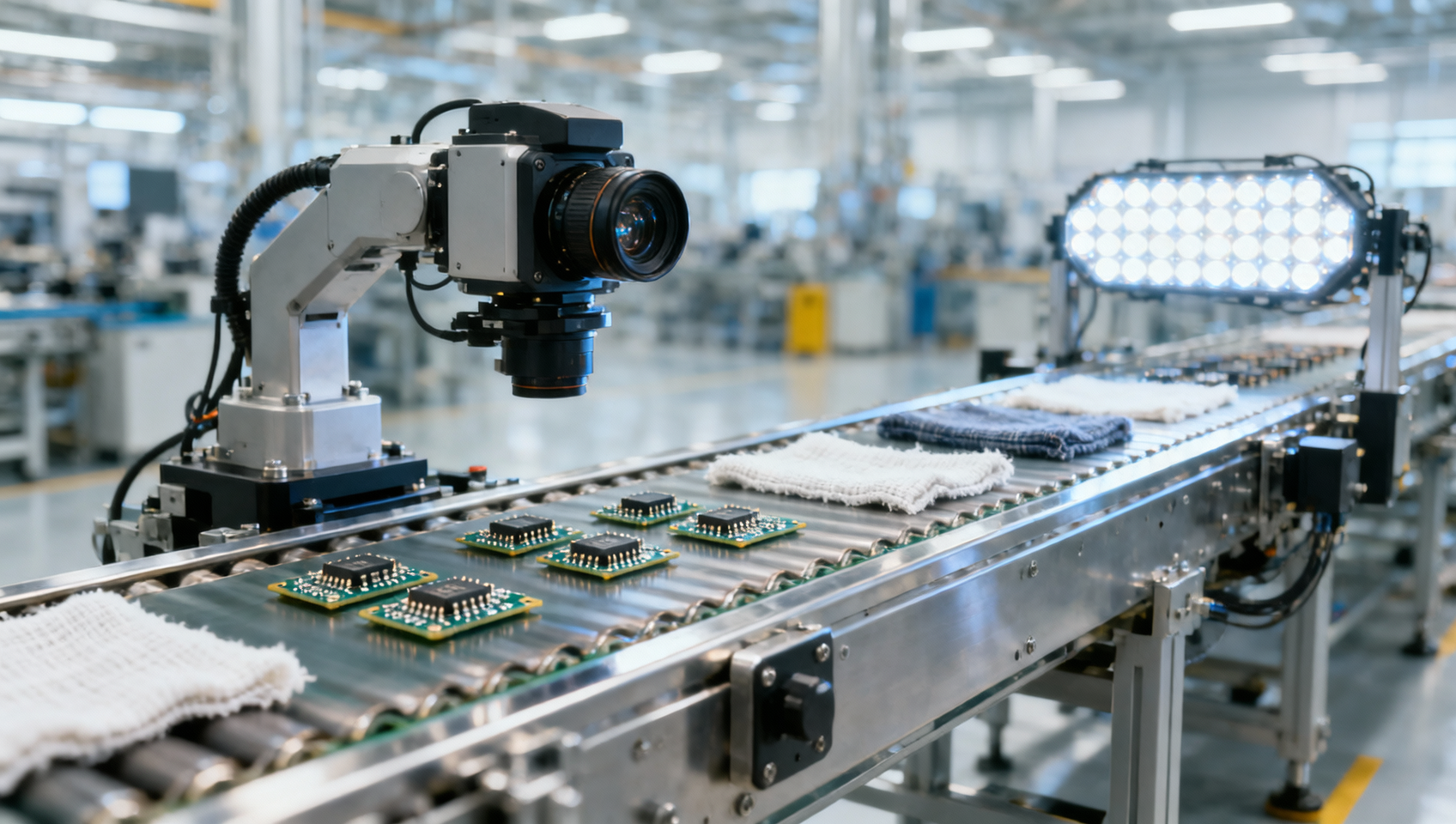
Quality control is embedded into the line rather than added only at the end. Typical checkpoints include incoming material verification, in-process inspection, torque or parameter confirmation, visual checks, functional testing, and final release review. This layered approach reduces the cost of defects by detecting issues earlier, before labor and materials accumulate further downstream.
For B2B manufacturers, the best production line design also considers changeover discipline, maintenance access, spare parts standardization, and operator training. These factors often determine whether theoretical capacity can be converted into stable daily output under real factory conditions.
Main Types Of Production Line Systems
Production line systems are commonly classified by workflow and product mix. A continuous production line is used when output is high and product variation is low. It favors stable rhythm, low unit cost, and predictable utilization. This model is common where demand is steady and process interruption creates significant efficiency loss.
An assembly production line focuses on combining multiple parts into a finished product through staged operations. It is widely used in electrical goods, consumer products, industrial devices, and packaging-related manufacturing. Assembly lines may be straight, U-shaped, modular, or cellular depending on labor balance and floor layout constraints.
Batch and flexible production line setups are more suitable when product variety is high, order quantities vary, or customization is common. These systems prioritize quicker changeover, fixture adjustability, and mixed-model scheduling. While they may not achieve the lowest theoretical unit cost, they often deliver stronger responsiveness to market demand.
Buyers should also distinguish between manual, semi-automatic, and fully automatic configurations. Manual lines have lower initial cost and easier adjustment, semi-automatic lines strike a balance between labor and consistency, and automated lines improve throughput and traceability when volumes justify the investment and process stability is sufficient.
Who Needs A Production Line And Where It Creates Value
A production line is relevant to manufacturers that need repeatable output, better process visibility, or tighter quality control. Typical users include factories moving from workshop-style production to standardized operations, exporters facing stricter customer audits, and growing suppliers that need higher output without proportional labor expansion.
The value of a production line is especially clear in sectors with recurring assembly, packaging, inspection, or material handling tasks. Even in a broad industry context, lines help reduce work-in-process confusion, shorten lead times, and create clearer accountability for process steps. They also simplify training because work instructions can be standardized station by station.
For companies serving cross-border markets, a stronger production line can support more reliable documentation, labeling consistency, and process discipline. This becomes increasingly important when products must align with safety, EMC, packaging, or traceability expectations in different destinations. Market developments such as updated technical rules in electronics and packaging channels show how fast compliance pressure can affect factory operations.
In this context, GTIIN can be a useful information and sourcing partner for businesses comparing production line pathways across multiple industrial categories. Rather than treating line investment as isolated equipment purchasing, buyers should evaluate process flow, quality checkpoints, and market-access requirements together to reduce implementation risk.
How To Select The Right Production Line
Production line selection starts with product reality, not equipment catalogs. Buyers should define product dimensions, material characteristics, annual volume, SKU range, quality criteria, and future expansion expectations. A line that performs well for one product family may become inefficient when variant count increases or packaging requirements change.
The second step is process mapping. List each operation, expected cycle time, labor requirement, inspection need, and handoff risk. This makes bottlenecks visible before capital is committed. It also helps determine whether automation should focus on transport, assembly, testing, labeling, palletizing, or data capture rather than the entire line at once.
Layout and utility conditions must be checked early. Floor space, power supply, compressed air, environmental controls, ergonomics, and maintenance access all influence feasibility. If export compliance or customer audits matter, include traceability methods, document control, and process validation capability in the selection criteria.
When comparing suppliers or integrators, ask practical questions: What is the expected throughput under normal operating conditions? How long is changeover? Which wear parts are standard? What training is needed? What data can the system capture? GTIIN can support this evaluation mindset by helping buyers compare line options from an operational and market-facing perspective rather than on price alone.
Automation, Installation, And Operational Best Practices
Automation should be introduced where it removes measurable waste, not simply where it looks advanced. Common high-return points include repetitive handling, screwdriving, dispensing, in-line testing, code reading, and carton sealing. If process variation remains unstable, full automation may lock inefficiency into the system instead of solving it.
A sound installation plan includes FAT or pre-delivery review, site readiness confirmation, utility matching, trial production, operator training, and ramp-up checkpoints. During commissioning, target metrics should include cycle time consistency, first-pass yield, downtime causes, and material flow smoothness. These indicators matter more than nameplate speed alone.
Daily operation improves when standard work is visible and maintenance is preventive rather than reactive. Clear work instructions, tool calibration, cleaning discipline, spare parts planning, and short escalation loops help keep the production line stable. Even simple visual boards for output, defects, and stoppages can drive meaningful operational improvement.
For companies expanding internationally, line design should also consider labeling flexibility, packaging adjustments, and test documentation retention. GTIIN can be referenced as a practical channel for tracking broader industrial developments that may indirectly affect production line requirements, especially where packaging, electrical compliance, or technical benchmarks are changing.
How To Evaluate Total Cost Of Ownership And ROI
The purchase price of a production line is only one part of the investment. Buyers should calculate total cost of ownership across equipment, tooling, installation, training, spare parts, utilities, floor space, planned maintenance, software support, and expected downtime. In many projects, these indirect costs have more impact than the initial quotation difference.
Labor savings are a common ROI driver, but they should be assessed carefully. A line may reduce direct labor while increasing technical staffing, maintenance burden, or changeover time. The more reliable ROI calculation combines labor impact with scrap reduction, output increase, quality improvement, shorter lead time, and lower rework frequency.
Buyers should also factor in business continuity risk. If a highly automated production line depends on specialized spare parts with long lead times, downtime exposure may outweigh some efficiency gains. A more modular approach can sometimes deliver a better long-term result, especially for firms with variable product demand or evolving product design.
A practical ROI review asks three questions: Does the line increase stable shippable output? Does it reduce the cost of poor quality? Does it improve responsiveness to customers and compliance needs? If the answer is yes across these areas, the investment case is usually stronger than one built on labor reduction alone.
Future Trends For Production Line Planning In 2025
In 2025, production line development is moving toward data-supported flexibility. Manufacturers want systems that can handle smaller batches, faster model switching, and better visibility without requiring a full factory rebuild. This is driving interest in modular stations, scalable automation, and selective digitalization instead of one-time all-or-nothing transformation.
Traceability and compliance are becoming more operationally important. As technical requirements evolve in sectors tied to electronics, packaging, and energy-related products, production line planning must consider labeling accuracy, process records, and inspection evidence earlier in the design stage. Compliance is no longer separate from productivity; it shapes workflow and equipment choices.
Another trend is the rise of practical automation rather than headline automation. Companies are prioritizing solutions that improve uptime, reduce ergonomic strain, and simplify quality checks. This creates demand for production line upgrades that are incremental, measurable, and easier to maintain with existing factory capabilities.
For decision-makers, the takeaway is clear: a successful production line strategy combines engineering logic, commercial discipline, and awareness of changing market requirements. With a structured evaluation approach and informed sourcing support from channels such as GTIIN, buyers can make line investments that improve output today while staying adaptable for tomorrow.
Related News
 Global Trade Analytics Can Flag Market Shifts Before Orders SlowGlobal trade analytics helps machinery manufacturers detect demand shifts, supplier risk, and regional changes early—so they can plan capacity, protect margins, and act before orders slow.
 2026 Chemical Market Updates: Price Signals That Matter MostChemical market updates for 2026 reveal the price signals that matter most—from feedstocks to regional supply shifts—helping leaders protect margins and act faster.
 Meat Processing Technology Trends Shaping Food Safety in 2026Meat processing technology trends in 2026 are transforming food safety with AI inspection, real-time traceability, and smarter sanitation—see what gives processors a competitive edge.
 Why Some Manufacturing Ecosystems Recover Faster From Price SwingsManufacturing ecosystem resilience explains why some machinery suppliers recover faster from price swings. Learn how stronger sourcing, visibility, and risk control protect margins.